Best Spots in Rome for The Elegant Eyes
Home · Rome · The Elegant Eye
For beautiful spaces
From the classic Chiesa del Ss.mo Nome di Gesù all'Argentina and Amalfi & Positano Day Trip with Optional Boat Cruise, to lesser-known spots worth adding to your trip.
★ 4.8 · 7,076 reviews
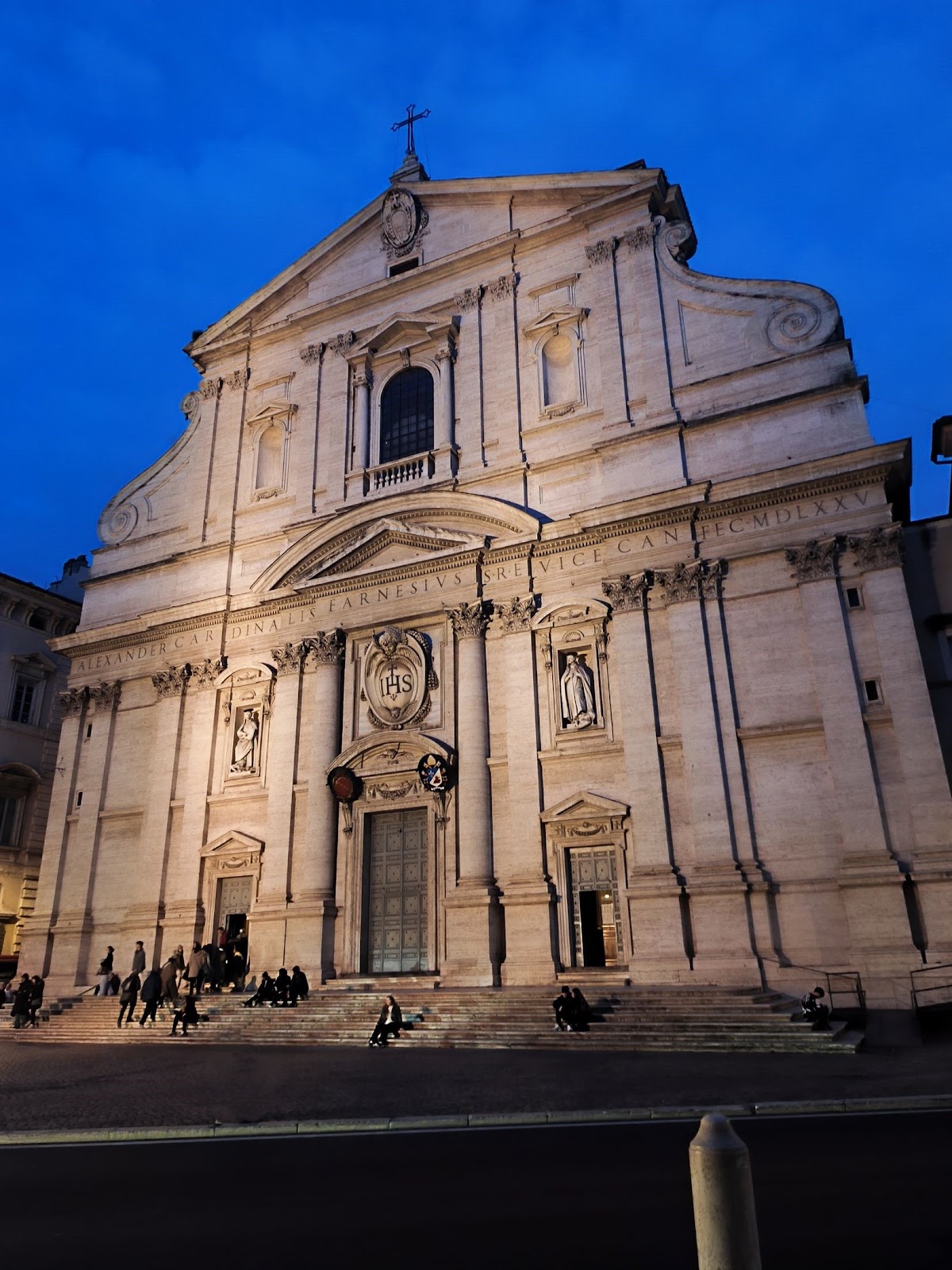
Step inside the Chiesa del Gesù, the mother church of the Jesuit order. Look up at Baciccio's illusionistic ceiling fresco and visit the lapis lazuli-adorned tomb of Ignatius of Loyola.
★ 4.5 · 3,841 reviews
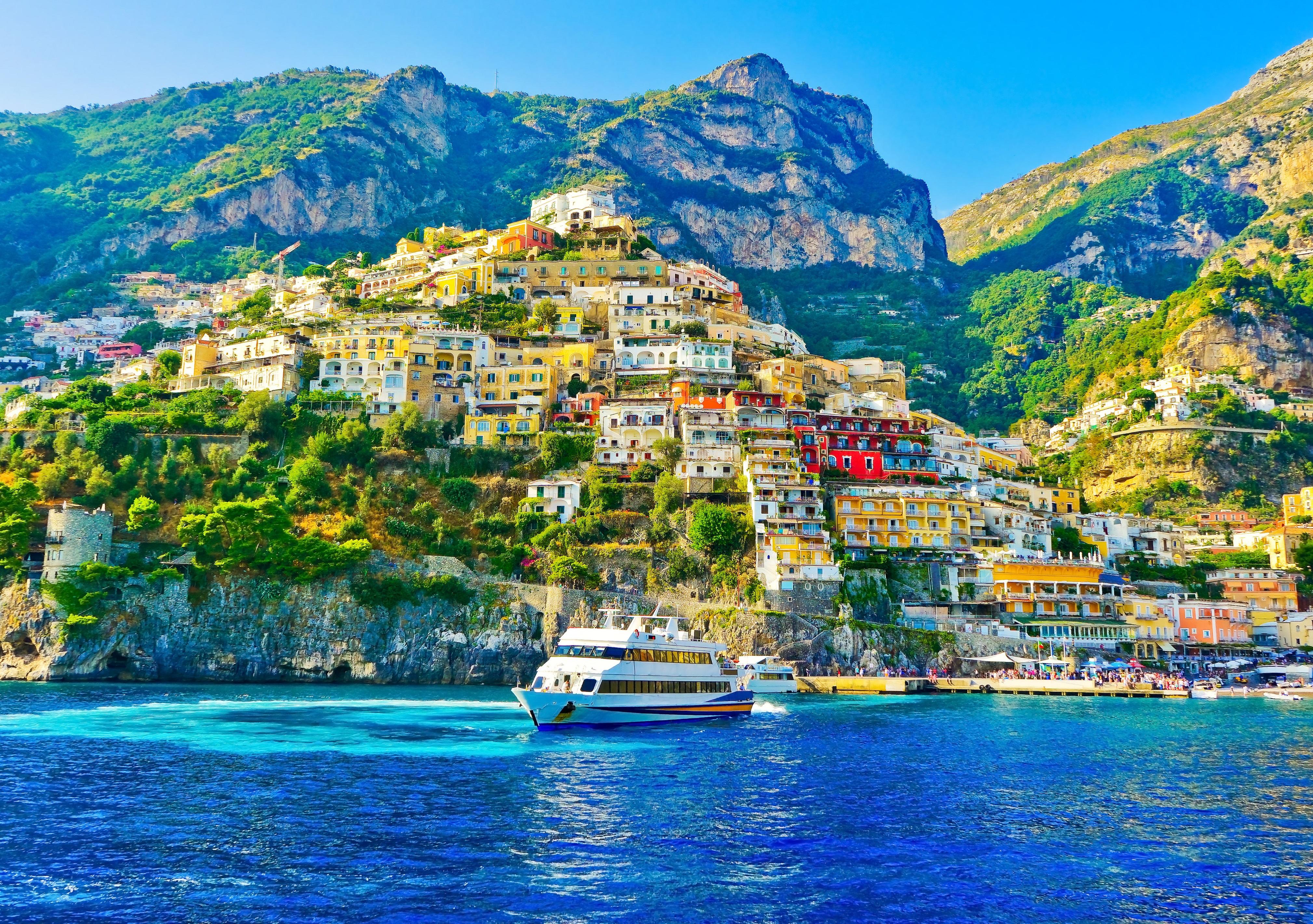
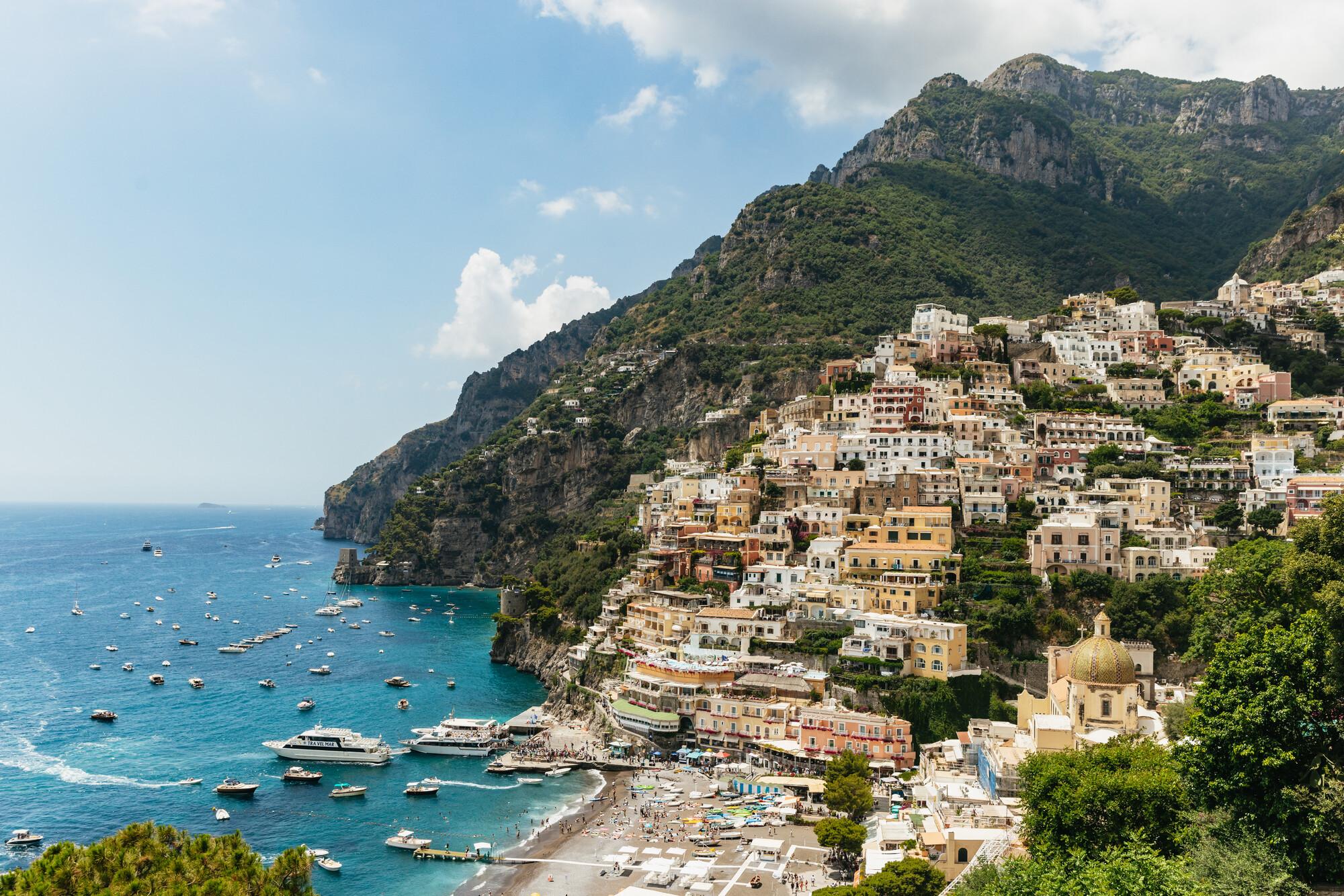
Spend a full day soaking in the Amalfi Coast without the rush of extra stops. Wind along the cliffside road to Positano, then, if you choose the optional boat cruise, see the coastline unfold from the water.
★ 4.5 · 1,521 reviews
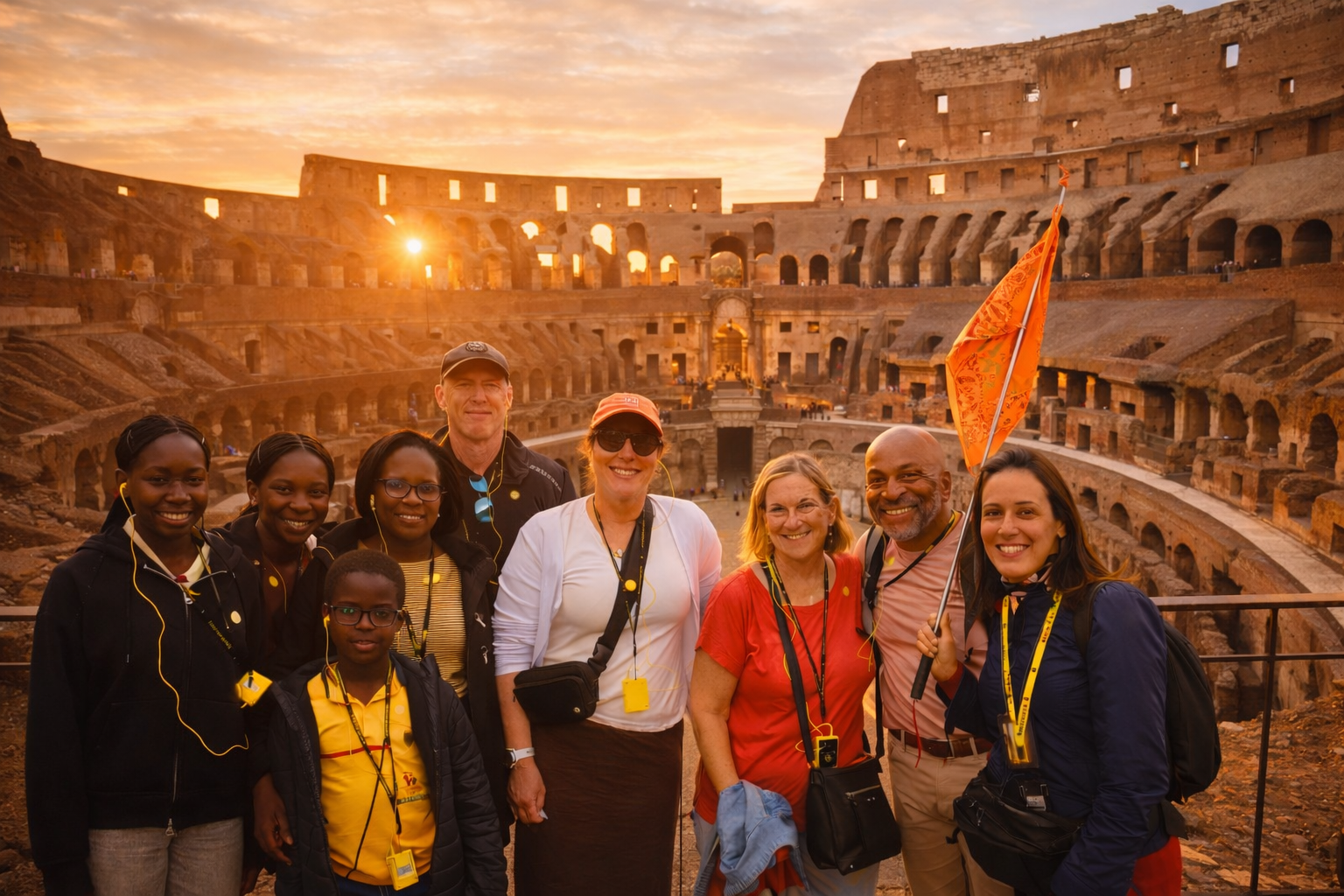
Step inside the Colosseum as the evening light turns its stone walls gold. Explore the arena on a focused 90-minute visit, timed near sunset for thinner crowds and standout photos.
★ 4.3 · 2,033 reviews
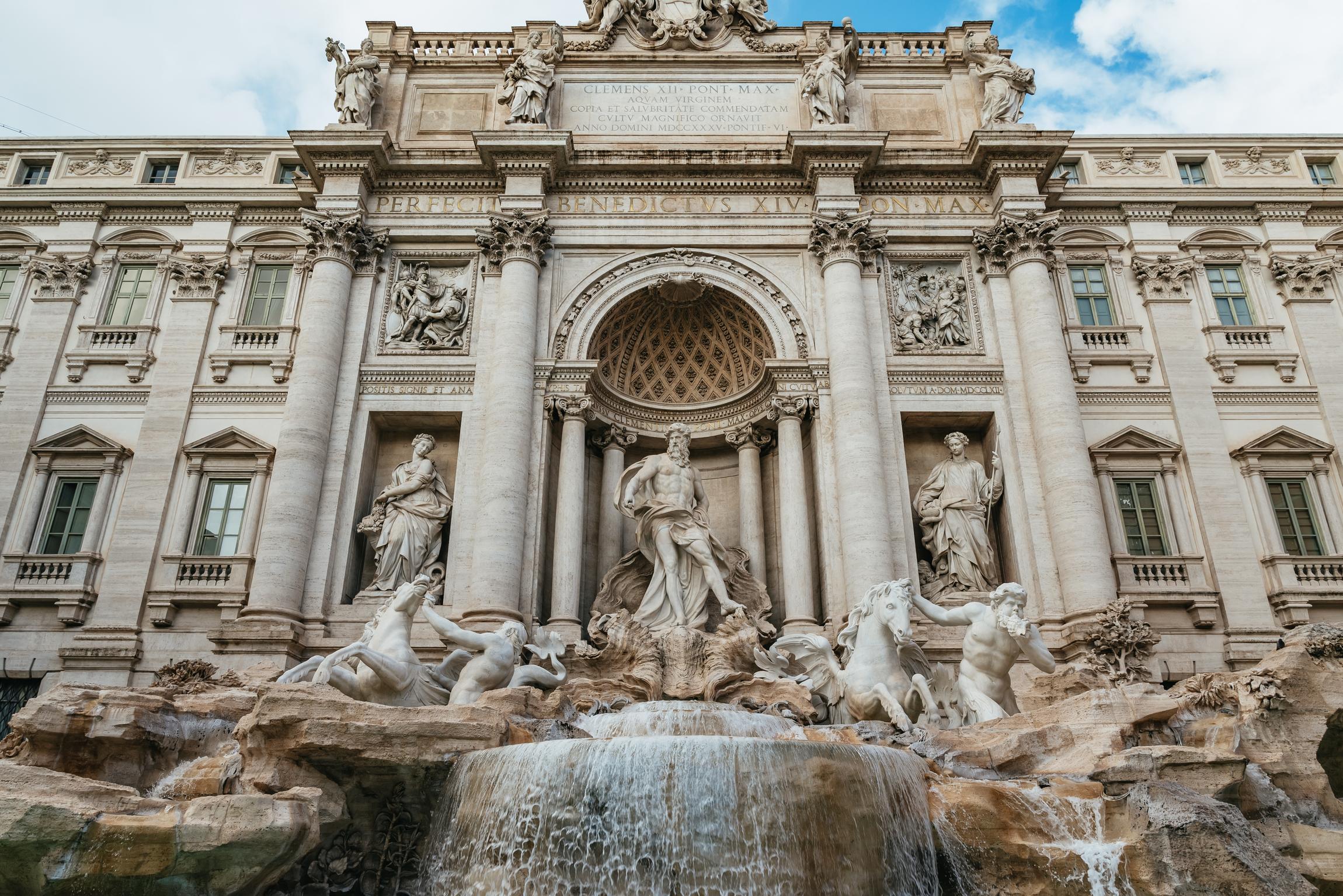
Discover the Trevi Fountain beyond the postcard photo. Join a guided visit above the Baroque masterpiece, then descend into the ancient Roman aqueduct and ruins hidden beneath it.
Wander across the Tiber into Trastevere, Rome's ivy-draped, cobbled quarter. Stroll narrow ochre lanes to Santa Maria's piazza, then linger over a long trattoria dinner as the neighborhood comes alive after dark.
★ 4.6 · 3,267 reviews
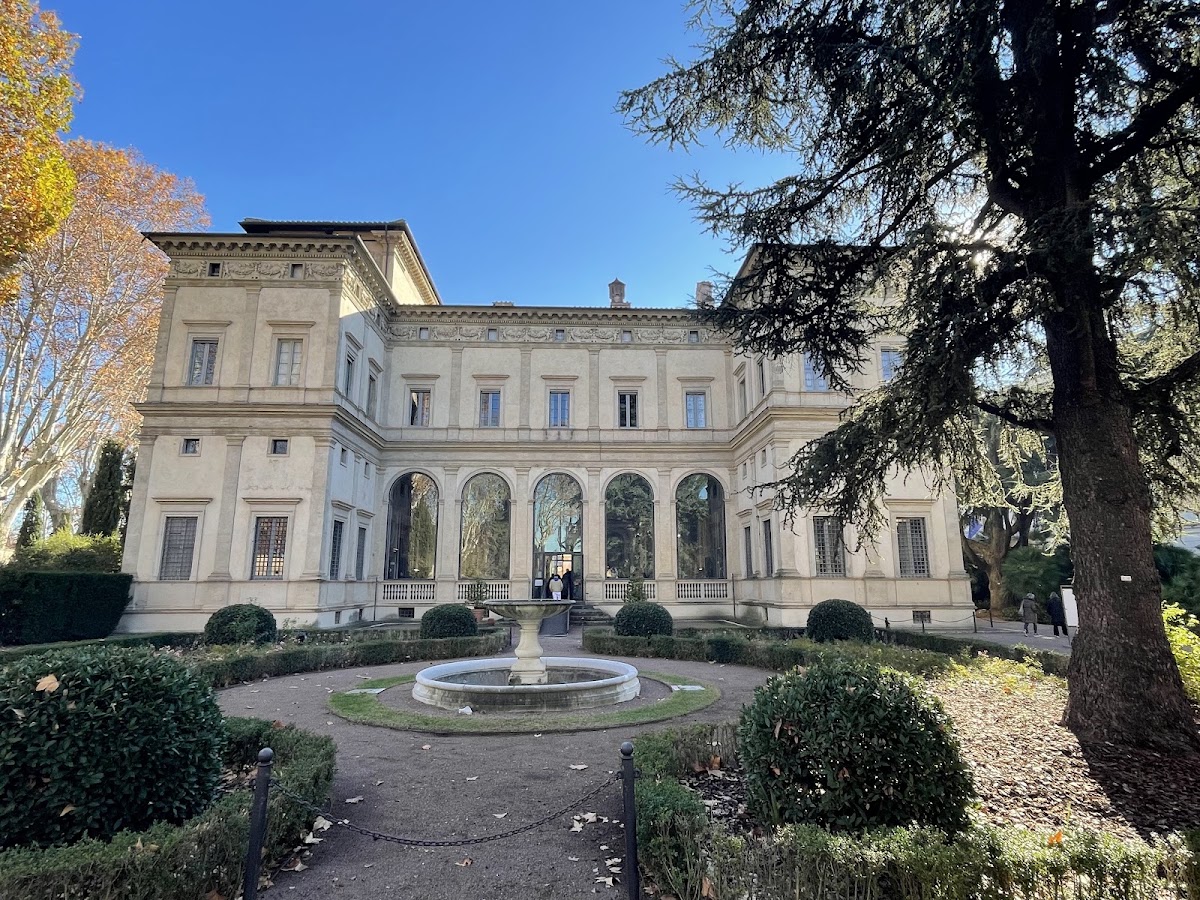
Step into Villa Farnesina, the banker's riverside retreat tucked away in Trastevere. Wander beneath Raphael's playful frescoes in the Loggia of Psyche and admire the Triumph of Galatea, all without the crowds of the Vatican.
★ 4.6 · 111,240 reviews
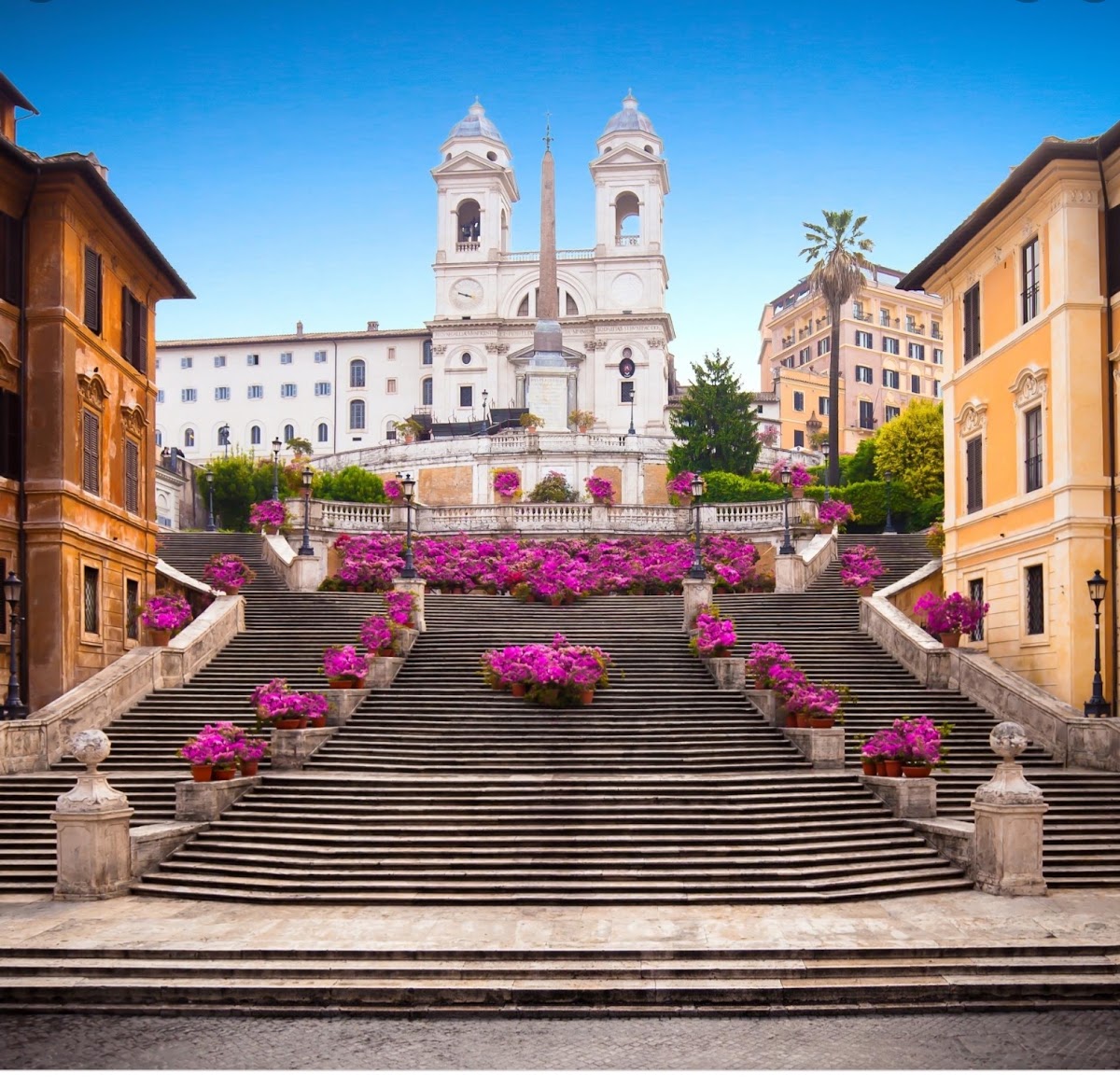
Discover the Spanish Steps, Rome's grand 18th-century stairway between Piazza di Spagna and Trinità dei Monti. Climb the terraced staircase for classic photo views, then linger by the Barcaccia fountain below where visitors gather since sitting on the steps is banned.
★ 4.5 · 154,811 reviews
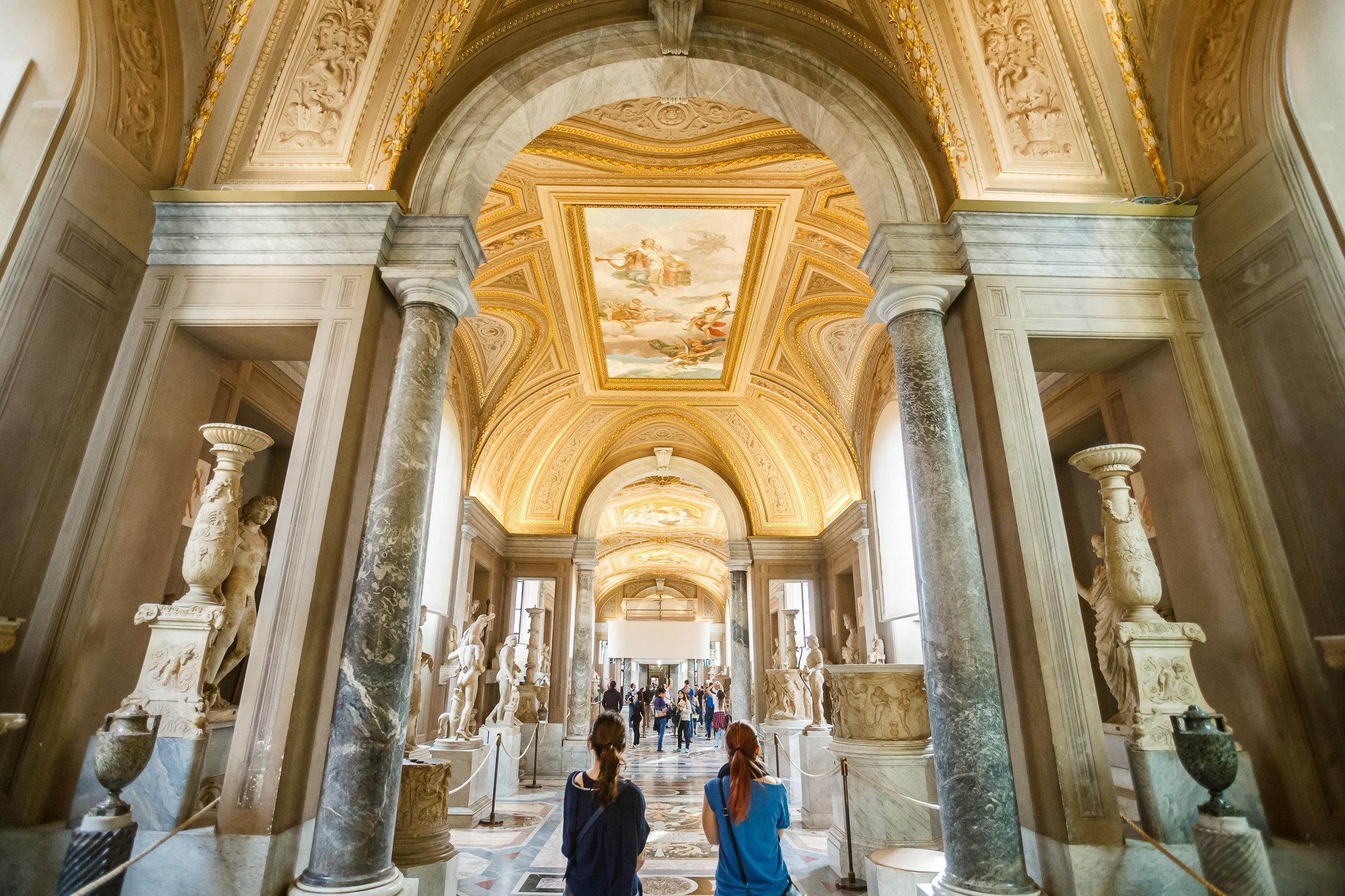
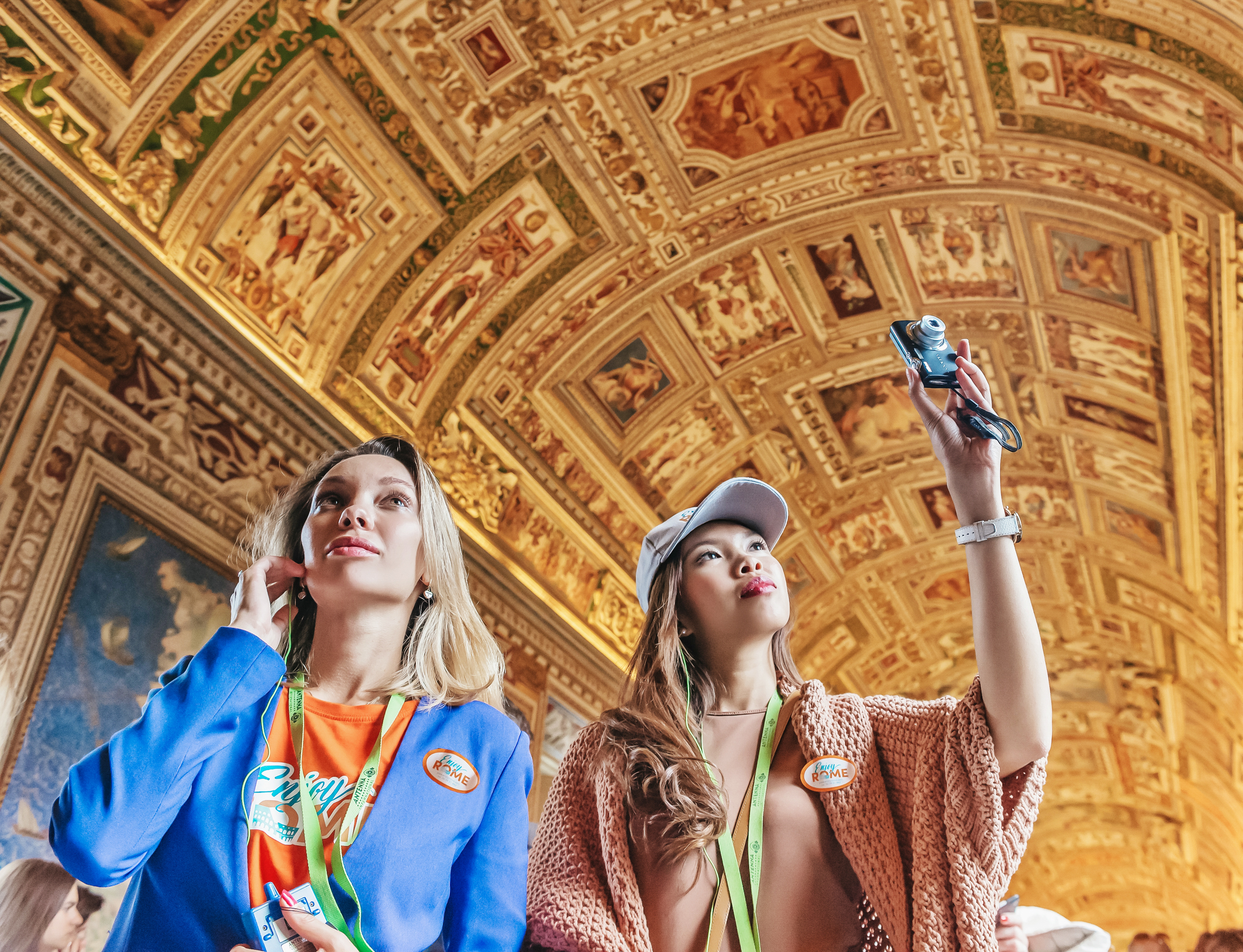
Step into the Vatican Museums with timed entry that skips the guesswork. Wander sprawling papal galleries at your own pace, arriving at Michelangelo's ceiling and Last Judgment in the Sistine Chapel before the tour groups crowd in.
★ 4.8 · 145,665 reviews
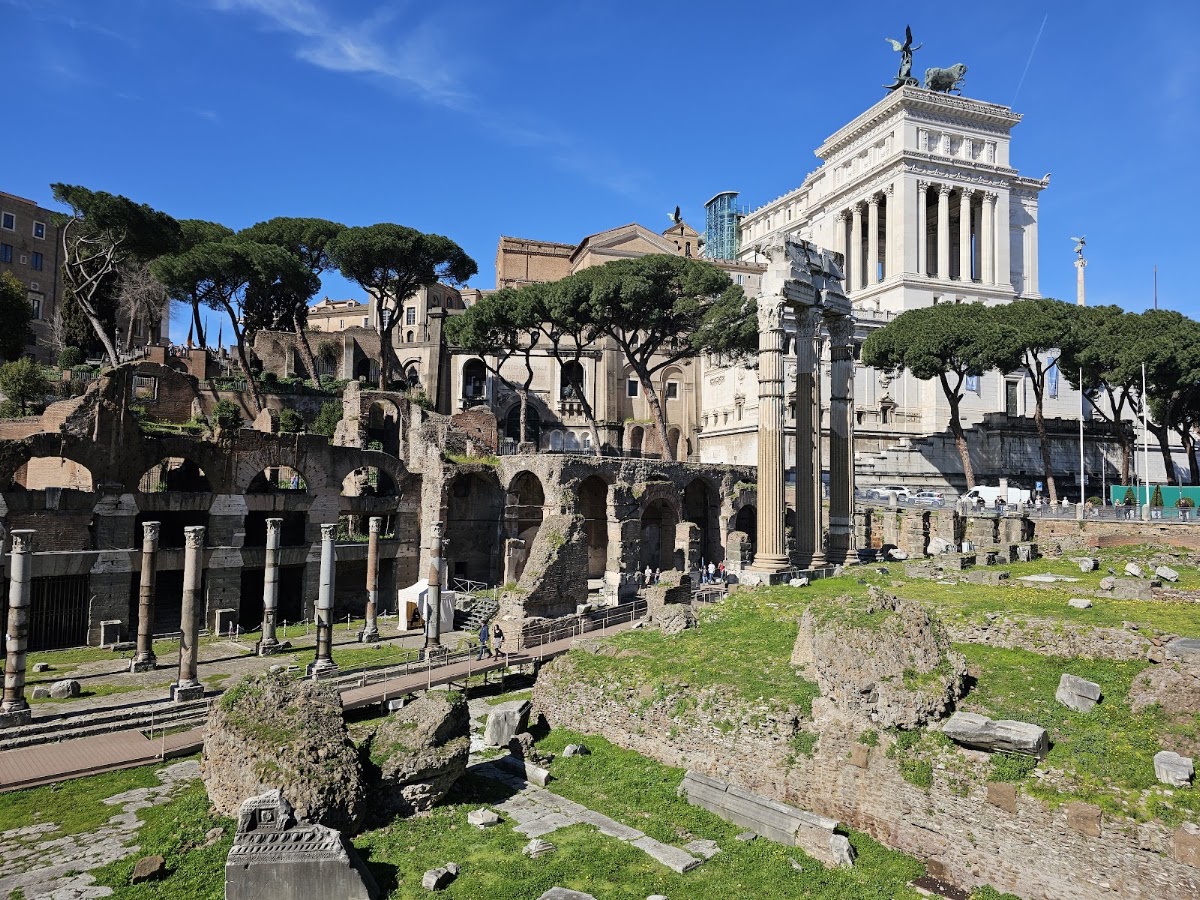
Walk through the sprawling ruins of the Roman Forum, once the civic heart of an empire that ruled much of the known world. Wander among columns, temple foundations, and triumphal arches climbing toward the Palatine Hill, ideally with a guide to make sense of what stood where.
★ 4.7 · 9,619 reviews
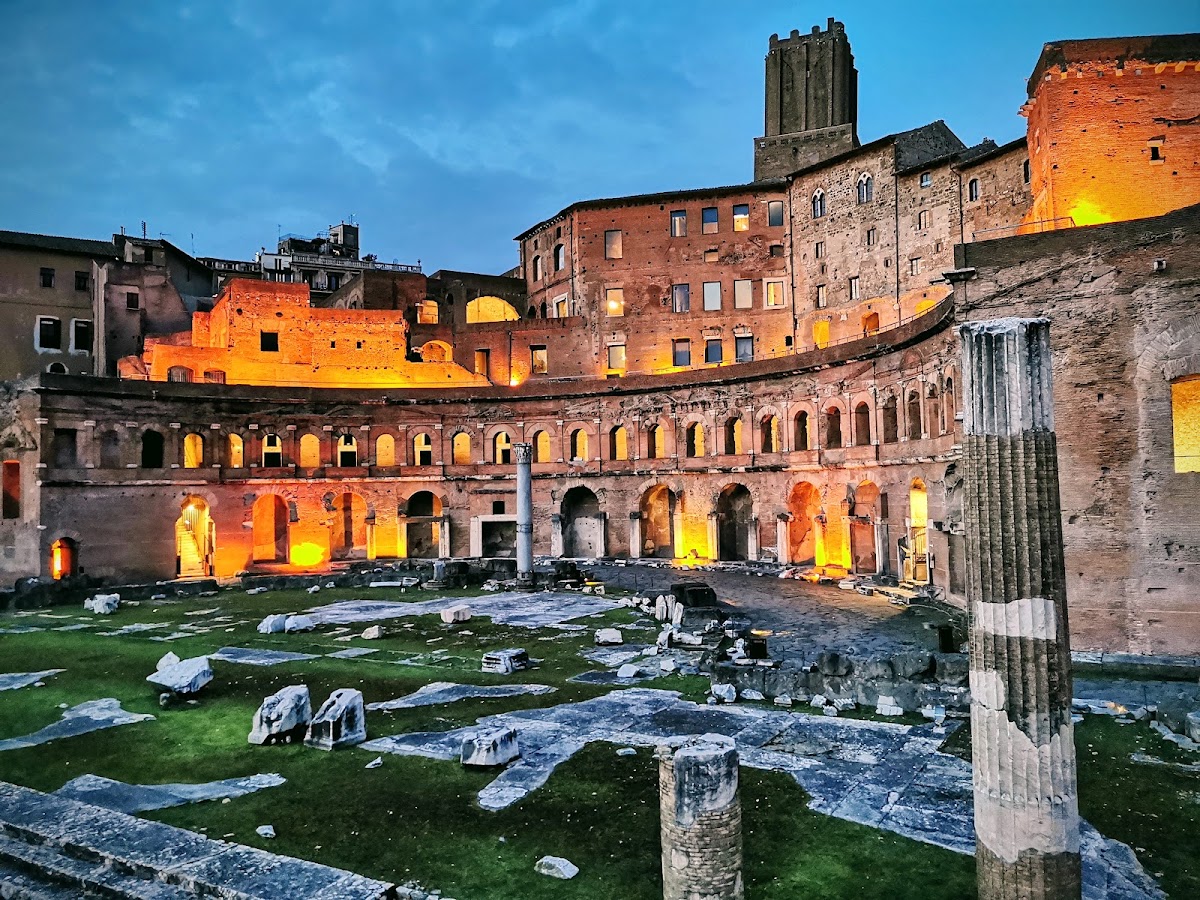
Step inside Trajan's Market, widely considered the world's first shopping mall. Walk through genuine 2nd-century brick vaults and shop fronts, following ancient ramps and passageways with sweeping views over the excavated Imperial Fora below.
★ 4.3 · 82,645 reviews
Get ahead of the crowds with an early-morning guided sweep through the Vatican's biggest highlights. Move through the Museums' galleries to the Sistine Chapel, then walk straight into St. Peter's Basilica, all in one efficient three-hour outing.
★ 4.6 · 3,502 reviews
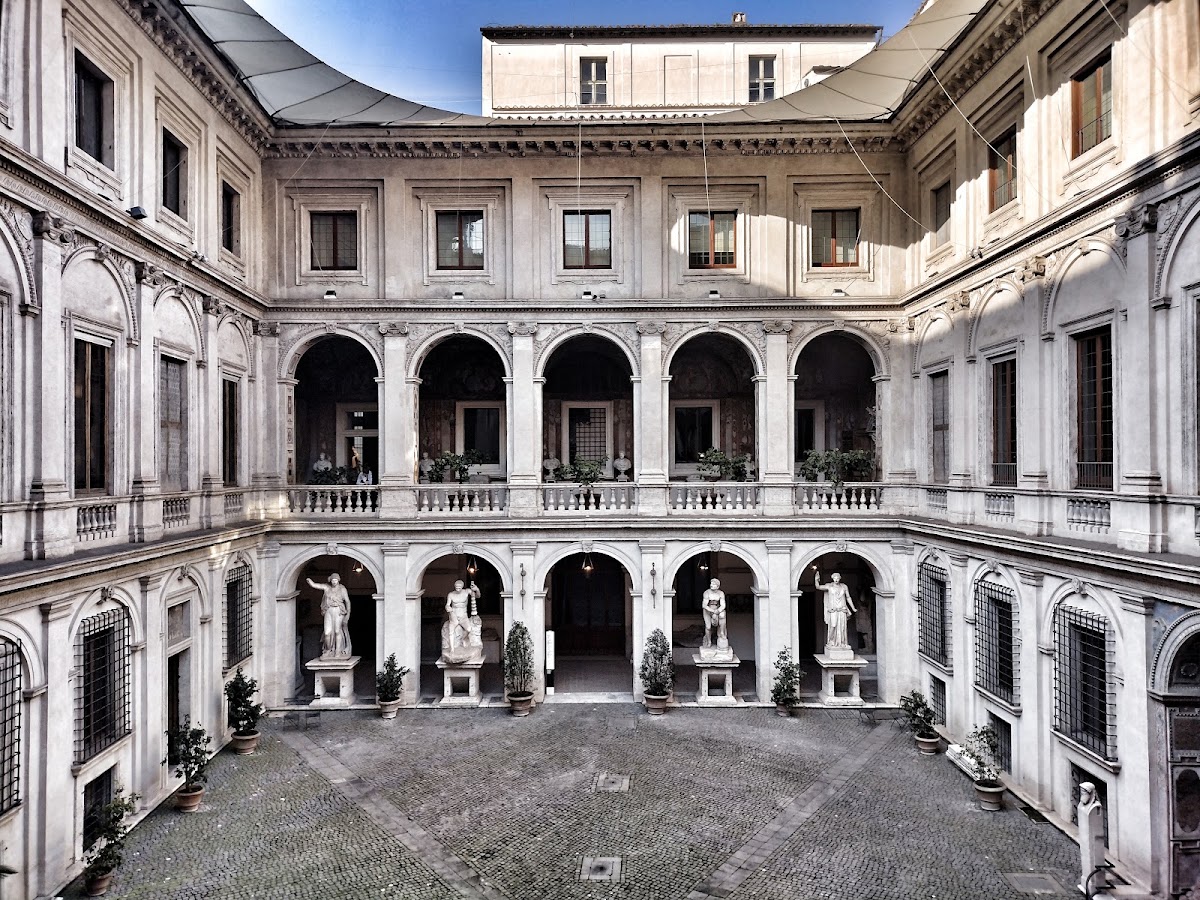
Step inside Palazzo Altemps, tucked steps from Piazza Navona yet skipped by the crowds outside. Wander frescoed courtyards and dramatically lit rooms holding the Ludovisi collection, including the celebrated Ludovisi Throne.
★ 4.8 · 21,155 reviews
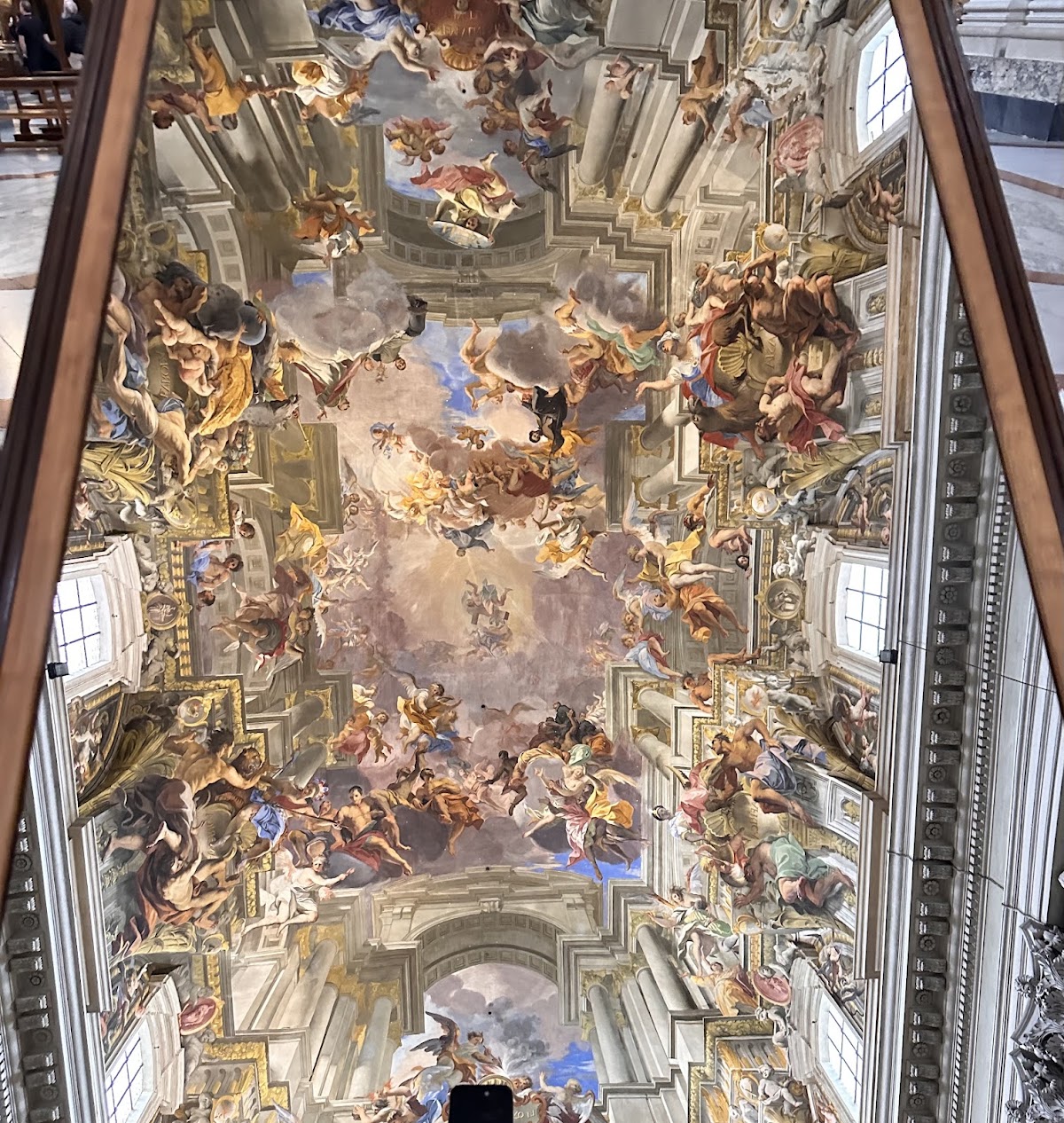
Step into Chiesa di Sant'Ignazio di Loyola near the Pantheon and look up. Stand on the marked spot on the floor to see Pozzo's painted ceiling transform into a soaring dome that was never actually built.
★ 4.7 · 96,233 reviews
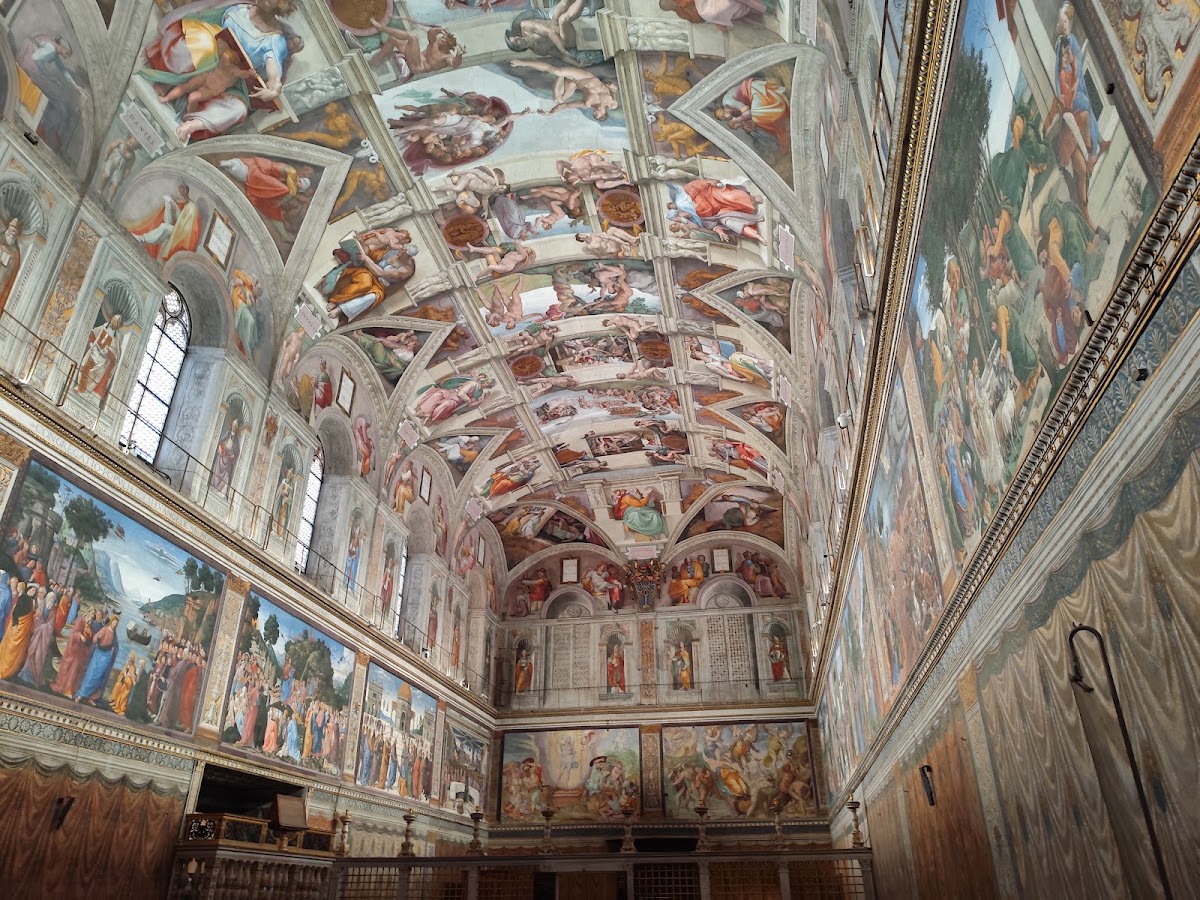
Step into the most famous painted room on earth. Look up to trace Michelangelo's Creation of Adam and the sweeping Genesis scenes overhead, then take in the Last Judgment covering the altar wall.
★ 4.6 · 30,270 reviews
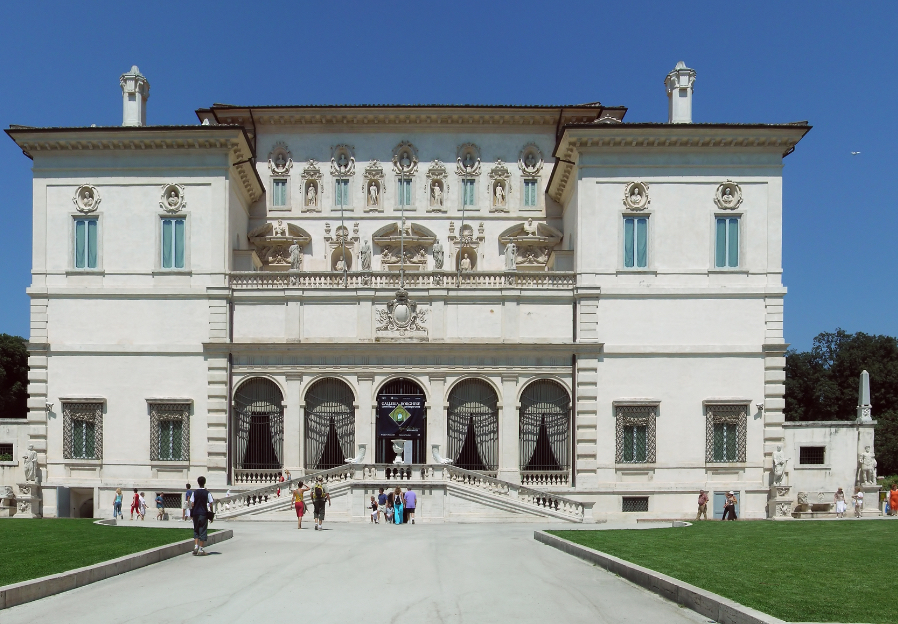
Step into Cardinal Borghese's 17th-century villa for a two-hour window with one of the finest small art collections anywhere. See Bernini's Apollo and Daphne and David up close, alongside Caravaggios, beneath frescoed, gilded ceilings.
★ 4.7 · 25,923 reviews
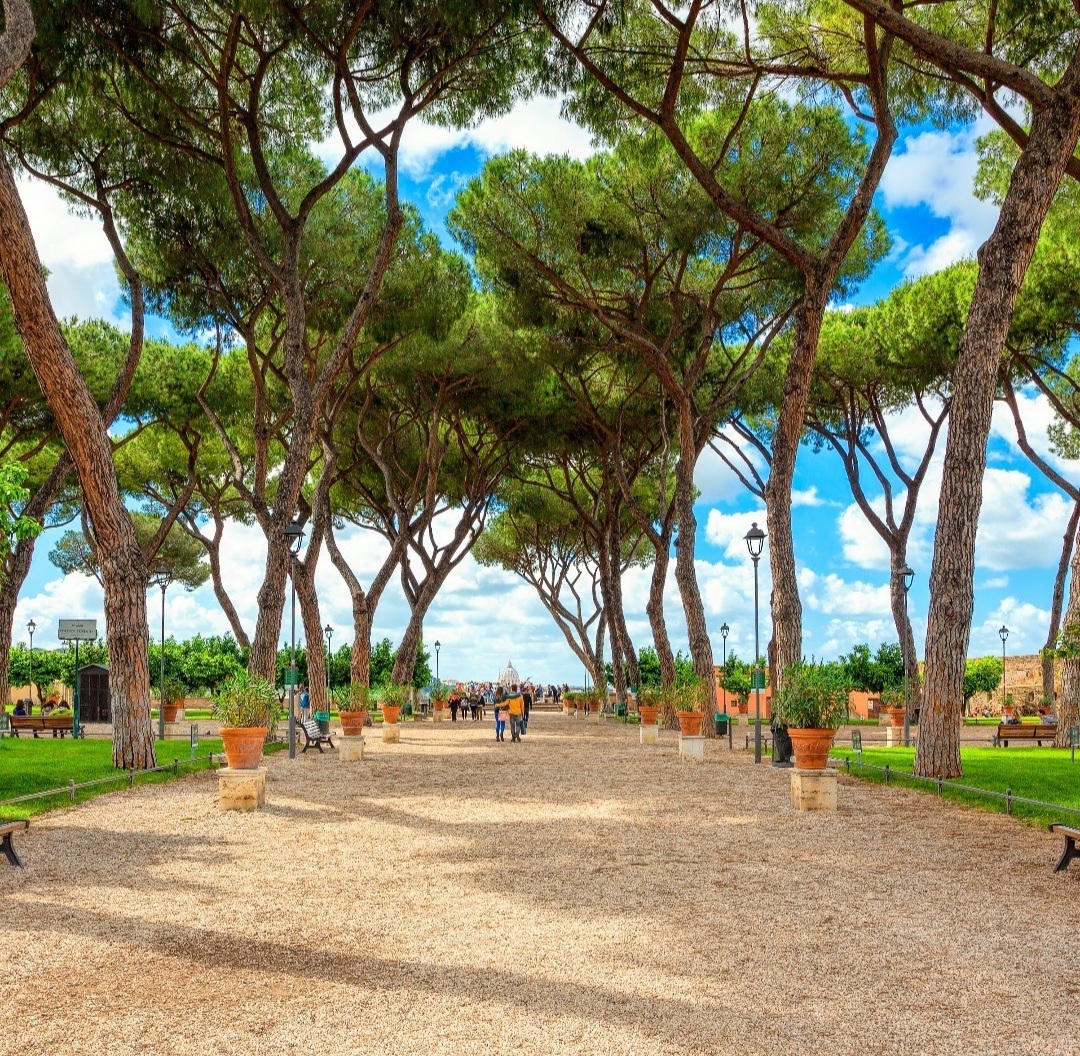
Discover the Giardino degli Aranci, Rome's quiet garden retreat atop Aventine Hill. Wander among the orange trees planted by Dominican monks and watch the sun set over St Peter's dome before peeking through the famous keyhole nearby.
★ 4.7 · 4,511 reviews
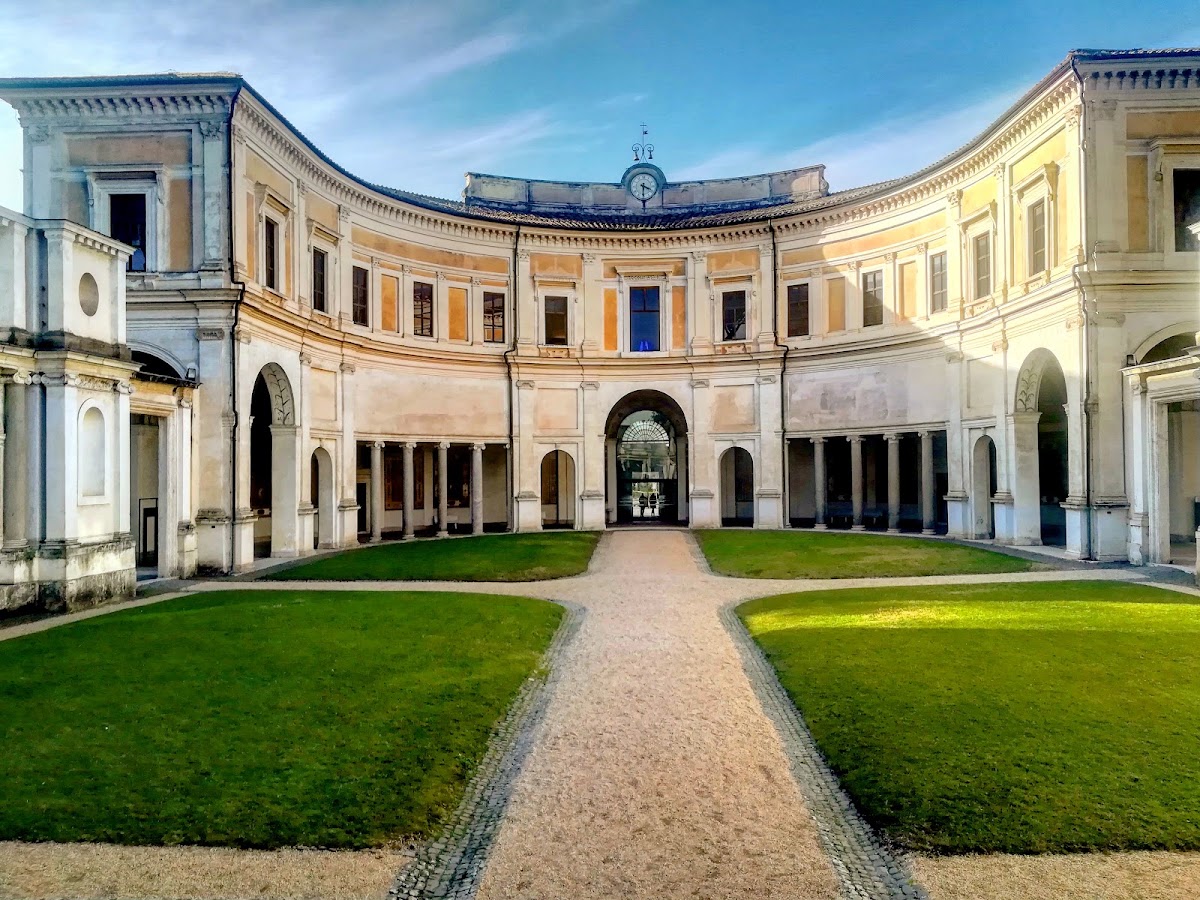
Step into Villa Giulia, a Renaissance pope's country retreat turned home to the world's finest Etruscan collection. Marvel at the terracotta Sarcophagus of the Spouses, browse centuries of bronzes, jewelry, and tomb goods, then wander the villa's quiet courtyards and gardens.
★ 4.7 · 110,399 reviews
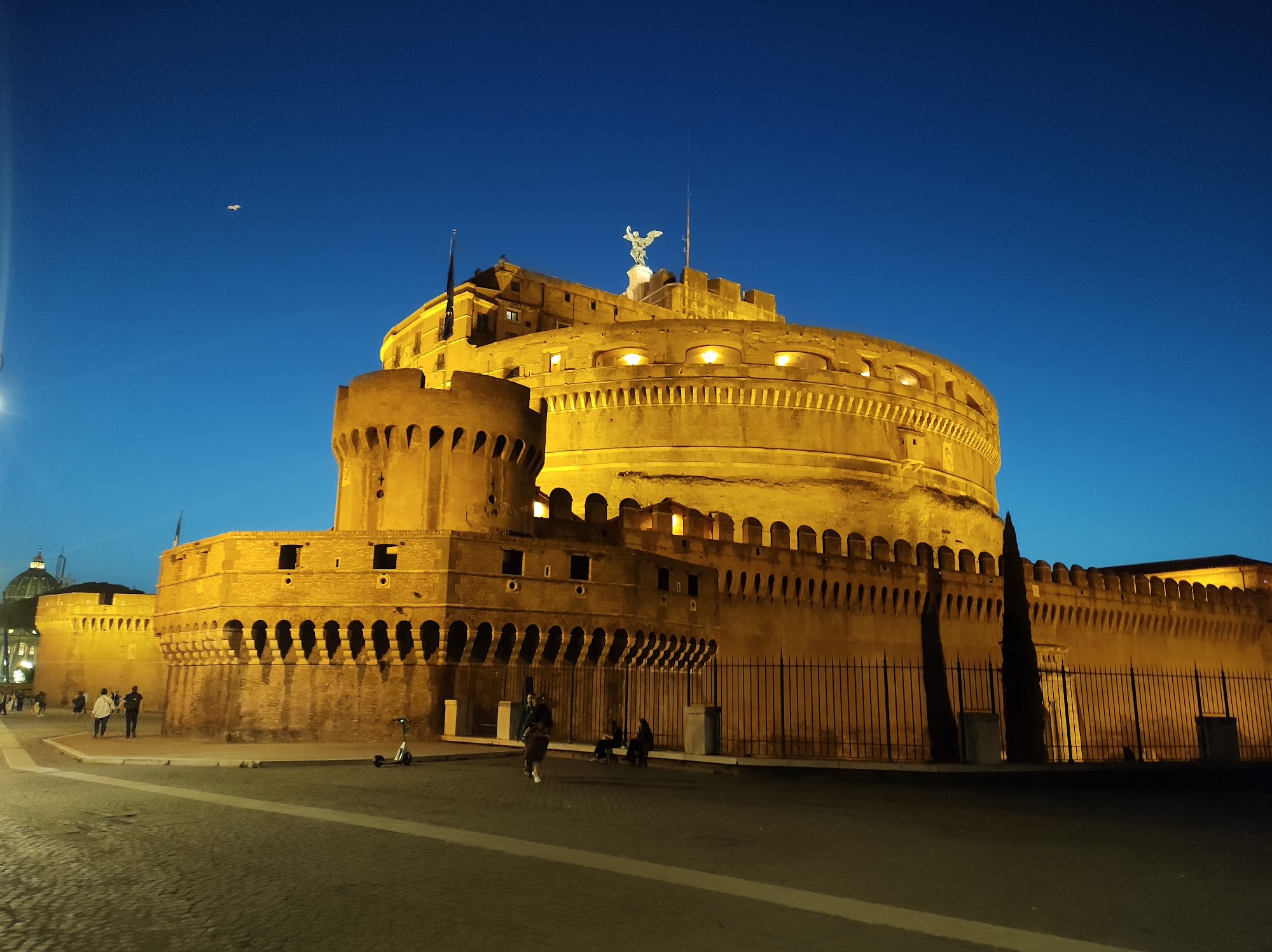
Explore Castel Sant'Angelo, Hadrian's mausoleum turned papal fortress and prison. Wander ancient masonry and Renaissance apartments, trace the secret passage to the Vatican, and finish on the rooftop terrace for views over the Tiber and St. Peter's dome.
★ 4.5 · 12,919 reviews
Discover MAXXI, Rome's bold answer to its own classical past. Wander Zaha Hadid's curving concrete galleries in Flaminio and explore rotating contemporary art and architecture exhibitions rather than a fixed collection.
★ 4.7 · 217,015 reviews
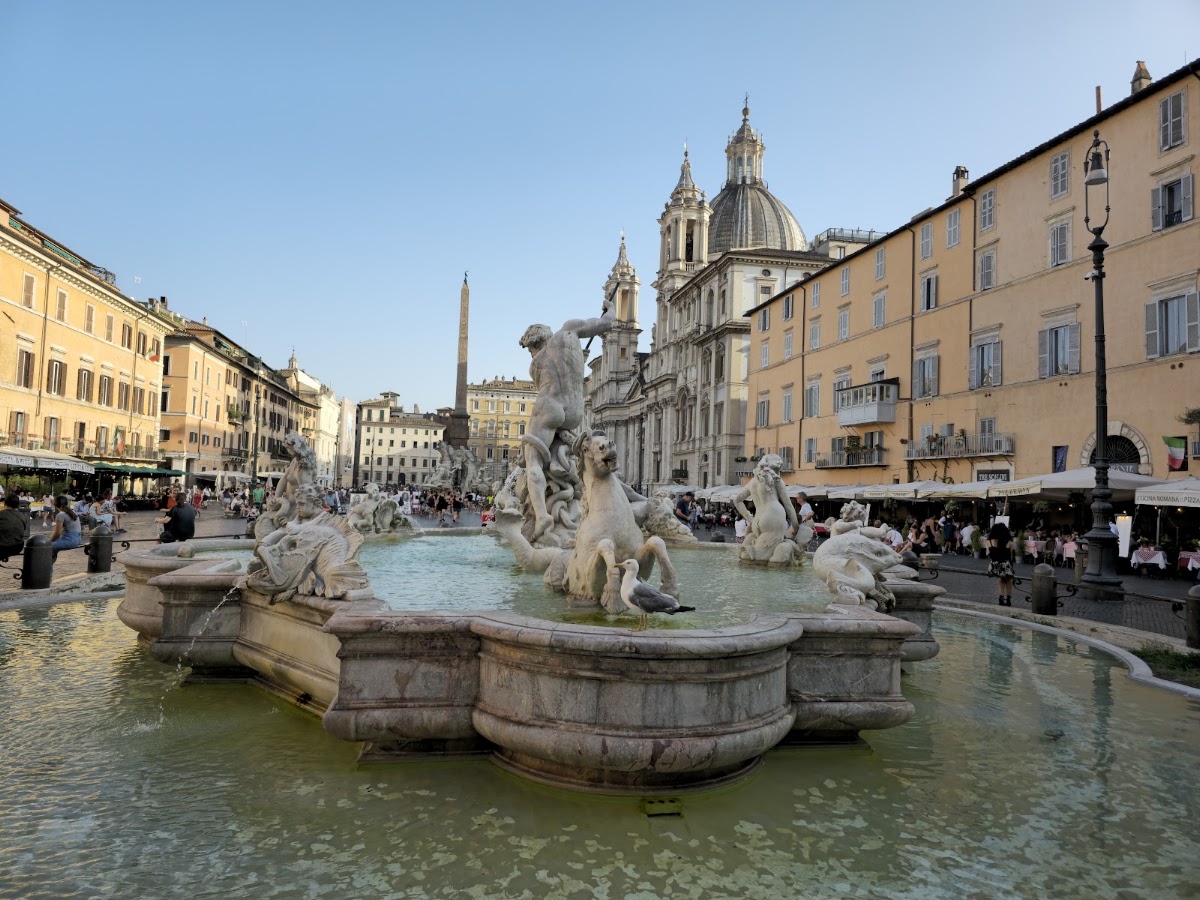
Step into Piazza Navona, Rome's grandest Baroque stage. Wander past street artists and Bernini's Fountain of the Four Rivers, then settle in at a café to watch the square come alive by evening.
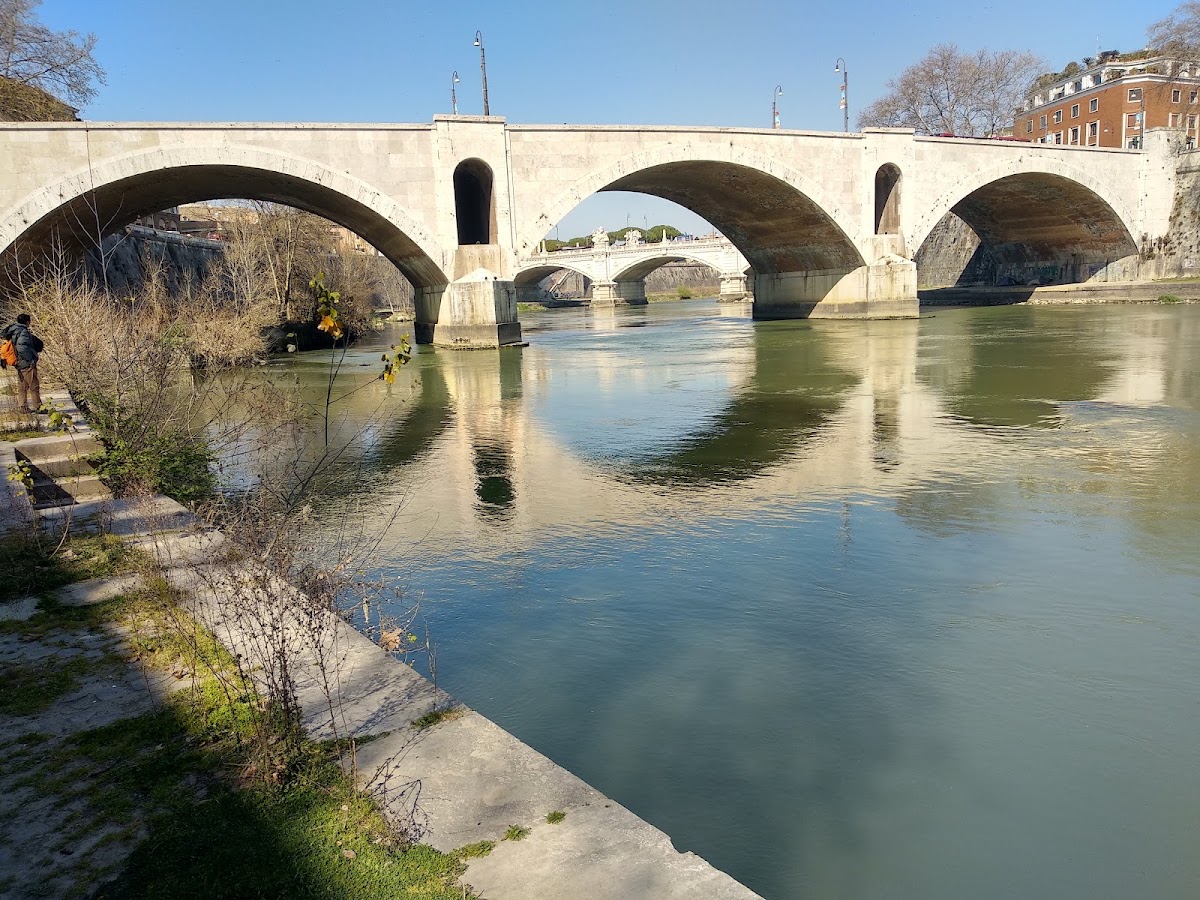
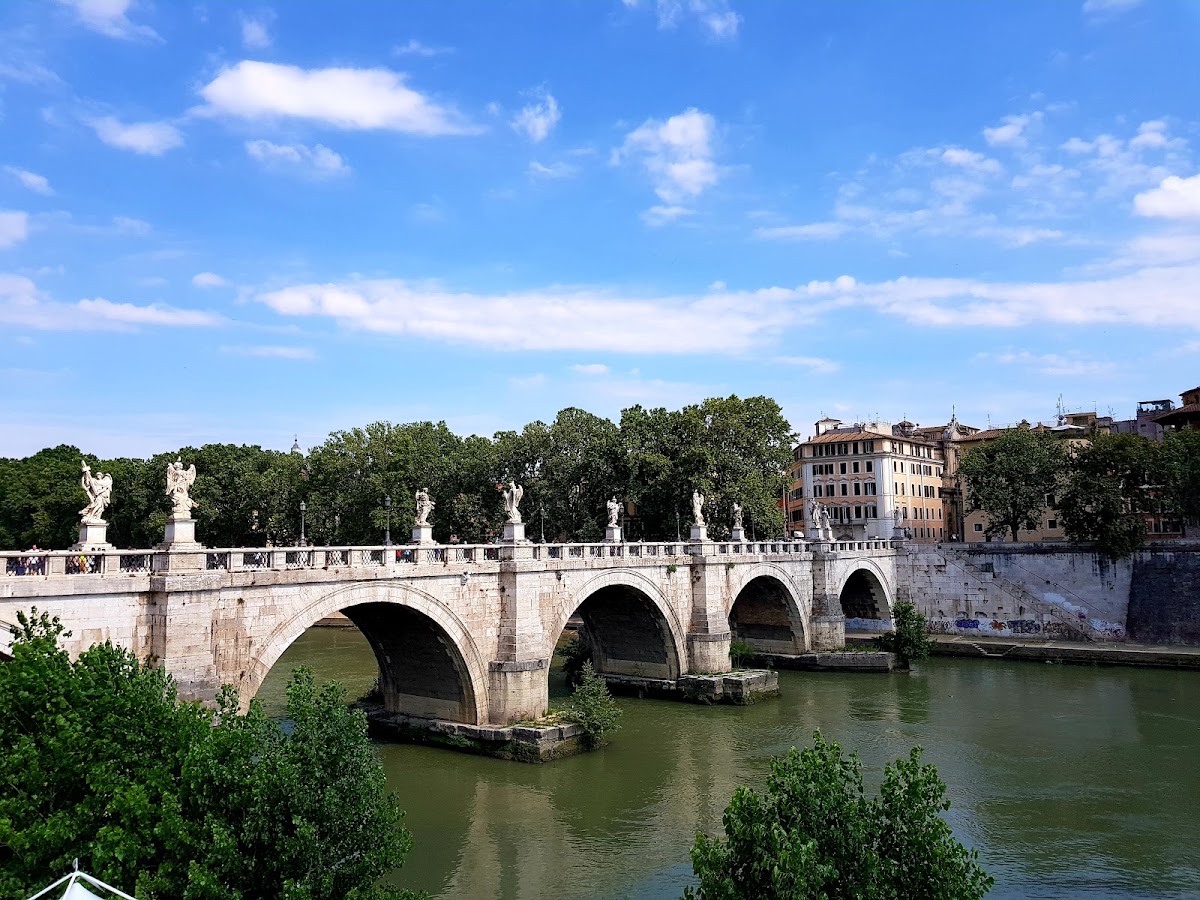
Walk across Ponte Sant'Angelo, one of Rome's oldest river crossings still standing on its ancient Roman foundations. Pass beneath Bernini's ten Baroque angel statues, each bearing a symbol of the Passion, while framing Castel Sant'Angelo and St. Peter's dome for a classic sunset photo.
★ 4.5 · 10,477 reviews
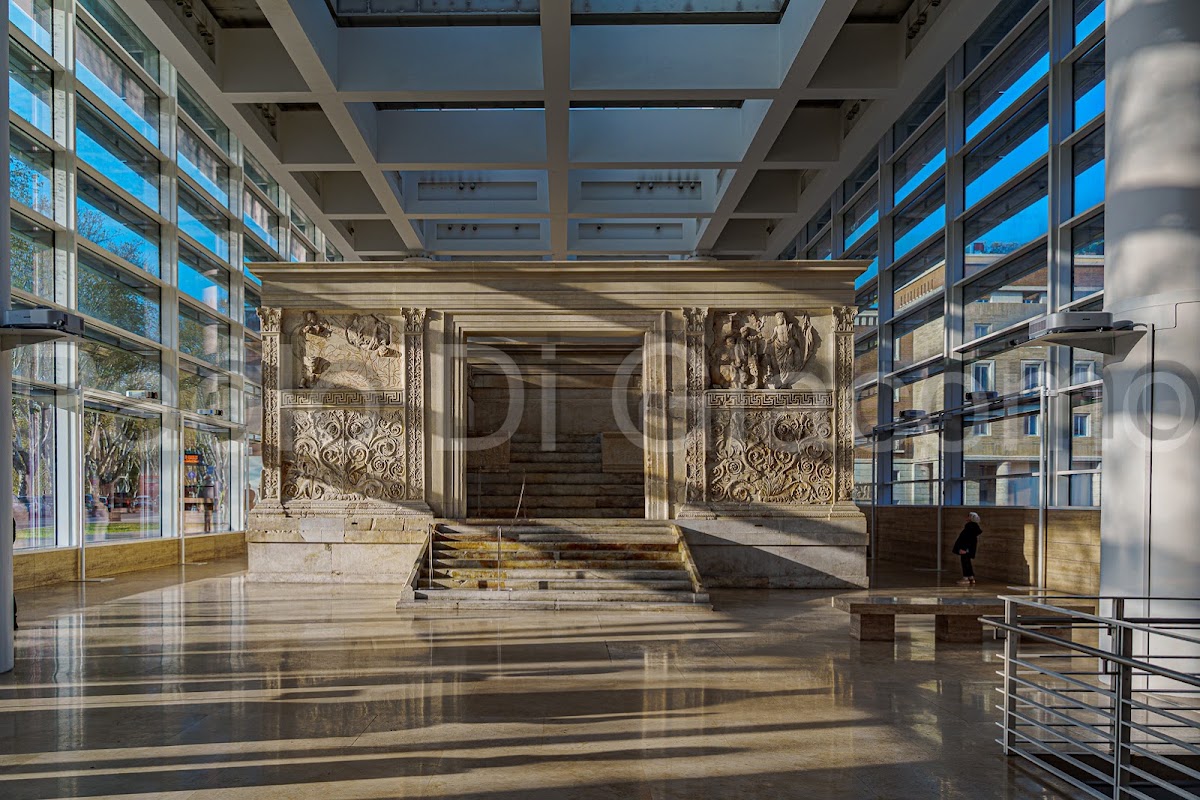
Step inside Richard Meier's glass-and-travertine pavilion beside the Tiber to see Augustus's Altar of Peace up close. Study the intricately carved marble reliefs of the 2,000-year-old monument, then browse rotating exhibitions on painting and design.
★ 4.6 · 9,057 reviews
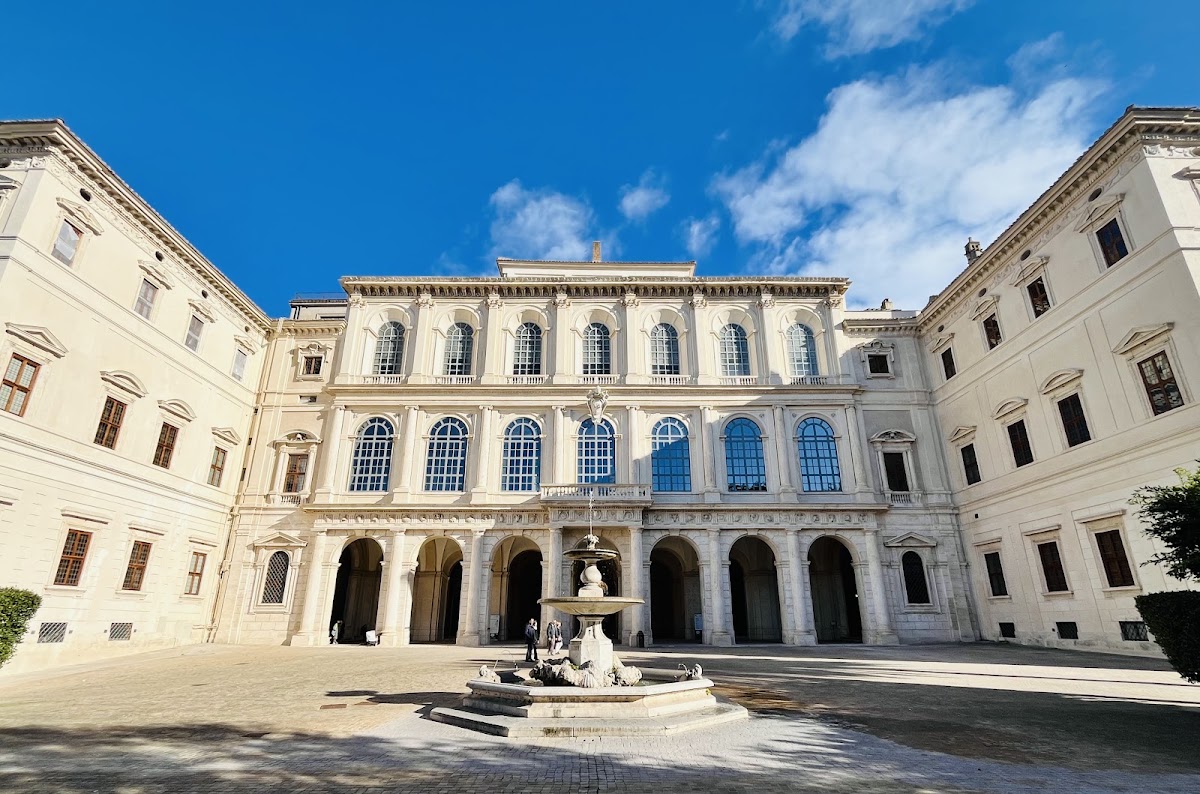
Step inside Palazzo Barberini, a Baroque palace built by Bernini and Borromini. Wander beneath Pietro da Cortona's dizzying ceiling fresco and stand before Caravaggio's Judith Beheading Holofernes, with far shorter lines than the Vatican.
★ 4.7 · 18,878 reviews
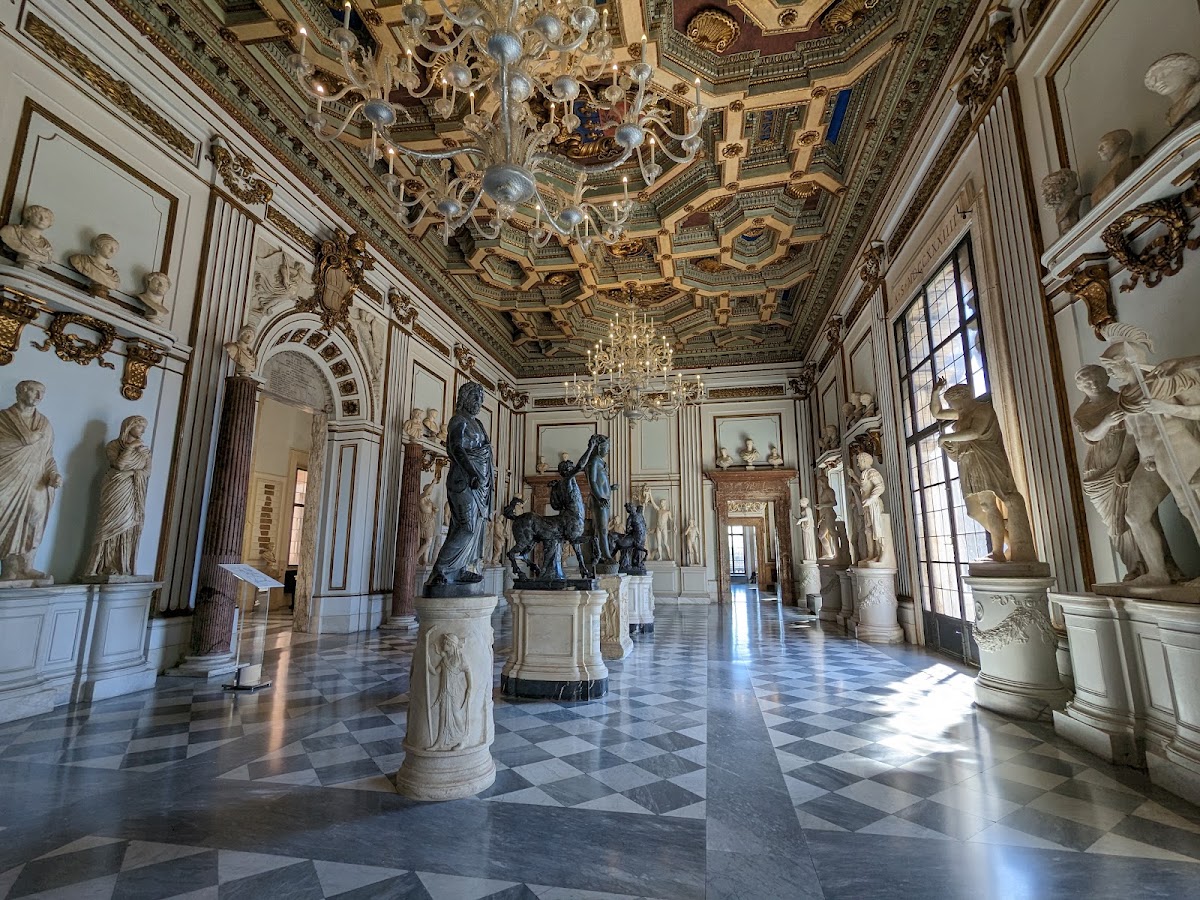
Step into the world's oldest public museum atop Michelangelo's Piazza del Campidoglio. See the iconic Capitoline Wolf, colossal fragments of Constantine, and the original bronze Marcus Aurelius across two palaces linked by an underground gallery.
★ 4.8 · 5,376 reviews
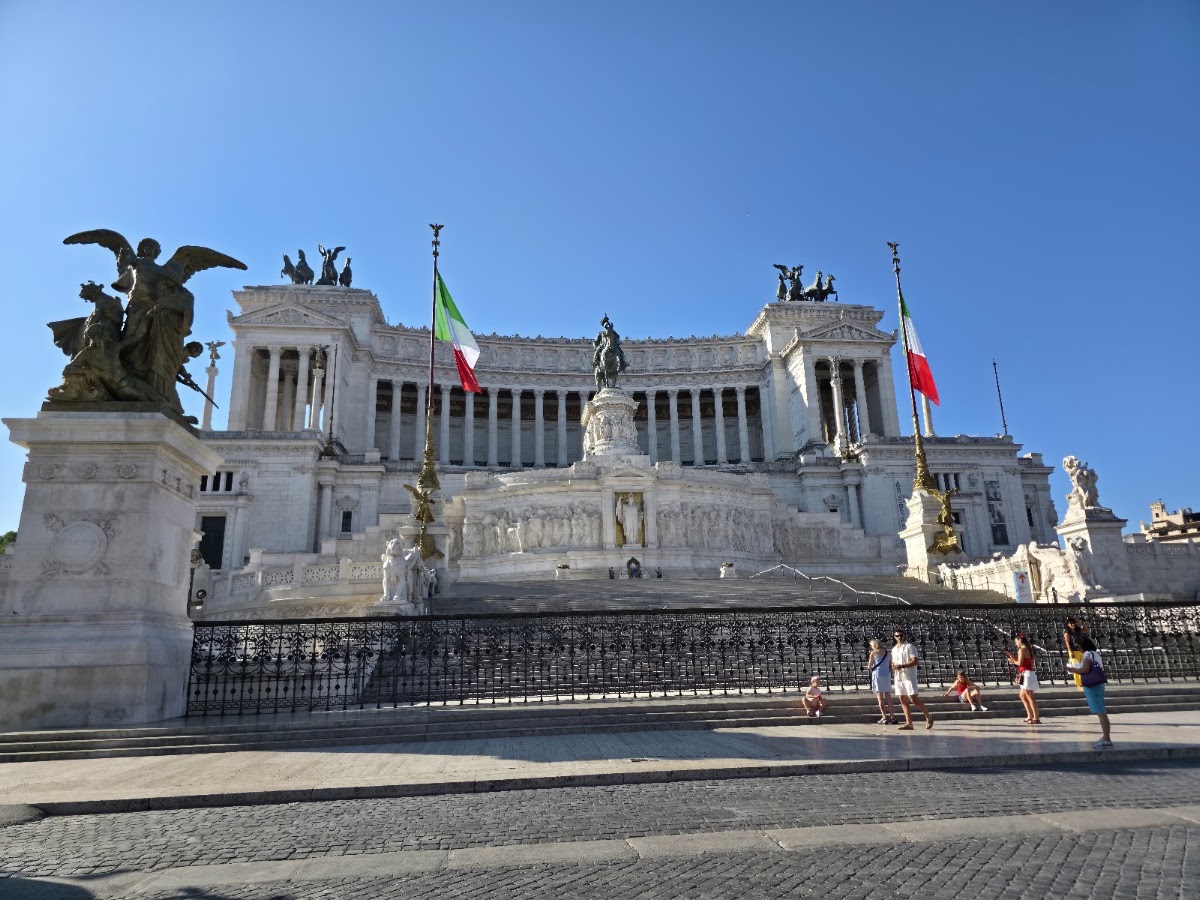
Discover Rome's "wedding cake," the massive white marble monument towering over Piazza Venezia. Climb its grand staircases past the Tomb of the Unknown Soldier, then ride the glass elevator to the rooftop for 360-degree views over the city.
★ 4.6 · 7,185 reviews
Explore ancient Pompeii's ruins before winding along the Amalfi Coast to Positano. Wander the cliffside village's stacked pastel houses and small beach, the coast's most photogenic stop.
★ 4.7 · 8,467 reviews
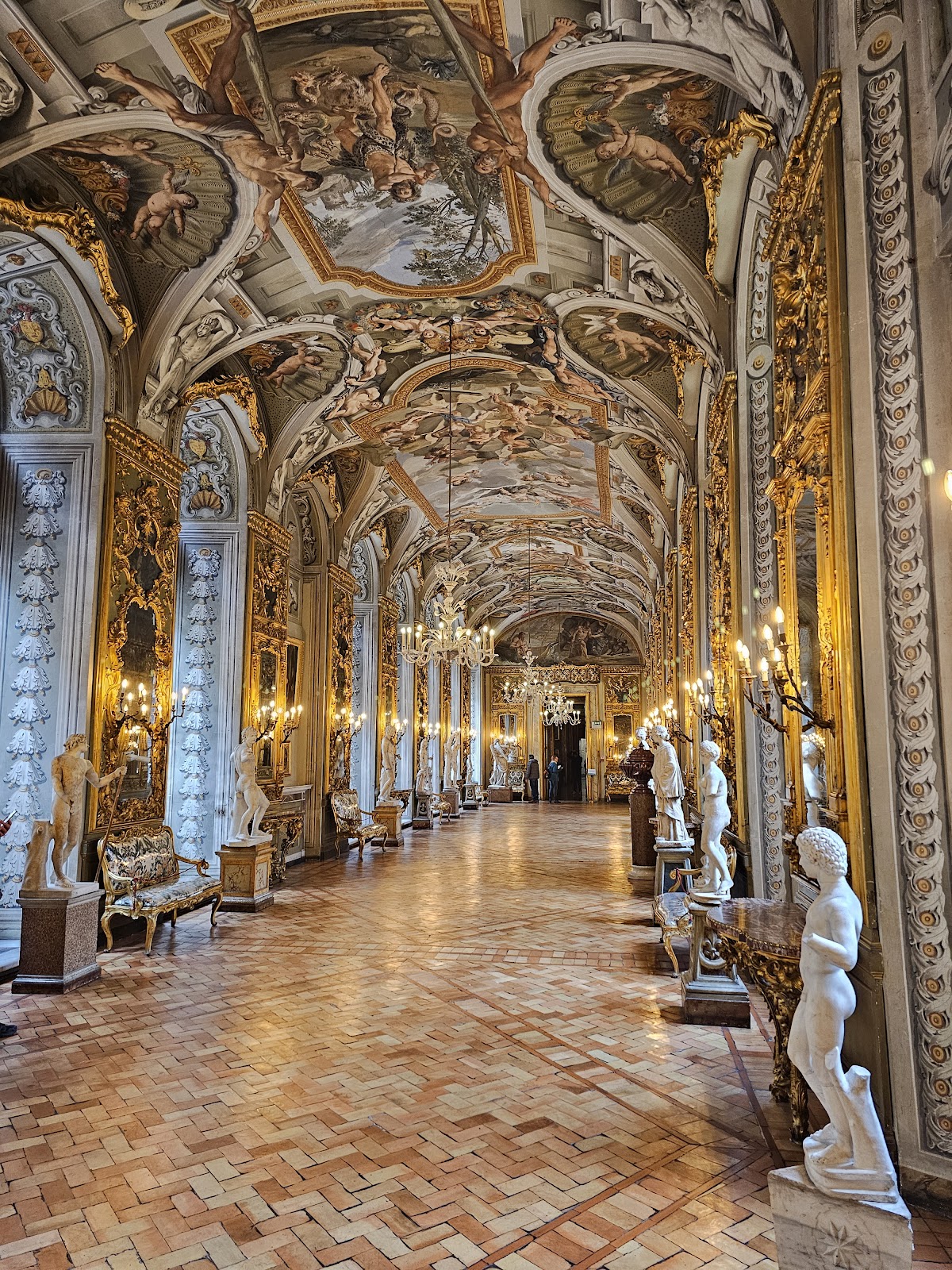
Step into the Doria Pamphilj's still-private palace on Via del Corso, where the noble family who lives here narrates your visit. Wander gilded, salon-style rooms packed with Velazquez's Pope Innocent X, Caravaggio, and Titian, guided by a free audio tour full of personal family anecdotes.
★ 4.7 · 519,201 reviews
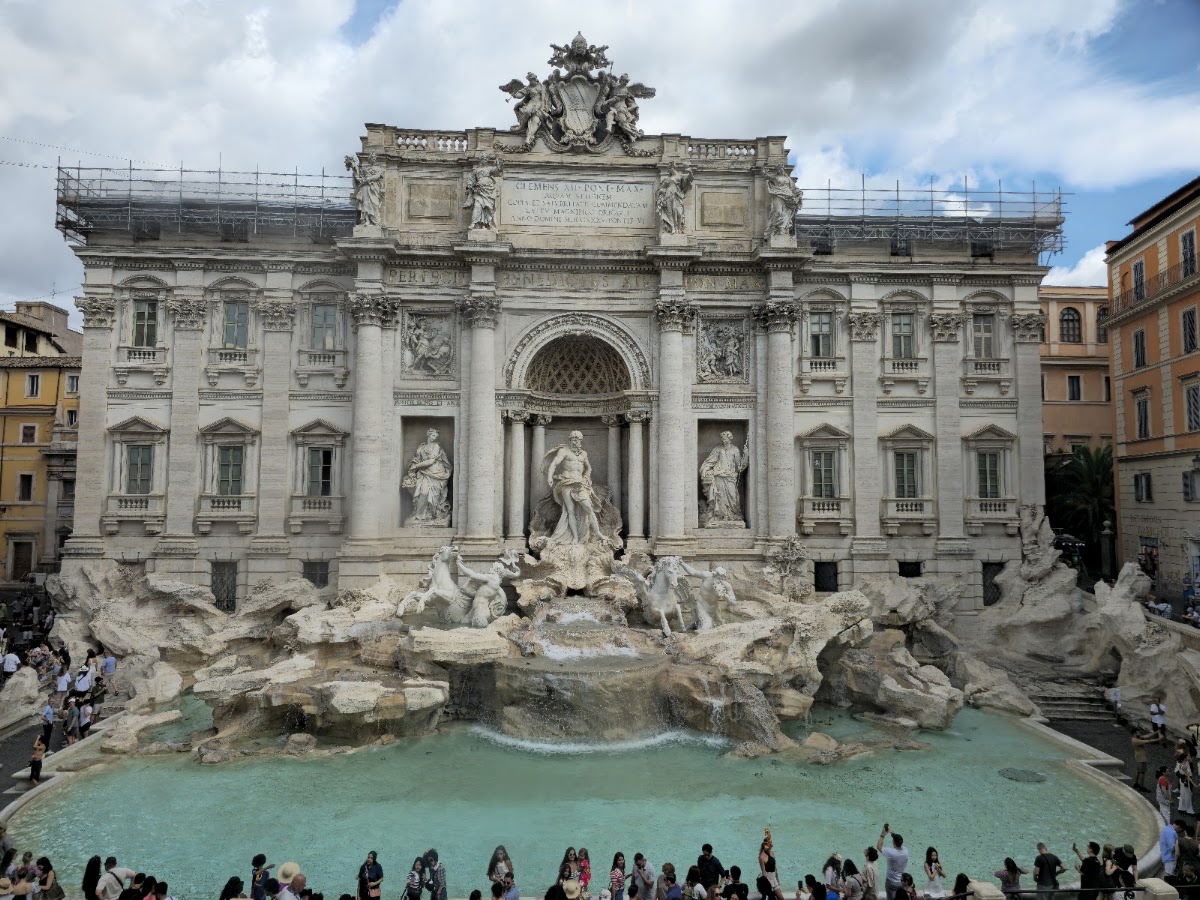
Discover Rome's largest Baroque fountain, tucked into a small piazza where three streets meet. Watch Oceanus's shell chariot and sea-horses roar with water, then toss a coin over your shoulder for a promised return to Rome.
★ 4.8 · 33,823 reviews
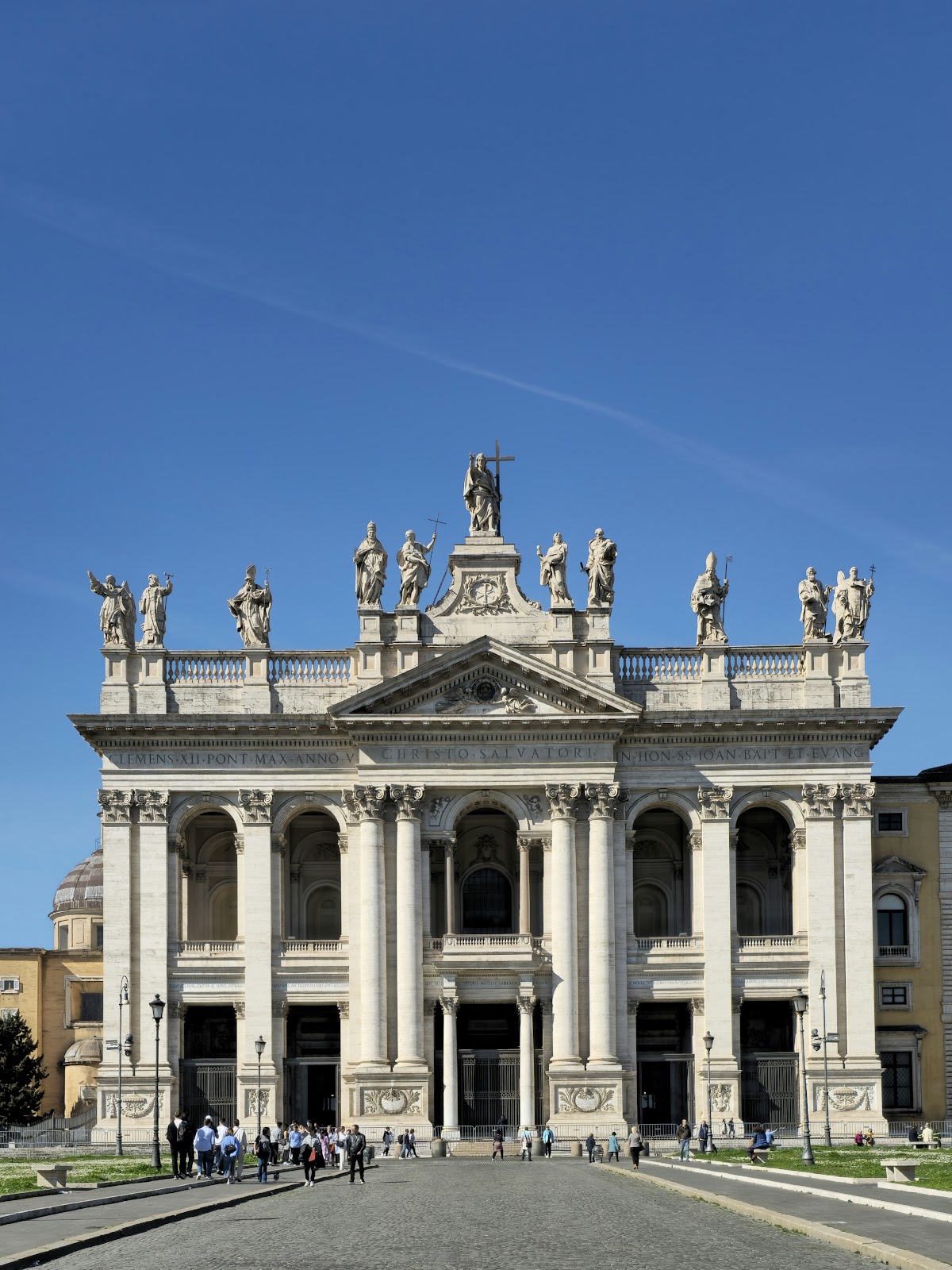
Step into Rome's true cathedral, the Pope's own church that quietly outranks St. Peter's. Wander Borromini's Baroque interior beneath a facade of colossal statues, then visit the nearby Holy Stairs, all without the Vatican-sized crowds.
★ 4.6 · 11,050 reviews
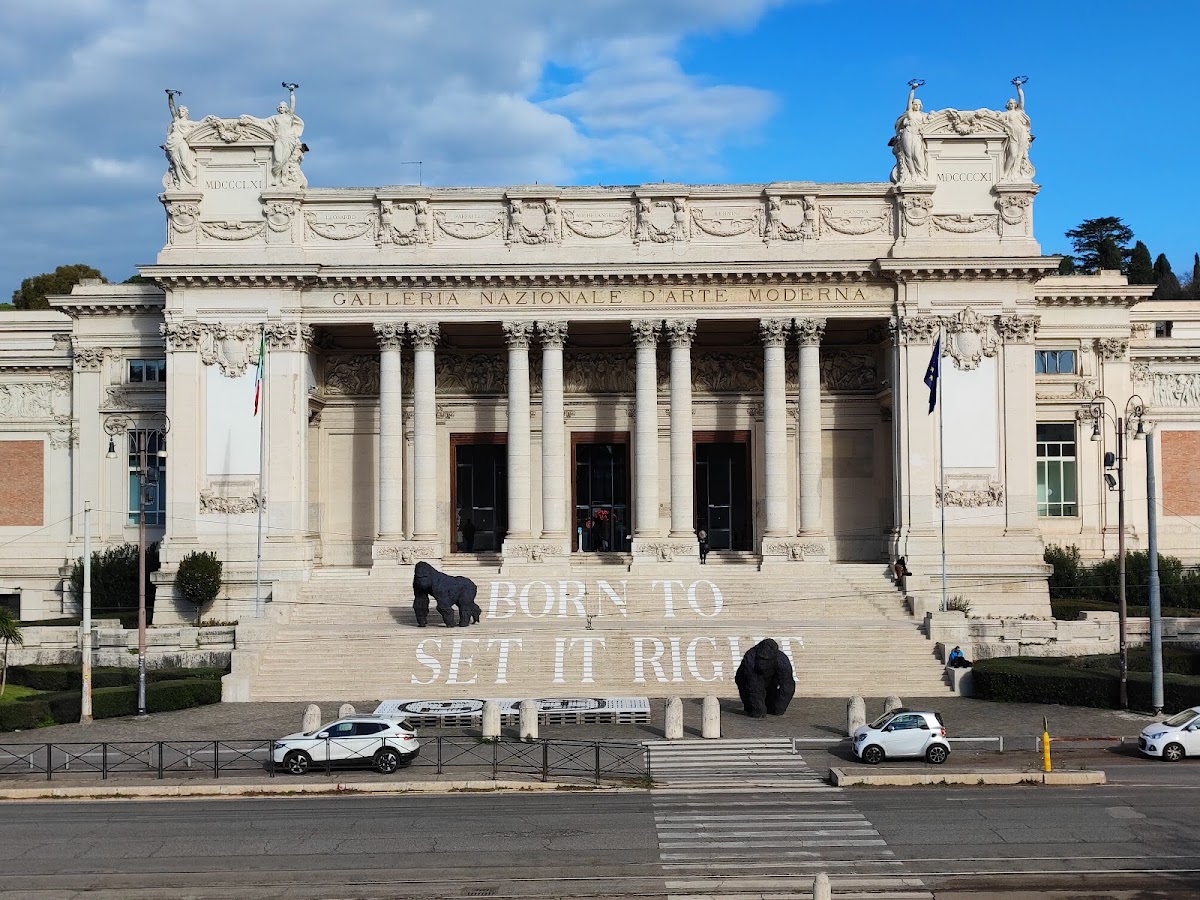
Discover the National Gallery of Modern and Contemporary Art in its grand Beaux-Arts palazzo near Villa Borghese. Wander spacious, uncrowded galleries tracing Italian art into modernism, with works by Klimt, Cezanne, and Van Gogh alongside contemporary exhibitions.
Rome · 🏛️ Landmark
Chiesa del Ss.mo Nome di Gesù all'Argentina
30 min
Amalfi & Positano Day Trip with Optional Boat Cruise
10h
Colosseum Sunset Tour with Entry
1h30
Trevi Fountain and Underground Guided Tour
Rome · 🚶 Neighborhoods
Trastevere
1h15
Rome · 🎨 Museum
Villa Farnesina
1h
Spanish Steps
20 min
Vatican: Museums & Sistine Chapel Entrance Ticket
3h
Roman Forum
Mercati di Traiano Museo dei Fori Imperiali
2h
Vatican Museums, Sistine Chapel & St. Peter's Basilica Tour
Museo Nazionale Romano, Palazzo Altemps
Chiesa di Sant'Ignazio di Loyola
Sistine Chapel
Galleria Borghese
Rome · 🌳 Nature
Giardino degli Aranci
25 min
National Etruscan Museum of Villa Giulia
Castel Sant'Angelo
MAXXI - National Museum of 21st Century Art
Piazza Navona
Ponte Sant'Angelo
Ara Pacis Museum
Gallerie Nazionali di Arte Antica - Palazzo Barberini
Capitoline Museums
Altar of the Fatherland
Pompeii, Amalfi Coast and Positano Day Trip
Galleria Doria Pamphilj
Trevi Fountain
Basilica of San Giovanni in Laterano
45 min
National Gallery of Modern and Contemporary Art