4.6 ·
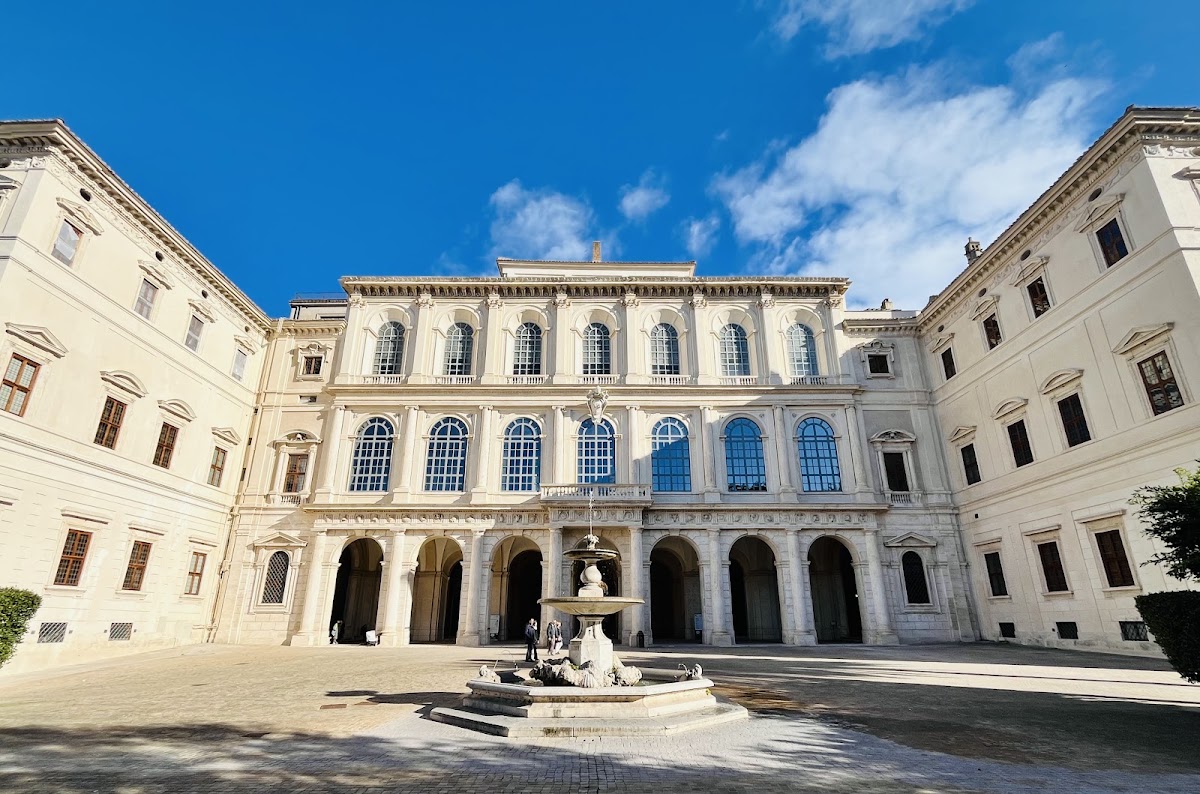
Step inside Palazzo Barberini, a Baroque palace built by Bernini and Borromini. Wander beneath Pietro da Cortona's dizzying ceiling fresco and stand before Caravaggio's Judith Beheading Holofernes, with far shorter lines than the Vatican.
Reasons to go
Full description
Begun for the powerful Barberini family and completed with contributions from Bernini and Borromini, this palace is as much an architectural showpiece as a museum, crowned by Pietro da Cortona's enormous illusionistic ceiling fresco in the Gran Salone. Its collection for the National Gallery of Ancient Art spans the Renaissance through Baroque, including Caravaggio's Judith Beheading Holofernes and Raphael's La Fornarina.
At 4.6 stars with maximum culture, must-see, and aesthetic scores, reviewers frequently note it offers a comparable caliber of art to the Vatican Museums with far shorter lines and lower ticket demand. A single ticket also covers Galleria Corsini across the river, extending the visit for art-focused travelers.
Begun for the powerful Barberini family and completed with contributions from Bernini and Borromini, this palace is as much an architectural showpiece as a museum, crowned by Pietro da Cortona's enormous illusionistic ceiling fresco in the Gran Salone. Its collection for the National Gallery of Ancient Art spans the Renaissance through Baroque, including Caravaggio's Judith Beheading Holofernes and Raphael's La Fornarina.
At 4.6 stars with maximum culture, must-see, and aesthetic scores, reviewers frequently note it offers a comparable caliber of art to the Vatican Museums with far shorter lines and lower ticket demand. A single ticket also covers Galleria Corsini across the river, extending the visit for art-focused travelers.
Address
Hours
Booking
Duration
2h
Best time
morning, lunchtime, afternoon or early evening
Intensity
Active — lots of walking
Good to know
Reviews
Great value as it’s not as busy as the Vatican museums! Bernini exhibit was great with excellent audio guide. Don’t forget side museum that is in the same building as the special Bernini exhibit. It’s included in the 20euro ticket. It’s located in same building but accessible by the side (no signs were visible). Great…
VeeBee
2/5📍 Nearby spots
Rome · 🎭 Entertainment · 🚶 1 min walk
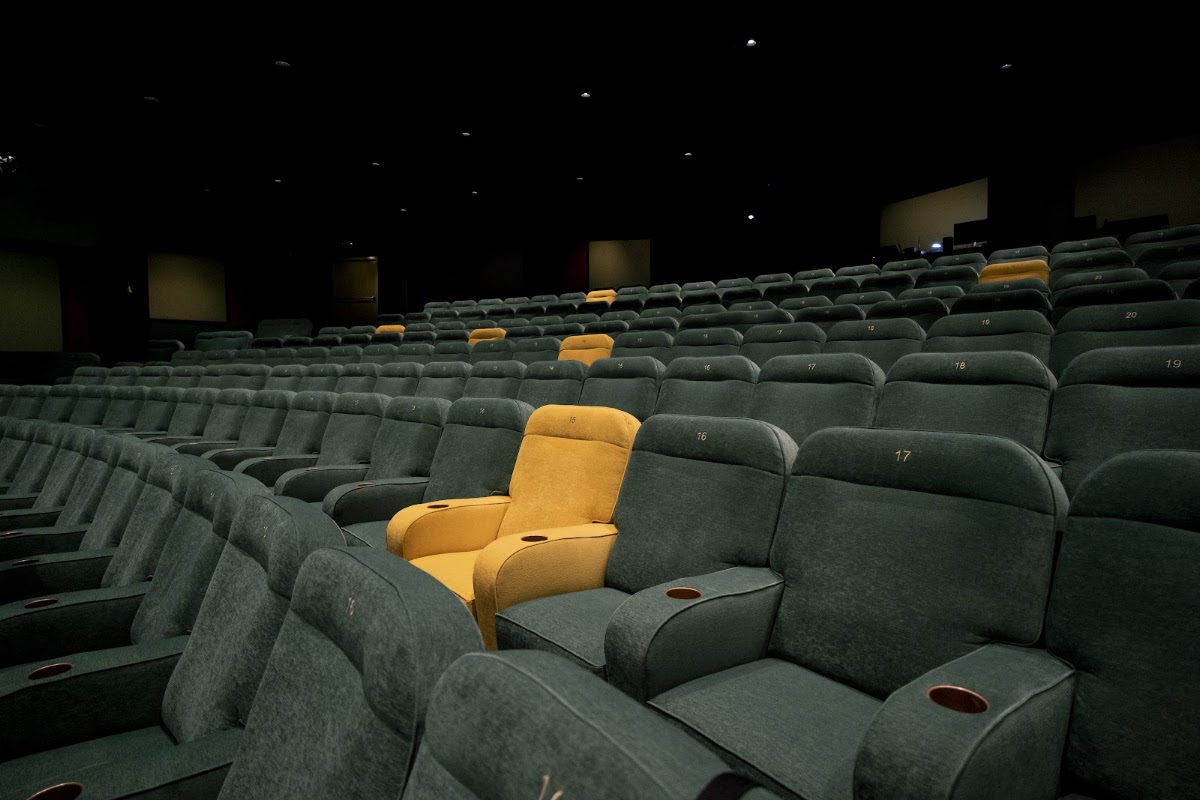
Cinema Barberini
2h
Rome · 🏛️ Landmark · 🚶 1 min walk
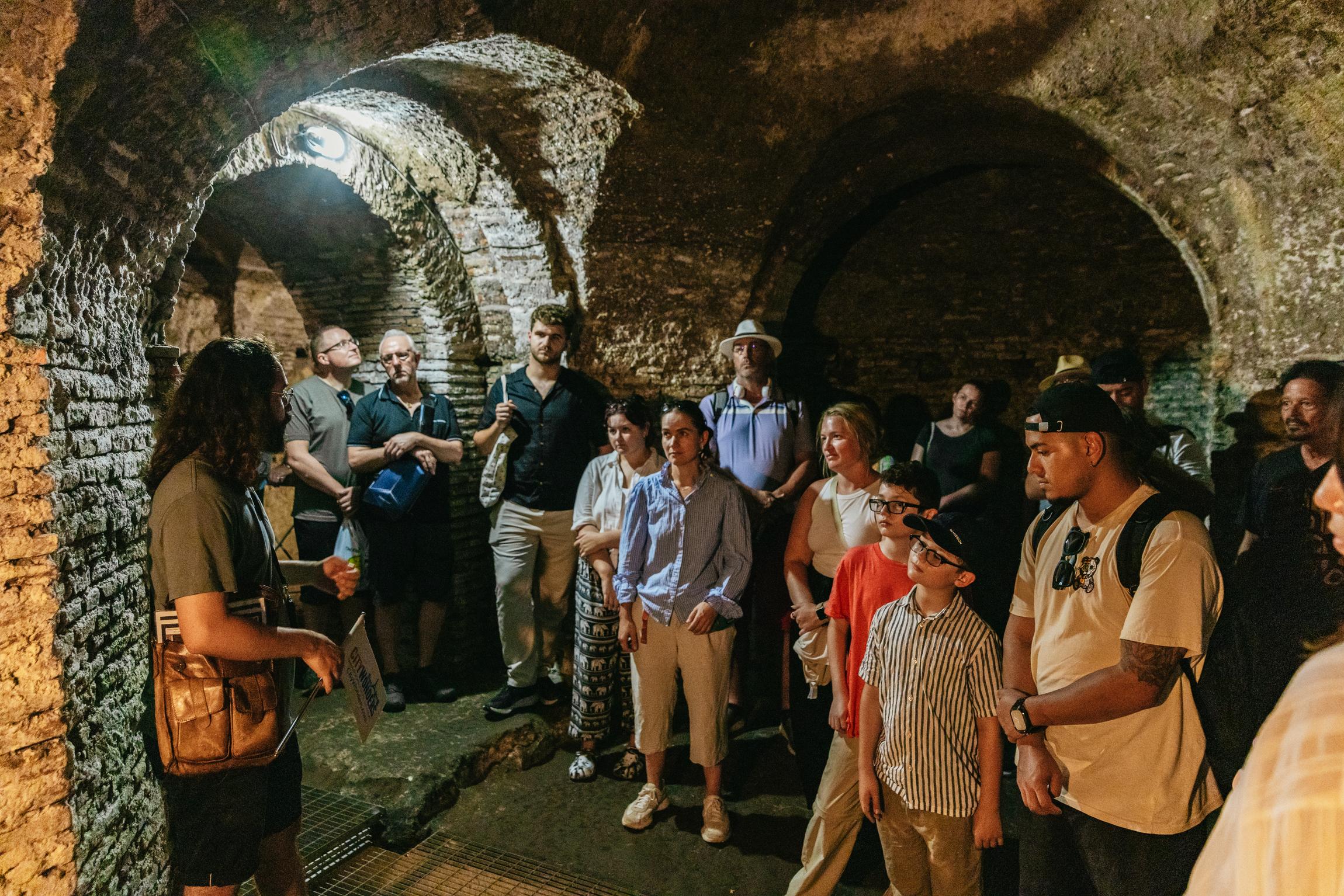
Capuchin Crypts and Catacombs Tour with Transfers
3h
Rome · 🏛️ Landmark · 🚶 1 min walk
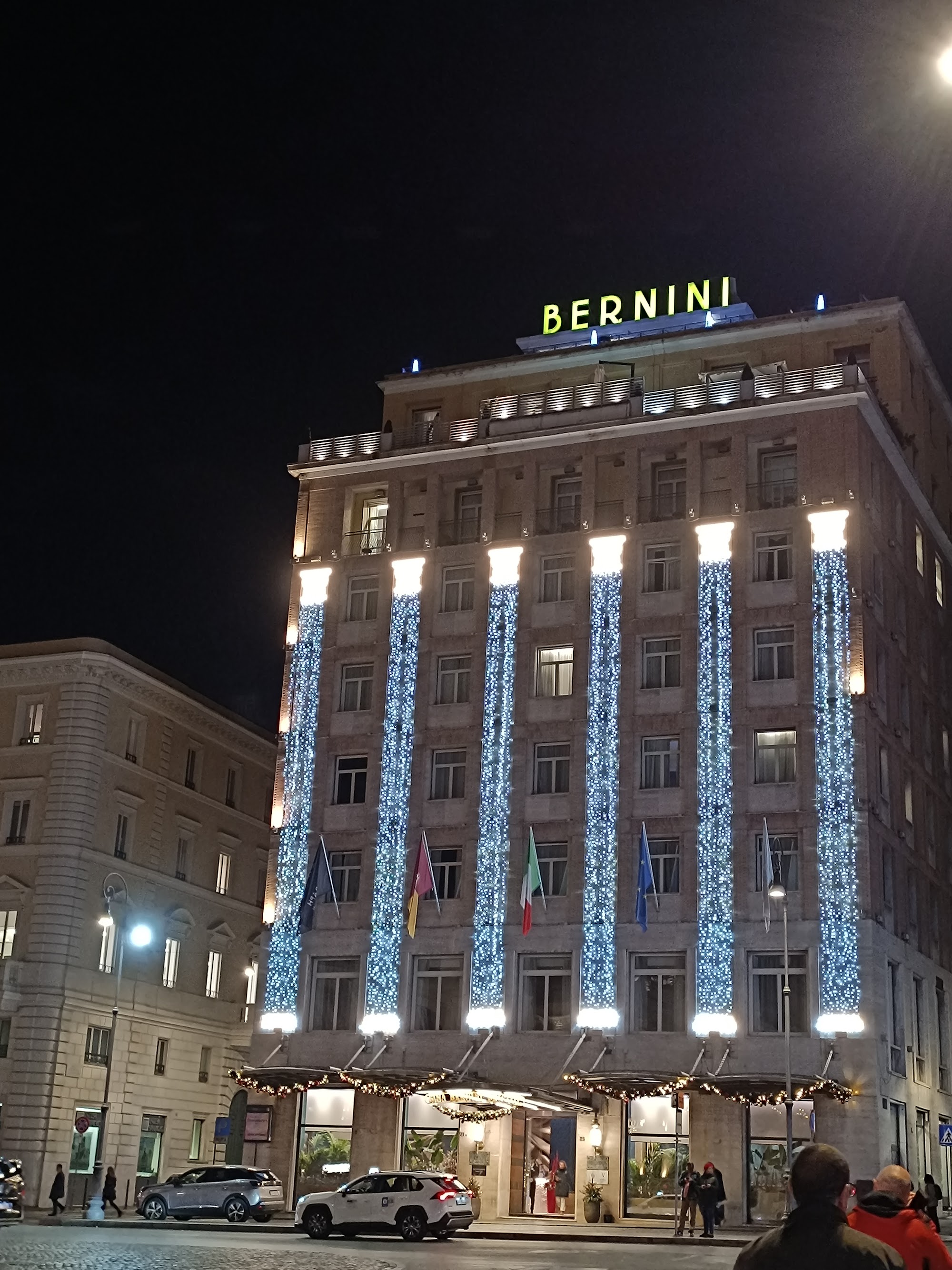
Piazza Barberini
20 min
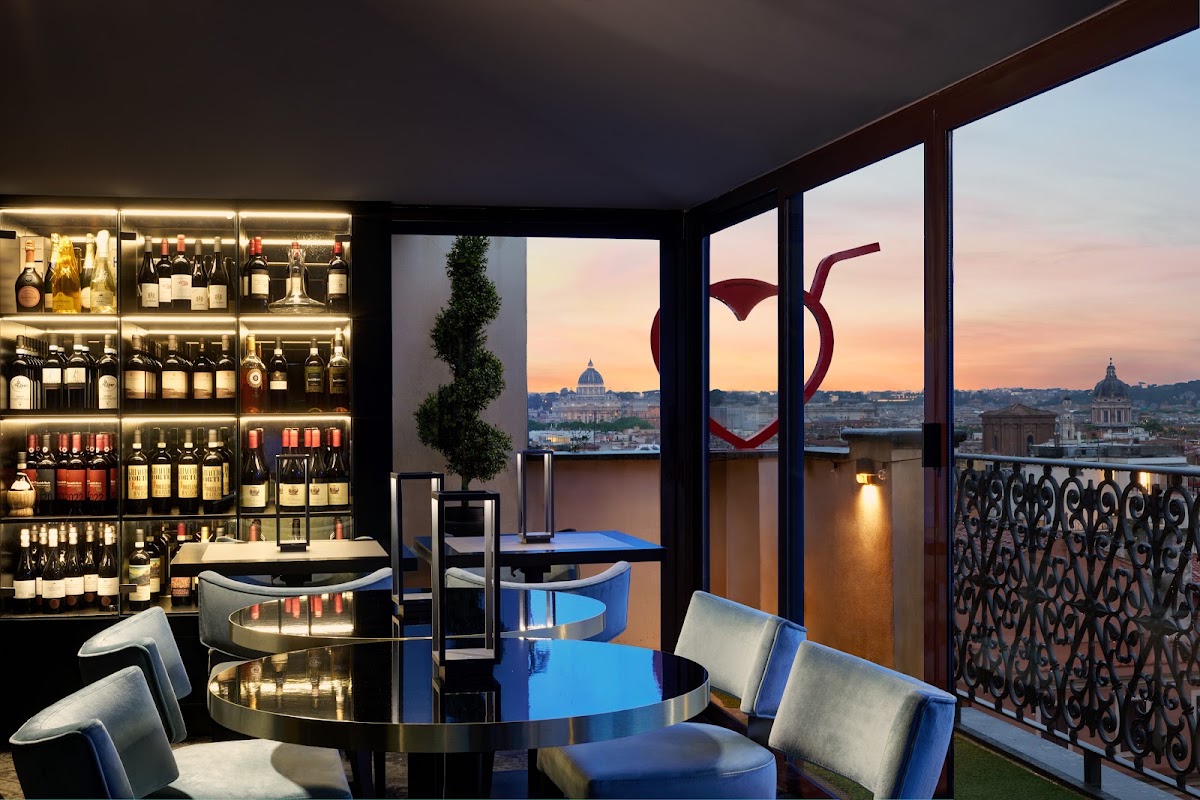
Rome · 🍸 Drinks · 🚶 1 min walk
Rooftop Spritzeria Barberini
1h
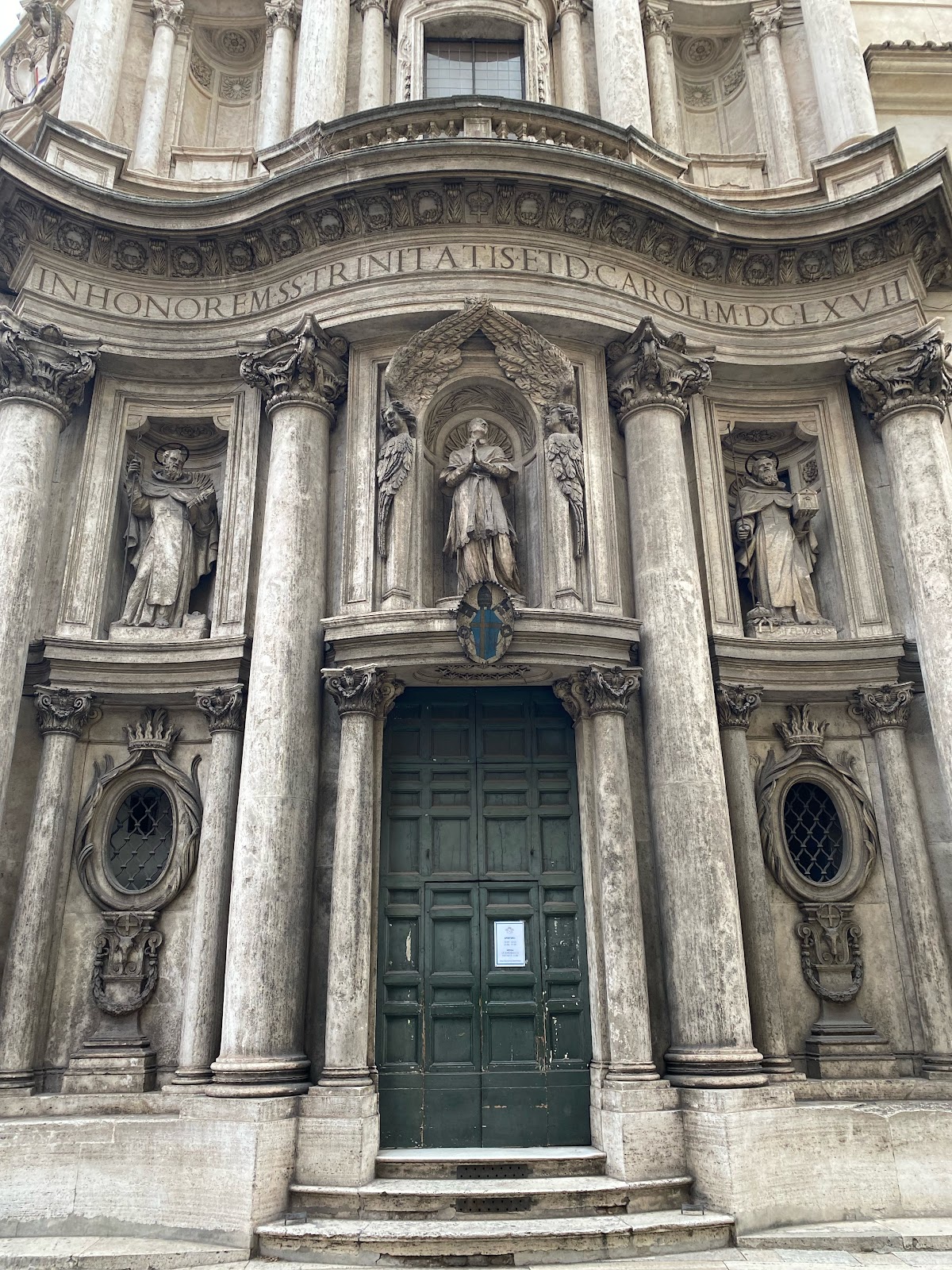
Rome · 🏛️ Landmark · 🚶 3 min walk
Four Fountains
20 min
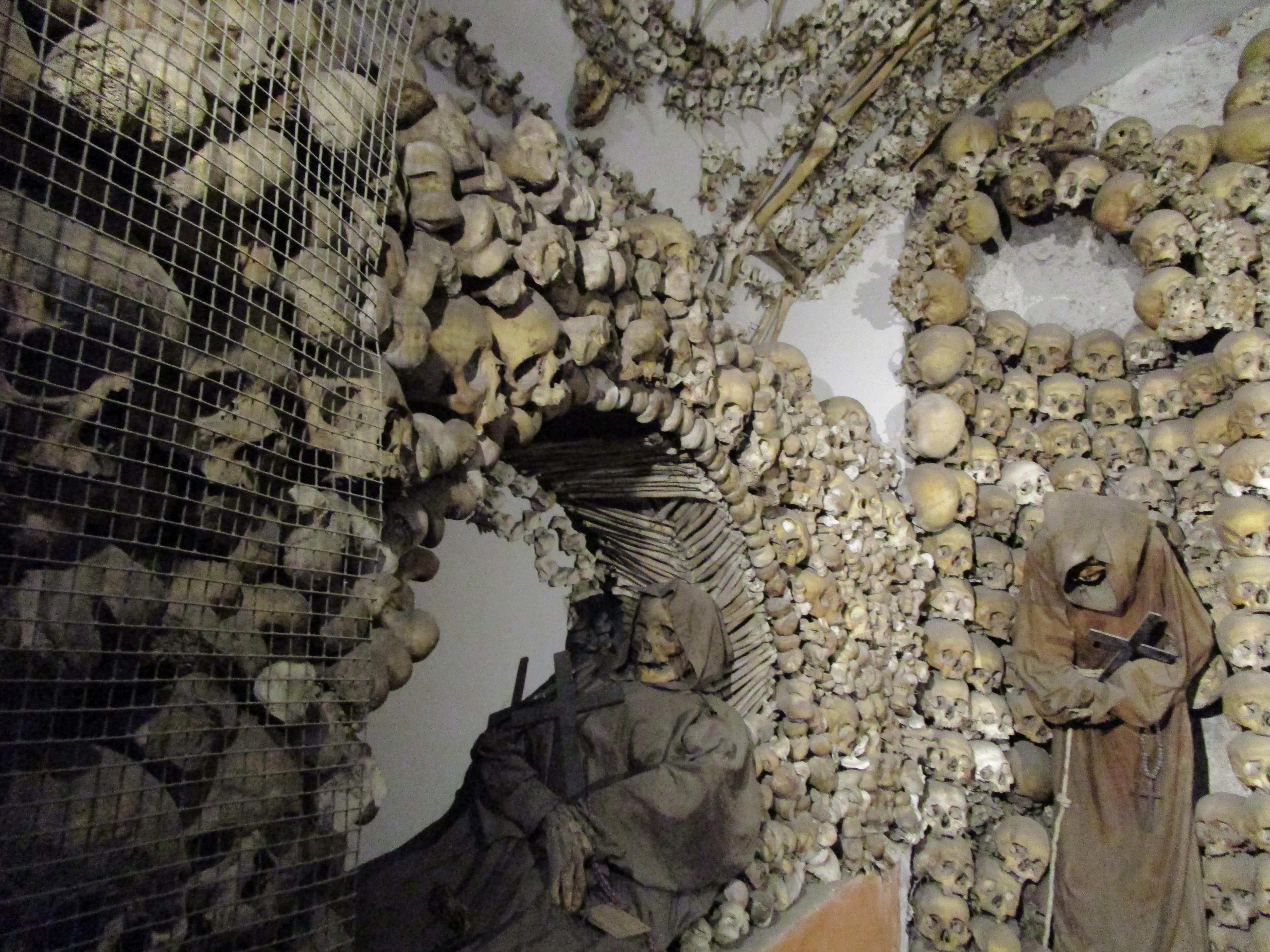
Rome · 🏛️ Landmark · 🚶 3 min walk
Capuchin Crypts Guided Tour with Audio Guide Option
1h
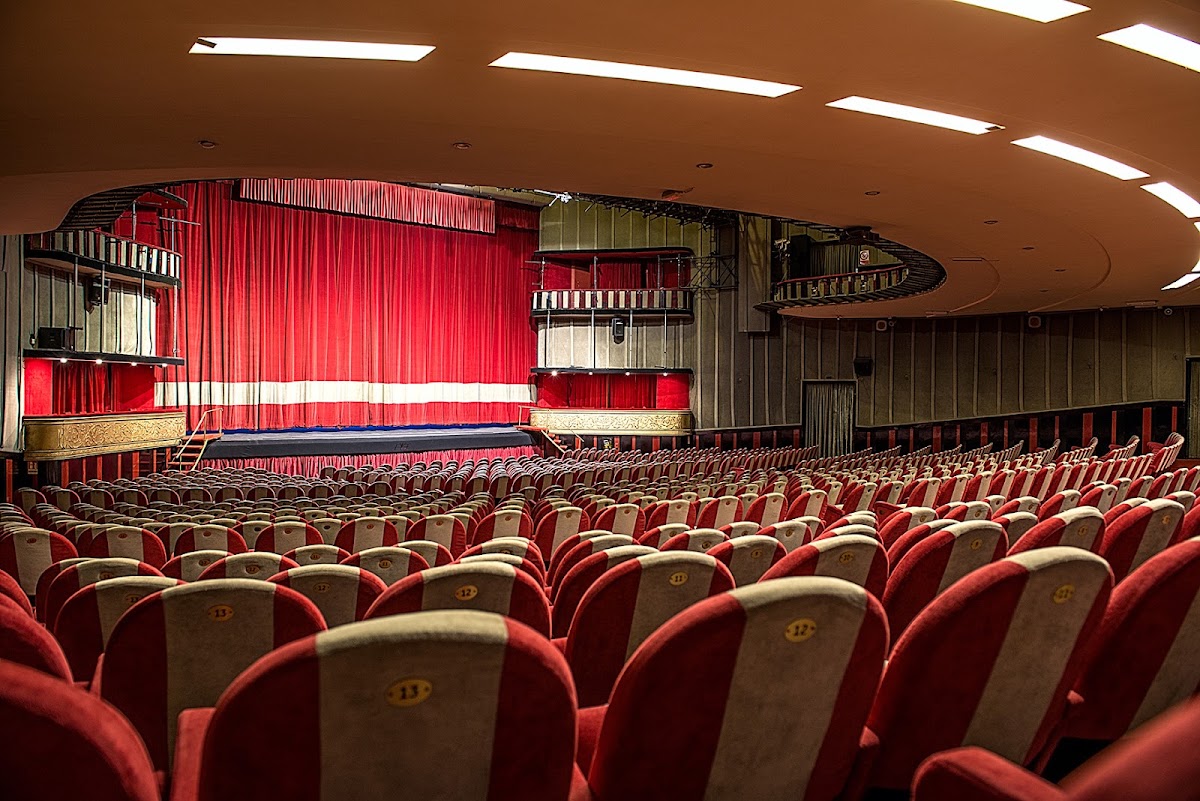
Rome · 🎭 Entertainment · 🚶 4 min walk
Teatro Sistina
2h30
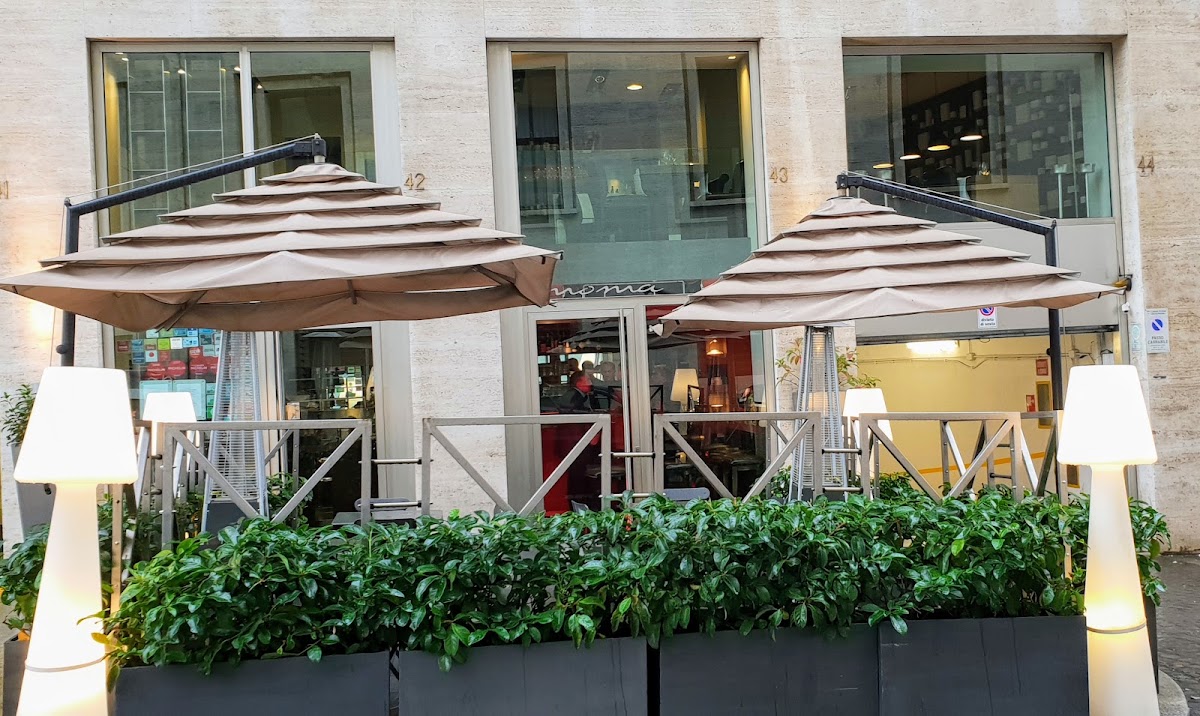
Rome · 🍽️ Food · 🚶 4 min walk
Moma
2h
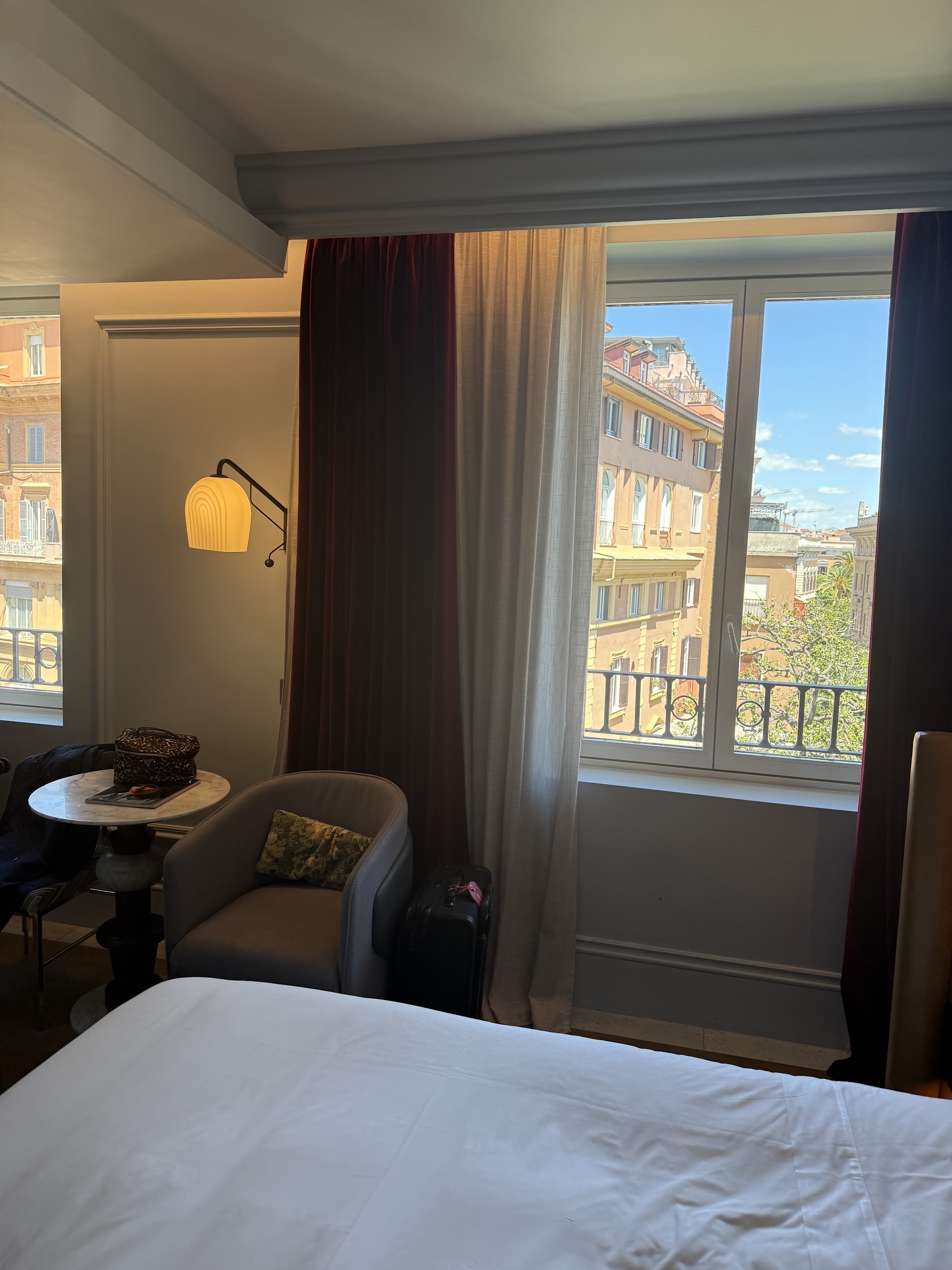
Rome · 🍸 Drinks · 🚶 5 min walk
W Rome
1h
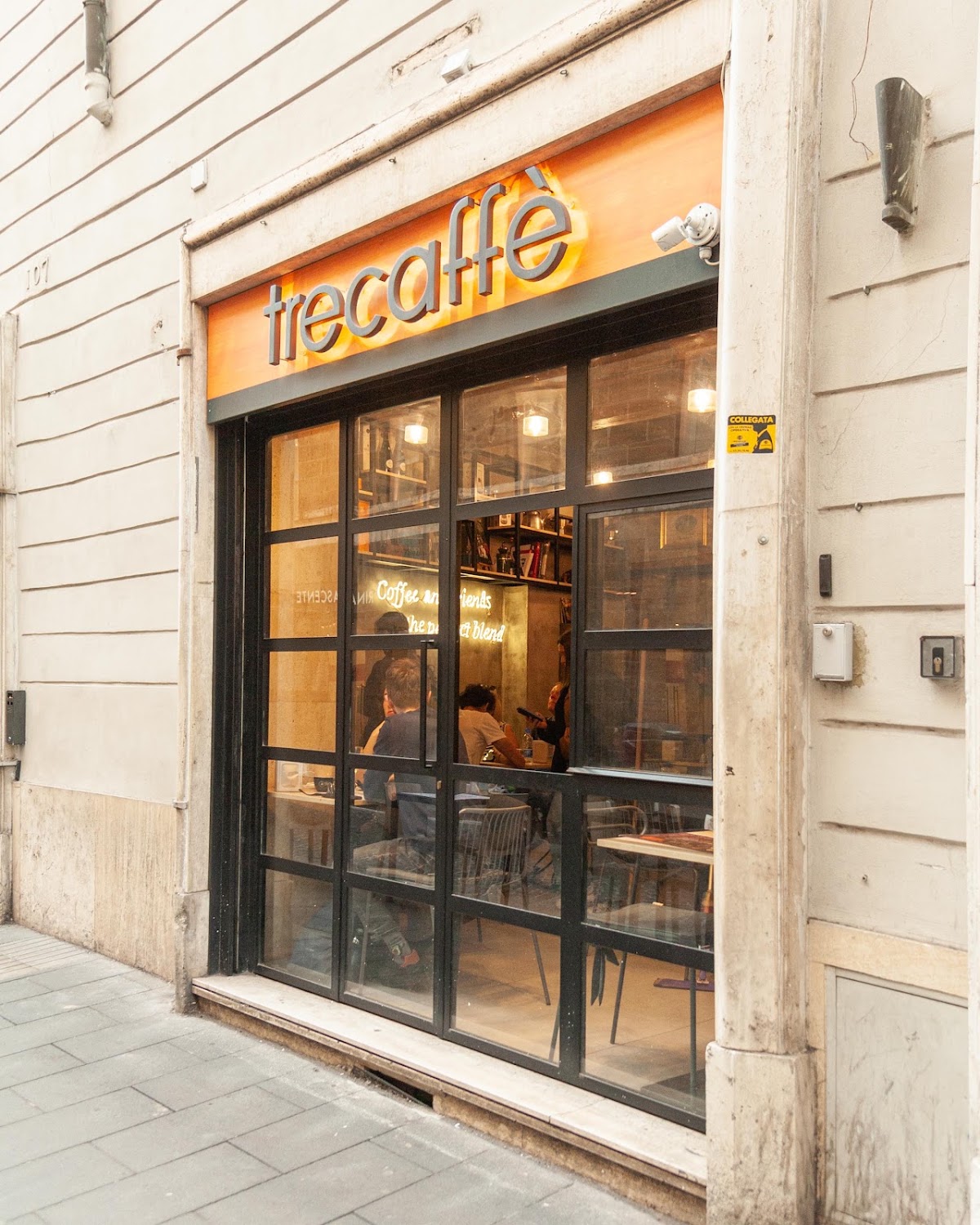
Rome · ☕ Coffeebreak · 🚶 6 min walk
Trecaffè - Via dei due Macelli
25 min
Build your itinerary
City
Dates
Choose your Explorer profile