4.8 ·
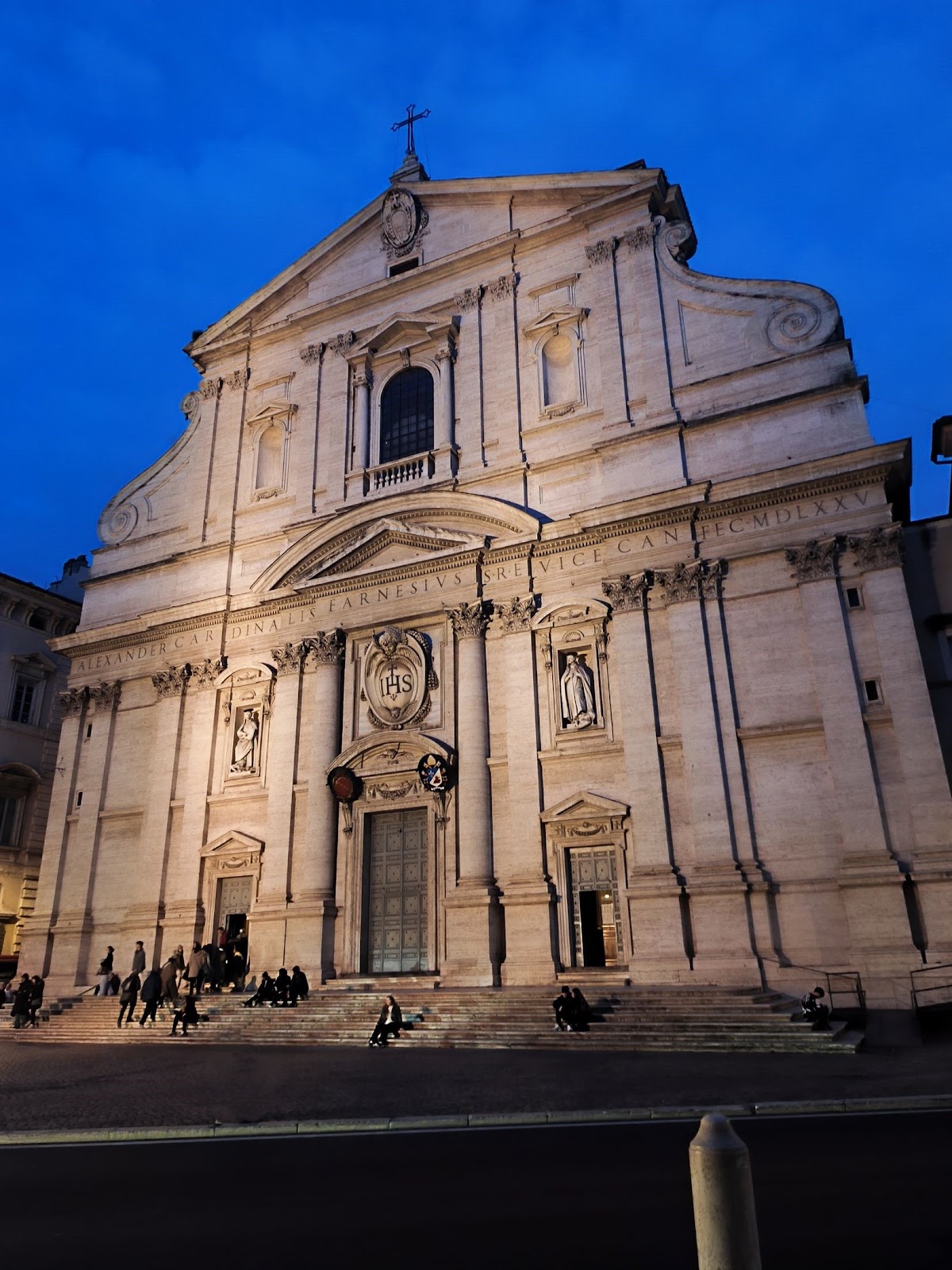
Step inside the Chiesa del Gesù, the mother church of the Jesuit order. Look up at Baciccio's illusionistic ceiling fresco and visit the lapis lazuli-adorned tomb of Ignatius of Loyola.
Reasons to go
Full description
Completed in 1584 as the headquarters church of the newly formed Society of Jesus, the Chiesa del Gesù established the architectural blueprint that Jesuit churches worldwide would follow for centuries: a single wide nave designed to let large congregations see and hear clearly. Its ceiling fresco, the Triumph of the Name of Jesus by Baciccio, uses the same illusionistic techniques found nearby at Sant'Ignazio, blurring the line between painted and sculpted figures.
The tomb of Ignatius of Loyola himself lies within, richly decorated with lapis lazuli. It's a quick but architecturally significant stop for anyone tracing the roots of Baroque style in Rome.
Completed in 1584 as the headquarters church of the newly formed Society of Jesus, the Chiesa del Gesù established the architectural blueprint that Jesuit churches worldwide would follow for centuries: a single wide nave designed to let large congregations see and hear clearly. Its ceiling fresco, the Triumph of the Name of Jesus by Baciccio, uses the same illusionistic techniques found nearby at Sant'Ignazio, blurring the line between painted and sculpted figures.
The tomb of Ignatius of Loyola himself lies within, richly decorated with lapis lazuli. It's a quick but architecturally significant stop for anyone tracing the roots of Baroque style in Rome.
Duration
30 min
Best time
early morning, morning, early evening or evening
Intensity
Easy pace
Good to know
Reviews
Nice church but when I visited it the mirrors which show ceiling reflection were removed and illusion corridor next to it was closed for repairs. I don't know the reason but I was just unlucky. Still this is one of the one time visit churches of Rome with stunning interiors if you are in this area. I hope others don't…
Nirav Parikh
2/5📍 Nearby spots
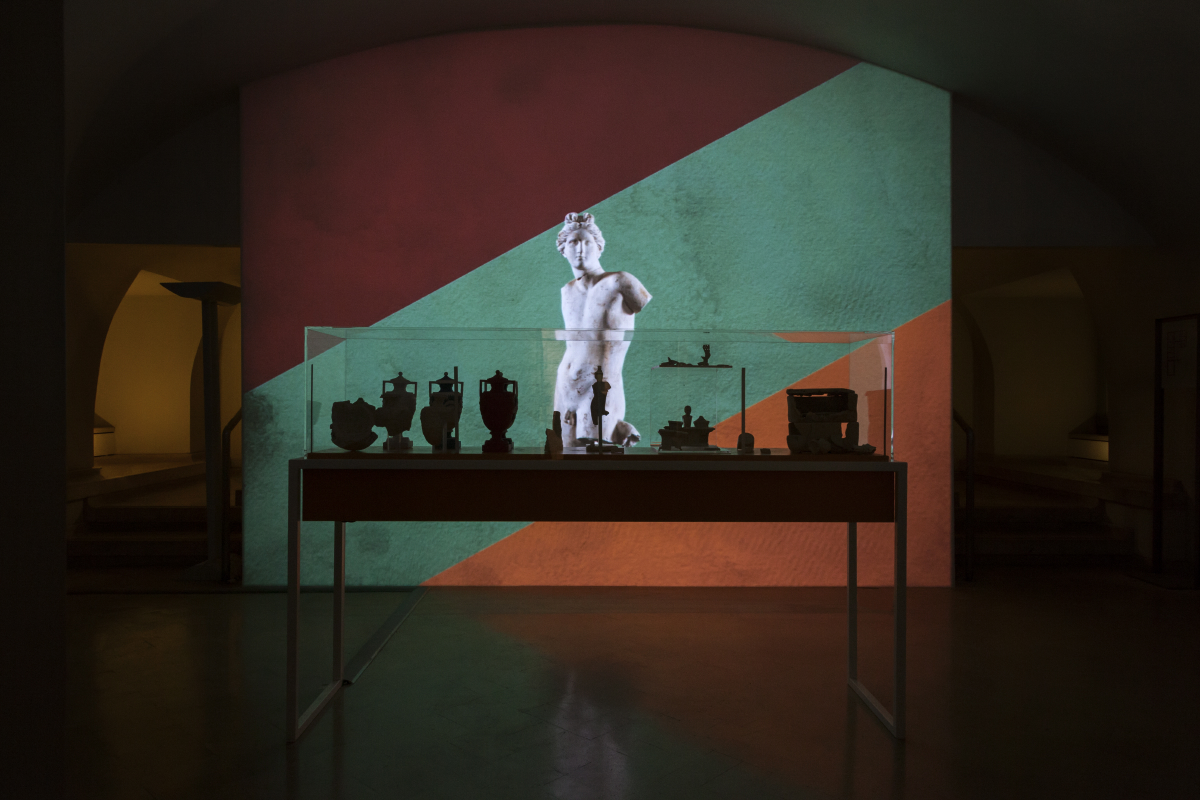
Rome · 🎨 Museum · 🚶 2 min walk
Crypta Balbi - Museo Nazionale Romano
45 min
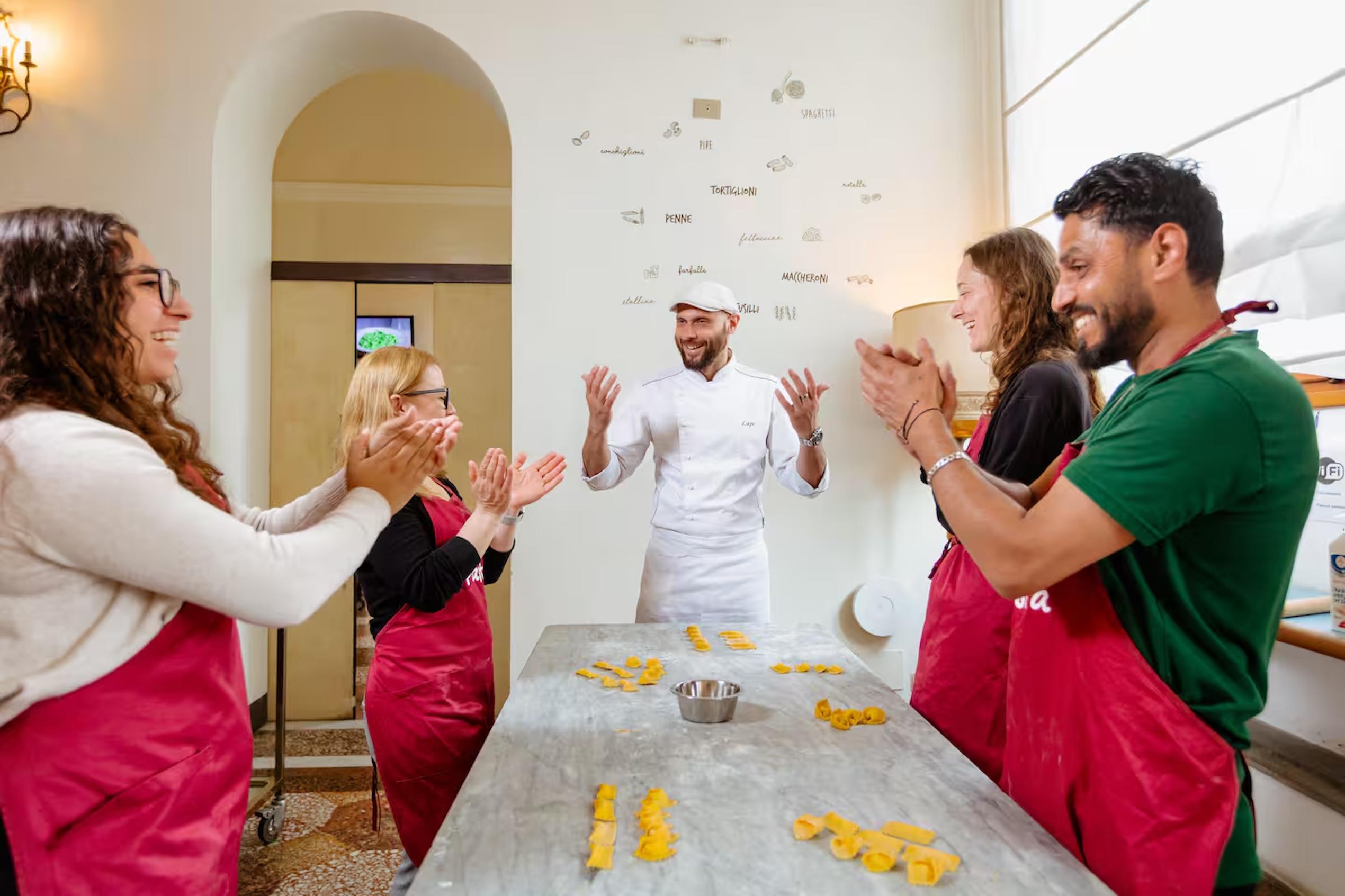
Rome · 🍽️ Food · 🚶 2 min walk
Top Pasta Making &Wine Dessert Limoncello by Pantheon
3h
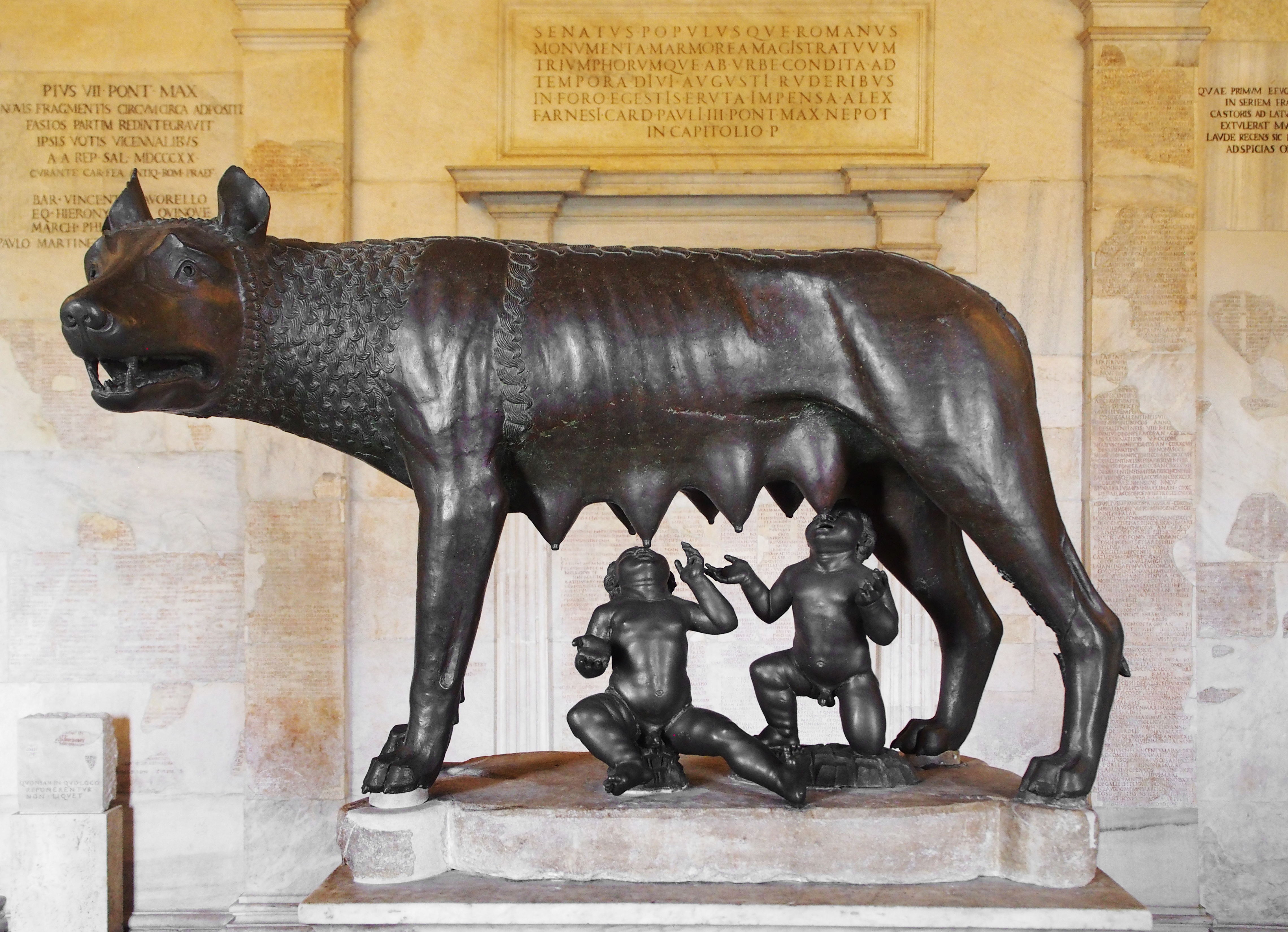
Rome · 🎨 Museum · 🚶 3 min walk
Capitoline Museums Experience with Multimedia Video
2h
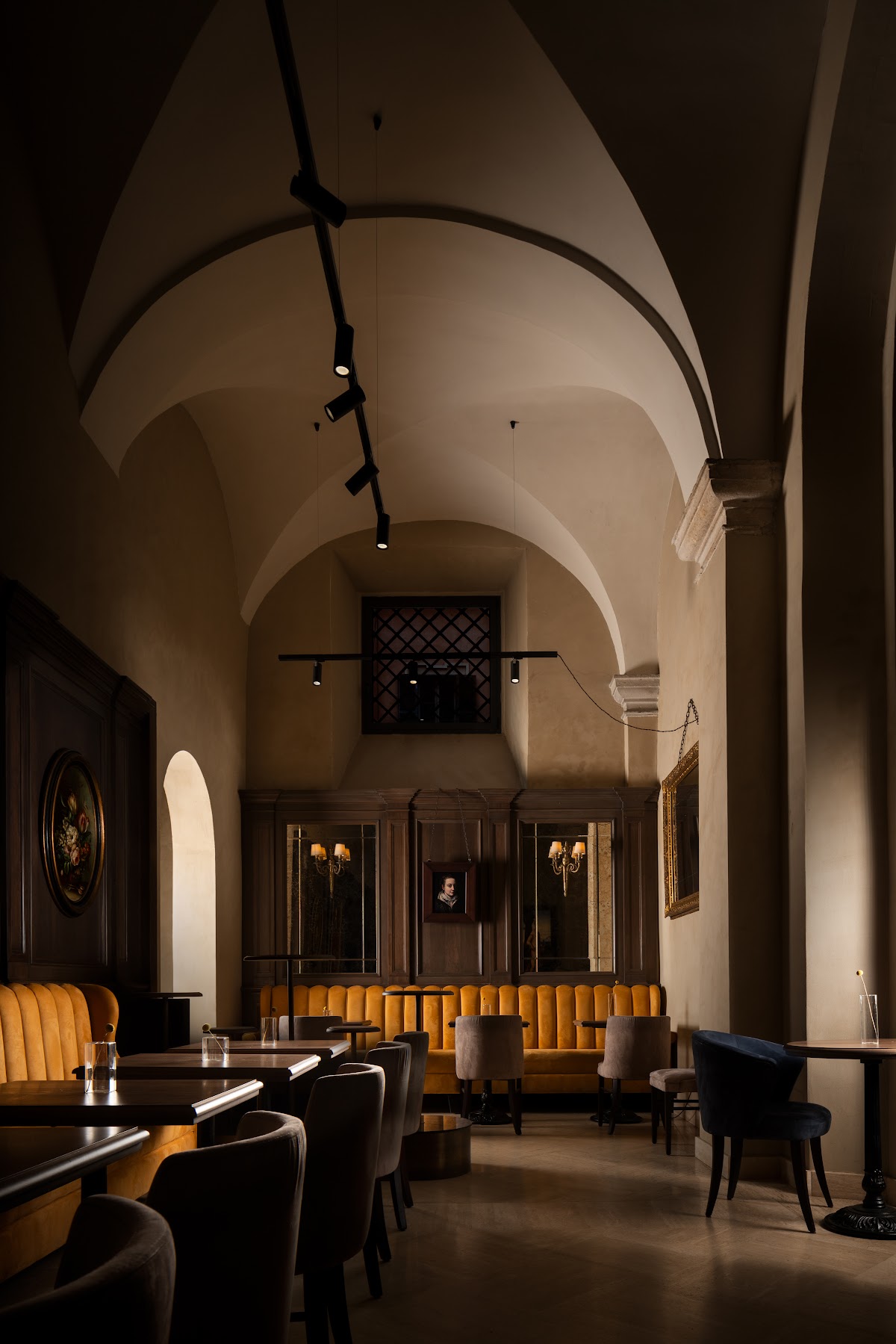
Rome · ☕ Coffeebreak · 🚶 3 min walk
Caffè Doria
1h
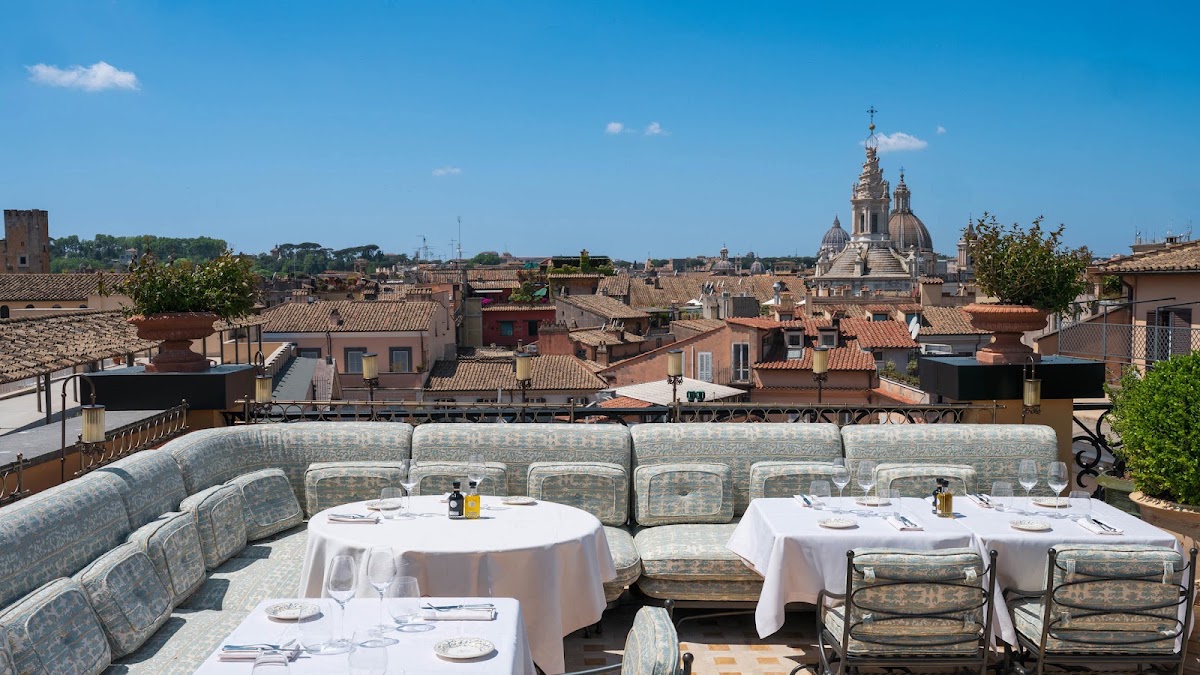
Rome · 🍽️ Food · 🚶 4 min walk
Gigi Rigolatto Roma
2h30
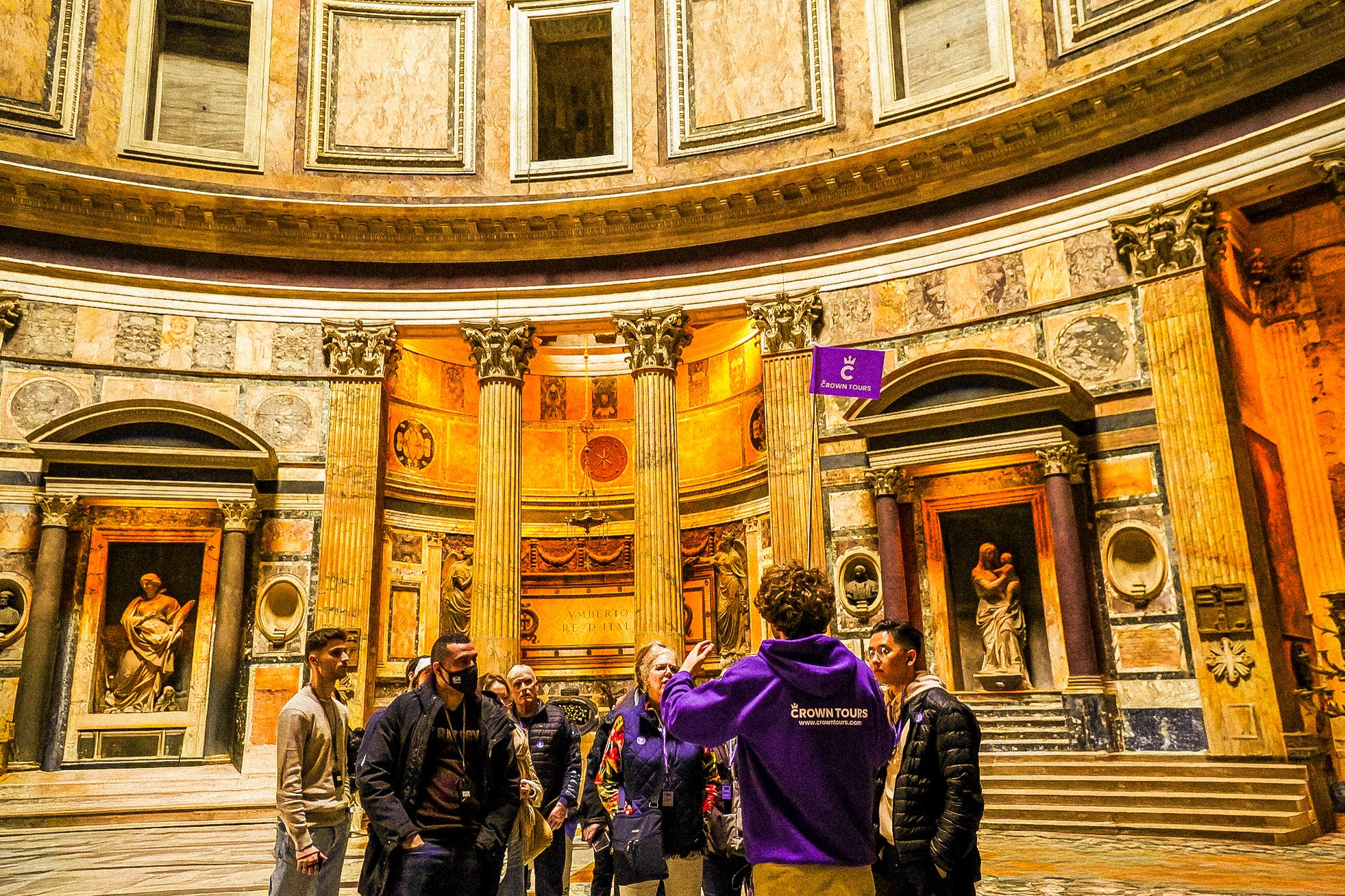
Rome · 🏛️ Landmark · 🚶 4 min walk
Pantheon Timeless Marvel Guided Tour with Entry Ticket
1h
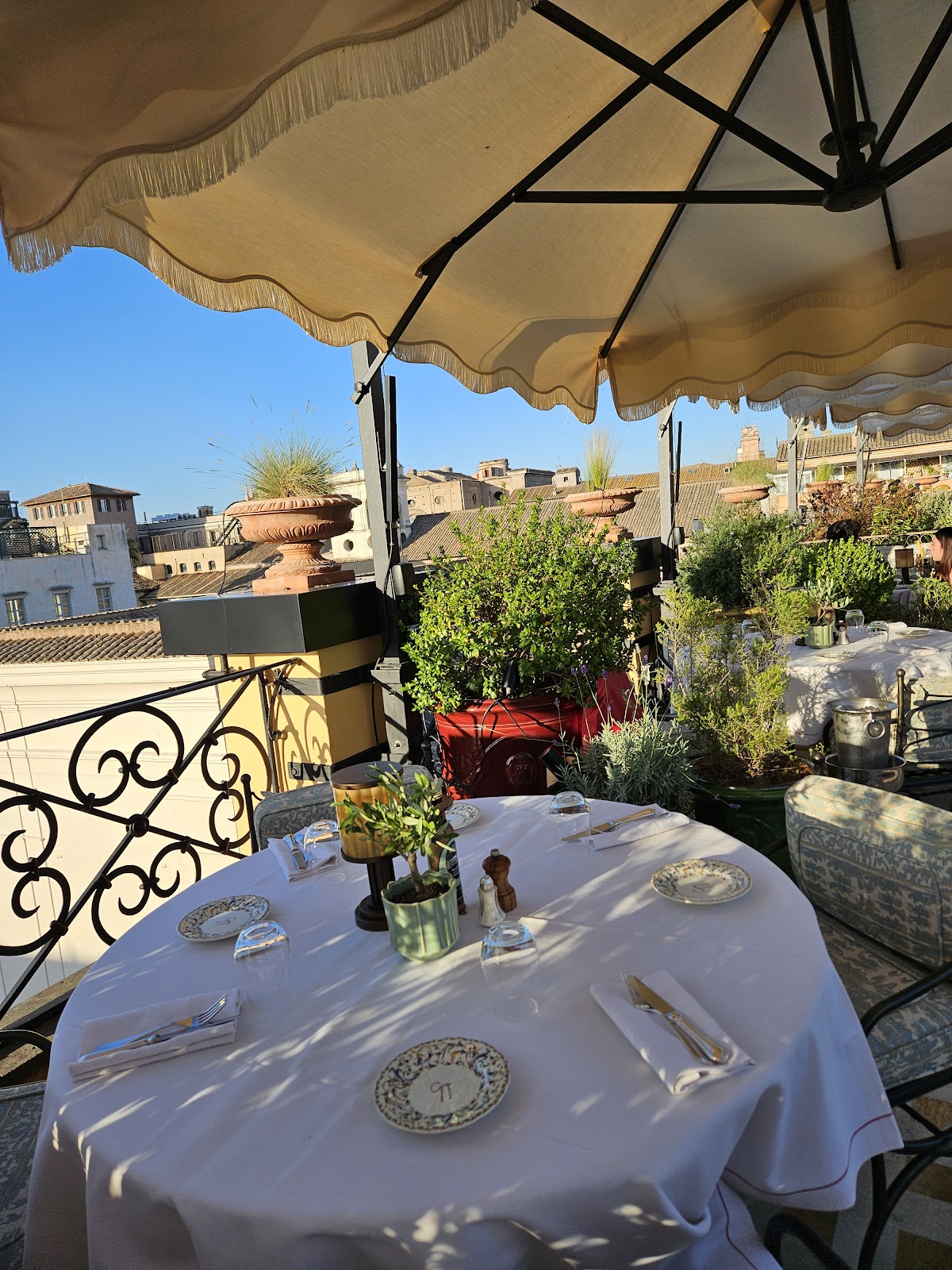
Rome · 🍸 Drinks · 🚶 4 min walk
hotel minerva rome rooftop bar
1h15
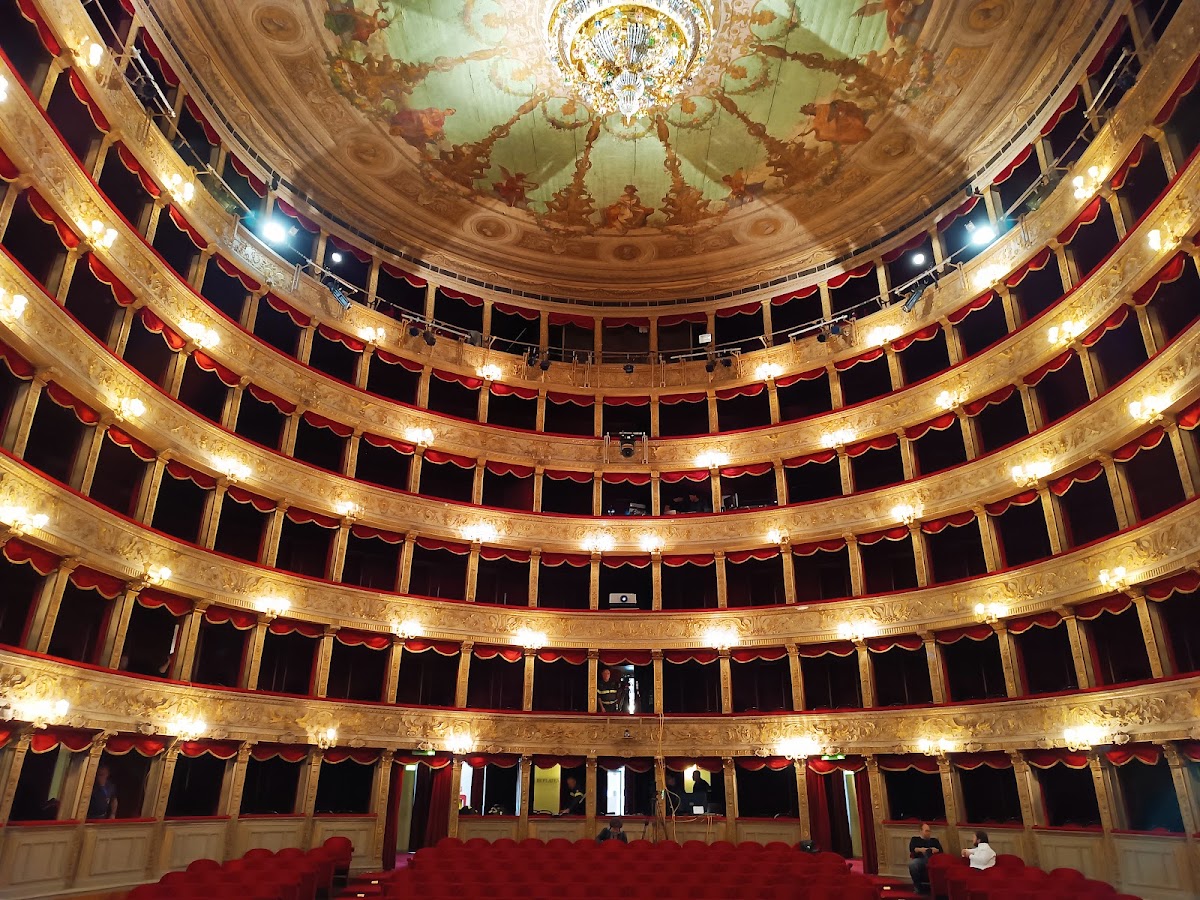
Rome · 🎭 Entertainment · 🚶 4 min walk
Teatro Argentina
2h
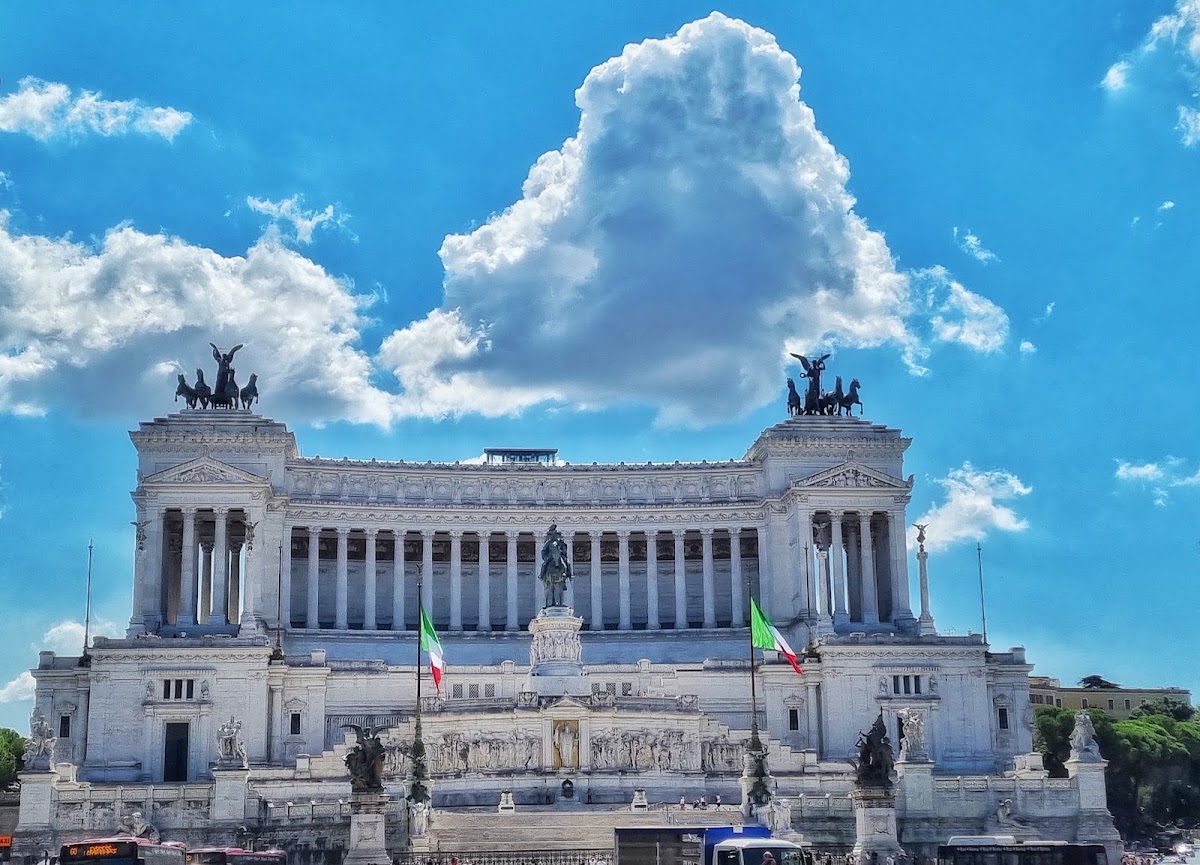
Rome · 🏛️ Landmark · 🚶 4 min walk
Piazza Venezia
15 min
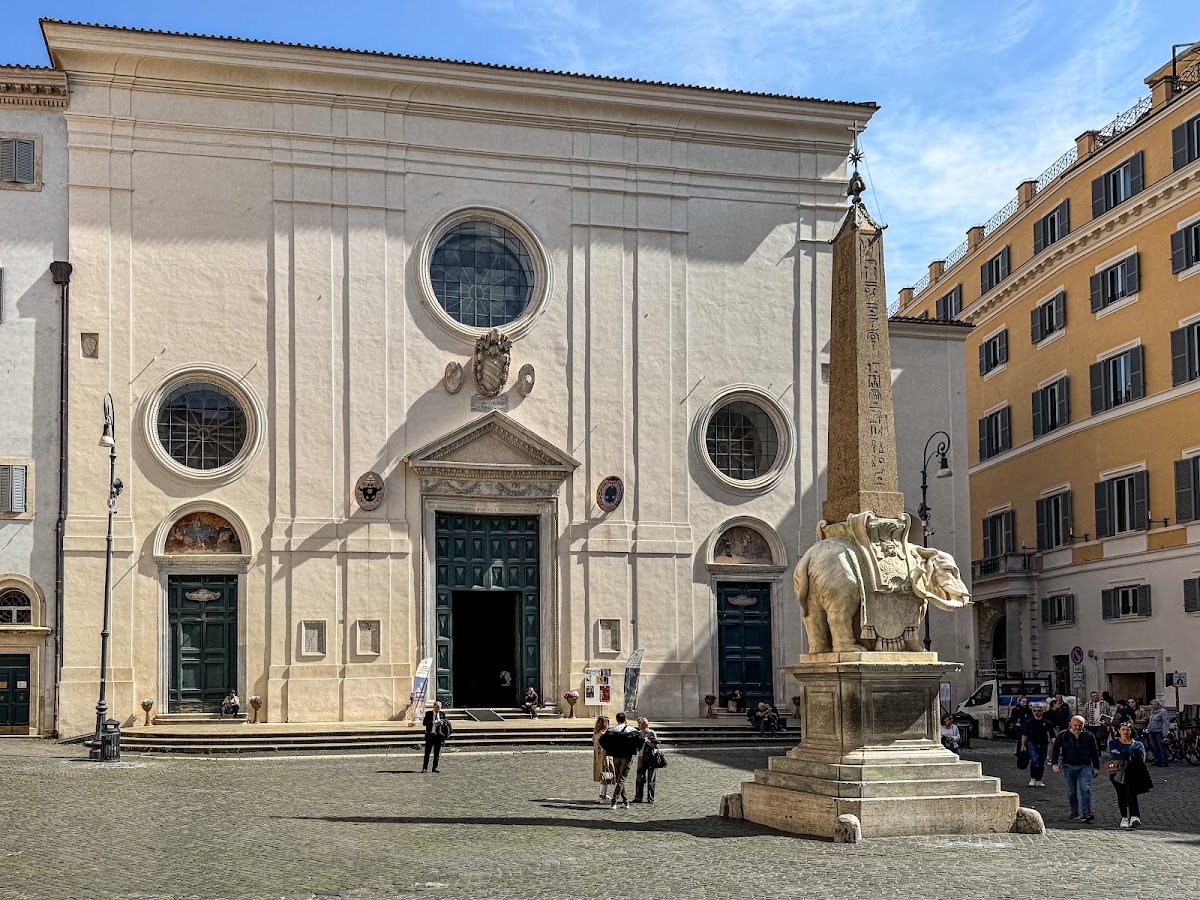
Rome · 🏛️ Landmark · 🚶 4 min walk
Basilica of Saint Mary of Minerva
30 min
Build your itinerary
City
Dates
Choose your Explorer profile