4.6 ·
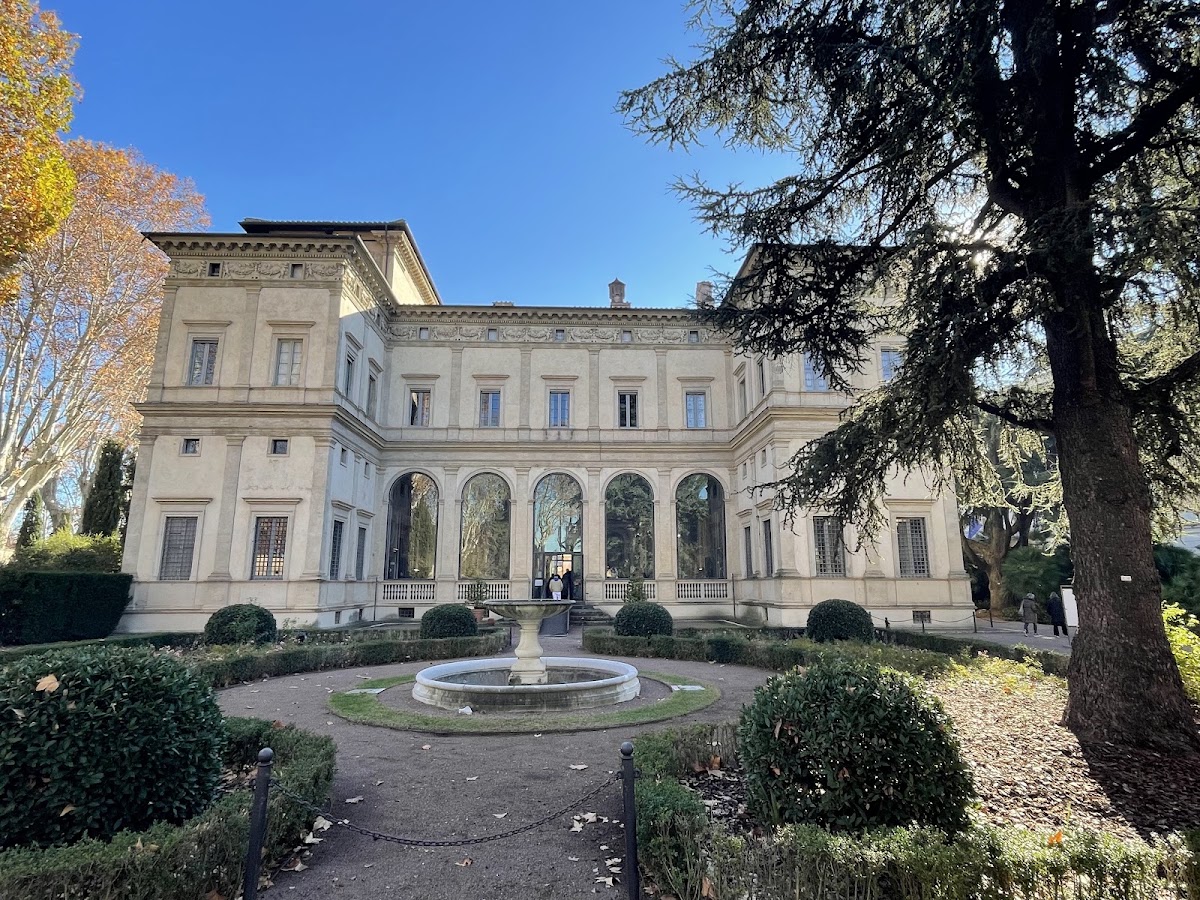
Step into Villa Farnesina, the banker's riverside retreat tucked away in Trastevere. Wander beneath Raphael's playful frescoes in the Loggia of Psyche and admire the Triumph of Galatea, all without the crowds of the Vatican.
Reasons to go
Full description
Built for the fabulously wealthy banker Agostino Chigi in the early 16th century, Villa Farnesina is considered one of the most harmonious buildings of the High Renaissance, its rooms covered in frescoes by Raphael, Sebastiano del Piombo, and Sodoma. The Loggia of Cupid and Psyche and Raphael's Galatea are the standout rooms, painted with a lightness and mythological playfulness distinct from more solemn church commissions of the era.
A 4.6 rating and top culture and aesthetic scores reflect its status as a genuine Renaissance landmark, even though it remains less visited than the Vatican's Raphael Rooms just across the river. Its relatively affordable ticket price and modest scale make it an efficient, high-impact addition to a Trastevere itinerary.
Built for the fabulously wealthy banker Agostino Chigi in the early 16th century, Villa Farnesina is considered one of the most harmonious buildings of the High Renaissance, its rooms covered in frescoes by Raphael, Sebastiano del Piombo, and Sodoma. The Loggia of Cupid and Psyche and Raphael's Galatea are the standout rooms, painted with a lightness and mythological playfulness distinct from more solemn church commissions of the era.
A 4.6 rating and top culture and aesthetic scores reflect its status as a genuine Renaissance landmark, even though it remains less visited than the Vatican's Raphael Rooms just across the river. Its relatively affordable ticket price and modest scale make it an efficient, high-impact addition to a Trastevere itinerary.
Address
Hours
Booking
Duration
1h
Best time
morning or lunchtime
Intensity
Moderate walking
Good to know
Reviews
What is an incredibly beautiful property turned a new museum. Spectacular. Piece artworks depicting myths - the ceilings and statuary are absolutely amazing. Across the street is the library with over 100,000 ancient texts someday back to 1405. Delightful off the beaten path art & library
Marian Spector (MarianTheLibrarian)
2/5📍 Nearby spots
Rome · 🎨 Museum · 🚶 1 min walk
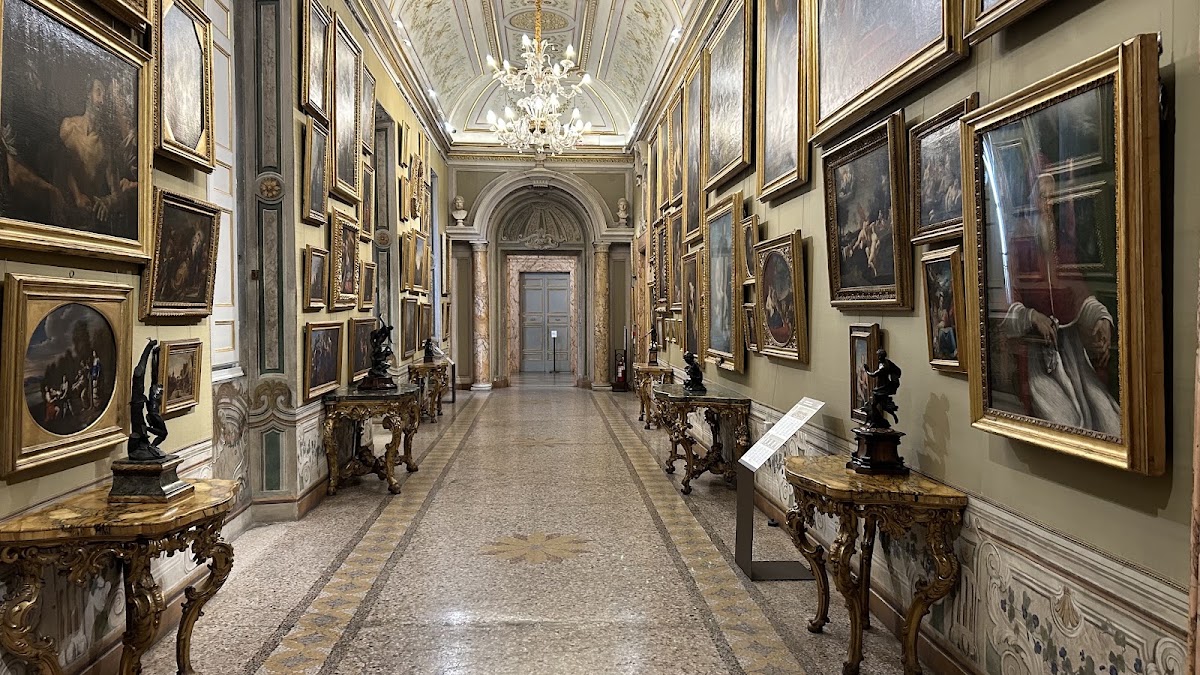
Galleria Corsini - Gallerie Nazionali di Arte Antica
45 min
Rome · 🍽️ Food · 🚶 4 min walk
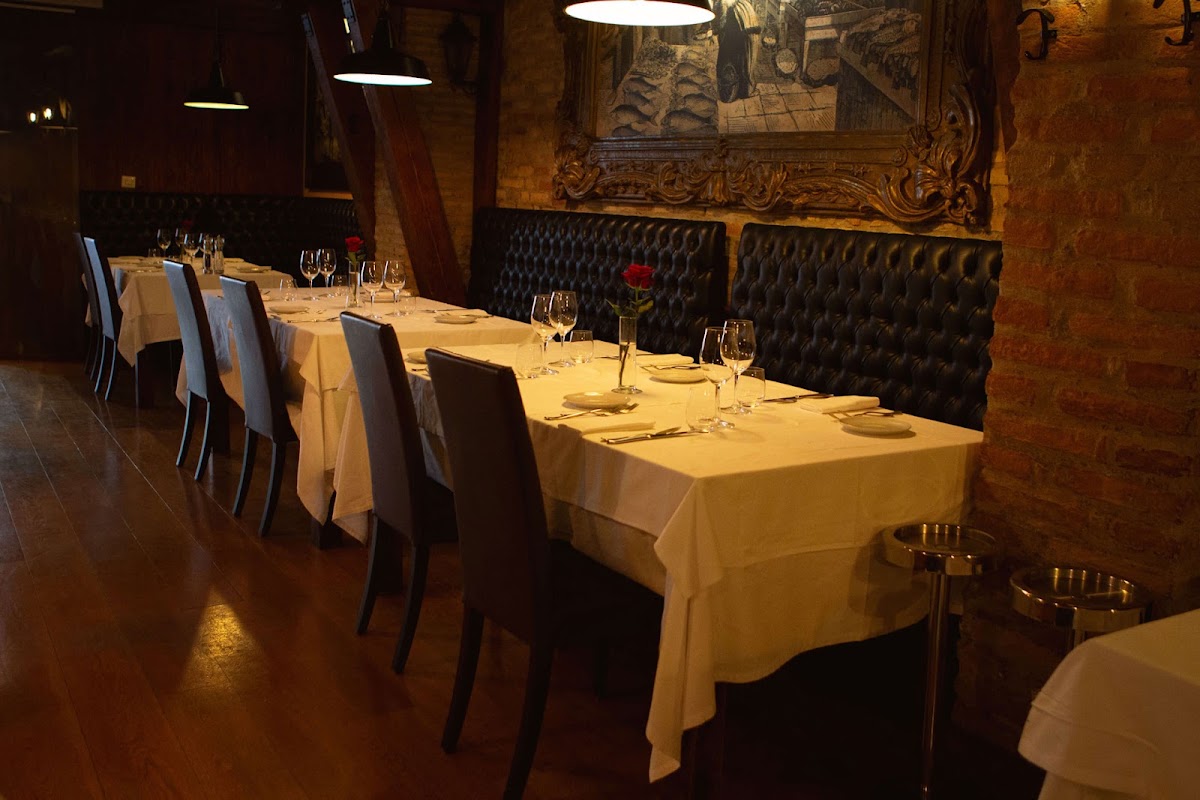
Assunta Madre
1h50
Rome · 🥐 Breakfast · 🚶 4 min walk
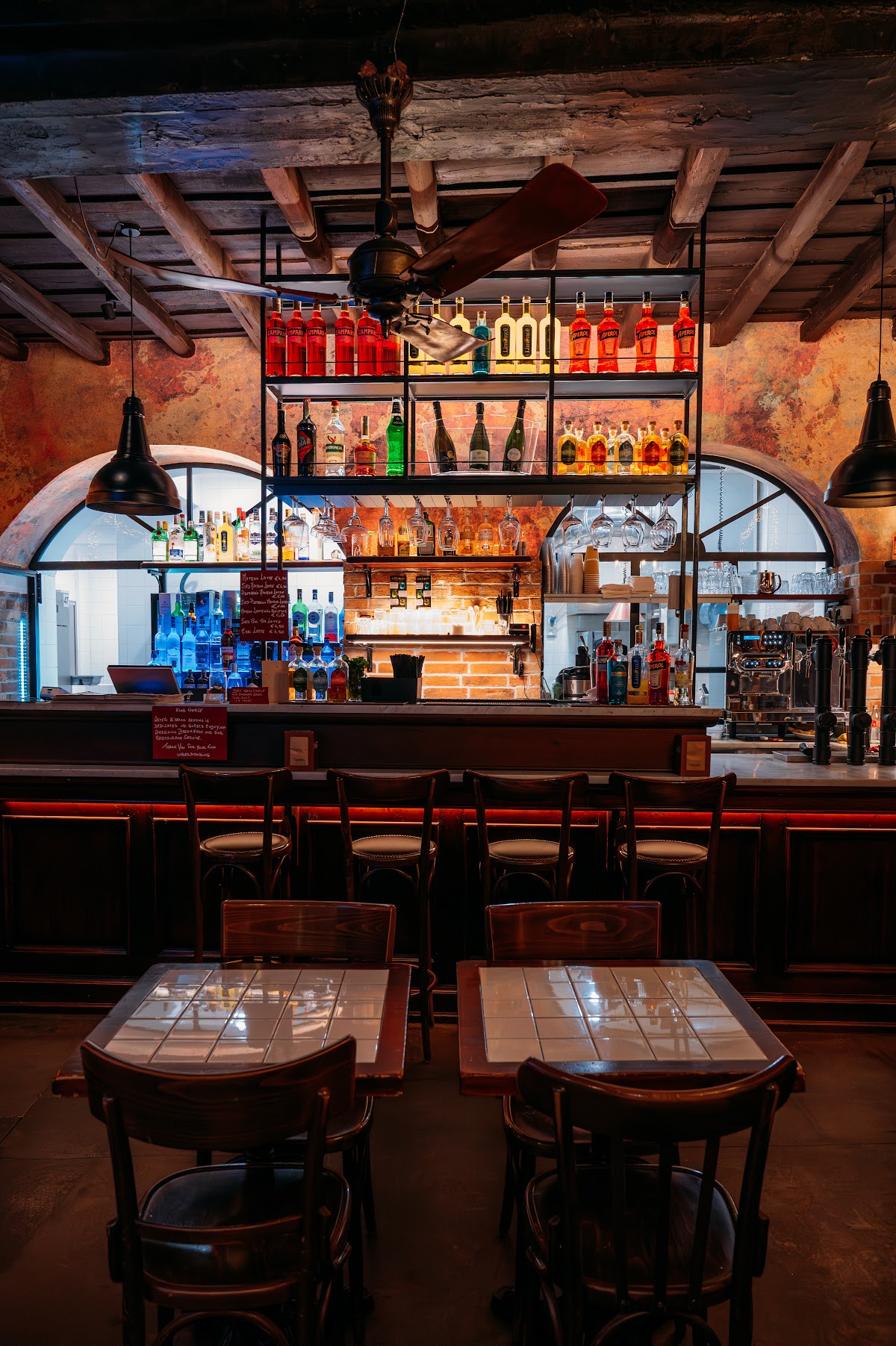
Mammò Trastevere
45 min
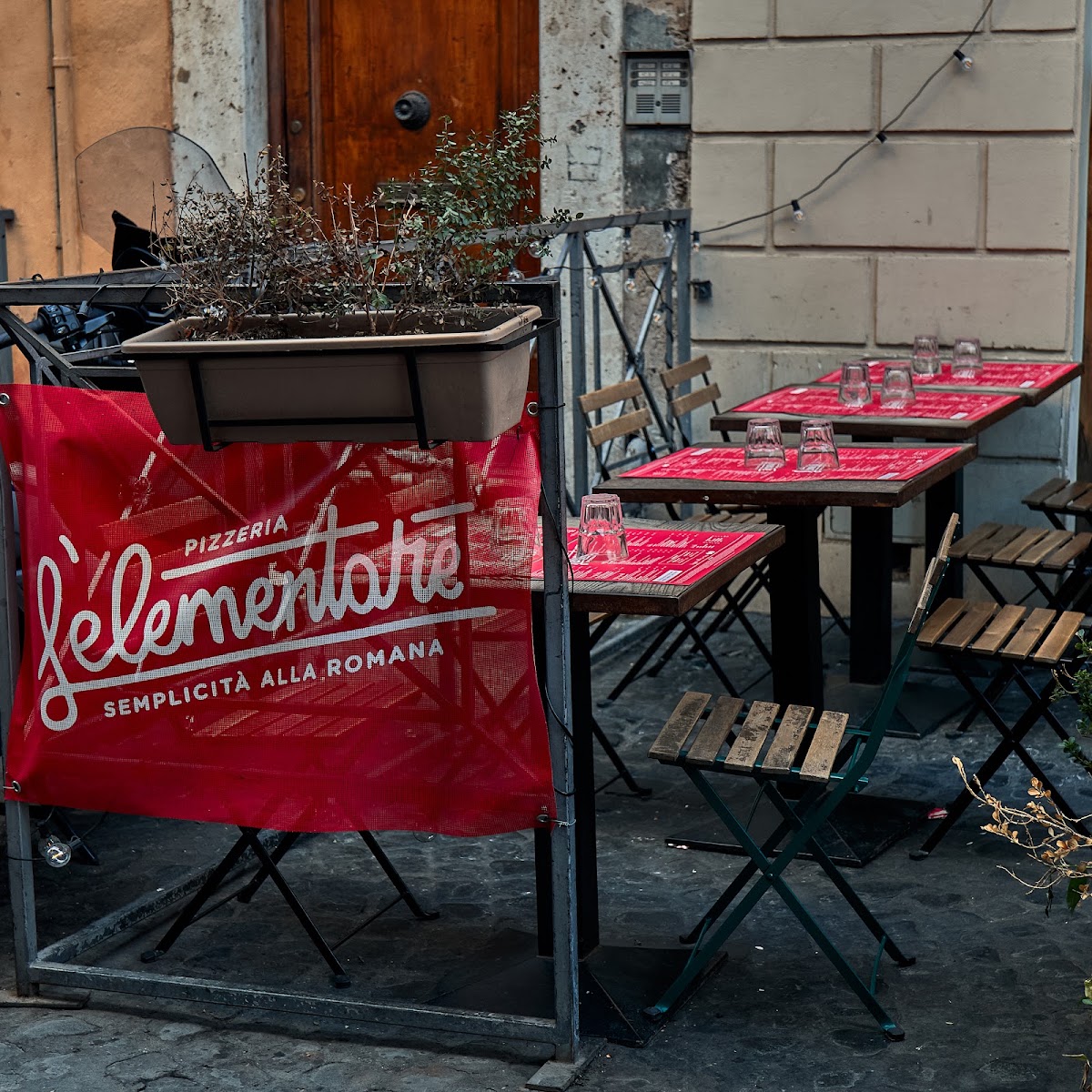
Rome · 🍽️ Food · 🚶 4 min walk
L'Elementare - Trastevere
1h15
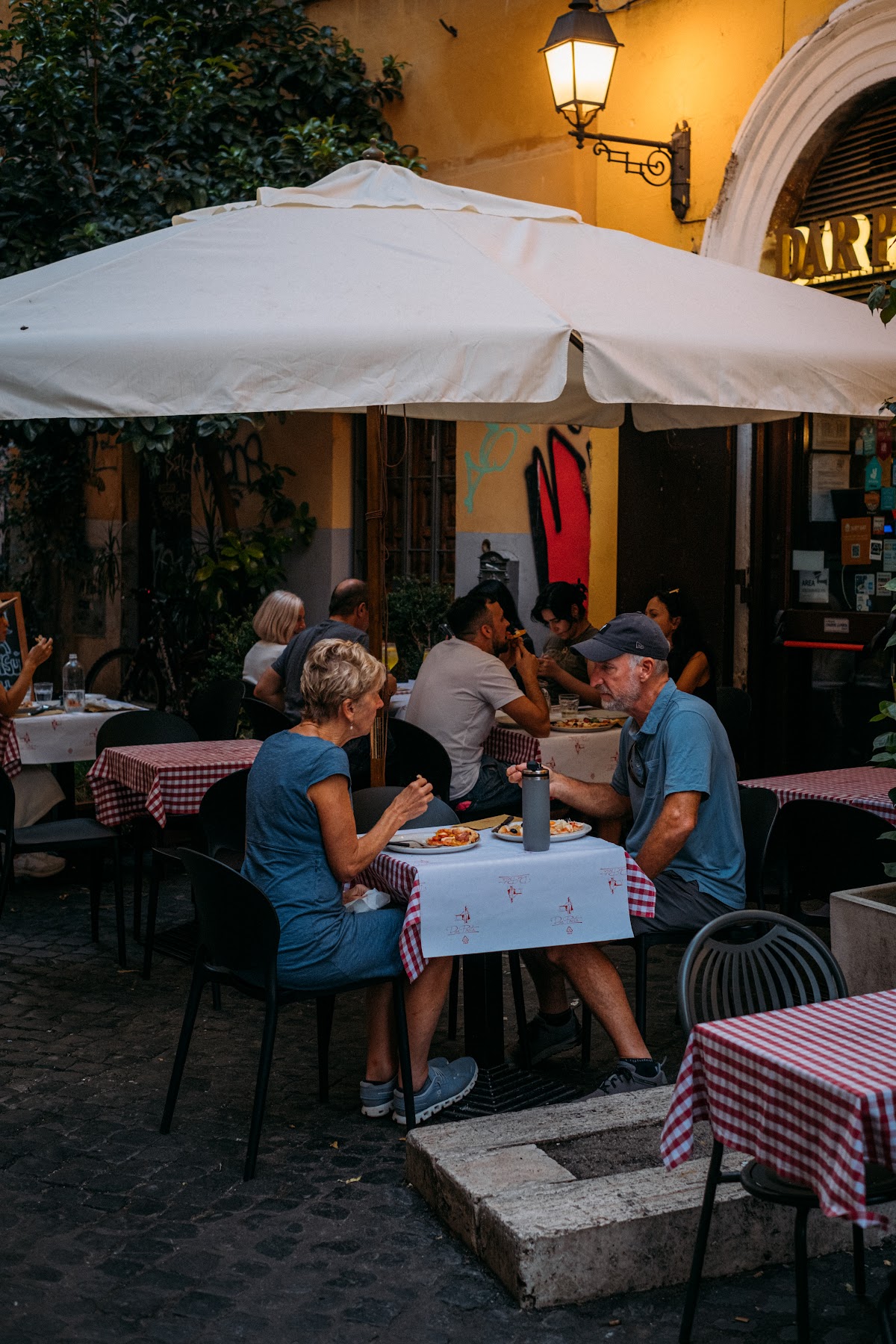
Rome · 🍽️ Food · 🚶 4 min walk
Dar Poeta
1h15
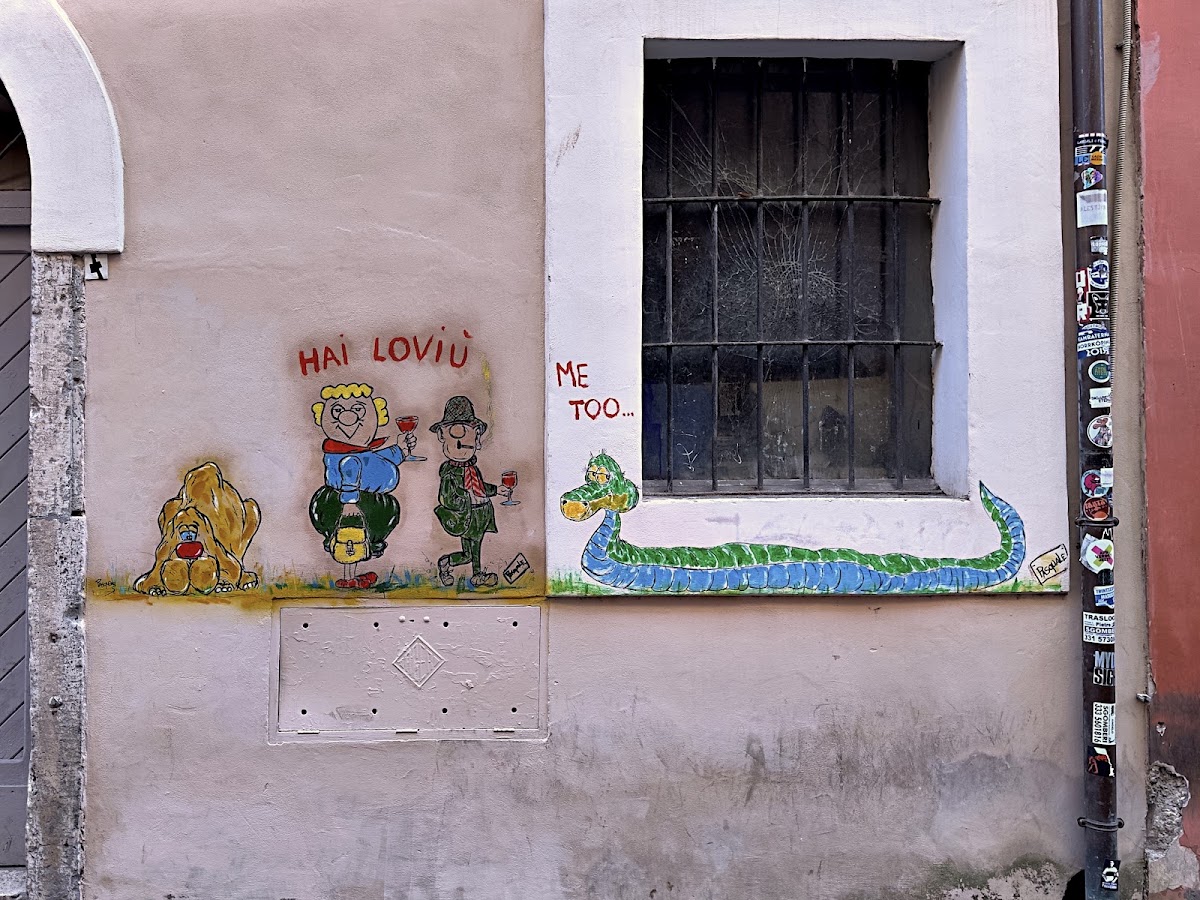
Rome · 🍸 Drinks · 🚶 5 min walk
L’ANTIDOTO
1h15
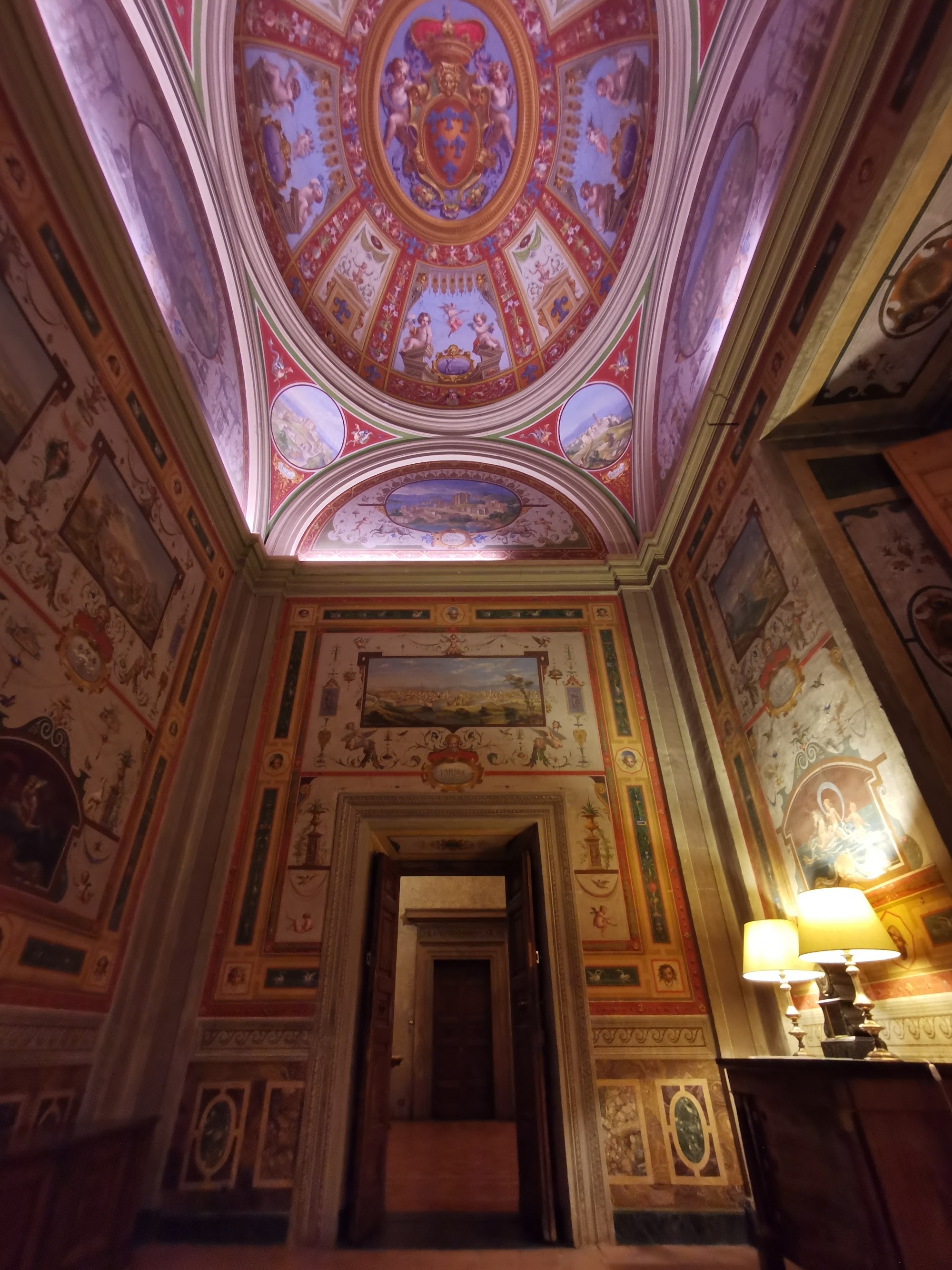
Rome · 🏛️ Landmark · 🚶 5 min walk
Palazzo Farnese
45 min
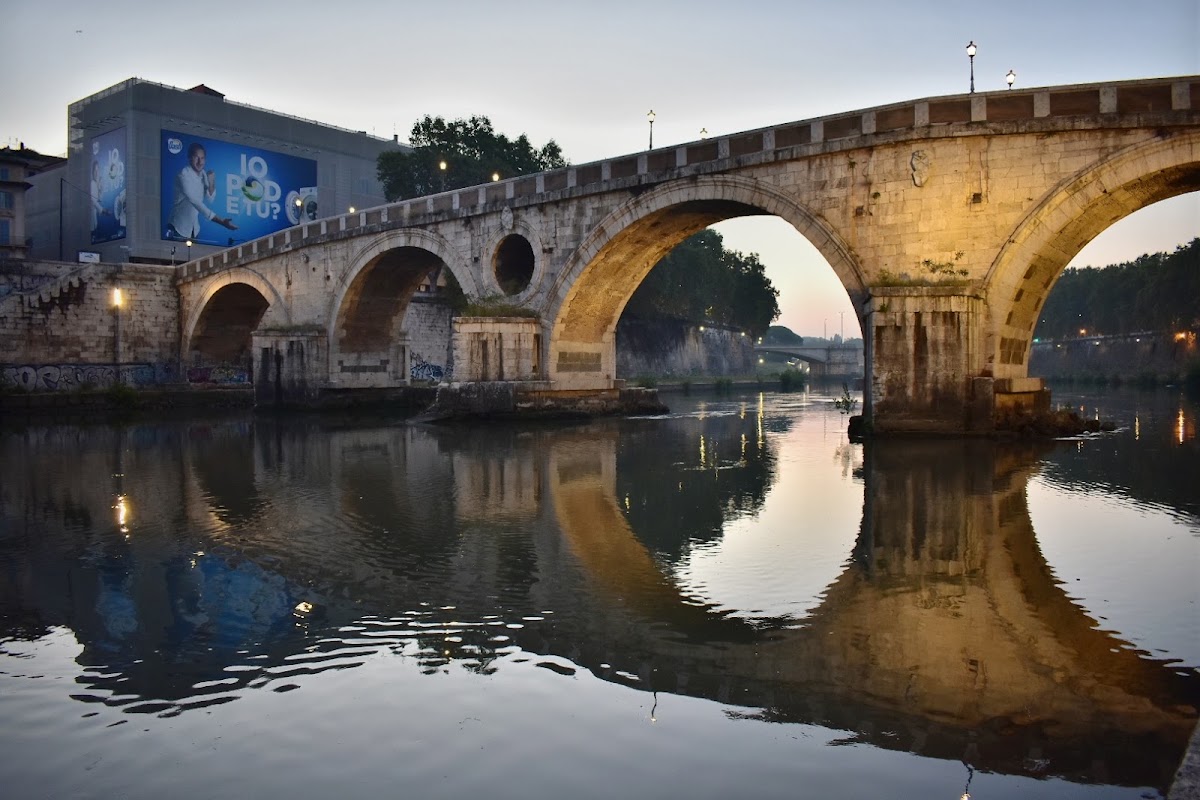
Rome · 🏛️ Landmark · 🚶 5 min walk
Ponte Sisto
20 min
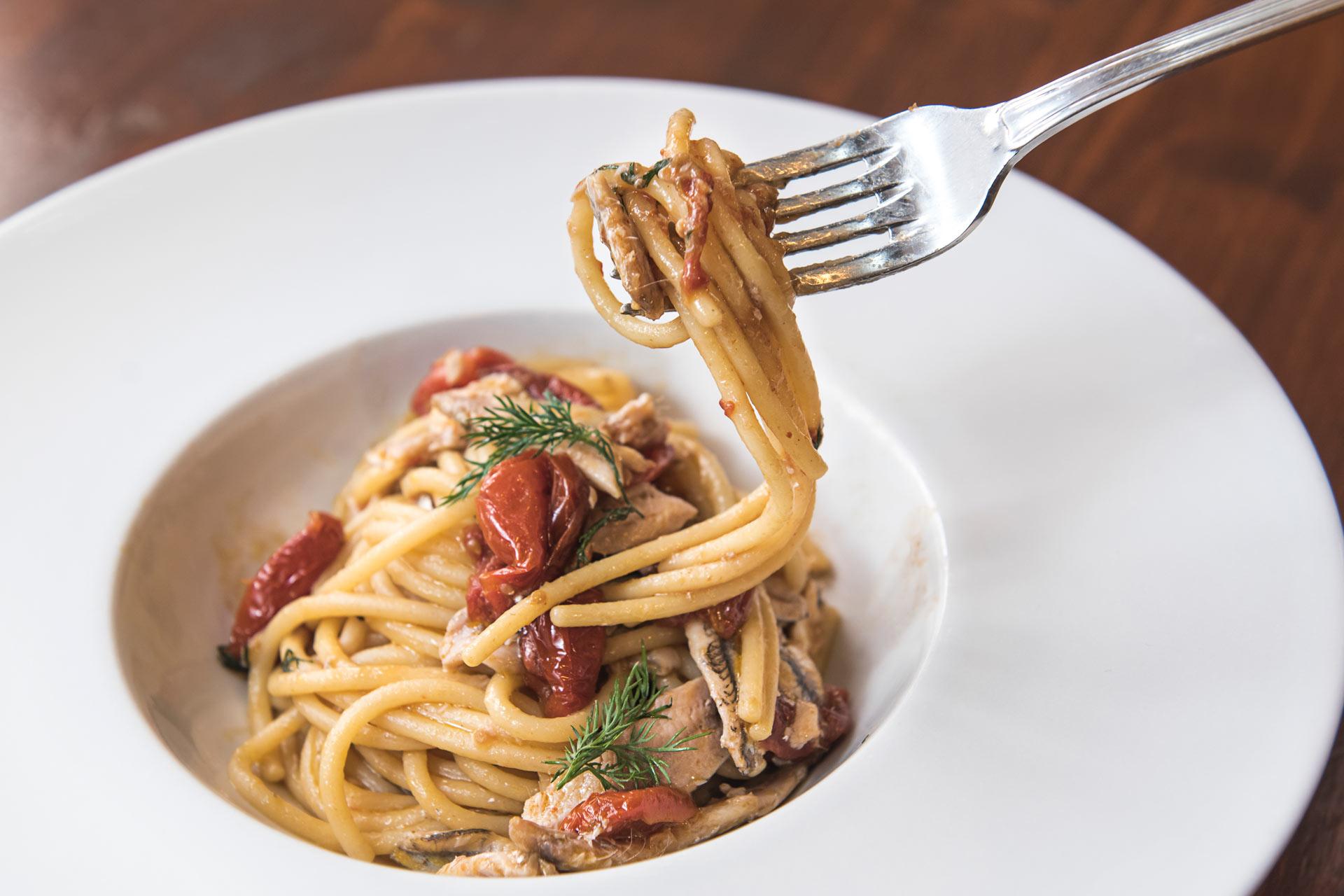
Rome · 🍽️ Food · 🚶 5 min walk
Food Tour in Trastevere 20+ Tastings Free Flowing Wine
3h
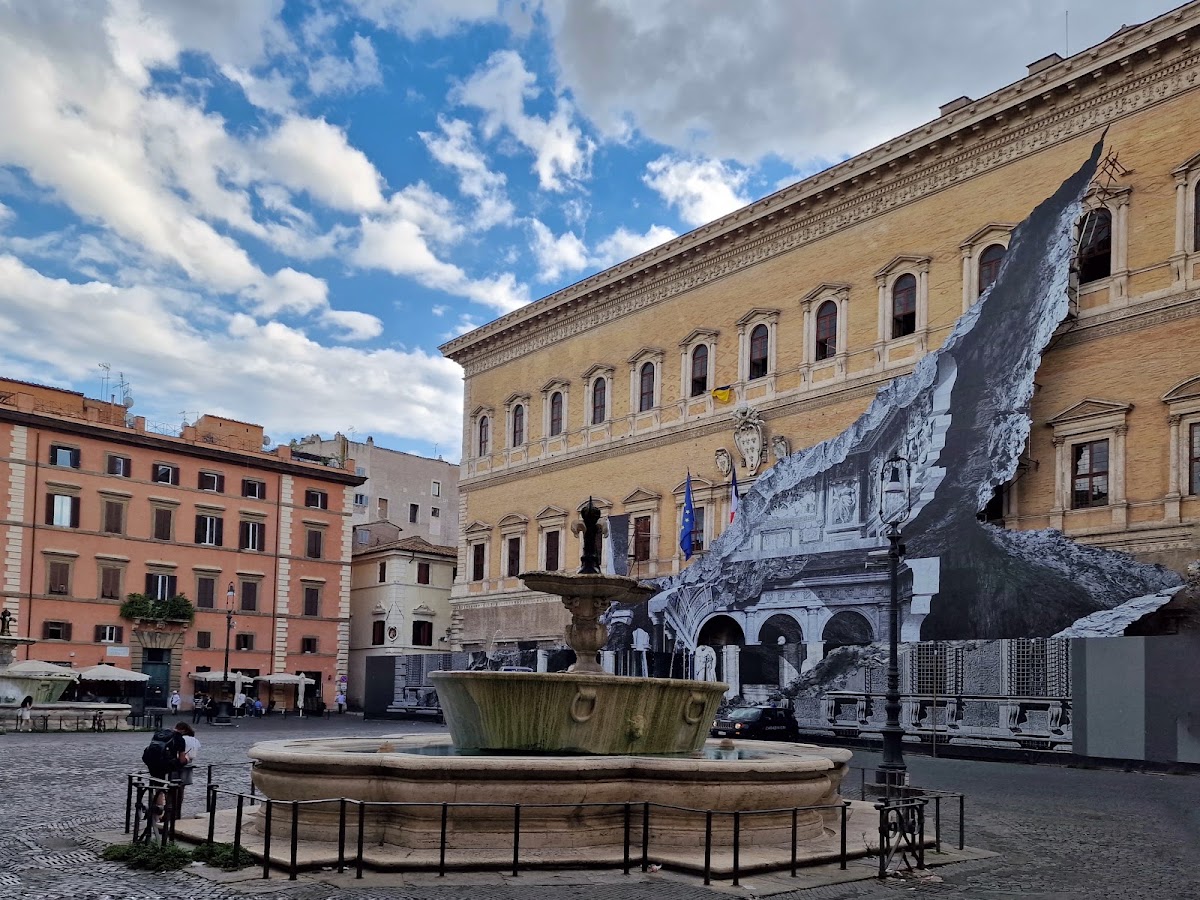
Rome · 🏛️ Landmark · 🚶 6 min walk
Piazza Farnese
20 min
Build your itinerary
City
Dates
Choose your Explorer profile