4.5 ·
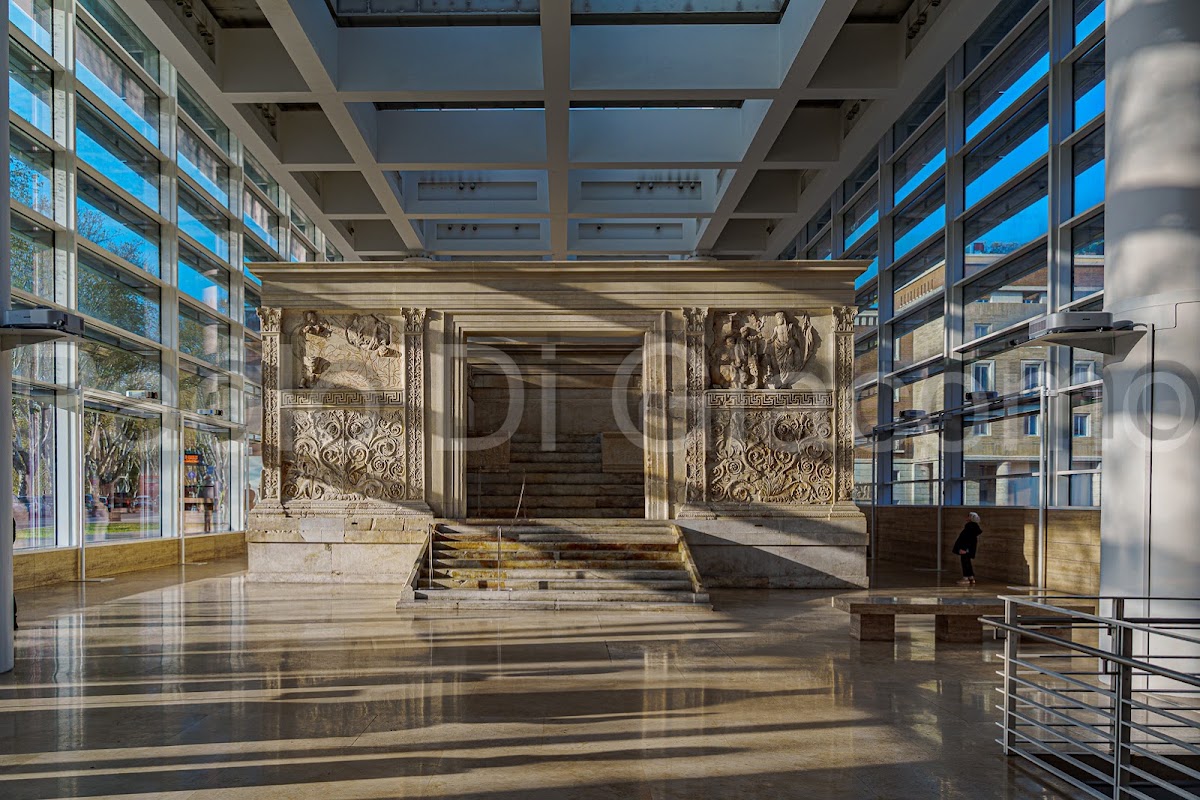
Step inside Richard Meier's glass-and-travertine pavilion beside the Tiber to see Augustus's Altar of Peace up close. Study the intricately carved marble reliefs of the 2,000-year-old monument, then browse rotating exhibitions on painting and design.
Reasons to go
Full description
The Ara Pacis Augustae - an intricately carved marble altar commissioned by Emperor Augustus to mark the peace of the early empire - is displayed inside a striking modern glass hall designed by American architect Richard Meier, completed in 2006. The pairing of ancient relief carving with contemporary architecture divided opinion when it opened but has become one of central Rome's more distinctive museum experiences.
A 4.5 rating and maximum culture and must-see scores reflect its status as both an important ancient monument and a well-executed modern presentation, and the museum regularly supplements the altar with temporary exhibitions on painting and design. Its riverside location near Piazza del Popolo makes it an easy add-on to a walking day in the historic center.
The Ara Pacis Augustae - an intricately carved marble altar commissioned by Emperor Augustus to mark the peace of the early empire - is displayed inside a striking modern glass hall designed by American architect Richard Meier, completed in 2006. The pairing of ancient relief carving with contemporary architecture divided opinion when it opened but has become one of central Rome's more distinctive museum experiences.
A 4.5 rating and maximum culture and must-see scores reflect its status as both an important ancient monument and a well-executed modern presentation, and the museum regularly supplements the altar with temporary exhibitions on painting and design. Its riverside location near Piazza del Popolo makes it an easy add-on to a walking day in the historic center.
Address
Hours
Booking
Duration
1h15
Best time
morning, lunchtime, afternoon, early evening or evening
Intensity
Moderate walking
Good to know
Reviews
I went there only for the "impressionism and beyond" temporary exhibition. It was great by all means! Well displayed, nice staff, good information and everything I needed to spend an awesome time. I enjoyed so much. Thank you for this experience.
Carlos M
2/5📍 Nearby spots
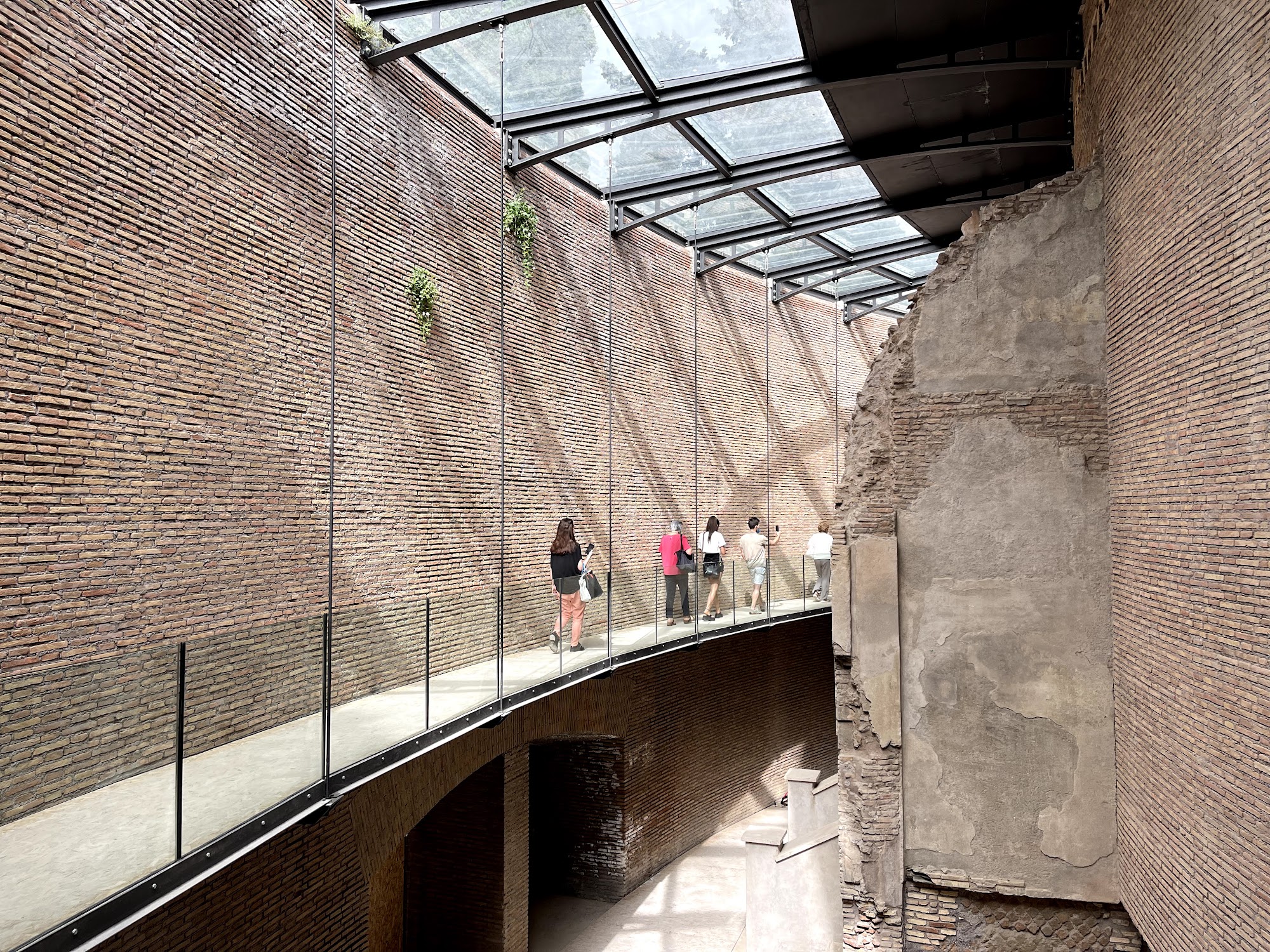
Rome · 🏛️ Landmark · 🚶 1 min walk
Mausoleum of Augustus
20 min
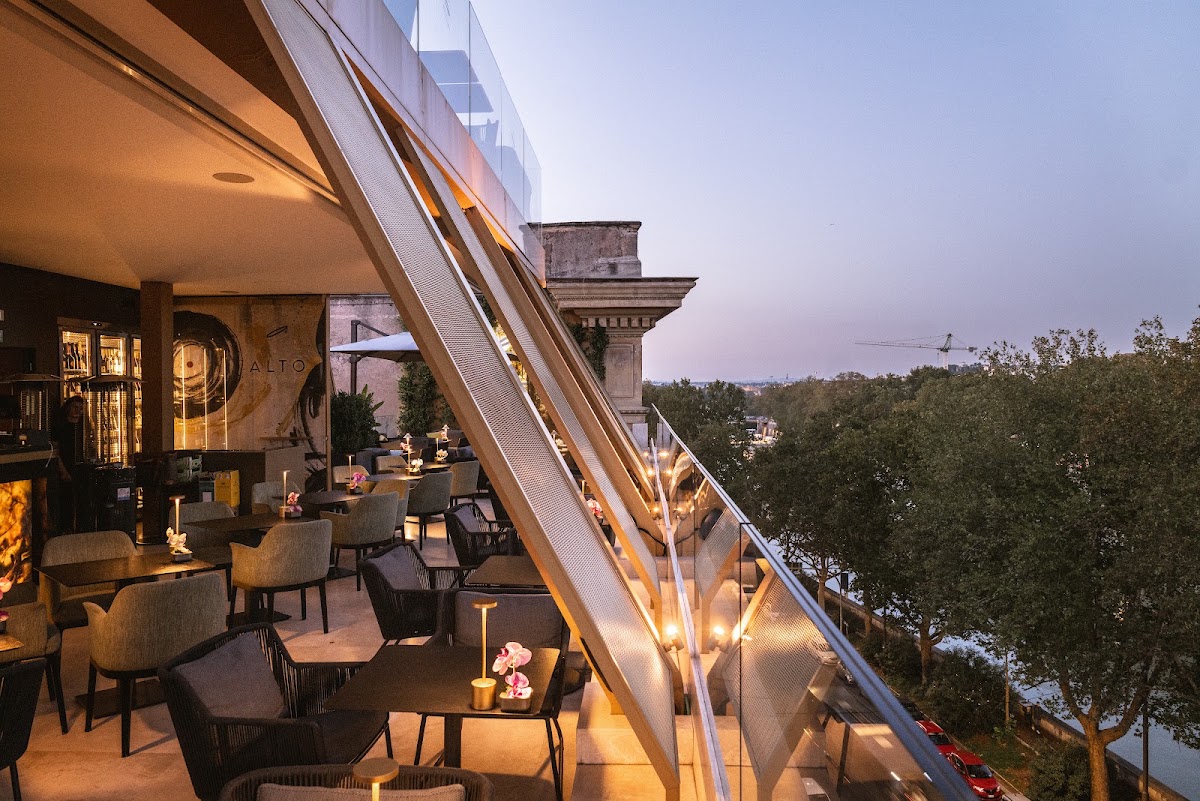
Rome · 🍸 Drinks · 🚶 4 min walk
The First Musica
1h30
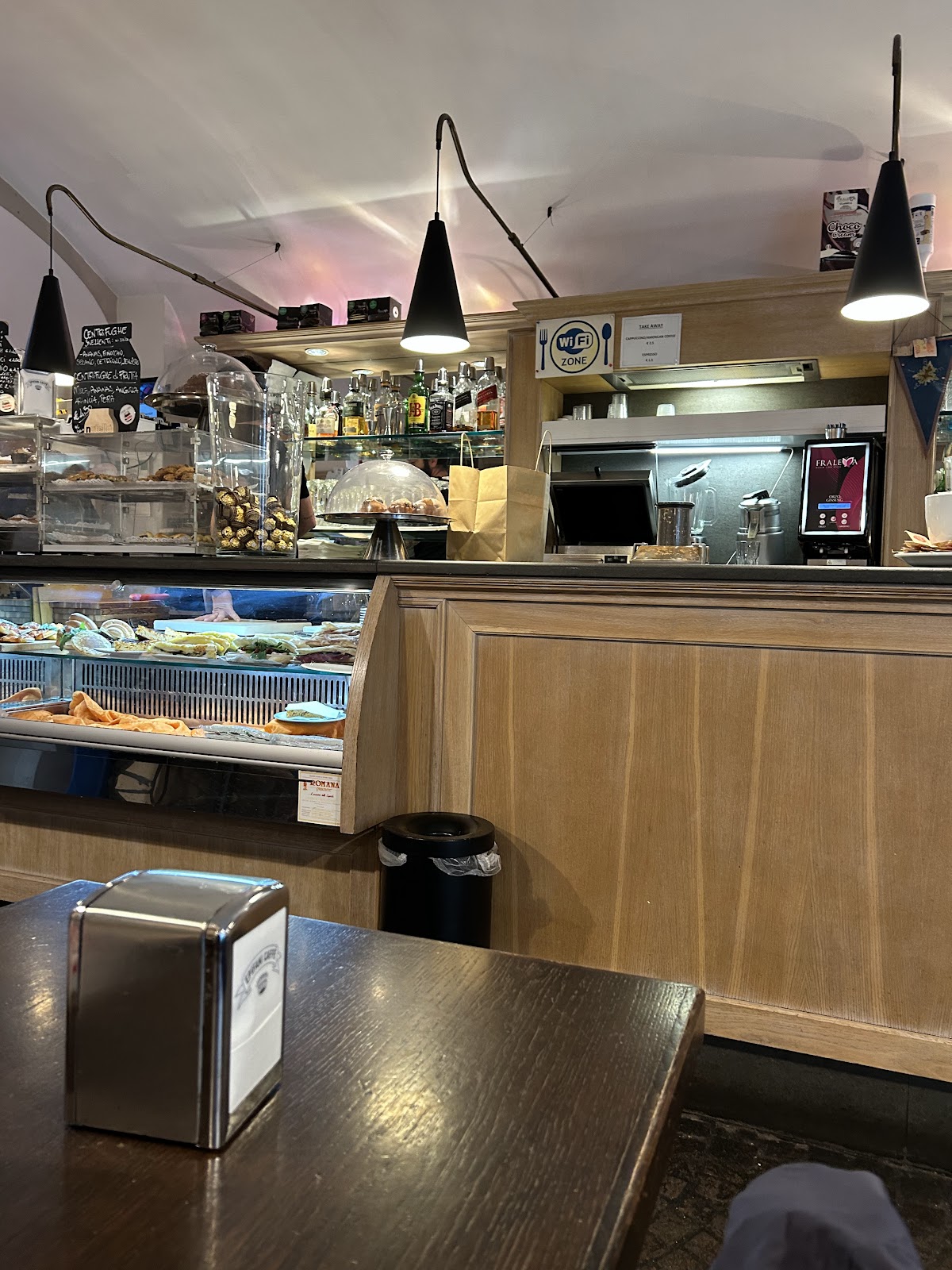
Rome · 🥐 Breakfast · 🚶 4 min walk
Luna D'oro
45 min
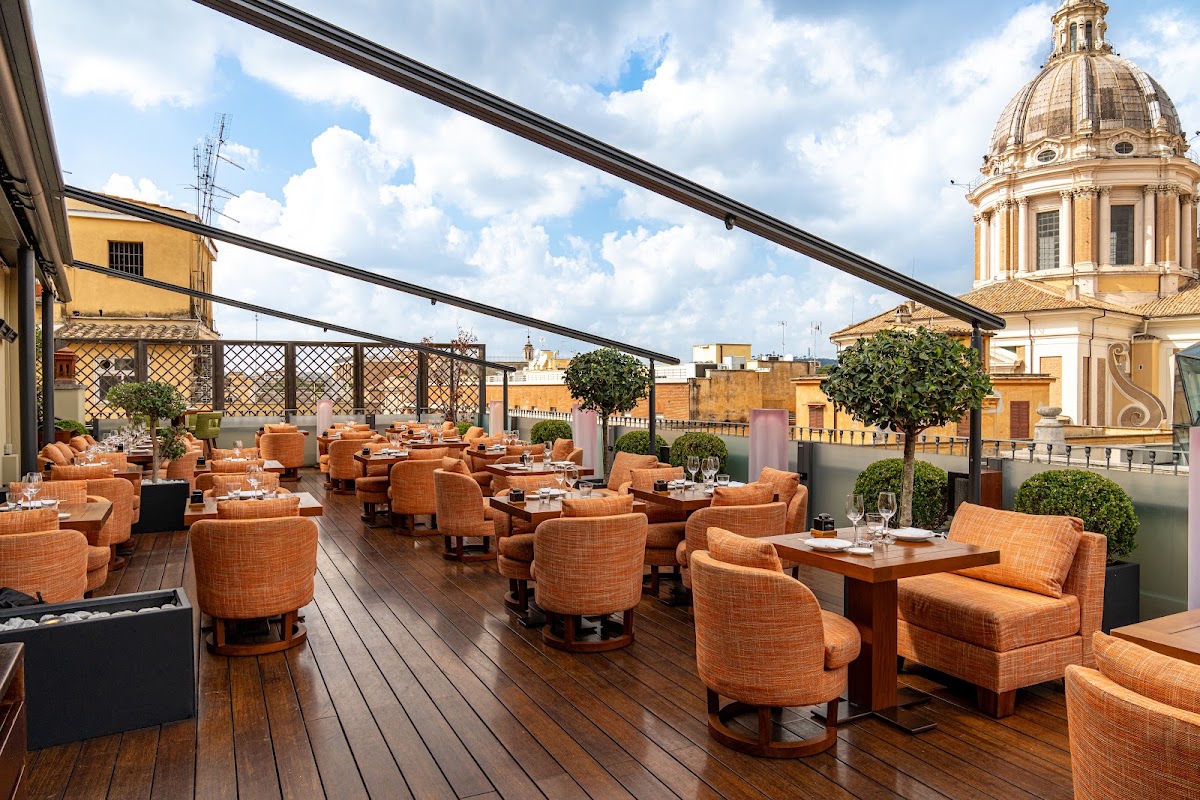
Rome · 🍽️ Food · 🚶 5 min walk
Zuma Rome
2h
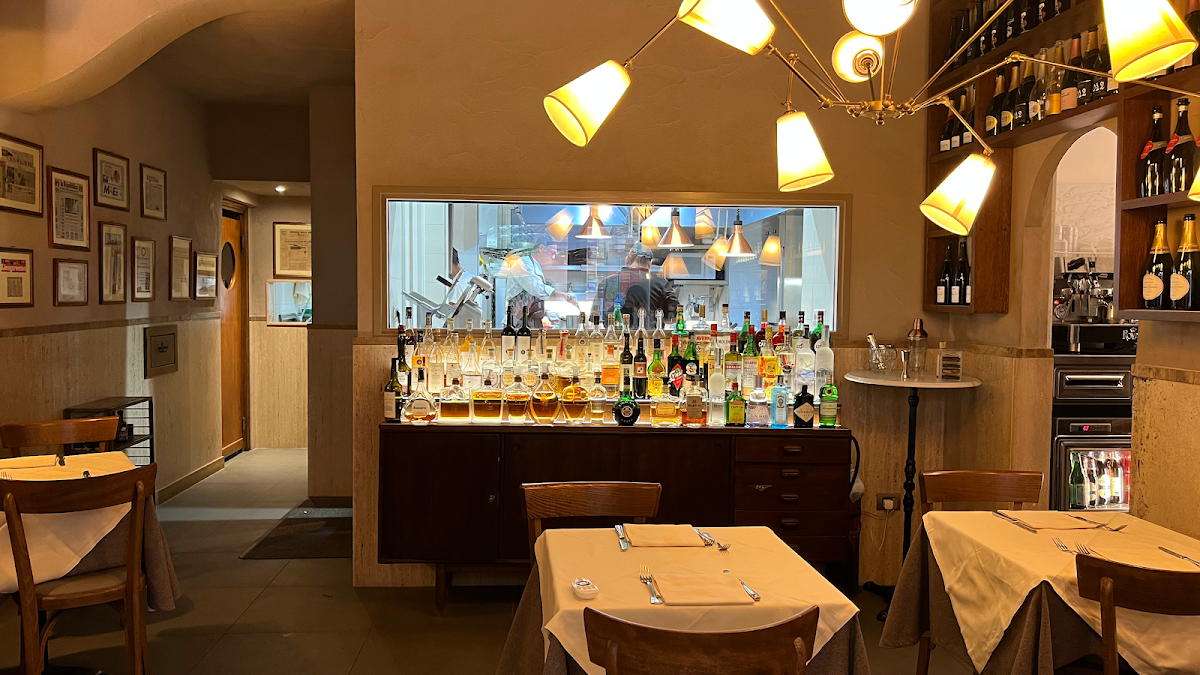
Rome · 🍽️ Food · 🚶 5 min walk
Matricianella
1h15
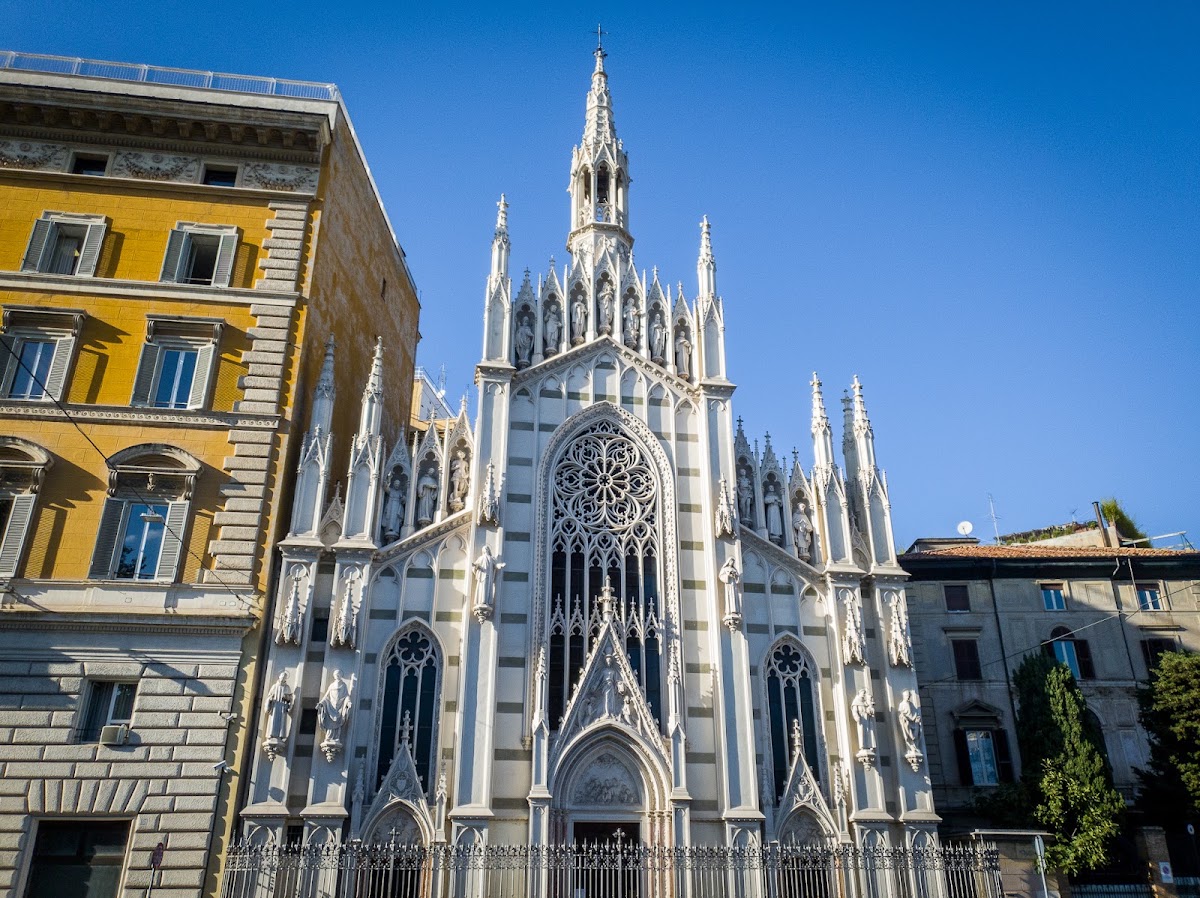
Rome · 🎨 Museum · 🚶 5 min walk
Museo Delle Anime Del Purgatorio
45 min

Rome · 🌙 Nightlife · 🚶 5 min walk
Pub Crawl & Ultimate Party Tour
3h
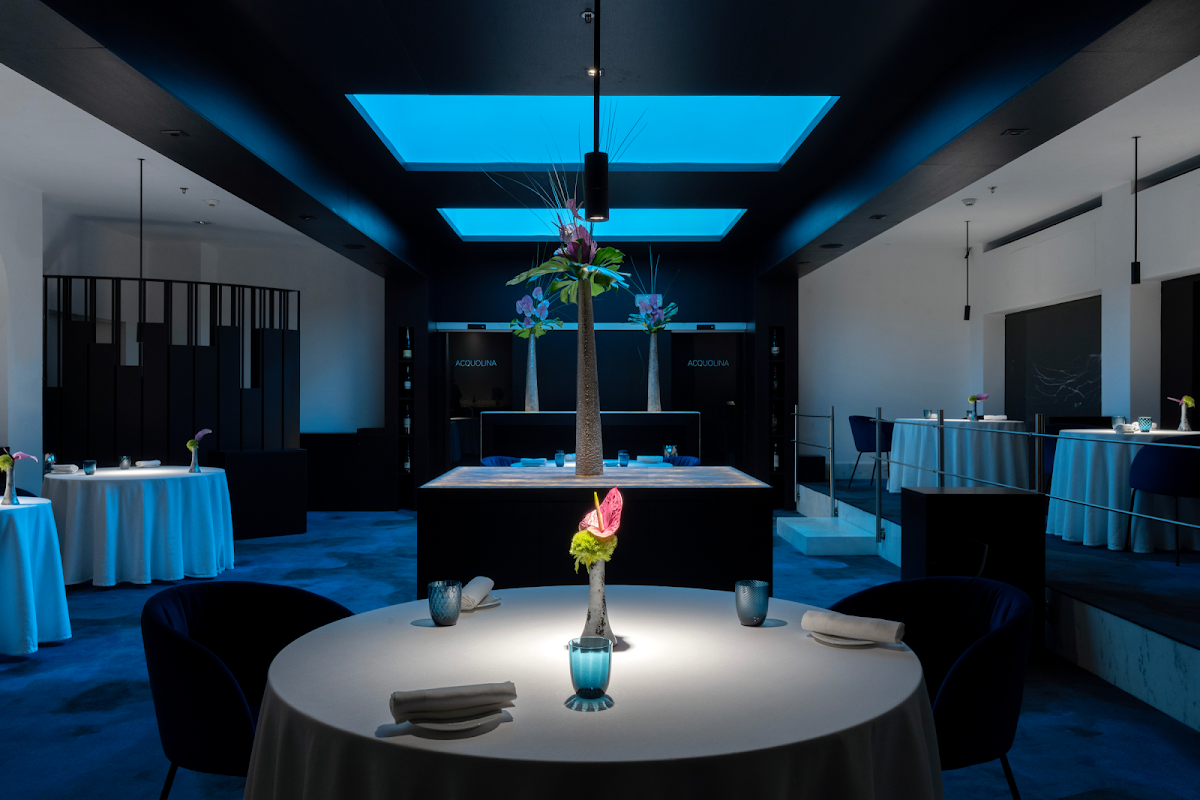
Rome · 🍽️ Food · 🚶 5 min walk
Acquolina
2h30
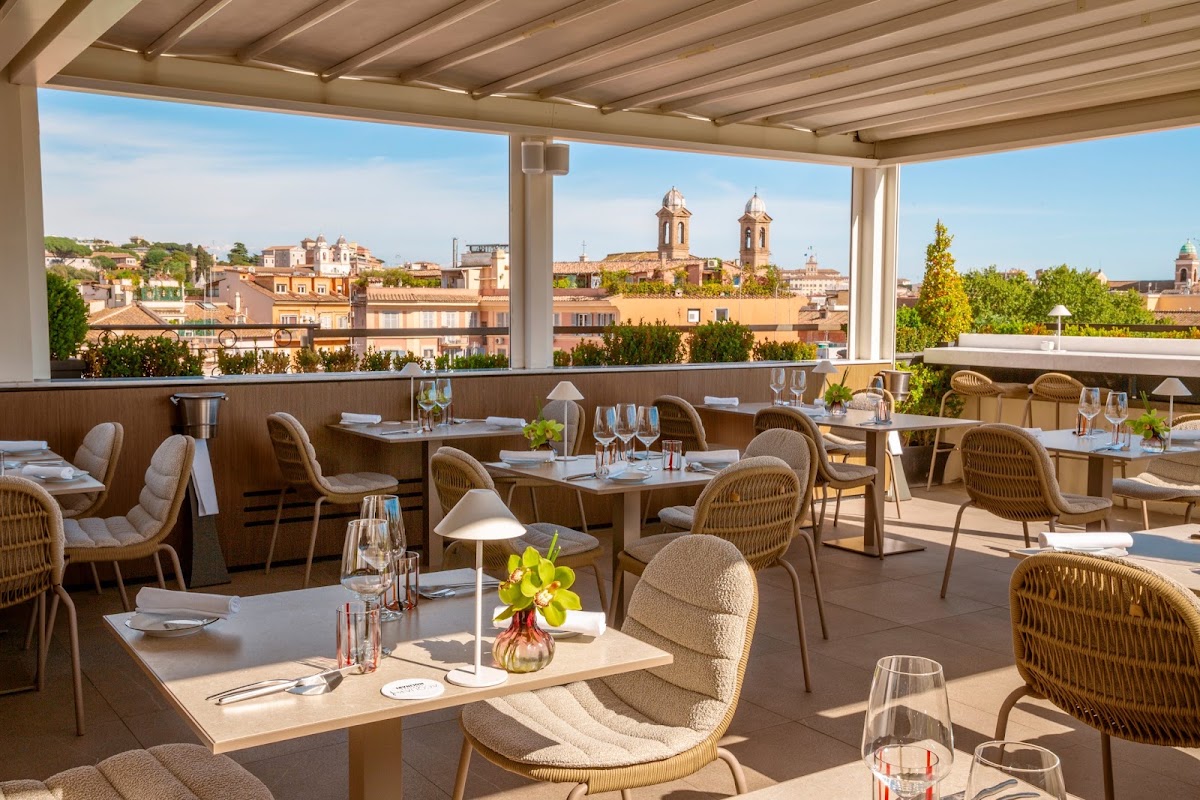
Rome · 🍽️ Food · 🚶 5 min walk
AcquaRoof Terrazza Molinari, Bistrot di mare
1h40
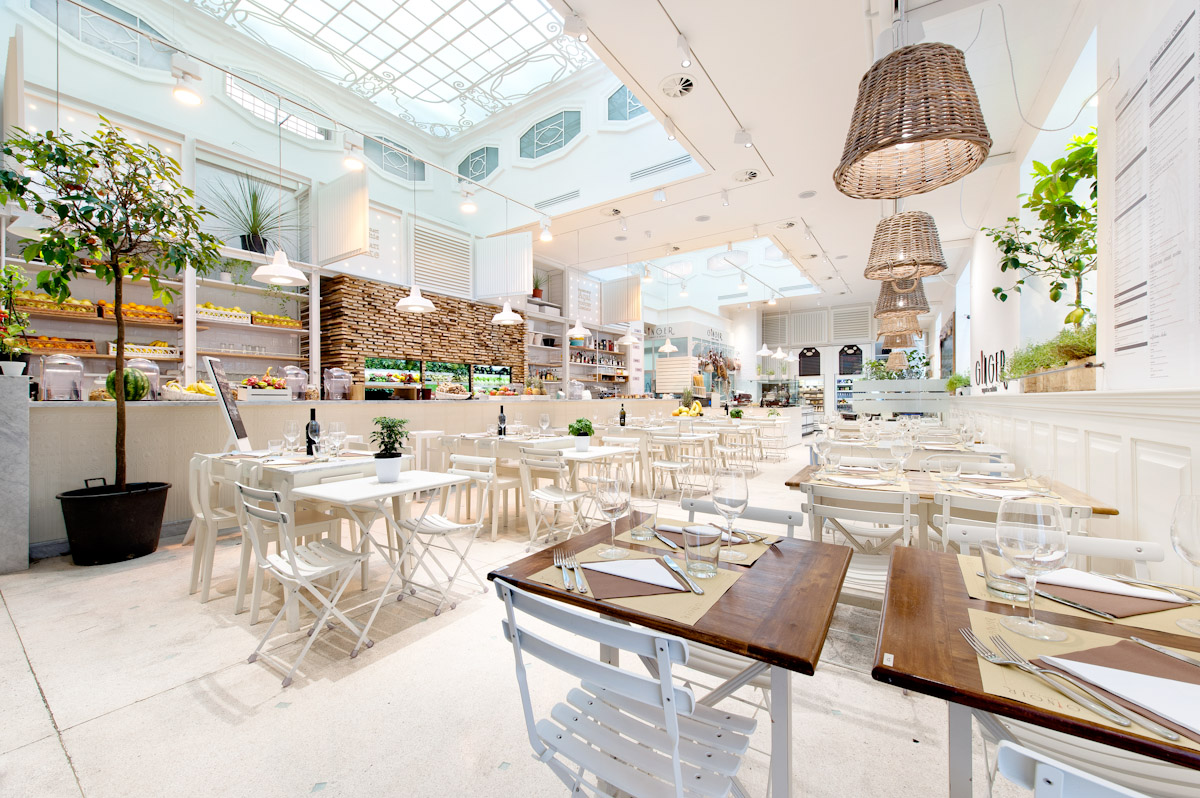
Rome · 🥐 Breakfast · 🚶 6 min walk
Ginger - Spagna
45 min
Build your itinerary
City
Dates
Choose your Explorer profile