4.2 ·
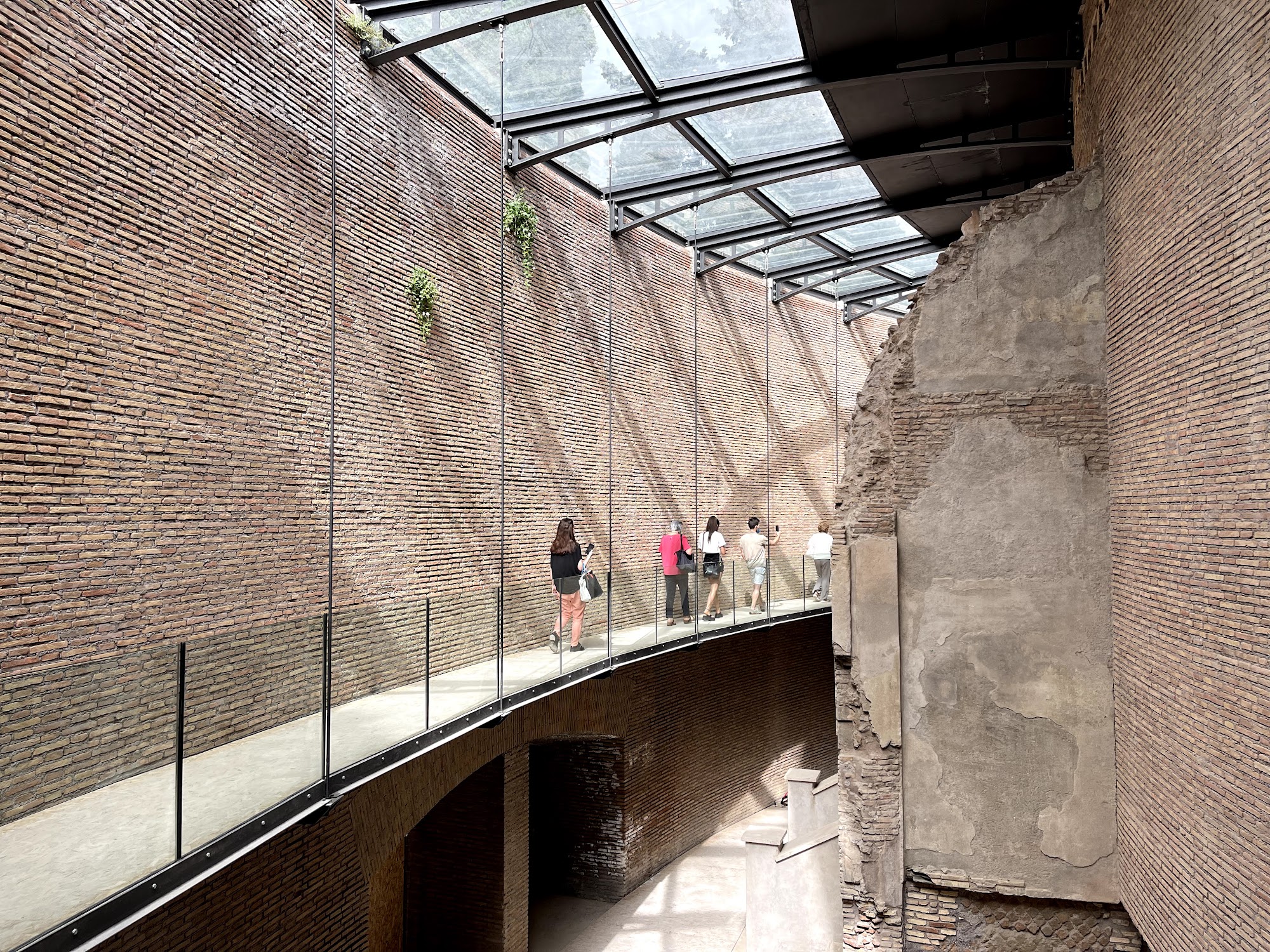
Step inside the newly reopened Mausoleum of Augustus, the first Roman emperor's monumental round tomb. Walk through the restored ruins and pair your visit with the nearby Ara Pacis museum to grasp the site's original grandeur.
Reasons to go
Full description
Built by Augustus in 28 BC as a burial place for himself and his family, this massive circular structure once rivaled the grandest monuments of Rome before centuries of use as a quarry, fortress, and even a concert hall left it in ruins. A long restoration has recently reopened much of the site, though it remains sparser and less visually complete than Rome's better-preserved ruins.
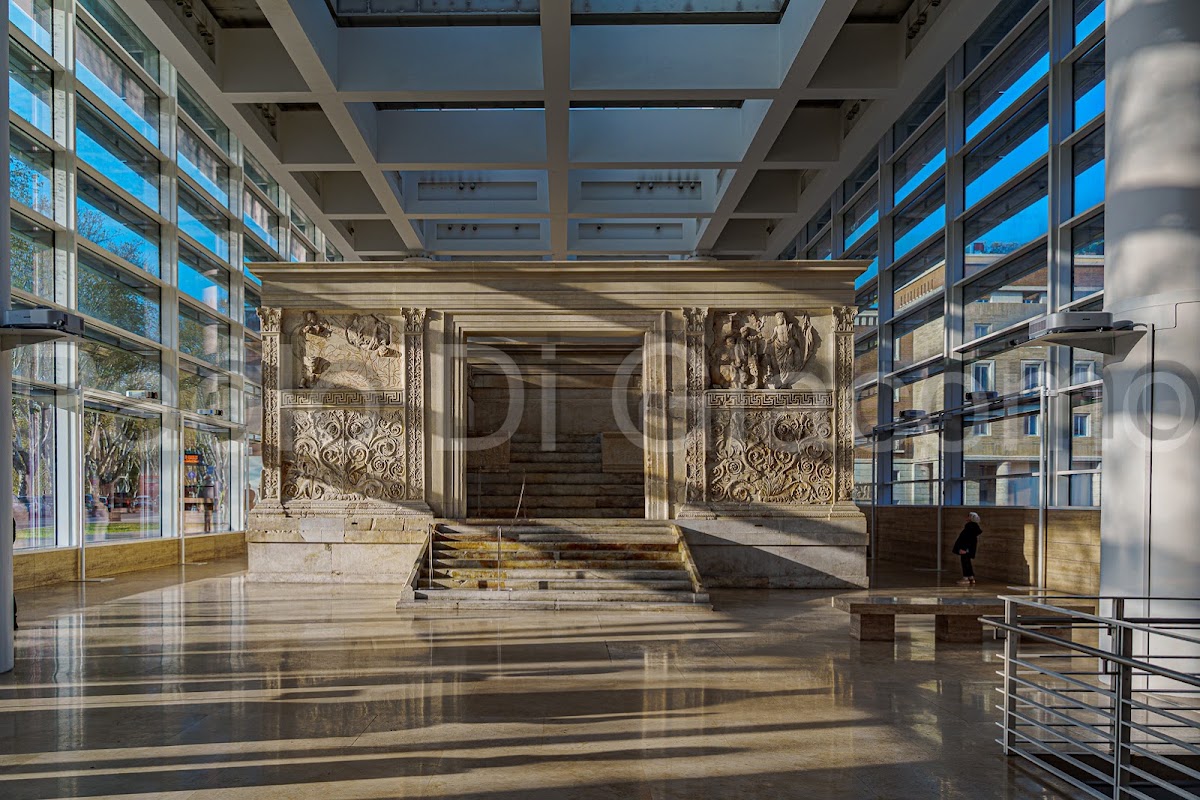
The adjacent Ara Pacis museum, housing Augustus's Altar of Peace, provides useful context for understanding the site's original grandeur. It appeals most to visitors specifically interested in the Augustan era rather than those seeking dramatic photo backdrops.
Built by Augustus in 28 BC as a burial place for himself and his family, this massive circular structure once rivaled the grandest monuments of Rome before centuries of use as a quarry, fortress, and even a concert hall left it in ruins. A long restoration has recently reopened much of the site, though it remains sparser and less visually complete than Rome's better-preserved ruins.
The adjacent Ara Pacis museum, housing Augustus's Altar of Peace, provides useful context for understanding the site's original grandeur. It appeals most to visitors specifically interested in the Augustan era rather than those seeking dramatic photo backdrops.
Address
Booking
Duration
20 min
Best time
morning, afternoon or early evening
Intensity
Easy pace
Good to know
Reviews
Worth walking around. Currently closed off to the public for restoration. Worth visiting the ara pacis next door to give it context. Most of Augustus's family will be intered here(Their ashes).
Bodilly Mill
2/5📍 Nearby spots
Rome · 🎨 Museum · 🚶 1 min walk
Ara Pacis Museum
1h15
Rome · 🥐 Breakfast · 🚶 3 min walk
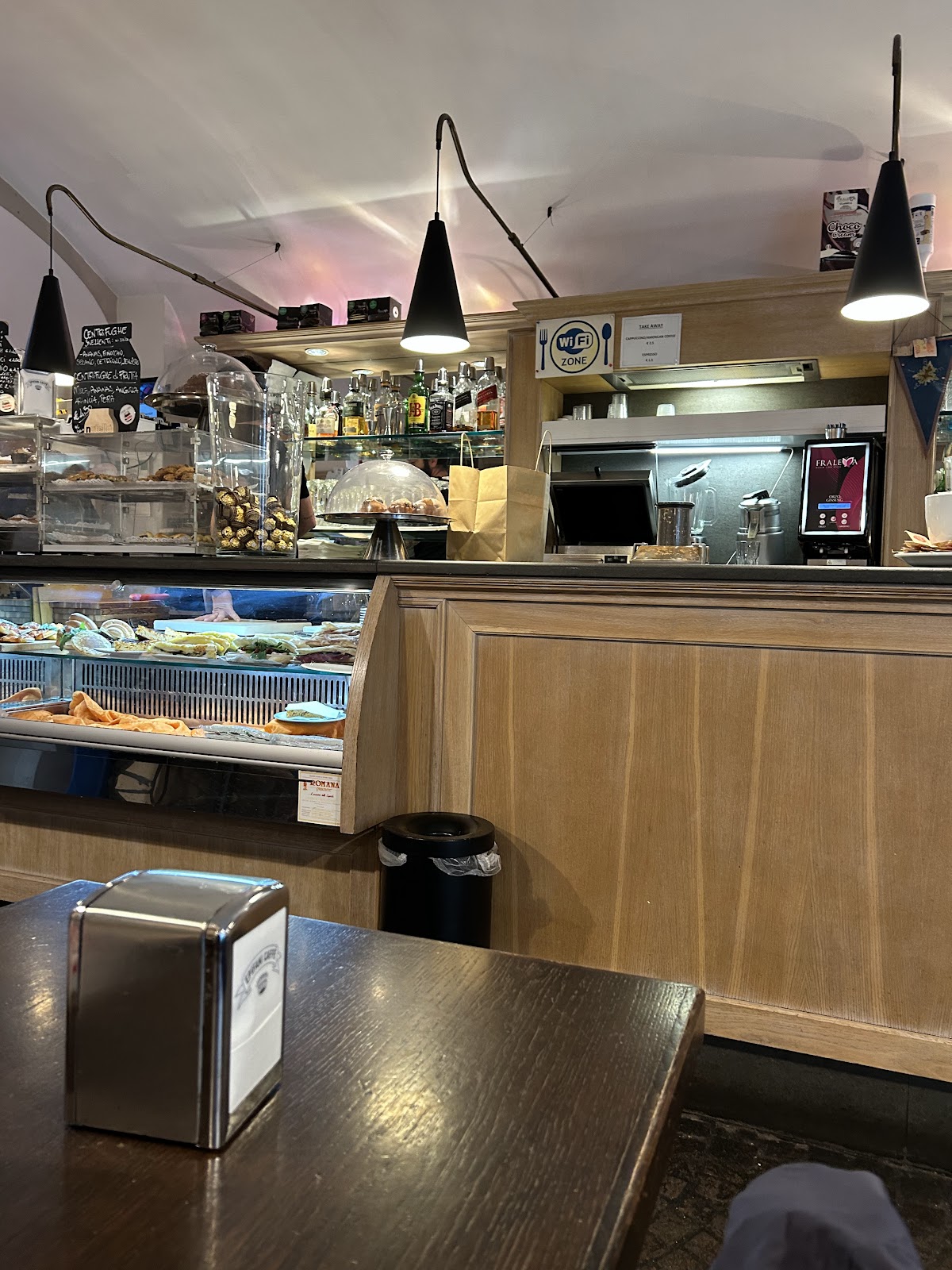
Luna D'oro
45 min
Rome · 🍽️ Food · 🚶 4 min walk
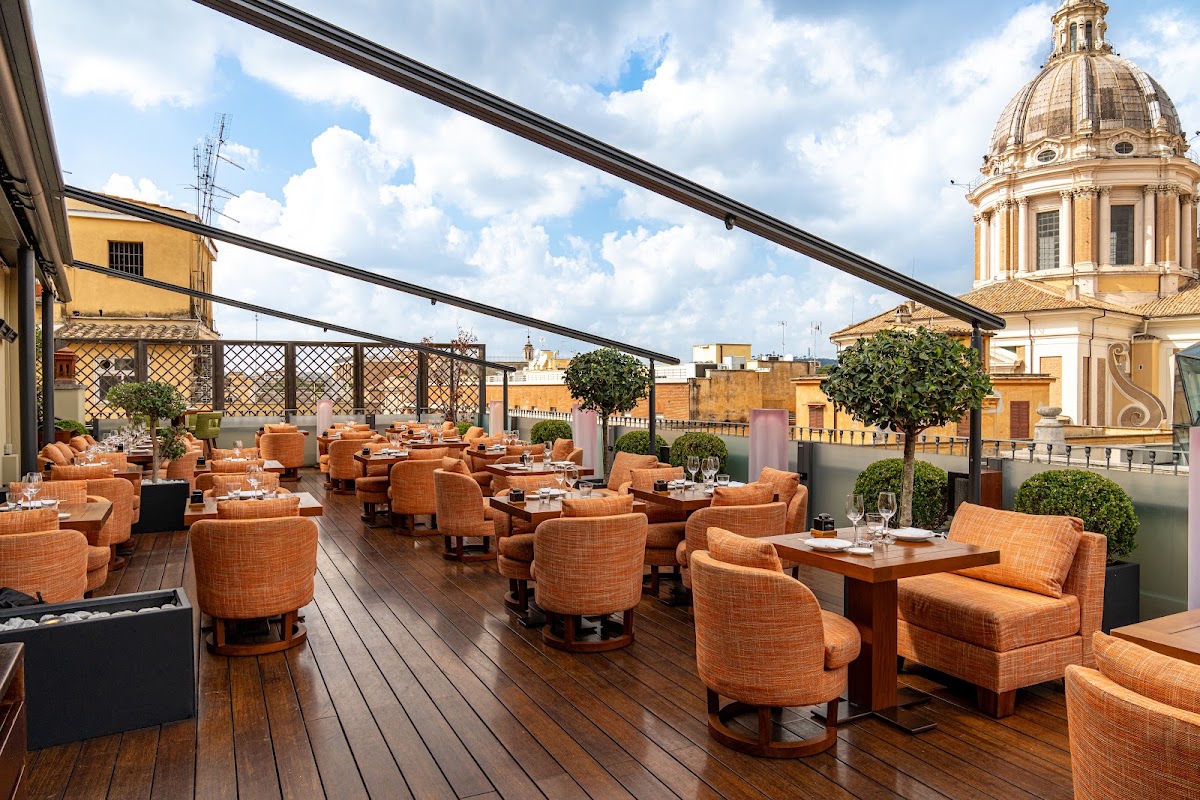
Zuma Rome
2h
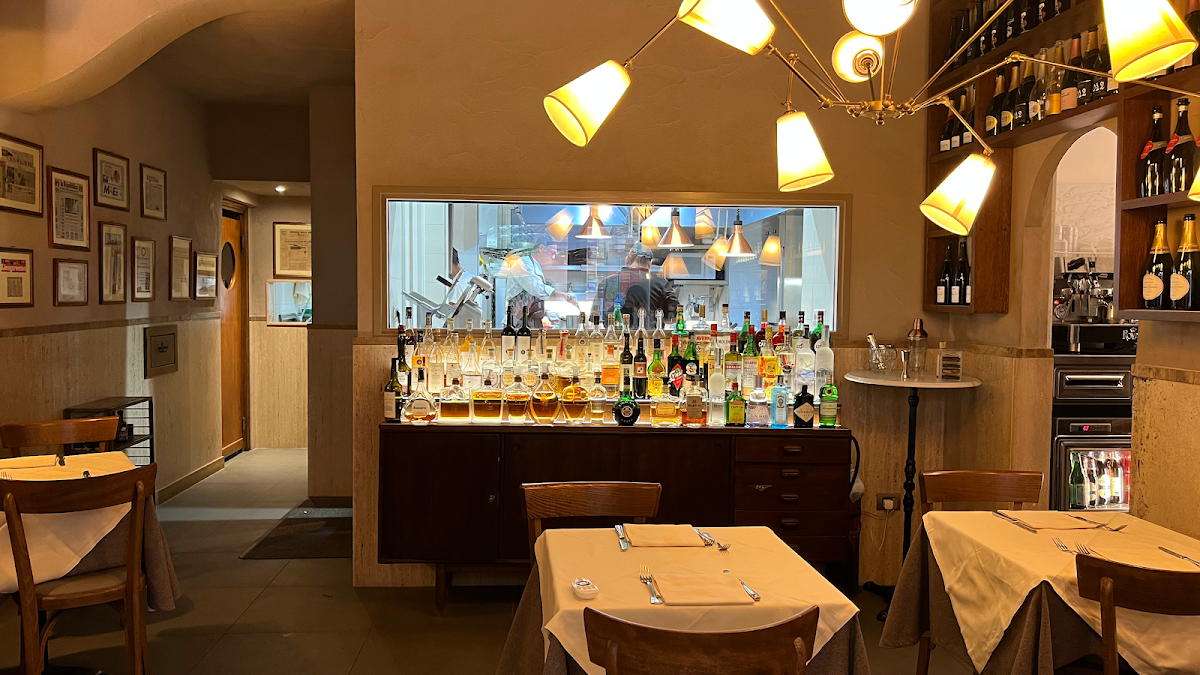
Rome · 🍽️ Food · 🚶 4 min walk
Matricianella
1h15
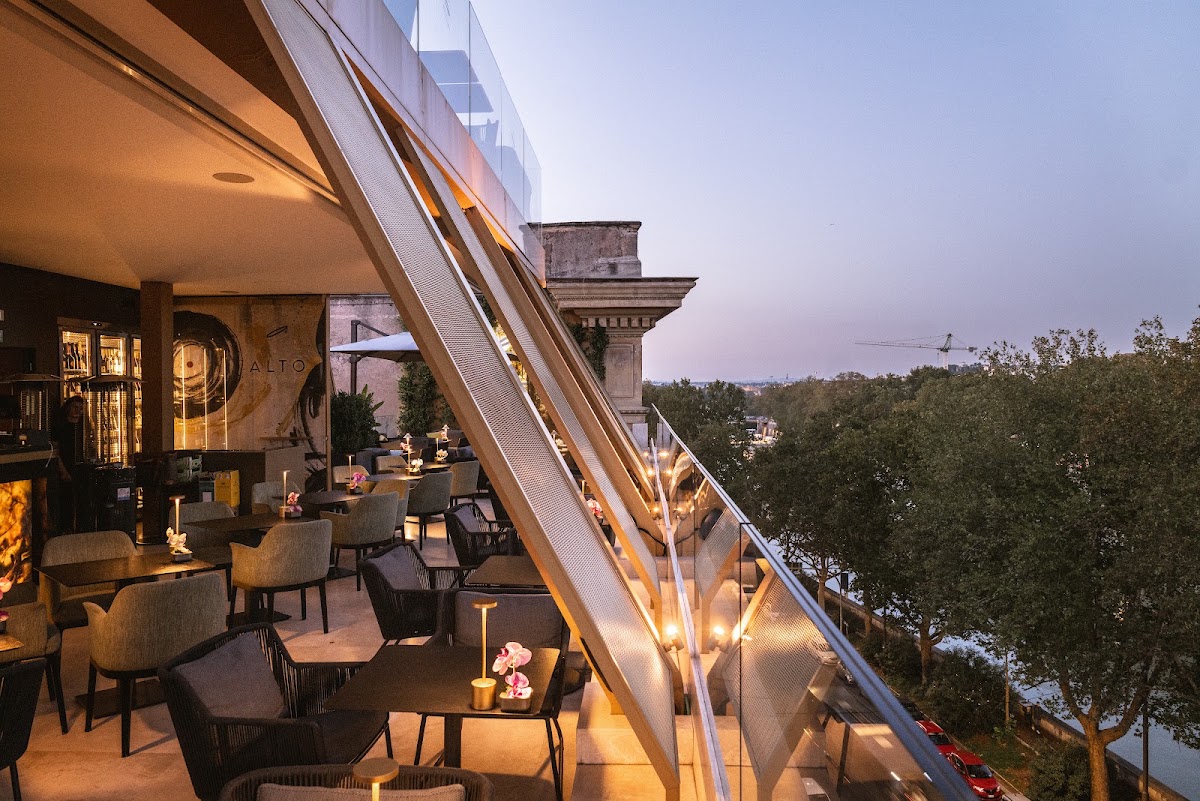
Rome · 🍸 Drinks · 🚶 5 min walk
The First Musica
1h30
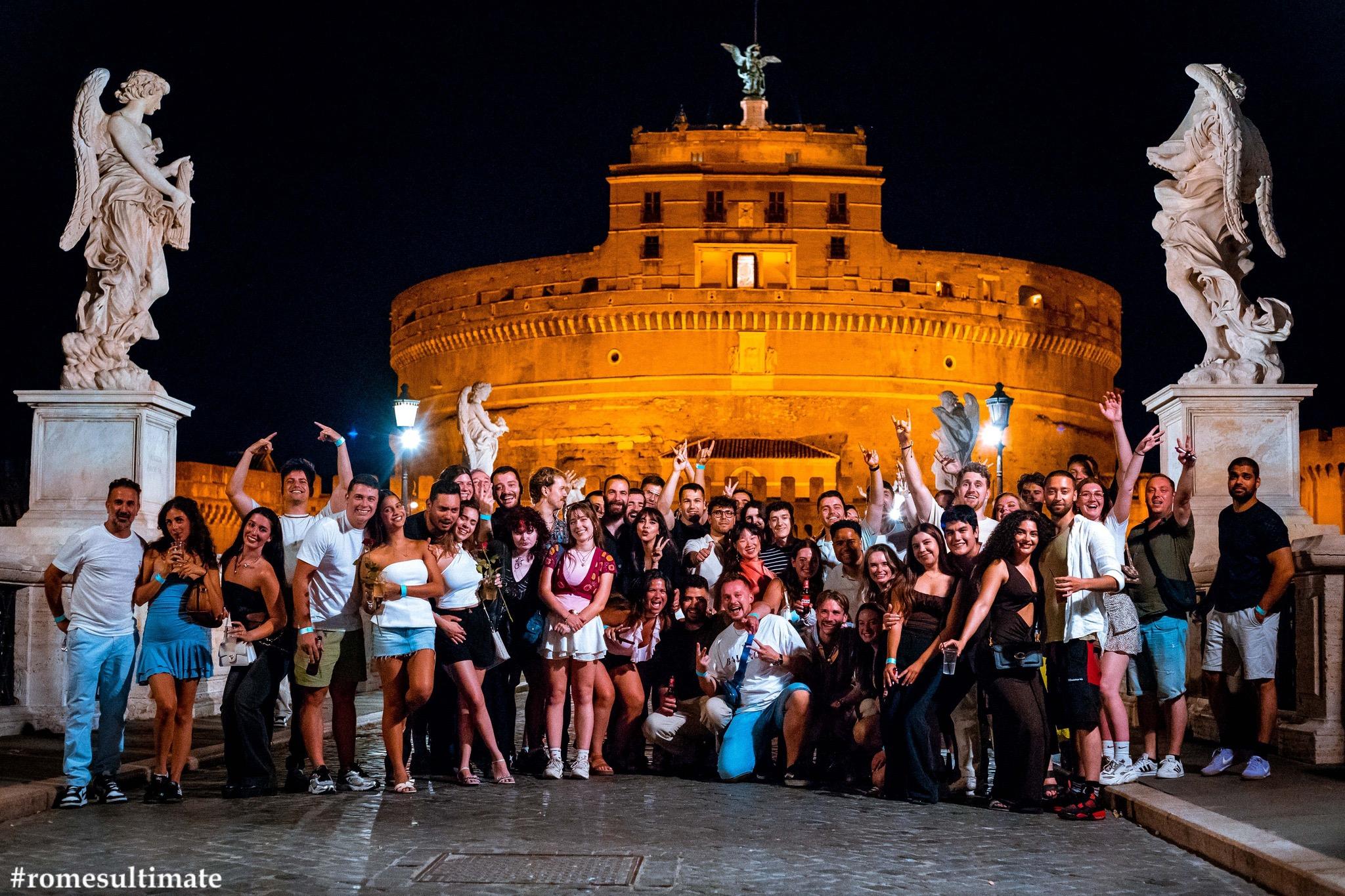
Rome · 🌙 Nightlife · 🚶 5 min walk
Pub Crawl & Ultimate Party Tour
3h
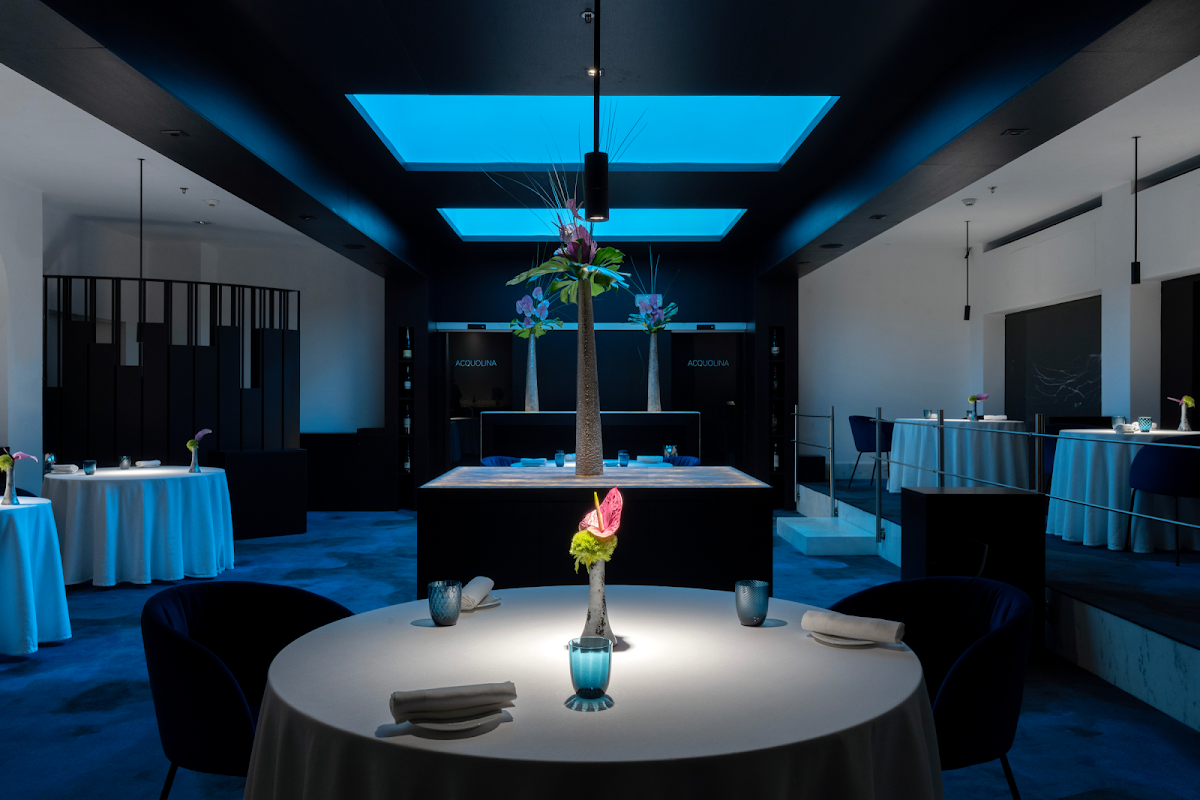
Rome · 🍽️ Food · 🚶 5 min walk
Acquolina
2h30
Rome · 🍽️ Food · 🚶 5 min walk
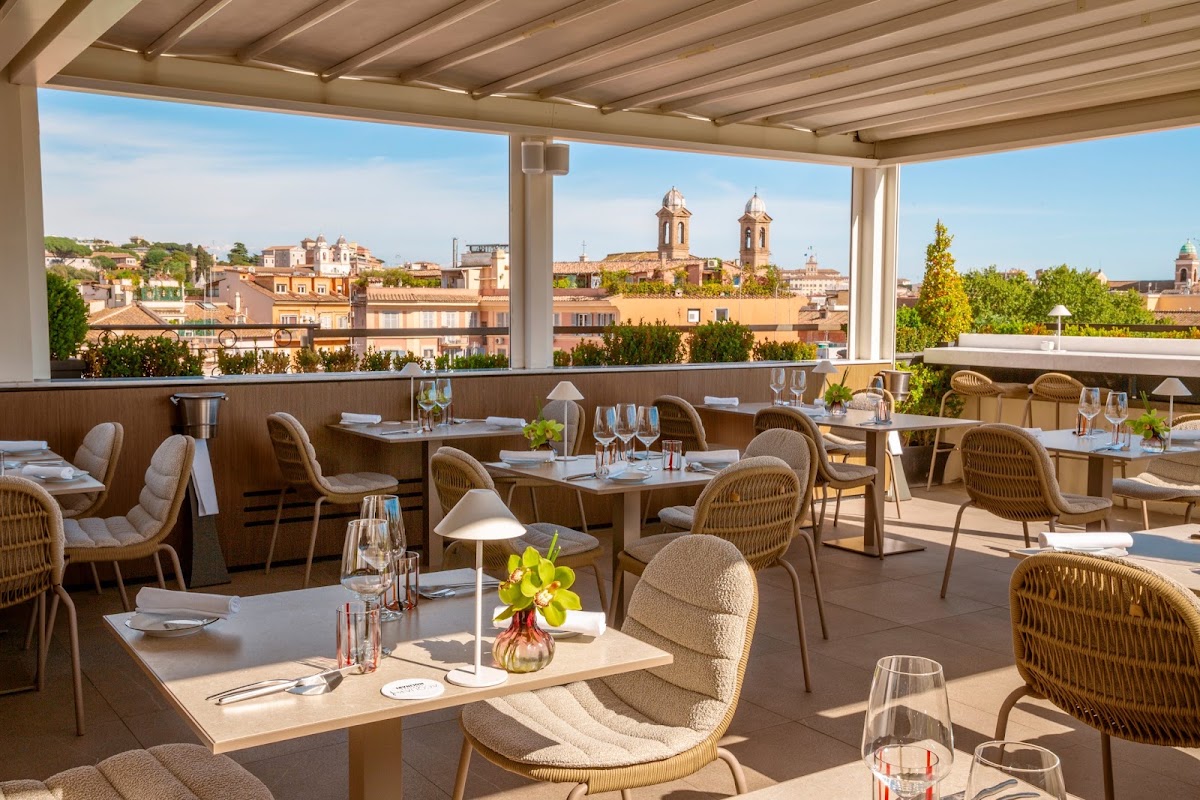
AcquaRoof Terrazza Molinari, Bistrot di mare
1h40
Rome · 🥐 Breakfast · 🚶 5 min walk
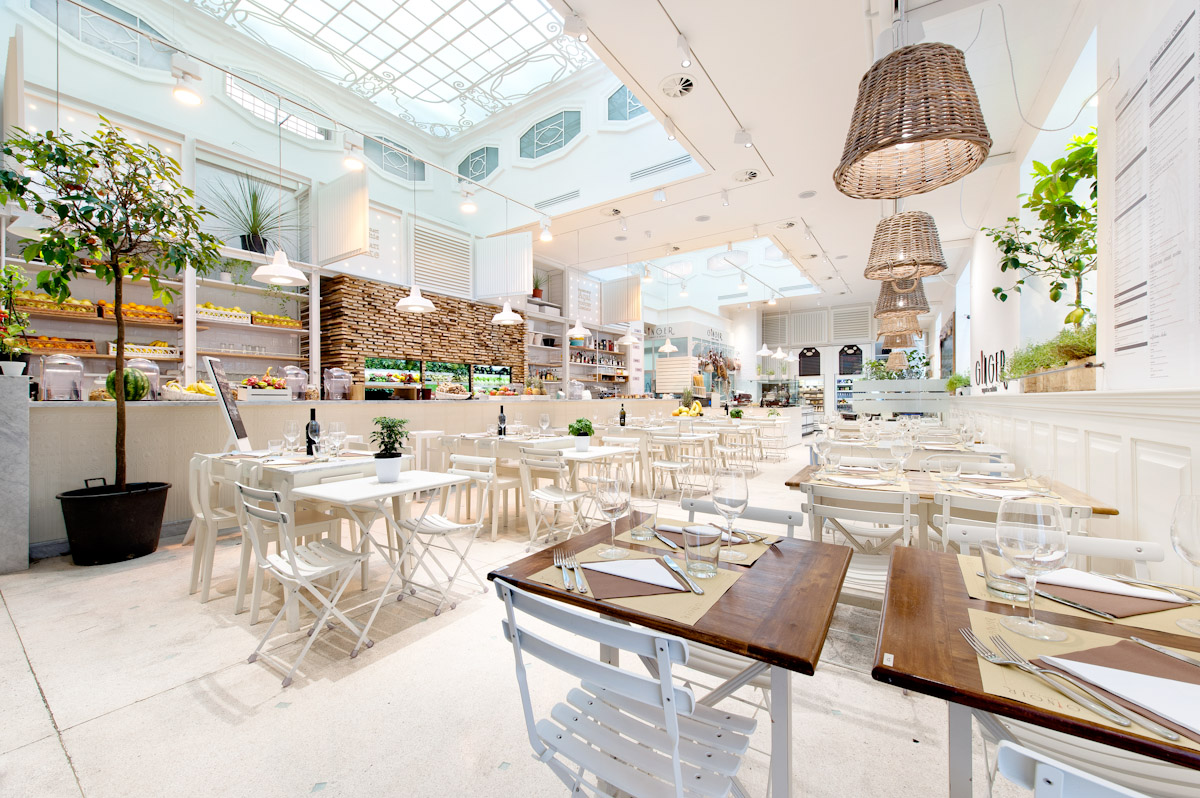
Ginger - Spagna
45 min
Rome · 🎨 Museum · 🚶 6 min walk
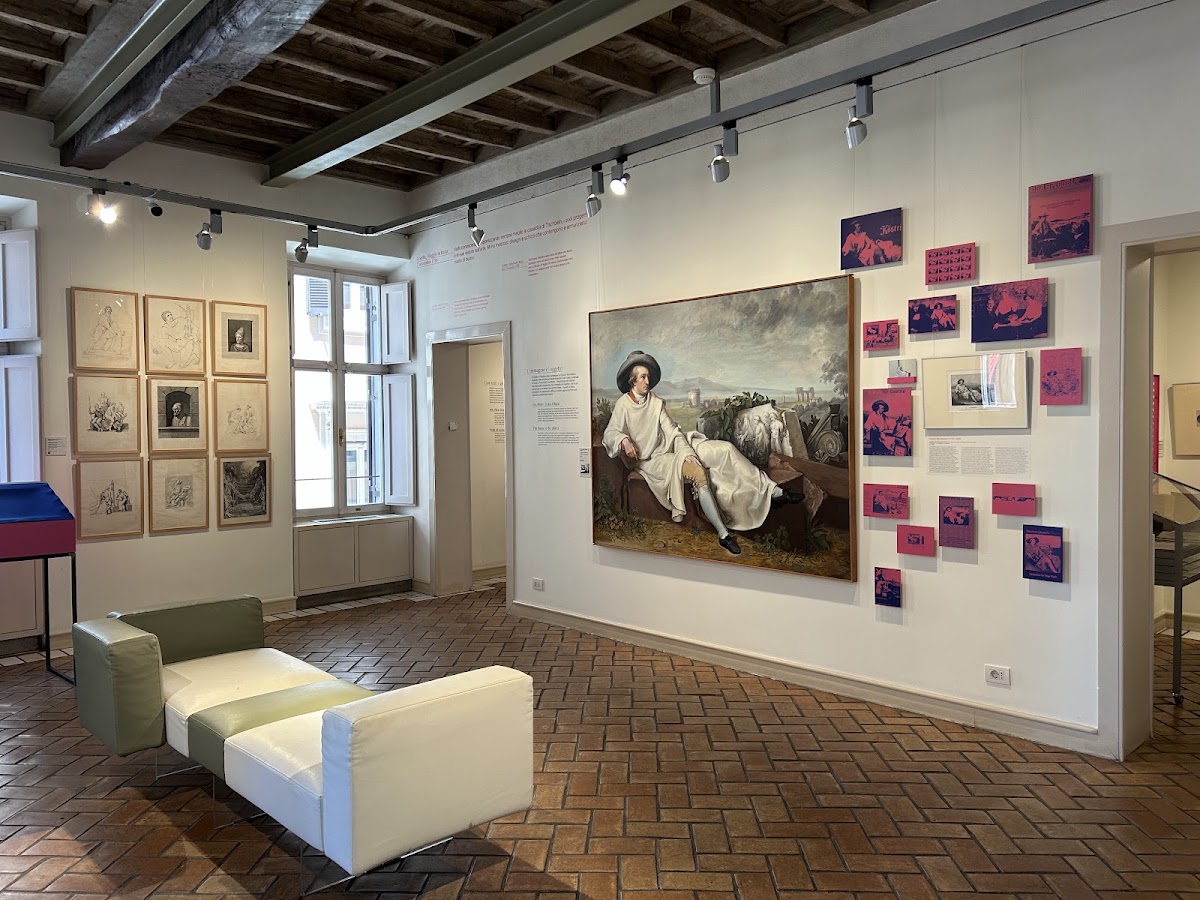
Goethe House
30 min
Build your itinerary
City
Dates
Choose your Explorer profile