4.6 ·
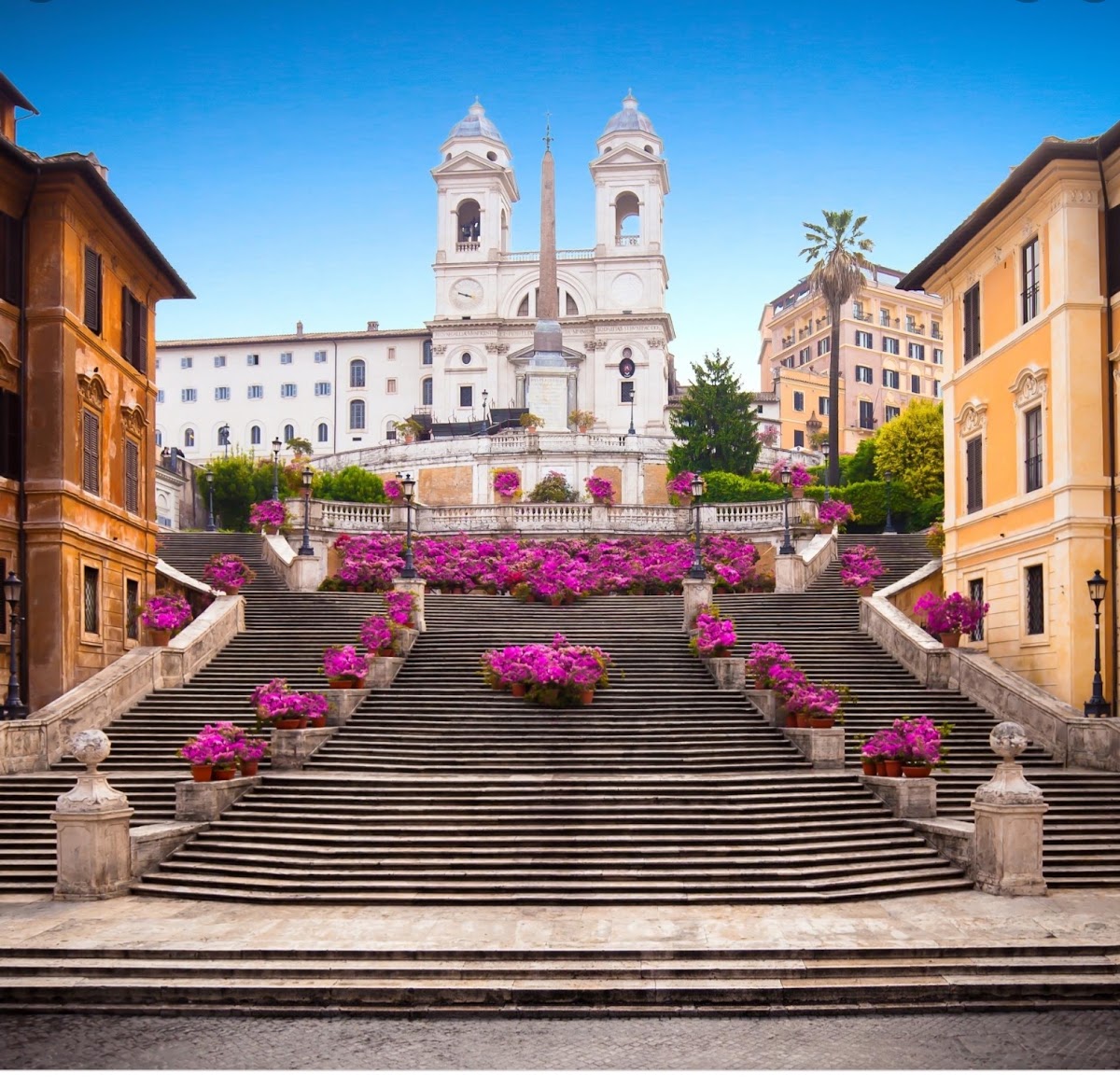
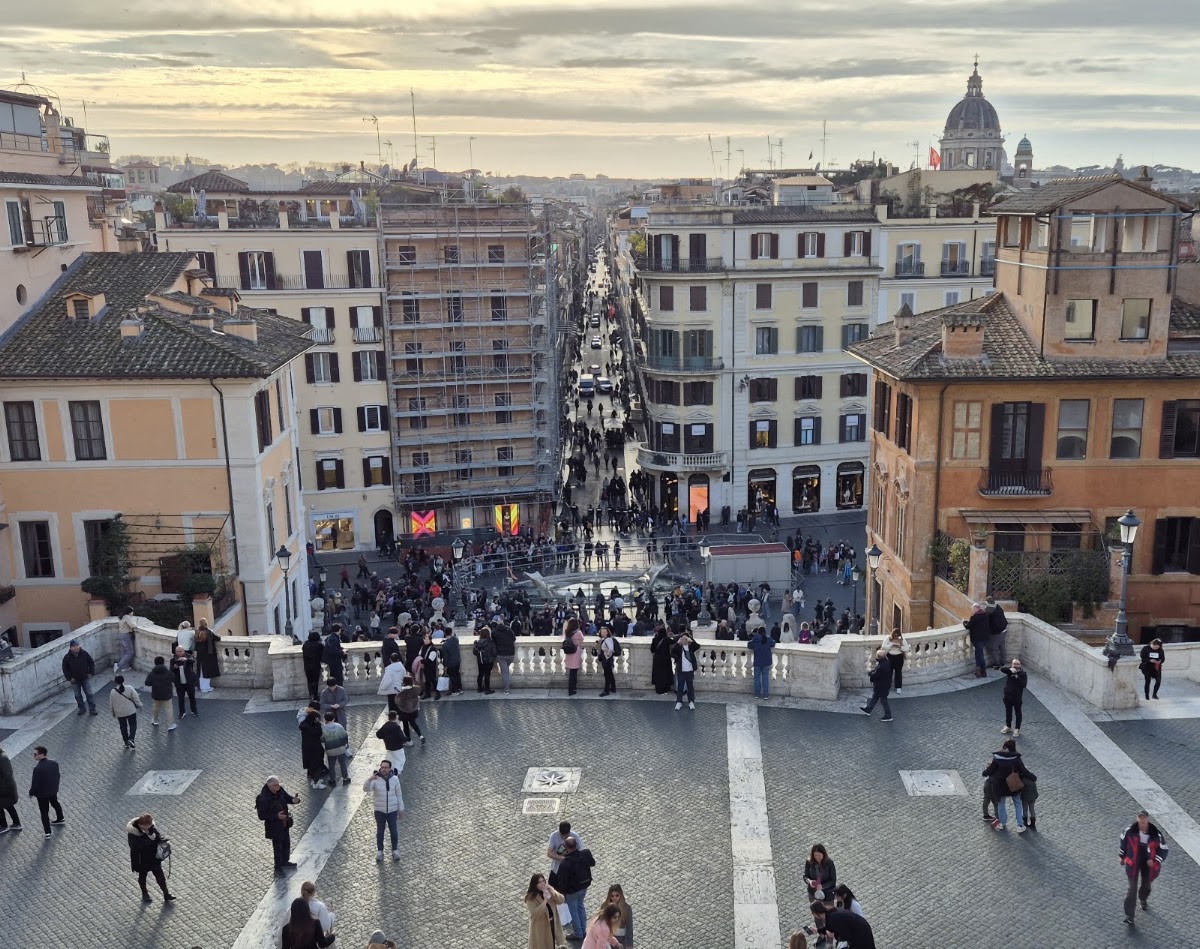
Discover the Spanish Steps, Rome's grand 18th-century stairway between Piazza di Spagna and Trinità dei Monti. Climb the terraced staircase for classic photo views, then linger by the Barcaccia fountain below where visitors gather since sitting on the steps is banned.
Reasons to go
Full description
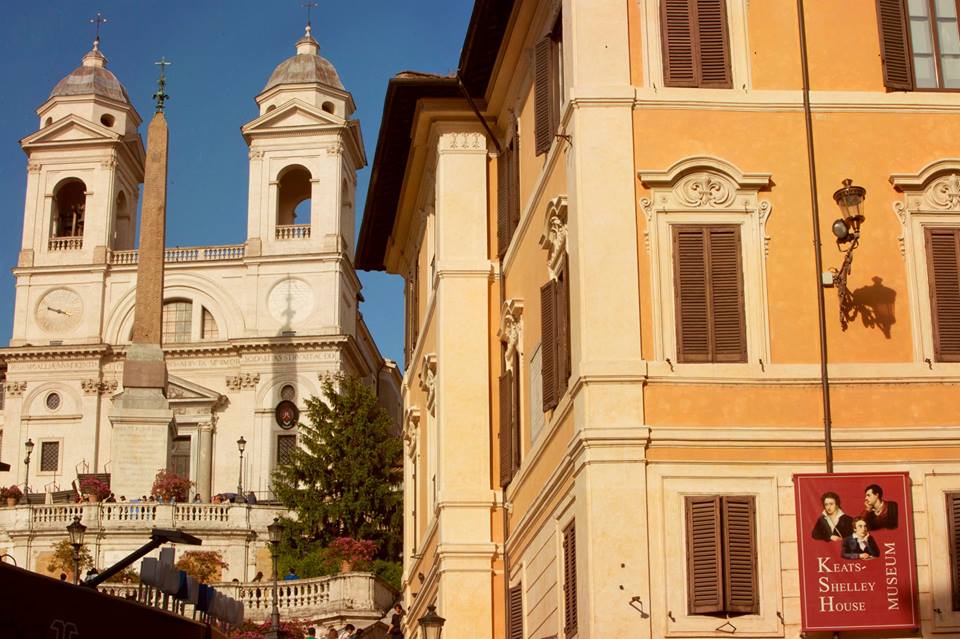
Completed in 1725 to connect the Bourbon-funded piazza below with the French-owned church above, the 135-step staircase takes its English name from the Spanish embassy that has stood in the square since the 17th century. Its scenographic, terraced design made it a magnet for Grand Tour painters and later for photographers, and the Keats-Shelley House at its foot marks where the poet died in 1821.
Sitting on the steps themselves is now banned, so the crowd tends to gather near the Barcaccia fountain at the base instead. It's a quick, essential stop for anyone tracing central Rome's key sights.
Completed in 1725 to connect the Bourbon-funded piazza below with the French-owned church above, the 135-step staircase takes its English name from the Spanish embassy that has stood in the square since the 17th century. Its scenographic, terraced design made it a magnet for Grand Tour painters and later for photographers, and the Keats-Shelley House at its foot marks where the poet died in 1821.
Sitting on the steps themselves is now banned, so the crowd tends to gather near the Barcaccia fountain at the base instead. It's a quick, essential stop for anyone tracing central Rome's key sights.
Address
Booking
Duration
20 min
Best time
early morning, early evening or evening
Intensity
Easy pace
Good to know
Reviews
The Spanish Steps are one of the most iconic landmarks in Rome and a wonderful place to experience the city's atmosphere. Built in the 18th century, the staircase connects Piazza di Spagna with the beautiful Trinità dei Monti church at the top. Climbing the steps is rewarded with lovely views over the square below,…
Nikolas Kardoulias
5/5📍 Nearby spots
Rome · 🎨 Museum · 🚶 1 min walk
The Keats - Shelley House
30 min
Rome · ☕ Coffeebreak · 🚶 1 min walk
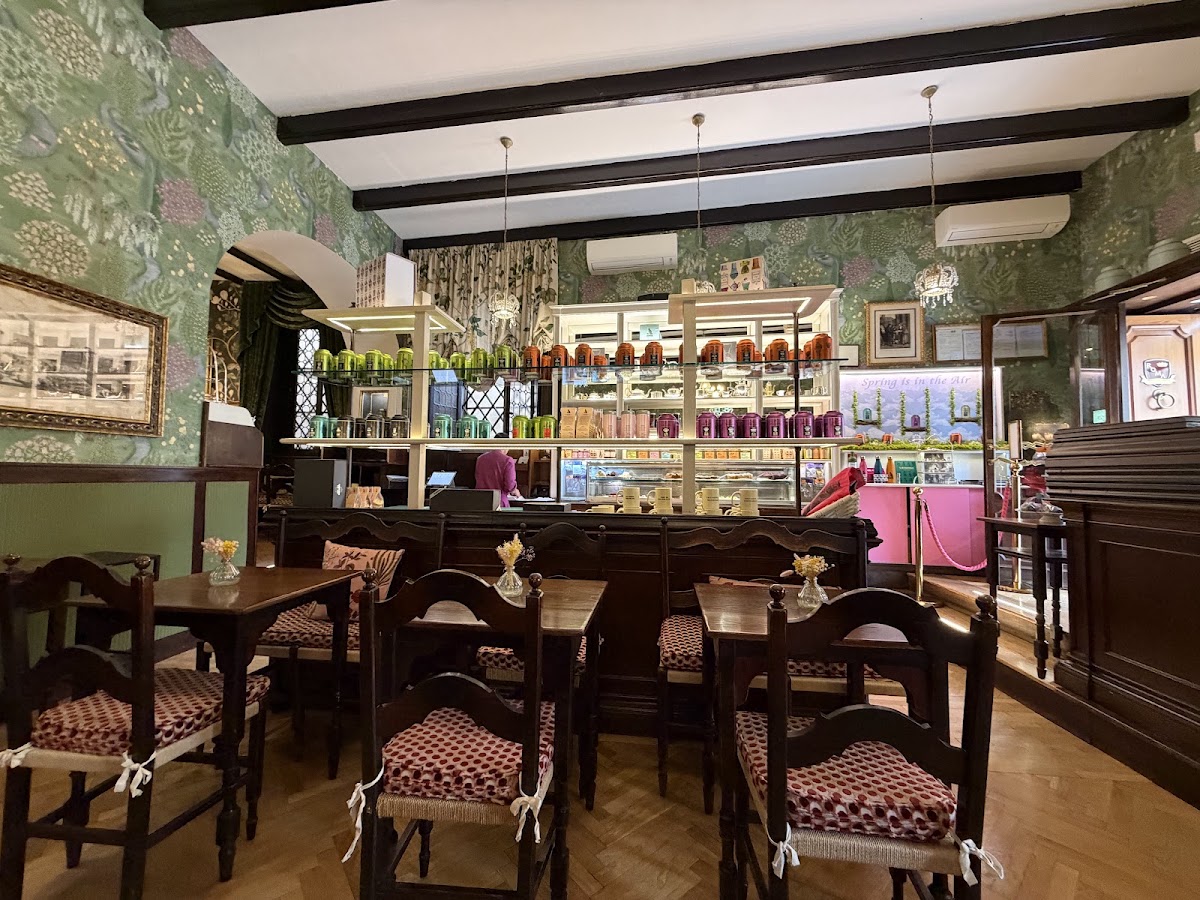
Babington's tea room
45 min
Rome · 🍽️ Food · 🚶 2 min walk
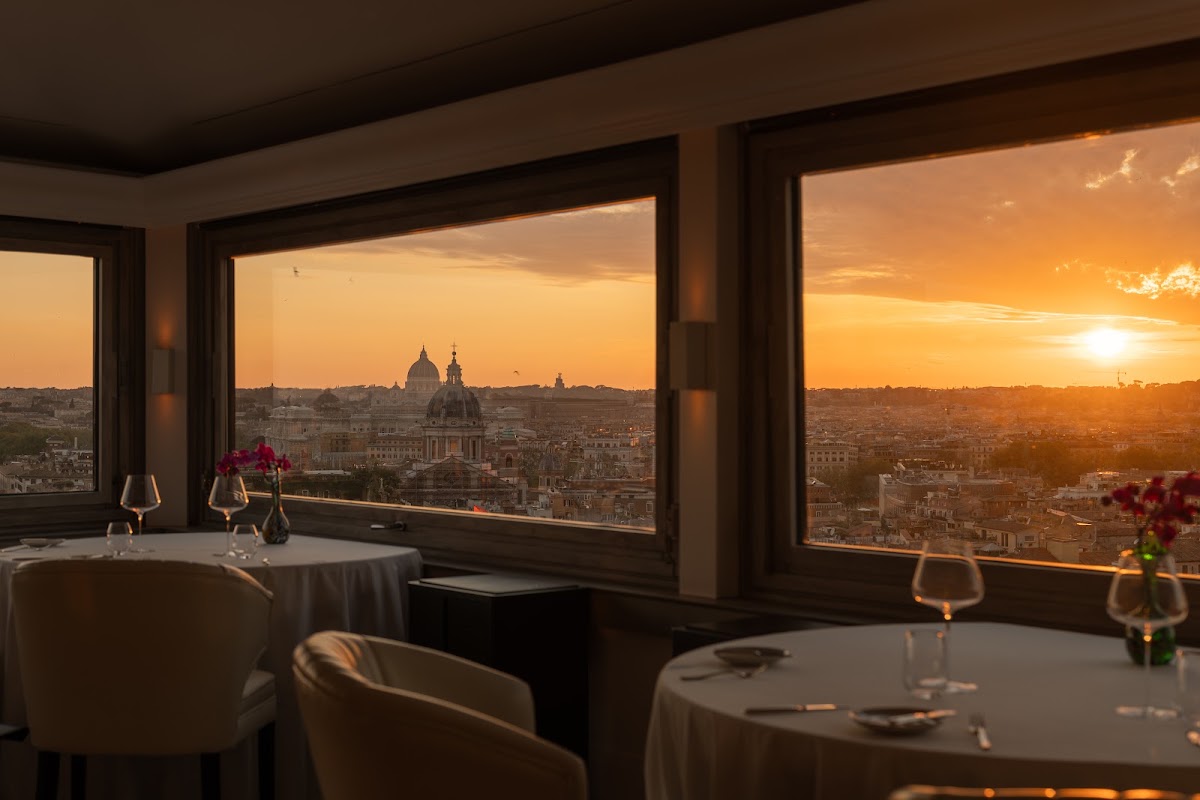
Imàgo
2h30
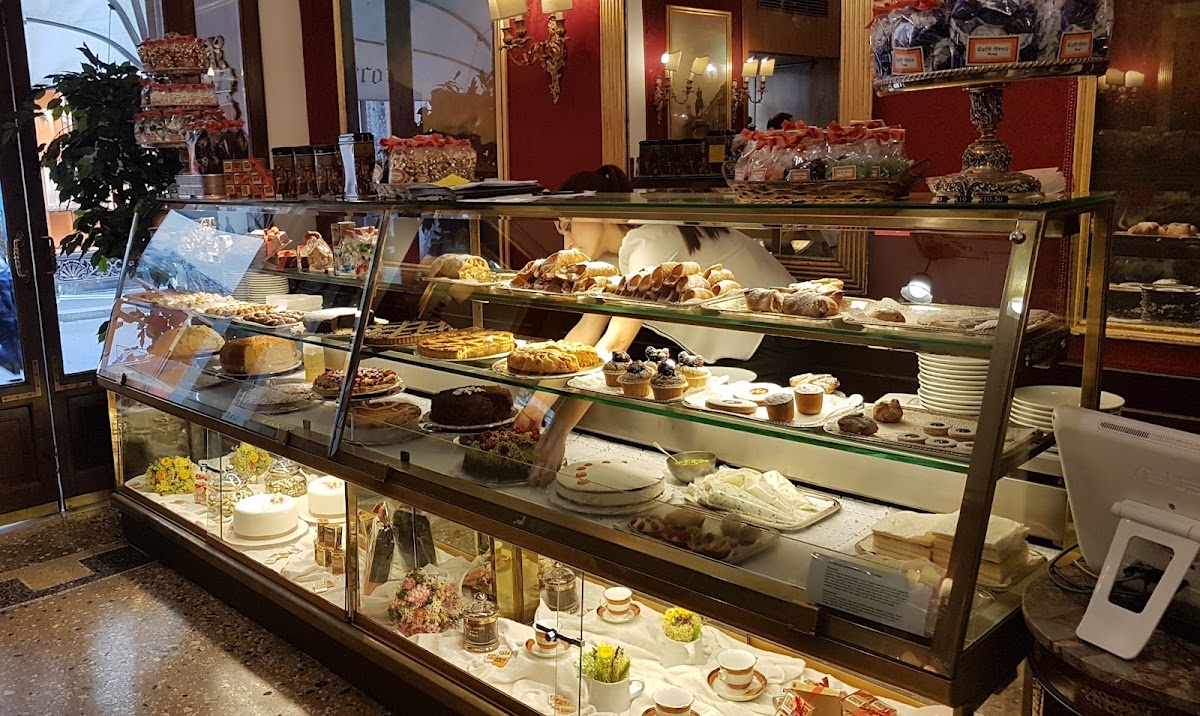
Rome · ☕ Coffeebreak · 🚶 2 min walk
Antico Caffè Greco
30 min
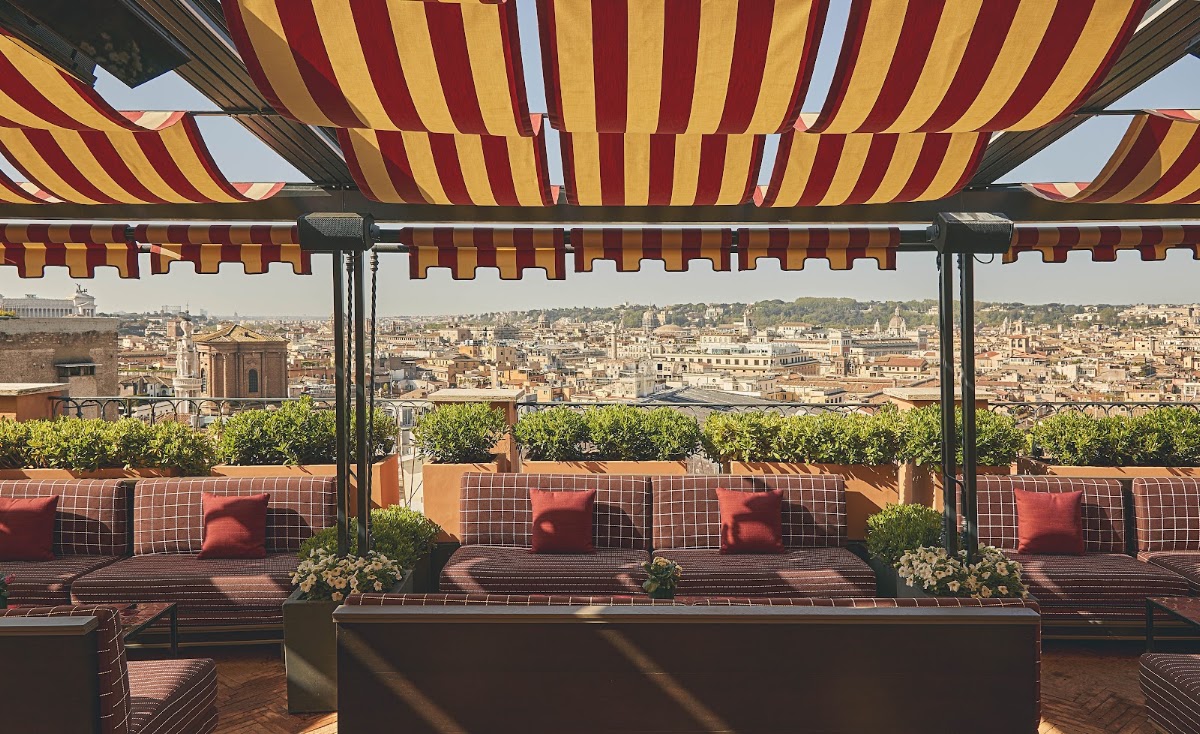
Rome · 🍸 Drinks · 🚶 2 min walk
Cielo Rooftop
1h
Rome · 🛍️ Shopping · 🚶 3 min walk
Via dei Condotti
45 min
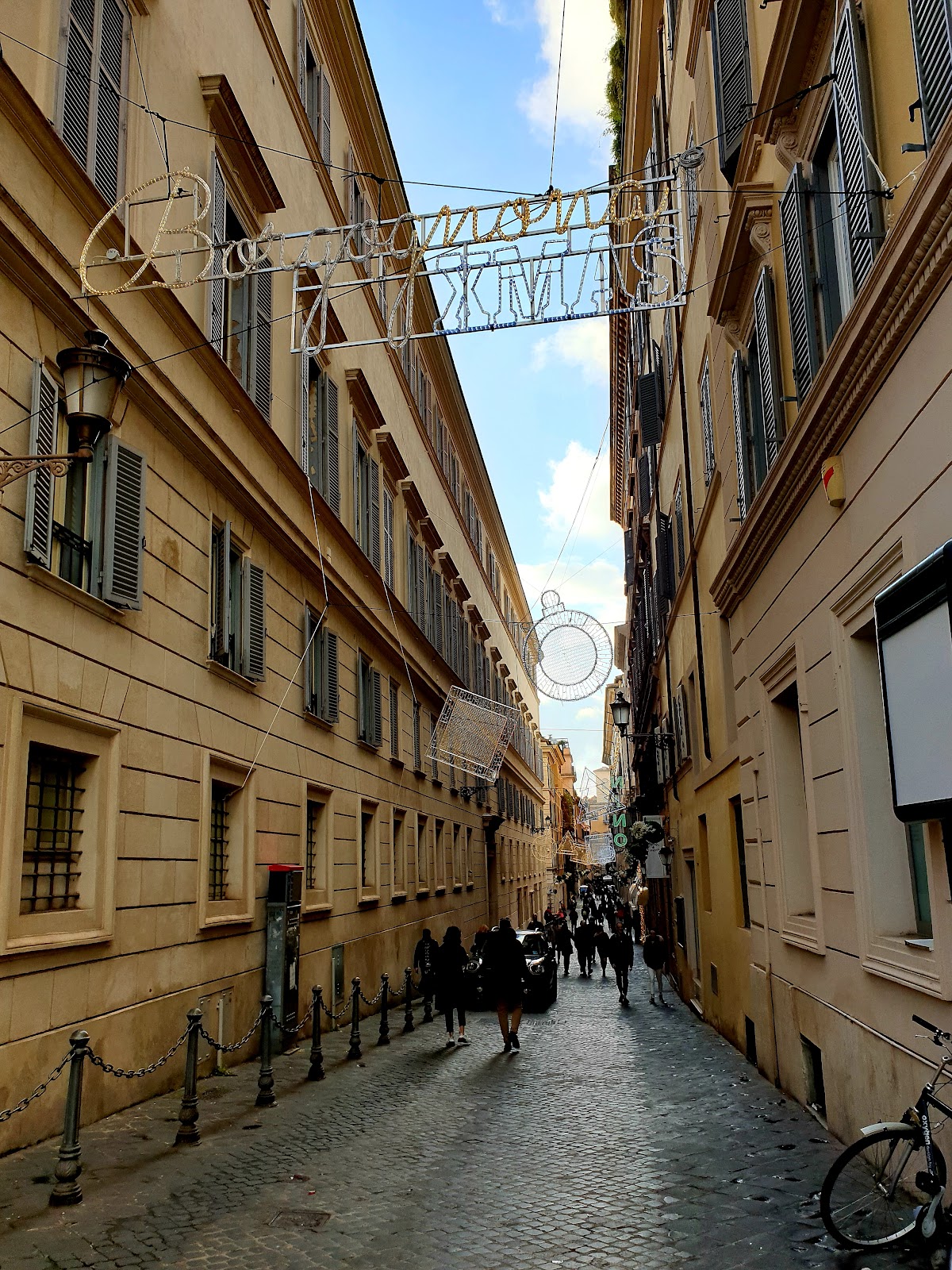
Rome · 🛍️ Shopping · 🚶 4 min walk
Via Borgognona
30 min
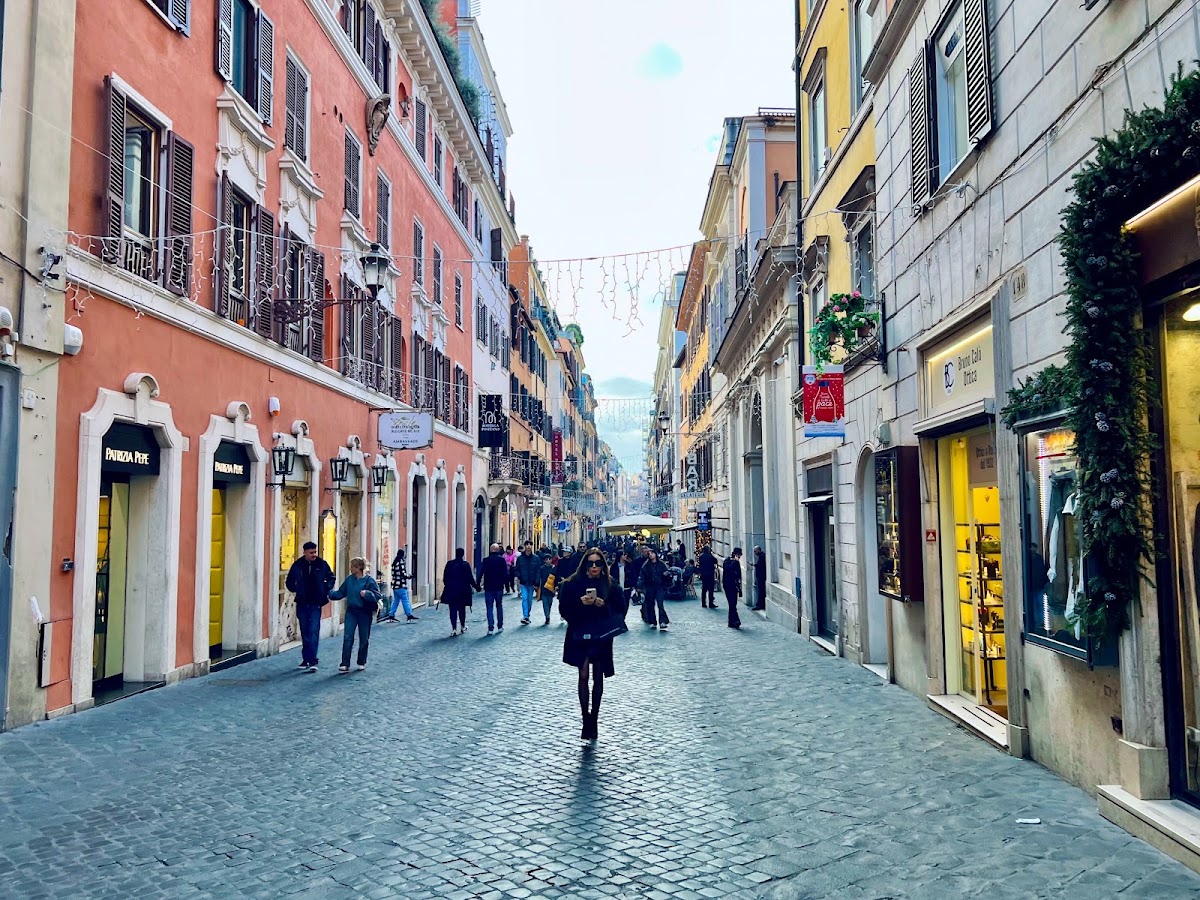
Rome · 🛍️ Shopping · 🚶 4 min walk
Via Frattina
30 min
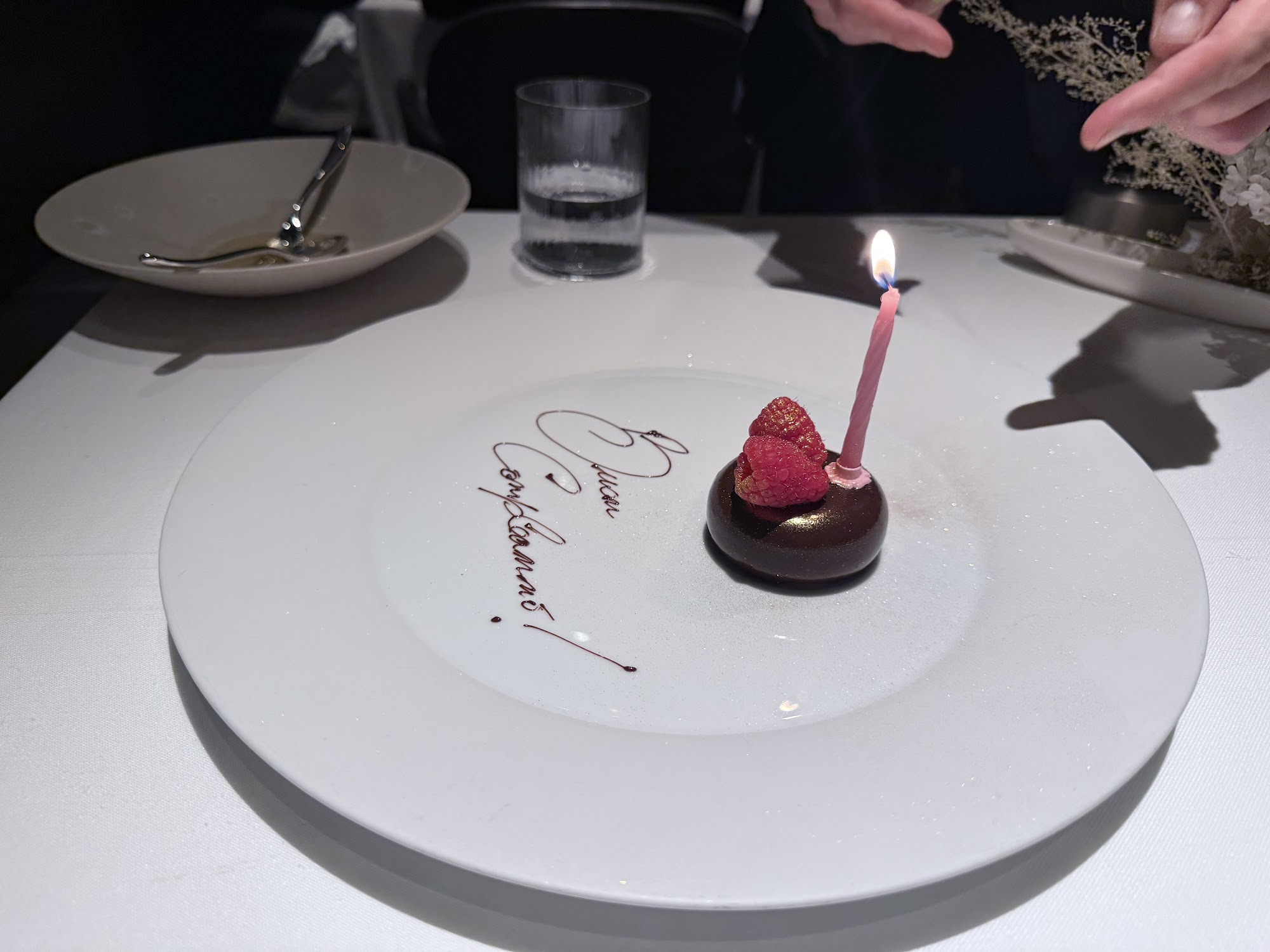
Rome · 🍽️ Food · 🚶 4 min walk
La Terrazza
1h50
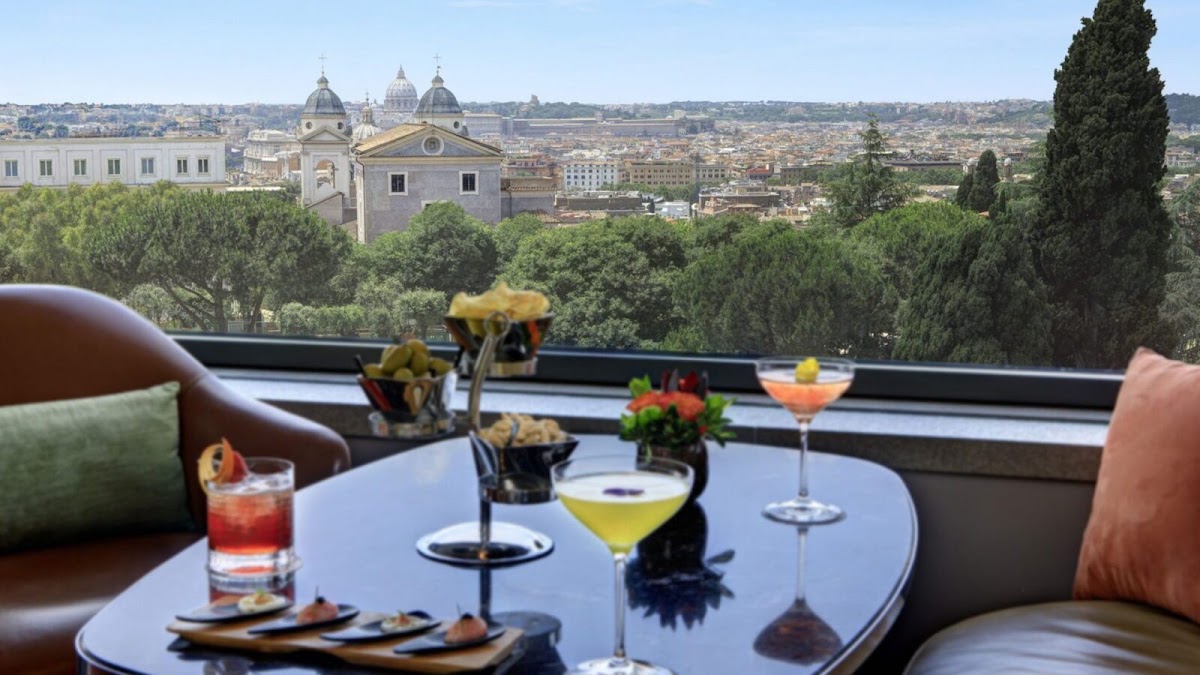
Rome · 🍽️ Food · 🚶 4 min walk
Il Giardino Bar
2h
Build your itinerary
City
Dates
Choose your Explorer profile