4.4 ·
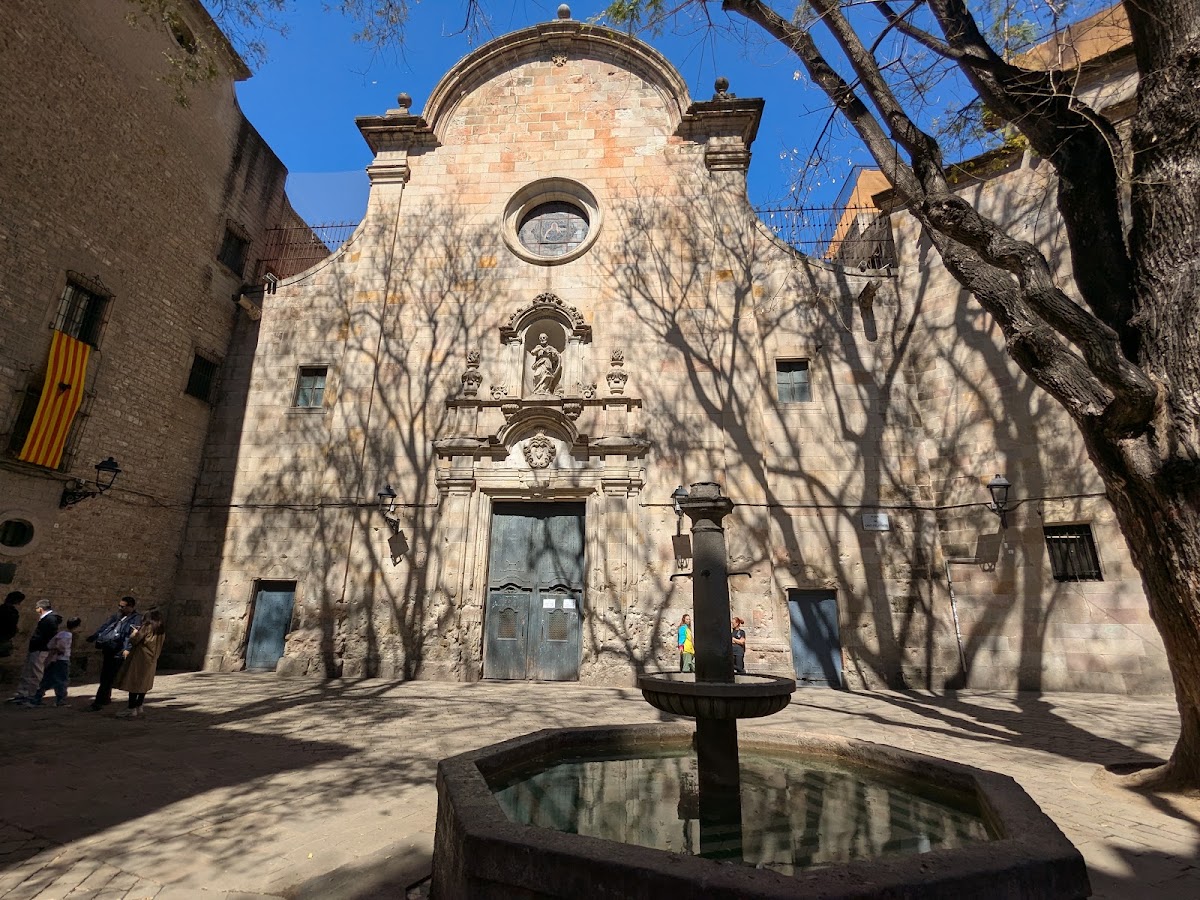
Discover the Church of Saint Philip Neri, tucked away in one of the Gothic Quarter's quietest squares. Step inside its restrained Baroque facade for a serene interior, then linger in the square where bombing scars still mark the walls.
Reasons to go
Full description
Built for the Oratorian order in the 18th century, the Church of Saint Philip Neri sits on the same small square whose walls still bear scars from a 1938 Civil War bombing, giving the calm, Baroque interior an added layer of solemn history. With a modest number of reviews, it's genuinely under the radar compared to Barcelona's headline churches, yet its restrained facade and quiet cloister setting are precisely what reviewers describe as a peaceful escape from the crowds a few streets away.
Its single evening recommended time slot reflects a spot best visited without a schedule to keep. It suits travelers who've already covered the Cathedral and Santa Maria del Mar and want a quieter, less-visited Gothic Quarter church.
Built for the Oratorian order in the 18th century, the Church of Saint Philip Neri sits on the same small square whose walls still bear scars from a 1938 Civil War bombing, giving the calm, Baroque interior an added layer of solemn history. With a modest number of reviews, it's genuinely under the radar compared to Barcelona's headline churches, yet its restrained facade and quiet cloister setting are precisely what reviewers describe as a peaceful escape from the crowds a few streets away.
Its single evening recommended time slot reflects a spot best visited without a schedule to keep. It suits travelers who've already covered the Cathedral and Santa Maria del Mar and want a quieter, less-visited Gothic Quarter church.
Address
Hours
Booking
Duration
30 min
Best time
lunchtime or evening
Intensity
Easy pace
Good to know
Reviews
Not worth going inside but the exterior is worth a look. The plaza it a quiet oasis. The Oratory of Sant Felip Neri is a Baroque church completed in 1752. The building was heavily damaged during the Spanish Civil War by Franco’s bombers. The damage from the shrapnel can still be seen on the façade.
Kent Wang
3/5📍 Nearby spots
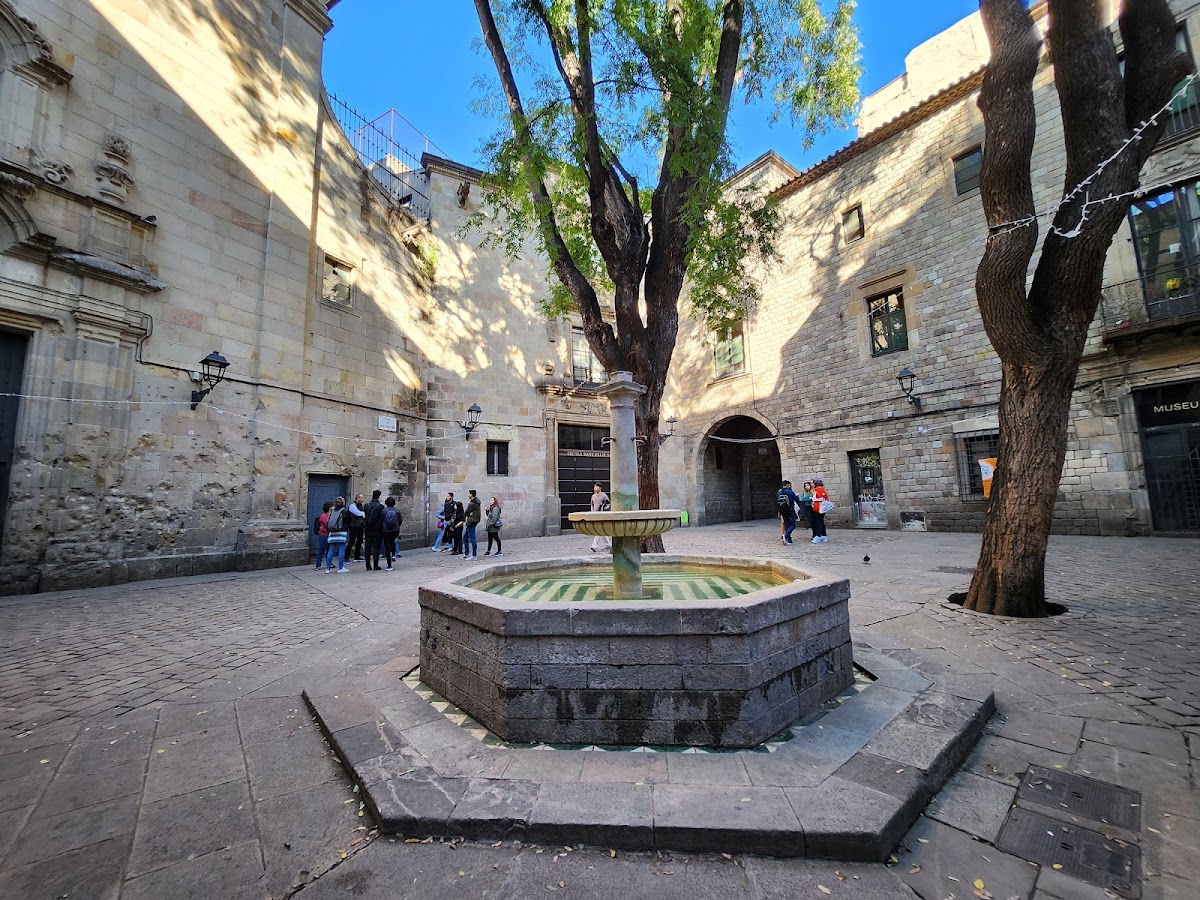
Barcelona · 🏛️ Landmark · 🚶 1 min walk
Plaça de Sant Felip Neri
10 min
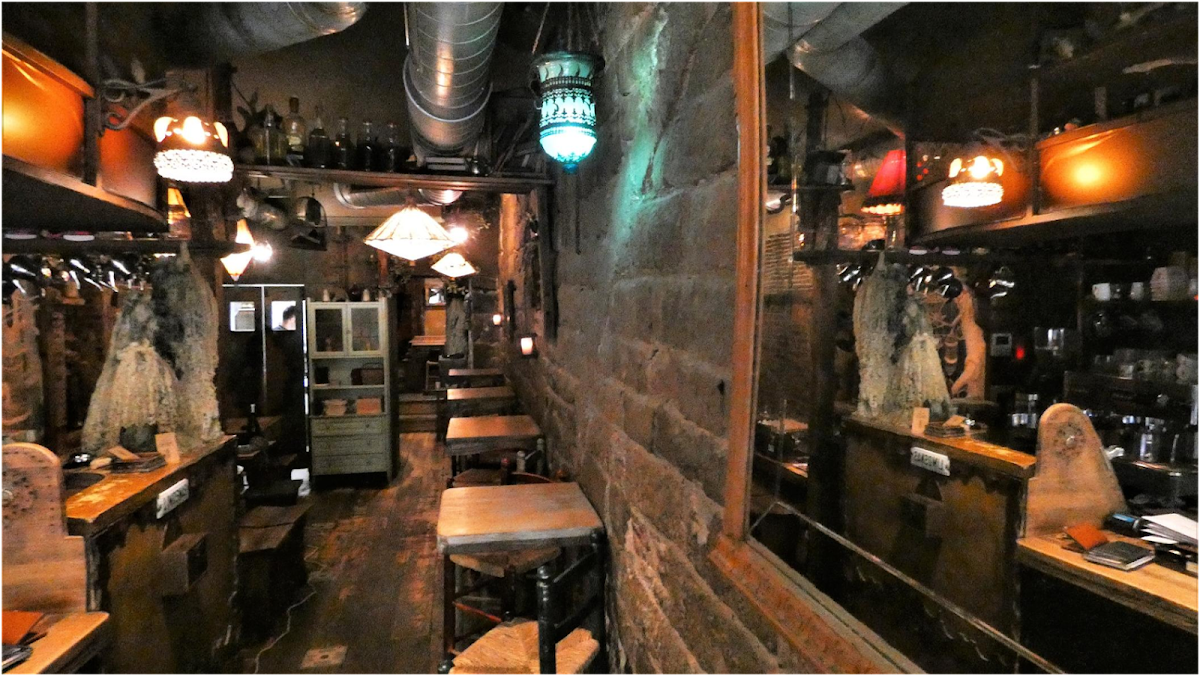
Barcelona · 🍽️ Food · 🚶 1 min walk
La Alcoba Azul
1h15
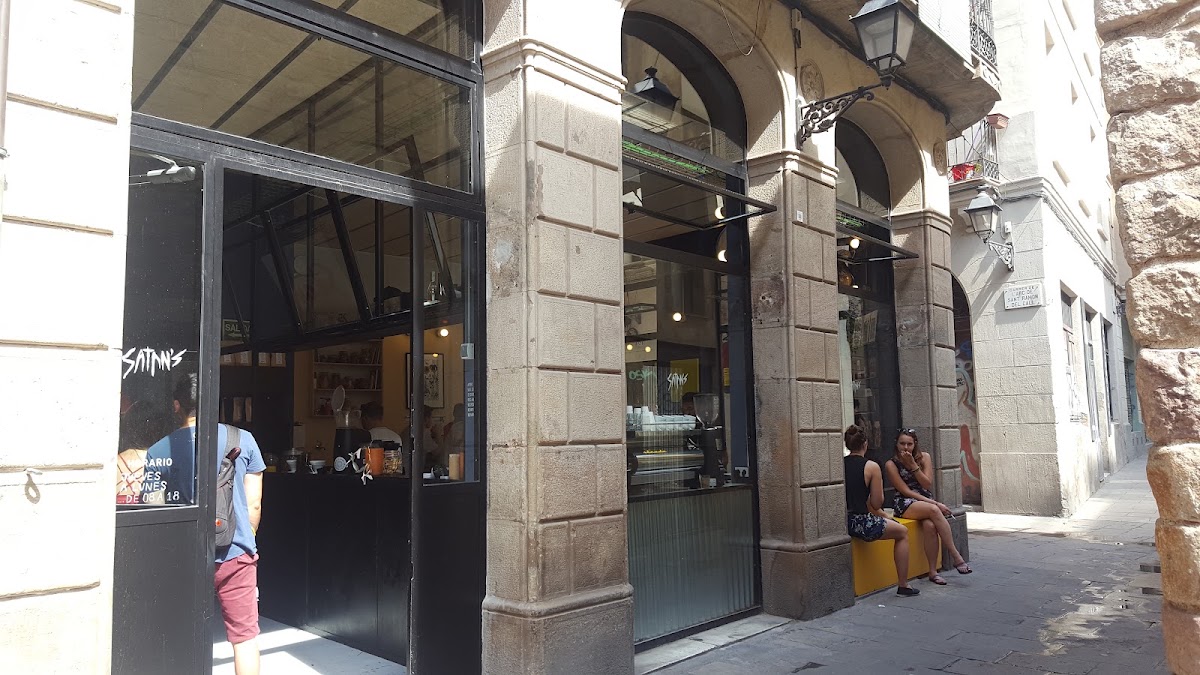
Barcelona · ☕ Coffeebreak · 🚶 2 min walk
Right Side Coffee Bar
25 min
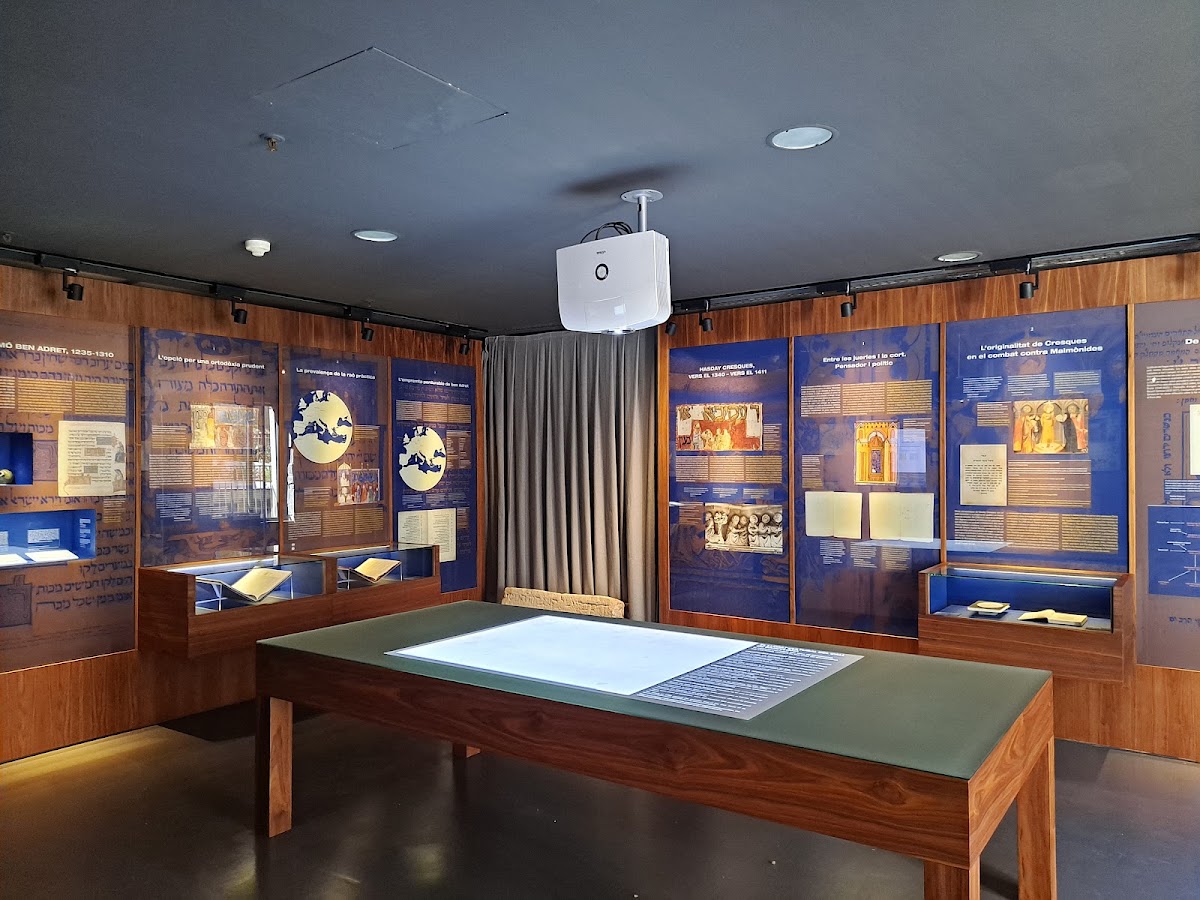
Barcelona · 🎨 Museum · 🚶 2 min walk
MUHBA El Call
30 min
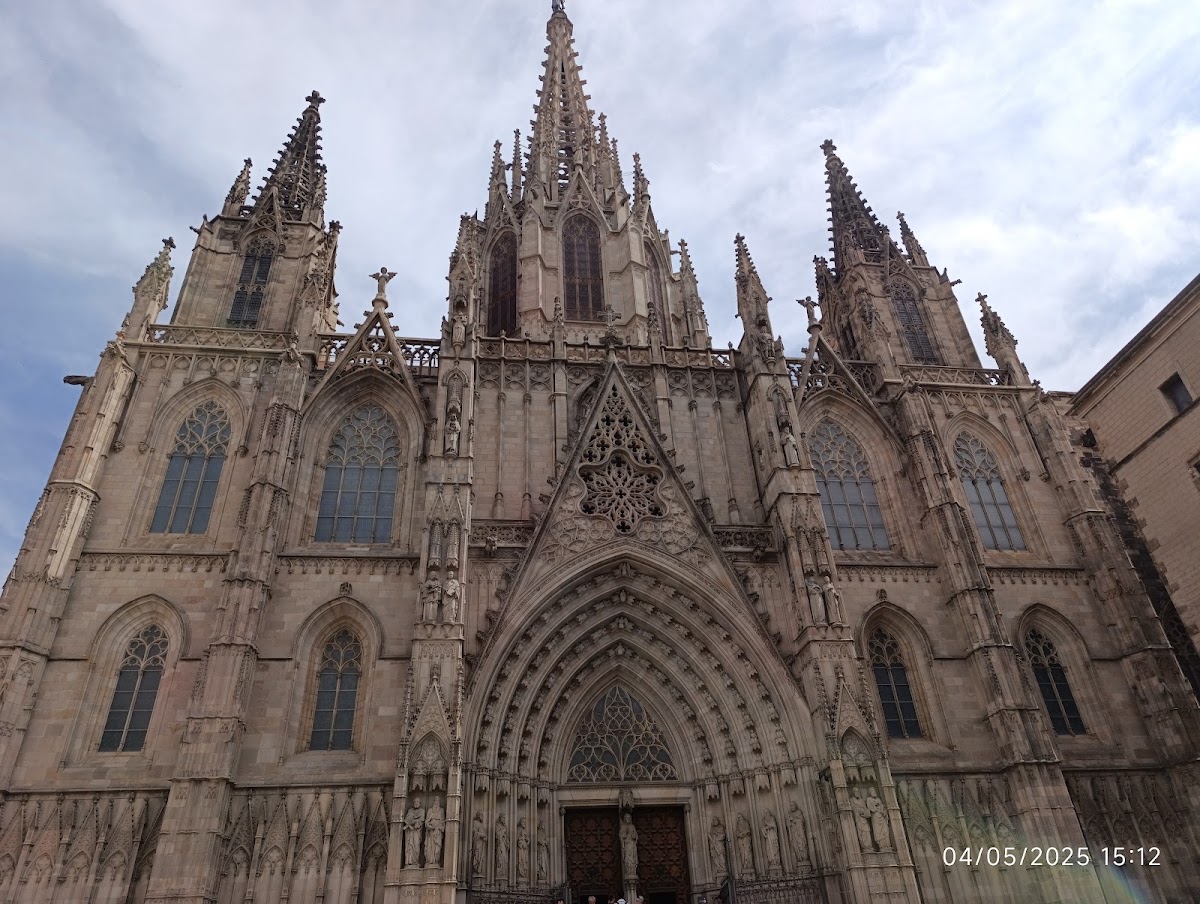
Barcelona · 🏛️ Landmark · 🚶 2 min walk
Cathedral of Barcelona
45 min
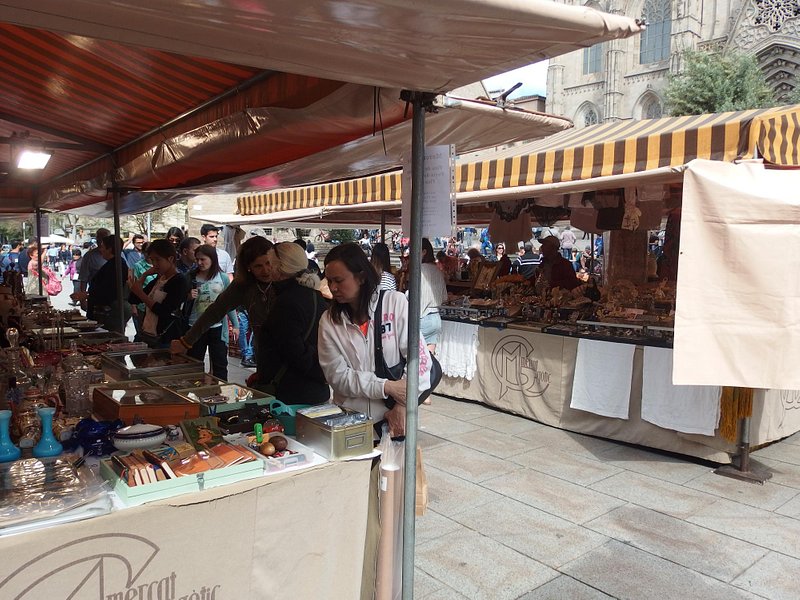
Barcelona · 🛍️ Shopping · 🚶 2 min walk
Mercat Gòtic
45 min
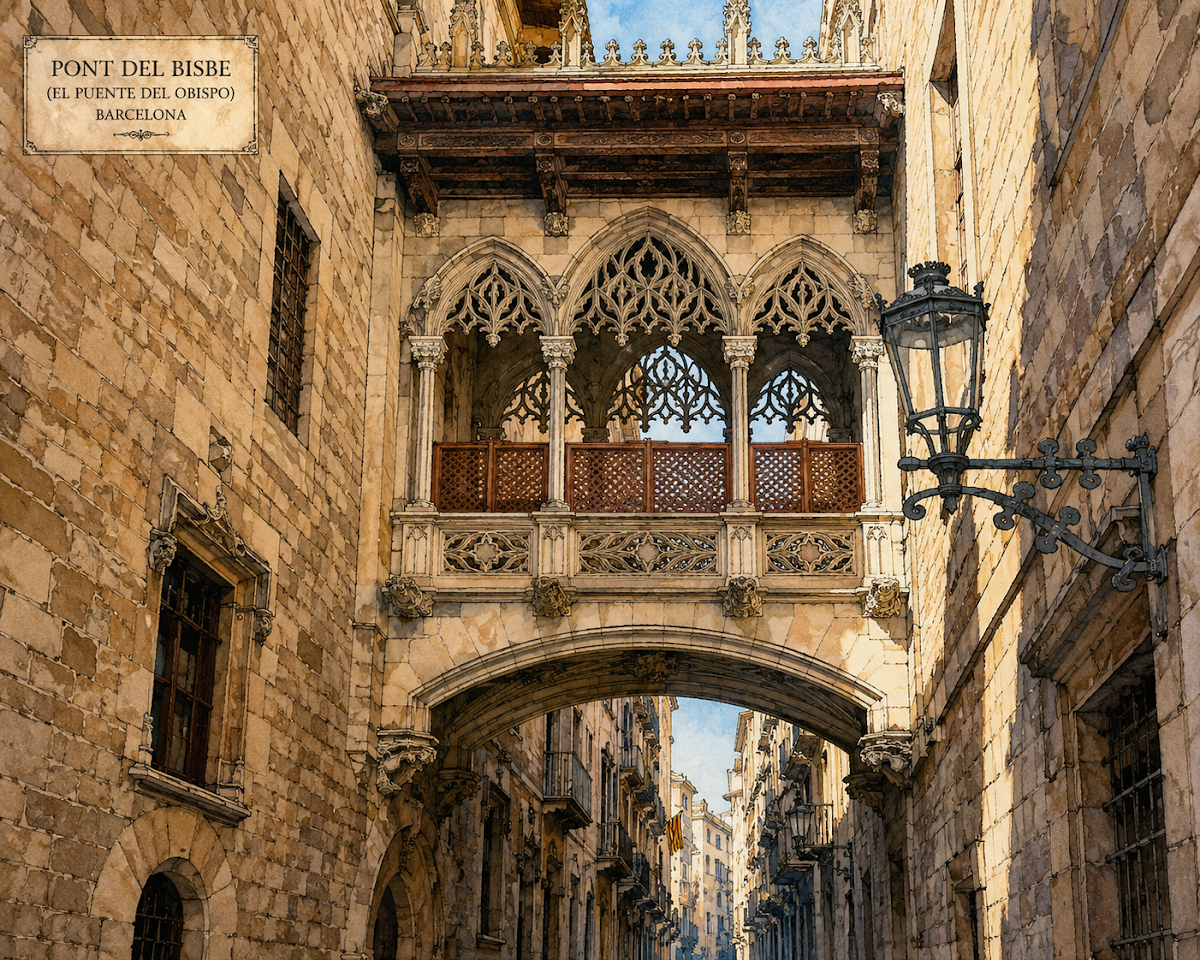
Barcelona · 🏛️ Landmark · 🚶 2 min walk
Pont del Bisbe
15 min
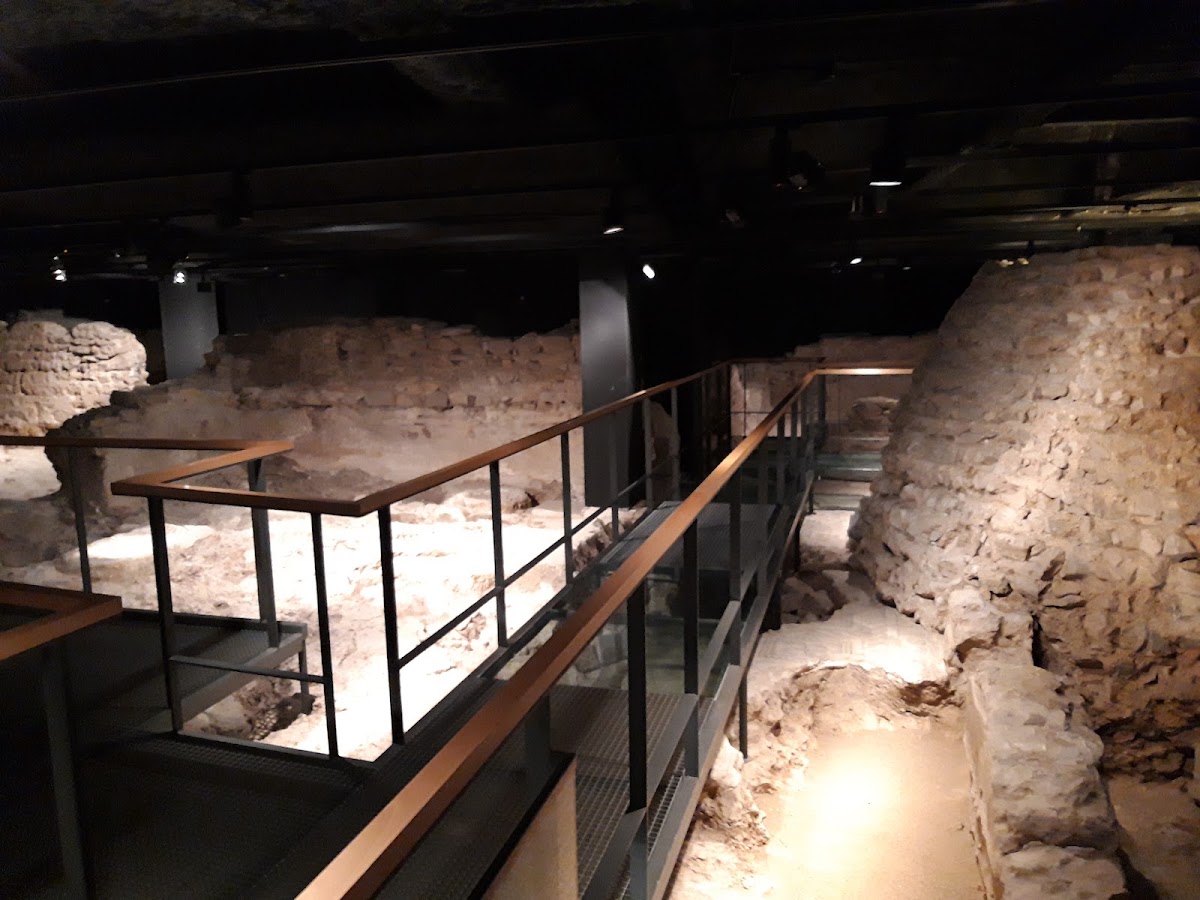
Barcelona · 🎨 Museum · 🚶 2 min walk
MUHBA Domus Sant Honorat
20 min
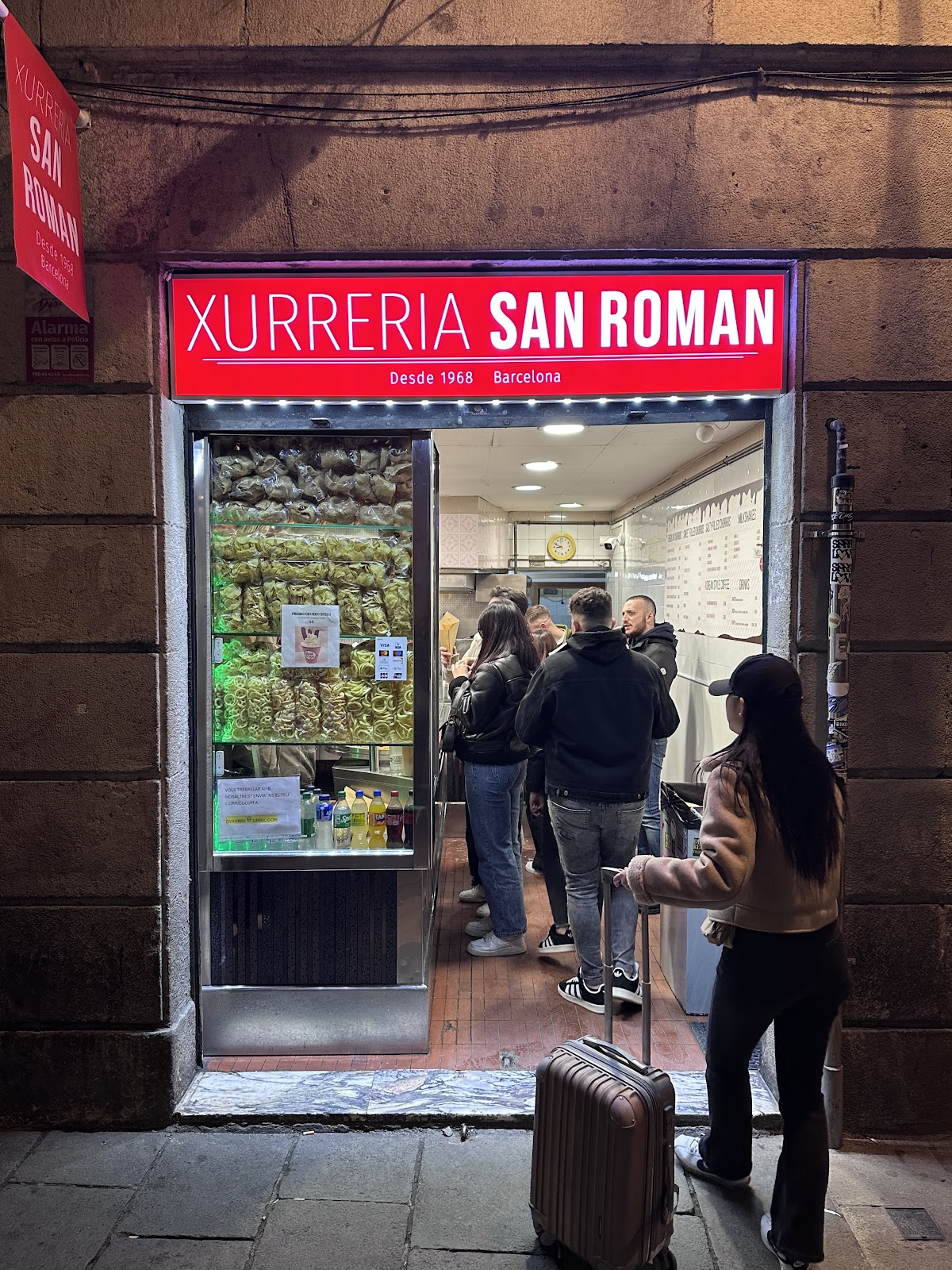
Barcelona · ☕ Coffeebreak · 🚶 2 min walk
Xurrería Manuel San Roman
20 min
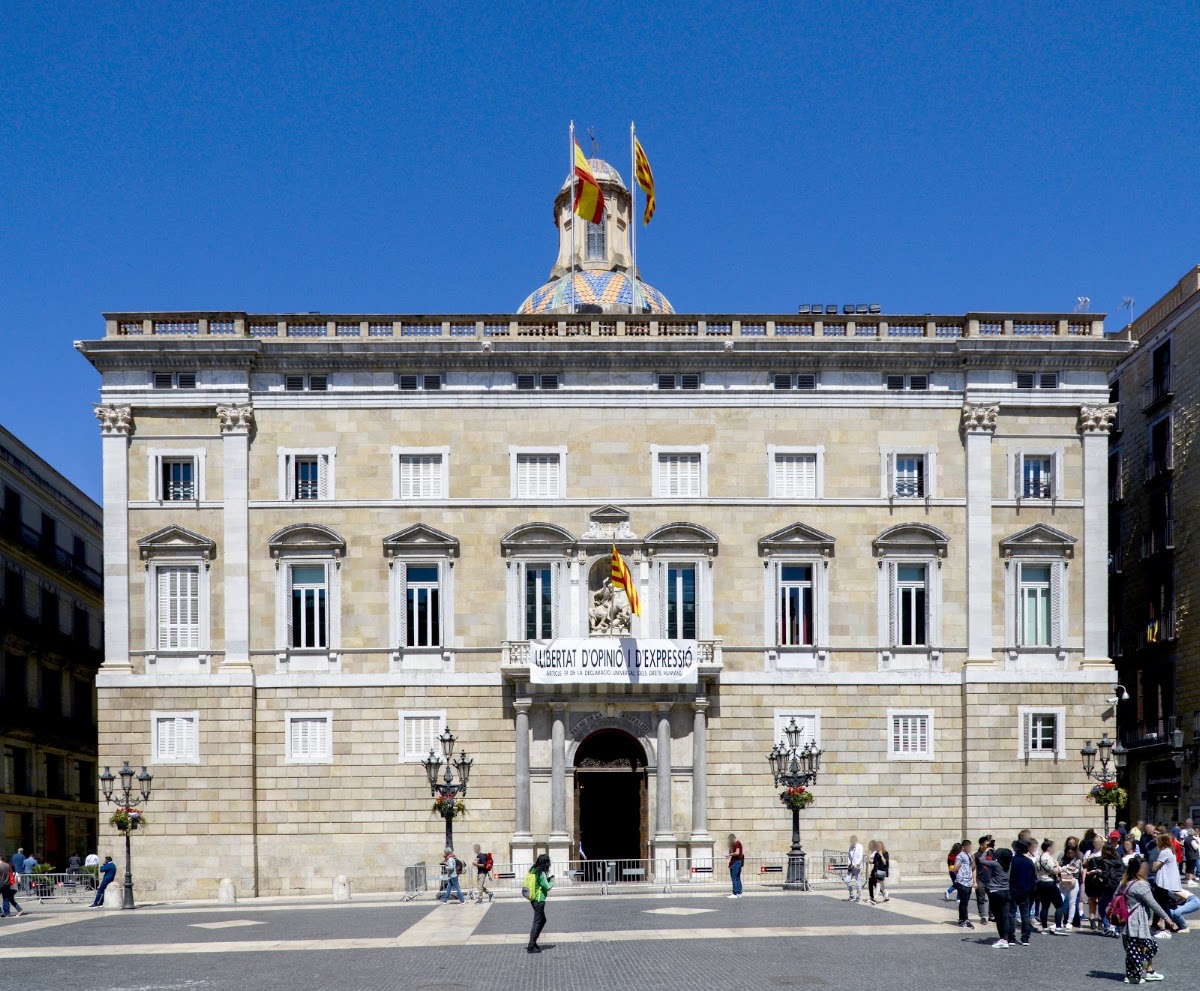
Barcelona · 🏛️ Landmark · 🚶 3 min walk
Palau de la Generalitat de Catalunya
20 min
Build your itinerary
City
Dates
Choose your Explorer profile