4.5 ·
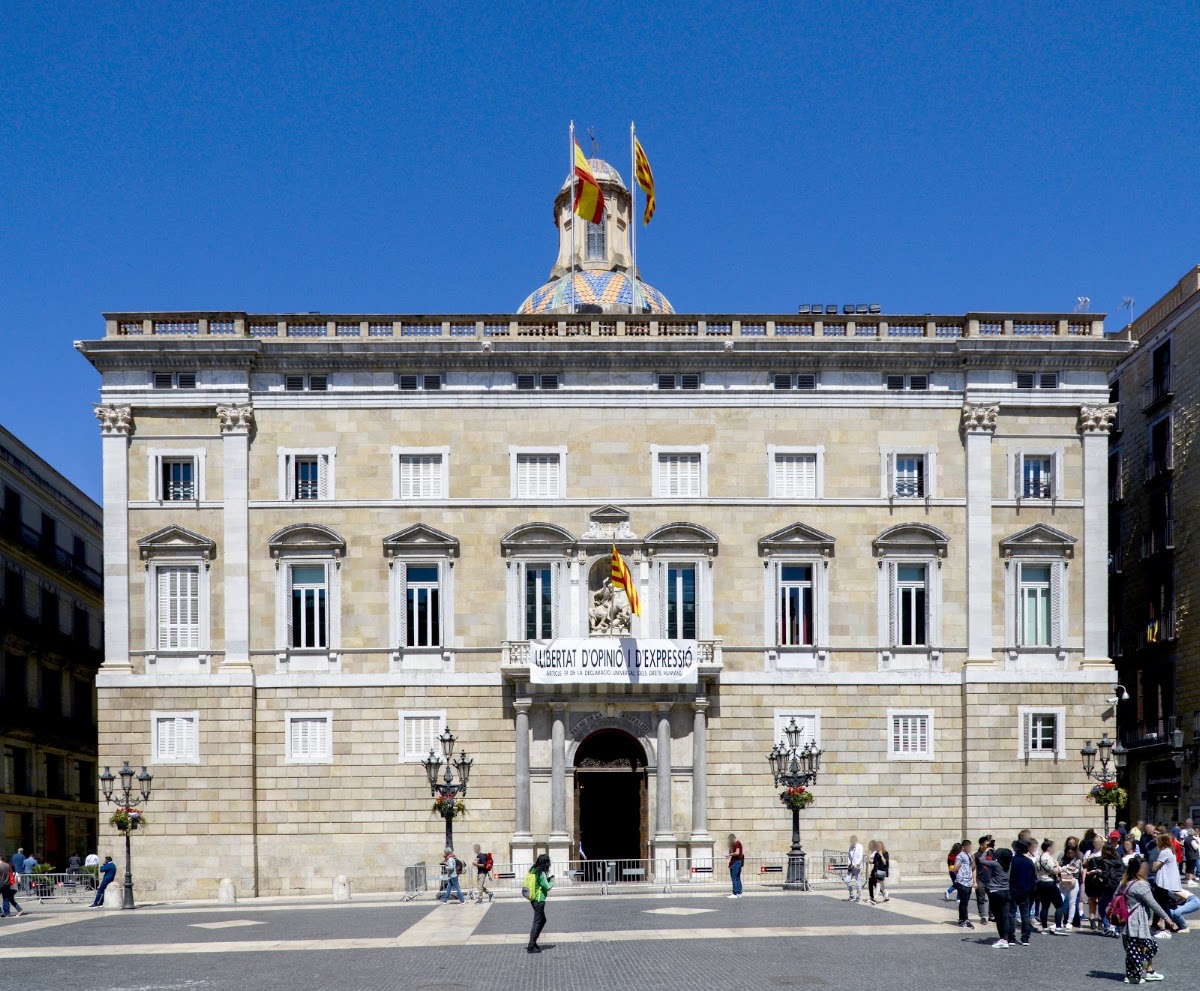
Step into the Palau de la Generalitat, seat of Catalonia's government since the Middle Ages. Beyond its plain stone facade on Plaça de Sant Jaume, discover a Gothic orange-tree courtyard and the ornate Chapel of Sant Jordi, open on select dates like Sant Jordi's Day.
Reasons to go
Full description
The Palau de la Generalitat has housed Catalonia's government continuously since the Middle Ages, making it one of the oldest institutional buildings still in political use in Europe, and its Gothic architecture includes an orange-tree-filled courtyard and the ornate Chapel of Sant Jordi, patron saint of Catalonia. Like its neighbor City Hall across the square, it's a working government building with restricted access, typically opening to the public only on specific dates such as Sant Jordi's Day in April or European Heritage days.
From the outside, its understated stone facade on Plaça de Sant Jaume gives little hint of the decoration within, which reviewers describe as a pleasant surprise on the occasions it opens. Political symbolism aside, it's a compact stop that adds context to the square's role as Catalonia's civic heart.
The Palau de la Generalitat has housed Catalonia's government continuously since the Middle Ages, making it one of the oldest institutional buildings still in political use in Europe, and its Gothic architecture includes an orange-tree-filled courtyard and the ornate Chapel of Sant Jordi, patron saint of Catalonia. Like its neighbor City Hall across the square, it's a working government building with restricted access, typically opening to the public only on specific dates such as Sant Jordi's Day in April or European Heritage days.
From the outside, its understated stone facade on Plaça de Sant Jaume gives little hint of the decoration within, which reviewers describe as a pleasant surprise on the occasions it opens. Political symbolism aside, it's a compact stop that adds context to the square's role as Catalonia's civic heart.
Address
Booking
Duration
20 min
Best time
morning
Intensity
Easy pace
Good to know
Reviews
Very noisy as there was a demonstration. There is a good variety of food and drinks places all around a la fresco. Close to the Jewish Quarter. I'd definitely recommend if you want a different space to experience, though not as picturesque as others.
Writing Reflex
3/5📍 Nearby spots
Barcelona · 🏛️ Landmark · 🚶 1 min walk
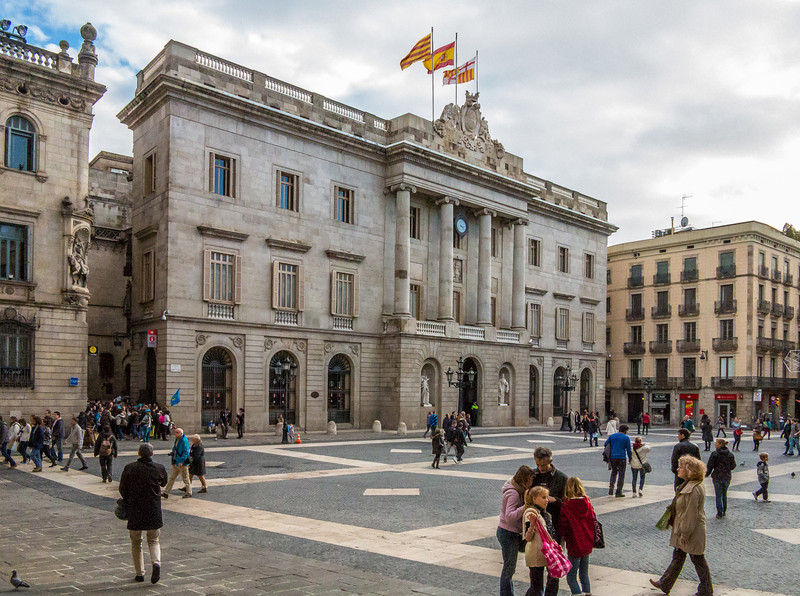
Plaça de Sant Jaume
15 min
Barcelona · 🏛️ Landmark · 🚶 1 min walk
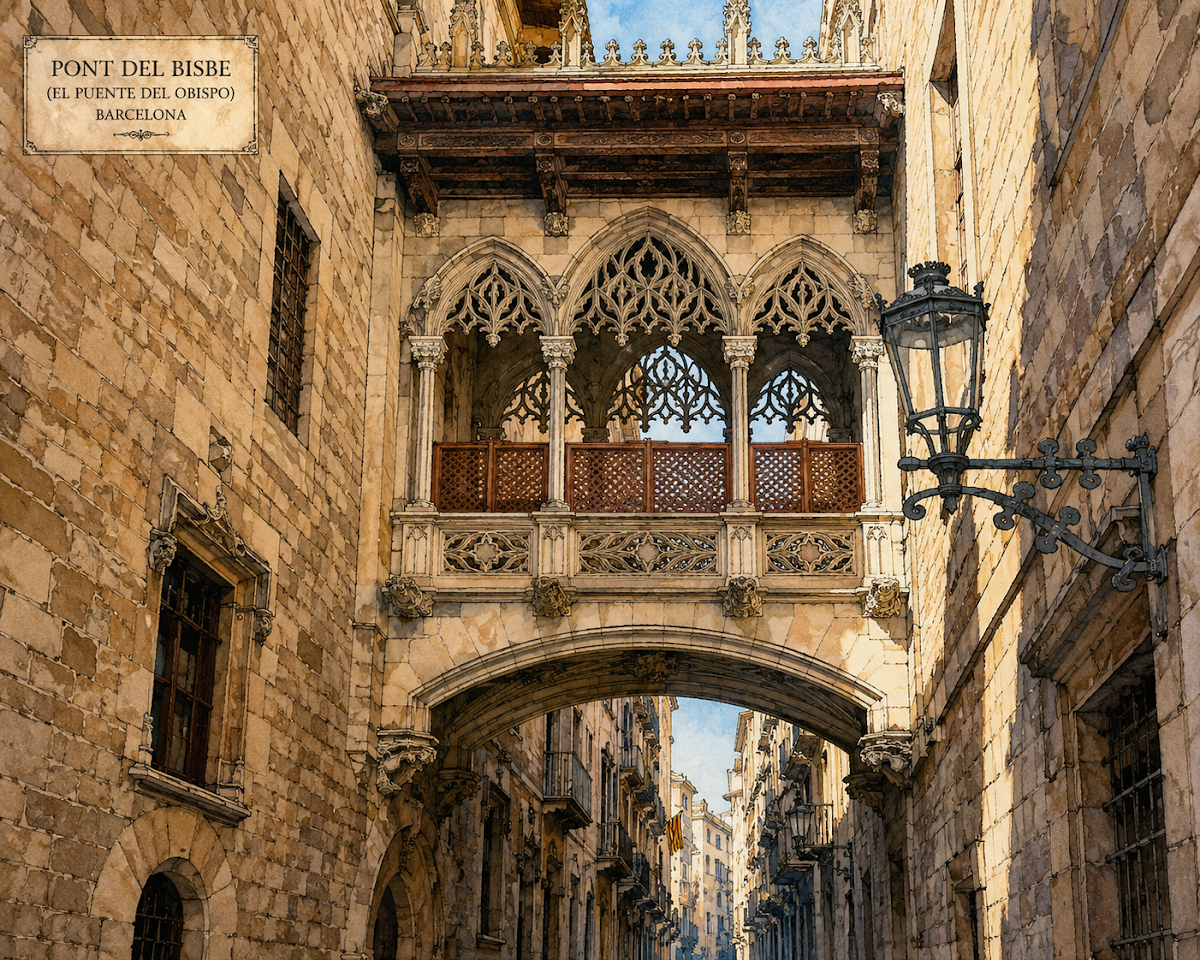
Pont del Bisbe
15 min
Barcelona · ☕ Coffeebreak · 🚶 1 min walk
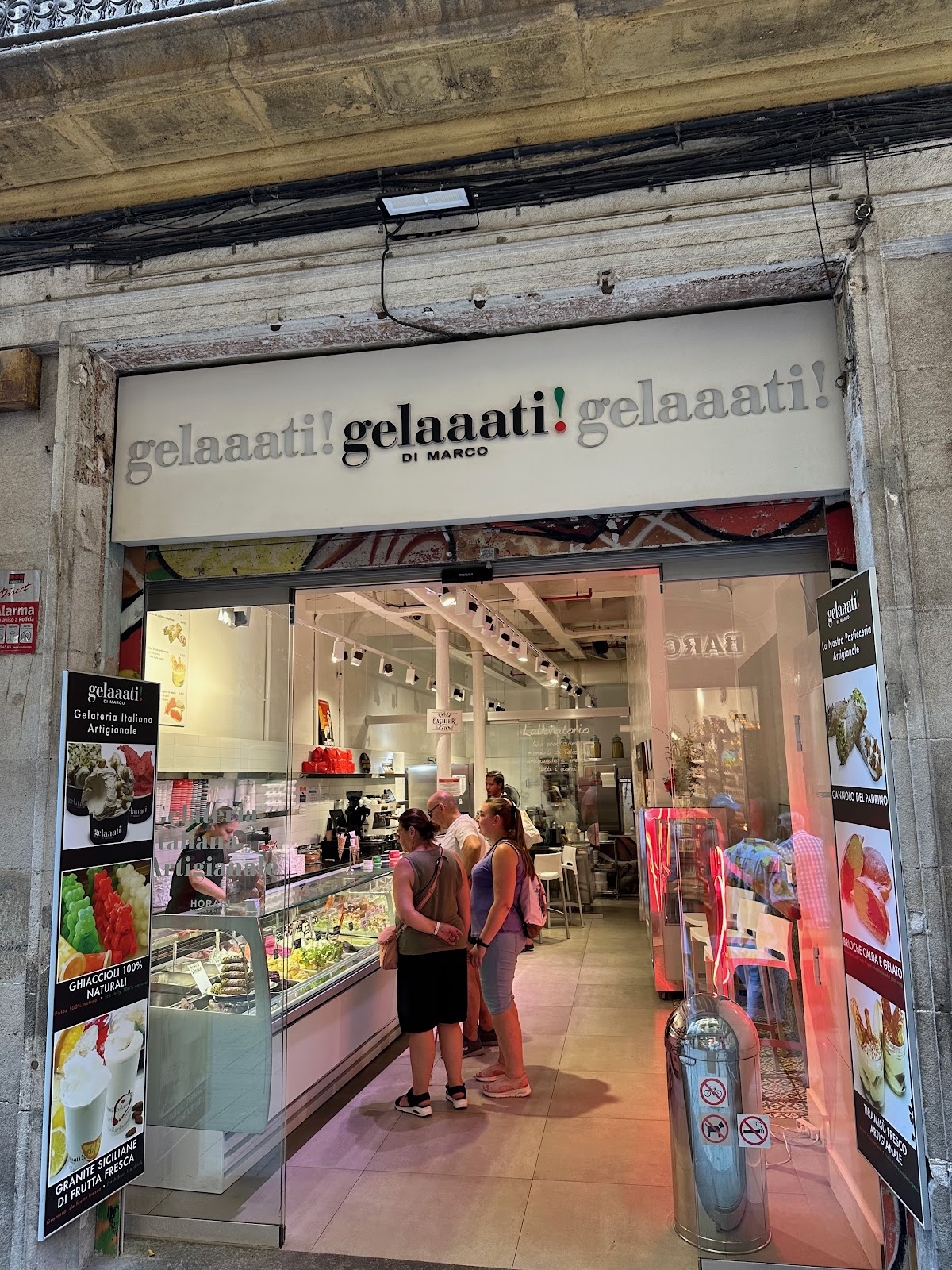
Gelaaati DI MARCO.
15 min
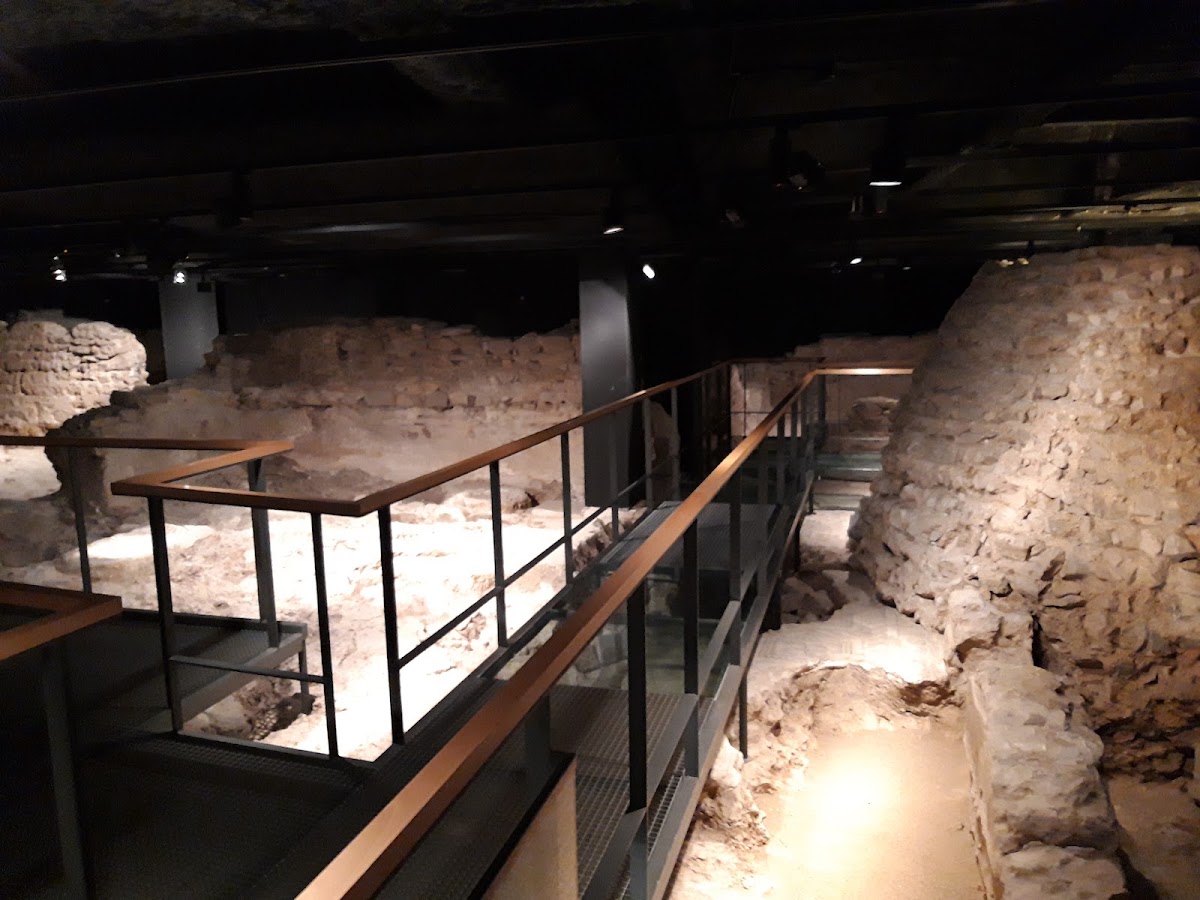
Barcelona · 🎨 Museum · 🚶 1 min walk
MUHBA Domus Sant Honorat
20 min
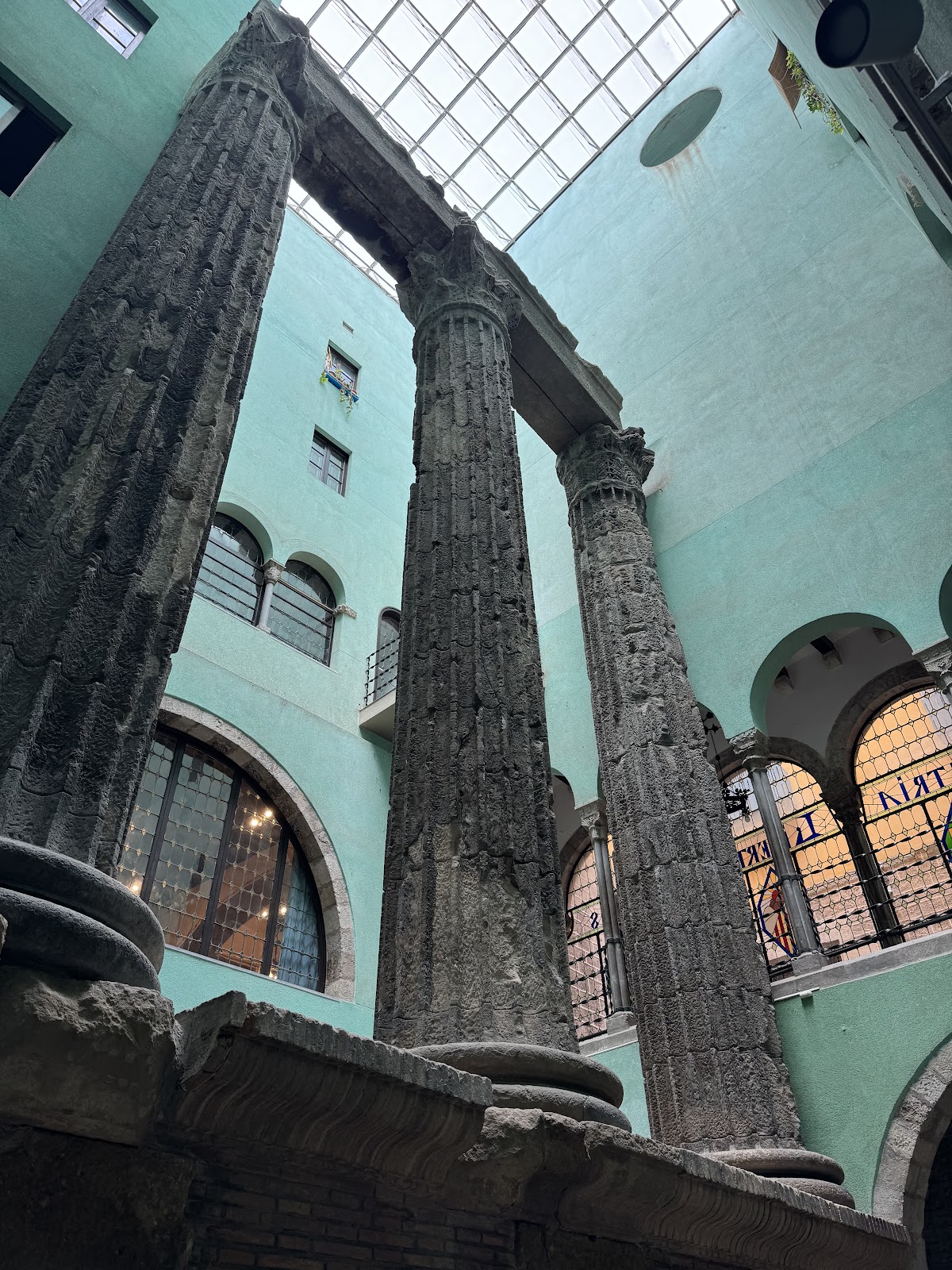
Barcelona · 🎨 Museum · 🚶 1 min walk
Temple d'August
20 min
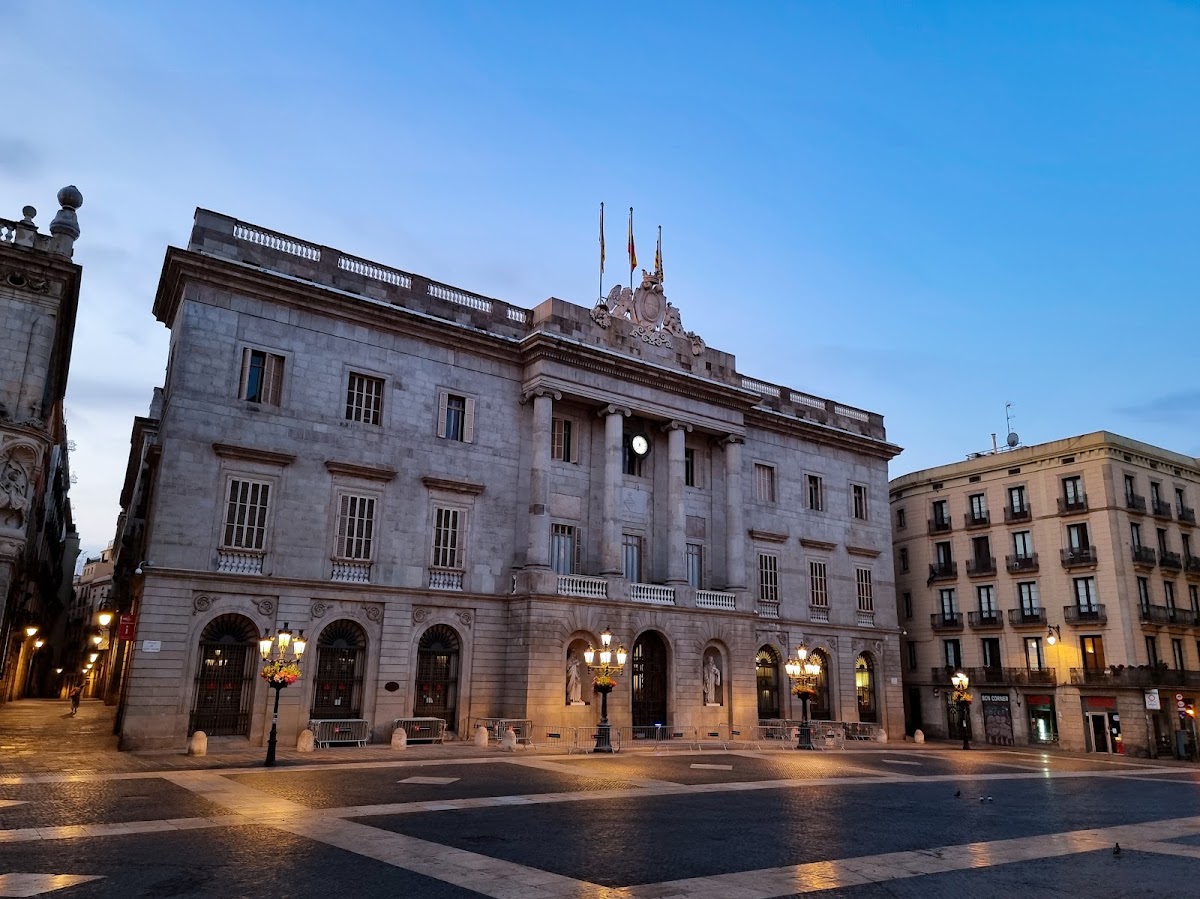
Barcelona · 🏛️ Landmark · 🚶 1 min walk
Barcelona City Hall
20 min
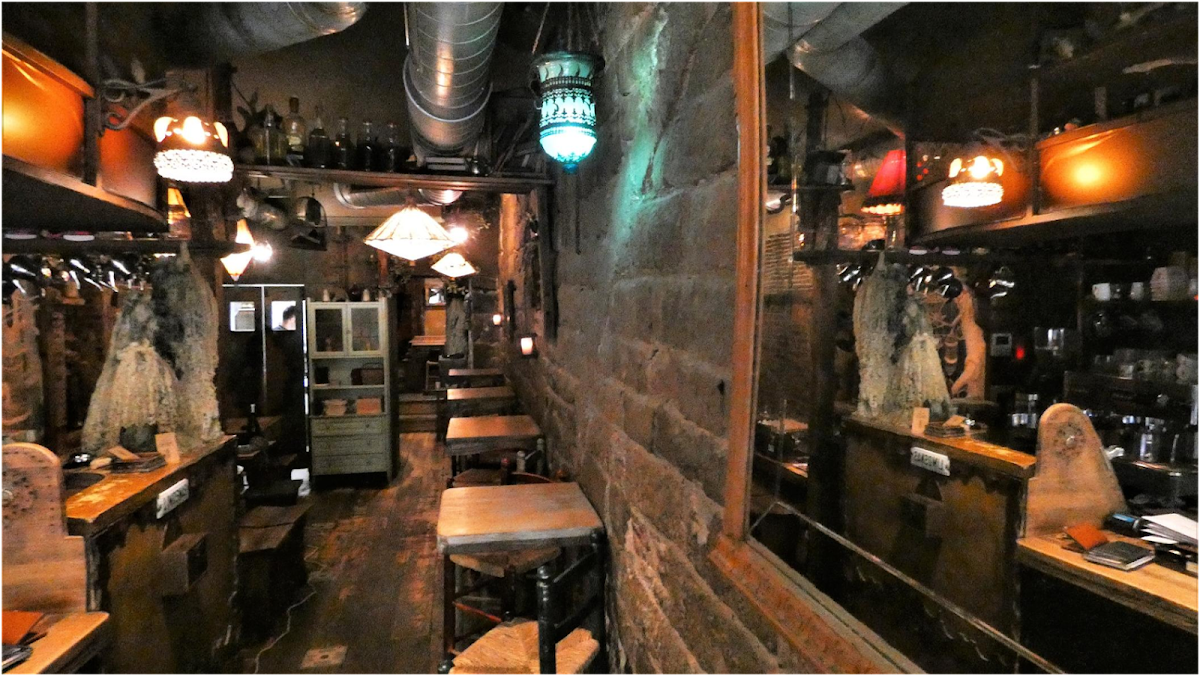
Barcelona · 🍽️ Food · 🚶 2 min walk
La Alcoba Azul
1h15
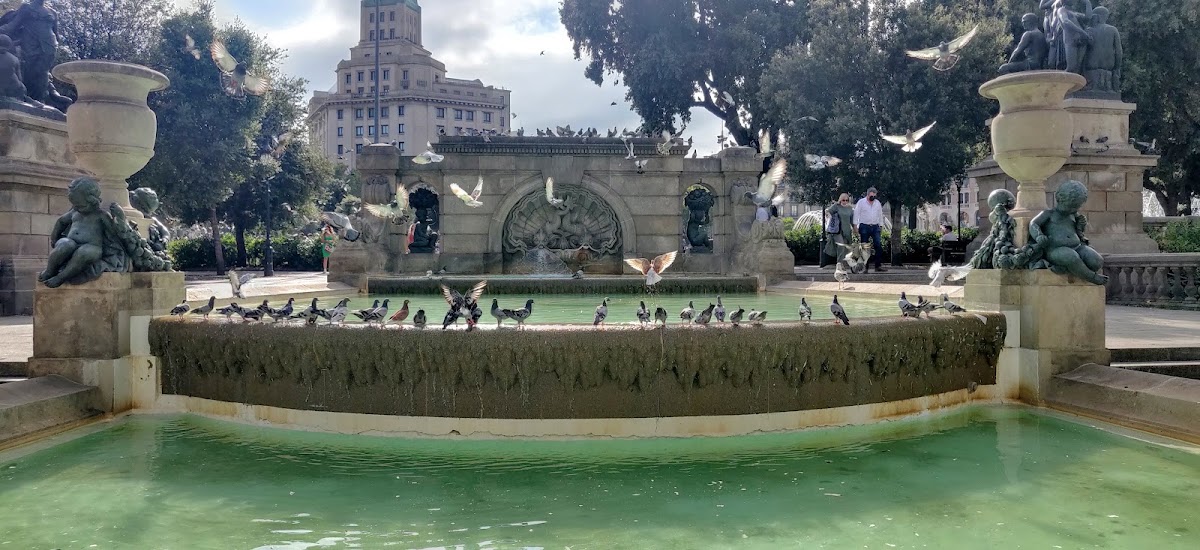
Barcelona · 🚶 Neighborhoods · 🚶 2 min walk
Gothic Quarter
1h30
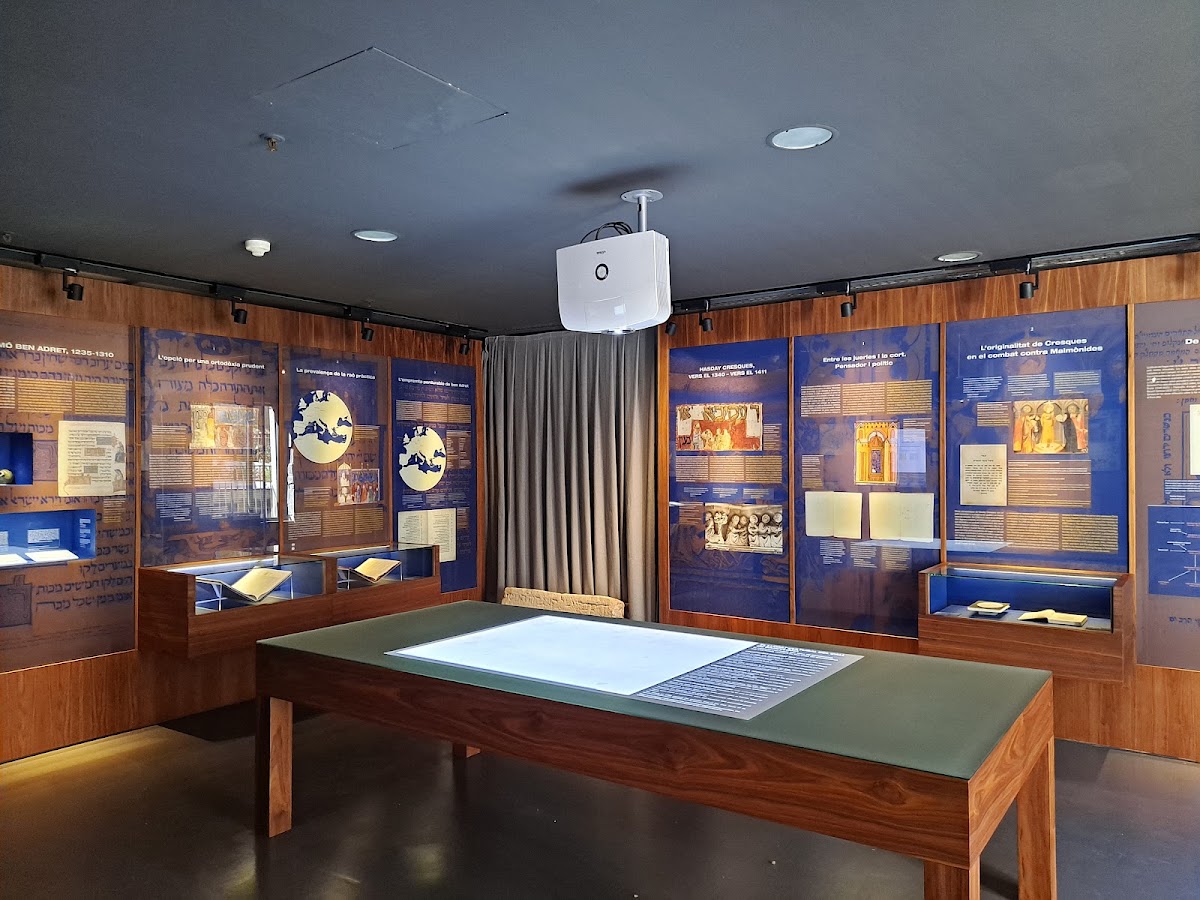
Barcelona · 🎨 Museum · 🚶 2 min walk
MUHBA El Call
30 min
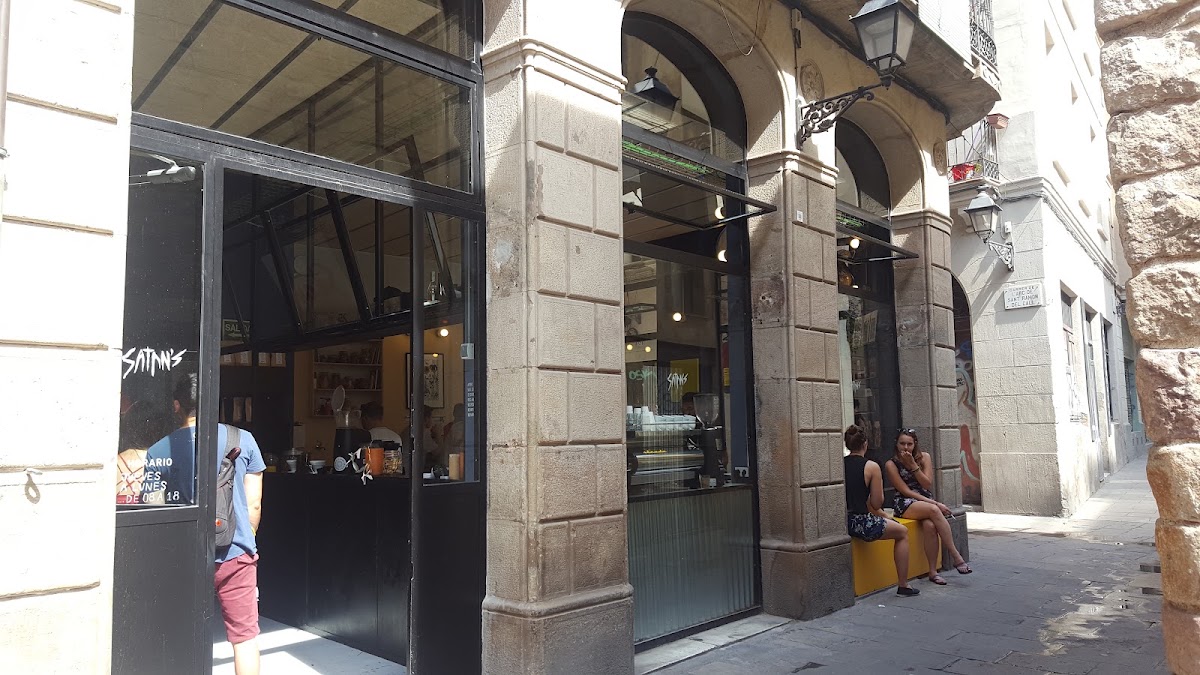
Barcelona · ☕ Coffeebreak · 🚶 2 min walk
Right Side Coffee Bar
25 min
Build your itinerary
City
Dates
Choose your Explorer profile