The Globe Map

Home · Rome · Walking tours

Discover Rome’s 16 best Walking tours spots for your trip

From the classic Trastevere and Borgo, to lesser-known spots worth adding to your trip.

  • Prices & booking information
  • Opening hours & visit duration
  • Best time to visit
  • Location & practical information
  • Local tips for every spot
Trastevere1
🚶
Free

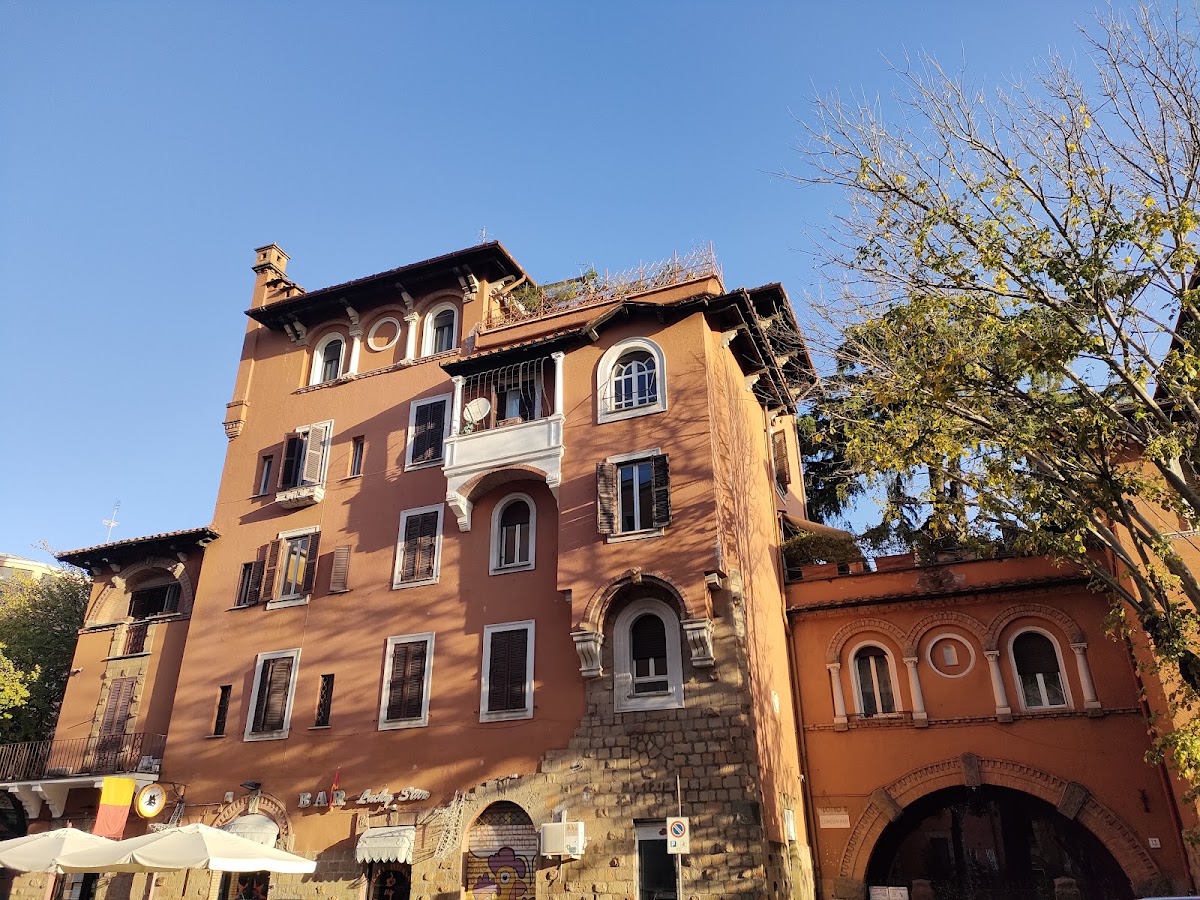
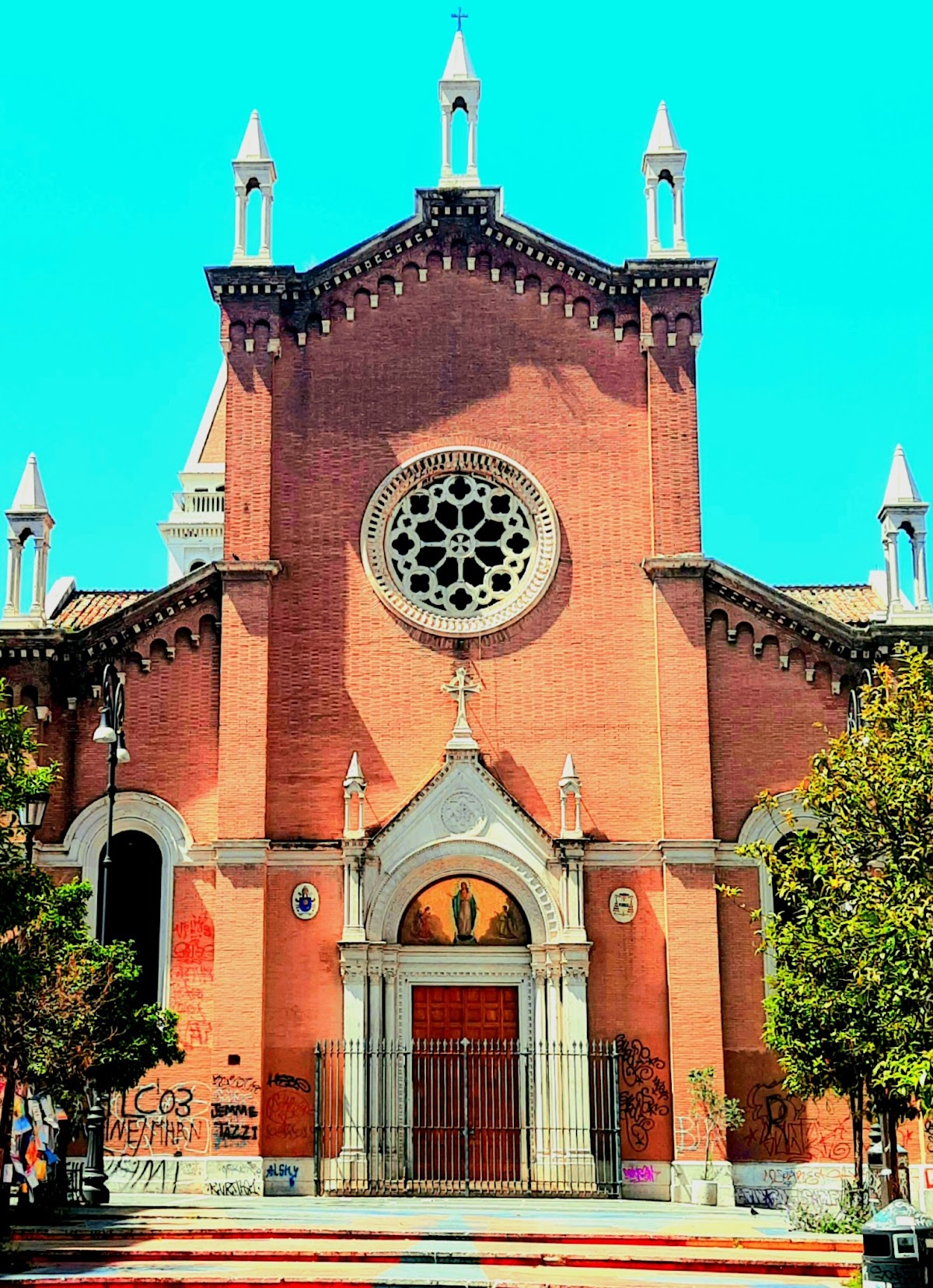
Trastevere ('across the Tiber') kept a working-class, insular character for centuries, separate enough from central Rome to develop its own dialect and traditions, and that slightly separate feel survives in its tangle of narrow, ochre-walled streets. Santa Maria in Trastevere, one of Rome's oldest churches, anchors a piazza that fills with students, tourists, and street musicians by evening.

Ivy and laundry lines hang over cobblestones barely wide enough for a Vespa, and the neighbourhood's density of trattorias and bars makes it the city's favourite spot for a long dinner or a late night out. It's at its most atmospheric after dark, once the day-trip crowds thin out.

✨ Reasons to go

  • 1Santa Maria in Trastevere's mosaics were created by Pietro Cavallini in the late 13th century, among the finest examples of Roman mosaic art.
  • 2The basilica anchoring the piazza traces its origins to the 3rd century AD, making it one of Rome's oldest churches.
  • 3Trastevere's centuries of separation from central Rome across the Tiber let it develop its own dialect and traditions, still felt in its narrow, ochre-walled streets.

💡 Good to know

  • 1Come in the early evening and stay for dinner, as the neighbourhood peaks after dark
  • 2sit for a while in Piazza Santa Maria in Trastevere
  • 3wander without a map — getting a little lost is part of the appeal.

⏱️ Typical visit

1h15

🕰️ Best time

early evening or evening

🚶 Walking intensity

Active — lots of walking

📍

Address

Trastevere, Rome, Metropolitan City of Rome Capital, Italy · Trastevere
Borgo2
🚶
Free

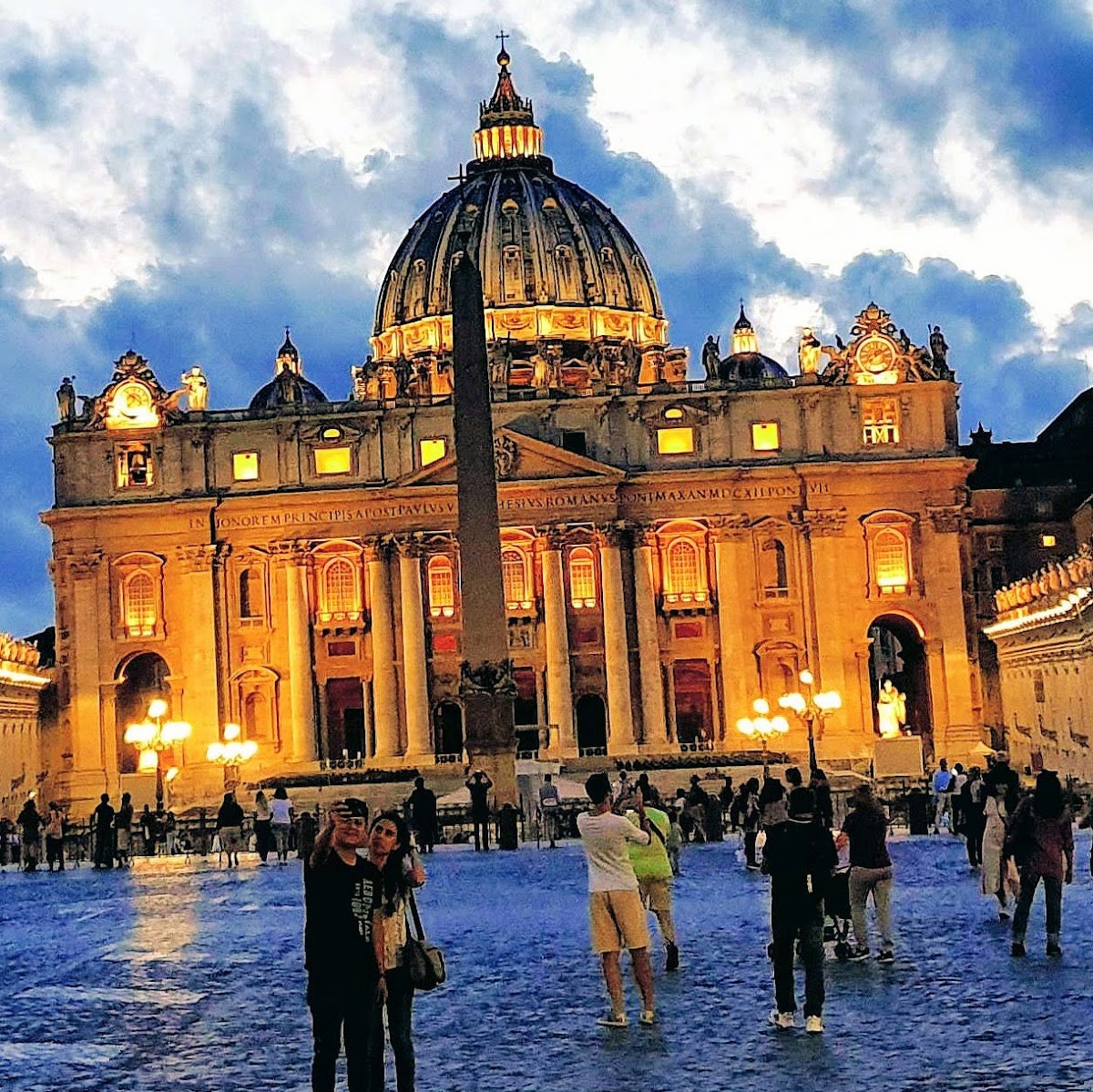
Borgo grew up around the earliest pilgrim routes to St Peter's and kept its medieval, walled character even as part of the district was demolished under Mussolini to create Via della Conciliazione, the broad avenue that now delivers a dramatic, deliberately staged first view of St Peter's dome from the river. Castel Sant'Angelo, originally Hadrian's mausoleum and later a papal fortress and prison, anchors the neighbourhood's northern end, connected to the Vatican by a secret elevated passage still visible along its wall.

The surviving narrow lanes just off the main avenue, like Borgo Pio, retain a quieter, more residential medieval feel. It functions largely as the approach to the Vatican, but rewards a slower look on its own terms.

✨ Reasons to go

  • 1Via della Conciliazione was carved through the medieval district under Mussolini to create a staged approach to St Peter's dome.
  • 2Castel Sant'Angelo began as Hadrian's mausoleum before becoming a papal fortress and prison.
  • 3A secret elevated passage, the Passetto, still runs along the fortress wall connecting it to the Vatican.

💡 Good to know

  • 1Walk Via della Conciliazione toward St Peter's for the classic framed view of the dome
  • 2visit Castel Sant'Angelo, especially for the rooftop views over Rome
  • 3explore the quieter side streets like Borgo Pio away from the main avenue.

⏱️ Typical visit

1h15

🕰️ Best time

morning, afternoon or early evening

🚶 Walking intensity

Active — lots of walking

📍

Address

Borgo, Rome, Metropolitan City of Rome Capital, Italy · Borgo
Monti3
🚶
Free

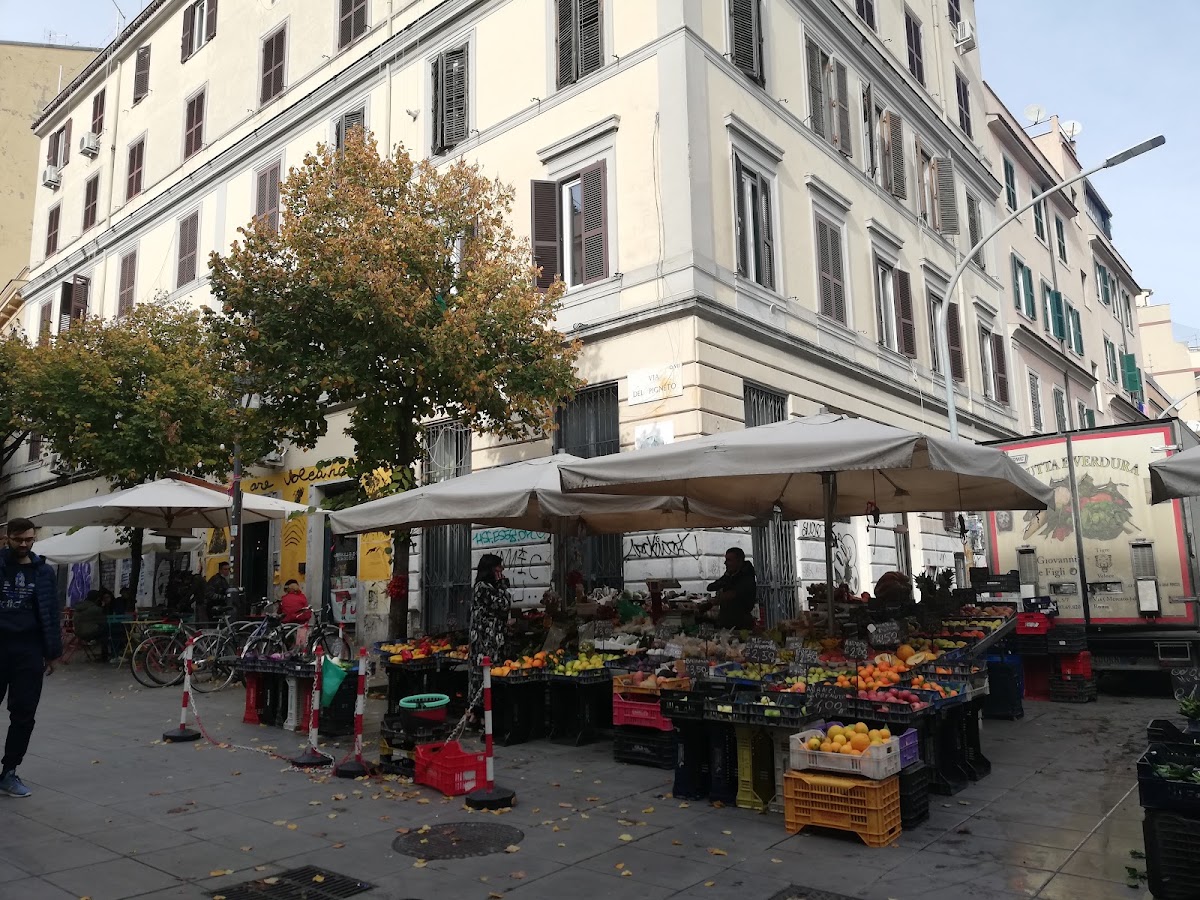
Monti was once one of Rome's poorest and roughest districts — ancient Suburra, home to the city's slums in Roman times — before its low rents and medieval-village layout attracted artisans, designers, and a wave of small wine bars from the 2000s onward. Via del Boschetto and Via dei Serpenti are lined with independent boutiques and vintage clothing shops rather than chains, and the small triangular Piazza della Madonna dei Monti, with its fountain, is the neighbourhood's social hub in the evening.

It sits directly behind the Colosseum and Roman Forum, making it a natural, quieter place to end a day of ruins. The atmosphere is closer to a small Italian town than the historic centre nearby.

✨ Reasons to go

  • 1This neighborhood was ancient Rome's Suburra, a notoriously overcrowded slum district in Roman times.
  • 2The triangular Piazza della Madonna dei Monti, with its fountain, serves as the area's evening social hub.
  • 3Via del Boschetto and Via dei Serpenti are known for independent boutiques and vintage shops rather than chain stores.

💡 Good to know

  • 1Combine with a visit to the Colosseum or Roman Forum, both a short walk away
  • 2browse Via del Boschetto and Via dei Serpenti for vintage and independent shops
  • 3have an evening aperitivo in Piazza della Madonna dei Monti.

⏱️ Typical visit

1h15

🕰️ Best time

afternoon, early evening or evening

🚶 Walking intensity

Active — lots of walking

📍

Address

Monti, Rome, Metropolitan City of Rome Capital, Italy · Monti
Quartiere I Flaminio4
🚶
Free

Flaminio sits along the ancient Via Flaminia just north of the historic centre, but its current identity is defined by 21st-century architecture rather than antiquity: Zaha Hadid's MAXXI, Italy's national museum of 21st-century art, occupies a dramatic, curving concrete building that's one of Rome's few genuinely contemporary landmarks. The neighbourhood also holds Pier Luigi Nervi's mid-century Stadio Flaminio and sits close to the Auditorium Parco della Musica and the Foro Italico sports complex across the Tiber.

It's a useful counterpoint for visitors who've spent days among ruins and churches and want to see how Rome handles modern design. Villa Borghese's northern edge is within easy walking distance.

✨ Reasons to go

  • 1MAXXI, designed by Zaha Hadid, is Italy's national museum of 21st-century art and one of Rome's few contemporary architectural landmarks.
  • 2The neighbourhood contains Pier Luigi Nervi's mid-century Stadio Flaminio.
  • 3It sits along the ancient Via Flaminia, near the Auditorium Parco della Musica and Foro Italico across the Tiber.

💡 Good to know

  • 1Visit MAXXI for contemporary art and architecture in one stop
  • 2combine with a concert at the nearby Auditorium Parco della Musica
  • 3walk south into Villa Borghese to connect with the historic centre.

⏱️ Typical visit

1h15

🕰️ Best time

morning or afternoon

🚶 Walking intensity

Active — lots of walking

📍

Address

Quartiere I Flaminio, Roma RM, Italy · Quartiere I Flaminio
Prati5
🚶
Free

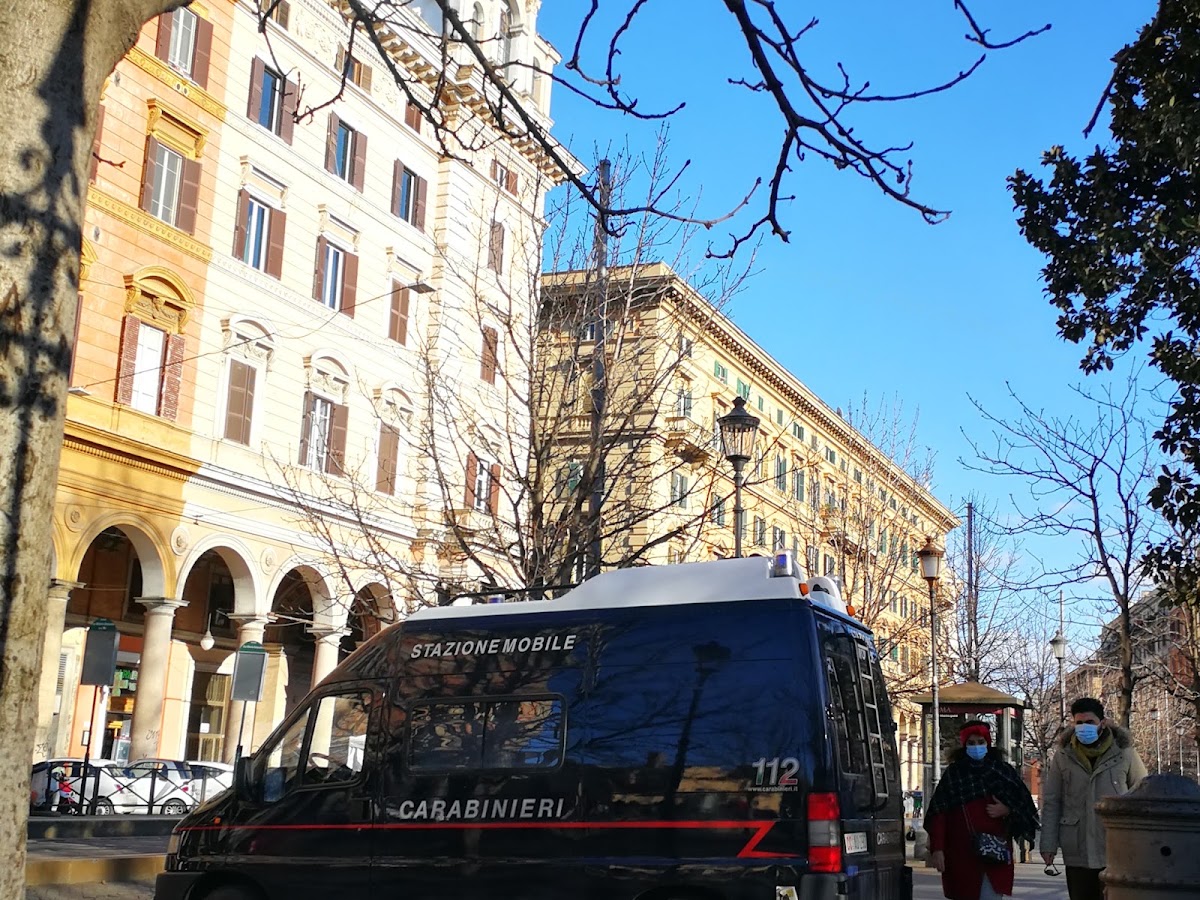
Prati was laid out after Italian unification as a formal, grid-planned district for the professional classes, and its wide 19th-century boulevards and apartment blocks still feel distinctly more orderly than Rome's older, tangled centre. Via Cola di Rienzo is its main shopping spine, lined with mid-range and designer boutiques and considered one of Rome's best streets for a serious shopping stop.

Its position right next to Vatican City and St Peter's makes it a practical, less touristy base for exploring the Vatican Museums and Basilica without the inflated prices of the immediate tourist zone. The area also has some of the city's better everyday restaurants, aimed at residents rather than visitors.

✨ Reasons to go

  • 1Laid out after Italian unification as a planned grid district for the professional classes, unlike Rome's older, winding centre.
  • 2Via Cola di Rienzo is regarded as one of Rome's best shopping streets, mixing Italian and international brands.
  • 3Its location beside Vatican City makes it a base for visiting St Peter's and the Vatican Museums without the inflated prices of the immediate tourist zone.

💡 Good to know

  • 1Shop Via Cola di Rienzo for a mix of Italian and international brands
  • 2use it as a quieter, well-connected base for visiting the Vatican
  • 3eat at a neighbourhood trattoria here rather than near St Peter's for better value.

⏱️ Typical visit

1h15

🕰️ Best time

morning, lunchtime or afternoon

🚶 Walking intensity

Active — lots of walking

📍

Address

Prati, Rome, Metropolitan City of Rome Capital, Italy · Prati
EUR6
🚶
Free

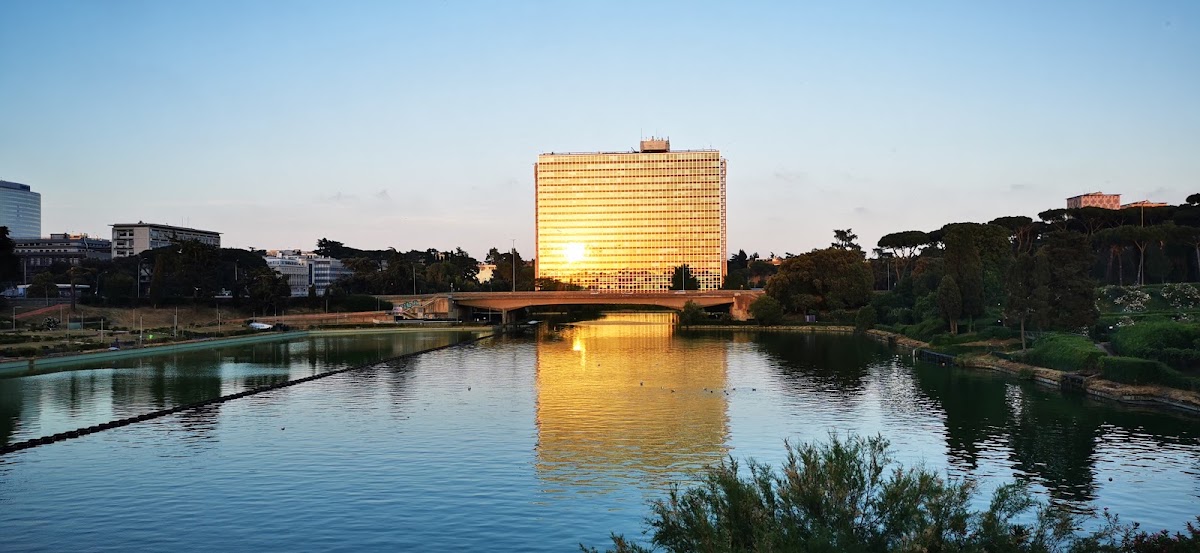
EUR (Esposizione Universale Roma) was commissioned by Mussolini for a 1942 world's fair that never happened because of the war, leaving behind a district of stark, symmetrical rationalist architecture unlike anywhere else in Rome. Its best-known building, the Palazzo della Civiltà Italiana, is a squared-off, arched structure nicknamed the 'Square Colosseum' that has become an unlikely fashion and architecture icon, with Fendi's headquarters inside it.

Wide boulevards, a large artificial lake, and museums including the Museum of Roman Civilization give the area an oddly spacious, almost surreal feel compared to the density of central Rome. It's a striking detour for anyone interested in 20th-century architecture and history rather than classical antiquity.

✨ Reasons to go

  • 1Commissioned by Mussolini for a 1942 world's fair that was cancelled due to World War II
  • 2The Palazzo della Civiltà Italiana, nicknamed the 'Square Colosseum,' now houses Fendi's headquarters
  • 3The Museum of Roman Civilization displays large-scale models reconstructing ancient Rome

💡 Good to know

  • 1Photograph the Palazzo della Civiltà Italiana, most striking in late afternoon light
  • 2walk around the EUR lake for a quieter, spacious contrast to central Rome
  • 3visit the Museum of Roman Civilization for its scale models of ancient Rome.

⏱️ Typical visit

1h30

🕰️ Best time

morning or afternoon

🚶 Walking intensity

Active — lots of walking

📍

Address

EUR, 00144 Rome, Metropolitan City of Rome Capital, Italy · EUR
Ostiense7
🚶
Free

Ostiense grew around Rome's early 20th-century port and rail infrastructure, and the disused gasometer that still looms over the skyline has become an unofficial symbol of the neighbourhood's industrial past. Former factories and warehouses along Via Ostiense have been converted into clubs, breweries, and event spaces, and the area holds some of Rome's largest street art, including block-long murals commissioned as part of urban regeneration projects.

The ancient Pyramid of Cestius and Porta San Paolo mark its edge toward the historic centre, an odd but striking juxtaposition of Roman antiquity and industrial decay. It's one of Rome's better nightlife options for locals rather than tourists.

✨ Reasons to go

  • 1A disused early-20th-century gasometer serves as the neighbourhood's unofficial landmark.
  • 2Via del Porto Fluviale features block-long murals from urban regeneration projects.
  • 3The ancient Pyramid of Cestius sits right at the edge of this industrial district.

💡 Good to know

  • 1Look for the large-scale street murals along Via del Porto Fluviale and nearby streets
  • 2visit the Pyramid of Cestius at Porta San Paolo on the way in
  • 3return after dark for the club and bar scene in the converted warehouses.

⏱️ Typical visit

1h15

🕰️ Best time

afternoon, early evening or evening

🚶 Walking intensity

Active — lots of walking

📍

Address

Ostiense, Rome, Metropolitan City of Rome Capital, Italy · Ostiense
Celio8
🚶
Free

The Celio is one of Rome's original seven hills, and though it sits directly behind the Colosseum, it stays notably quieter than the surrounding tourist zone, much of it covered by the shaded Villa Celimontana park. Beneath the Basilica of San Clemente, one of Rome's best hidden layered sites, visitors can descend through a 12th-century church into a 4th-century basilica and further down into a 1st-century Roman house and Mithraic temple.

The area also holds the Case Romane del Celio, excavated Roman houses beneath the Basilica of Saints John and Paul. It rewards visitors who want ancient and early Christian Rome without the Colosseum's crowds.

✨ Reasons to go

  • 1The Celio is one of Rome's original seven hills, sitting directly behind the Colosseum.
  • 2San Clemente basilica stacks three eras vertically: a 12th-century church over a 4th-century basilica over a 1st-century Roman house and Mithraic temple.
  • 3The Case Romane del Celio preserves excavated Roman houses beneath the Basilica of Saints John and Paul.

💡 Good to know

  • 1Descend through the layers of the Basilica of San Clemente, one of Rome's best under-the-radar sights
  • 2rest in the shade of Villa Celimontana park
  • 3combine with the Colosseum, since it's only a short walk away.

⏱️ Typical visit

1h15

🕰️ Best time

morning or afternoon

🚶 Walking intensity

Active — lots of walking

📍

Address

Celio, Rome, Metropolitan City of Rome Capital, Italy · Celio
Esquilino9
🚶
Free

The Esquilino, Rome's largest ancient hill, is now home to the city's most ethnically diverse population, its streets around Piazza Vittorio Emanuele II lined with Chinese, Bangladeshi, and North African grocers and restaurants rather than the trattorias typical elsewhere in Rome. Despite that modern immigrant character, it holds major ancient and religious sites, including the Basilica of Santa Maria Maggiore, one of Rome's four papal basilicas, and the ruins of the Baths of Trajan and Nero's Domus Aurea nearby.

Its position right next to Termini, Rome's main train station, means many visitors pass through without stopping. It's one of the more honest, unvarnished slices of how contemporary Rome actually lives.

✨ Reasons to go

  • 1It sits atop the largest of Rome's ancient seven hills.
  • 2Santa Maria Maggiore is one of only four papal basilicas in Rome.
  • 3The Domus Aurea, Nero's palace, lies in ruins nearby beneath the district.

💡 Good to know

  • 1Visit Santa Maria Maggiore, one of Rome's grandest and least crowded major basilicas
  • 2walk Piazza Vittorio Emanuele II for a very different, multicultural side of Rome
  • 3keep an eye on belongings near Termini station, as with any major transit hub.

⏱️ Typical visit

1h15

🕰️ Best time

morning or lunchtime

🚶 Walking intensity

Active — lots of walking

📍

Address

Esquilino, Rome, Metropolitan City of Rome Capital, Italy · Esquilino
Quartiere San Lorenzo10
🚶
Free

San Lorenzo grew up as a working-class neighbourhood around Rome's main railway yards and was heavily bombed in World War II, leaving a rougher industrial edge that never fully softened. Its proximity to Sapienza University, one of Europe's largest, has made it Rome's main student and alternative district, its walls covered in political murals and street art and its bars staying open later than almost anywhere else in the city.

It lacks marquee sights, trading them for cheap pizza al taglio, politics on the walls, and a genuinely local, unpolished nightlife scene. It's one of the few central Rome neighbourhoods that still feels lived-in by young Romans rather than shaped around tourists.

✨ Reasons to go

  • 1The neighbourhood was heavily bombed in World War II, giving it a rougher, unrestored industrial character.
  • 2Its location next to Sapienza University, one of Europe's largest, made it Rome's main student and alternative district.
  • 3Its walls are covered in political murals and street art reflecting a long history of local activism.

💡 Good to know

  • 1Visit in the evening when the bar and student scene is active
  • 2look for the neighbourhood's political street art and murals
  • 3grab pizza al taglio rather than a sit-down meal for the authentic local experience.

⏱️ Typical visit

1h15

🕰️ Best time

early evening or evening

🚶 Walking intensity

Active — lots of walking

📍

Address

Quartiere San Lorenzo, 00185 Rome, Metropolitan City of Rome Capital, Italy · Quartiere San Lorenzo
Pigneto11
🚶
Free

Pigneto was a poor, semi-rural outskirt when filmmaker Pier Paolo Pasolini used its streets as the setting for his early neorealist films in the 1960s, and that gritty, unpolished character has since been reclaimed by artists, musicians, and a wave of independent bars along its pedestrianised main strip, Via del Pigneto. The area still has a rougher, more working-class feel than central Rome's tourist districts, which is a large part of its appeal to a younger, more alternative crowd.

It's known today as one of Rome's best neighbourhoods for aperitivo and live music rather than for any single sight. Its low profile with tourists keeps prices lower and the atmosphere more genuinely local.

✨ Reasons to go

  • 1Pier Paolo Pasolini filmed early neorealist movies on these streets in the 1960s.
  • 2Via del Pigneto, the pedestrianised main strip, developed from a poor semi-rural outskirt into an alternative bar and live-music hub.

💡 Good to know

  • 1Walk pedestrianised Via del Pigneto for its bars and street life
  • 2come in the early evening for aperitivo
  • 3treat it as a nightlife-and-atmosphere stop rather than a sightseeing one.

⏱️ Typical visit

1h15

🕰️ Best time

early evening or evening

🚶 Walking intensity

Active — lots of walking

📍

Address

Pigneto, Rome, Metropolitan City of Rome Capital, Italy · Pigneto
Garbatella12
🚶
Free

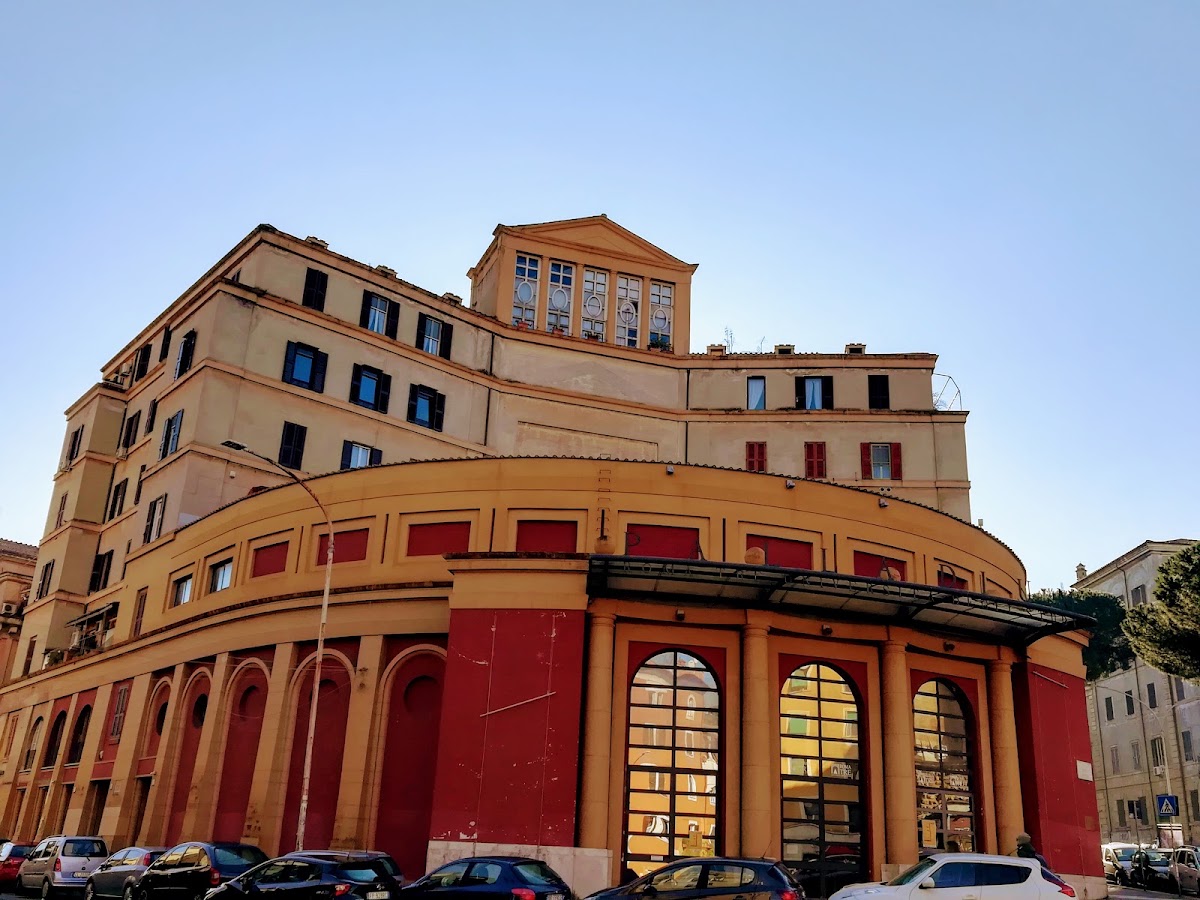
Garbatella was built in the 1920s as a garden-city style workers' district, its housing organised into distinctive 'lotti' — clusters of low apartment blocks arranged around shared internal courtyards and gardens rather than facing the street directly. The result is a leafy, villagey layout that feels closer to a small town than the Roman grid, with balconies, ivy, and communal spaces that still function as genuine neighbourhood life rather than tourist backdrop.

It has almost no marquee sights, which is precisely why it appeals to visitors curious about how ordinary Romans actually live. Local markets, unassuming trattorias, and a strong sense of community identity define it more than any single monument.

✨ Reasons to go

  • 1Built in the 1920s as a garden-city district, its housing is organised into 'lotti' — clusters of low blocks around shared courtyards rather than facing the street.
  • 2The layout deliberately breaks from Rome's street grid, giving the district a small-town, villagey feel unusual for the capital.

💡 Good to know

  • 1Wander into the internal courtyards of the lotti, Rome's most distinctive residential architecture
  • 2visit on a weekday to see everyday neighbourhood life rather than a tourist scene
  • 3pair with a local trattoria meal rather than a sightseeing checklist.

⏱️ Typical visit

1h15

🕰️ Best time

morning, lunchtime or afternoon

🚶 Walking intensity

Active — lots of walking

📍

Address

00154 Garbatella, Metropolitan City of Rome Capital, Italy · Garbatella
Quadraro13
🚶
Free

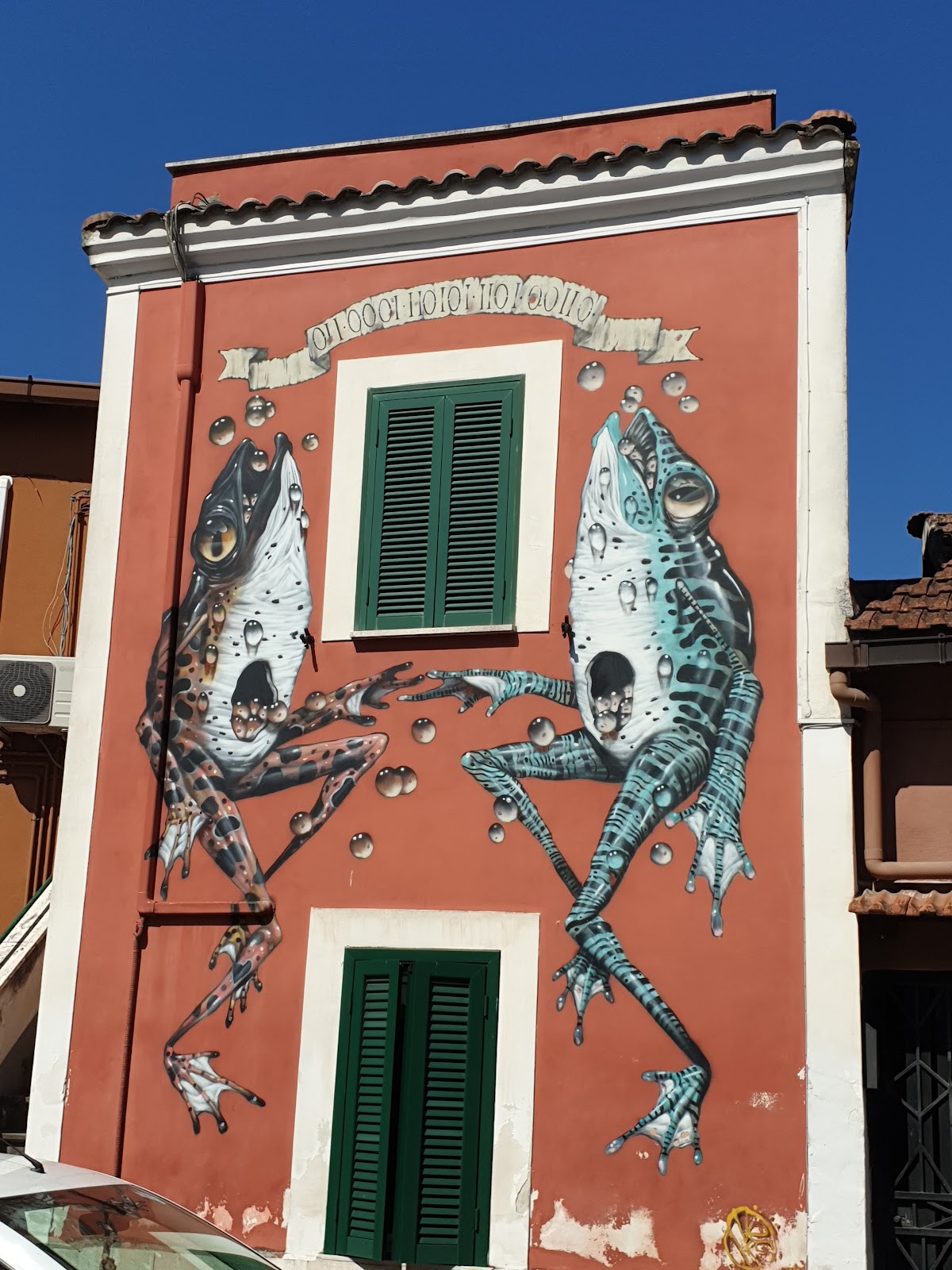
Quadraro earned the nickname 'little Moscow' for its strong anti-fascist sympathies, and was the target of a mass Nazi round-up in 1944 in reprisal for partisan resistance activity, a history the neighbourhood still marks with memorials. That working-class, community-oriented identity persists today, and since 2010 the MURo project has turned building facades across the district into a genuinely large open-air street art museum, with dozens of murals by Italian and international artists.

It remains largely residential and untouristed, well outside the usual circuits of central Rome. Visitors come specifically for the street art and the neighbourhood's under-the-radar, authentic character rather than any classical ruins.

✨ Reasons to go

  • 1Nicknamed 'little Moscow' for its strong anti-fascist history, targeted by a 1944 Nazi round-up in reprisal for partisan resistance
  • 2Since 2010 the MURo project has covered building facades with dozens of murals by Italian and international street artists
  • 3Sits just outside the touristed core of Rome, offering an authentic working-class neighbourhood contrast to the nearby ancient Parco degli Acquedotti

💡 Good to know

  • 1Follow the MURo street art trail, using a map of mural locations if available
  • 2visit on foot during daylight to see the murals properly
  • 3combine with a visit to the nearby Parco degli Acquedotti for a very different, ancient contrast.

⏱️ Typical visit

1h15

🕰️ Best time

morning or afternoon

🚶 Walking intensity

Active — lots of walking

📍

Address

Quadraro, 00174 Roma RM, Italy · Quadraro
Parioli14
🚶
Free

Parioli was developed in the early-to-mid 20th century as a garden suburb for Rome's professional and diplomatic classes, and it remains one of the city's wealthiest, most residential addresses, its wide tree-lined avenues largely free of the crowds found in the historic centre. Many foreign embassies are based here, and Renzo Piano's Auditorium Parco della Musica, one of Rome's major concert venues, sits at its edge alongside Villa Glori park.

It borders Villa Borghese, so the two green areas together offer one of the largest continuous stretches of park and quiet streets in central Rome. There is little conventional sightseeing here — it's a neighbourhood for a calm walk or a concert rather than a checklist of monuments.

✨ Reasons to go

  • 1Renzo Piano designed the Auditorium Parco della Musica, one of Rome's major concert venues, on the neighbourhood's edge.
  • 2Parioli was laid out in the early-to-mid 20th century as a garden suburb for Rome's professional and diplomatic classes, giving it wide tree-lined avenues rather than historic monuments.
  • 3It borders Villa Borghese and Villa Glori, together forming one of the largest continuous stretches of park and quiet streets in central Rome.

💡 Good to know

  • 1Combine with a walk through neighbouring Villa Borghese
  • 2check what's on at the Auditorium Parco della Musica
  • 3expect a quiet, residential pace rather than tourist sights.

⏱️ Typical visit

1h15

🕰️ Best time

morning, lunchtime or afternoon

🚶 Walking intensity

Active — lots of walking

📍

Address

Parioli, Rome, Metropolitan City of Rome Capital, Italy · Parioli
Tor Marancia15
🚶
Free

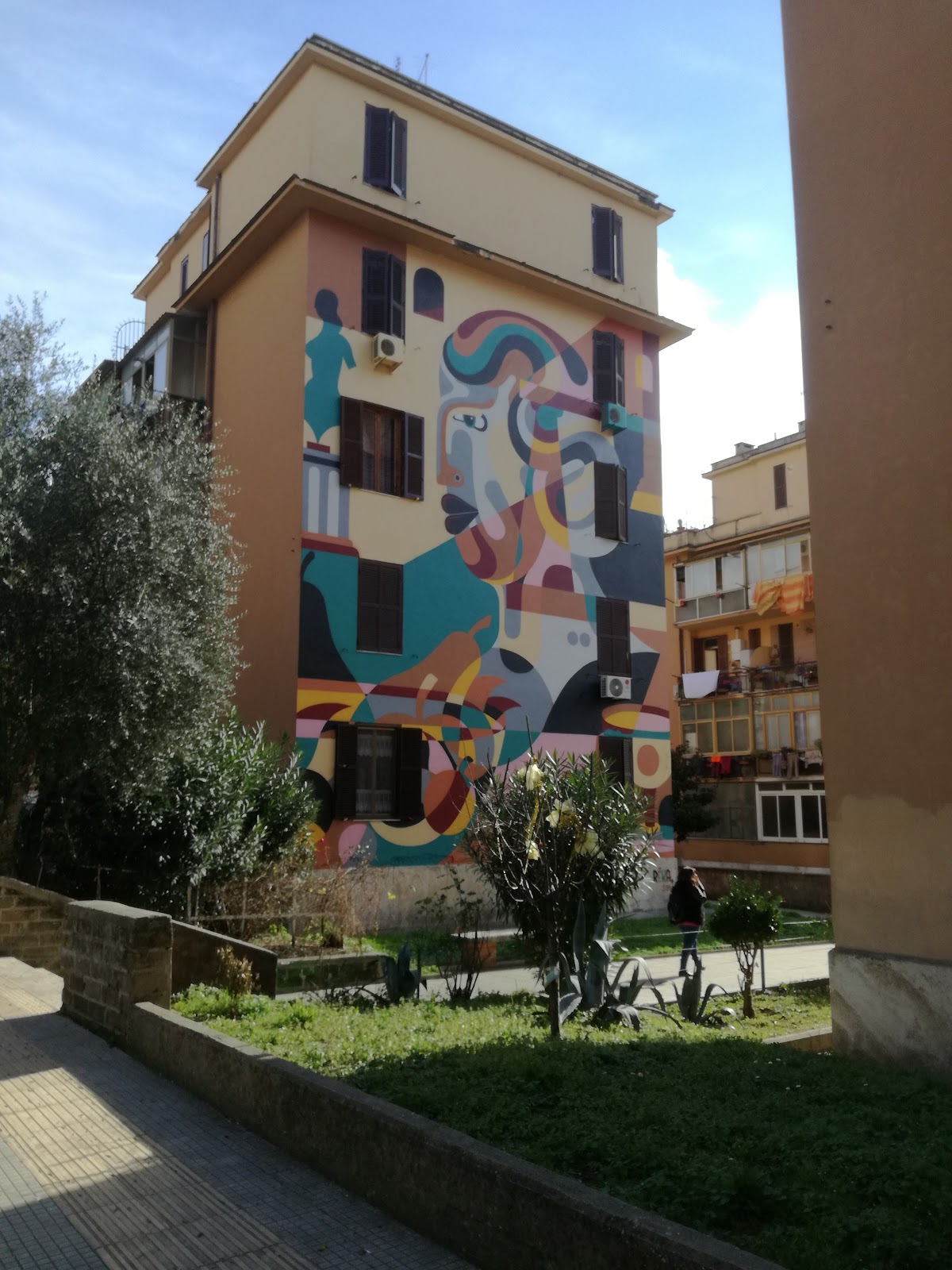
Tor Marancia was an unremarkable post-war public housing district until the 2015 Big City Life project commissioned a group of international street artists to cover its apartment blocks in large-scale murals, turning ordinary residential facades into an outdoor gallery. The murals address social and human themes rather than purely decorative ones, giving the estate a distinct identity it lacked before.

It sits south of the historic centre near the Appian Way and the Catacombs, making it feasible to combine with ancient sites on the same trip out of the centre. It remains a real, lived-in neighbourhood rather than a tourist attraction dressed up as one, so visits should be respectful of residents.

✨ Reasons to go

  • 1The Big City Life project (2015) commissioned international street artists to paint large-scale murals across the estate's apartment blocks.
  • 2The murals focus on social and human themes rather than decorative imagery.
  • 3The neighbourhood is close enough to the Appian Way and the Catacombs to combine both in one trip.

💡 Good to know

  • 1Walk the Big City Life mural trail across the housing blocks, respecting that residents live there
  • 2combine with a visit to the nearby Appian Way and catacombs
  • 3visit during the day, as it's primarily a daytime, walking-focused stop.

⏱️ Typical visit

1h15

🕰️ Best time

morning or afternoon

🚶 Walking intensity

Active — lots of walking

📍

Address

Tor Marancia, 00147 Roma RM, Italy · Tor Marancia
Monteverde16
🚶
Free

Monteverde grew up on the slopes behind the Gianicolo hill in the late 19th and early 20th centuries as a middle-class residential district, and it remains defined more by everyday life than by tourist sights. Villa Doria Pamphilj, its main draw, is the largest landscaped park in Rome, considerably bigger than Villa Borghese, with shaded avenues, a lake, and wide lawns popular with local joggers and picnicking families rather than tour groups.

The neighbourhood's edge along the Gianicolo hill also offers one of Rome's best panoramic views over the city, near the Garibaldi monument. It's a good choice for anyone wanting green space and quiet without leaving the city.

✨ Reasons to go

  • 1Villa Doria Pamphilj is Rome's largest landscaped park, larger than Villa Borghese.
  • 2The neighbourhood borders the Gianicolo hill, home to one of Rome's best panoramic viewpoints near the Garibaldi monument.

💡 Good to know

  • 1Spend an hour or two walking or picnicking in Villa Doria Pamphilj
  • 2combine with the Gianicolo hill viewpoint nearby
  • 3visit on a weekend to see Roman families using the park.

⏱️ Typical visit

1h15

🕰️ Best time

morning or afternoon

🚶 Walking intensity

Active — lots of walking

📍

Address

Monteverde, 00152 Roma RM, Italy · Monteverde