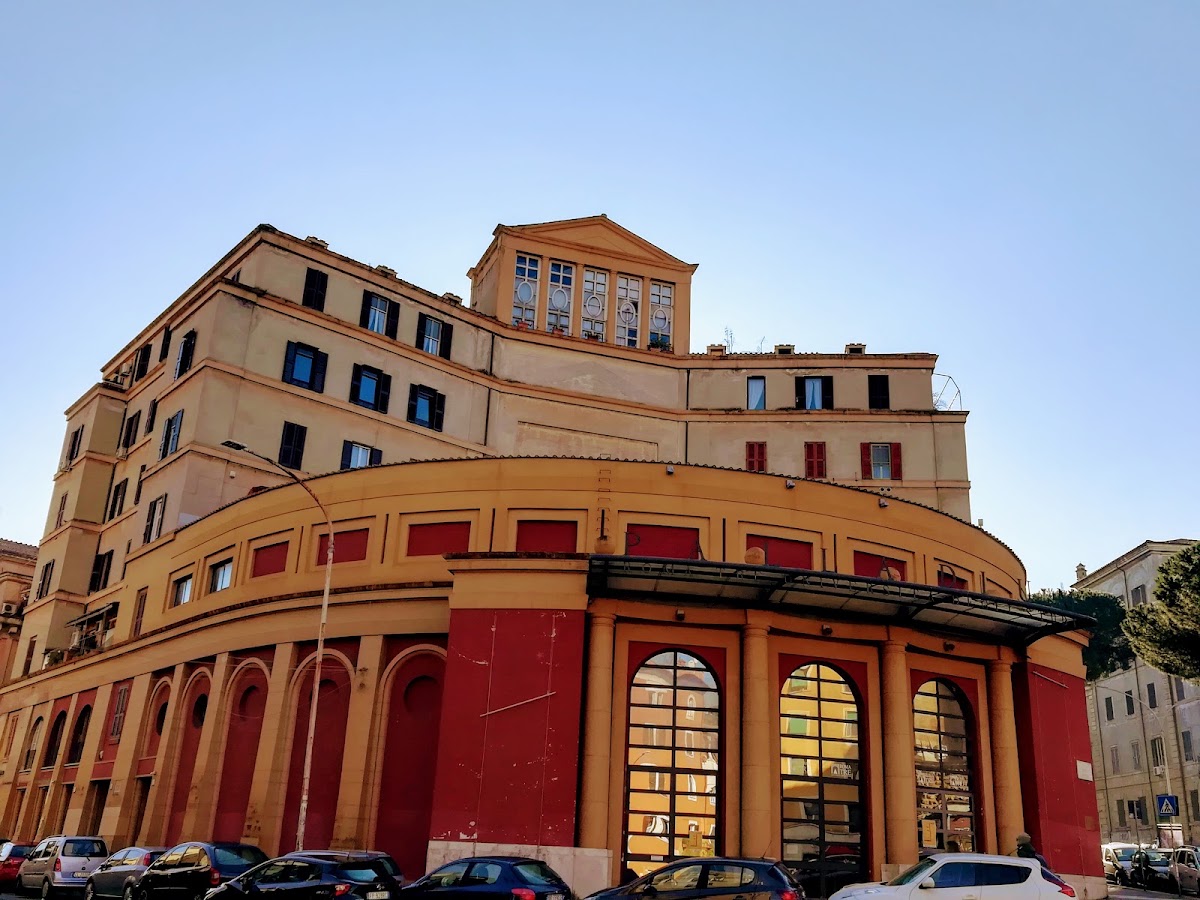
Explore Garbatella, Rome's 1920s garden suburb far from the tourist trail. Wander courtyard housing blocks and quiet piazzas, browse local markets, and see how everyday Romans actually live.
Reasons to go
Full description
Garbatella was built in the 1920s as a garden-city style workers' district, its housing organised into distinctive 'lotti' — clusters of low apartment blocks arranged around shared internal courtyards and gardens rather than facing the street directly. The result is a leafy, villagey layout that feels closer to a small town than the Roman grid, with balconies, ivy, and communal spaces that still function as genuine neighbourhood life rather than tourist backdrop.
It has almost no marquee sights, which is precisely why it appeals to visitors curious about how ordinary Romans actually live. Local markets, unassuming trattorias, and a strong sense of community identity define it more than any single monument.
Garbatella was built in the 1920s as a garden-city style workers' district, its housing organised into distinctive 'lotti' — clusters of low apartment blocks arranged around shared internal courtyards and gardens rather than facing the street directly. The result is a leafy, villagey layout that feels closer to a small town than the Roman grid, with balconies, ivy, and communal spaces that still function as genuine neighbourhood life rather than tourist backdrop.
It has almost no marquee sights, which is precisely why it appeals to visitors curious about how ordinary Romans actually live. Local markets, unassuming trattorias, and a strong sense of community identity define it more than any single monument.
Address
Booking
Duration
1h15
Best time
morning, lunchtime or afternoon
Intensity
Active — lots of walking
Good to know
Build your itinerary
City
Dates
Choose your Explorer profile