The Globe Map

Home · Barcelona · Walking tours

Discover Barcelona’s 19 best Walking tours spots for your trip

From the classic Gothic Quarter and Eixample, to lesser-known spots worth adding to your trip.

  • Prices & booking information
  • Opening hours & visit duration
  • Best time to visit
  • Location & practical information
  • Local tips for every spot
Gothic Quarter1
🚶
Free

The Barri Gòtic occupies the site of the original Roman settlement of Barcino, and though much of its 'medieval' fabric was in fact restored or reconstructed in the early 20th century, the district still delivers Barcelona's most atmospheric tangle of shadowy lanes, hidden squares, and Gothic facades. Barcelona Cathedral, with its cloister of resident geese, and the Roman walls visible near Plaça Nova anchor its historic weight, while Plaça Reial and Plaça del Pi provide lively, cafe-lined open spaces to break up the maze.

Picasso spent formative years nearby, and the area's proximity to La Rambla and El Born makes it a natural hub for wandering between Barcelona's old-town districts. It's easy to lose your sense of direction here, which is part of the experience.

✨ Reasons to go

  • 1Built on the site of the Roman settlement of Barcino, with ancient walls still visible near Plaça Nova.
  • 2Much of the district's 'medieval' appearance dates from early 20th-century restoration and reconstruction rather than the Middle Ages.
  • 3Barcelona Cathedral's cloister keeps a flock of resident geese.

💡 Good to know

  • 1Get intentionally lost in the side streets between the cathedral and Plaça Reial
  • 2visit the cathedral cloister to see its resident geese
  • 3combine with a walk into neighbouring El Born or down La Rambla.

⏱️ Typical visit

1h30

🕰️ Best time

early morning, morning or evening

🚶 Walking intensity

Active — lots of walking

📍

Address

Gothic Quarter, Ciutat Vella, Barcelona, Spain · Gothic Quarter
Eixample2
🚶
Free

Eixample ('expansion') was Ildefons Cerdà's 19th-century plan to relieve the crowded old town, laid out as a strict grid of octagonal-cornered blocks designed for light, air, and traffic flow well ahead of its time. Wealthy families competed to build the most striking Modernisme facades along Passeig de Gràcia, resulting in Gaudí's undulating Casa Batlló and Casa Milà (La Pedrera) standing within blocks of each other, alongside works by Domènech i Montaner and Puig i Cadafalch.

The district splits into Dreta (right, more upscale and formal) and Esquerra (left, home to Barcelona's main LGBTQ+ scene, 'Gaixample'), each with a slightly different character. Sagrada Família, Gaudí's unfinished basilica, sits at its eastern edge.

✨ Reasons to go

  • 1Ildefons Cerdà designed the grid's distinctive octagonal-cornered blocks in the 19th century specifically to improve light, ventilation, and traffic flow.
  • 2Casa Batlló and Casa Milà, both by Gaudí, stand within a few blocks of each other on Passeig de Gràcia alongside works by Domènech i Montaner and Puig i Cadafalch.
  • 3The district splits into Dreta and Esquerra, with Esquerra known as 'Gaixample' for hosting Barcelona's main LGBTQ+ scene.

💡 Good to know

  • 1Walk Passeig de Gràcia to see Casa Batlló and Casa Milà together
  • 2note the difference in character between Eixample Dreta and Esquerra as you cross the district
  • 3save time for Sagrada Família at its eastern end.

⏱️ Typical visit

1h30

🕰️ Best time

morning, lunchtime or afternoon

🚶 Walking intensity

Active — lots of walking

📍

Address

Eixample, Barcelona, Spain · Eixample
Montjuïc3
🚶
4.7 (5,738)Free

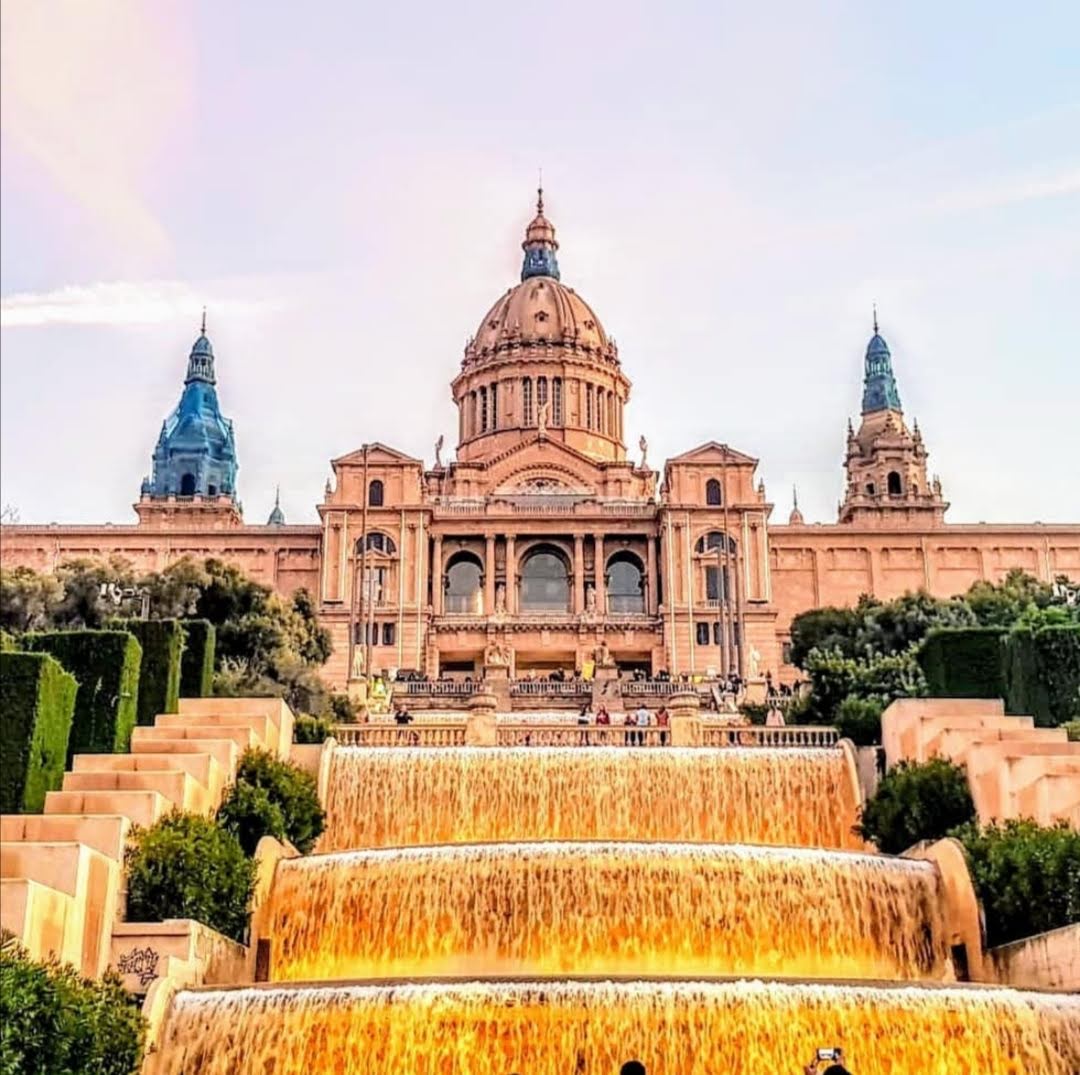
Rising abruptly from the sea just south of the old town, Montjuïc has served Barcelona as a fortress, a 1929 World's Fair site, and the main stage for the 1992 Olympics, and today it's the city's largest green space and cultural hub in one. Highlights spread across the hillside include the Fundació Joan Miró, the National Art Museum of Catalonia (MNAC) in the vast Palau Nacional, the Magic Fountain, the Olympic stadium and pools, and the 17th-century castle at the summit with sweeping views over the port.

It's steep and spread out, so most visitors combine walking with the cable car, funicular, or outdoor escalators that climb parts of the hill. Because it's given over almost entirely to museums, gardens, and sports facilities rather than housing, it feels more like a cultural park than a neighborhood.

✨ Reasons to go

  • 1It hosted the 1929 World's Fair and served as the main venue for the 1992 Olympics
  • 2A 17th-century castle sits at its summit with sweeping views over the port and city
  • 3Outdoor escalators, a cable car, and a funicular help visitors climb the hill's steepest sections

💡 Good to know

  • 1Use the cable car or funicular to handle the steepest sections rather than walking the whole hill
  • 2catch the Magic Fountain show in the evening, timed with light and music
  • 3allow at least half a day if combining the castle, MNAC, and Miró Foundation.

⏱️ Typical visit

1h15

🕰️ Best time

morning, afternoon or early evening

🚶 Walking intensity

Active — lots of walking

📍

Address

Montjuïc, Sants-Montjuïc, 08038 Barcelona, Spain · Sants-Montjuïc
La Barceloneta4
🚶
Free

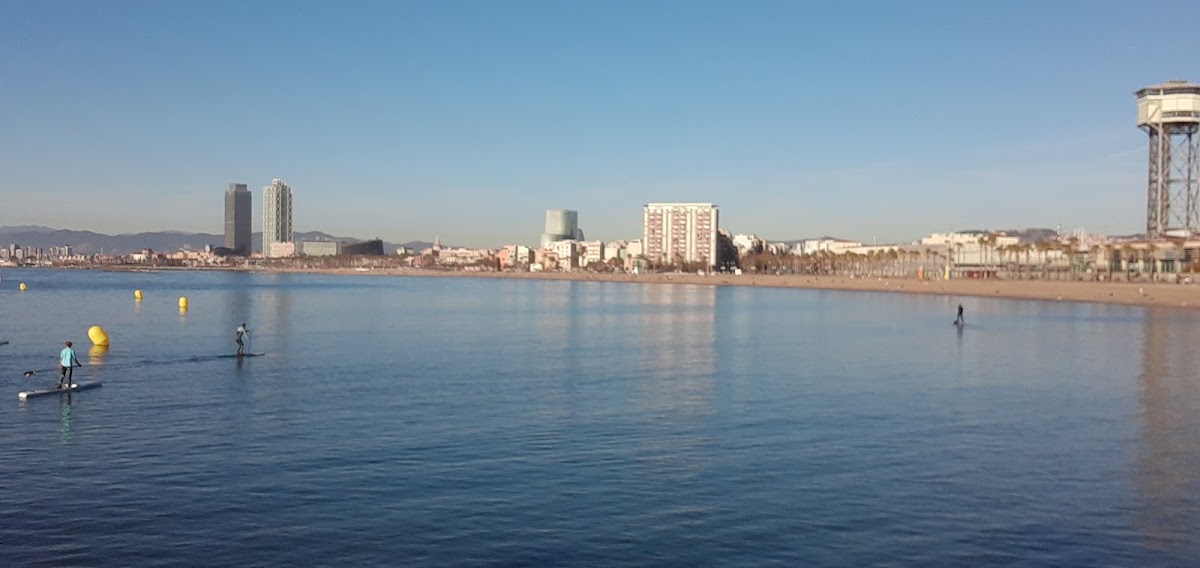
Built in the 18th century to house dockworkers displaced by La Ribera's citadel, La Barceloneta is a tight grid of narrow streets, small squares, and balconied apartment blocks that opens straight onto the Mediterranean. It still has a working-class, salty character — laundry strung between balconies, old-school seafood bars along Carrer de la Mar, and a daily fish market — even as the beachfront promenade and the sail-shaped W Hotel tower have made it a magnet for sunbathers and beach volleyball players.

Locals eat rice and fried fish at unpretentious taverns rather than the pricier places right on the sand. It's also the gateway to the marina, the cable car up to Montjuïc, and a flat, easy walk along the harbor to the Gothic Quarter.

✨ Reasons to go

  • 1Built in the 18th century specifically to rehouse dockworkers displaced by La Ribera's citadel construction
  • 2Its grid of narrow streets was one of Europe's early planned working-class housing districts, unusual for its era
  • 3The sail-shaped W Hotel tower marks the modern edge of what remains a working fish-market neighborhood

💡 Good to know

  • 1Eat at the taverns on Carrer de la Mar and Passeig Joan de Borbó rather than directly on the beach
  • 2visit the fish market and old streets in the morning before the beach crowds arrive
  • 3walk the harborside promenade toward Port Vell and the cable car station for connecting views.

⏱️ Typical visit

1h30

🕰️ Best time

morning, afternoon or early evening

🚶 Walking intensity

Active — lots of walking

📍

Address

La Barceloneta, Ciutat Vella, Barcelona, Spain · La Barceloneta
El Raval5
🚶
Free

Once the city's roughest quarter, El Raval has been reshaped over the past two decades by the MACBA contemporary art museum, a wave of immigration that's made it one of Barcelona's most multicultural neighborhoods, and a steady influx of students and artists drawn to its cheap rents. Narrow medieval lanes hide Moroccan tea houses, Pakistani grocers, natural wine bars, and vintage shops side by side, while the MACBA square serves as a hub for skateboarders.

It still carries some of its old red-light-district edge after dark in pockets near the harbor end, but by day it's one of the most vibrant, walkable slices of authentic, non-touristy Barcelona. The Boqueria market and Liceu opera house sit right on its eastern border with the Gothic Quarter.

✨ Reasons to go

  • 1The MACBA square is a well-known gathering spot for skateboarders, drawing crowds even from outside Spain.
  • 2The neighborhood was historically Barcelona's red-light district and retains some of that edge near the harbor end.
  • 3It borders the Boqueria market and Liceu opera house, linking it directly to the Gothic Quarter.

💡 Good to know

  • 1Visit MACBA and the surrounding square in the afternoon when skaters and street life pick up
  • 2stick to well-lit main streets like Rambla del Raval at night
  • 3combine with the Boqueria market and Gothic Quarter, which border it to the east.

⏱️ Typical visit

1h30

🕰️ Best time

afternoon, early evening or evening

🚶 Walking intensity

Active — lots of walking

📍

Address

El Raval, Ciutat Vella, Barcelona, Spain · El Raval
Gràcia6
🚶
Free

Gràcia was its own separate town until being absorbed into Barcelona in 1897, and it has kept a distinct village identity ever since, with narrow pedestrian streets radiating out from small, plane-tree-shaded squares like Plaça del Sol and Plaça de la Vila de Gràcia. A long tradition of political independence and working-class organizing gave it a countercultural reputation that persists in its concentration of vintage shops, small theatres, and independent bars, largely free of the tour groups that fill the Gothic Quarter.

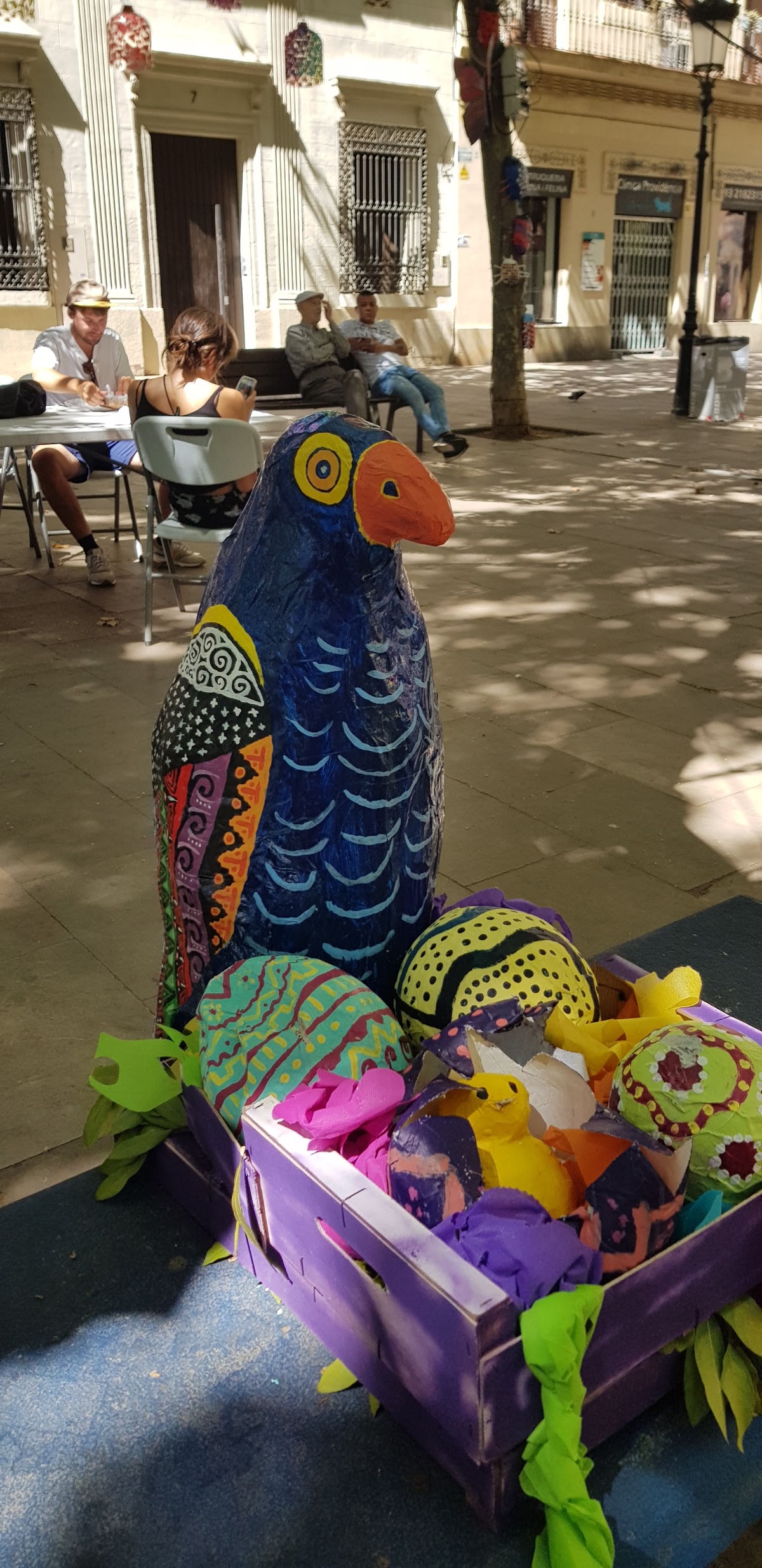
Every August, the Festa Major de Gràcia sees residents elaborately decorate entire streets with recycled materials for a week-long neighbourhood competition and festival. Park Güell sits just uphill at its northern edge.

✨ Reasons to go

  • 1Gràcia was an independent town until it was annexed by Barcelona in 1897.
  • 2Every August's Festa Major turns entire streets into elaborate decorated scenes made from recycled materials as part of a neighbourhood competition.
  • 3The area's history of working-class organizing gave it a countercultural identity that still shapes its vintage shops and independent theatres.

💡 Good to know

  • 1Spend an evening on the squares — Plaça del Sol and Plaça de la Vila de Gràcia are the liveliest for a drink
  • 2visit in mid-August for the Festa Major street decorations if timing allows
  • 3combine with a walk up to Park Güell at the neighbourhood's edge.

⏱️ Typical visit

1h30

🕰️ Best time

afternoon, early evening or evening

🚶 Walking intensity

Active — lots of walking

📍

Address

Gràcia, Barcelona, Spain · Gràcia
El Poblenou7
🚶
Free

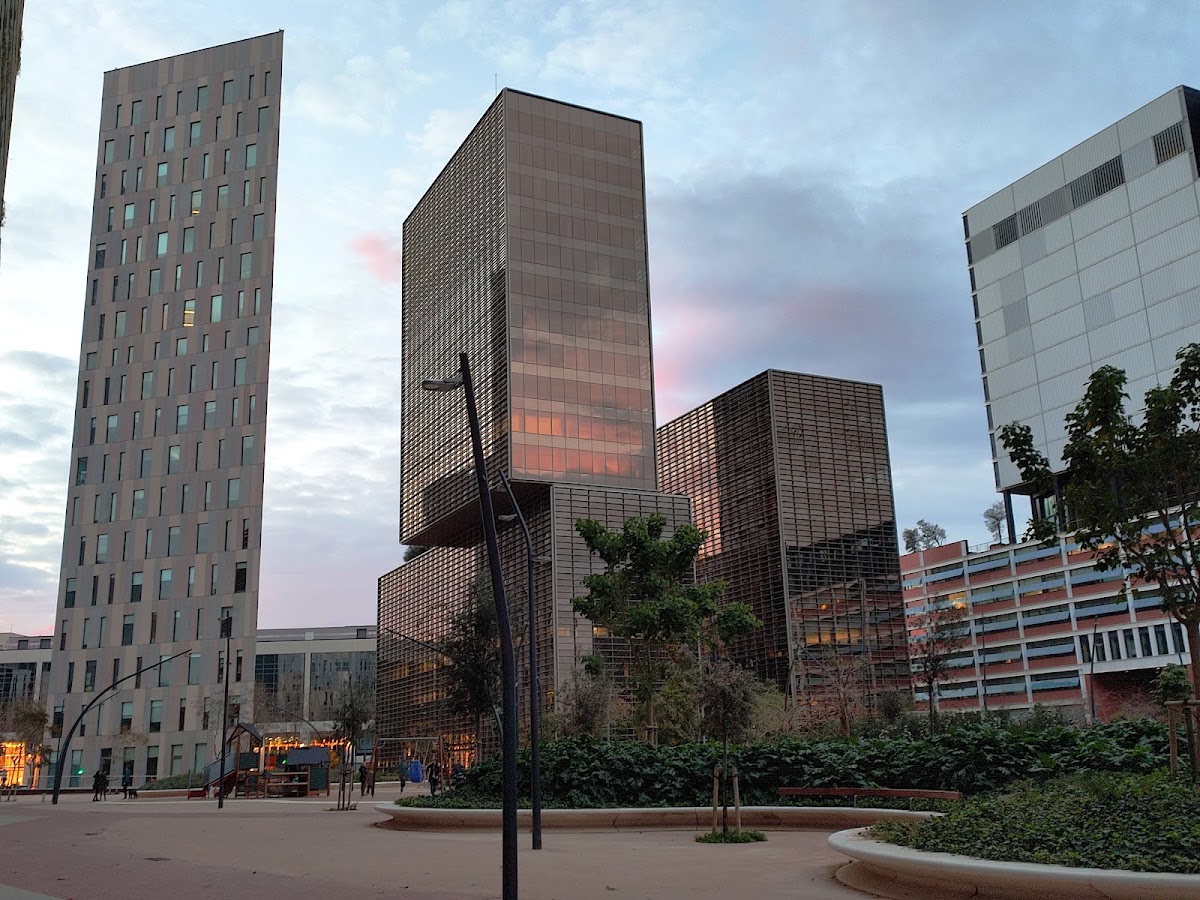
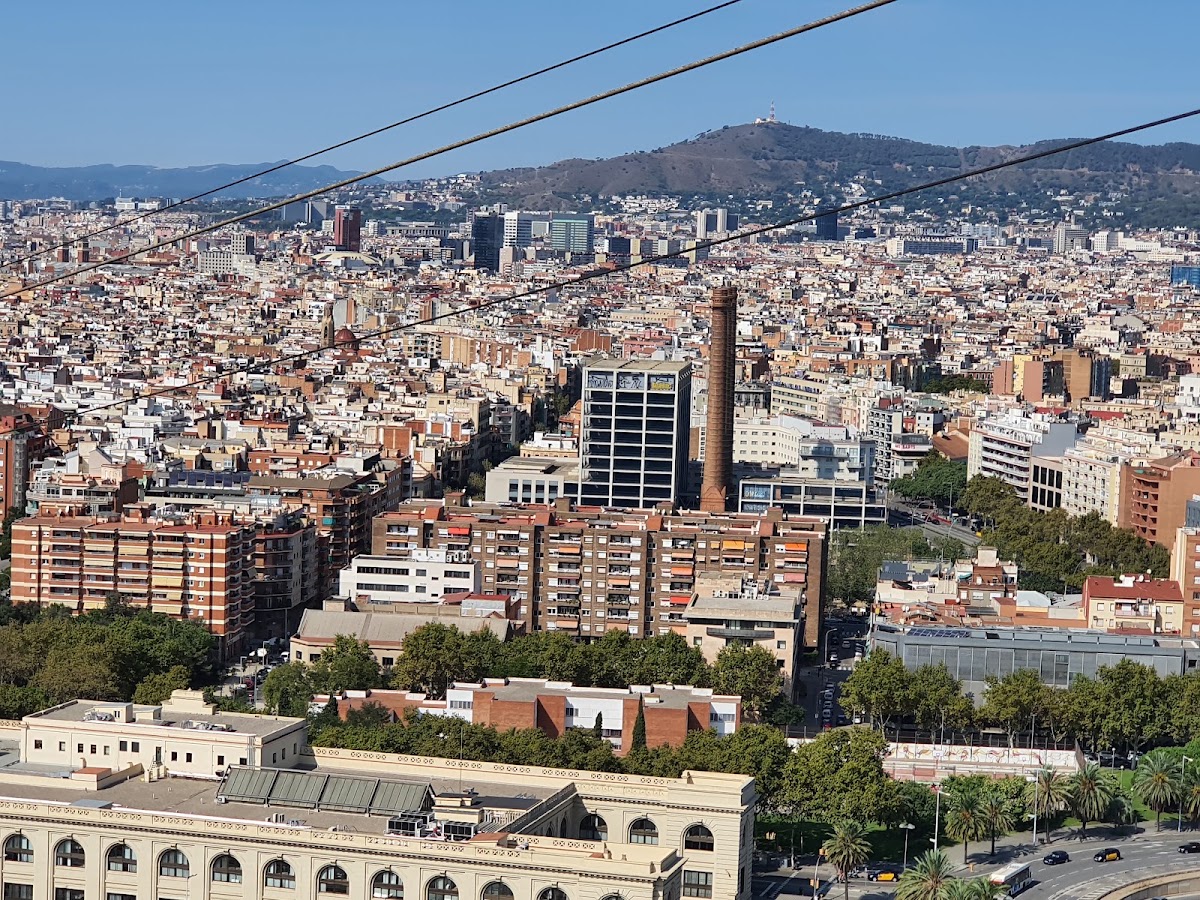
El Poblenou was once the beating heart of Catalan industry — its old brick factory chimneys still dot the skyline — before the 1992 Olympics and the later 22@ tech district plan converted its warehouses into design studios, startups, and co-working spaces. Rambla del Poblenou, a leafy pedestrian boulevard, remains the neighborhood's traditional social spine, lined with old-school bars and bakeries even as sleek galleries and specialty coffee shops move in around it.

The area blends this old-and-new tension well: converted factory lofts sit near unpretentious tapas bars that have served the same families for generations, and the neighborhood beach is quieter and more local than Barceloneta's. It's an easy extension of a beach day or a good stop for anyone interested in Barcelona's design and food scenes away from the crowds.

✨ Reasons to go

  • 1Former industrial district of Catalonia, marked by surviving brick factory chimneys from its manufacturing past.
  • 2Reinvented as the 22@ tech district, converting old warehouses into design studios and startup offices.
  • 3Rambla del Poblenou has functioned as the neighborhood's social spine since before the 1992 Olympics reshaped the area.

💡 Good to know

  • 1Walk the length of Rambla del Poblenou for a mix of old neighborhood life and new cafés
  • 2visit on a weekday morning to see the design studios and converted factories at their liveliest
  • 3pair with Poblenou beach or the Vila Olímpica for a coastal extension.

⏱️ Typical visit

1h15

🕰️ Best time

morning or afternoon

🚶 Walking intensity

Active — lots of walking

📍

Address

El Poblenou, Sant Martí, Barcelona, Spain · El Poblenou
Gothic Quarter Ghosts and Legends Walking Tour8
🚶
4.7 (1,587)$ · Budget-friendlyGuided Tour

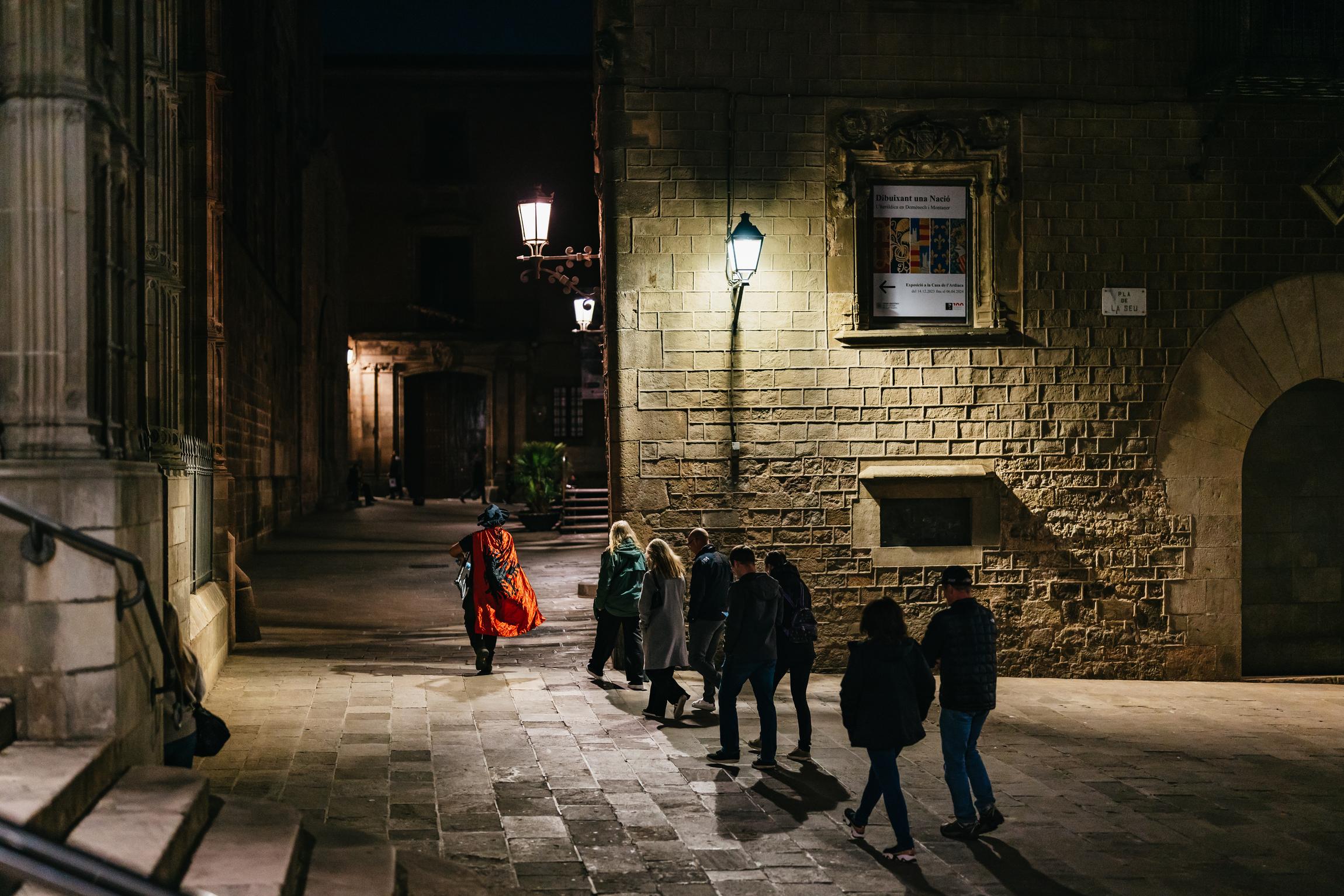
The Barri Gòtic is Barcelona's medieval heart, a warren of narrow stone lanes, hidden squares, and Roman remains built up around the Cathedral of Barcelona, with buildings and street patterns in places dating back to the Roman city of Barcino. By day it's the city's most visited historic quarter, packed with shops and cafés, but after dark its shadowy alleys and Gothic facades take on a different, more unsettling character that this tour is built around, weaving local ghost stories and historical legends into a walk through the quarter's oldest corners.

The tour plays on genuine history — plague years, the Inquisition, and centuries of dense urban life leave plenty of real material — rather than manufacturing scares from nothing. It's a good way to experience the Gothic Quarter's atmosphere without the daytime crowds that usually fill its main streets.

✨ Reasons to go

  • 1The route follows lanes and street patterns that trace back to the Roman city of Barcino.
  • 2Stories drawn from the quarter's real history of plague outbreaks and Inquisition-era events, not invented scares.
  • 3Evening departures let visitors see the Gothic Quarter's medieval alleys without daytime crowds.

💡 Good to know

  • 1Book the later evening departure for the most atmospheric, least crowded experience
  • 2wear comfortable shoes for uneven medieval cobblestones
  • 3combine with a daytime visit to the Cathedral or Plaça Reial, which the tour doesn't linger at in the dark.

⏱️ Typical visit

1h30

🕰️ Best time

evening

🚶 Walking intensity

Moderate walking

📍

Address

Carrer de la Boqueria, 27, Ciutat Vella, 08002 Barcelona, Spain · Ciutat Vella
🕐

Hours

Ghost and legends tour with evening departures after dark, typically around 20:00 or 21:00, for the spooky atmosphere in the old quarter's alleys.
La Vila Olímpica del Poblenou9
🚶
Free

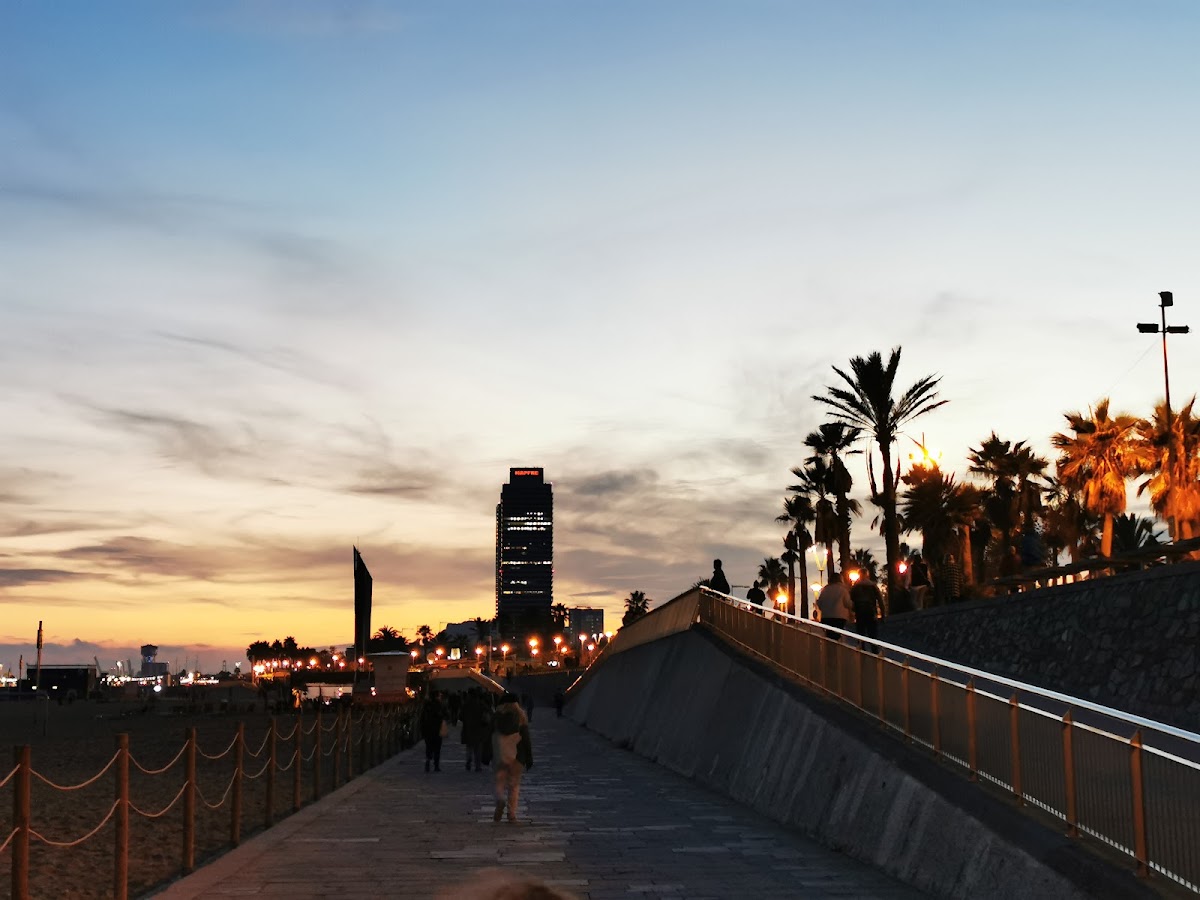
Vila Olímpica was built from scratch to house athletes for the 1992 Barcelona Olympics and afterward converted into a planned residential neighborhood, instantly recognizable by its twin skyscrapers — the Hotel Arts and the Torre Mapfre — flanking the marina. Unlike the medieval tangle of the old town, its streets are wide, modern, and orderly, fronting directly onto Port Olímpic's yacht marina and a long stretch of sandy beach lined with seafood restaurants and beach clubs.

It has less historic character than most Barcelona neighborhoods but offers a genuinely pleasant seafront walk, good beachfront dining, and a nightlife strip around the marina that gets lively on summer evenings. It sits between Barceloneta and the more industrial-turned-creative Poblenou proper.

✨ Reasons to go

  • 1Built as the athletes' village for the 1992 Barcelona Olympics before being converted into permanent housing.
  • 2Marked by the twin towers of Hotel Arts and Torre Mapfre, which flank the marina and are among Barcelona's tallest buildings.
  • 3Its grid-like modern streets contrast with the medieval layout typical of the rest of the city.

💡 Good to know

  • 1Walk or cycle the beachfront promenade connecting it to Barceloneta to the south and Poblenou beach to the north
  • 2go for dinner at the marina in the early evening when the harbor lights come on
  • 3expect higher prices at the beachfront restaurants than inland options.

⏱️ Typical visit

1h15

🕰️ Best time

afternoon, early evening or evening

🚶 Walking intensity

Active — lots of walking

📍

Address

La Vila Olímpica del Poblenou, Sant Martí, Barcelona, Spain · La Vila Olímpica del Poblenou
El Poble-sec10
🚶
Free

Tucked between Montjuïc hill and the Paral·lel avenue, Poble-sec is a residential grid that's become one of Barcelona's best-value dining destinations without losing its low-key, local feel. Carrer de Blai is the main draw, a single street packed with pintxo bars where small skewered tapas are eaten standing up with cheap house wine, drawing a mix of locals and students rather than big tour groups.

The neighborhood sits in the shadow of the Paral·lel, once Barcelona's Broadway-style theater district, and still has a handful of old theaters and music halls. Its position at the base of Montjuïc makes it a natural stop before or after visiting the hill's museums, gardens, and castle.

✨ Reasons to go

  • 1Carrer de Blai is lined with pintxo bars where skewered tapas are eaten standing up with house wine.
  • 2The neighborhood borders Paral·lel avenue, once Barcelona's Broadway-style theater district, and still has some old theaters and music halls.
  • 3It sits at the base of Montjuïc hill, making it a natural stop before or after visiting the hill's museums, gardens, and castle.

💡 Good to know

  • 1Go bar-hopping on Carrer de Blai in the early evening before the dinner rush
  • 2combine with a Montjuïc visit since the neighborhood sits right at its base
  • 3order tapas at the bar rather than sitting down for the full local experience and lower prices.

⏱️ Typical visit

1h15

🕰️ Best time

early evening or evening

🚶 Walking intensity

Active — lots of walking

📍

Address

El Poble-sec, Sants-Montjuïc, Barcelona, Spain · El Poble-sec
Sant Antoni11
🚶
Free

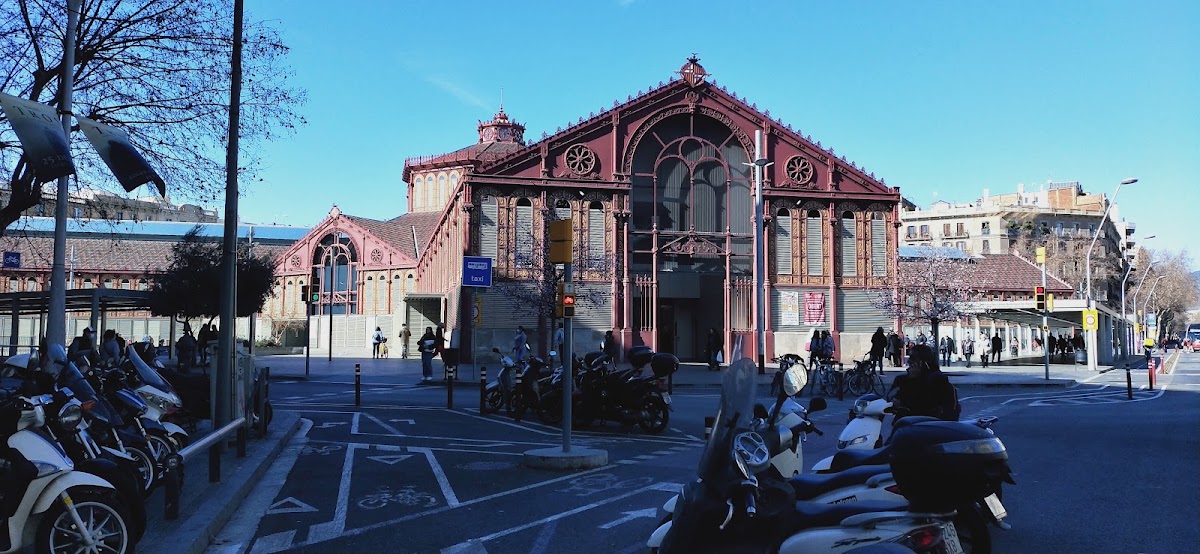
Centered on its restored 19th-century iron-and-glass market hall, Mercat de Sant Antoni, this corner of the Eixample has transformed over the past decade from a sleepy residential grid into one of the city's most talked-about neighborhoods for specialty coffee, natural wine bars, and independent bookshops and design stores. It keeps the same wide, grid-planned Eixample streets as its more famous neighbors around Passeig de Gràcia, but with far fewer tourists and much better prices.

The Sunday book and coin market outside the market hall is a long-standing local tradition, and the streets around Carrer del Parlament have become a dense strip of small-plates restaurants and wine bars popular with young Barcelonins. It's an easy walk from El Raval and the university area.

✨ Reasons to go

  • 1The neighborhood centers on the restored 19th-century iron-and-glass Mercat de Sant Antoni market hall.
  • 2A long-standing Sunday book and coin market takes place outside the market hall.
  • 3Carrer del Parlament has become a dense strip of small-plates restaurants and natural wine bars popular with locals rather than tourists.

💡 Good to know

  • 1Visit the Sunday book and coin market at Mercat de Sant Antoni
  • 2eat and drink along Carrer del Parlament, the neighborhood's restaurant strip
  • 3combine with a walk into El Raval, which borders it to the east.

⏱️ Typical visit

1h15

🕰️ Best time

morning or lunchtime

🚶 Walking intensity

Active — lots of walking

📍

Address

Sant Antoni, Eixample, Barcelona, Spain · Sant Antoni
Sarrià12
🚶
Free

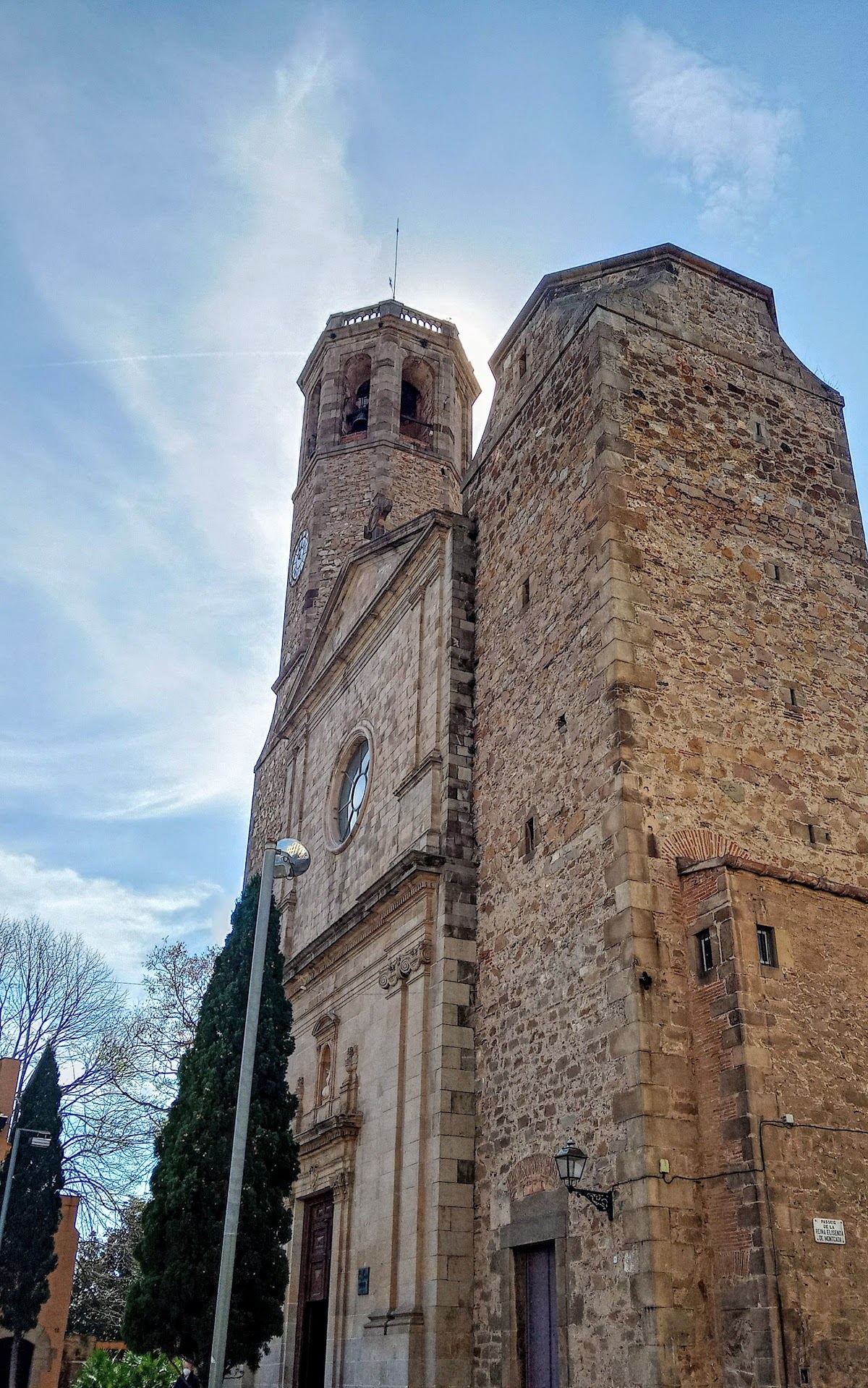
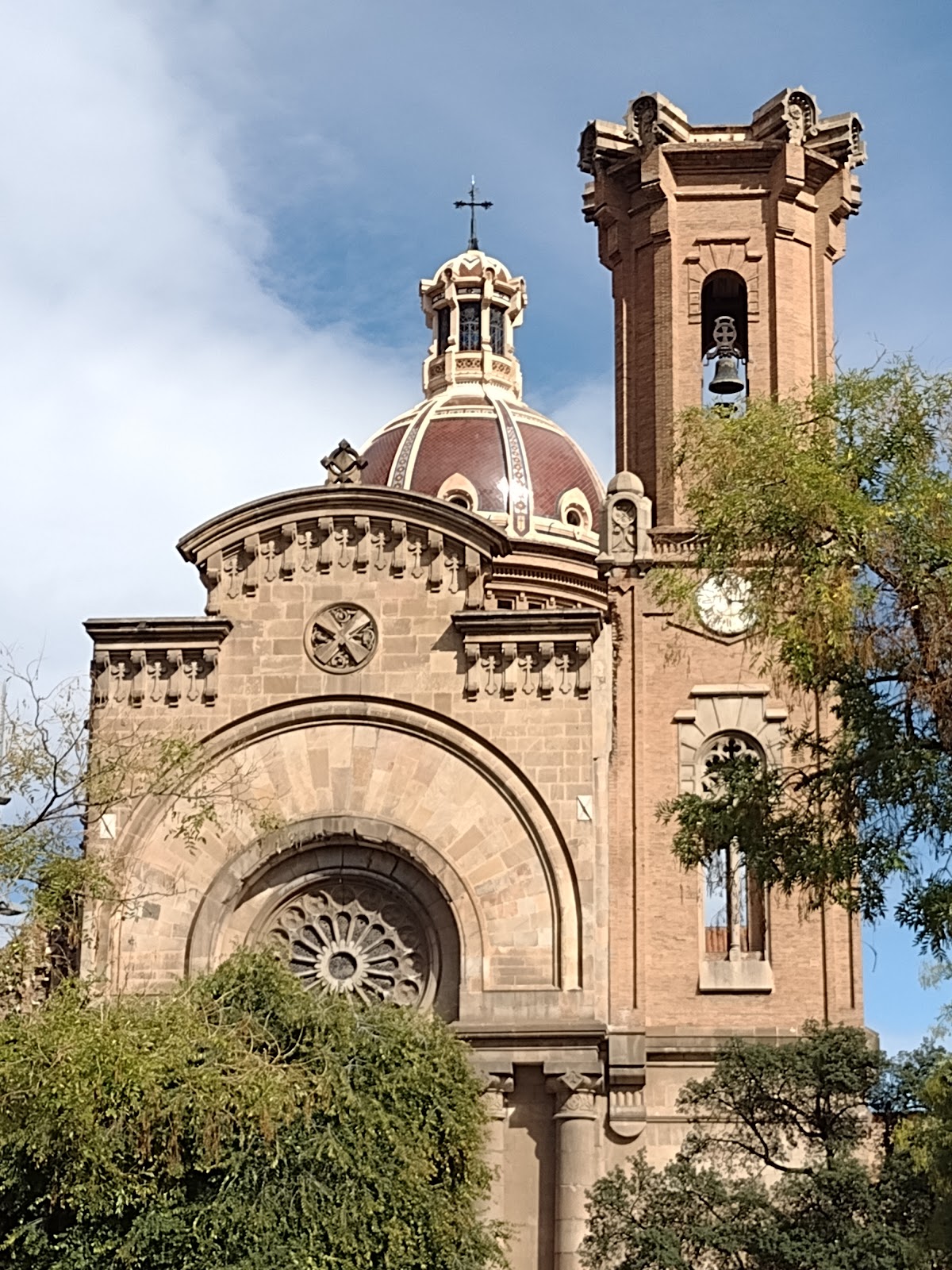
Sarrià was an independent village until it was annexed by Barcelona in 1921, and it has never quite lost that identity: narrow, winding streets, a central square with a parish church, and small family-run shops give it a small-town feel that's rare in the city center. Set uphill from the Eixample toward Tibidabo, it's one of Barcelona's wealthiest residential areas, with elegant townhouses, leafy streets, and a noticeably slower pace than the tourist core.

Carrer Major de Sarrià, the old main street, still hosts a traditional market and old-fashioned bakeries and delis. It's a genuinely local neighborhood with little in the way of major sights, making it best for those who want to see how well-off Barcelonins actually live.

✨ Reasons to go

  • 1Sarrià was an independent village until Barcelona annexed it in 1921
  • 2Carrer Major de Sarrià, the old main street, still hosts a traditional market and old-fashioned bakeries and delis
  • 3It sits uphill toward Tibidabo and can be combined with the funicular ride up the mountain

💡 Good to know

  • 1Wander Carrer Major de Sarrià for old bakeries and the local market
  • 2visit late morning on a weekday for the most authentic village atmosphere
  • 3combine with a walk or funicular ride up toward Tibidabo, which sits just above it.

⏱️ Typical visit

1h15

🕰️ Best time

morning, lunchtime or afternoon

🚶 Walking intensity

Active — lots of walking

📍

Address

Sarrià, Sarrià-Sant Gervasi, Barcelona, Spain · Sarrià
Diagonal Mar i el Front Marítim del Poblenou13
🚶
Free

This is one of Barcelona's newest districts, developed largely after the 2004 Forum of Cultures on reclaimed industrial land at the northeastern edge of the city, where Avinguda Diagonal finally meets the sea. It's dominated by contemporary architecture — the Diagonal Mar shopping center, high-rise apartment towers, the Forum's vast paved esplanade, and convention facilities — giving it a distinctly modern, somewhat sterile feel compared to Barcelona's historic core.

The Parc del Fòrum and adjacent Parc Diagonal Mar offer genuine green and waterfront space, including a man-made lake and a large solar panel canopy structure. It's more useful as a functional area for shopping, conferences, or beach access at its quieter northern beaches than as a sightseeing destination.

✨ Reasons to go

  • 1Built on reclaimed industrial land where Avinguda Diagonal meets the sea, developed for the 2004 Forum of Cultures.
  • 2Parc del Fòrum features a large solar panel canopy structure and a vast paved esplanade used for conventions and events.
  • 3Parc Diagonal Mar includes a man-made lake amid contemporary high-rise architecture.

💡 Good to know

  • 1Visit for the modern beaches and Parc del Fòrum if seeking a quieter, less crowded stretch of coast
  • 2combine with a stop at Diagonal Mar mall for shopping or a meal
  • 3keep expectations focused on architecture and open space rather than historic atmosphere.

⏱️ Typical visit

1h15

🕰️ Best time

morning or afternoon

🚶 Walking intensity

Active — lots of walking

📍

Address

Diagonal Mar i el Front Marítim del Poblenou, Sant Martí, Barcelona, Spain · Diagonal Mar i el Front Marítim del Poblenou
Les Corts14
🚶
Free

Les Corts is a quiet, middle-class district west of the Eixample whose international fame rests almost entirely on one landmark: Camp Nou, FC Barcelona's enormous stadium and one of the largest in Europe. Away from match days, the neighborhood itself is unremarkable in the best sense — leafy residential streets, small local shops, and the university area around Diagonal — offering a look at ordinary Barcelona life with little tourist infrastructure.

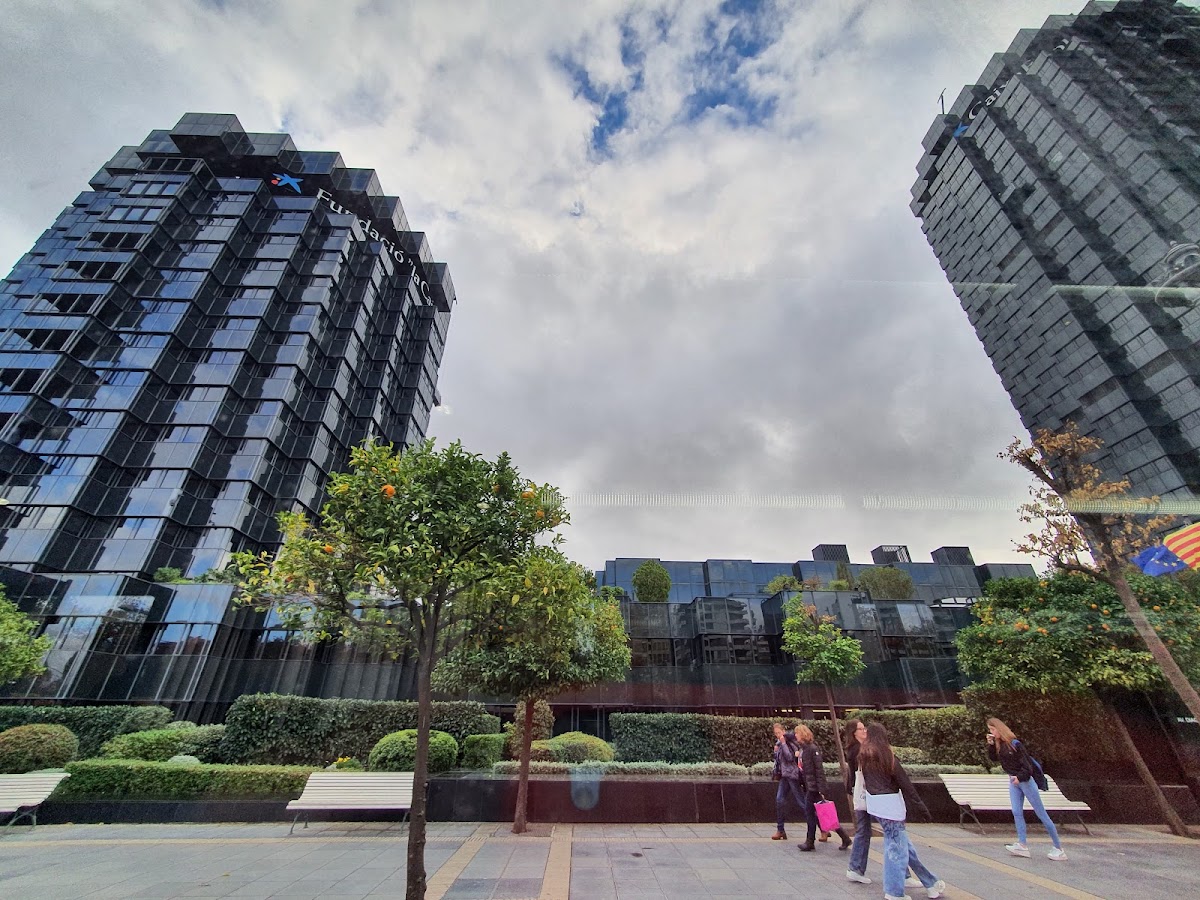
The district also includes the business towers along Avinguda Diagonal near Pedralbes. Most visitors come specifically for the stadium tour and museum, or for a match, rather than to explore the neighborhood at large.

✨ Reasons to go

  • 1Home to Camp Nou, FC Barcelona's stadium and one of the largest stadiums in Europe.
  • 2The district's business towers line Avinguda Diagonal near the Pedralbes area.

💡 Good to know

  • 1Time a visit around a Camp Nou stadium tour or match, which is the main draw
  • 2check the museum and tour hours in advance since they vary on match days
  • 3combine with a walk along Avinguda Diagonal toward the Pedralbes business district.

⏱️ Typical visit

1h15

🕰️ Best time

morning or afternoon

🚶 Walking intensity

Active — lots of walking

📍

Address

Les Corts, Barcelona, Spain · Les Corts
Horta-Guinardó15
🚶
Free

Spreading across the hillsides in the northeast of the city, Horta-Guinardó is one of Barcelona's largest and least touristed districts, made up of working- and middle-class neighborhoods with a strong village feel in older pockets like Horta itself. Its standout attraction is the Parc del Laberint d'Horta, the city's oldest surviving garden, with a neoclassical cypress hedge maze that predates Park Güell and draws a fraction of the crowds.

The district also borders Park Güell and the Turó de la Rovira hill, whose Civil War-era gun emplacements (the Carmel Bunkers) have become one of the city's best free viewpoints over Barcelona. It rewards visitors who want green space and panoramic views without the queues of the more famous Gaudí sites.

✨ Reasons to go

  • 1The Parc del Laberint d'Horta is Barcelona's oldest surviving garden, centered on a neoclassical cypress hedge maze that predates Park Güell.
  • 2Turó de la Rovira hill holds the Carmel Bunkers, Civil War-era gun emplacements now used as a free panoramic viewpoint over the city.
  • 3It's one of Barcelona's largest districts yet among the least touristed, offering a village-like feel just next to Park Güell.

💡 Good to know

  • 1Book a timed slot for the Laberint d'Horta maze, which caps visitor numbers
  • 2hike up to the Carmel Bunkers near sunset for expansive, uncrowded views over the whole city
  • 3combine with a visit to Park Güell, which sits on the district's edge.

⏱️ Typical visit

1h15

🕰️ Best time

morning or afternoon

🚶 Walking intensity

Active — lots of walking

📍

Address

Horta-Guinardó, Barcelona, Spain · Horta-Guinardó
Sarrià-Sant Gervasi16
🚶
Free

Sarrià-Sant Gervasi is the umbrella district covering the affluent uptown neighborhoods that climb from the Eixample toward the Collserola hills, including Sarrià village, Sant Gervasi, and Pedralbes. It's defined by quiet, tree-lined streets, elegant early-20th-century mansions, international schools, and a noticeably slower, more residential rhythm than the tourist-heavy old town below.

There are few conventional sights here beyond the Pedralbes monastery, but the district rewards an unhurried walk through its leafy squares and gives a real sense of how Barcelona's upper-middle class lives, away from the crowds of Las Ramblas. It's best treated less as a single destination and more as a green, high-end backdrop for exploring specific pockets like Sarrià village or Pedralbes.

✨ Reasons to go

  • 1Sarrià was once a separate village annexed by Barcelona, and its old center still keeps a village-like layout and square.
  • 2The Pedralbes Monastery, founded in the 14th century, sits within the district.
  • 3The FGC suburban train line threads directly through the neighborhood, a legacy of its origin as a separate commuter town.

💡 Good to know

  • 1Focus a visit on one specific pocket, such as Sarrià village or the Pedralbes monastery, rather than the district as a whole
  • 2go on foot or by the FGC train line, which threads through the area
  • 3pair with a walk up toward Tibidabo for hill views over the city.

⏱️ Typical visit

1h15

🕰️ Best time

morning, lunchtime or afternoon

🚶 Walking intensity

Active — lots of walking

📍

Address

Sarrià-Sant Gervasi, Barcelona, Spain · Sarrià-Sant Gervasi
Sant Andreu de Palomar17
🚶
Free

Like Sarrià and Gràcia, Sant Andreu de Palomar was its own municipality before being folded into Barcelona in the late 19th century, and its old core still centers on Plaça Orfila and Carrer Gran de Sant Andreu, the original market town's main street. It's a solidly working- and middle-class neighborhood with a strong sense of local identity, its own festa major street festival, and traditional shops that have served the same families for generations.

Sights are modest — a parish church, an old town hall, a covered market — but the neighborhood offers an unfiltered look at everyday Barcelona life away from any tourist circuit. It's well connected by metro but rarely visited by anyone without a specific reason to be there.

✨ Reasons to go

  • 1Sant Andreu de Palomar was an independent market town until it was annexed by Barcelona in the late 19th century.
  • 2Its old core still centers on Plaça Orfila and Carrer Gran de Sant Andreu, the original main street.
  • 3The neighborhood holds its own autumn festa major, reflecting a distinct local identity apart from the city center.

💡 Good to know

  • 1Walk Carrer Gran de Sant Andreu for the old market-town core and local shops
  • 2visit around the neighborhood's autumn festa major if timing allows
  • 3treat it as an off-the-beaten-path stop rather than a must-see.

⏱️ Typical visit

1h15

🕰️ Best time

morning, lunchtime or afternoon

🚶 Walking intensity

Active — lots of walking

📍

Address

Sant Andreu de Palomar, Sant Andreu, 08030 Barcelona, Spain · Sant Andreu de Palomar
Sants18
🚶
Free

Sants grew up as an industrial suburb before being absorbed into Barcelona, and it still carries a practical, unglamorous, resolutely local character centered on Barcelona Sants, the city's principal rail hub. The neighborhood's main square, Plaça de Sants, and the pedestrianized Carrer de Sants are lined with everyday bakeries, hardware stores, and neighborhood bars rather than boutiques, giving a picture of ordinary residential Barcelona most tourists never see.

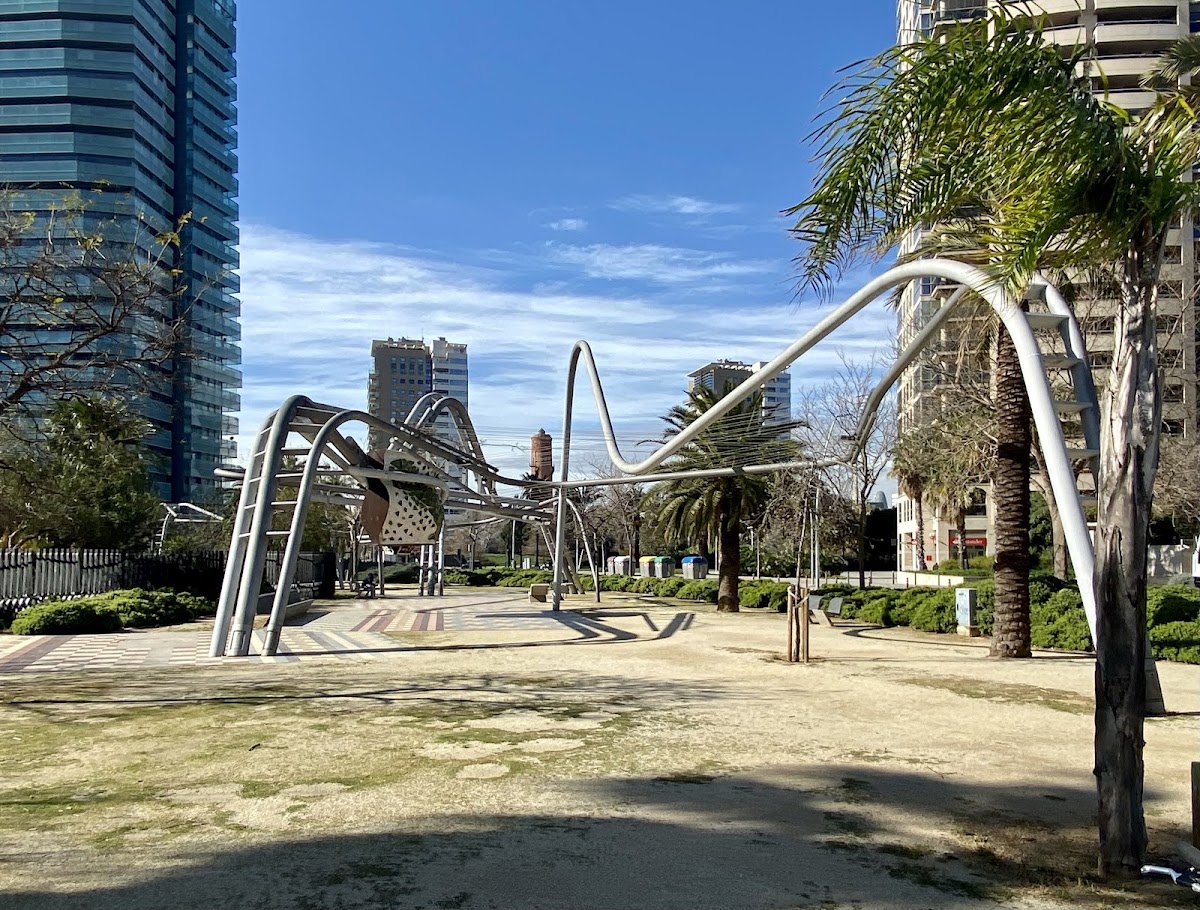
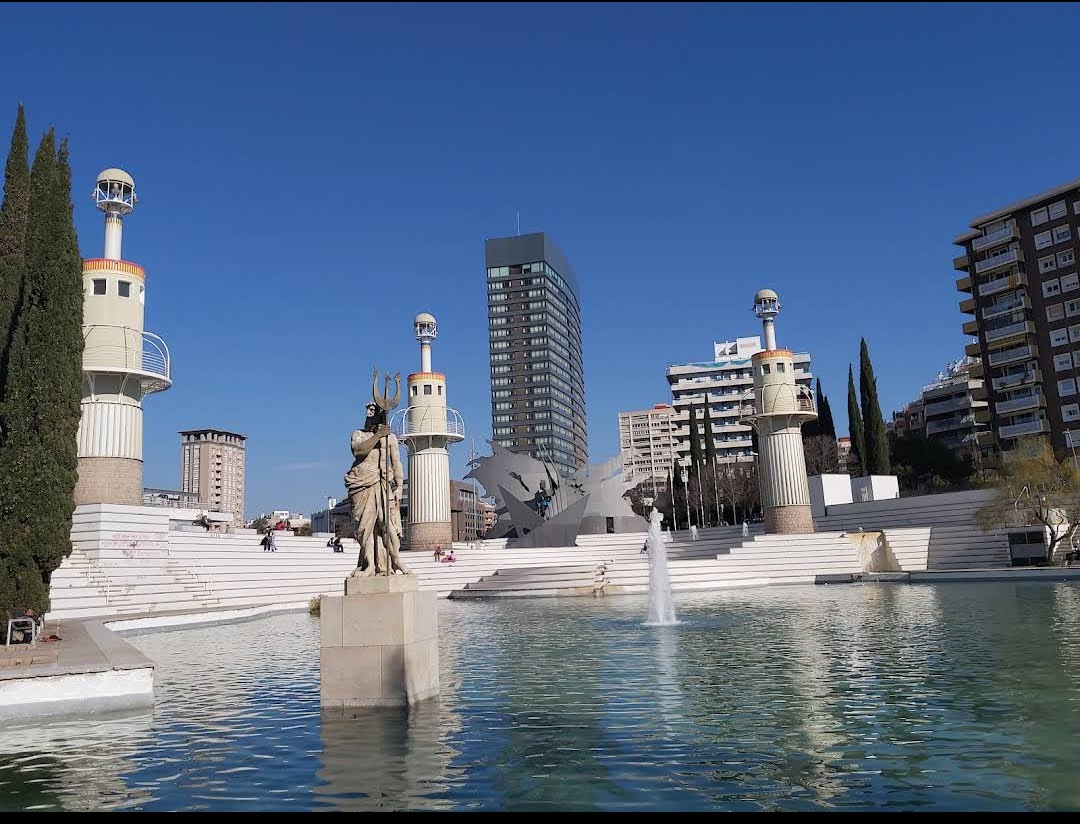
It has little in the way of headline sights, but the nearby Parc de l'Espanya Industrial, with its dragon-slide sculpture and postmodern watchtowers, is a pleasant green break. Most travelers pass through Sants only in transit through the station, though it's worth a short detour for an authentic, low-key meal.

✨ Reasons to go

  • 1Grew up as an industrial suburb before being absorbed into Barcelona, retaining a practical, unglamorous local character
  • 2Parc de l'Espanya Industrial features a large dragon-slide sculpture and postmodern watchtowers

💡 Good to know

  • 1Stop for lunch or a coffee on Carrer de Sants for a genuinely local, low-price experience
  • 2visit Parc de l'Espanya Industrial next to the station if you have time between trains
  • 3treat it as a functional transit hub rather than a sightseeing destination in itself.

⏱️ Typical visit

1h15

🕰️ Best time

morning or afternoon

🚶 Walking intensity

Active — lots of walking

📍

Address

Sants, Sants-Montjuïc, Barcelona, Spain · Sants
El Clot19
🚶
Free

El Clot grew up around textile factories in the 19th century and retains a solid, working-class character with a village-like core around Plaça del Doctor Trueta and the old parish church. Its best-known feature is the Parc del Clot, a cleverly designed park built into the ruins of an old factory, incorporating original brick walls and railway arches into its landscaping.

The neighborhood has a genuine, unpolished feel with traditional bars and local shops rather than boutiques, and it borders the more design-forward Poblenou to the south. It's a neighborhood locals live in rather than one built for visitors, making it worthwhile mainly for those interested in Barcelona's post-industrial urban regeneration.

✨ Reasons to go

  • 1Parc del Clot integrates original 19th-century factory brick walls and railway arches directly into its landscape design.
  • 2The neighborhood developed around textile factories and still centers on the village-like Plaça del Doctor Trueta.
  • 3It's a rare example of post-industrial urban regeneration rather than a tourist-oriented district.

💡 Good to know

  • 1Visit Parc del Clot to see the repurposed factory architecture within the landscaping
  • 2combine with a walk into neighboring Poblenou for its galleries and cafés
  • 3go on a weekday to see the neighborhood's ordinary daily rhythm.

⏱️ Typical visit

1h15

🕰️ Best time

morning or afternoon

🚶 Walking intensity

Active — lots of walking

📍

Address

El Clot, Sant Martí, Barcelona, Spain · El Clot