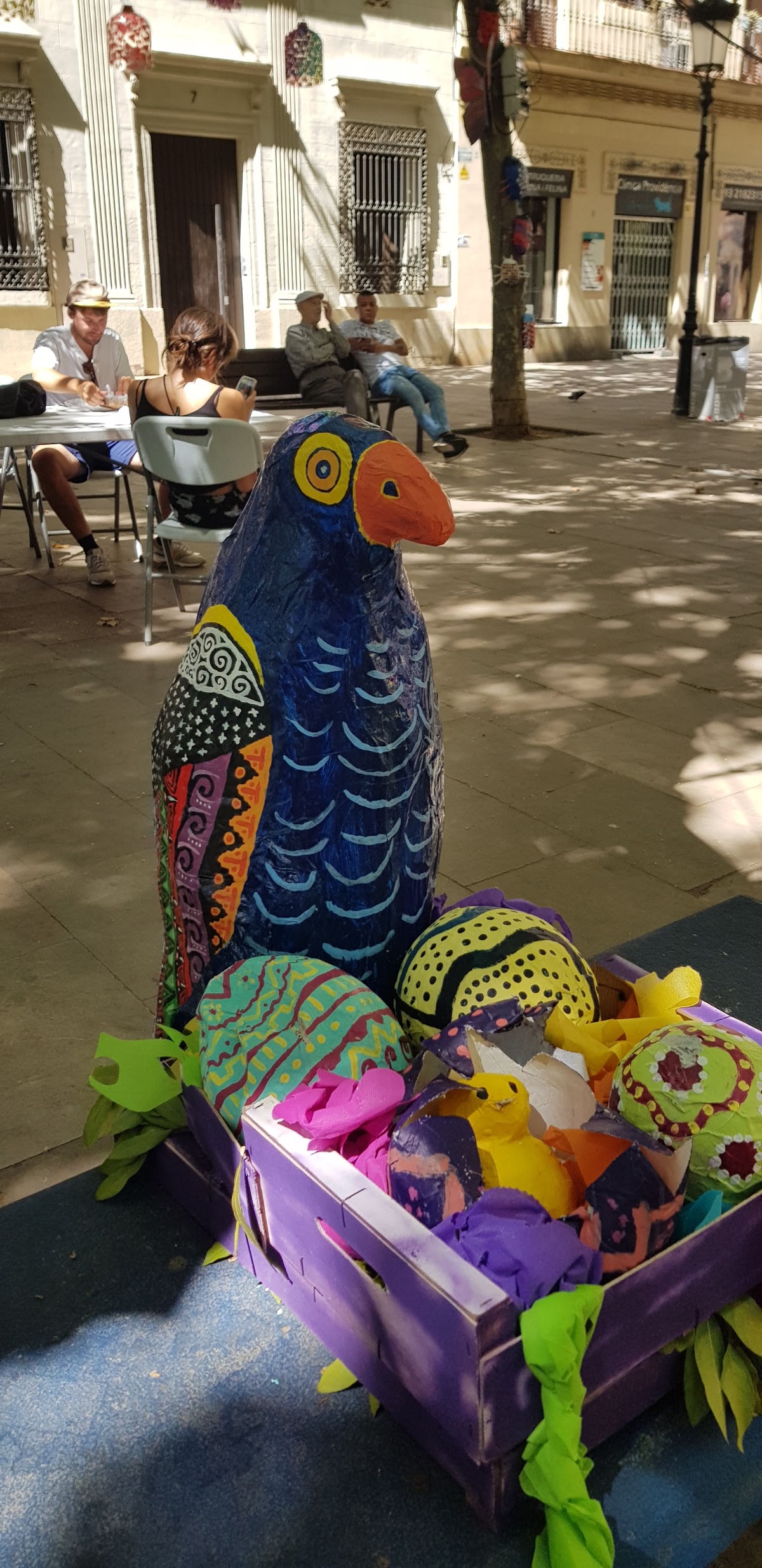
Wander Gràcia, Barcelona's former village-turned-bohemian enclave. Stroll narrow pedestrian streets to plane-tree squares like Plaça del Sol, browse vintage shops and indie bars, and if you're there in August, marvel at neighbours' elaborately decorated festival streets.
Reasons to go
Full description
Gràcia was its own separate town until being absorbed into Barcelona in 1897, and it has kept a distinct village identity ever since, with narrow pedestrian streets radiating out from small, plane-tree-shaded squares like Plaça del Sol and Plaça de la Vila de Gràcia. A long tradition of political independence and working-class organizing gave it a countercultural reputation that persists in its concentration of vintage shops, small theatres, and independent bars, largely free of the tour groups that fill the Gothic Quarter.
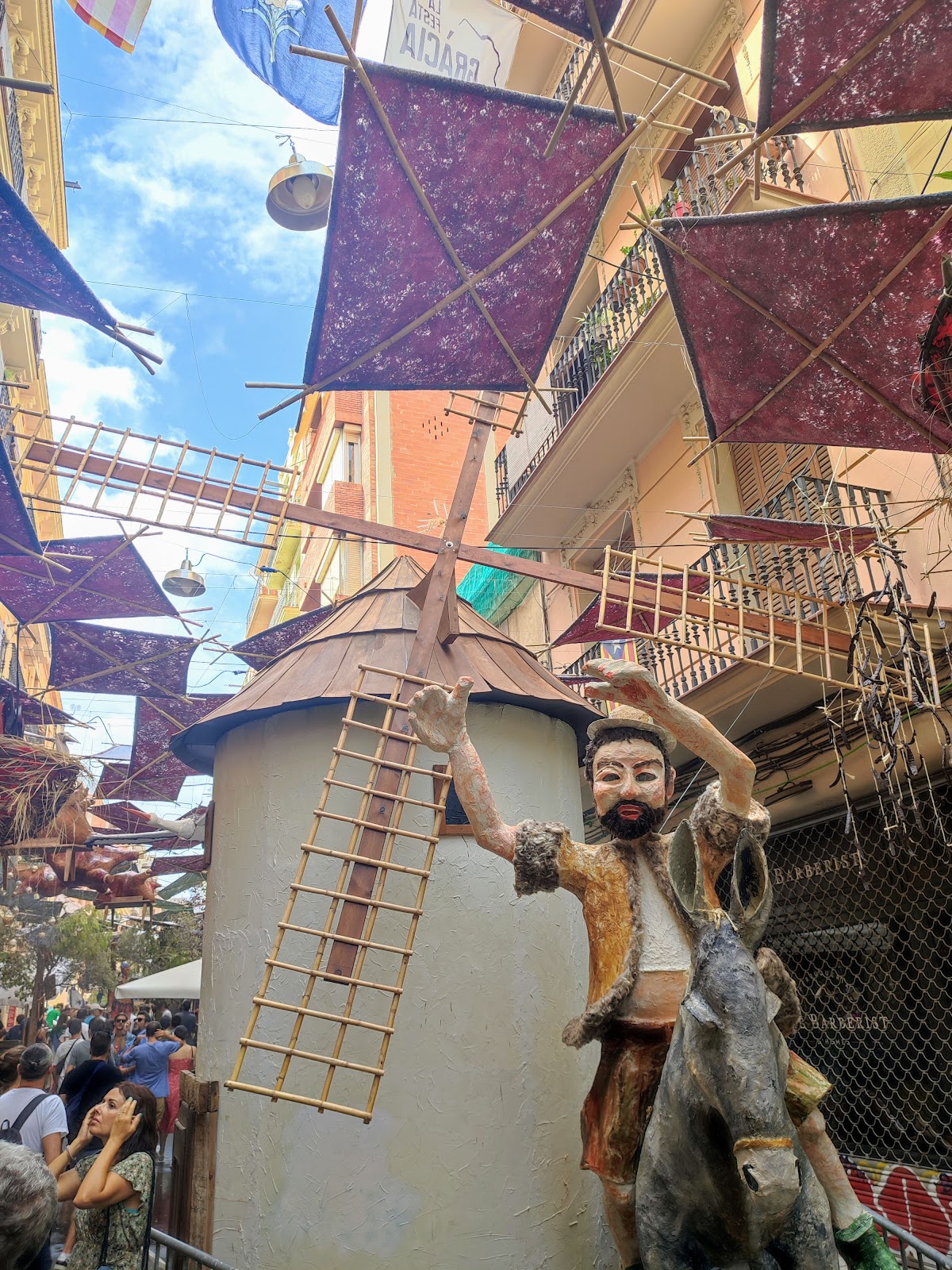
Every August, the Festa Major de Gràcia sees residents elaborately decorate entire streets with recycled materials for a week-long neighbourhood competition and festival. Park Güell sits just uphill at its northern edge.
Gràcia was its own separate town until being absorbed into Barcelona in 1897, and it has kept a distinct village identity ever since, with narrow pedestrian streets radiating out from small, plane-tree-shaded squares like Plaça del Sol and Plaça de la Vila de Gràcia. A long tradition of political independence and working-class organizing gave it a countercultural reputation that persists in its concentration of vintage shops, small theatres, and independent bars, largely free of the tour groups that fill the Gothic Quarter.
Every August, the Festa Major de Gràcia sees residents elaborately decorate entire streets with recycled materials for a week-long neighbourhood competition and festival. Park Güell sits just uphill at its northern edge.
Address
Booking
Duration
1h30
Best time
afternoon, early evening or evening
Intensity
Active — lots of walking
Good to know
📍 Nearby spots
Barcelona · 🛍️ Shopping · 🚶 5 min walk
Carrer de Verdi
30 min
Barcelona · 🏛️ Landmark · 🚶 7 min walk
Park Güell Admission Ticket
2h
Barcelona · 🏛️ Landmark · 🚶 7 min walk
Park Güell and Gaudí House Museum Entry Ticket
2h
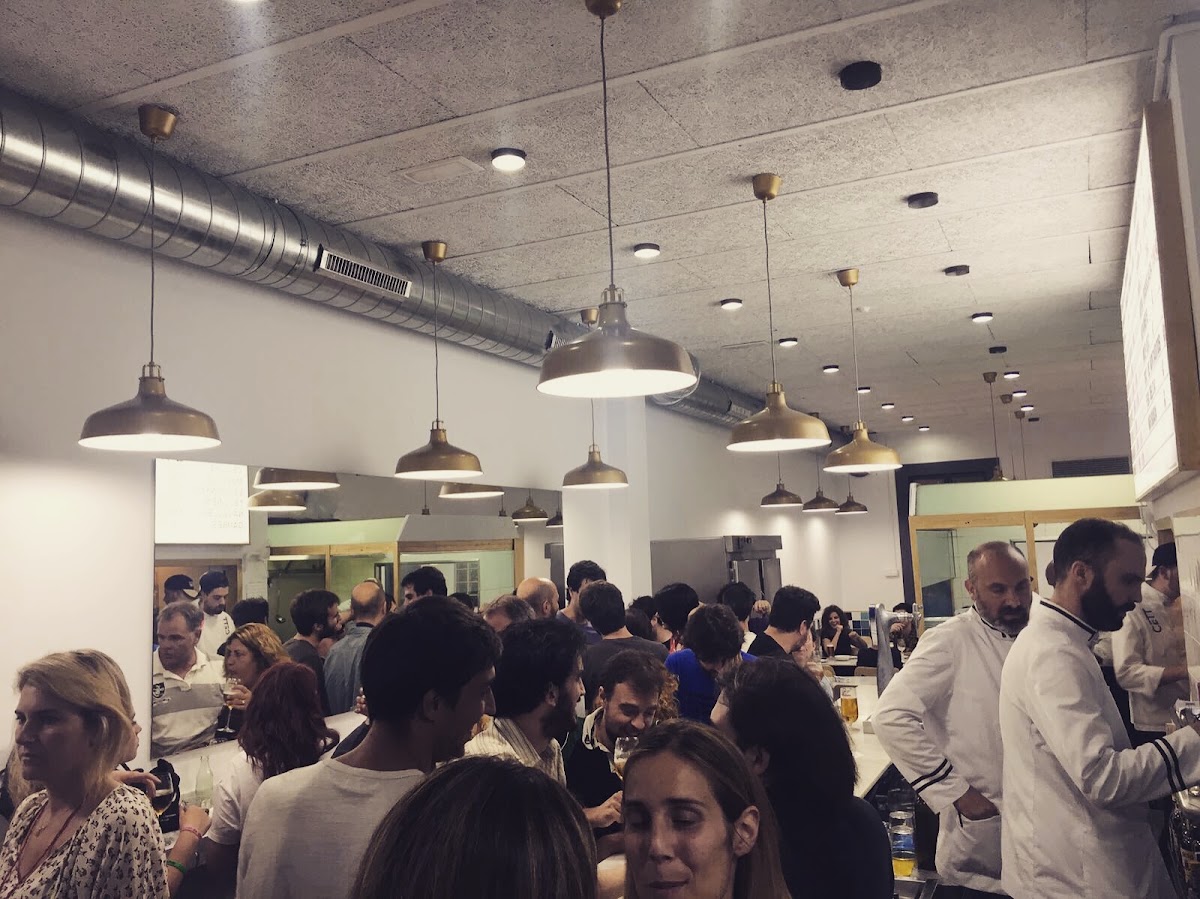
Barcelona · 🍽️ Food · 🚶 8 min walk
Lluritu
1h15
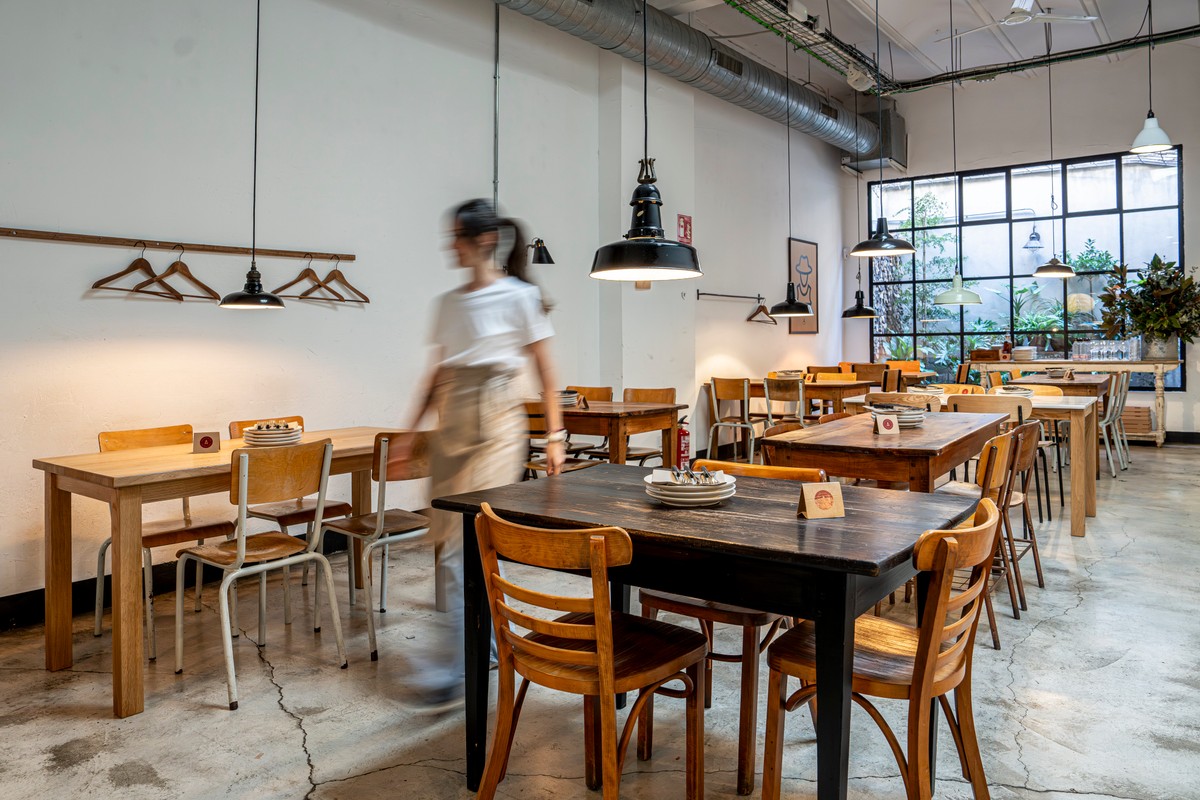
Barcelona · 🍽️ Food · 🚶 9 min walk
Sartoria Panatieri | Pizzeria Barcelona
1h
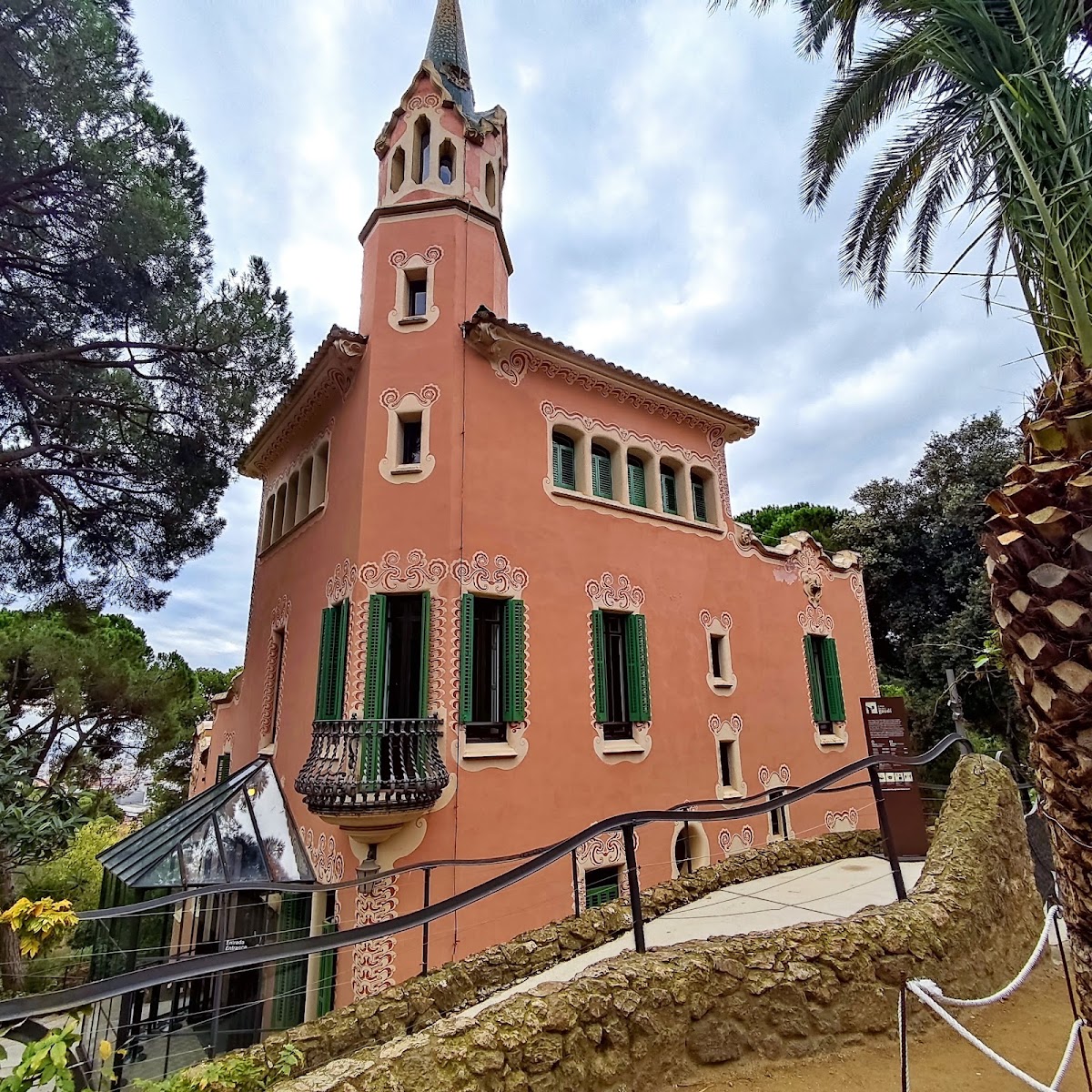
Barcelona · 🎨 Museum · 🚶 9 min walk
Gaudí House Museum
45 min
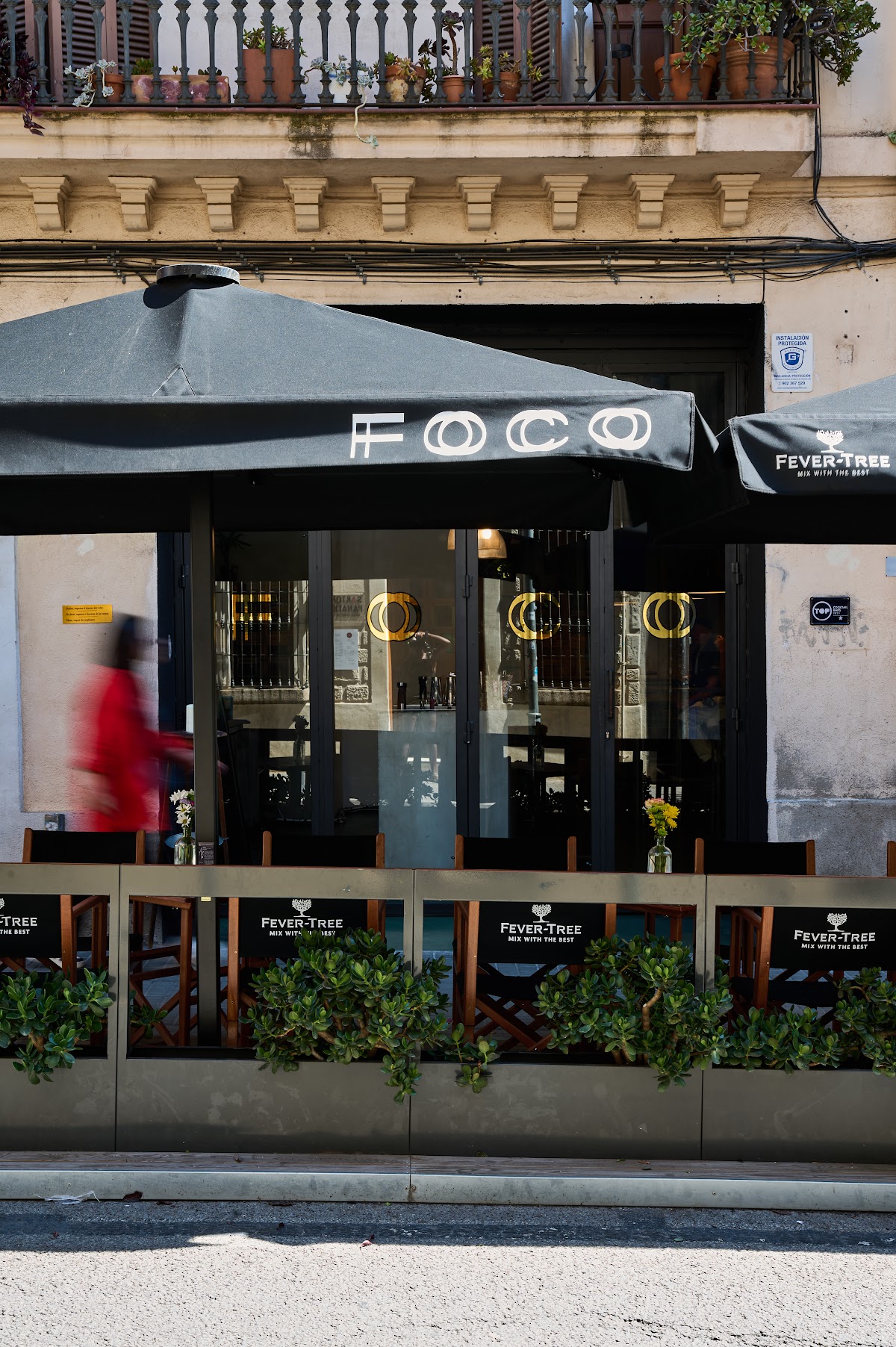
Barcelona · 🍸 Drinks · 🚶 9 min walk
FOCO
1h15
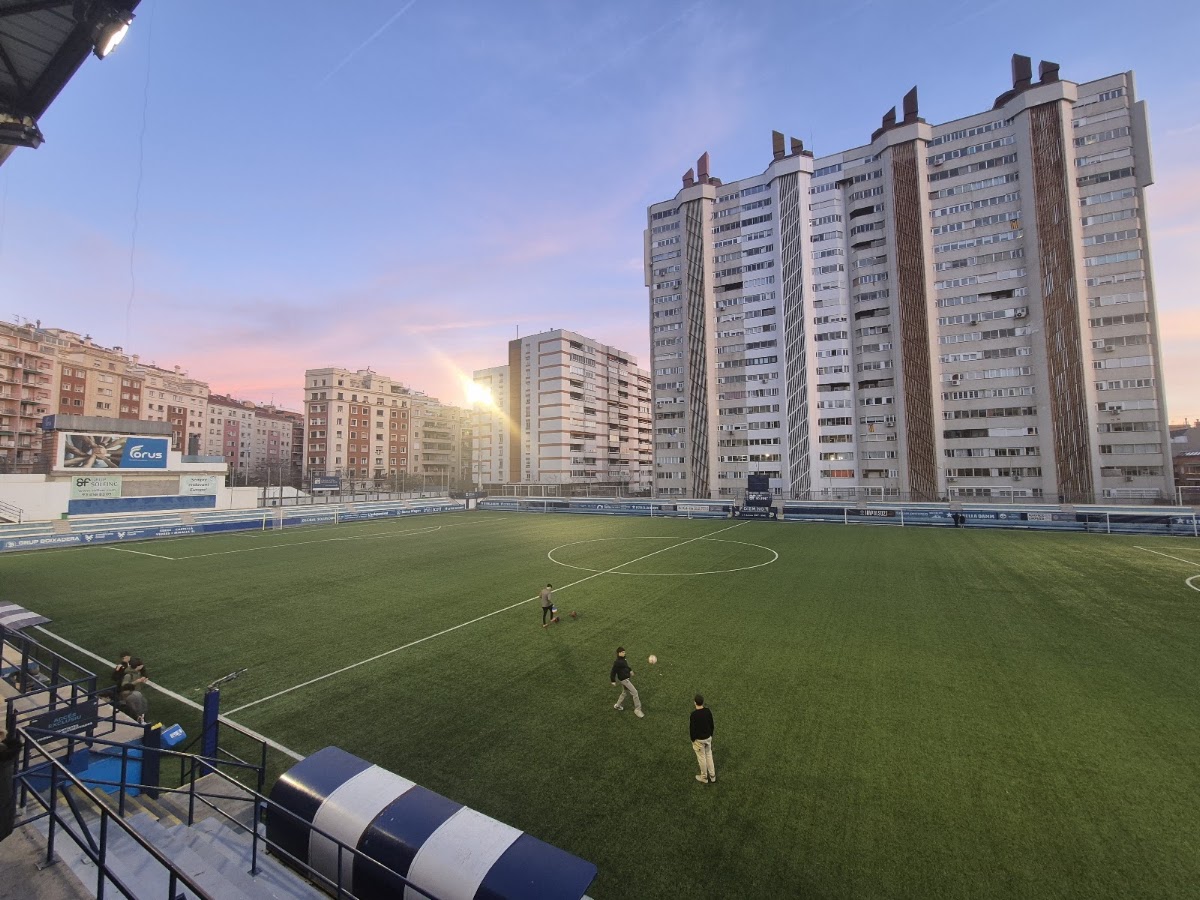
Barcelona · ⚽ Sport · 🚶 9 min walk
Nou Sardenya Municipal Stadium
1h30
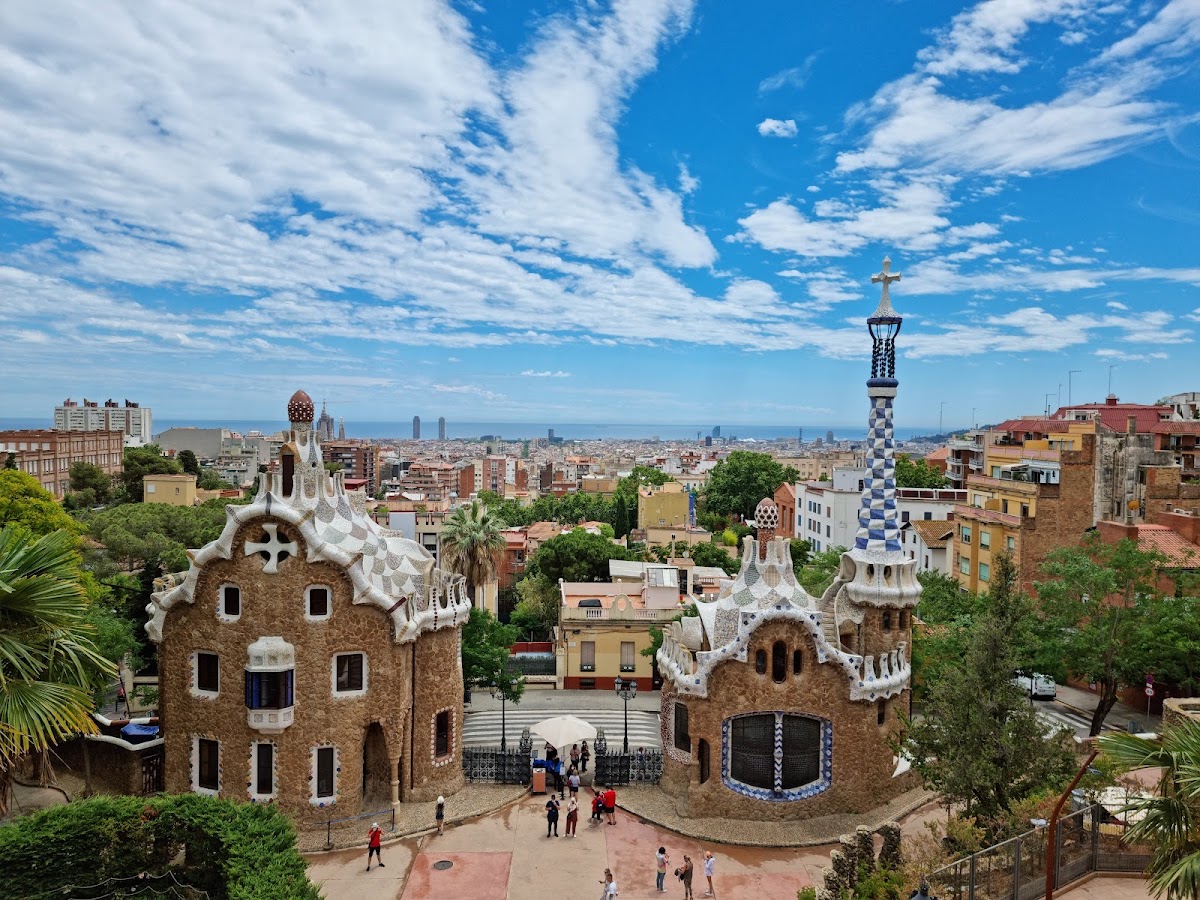
Barcelona · 🏛️ Landmark · 🚶 9 min walk
Park Güell
2h
Build your itinerary
City
Dates
Choose your Explorer profile