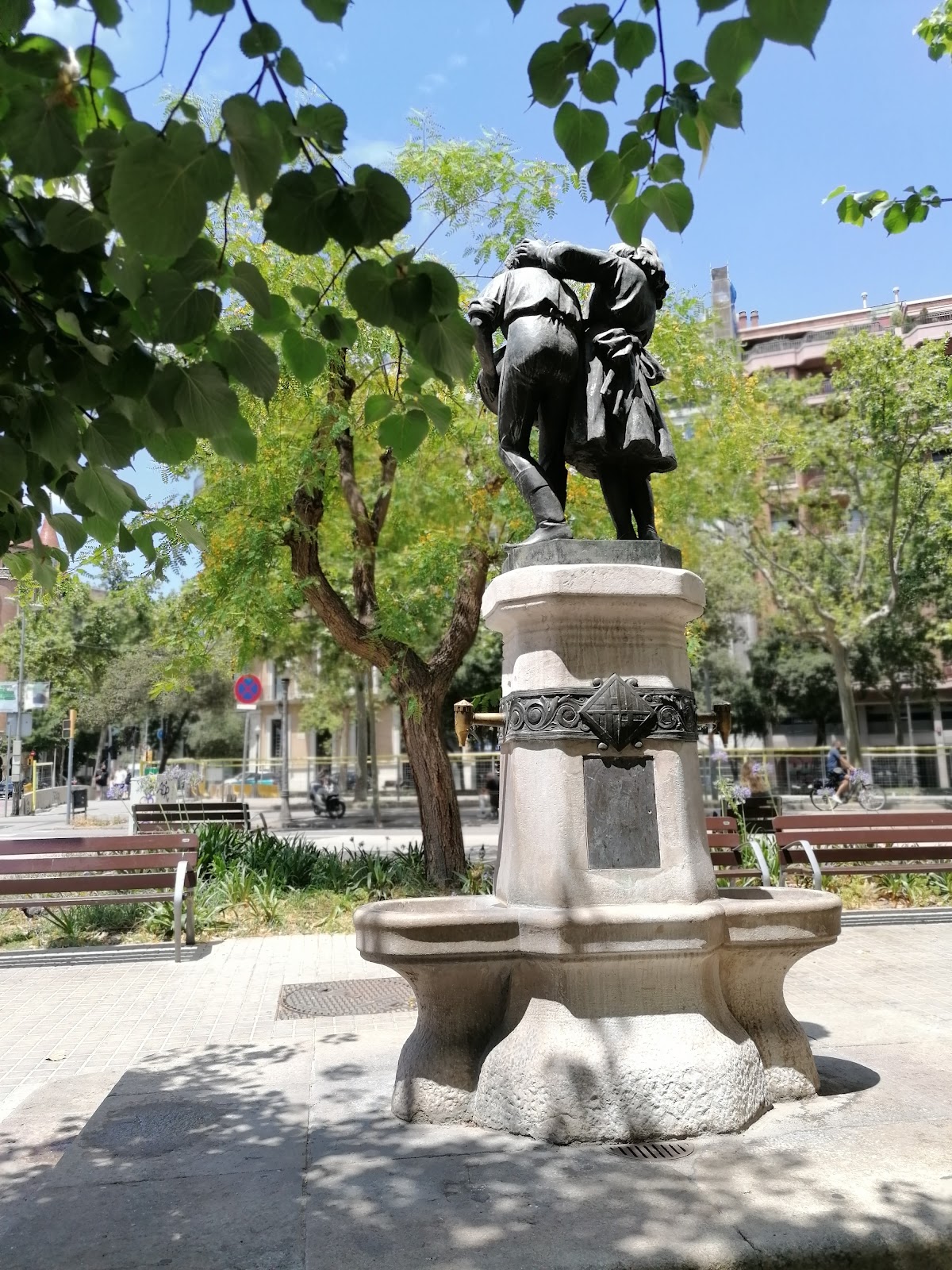
Explore Eixample, Barcelona's 19th-century grid district built for light, air, and grand ambition. Walk Passeig de Gràcia to admire Gaudí's Casa Batlló and Casa Milà, then wander toward Sagrada Família at the district's edge.
Reasons to go
Full description
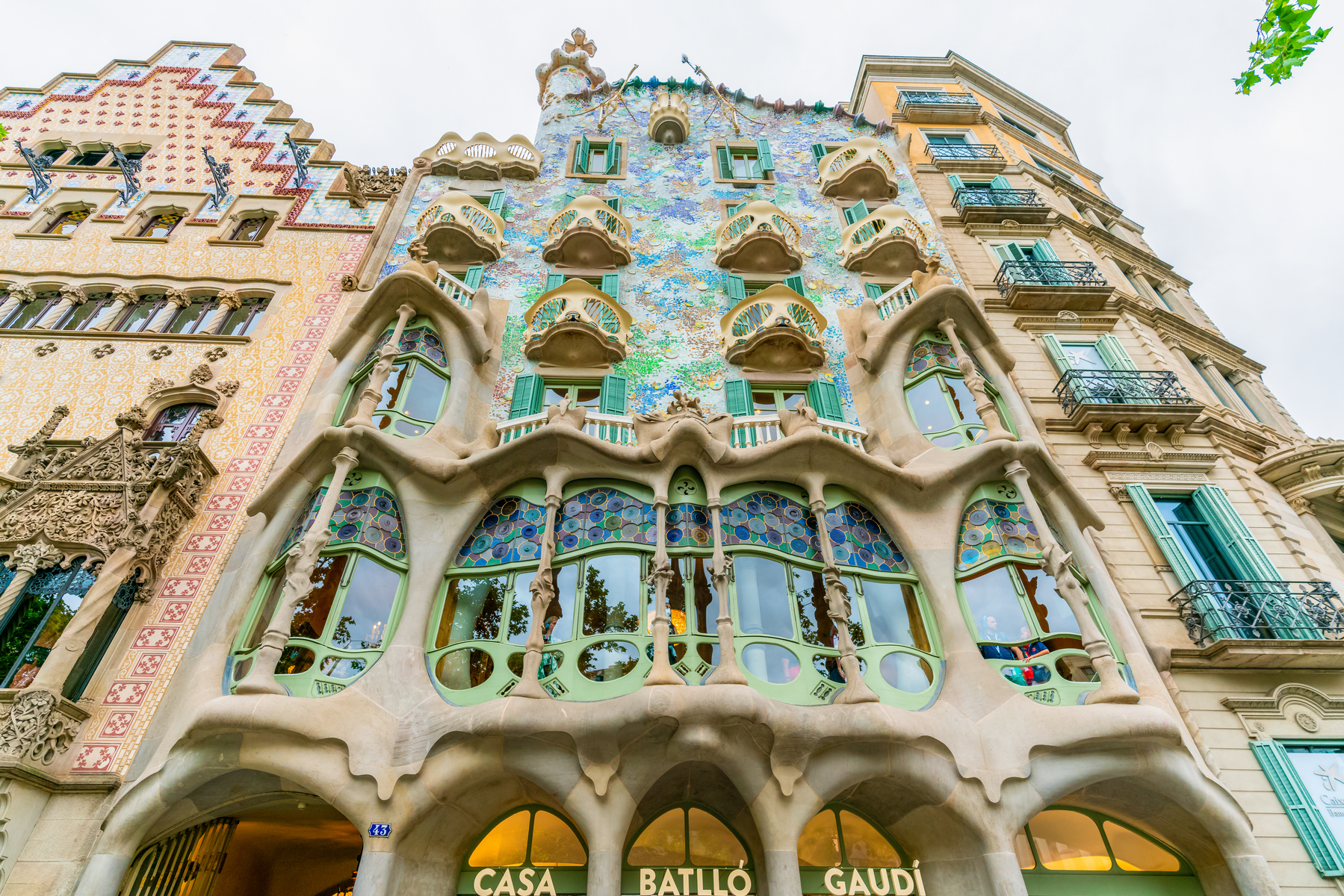
Eixample ('expansion') was Ildefons Cerdà's 19th-century plan to relieve the crowded old town, laid out as a strict grid of octagonal-cornered blocks designed for light, air, and traffic flow well ahead of its time. Wealthy families competed to build the most striking Modernisme facades along Passeig de Gràcia, resulting in Gaudí's undulating Casa Batlló and Casa Milà (La Pedrera) standing within blocks of each other, alongside works by Domènech i Montaner and Puig i Cadafalch.
The district splits into Dreta (right, more upscale and formal) and Esquerra (left, home to Barcelona's main LGBTQ+ scene, 'Gaixample'), each with a slightly different character. Sagrada Família, Gaudí's unfinished basilica, sits at its eastern edge.
Eixample ('expansion') was Ildefons Cerdà's 19th-century plan to relieve the crowded old town, laid out as a strict grid of octagonal-cornered blocks designed for light, air, and traffic flow well ahead of its time. Wealthy families competed to build the most striking Modernisme facades along Passeig de Gràcia, resulting in Gaudí's undulating Casa Batlló and Casa Milà (La Pedrera) standing within blocks of each other, alongside works by Domènech i Montaner and Puig i Cadafalch.
The district splits into Dreta (right, more upscale and formal) and Esquerra (left, home to Barcelona's main LGBTQ+ scene, 'Gaixample'), each with a slightly different character. Sagrada Família, Gaudí's unfinished basilica, sits at its eastern edge.
Address
Booking
Duration
1h30
Best time
morning, lunchtime or afternoon
Intensity
Active — lots of walking
Good to know
📍 Nearby spots
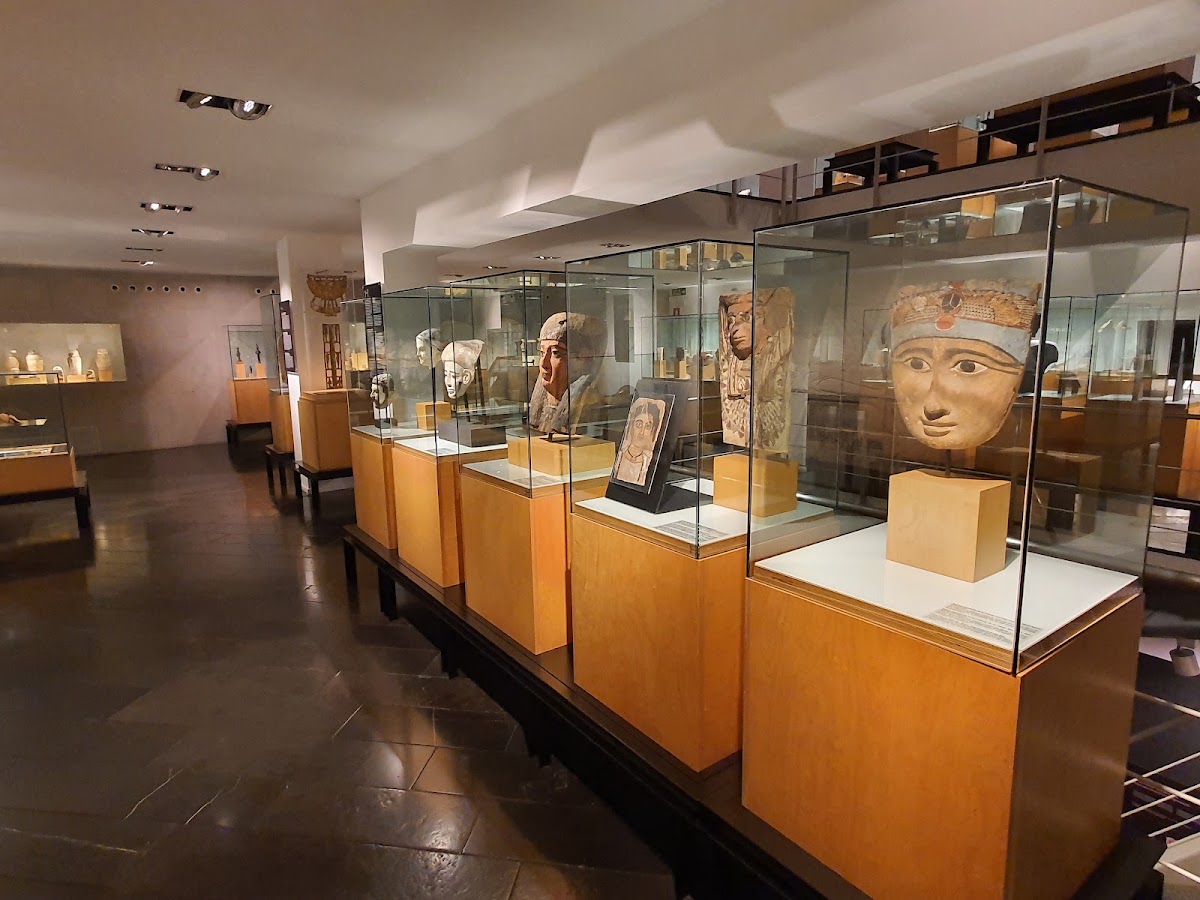
Barcelona · 🎨 Museum · 🚶 2 min walk
Museu Egipci de Barcelona
1h
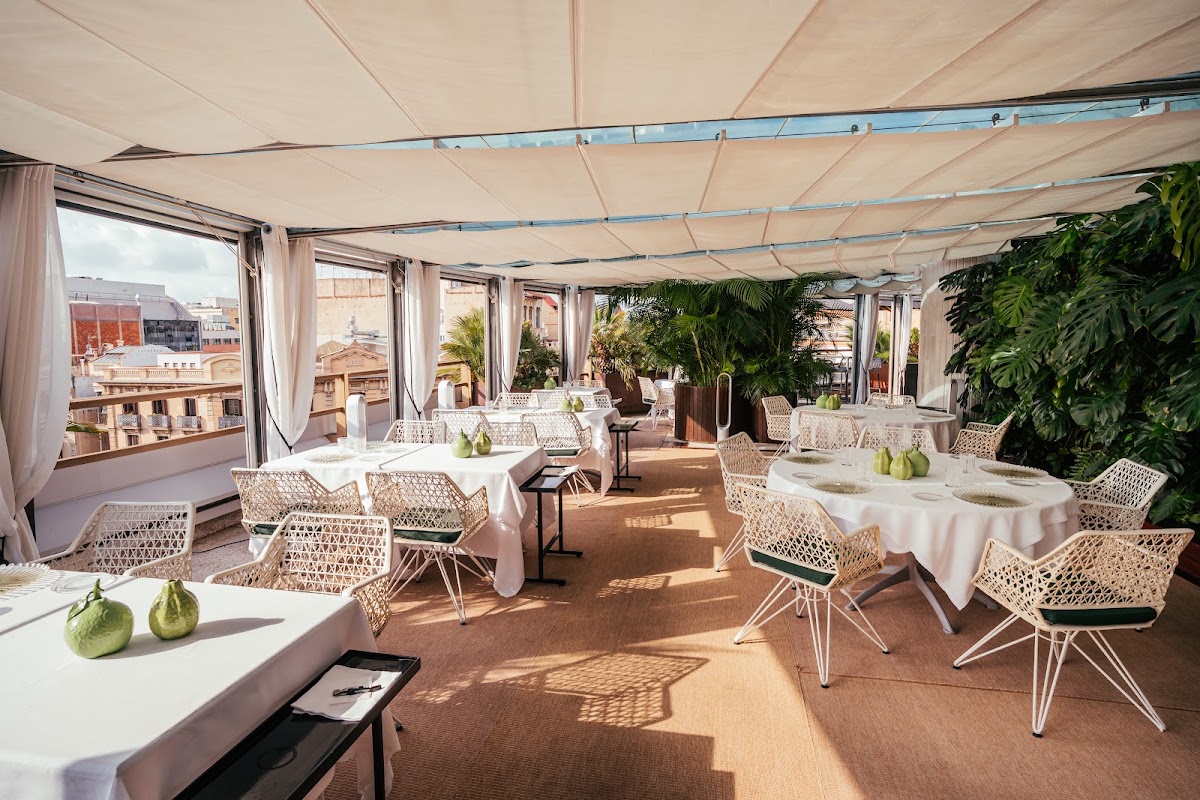
Barcelona · 🍽️ Food · 🚶 3 min walk
Del Claris Terrace
1h30
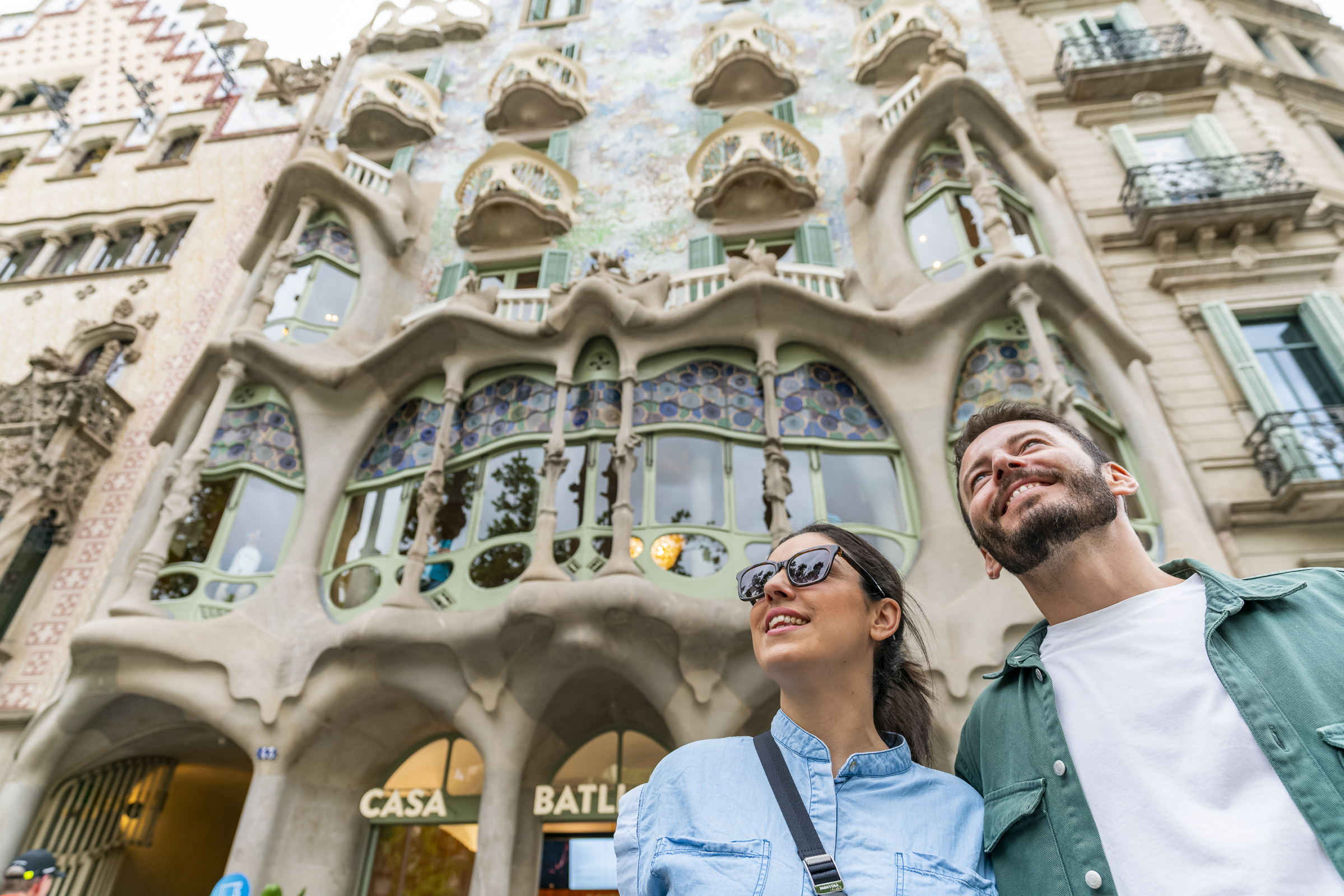
Barcelona · 🏛️ Landmark · 🚶 3 min walk
Casa Batlló Be The First Entry Ticket
1h30
Barcelona · 🏛️ Landmark · 🚶 3 min walk
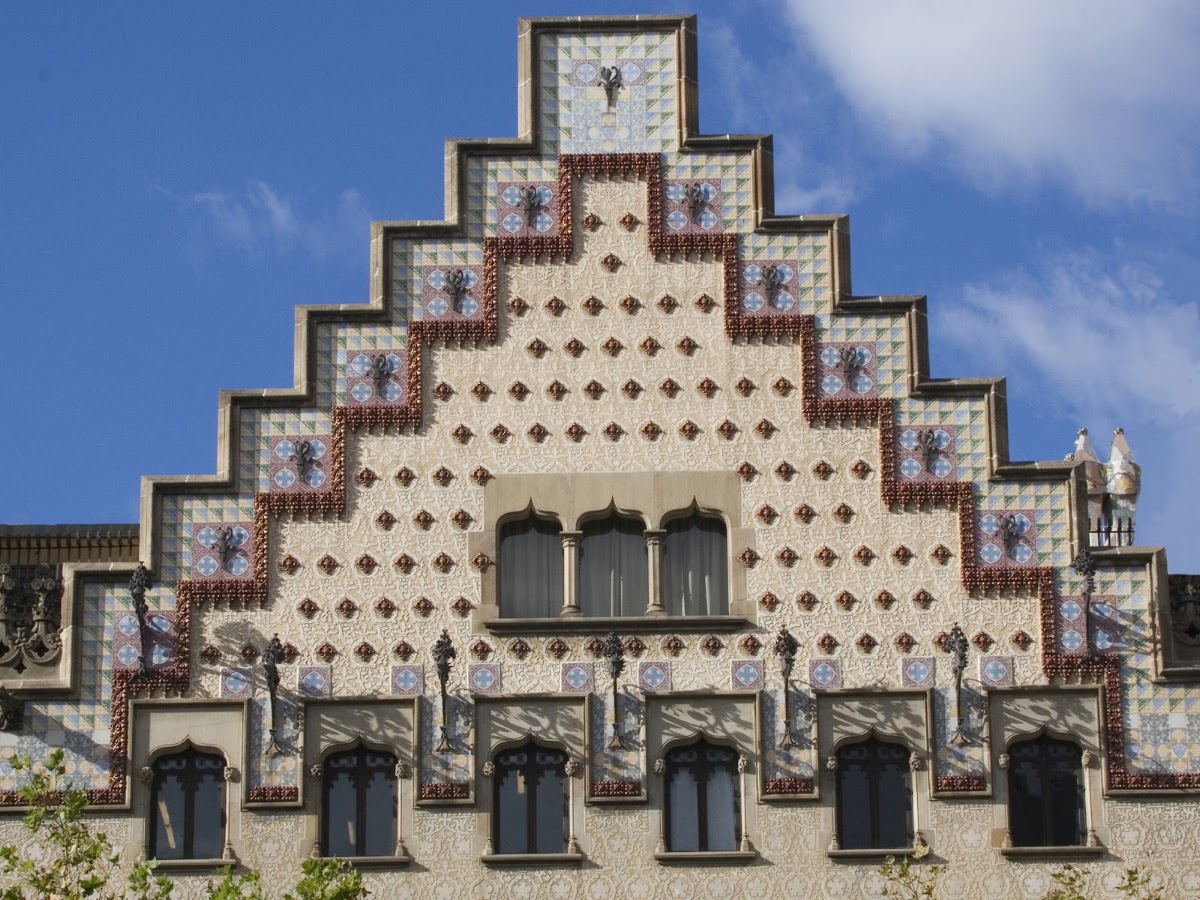
Casa Amatller
1h
Barcelona · 🏛️ Landmark · 🚶 3 min walk
Casa Batlló Entry with Self-Audioguide Tour
1h30
Barcelona · 🏛️ Landmark · 🚶 3 min walk
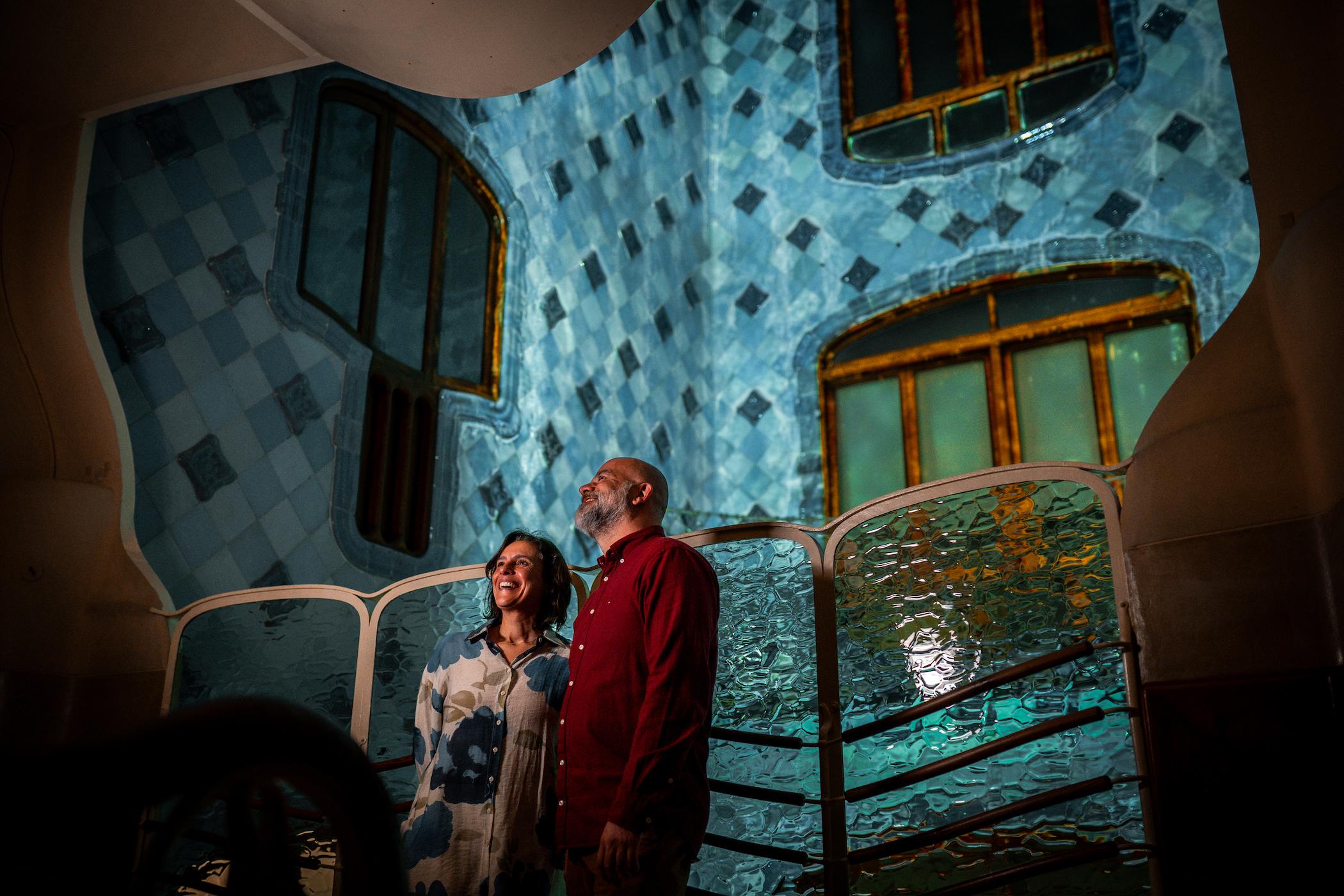
Casa Batlló Night Visit with Welcome Drink
1h
Barcelona · 🏛️ Landmark · 🚶 4 min walk
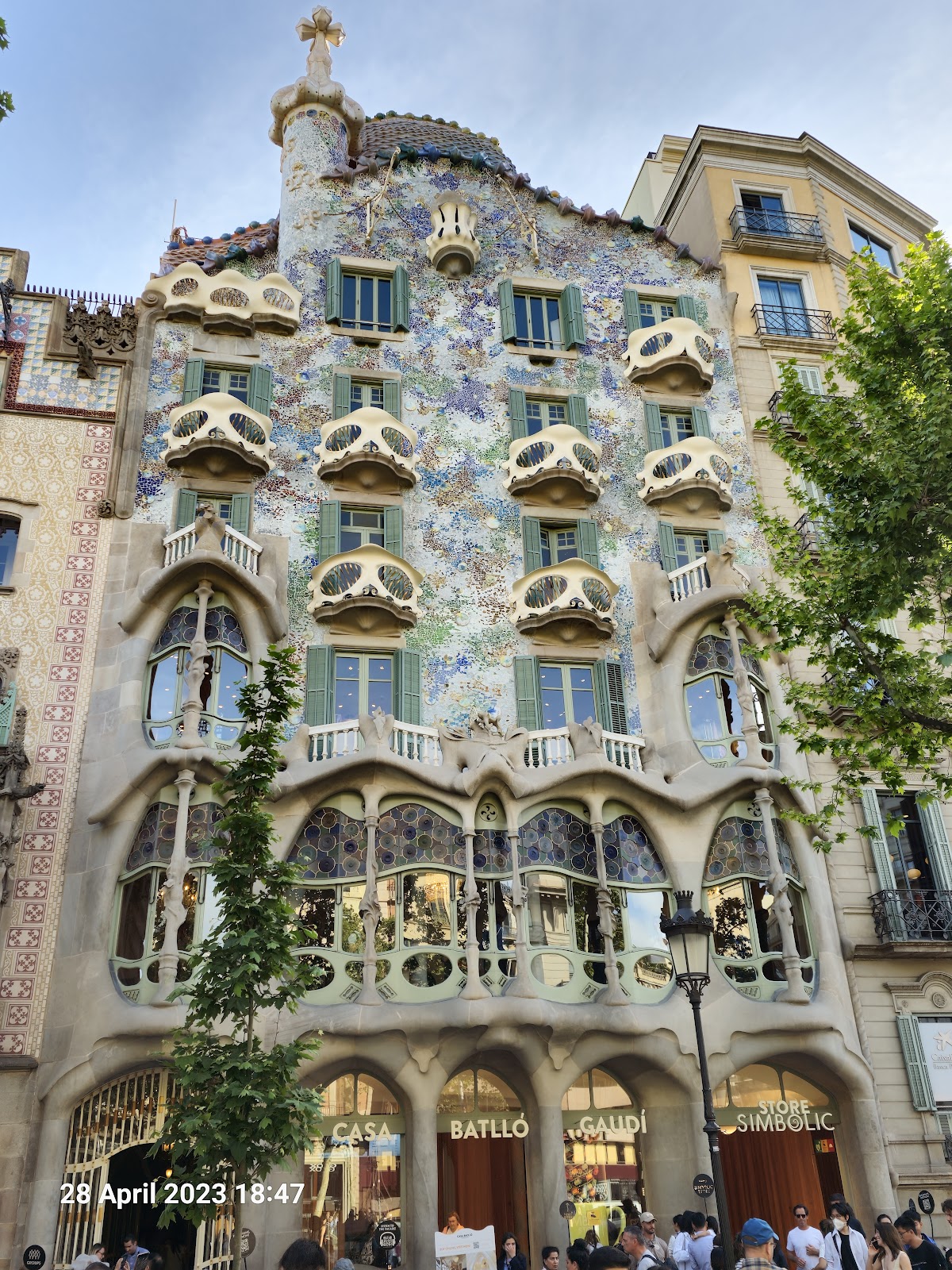
Casa Batlló
1h15
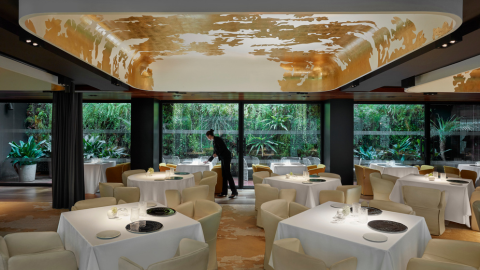
Barcelona · 🍽️ Food · 🚶 4 min walk
Moments
2h
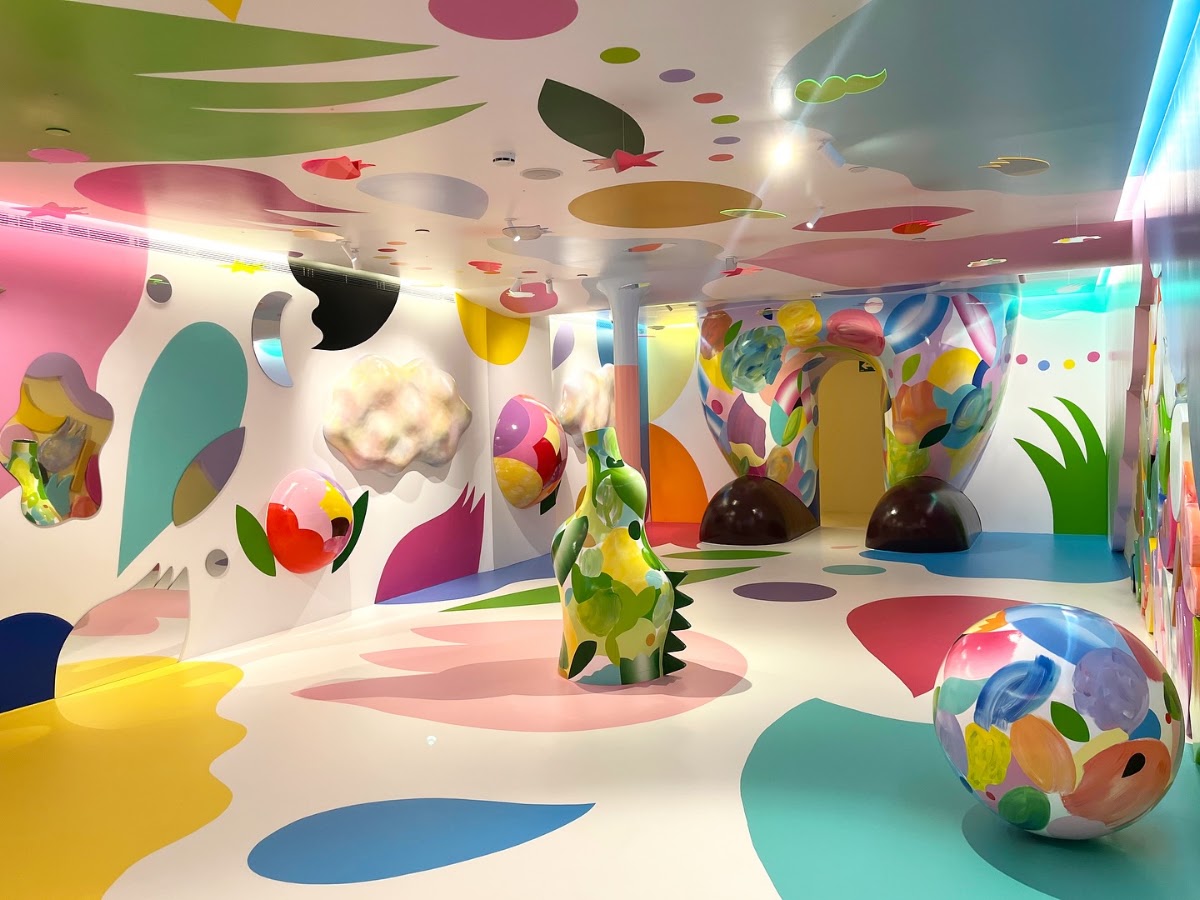
Barcelona · 🎭 Entertainment · 🚶 4 min walk
White Rabbit · The Immersive Experience of Barcelona
1h
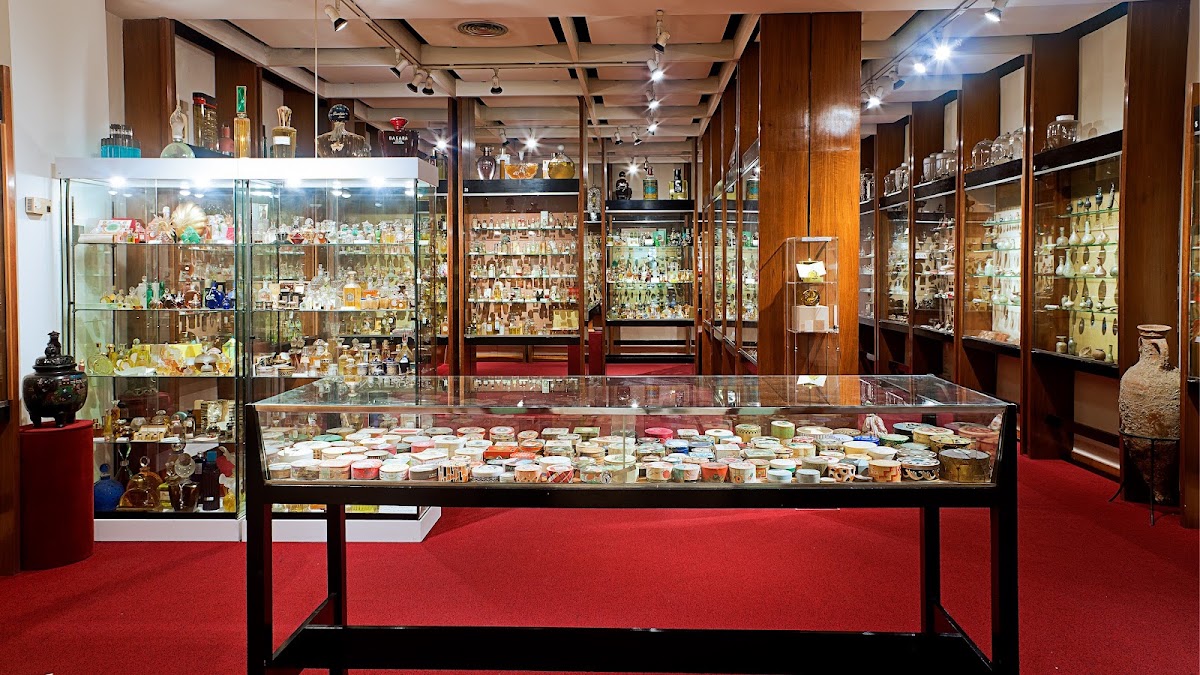
Barcelona · 🎨 Museum · 🚶 4 min walk
Perfume Museum
30 min
Build your itinerary
City
Dates
Choose your Explorer profile