4.2 ·
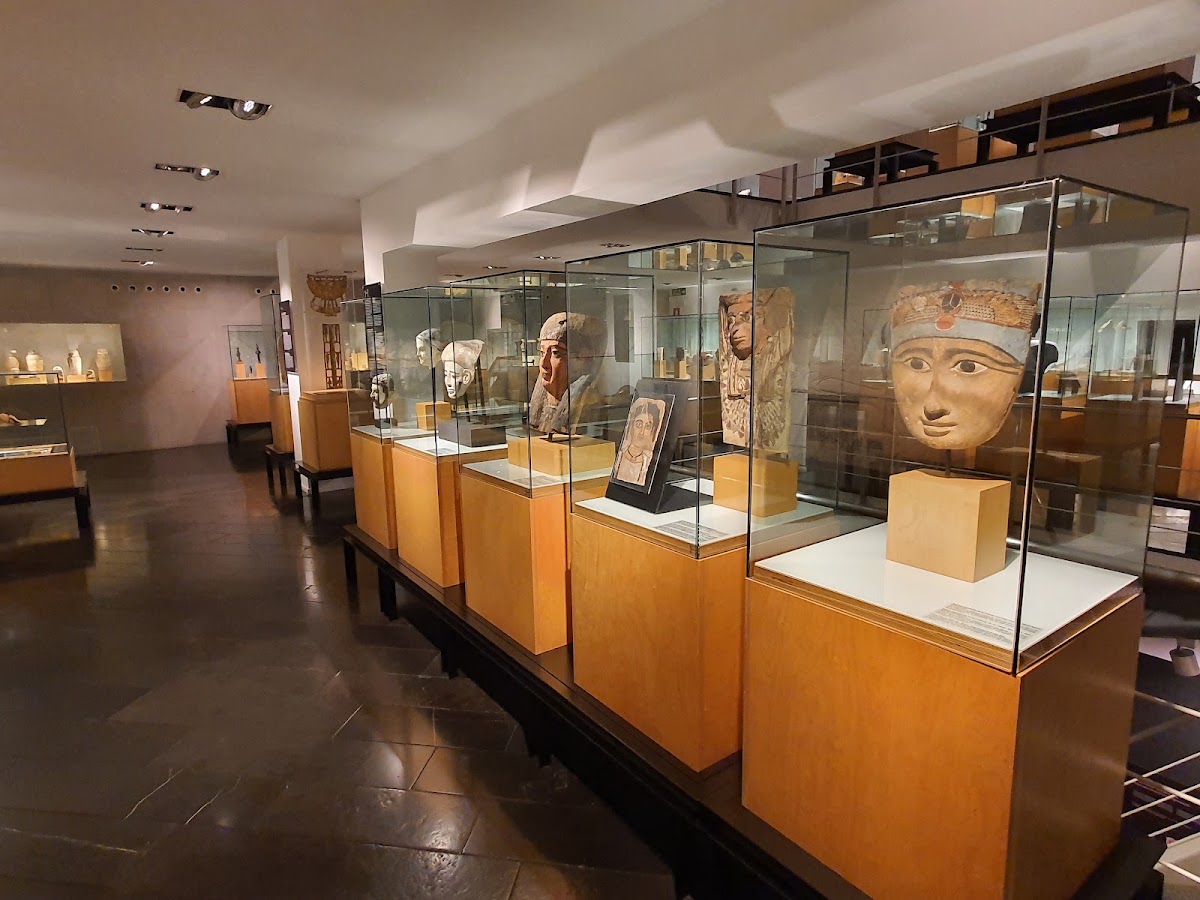
Discover the Museu Egipci de Barcelona, a compact treasure tucked into an Eixample townhouse. Explore a thoughtfully curated collection of pharaonic artifacts at an easy pace, with an hour enough to see it all properly.
Reasons to go
Full description
The Museu Egipci de Barcelona packs a well-curated collection of ancient Egyptian artifacts into a compact Eixample townhouse, drawing praise from visitors — including Egyptian nationals — for how thoughtfully the pieces are presented given the museum's modest size. A 4.2-star rating and a very high culture score suggest it satisfies visitors looking for genuine historical substance, even if it can't match the scale of the Egyptian collections at Berlin's Neues Museum or the British Museum.
Its relatively lower must-see score signals it's a strong specialist stop rather than an unmissable Barcelona landmark. An hour is enough to see the collection properly without feeling rushed.
The Museu Egipci de Barcelona packs a well-curated collection of ancient Egyptian artifacts into a compact Eixample townhouse, drawing praise from visitors — including Egyptian nationals — for how thoughtfully the pieces are presented given the museum's modest size. A 4.2-star rating and a very high culture score suggest it satisfies visitors looking for genuine historical substance, even if it can't match the scale of the Egyptian collections at Berlin's Neues Museum or the British Museum.
Its relatively lower must-see score signals it's a strong specialist stop rather than an unmissable Barcelona landmark. An hour is enough to see the collection properly without feeling rushed.
Address
Hours
Booking
Duration
1h
Best time
morning, lunchtime, afternoon, early evening or evening
Intensity
Moderate walking
Good to know
Reviews
Not really what I expected , full of replicas and miniature sets . Not really enticing .
DJ Leo Worldwide
3/5📍 Nearby spots
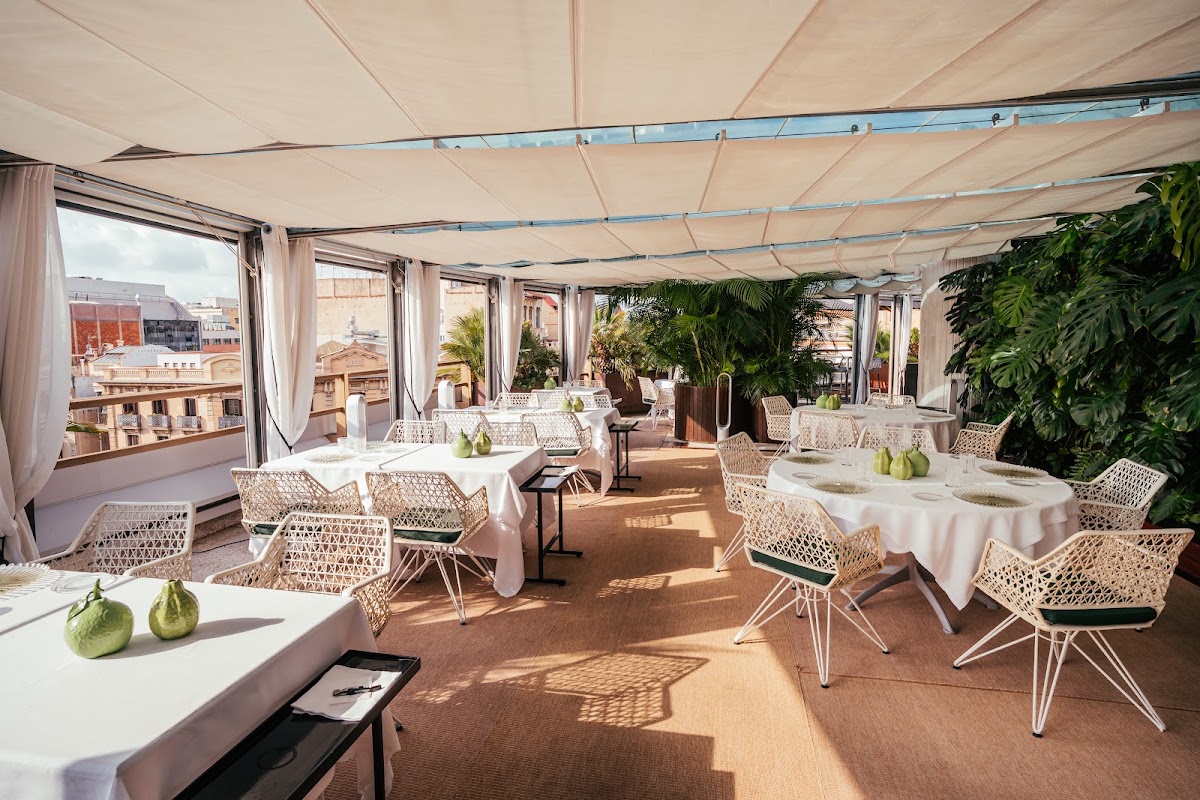
Barcelona · 🍽️ Food · 🚶 2 min walk
Del Claris Terrace
1h30
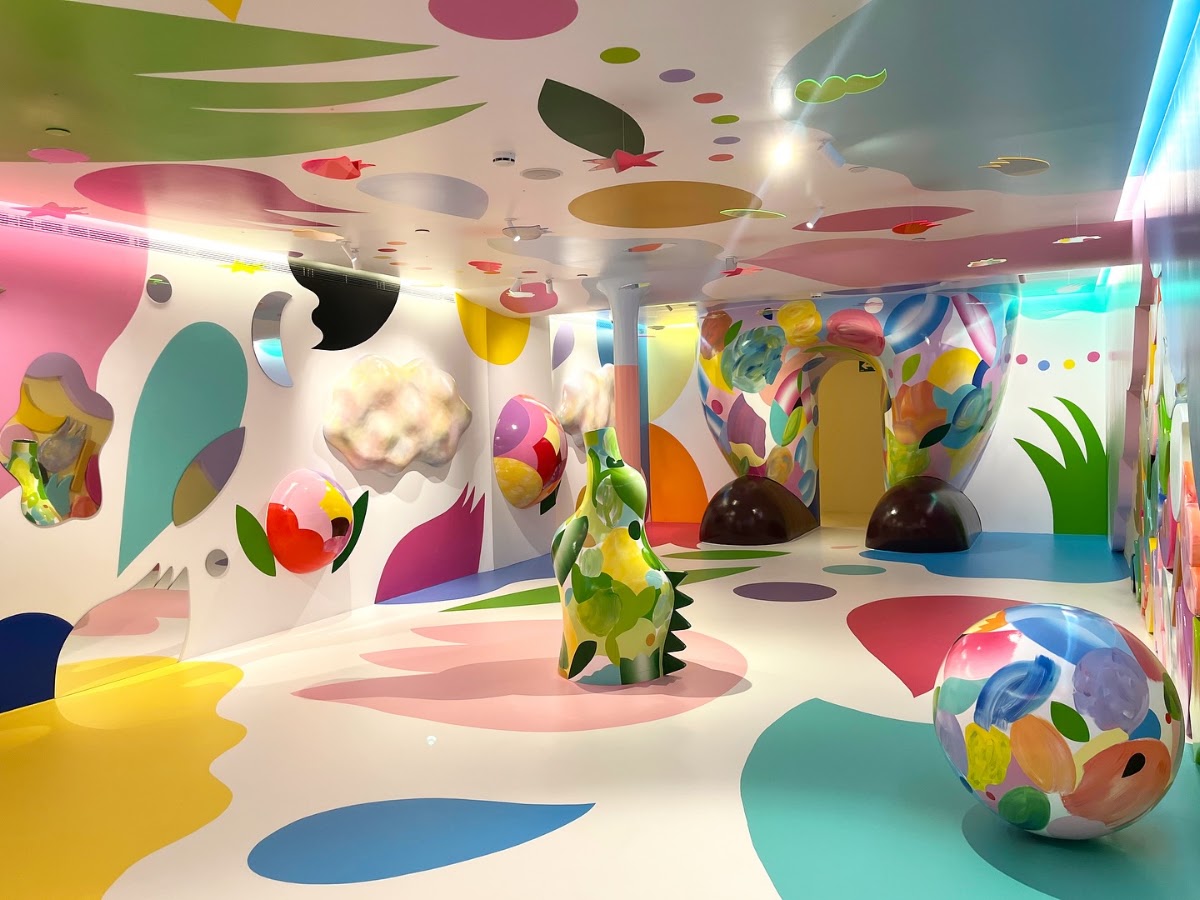
Barcelona · 🎭 Entertainment · 🚶 2 min walk
White Rabbit · The Immersive Experience of Barcelona
1h
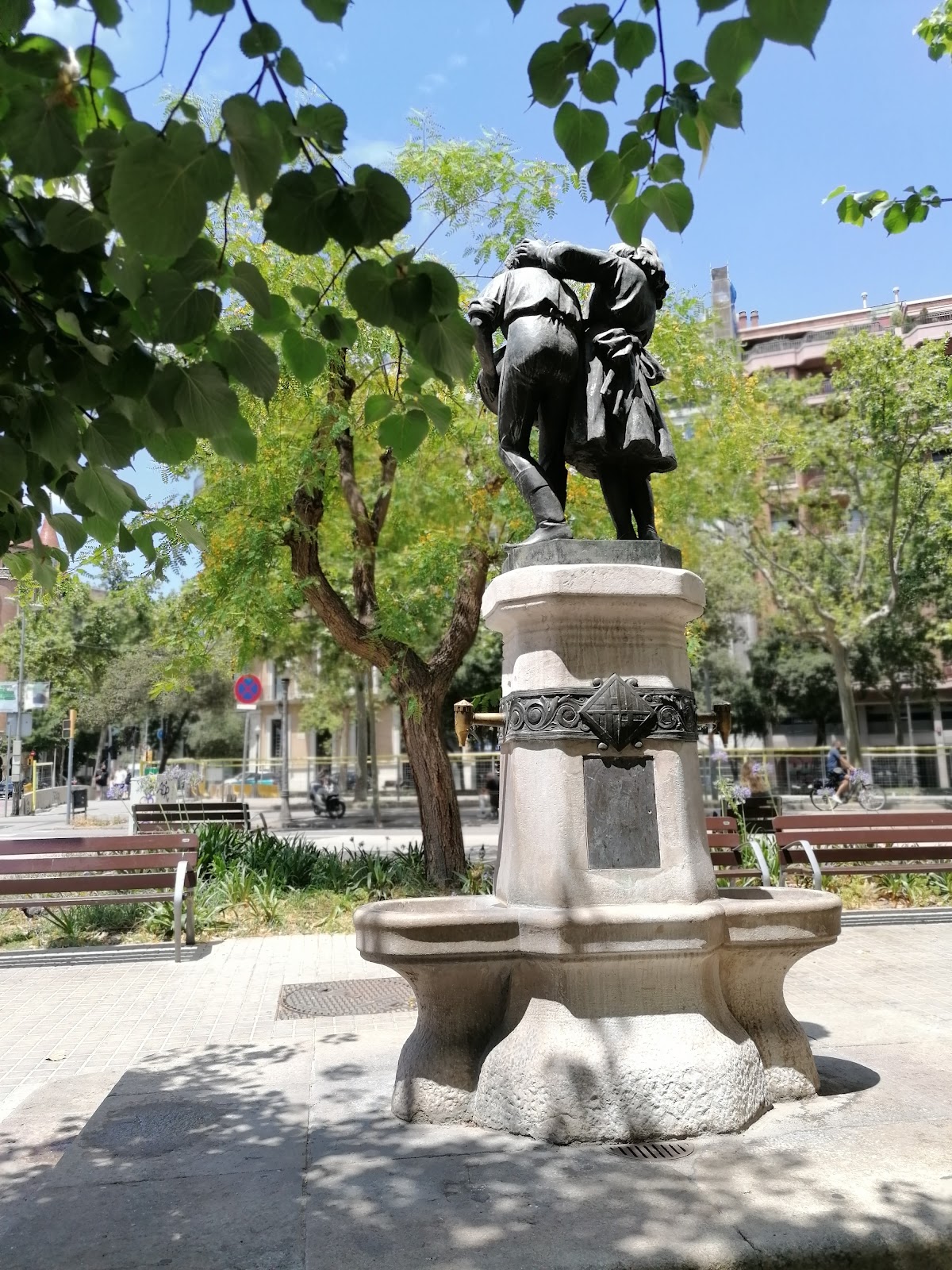
Barcelona · 🚶 Neighborhoods · 🚶 2 min walk
Eixample
1h30
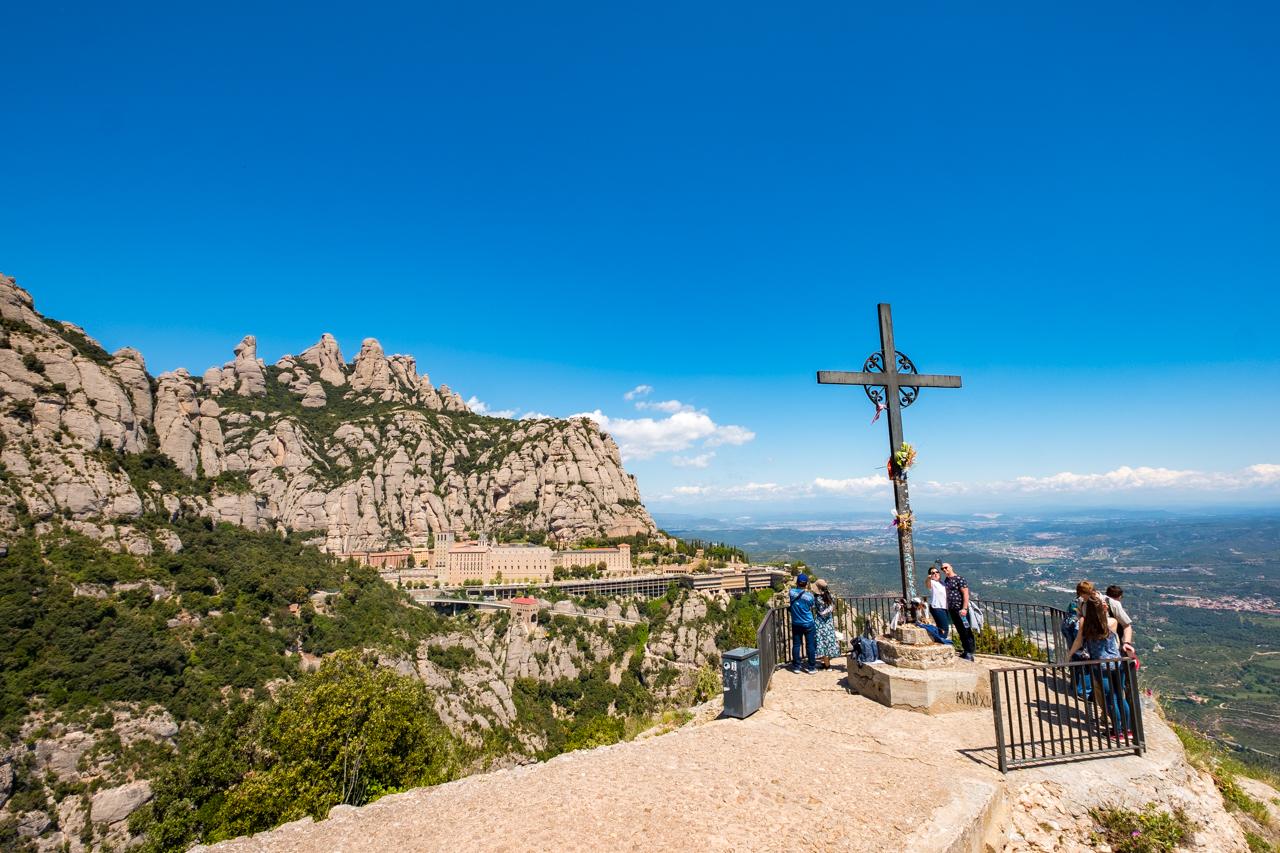
Barcelona · 🏛️ Landmark · 🚶 3 min walk
Montserrat Monastery, Easy Hike, Cable Car
6h
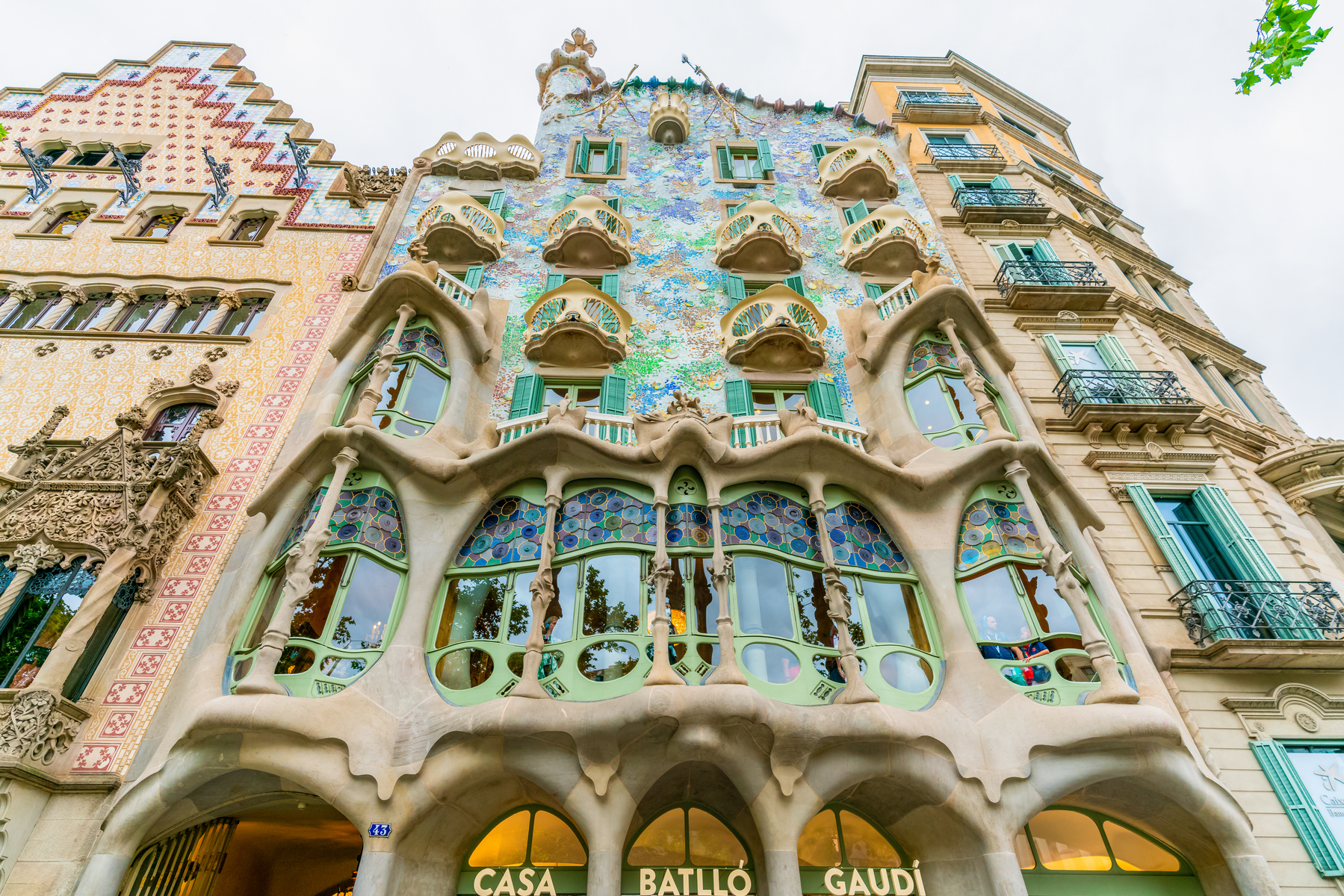
Barcelona · 🏛️ Landmark · 🚶 3 min walk
Casa Batlló Entry with Self-Audioguide Tour
1h30
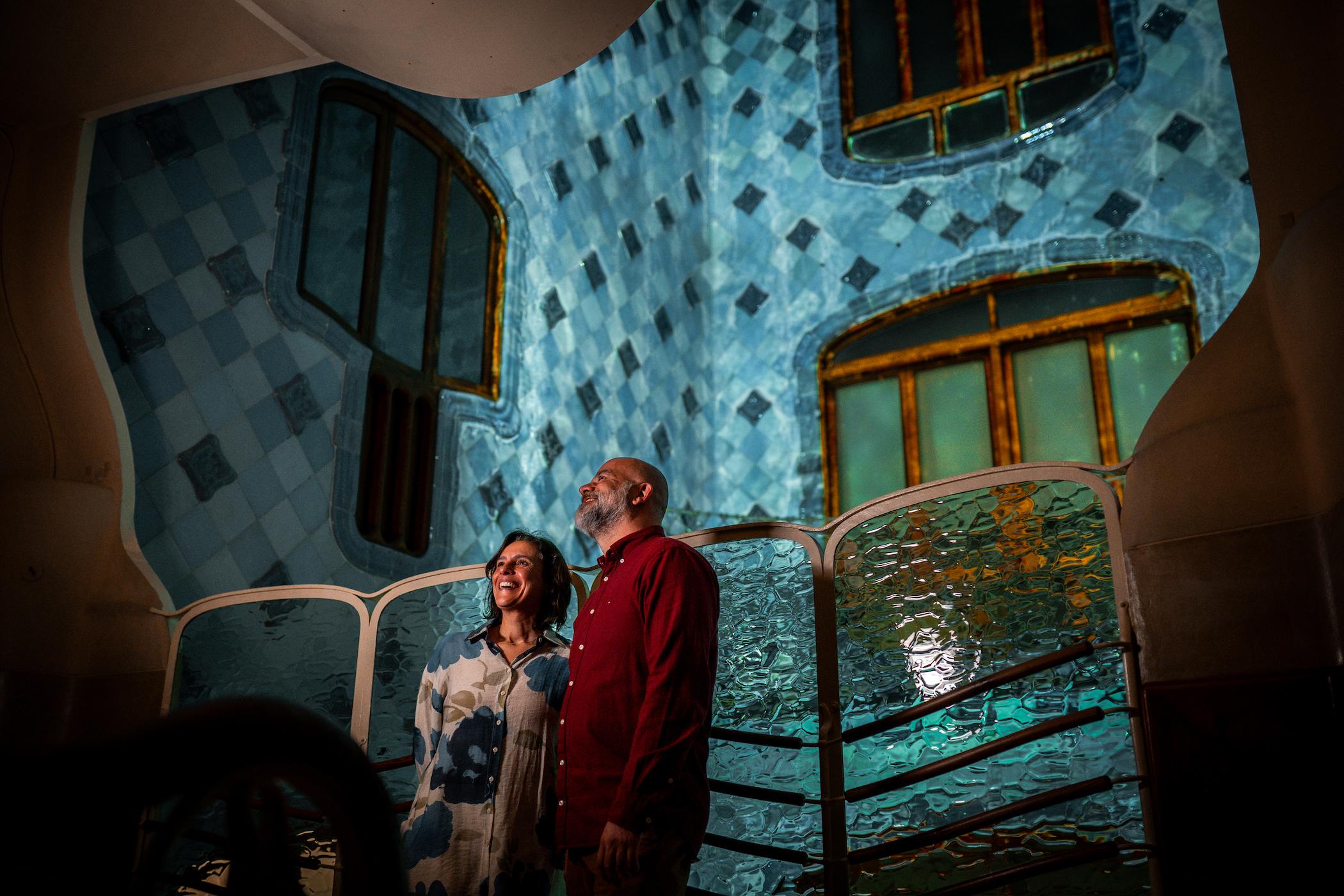
Barcelona · 🏛️ Landmark · 🚶 3 min walk
Casa Batlló Night Visit with Welcome Drink
1h
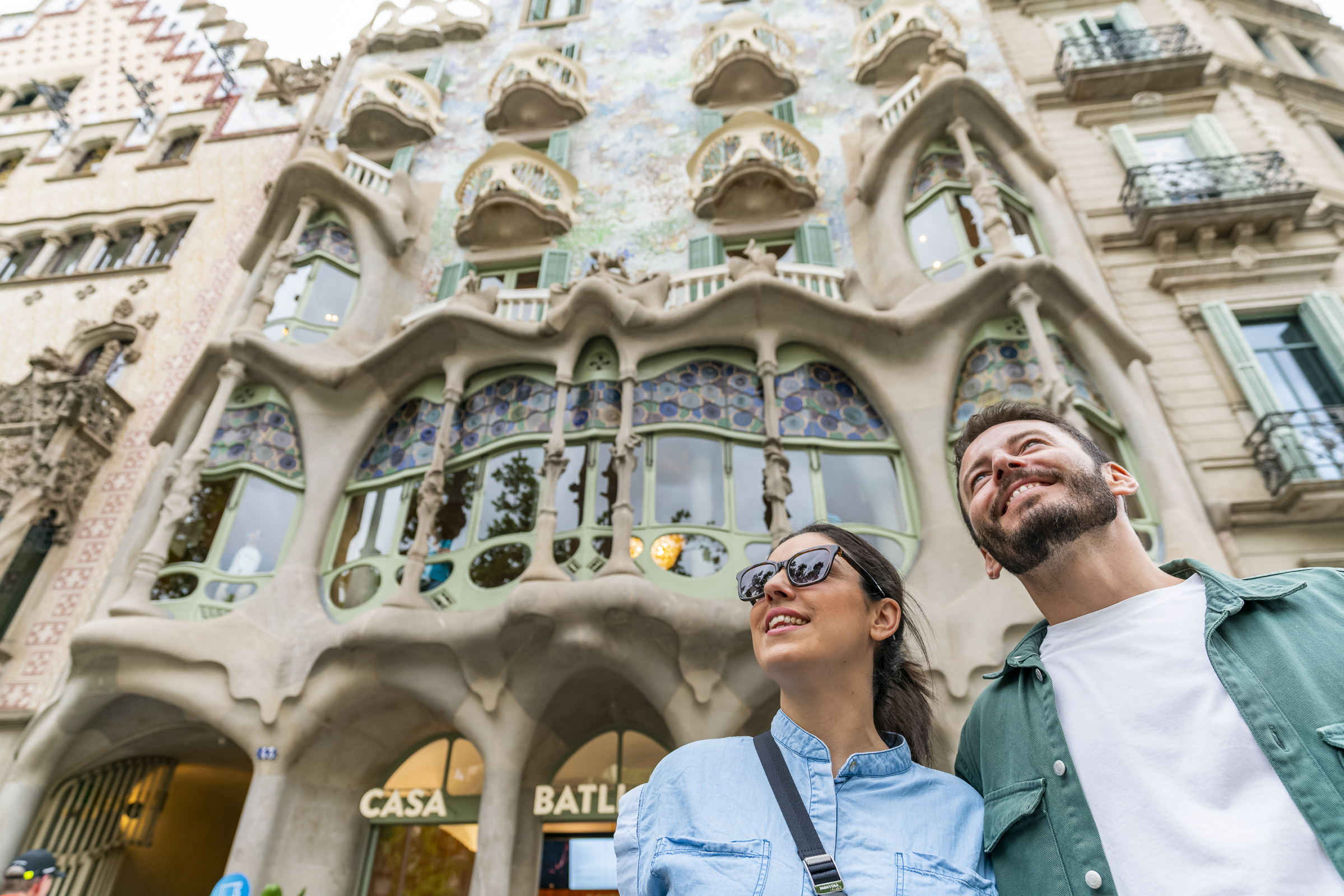
Barcelona · 🏛️ Landmark · 🚶 3 min walk
Casa Batlló Be The First Entry Ticket
1h30
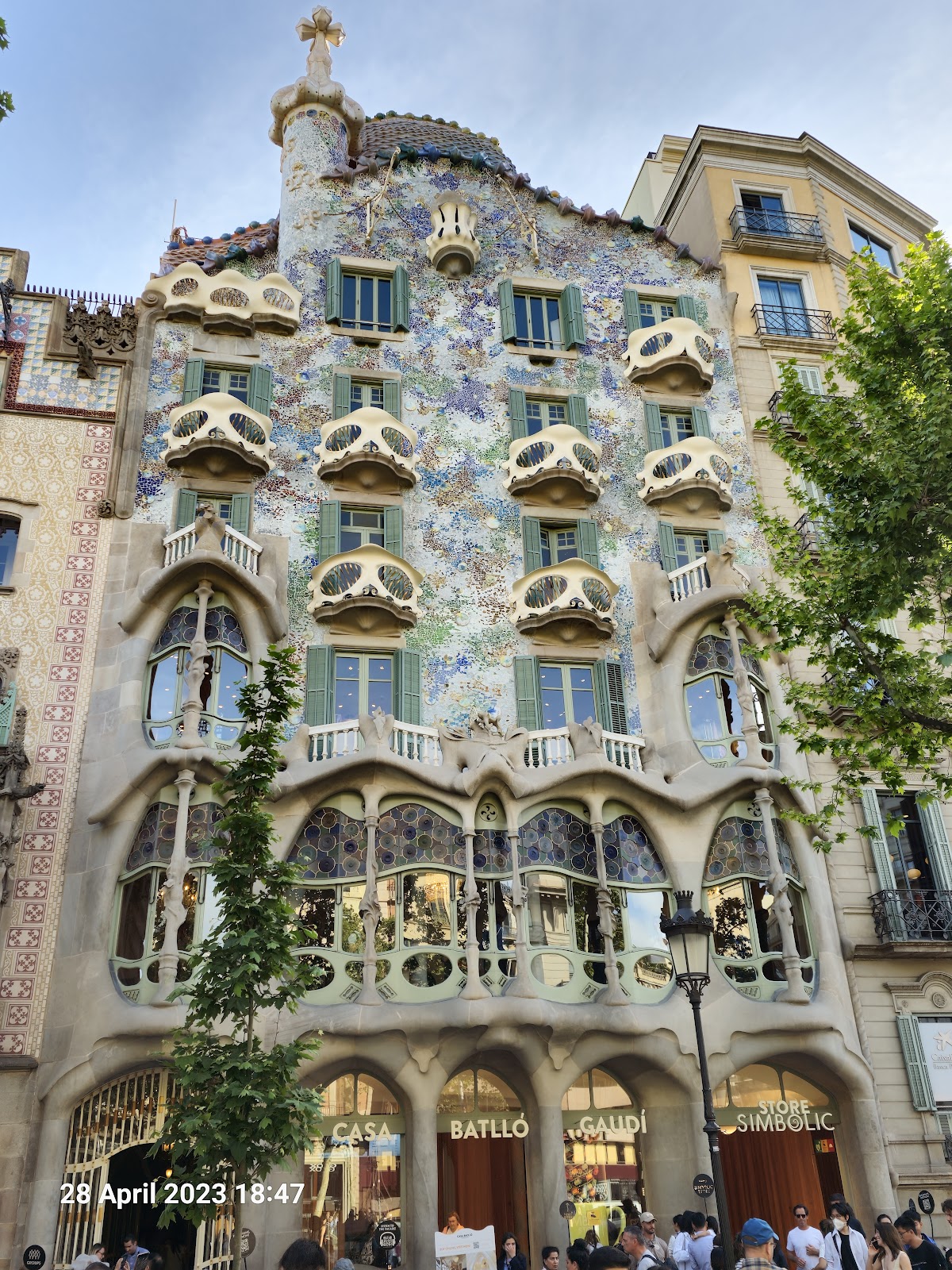
Barcelona · 🏛️ Landmark · 🚶 3 min walk
Casa Batlló
1h15
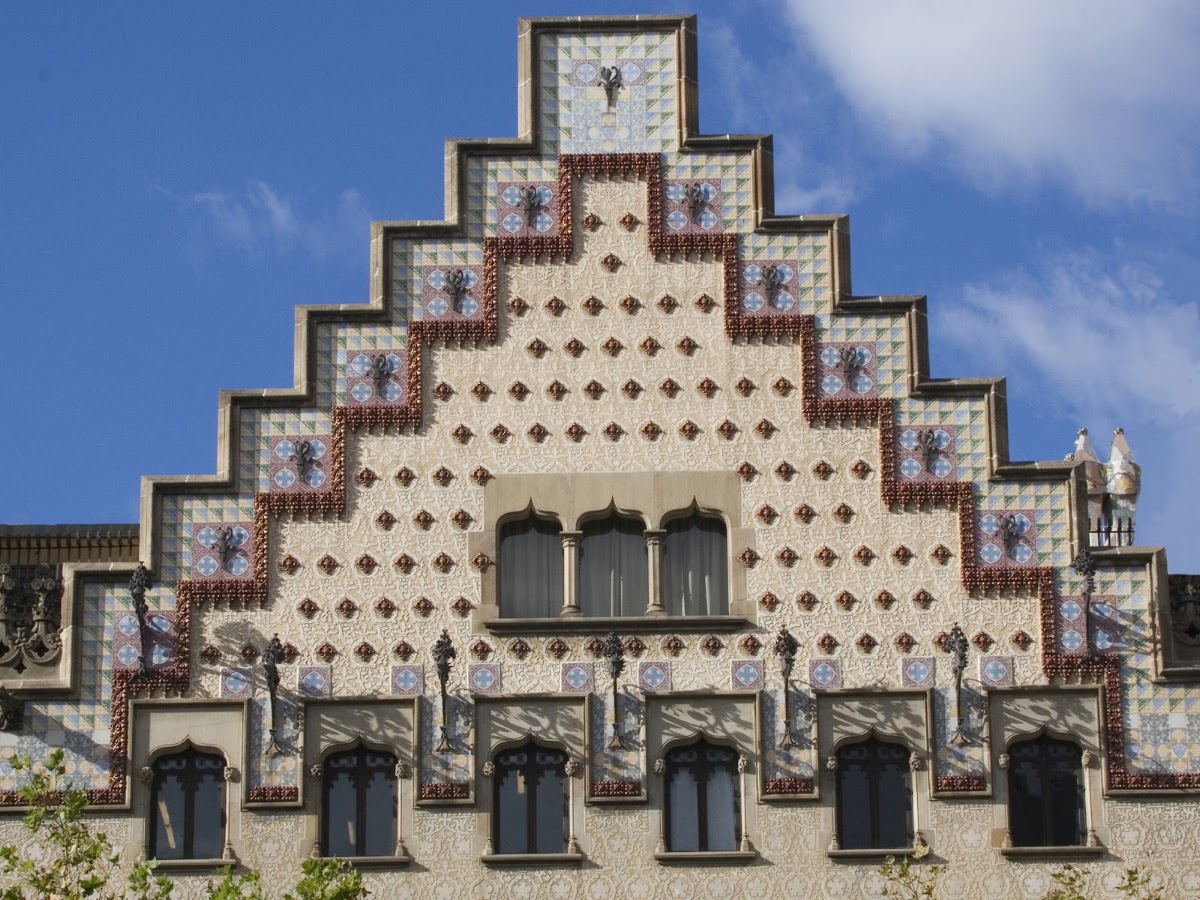
Barcelona · 🏛️ Landmark · 🚶 4 min walk
Casa Amatller
1h
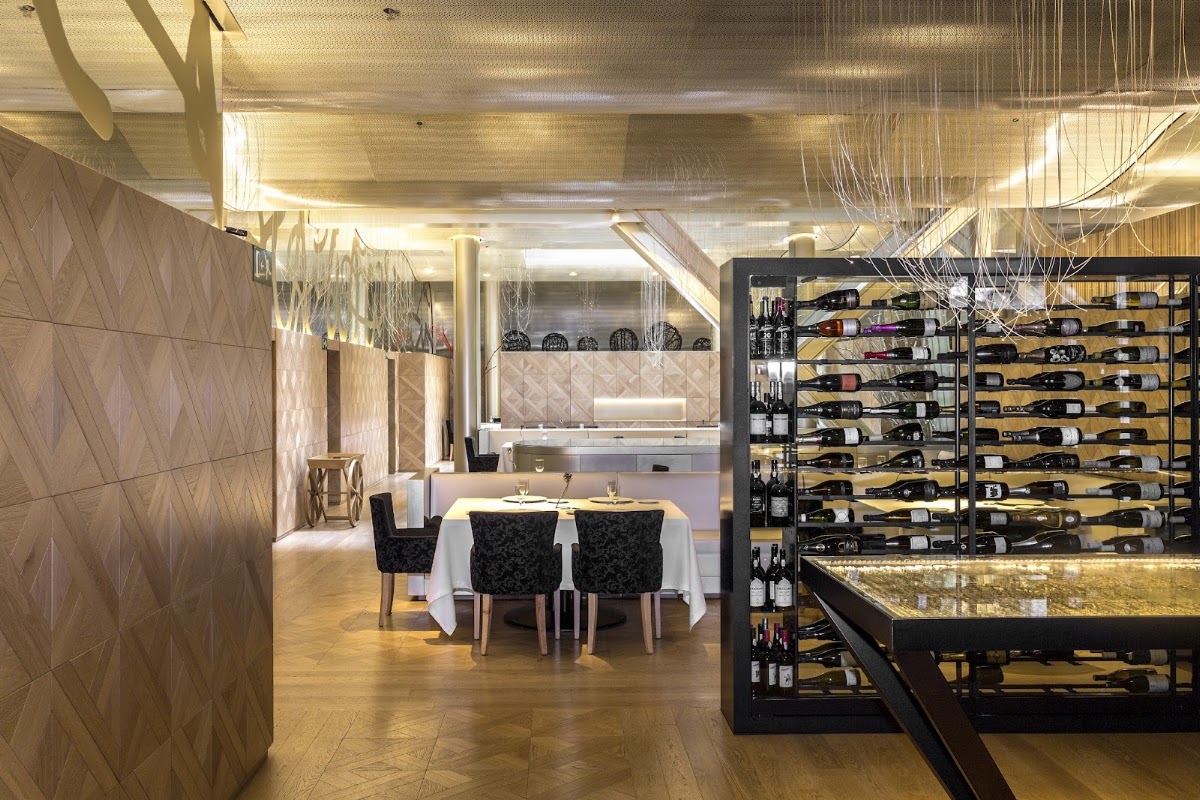
Barcelona · 🍽️ Food · 🚶 4 min walk
Lasarte
2h45
Build your itinerary
City
Dates
Choose your Explorer profile