The Globe Map

Home · London · The Boutique Hunter

For shopping and fashion

Discover London’s 200 best Boutique Hunter spots for your trip

From the classic Dover Street Market and Selfridges, to lesser-known spots worth adding to your trip.

  • Prices & booking information
  • Opening hours & visit duration
  • Best time to visit
  • Location & practical information
  • Local tips for every spot
Dover Street Market1
🛍️
4.2 (1,558)Free

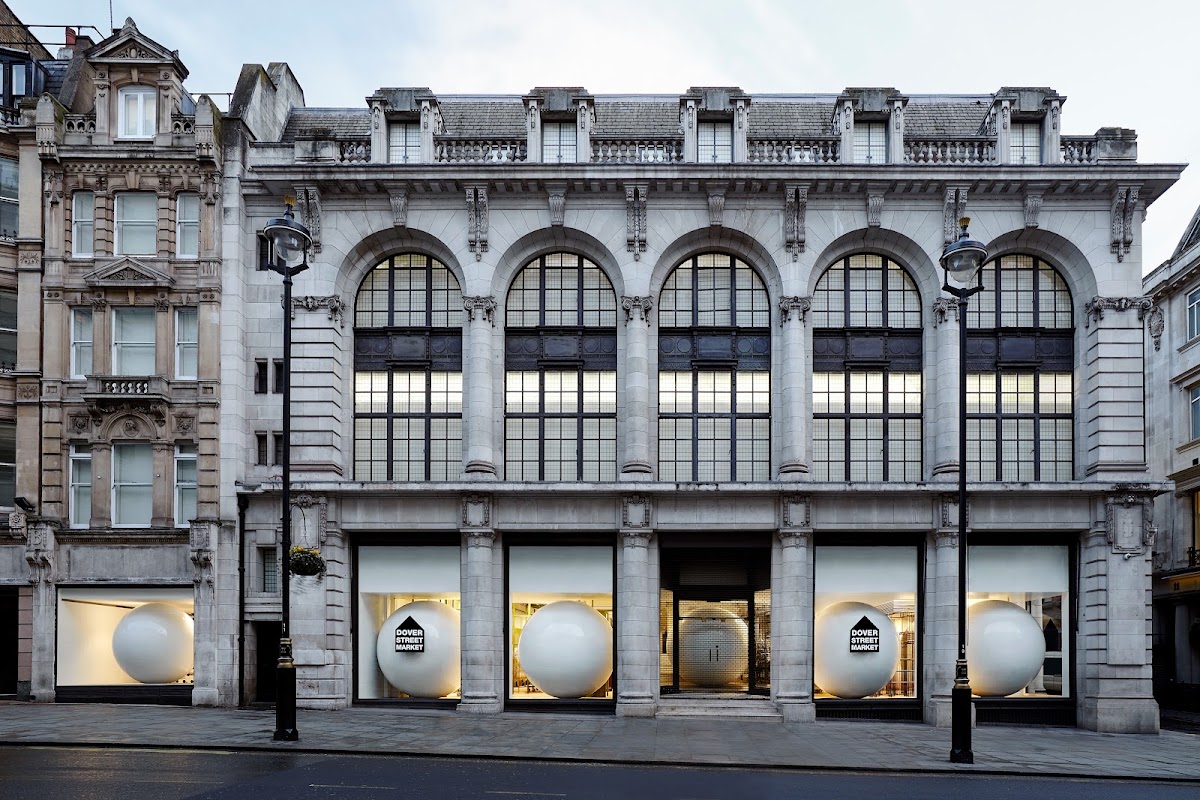
Rather than a conventional multi-brand boutique, Dover Street Market treats retail as installation art, with each floor reimagined periodically around a distinct concept showcasing avant-garde and directional fashion labels alongside Comme des Garçons' own lines. Its maximum trendy score and high aesthetic rating set it apart from London's more traditional department stores, reflecting a destination for fashion-forward visitors rather than mainstream shoppers, while the comparatively modest must-see score suggests it appeals strongly to a specific audience rather than a mass one.

Reviewers describe each floor as feeling like stepping into a different curated world, praising the boldness of the design over conventional retail comforts. It rewards visitors with a genuine interest in fashion and design more than casual browsers.

✨ Reasons to go

  • 1Founded by Comme des Garçons, it treats each floor as a periodically reimagined installation rather than fixed retail displays.
  • 2Stocks avant-garde labels like Comme des Garçons, Yohji Yamamoto, Junya Watanabe and The Row alongside its own lines.

💡 Good to know

  • 1Go in with time to explore every floor, as the design changes are part of the experience
  • 2expect premium pricing on most items
  • 3visit on a weekday afternoon for a quieter look at the installations.

⏱️ Typical visit

45 min

🕰️ Best time

morning, lunchtime, afternoon or early evening

🚶 Walking intensity

Easy pace

📍

Address

18-22 Haymarket, London SW1Y 4DG, UK
🕐

Hours

  • Monday: 11:00 AM – 7:00 PM
  • Tuesday: 11:00 AM – 7:00 PM
  • Wednesday: 11:00 AM – 7:00 PM
  • Thursday: 11:00 AM – 7:00 PM
  • Friday: 11:00 AM – 7:00 PM
  • Saturday: 11:00 AM – 7:00 PM
  • Sunday: 12:00 – 6:00 PM
Selfridges2
🛍️
4.5 (47,380)$$ · Mid-range

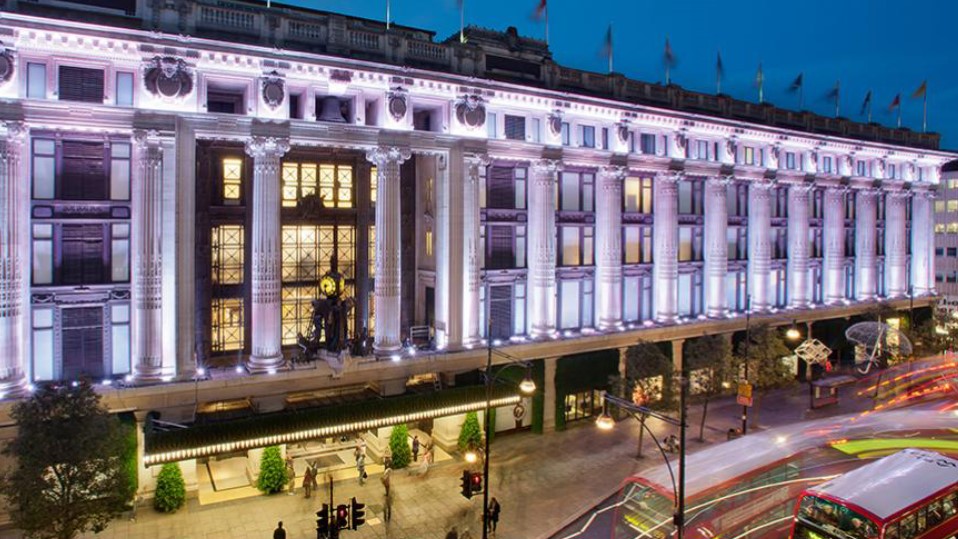
Behind its grand Portland stone facade on Oxford Street, Selfridges has built its reputation as much on spectacle as on merchandise, particularly through its famously inventive Christmas window displays that reviewers return year after year to see. The maximum must-see and aesthetic scores reflect its scale and visual ambition, while a still-high trendy score signals a store that keeps pace with contemporary fashion and design rather than resting on tradition.

Inside, multiple floors cover fashion, beauty, and home goods, arranged with a curatorial eye more akin to a gallery than a typical department store. It's best approached as a visual experience worth wandering even without a shopping list.

✨ Reasons to go

  • 1Its Portland stone facade on Oxford Street was designed to make the store feel like a grand civic building rather than a shop.
  • 2The Christmas window displays are reworked annually with elaborate themes, drawing repeat visitors each holiday season.
  • 3Interiors are arranged with a curatorial, gallery-like layout across multiple floors of fashion, beauty, and home goods.

💡 Good to know

  • 1Visit in November or December if possible, when the window displays are at their most elaborate
  • 2go on a weekday morning to avoid Oxford Street's heaviest foot traffic
  • 3allow time to simply wander, as the displays and store design are part of the appeal.

⏱️ Typical visit

1h30

🕰️ Best time

morning, lunchtime, afternoon, early evening or evening

🚶 Walking intensity

Active — lots of walking

📍

Address

400 Oxford St, London W1A 1AB, UK
🕐

Hours

  • Monday: 10:00 AM – 10:00 PM
  • Tuesday: 10:00 AM – 10:00 PM
  • Wednesday: 10:00 AM – 10:00 PM
  • Thursday: 10:00 AM – 10:00 PM
  • Friday: 10:00 AM – 10:00 PM
  • Saturday: 10:00 AM – 10:00 PM
  • Sunday: 11:30 AM – 6:00 PM
Bond Street3
🛍️
4.5 (2,195)Free

Running through the heart of Mayfair, Bond Street is lined almost exclusively with luxury fashion houses, jewelers, and auction houses, making it the natural address for high-end flagship stores in London. Its strong must-see and aesthetic scores alongside a firmly low local rating mark it as a polished, upscale destination built for browsing rather than an area with everyday neighborhood character.

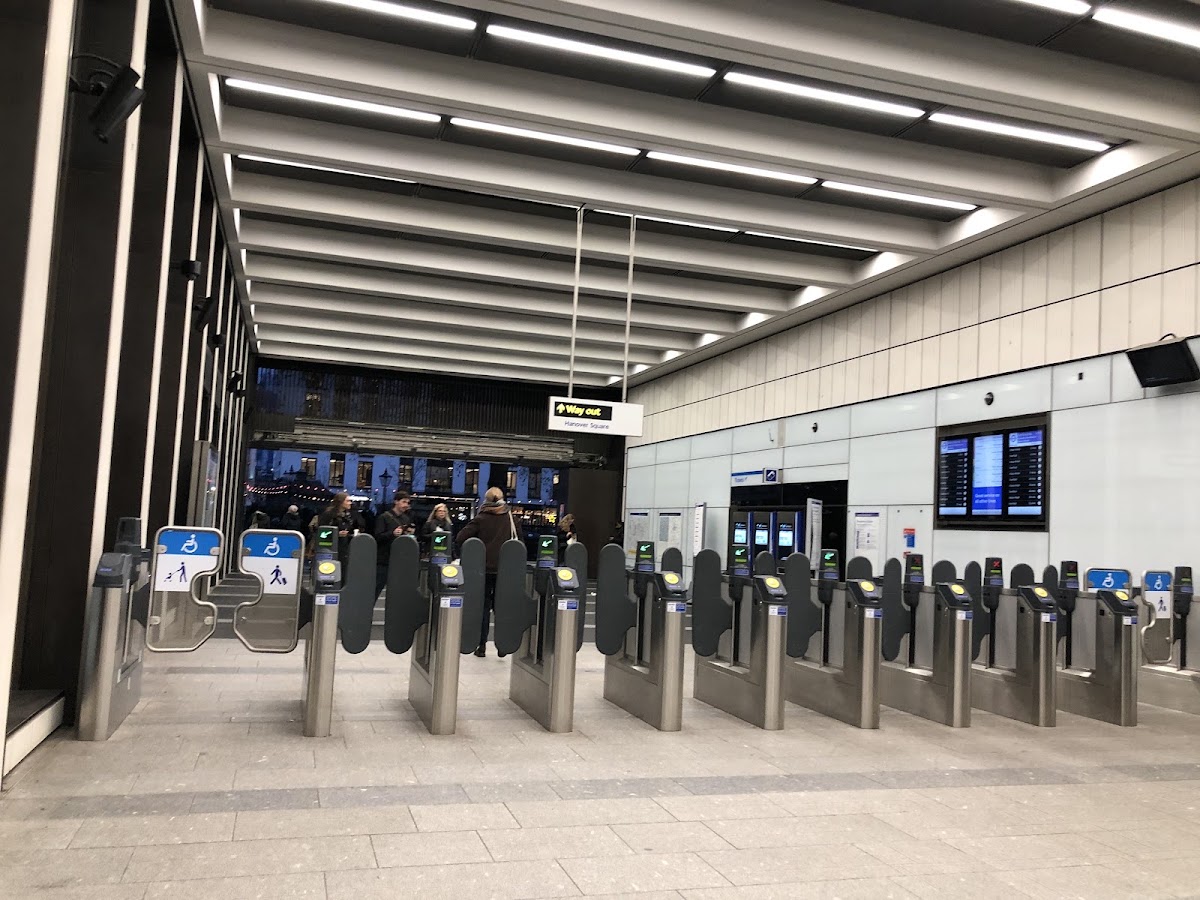
Reviewers highlight both the elegance of the shopping itself and the striking modern architecture of the Elizabeth line station that anchors the street. It suits window shopping and a taste of high-end London style more than a bargain hunt.

✨ Reasons to go

  • 1Home to flagship stores for major luxury fashion houses and jewelers, and to London's leading auction houses.
  • 2The street is anchored by the Elizabeth line's Bond Street station, noted for its modern architectural design.

💡 Good to know

  • 1Treat it as a window-shopping walk if not planning to buy, since prices throughout are at the luxury end
  • 2the Bond Street station itself is worth a look for its modern architecture
  • 3combine with nearby Regent Street or Mayfair galleries for a fuller afternoon.

⏱️ Typical visit

45 min

🕰️ Best time

morning, lunchtime or afternoon

🚶 Walking intensity

Moderate walking

📍

Address

Bond Street Station Underground Ltd, Oxford St, London W1R 1FE, UK
Fashion and Textile Museum4
🎨
4.1 (405)$ · Budget-friendly

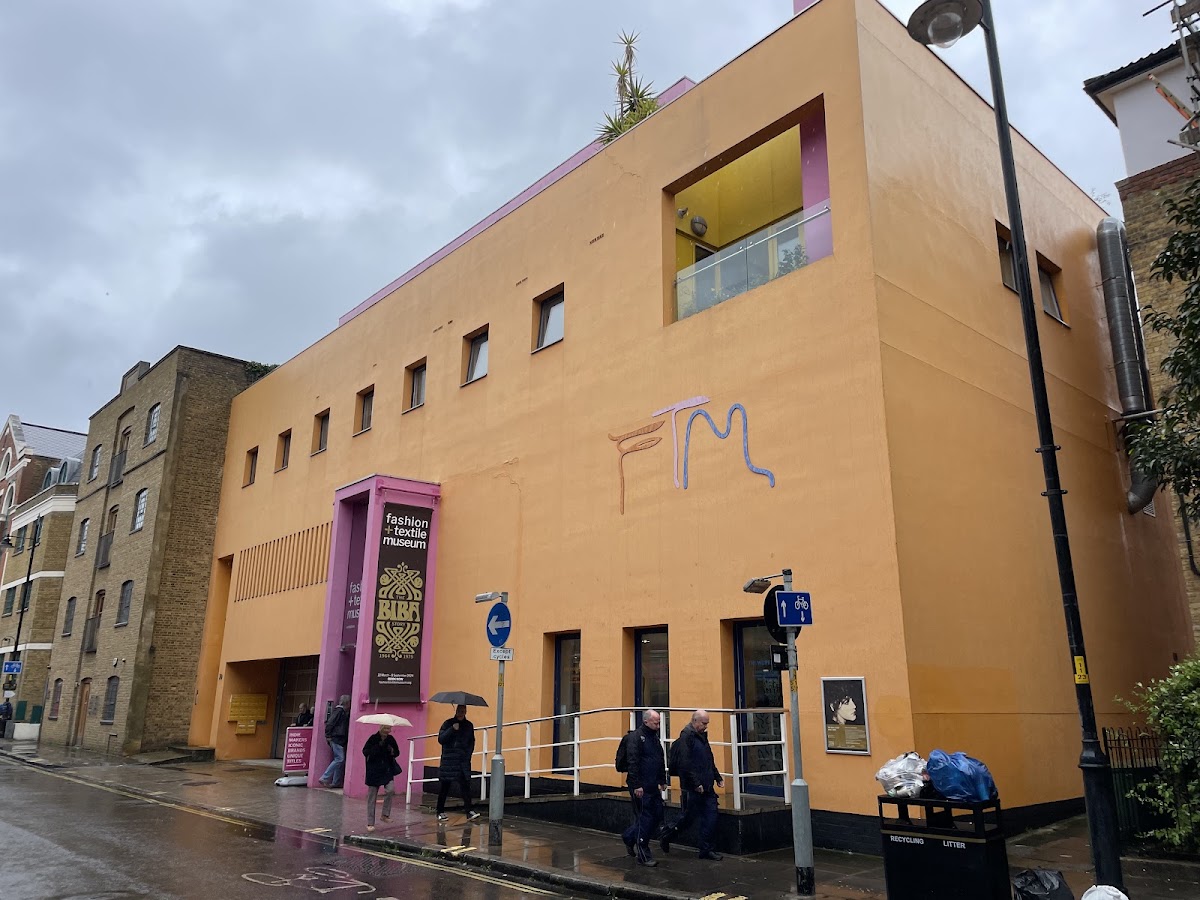
The Fashion and Textile Museum runs one focused exhibition at a time rather than maintaining a permanent display, giving each visit a distinct, specialist character built around a particular designer, era, or theme. Its modest review count points to a niche audience, those specifically interested in fashion and costume history, rather than a broad tourist draw, and its moderate hidden-gem score fits a museum best discovered by accident near Borough Market.

Reviewers with backgrounds in costume or theater design in particular tend to find real depth here. At around 40 minutes, it's a quick, focused stop rather than a lengthy museum visit.

✨ Reasons to go

  • 1The building itself was founded by designer Zandra Rhodes as a home for fashion and textile exhibitions.
  • 2Exhibitions rotate rather than being permanent, each focused on a single designer, era, or theme.
  • 3It's tucked near Borough Market, making it an easy add-on stop rather than a destination museum.

💡 Good to know

  • 1Check what exhibition is currently showing before visiting, since there's no permanent collection and content varies significantly
  • 2it's easy to combine with a visit to nearby Borough Market
  • 3budget around 40 minutes given its compact size.

⏱️ Typical visit

40 min

🕰️ Best time

morning, lunchtime, afternoon or early evening

🚶 Walking intensity

Easy pace

📍

Address

83 Bermondsey St, London SE1 3XF, UK
🕐

Hours

  • Monday: Closed
  • Tuesday: 11:00 AM – 6:00 PM
  • Wednesday: 11:00 AM – 6:00 PM
  • Thursday: 11:00 AM – 6:00 PM
  • Friday: 11:00 AM – 6:00 PM
  • Saturday: 11:00 AM – 6:00 PM
  • Sunday: Closed
Harrods5
🛍️
4.4 (127,561)$$$ · Expensive

Occupying an entire block of Brompton Road behind its distinctive illuminated facade, Harrods has been London's grandest department store since the 19th century, spanning multiple floors of luxury fashion, homeware, and its celebrated food halls with tiled Edwardian ceilings. A perfect must-see score and maximum aesthetic rating reflect its position as an essential stop on almost every visitor's itinerary, even though the rock-bottom hidden-gem score makes clear there's nothing undiscovered about it.

Reviewers consistently highlight the food hall and the overall spectacle of the building itself as much as anything they actually buy. It suits travelers who want a grand, photogenic shopping experience rather than a bargain hunt.

✨ Reasons to go

  • 1The store spans an entire block of Brompton Road behind its illuminated Edwardian facade.
  • 2It houses 7 floors and over 300 departments.
  • 3The food halls retain their original tiled Edwardian ceilings.

💡 Good to know

  • 1Expect premium prices throughout, even in the food hall
  • 2visit outside weekend afternoons when it's least crowded
  • 3save time for the food halls, which reviewers rate as the highlight even for those not there to shop.

⏱️ Typical visit

1h30

🕰️ Best time

morning, lunchtime, afternoon, early evening or evening

🚶 Walking intensity

Active — lots of walking

📍

Address

87-135 Brompton Rd, London SW1X 7XL, UK
🕐

Hours

  • Monday: 10:00 AM – 9:00 PM
  • Tuesday: 10:00 AM – 9:00 PM
  • Wednesday: 10:00 AM – 9:00 PM
  • Thursday: 10:00 AM – 9:00 PM
  • Friday: 10:00 AM – 9:00 PM
  • Saturday: 10:00 AM – 9:00 PM
  • Sunday: 11:30 AM – 6:00 PM
Liberty London6
🛍️
4.5 (25,040)$$ · Mid-range

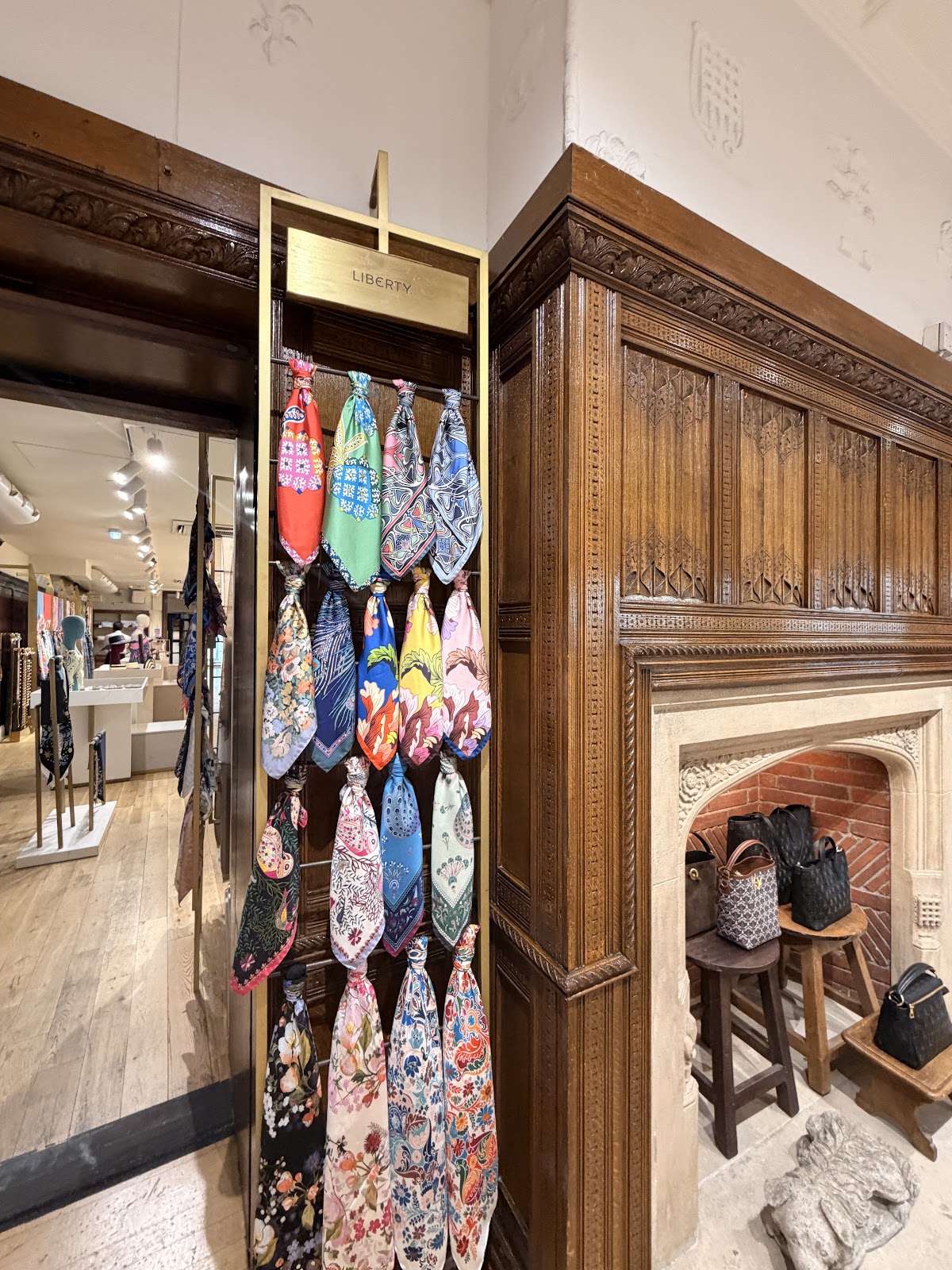
Built from the timbers of two decommissioned Royal Navy ships, Liberty's mock-Tudor building is as much the attraction as what's sold inside, with creaking wooden staircases and galleried floors housing fashion, homeware, and the famous floral fabrics that carry the store's name worldwide. Its high culture score alongside a maximum aesthetic rating reflects genuine architectural and design pedigree rather than manufactured hype, and reviewers consistently single out the building itself — the fireplaces, the woodwork — over any single product.

Five floors give it real depth to explore, from the haberdashery department to curated fashion collections. It rewards a slower visit than a typical department store, closer to touring a historic house that happens to sell things.

✨ Reasons to go

  • 1The mock-Tudor building was constructed from the timbers of two decommissioned Royal Navy ships.
  • 2The store's floral fabrics, sold by the meter, are famous worldwide and carry the Liberty name.
  • 3Five galleried floors of creaking wooden staircases give it the feel of a historic manor house rather than a typical department store.

💡 Good to know

  • 1Set aside a full hour or more to explore all five floors properly
  • 2look out for the original Liberty-print fabric, sold by the meter, as a distinctive souvenir
  • 3visit on a weekday to enjoy the historic interior without heavy crowds.

⏱️ Typical visit

1h30

🕰️ Best time

morning, lunchtime, afternoon, early evening or evening

🚶 Walking intensity

Active — lots of walking

📍

Address

Regent St., Carnaby, London W1B 5AH, UK · Carnaby
🕐

Hours

  • Monday: 10:00 AM – 8:00 PM
  • Tuesday: 10:00 AM – 8:00 PM
  • Wednesday: 10:00 AM – 8:00 PM
  • Thursday: 10:00 AM – 8:00 PM
  • Friday: 10:00 AM – 8:00 PM
  • Saturday: 10:00 AM – 8:00 PM
  • Sunday: 11:30 AM – 6:00 PM
Oxford Street7
🛍️
4.7 (8,303)Free

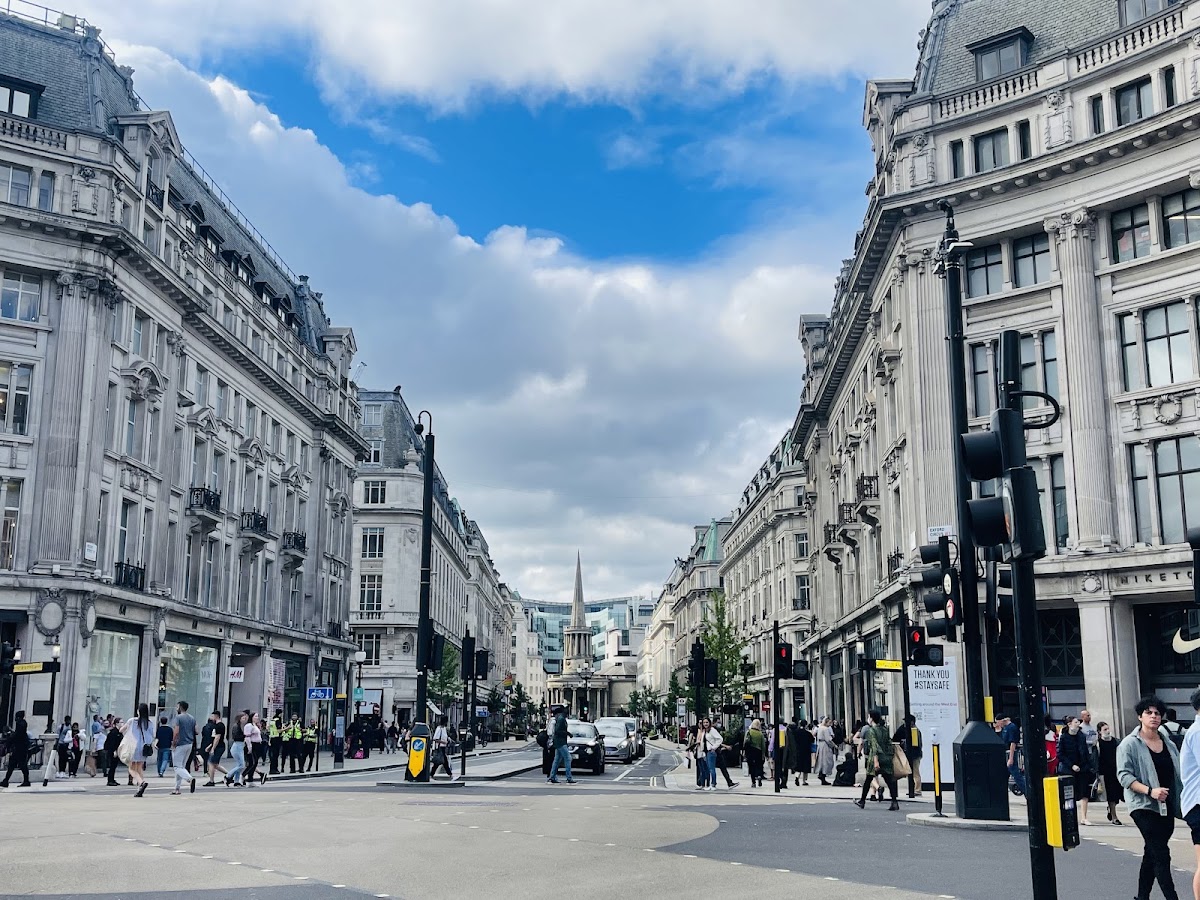
As one of Europe's busiest shopping thoroughfares, Oxford Street strings together flagship branches of major high-street retailers alongside department stores, drawing huge volumes of both tourists and Londoners. Its perfect must-see score reflects sheer inevitability as a stop on most visits, though the rock-bottom hidden-gem and local scores confirm it's mainstream shopping rather than a discovery.

Reviewers describe it as crowded and commercial but well-placed for reaching nearby parks and neighborhoods, useful more for its location and range of shops than for any particular charm. It suits practical shopping trips rather than a leisurely sightseeing walk.

✨ Reasons to go

  • 1It is one of Europe's busiest shopping streets, lined with flagship stores and department stores.
  • 2Its location connects directly to Hyde Park, Marble Arch, Regent Street, and Bond Street.

💡 Good to know

  • 1Expect heavy crowds at almost any time of day, so plan for slower going on foot
  • 2visit on a weekday morning if trying to avoid the worst congestion
  • 3use it as a base for reaching nearby streets like Regent Street or Bond Street rather than the sole destination.

⏱️ Typical visit

1h

🕰️ Best time

morning, lunchtime or afternoon

🚶 Walking intensity

Active — lots of walking

📍

Address

Oxford St, London, UK
Carnaby Street8
🛍️
4.6 (3,008)Free

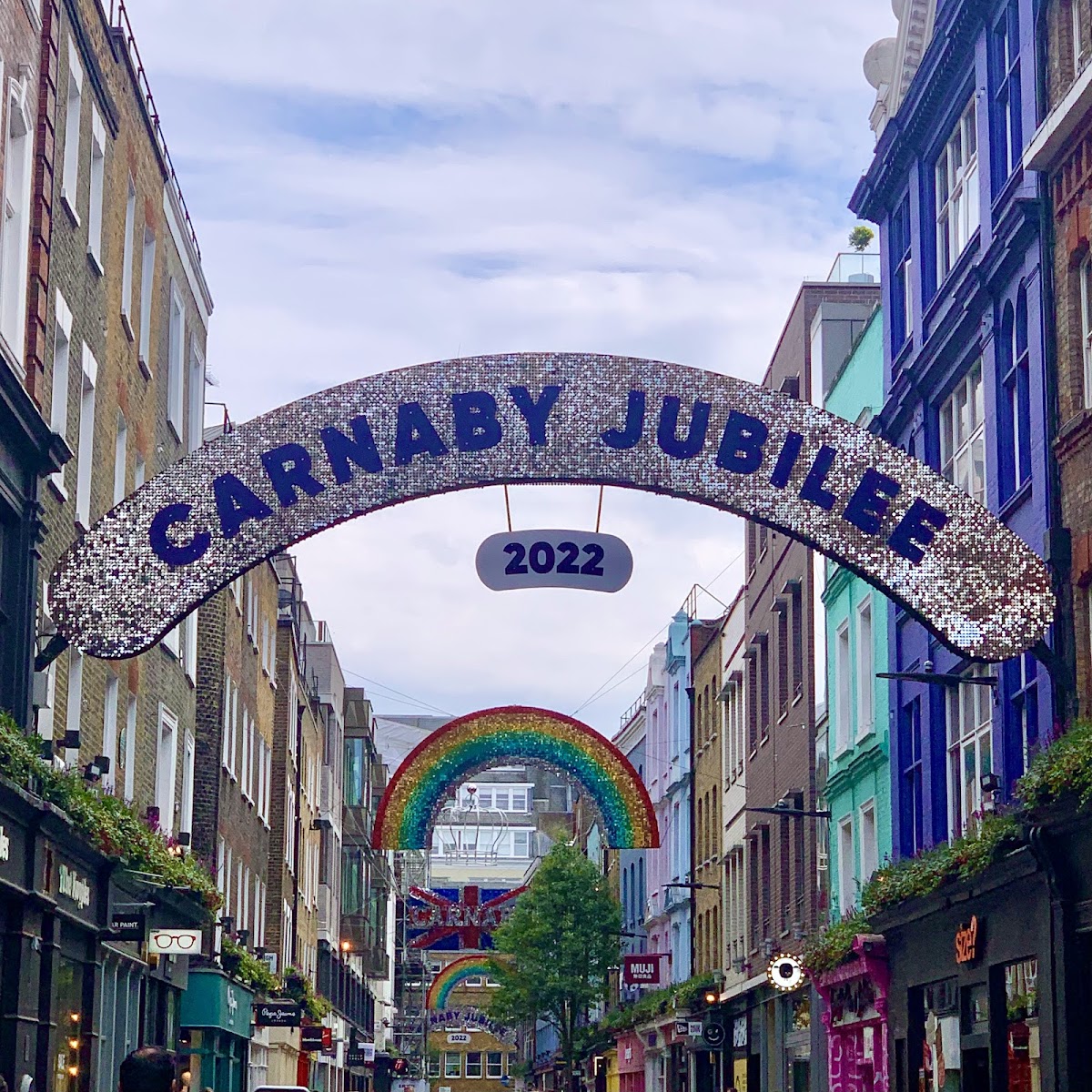
Once the epicenter of 1960s youth fashion and counterculture, Carnaby Street and its surrounding lanes retain a lively, slightly rebellious energy, now filled with a mix of independent boutiques, well-known fashion chains, and street art nodding to the area's music history. Its high trendy and aesthetic scores reflect a street that has successfully kept reinventing itself for each new generation of shoppers rather than living solely off nostalgia.

Reviewers particularly enjoy the street's seasonal decorations and its appeal to a younger crowd looking for accessible, fun shopping. It suits a casual, browsing-heavy visit rather than a serious luxury shopping trip.

✨ Reasons to go

  • 1Was the epicenter of 1960s youth fashion and counterculture in London.
  • 2Features street art referencing the area's music history.
  • 3Decorations and installations change seasonally throughout the year.

💡 Good to know

  • 1Check for seasonal decorations and installations, which change throughout the year and are worth timing a visit around
  • 2pair with neighboring Soho streets for food and further shopping
  • 3visit on a weekday afternoon to avoid weekend crowds.

⏱️ Typical visit

45 min

🕰️ Best time

morning, lunchtime or afternoon

🚶 Walking intensity

Moderate walking

📍

Address

Carnaby St, Carnaby, London, UK · Carnaby
Savile Row9
🛍️
4.6 (175)Free

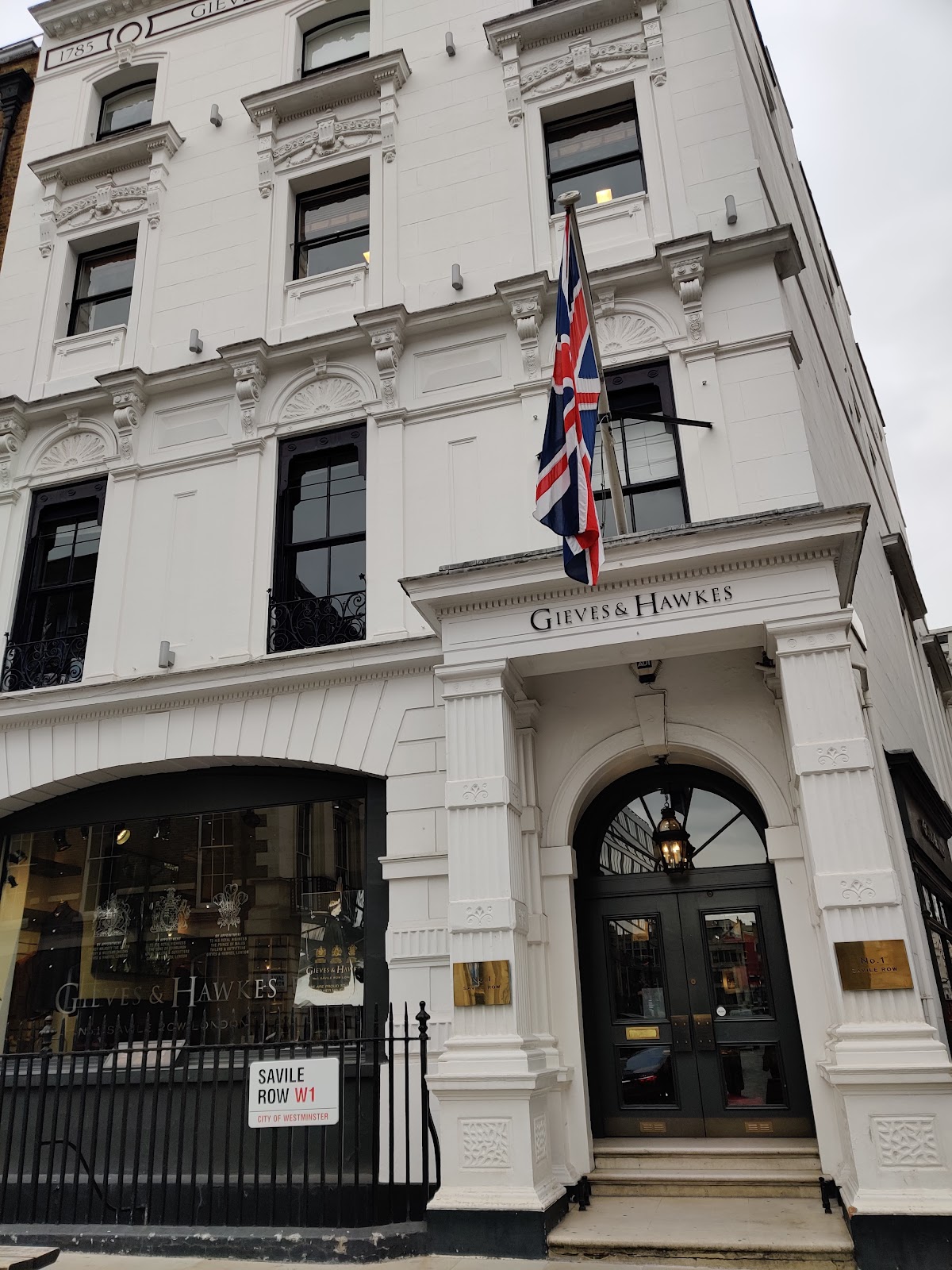
For over two centuries, Savile Row has been the address most associated with fine British menswear, where bespoke tailors still cut and hand-stitch suits to individual clients in workshops largely unchanged in spirit despite the surrounding city's transformation. Its notably higher hidden-gem and culture scores relative to its must-see rating suggest this is a street more appreciated by those with a specific interest in fashion history than by casual passersby.

Reviewers describe it as worth the visit particularly for anyone interested in British fashion heritage, even as some note that the old guard of tailors has thinned over the years. It rewards a slower walk and a bit of window-gazing into tailoring ateliers rather than casual shopping.

✨ Reasons to go

  • 1Bespoke tailors here have hand-cut and stitched suits for individual clients for over two centuries.
  • 2Tommy Nutter, the tailor credited with modernizing Savile Row style, once had his shop on this street.

💡 Good to know

  • 1Go with an interest in tailoring or fashion history to get the most out of the visit
  • 2window displays are worth lingering over even without an appointment
  • 3pair with nearby Regent Street or Mayfair for a broader shopping walk.

⏱️ Typical visit

45 min

🕰️ Best time

morning, lunchtime or afternoon

🚶 Walking intensity

Moderate walking

📍

Address

Savile Row, London, UK
Mayfair10
🚶
Free

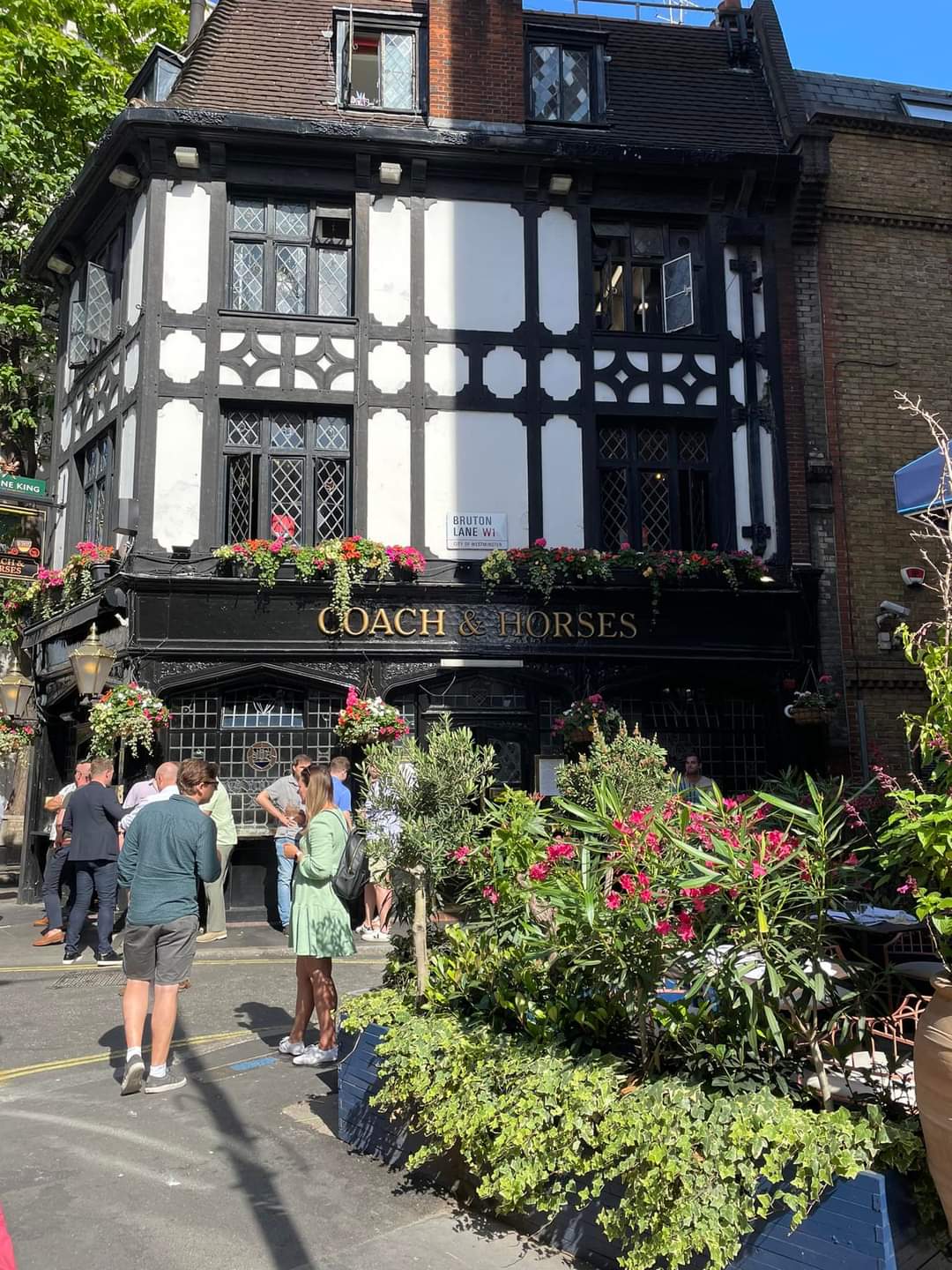
Named after a raucous May fair banned in the 18th century for its unruliness, Mayfair is now the opposite — a discreet grid of Georgian squares, embassies, and private members' clubs that also happens to occupy the most expensive square on the UK Monopoly board. Bond Street and Savile Row anchor its reputation for luxury shopping and bespoke tailoring, while Berkeley and Grosvenor Squares provide leafy, quiet centrepieces.

Shepherd Market, a small cluster of pubs and restaurants tucked behind the grand facades, offers a more human-scaled corner. It rewards slow walking rather than a checklist of sights — much of its appeal is architectural and atmospheric.

✨ Reasons to go

  • 1Its name comes from a raucous May fair that was banned in the 18th century for unruliness.
  • 2It is the most expensive square on the UK Monopoly board.
  • 3Savile Row gave its name to bespoke tailoring and remains lined with tailors' shopfronts.

💡 Good to know

  • 1Walk Savile Row for the tailoring shopfronts and Bond Street for flagship stores
  • 2duck into Shepherd Market for a quieter pub lunch
  • 3combine with Green Park or Hyde Park Corner, both on its edges.

⏱️ Typical visit

1h15

🕰️ Best time

morning, lunchtime or afternoon

🚶 Walking intensity

Active — lots of walking

📍

Address

Mayfair, London, UK · Mayfair
Regent Street11
🛍️
4.8 (2,140)Free

Designed as a sweeping architectural set piece in the early 19th century, Regent Street's curved facades and grand shopfronts host flagship stores for major fashion and lifestyle brands, making it as much an architectural walk as a shopping trip. Its high must-see and aesthetic scores, paired with one of the highest ratings in this set, reflect broad appeal as an elegant, easy stroll rather than a niche destination.

Reviewers consistently praise the architecture and overall atmosphere over any single shop, describing it as a pleasant walk regardless of shopping intentions. It works well as a scenic route between Piccadilly Circus and Oxford Circus.

✨ Reasons to go

  • 1Laid out in the early 19th century as a deliberately curved architectural set piece linking Piccadilly Circus and Oxford Circus.
  • 2Known for elaborate Christmas lights that turn the street into a seasonal attraction each winter.
  • 3Functions as an open-air architectural walk lined with flagship stores rather than just a shopping strip.

💡 Good to know

  • 1Walk it end to end to appreciate the curved facades and architecture, not just individual stores
  • 2visit around the winter holidays if possible, when the street's lights are a draw of their own
  • 3combine with adjoining Carnaby Street for a broader shopping walk.

⏱️ Typical visit

45 min

🕰️ Best time

morning, lunchtime or afternoon

🚶 Walking intensity

Moderate walking

📍

Address

Regent St., London, UK
Chelsea12
🚶
Free

Chelsea's King's Road was ground zero for 1960s Swinging London and later punk fashion, and the street still runs the length of the neighbourhood as its main artery of boutiques and cafes. Sloane Square marks its eastern edge, giving its name to the affluent 'Sloane Ranger' archetype long associated with the area, while the Saatchi Gallery and the Chelsea Physic Garden add cultural weight.

Rows of white stucco townhouses and quiet garden squares make it one of London's wealthiest and most manicured residential districts. The Thames-side Chelsea Embankment offers a calmer, leafier walk than the shopping streets inland.

✨ Reasons to go

  • 1King's Road was the epicenter of 1960s Swinging London and later the birthplace of punk fashion, including Vivienne Westwood's early shops
  • 2Sloane Square gave its name to the 'Sloane Ranger' social archetype
  • 3The Chelsea Physic Garden is one of Europe's oldest botanic gardens, tucked within the neighborhood

💡 Good to know

  • 1Walk the length of King's Road from Sloane Square toward World's End
  • 2visit the Saatchi Gallery, which is free
  • 3combine with a stroll along Chelsea Embankment or into the Chelsea Physic Garden.

⏱️ Typical visit

1h15

🕰️ Best time

morning, lunchtime or afternoon

🚶 Walking intensity

Active — lots of walking

📍

Address

Chelsea, London, UK · Chelsea
Covent Garden13
🚶
Free

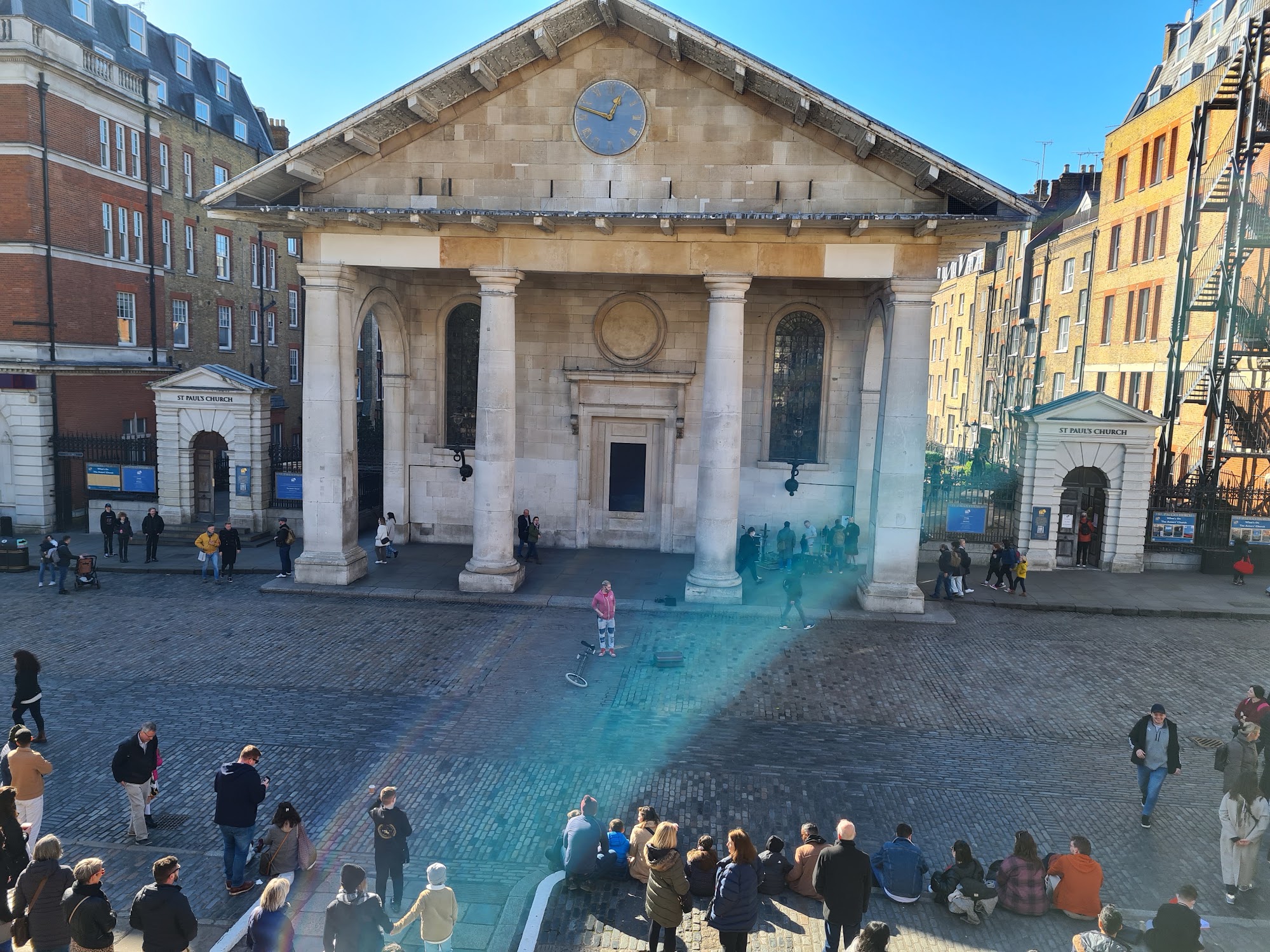
Once London's main fruit and vegetable market, Covent Garden's cast-iron market hall was saved from demolition in the 1970s and reborn as a covered shopping arcade ringed by cafes. Street performers — jugglers, opera singers, escapologists — work the cobbled piazza on a rota overseen by the market itself, and the Royal Opera House and several West End theatres sit just off it.

Neal's Yard's candy-coloured courtyard and the narrow lanes of Seven Dials add pockets of independent shops nearby. It's unapologetically touristy, but the architecture and street theatre make it worth the crowds.

✨ Reasons to go

  • 1The cast-iron market hall was slated for demolition before being saved and converted into a shopping arcade in the 1970s
  • 2Street performers are selected and scheduled by the market itself on a formal rota
  • 3The Royal Opera House sits just off the piazza

💡 Good to know

  • 1Catch the street performers around midday when the schedule is busiest
  • 2duck into Neal's Yard and Seven Dials for quieter corners
  • 3pair with a matinee at the Royal Opera House or a West End theatre.

⏱️ Typical visit

1h15

🕰️ Best time

morning, lunchtime or afternoon

🚶 Walking intensity

Active — lots of walking

📍

Address

Covent Garden, London, UK · Covent Garden
Notting Hill14
🚶
Free

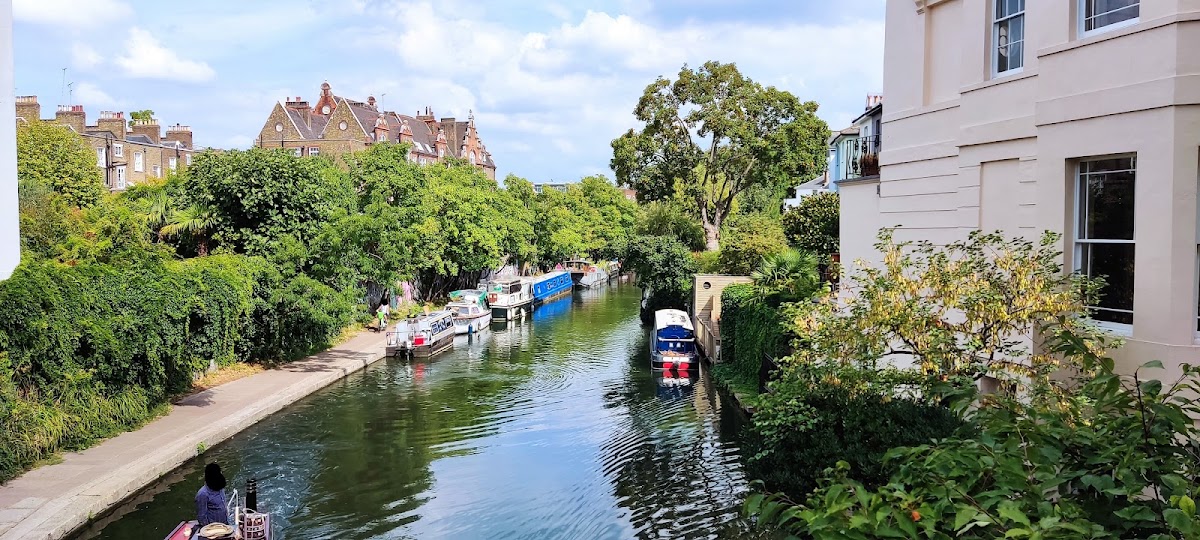
Notting Hill's rows of candy-coloured Victorian houses, especially around Lancaster Road and Elgin Crescent, have made it one of the most photographed corners of London, a reputation cemented by the 1999 film of the same name. Portobello Road hosts one of the world's largest antiques markets on Saturdays, its stalls giving way to fruit, vinyl, and street food further down the hill.

The area is also home to Europe's biggest street festival, the Notting Hill Carnival, a Caribbean-rooted celebration held every August Bank Holiday that traces back to the neighbourhood's Windrush-generation community. Today it's largely affluent and quiet outside market days and carnival weekend.

✨ Reasons to go

  • 1The neighborhood's fame was cemented by the 1999 film "Notting Hill" starring Hugh Grant and Julia Roberts.
  • 2Portobello Road hosts one of the world's largest antiques markets, held every Saturday.
  • 3It's home to Notting Hill Carnival, Europe's biggest street festival, rooted in the area's Windrush-generation Caribbean community.

💡 Good to know

  • 1Visit Portobello Road on a Saturday for the full antiques market
  • 2the pastel houses cluster around Lancaster Road, Elgin Crescent, and St Luke's Mews
  • 3expect street closures during Carnival weekend in late August.

⏱️ Typical visit

1h15

🕰️ Best time

morning or lunchtime

🚶 Walking intensity

Active — lots of walking

📍

Address

Notting Hill, London, UK · Notting Hill
Camden Market15
🛍️
Free

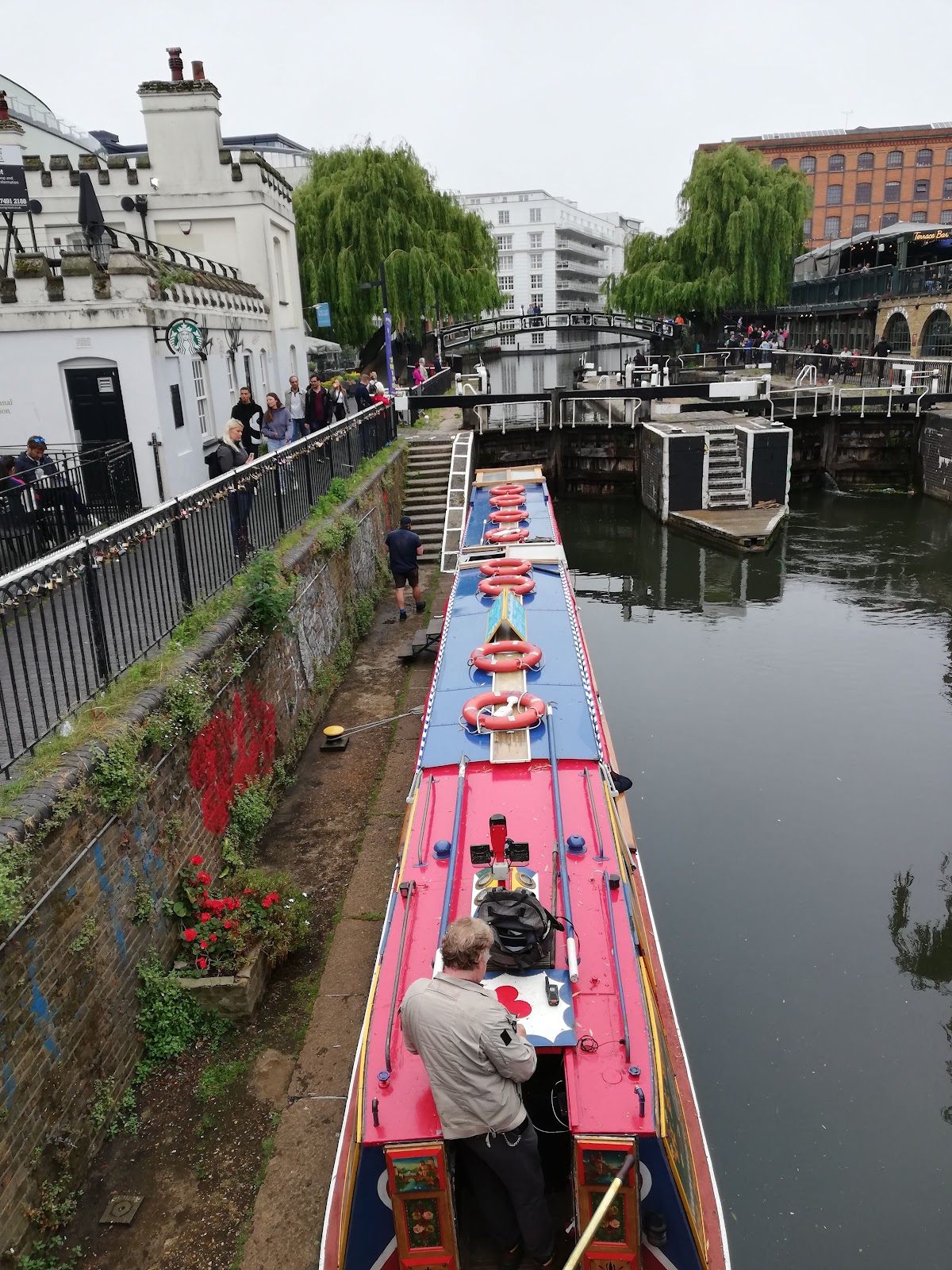
Spread across converted stables, lock-side warehouses, and covered market halls, Camden Market has been London's stronghold of alternative culture since the 1970s, mixing punk and goth heritage with vintage clothing racks, independent jewelry makers, and a dense food court of global street eats. Its near-perfect must-see score reflects its status as one of the capital's most-visited attractions, though the low hidden-gem rating confirms it's thoroughly on the tourist trail rather than a secret.

The market rewards unhurried browsing across its several interconnected sections, from Camden Lock to the Stables Market, and gets loud and crowded by midday. It suits travelers who want an energetic, visually chaotic shopping experience rather than a quiet stroll.

✨ Reasons to go

  • 1Housed partly in Victorian stables and warehouses originally built alongside the Regent's Canal locks
  • 2Emerged in the 1970s as a hub for punk and goth subculture and retains that alternative identity
  • 3Comprises several distinct interconnected sections, including Camden Lock and the Stables Market

💡 Good to know

  • 1Go early on a weekday morning to beat the crowds and queues
  • 2wear comfortable shoes, as the market sprawls across several connected sites
  • 3budget extra time for the food stalls, which are as much the draw as the shopping.

⏱️ Typical visit

1h15

🕰️ Best time

morning or lunchtime

🚶 Walking intensity

Active — lots of walking

📍

Address

Camden Town, London, UK · Camden Town
Victoria and Albert Museum16
🎨
4.8 (68,143)Free

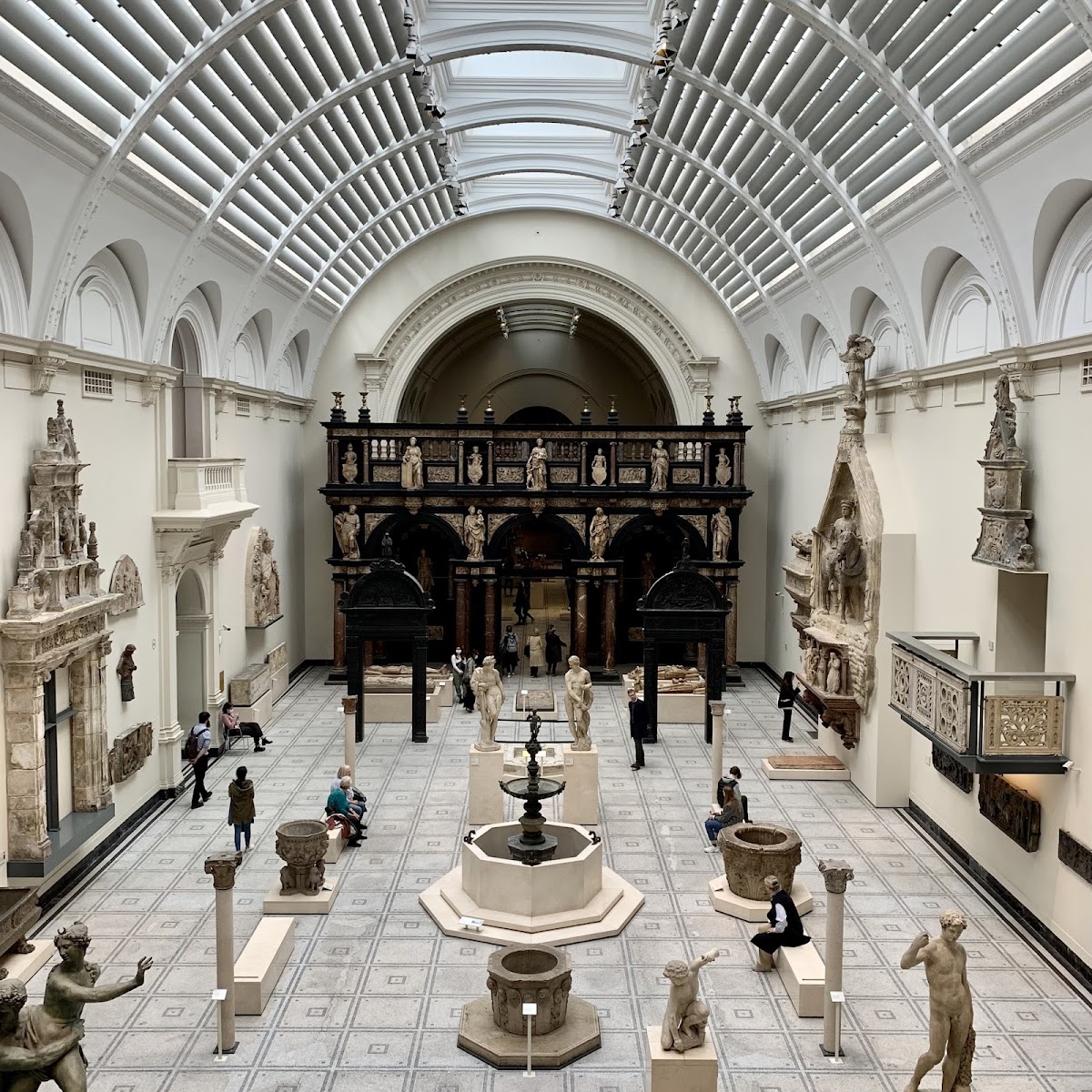
The Victoria and Albert Museum was founded in the mid-19th century to make art and design accessible to the public, and its enormous, wide-ranging collection still spans fashion, jewellery, photography, and decorative arts from across the globe. Its ornate Victorian building, elaborate courtyard, and rotating blockbuster exhibitions have made it a favorite among Londoners as well as visitors, earning it a top-tier rating among London's major national museums.

A perfect must-see, culture, and aesthetic score confirms its standing as a genuine landmark rather than just another free museum. Its South Kensington location puts it within easy walking distance of the Natural History and Science Museums.

✨ Reasons to go

  • 1Founded in the mid-19th century specifically to make art and design accessible to the public
  • 2The collection spans fashion, jewellery, photography, and decorative arts from across the globe
  • 3Located in South Kensington within walking distance of the Natural History and Science Museums

💡 Good to know

  • 1Entry to the permanent collection is free, but ticketed special exhibitions sell out and should be booked ahead
  • 2the fashion and jewellery galleries are consistently the most popular, so visit them early
  • 3the courtyard cafe is a pleasant spot to break up a long visit.

⏱️ Typical visit

2h

🕰️ Best time

morning, lunchtime, afternoon or early evening

🚶 Walking intensity

Active — lots of walking

📍

Address

Cromwell Rd, London SW7 2RL, UK
🕐

Hours

  • Monday: 10:00 AM – 5:45 PM
  • Tuesday: 10:00 AM – 5:45 PM
  • Wednesday: 10:00 AM – 5:45 PM
  • Thursday: 10:00 AM – 5:45 PM
  • Friday: 10:00 AM – 10:00 PM
  • Saturday: 10:00 AM – 5:45 PM
  • Sunday: 10:00 AM – 5:45 PM
No photo available17
🚶
Free

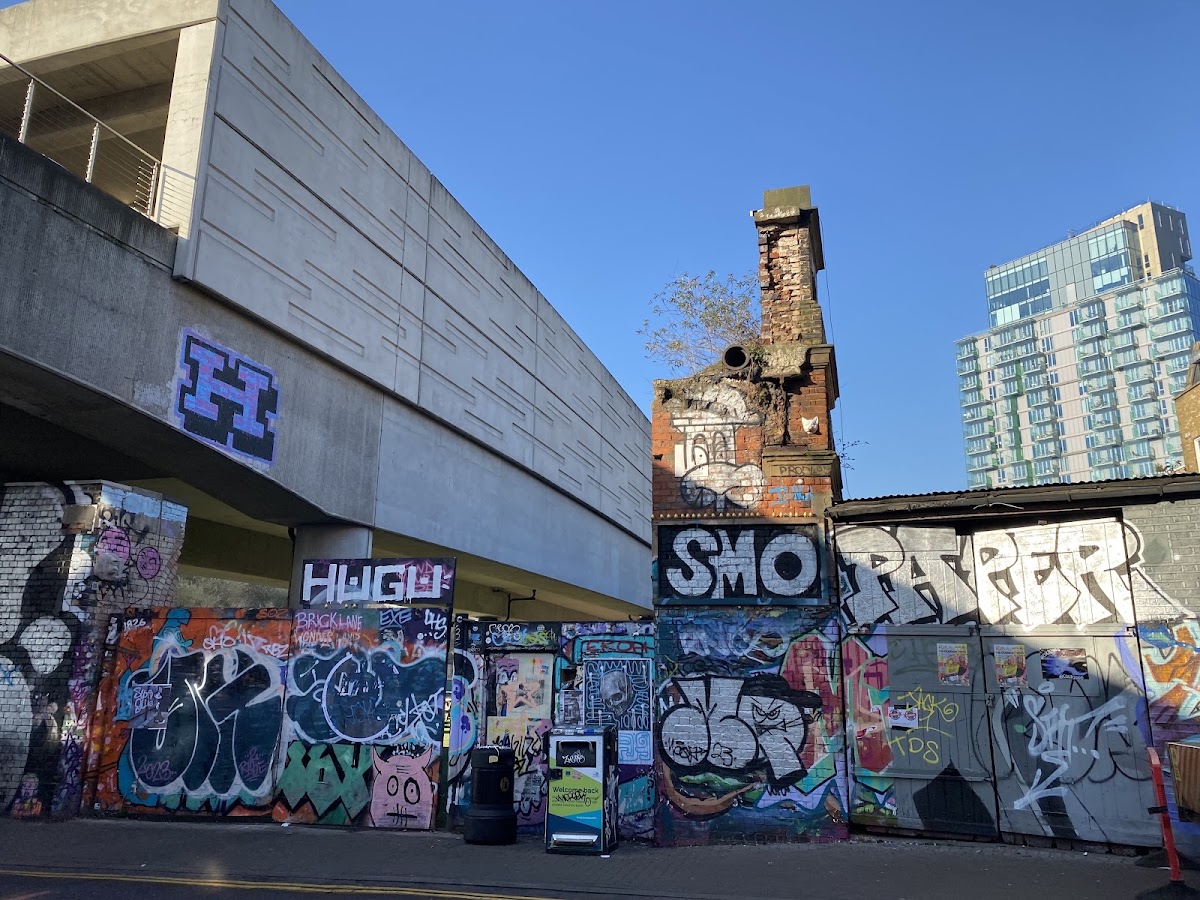
Shoreditch turned from garment-trade backstreet into the epicentre of London's hipster and street-art scenes in the 2000s, its brick warehouses colonised by galleries, converted into loft offices for tech startups, and repainted with rotating murals, particularly around Great Eastern Street and the Truman Brewery. Brick Lane, on its southern edge, adds curry houses, vintage shops, and a Sunday market to the mix.

By night the area's converted warehouses and rooftop bars make it one of London's busiest nightlife zones, especially around Old Street and Curtain Road. It changes fast — today's gallery is tomorrow's coworking space — which is part of its appeal.

✨ Reasons to go

  • 1Former garment-trade backstreets that became London's street-art and startup hub in the 2000s
  • 2Rotating murals cluster around Great Eastern Street and the Truman Brewery
  • 3Brick Lane's Sunday market combines curry houses, vintage shops, and street stalls

💡 Good to know

  • 1Follow Great Eastern Street and the streets around Brick Lane for the best street art
  • 2visit Brick Lane market on a Sunday
  • 3return after dark for the bar and club scene around Old Street.

⏱️ Typical visit

1h15

🕰️ Best time

afternoon, early evening or evening

🚶 Walking intensity

Active — lots of walking

📍

Address

Shoreditch, London E2 8DA, UK · Shoreditch
Coal Drops Yard18
🛍️
4.6 (10,239)Free

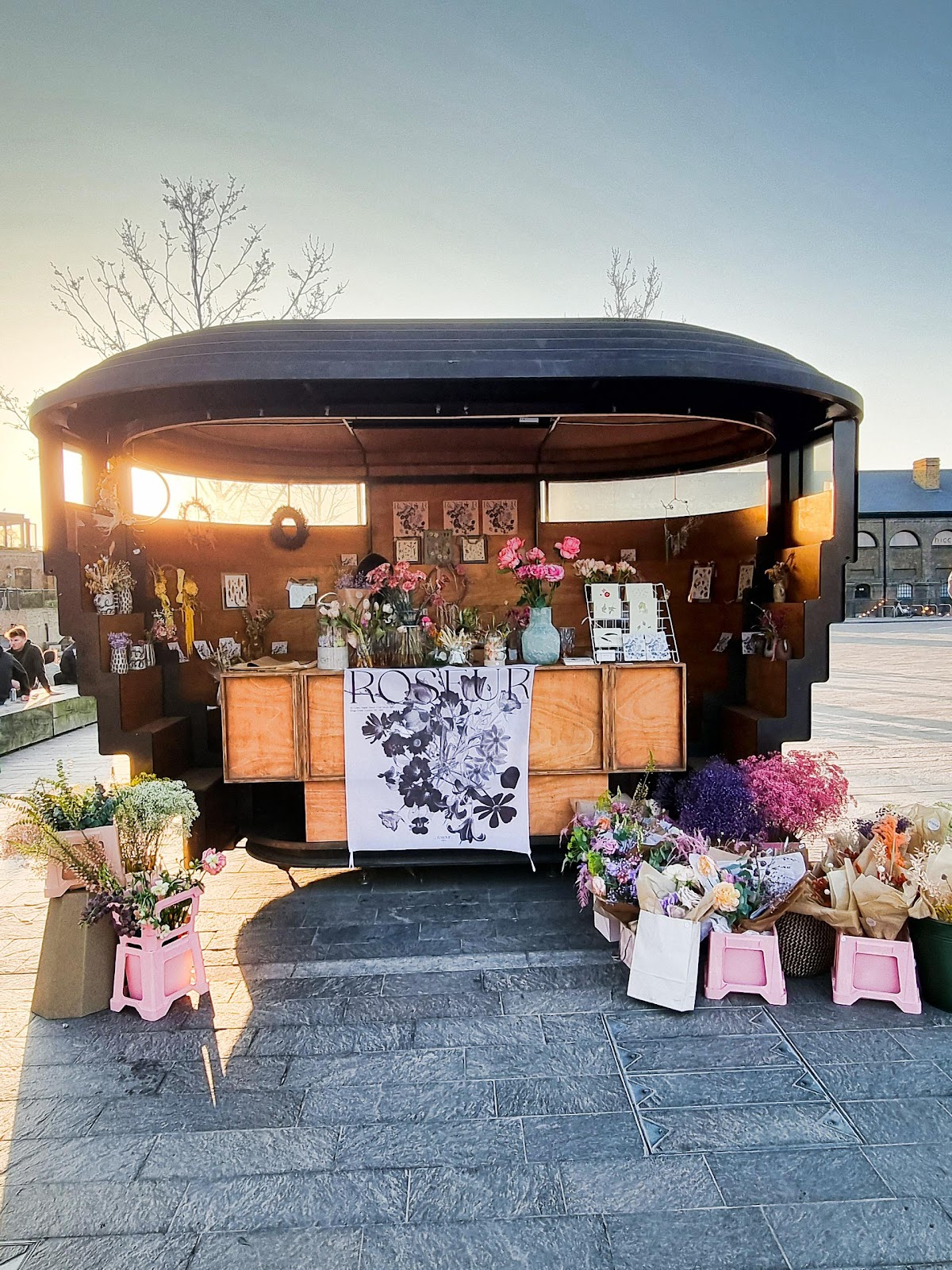
Transformed from a pair of derelict Victorian coal warehouses, Coal Drops Yard is now a modern retail and dining destination distinguished by its architecture as much as its shops, with two once-separate rooflines rising and meeting overhead in a striking Heatherwick Studio design. Its very high trendy and aesthetic scores capture a genuinely contemporary retail destination popular with a design-conscious crowd, blending independent boutiques with well-regarded cafés and restaurants.

Reviewers single out both the architecture and the mix of independent and chain shops as reasons to visit, with a particular fondness for the area's pop-up food and drink spots. It suits an afternoon that mixes shopping with simply admiring the redevelopment.

✨ Reasons to go

  • 1Designed by Heatherwick Studio, with two once-separate Victorian warehouse rooflines rising to meet in a single curved peak overhead.
  • 2Built from a pair of derelict Victorian coal warehouses beside Regent's Canal, repurposed rather than demolished.
  • 3Known for hosting rotating pop-up cafés and bars alongside its permanent shops and restaurants.

💡 Good to know

  • 1Look up at the roofline where the two former warehouses meet, a highlight of the design in its own right
  • 2combine with a walk along the adjacent Regent's Canal towpath
  • 3visit in the afternoon when both the shops and food spots are in full swing.

⏱️ Typical visit

45 min

🕰️ Best time

morning, lunchtime, afternoon, early evening or evening

🚶 Walking intensity

Moderate walking

📍

Address

Stable St, London N1C 4LW, UK
🕐

Hours

  • Monday: 10:00 AM – 10:00 PM
  • Tuesday: 10:00 AM – 10:00 PM
  • Wednesday: 10:00 AM – 10:00 PM
  • Thursday: 10:00 AM – 10:00 PM
  • Friday: 10:00 AM – 10:00 PM
  • Saturday: 10:00 AM – 10:00 PM
  • Sunday: 10:00 AM – 10:00 PM
Soho19
🚶
Free

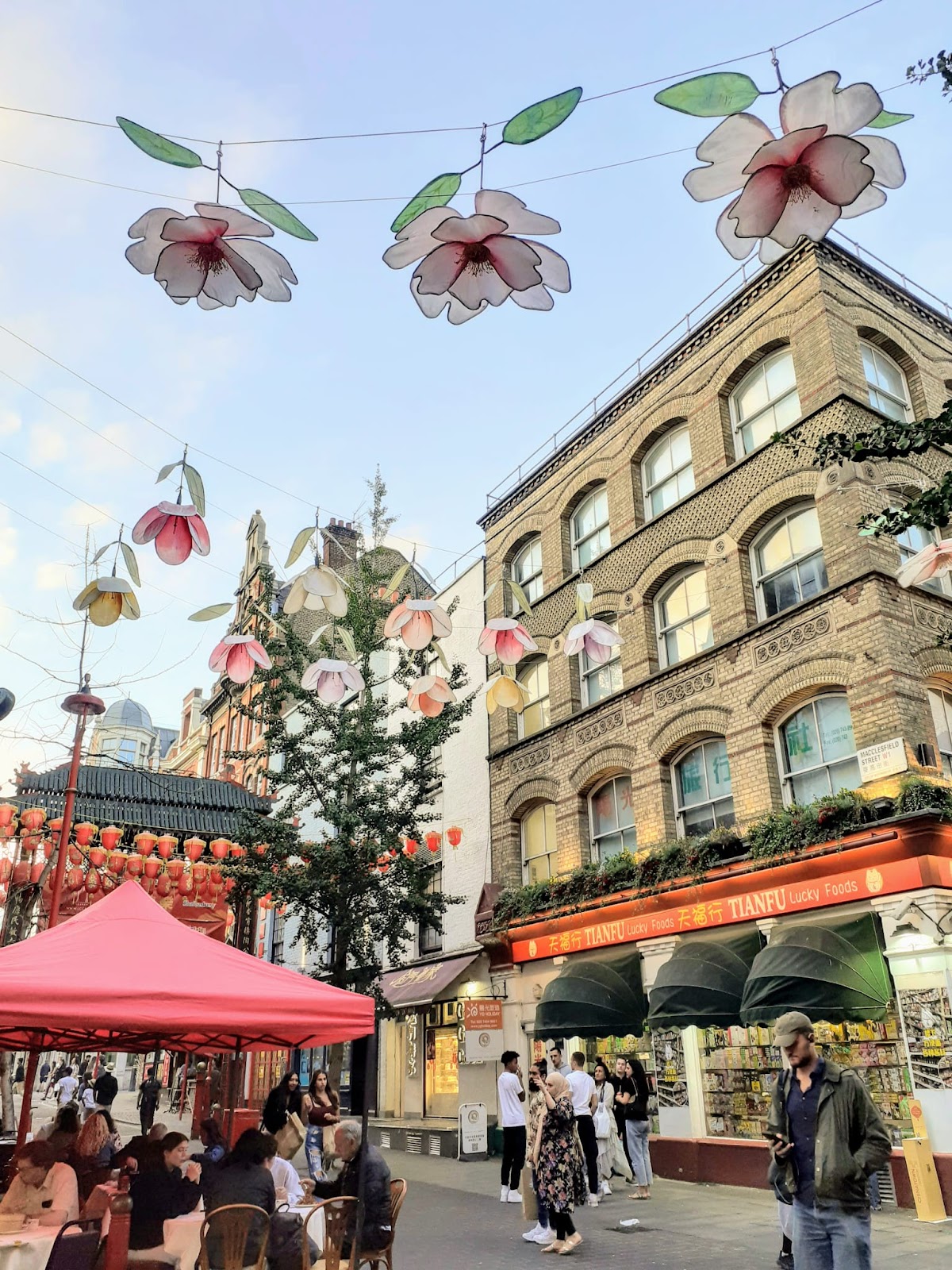
Soho grew from an 18th-century immigrant quarter into London's red-light and jazz district before reinventing itself as the city's media and nightlife hub. Old Compton Street anchors one of Europe's most established gay villages, while Berwick Street's market stalls and record shops recall its bohemian past.

By day it's full of production companies and lunch crowds; by night, theatre-goers spill from West End stages into pubs, cocktail bars, and Chinatown's edge on Gerrard Street. It remains determinedly un-precious — grubby in patches, glamorous in others, and always crowded.

✨ Reasons to go

  • 1Old Compton Street anchors one of Europe's most established gay villages
  • 2Berwick Street's market stalls and record shops recall Soho's bohemian, jazz-era past
  • 3It sits at the edge of Chinatown on Gerrard Street and a short walk from Carnaby Street

💡 Good to know

  • 1Wander Old Compton Street and Berwick Street in the early evening when it's liveliest
  • 2combine with a West End show or Chinatown dinner
  • 3Carnaby Street is a short walk north.

⏱️ Typical visit

1h15

🕰️ Best time

early evening or evening

🚶 Walking intensity

Active — lots of walking

📍

Address

Soho, London, UK · Soho
Battersea Power Station20
🏛️
4.6 (31,145)Free

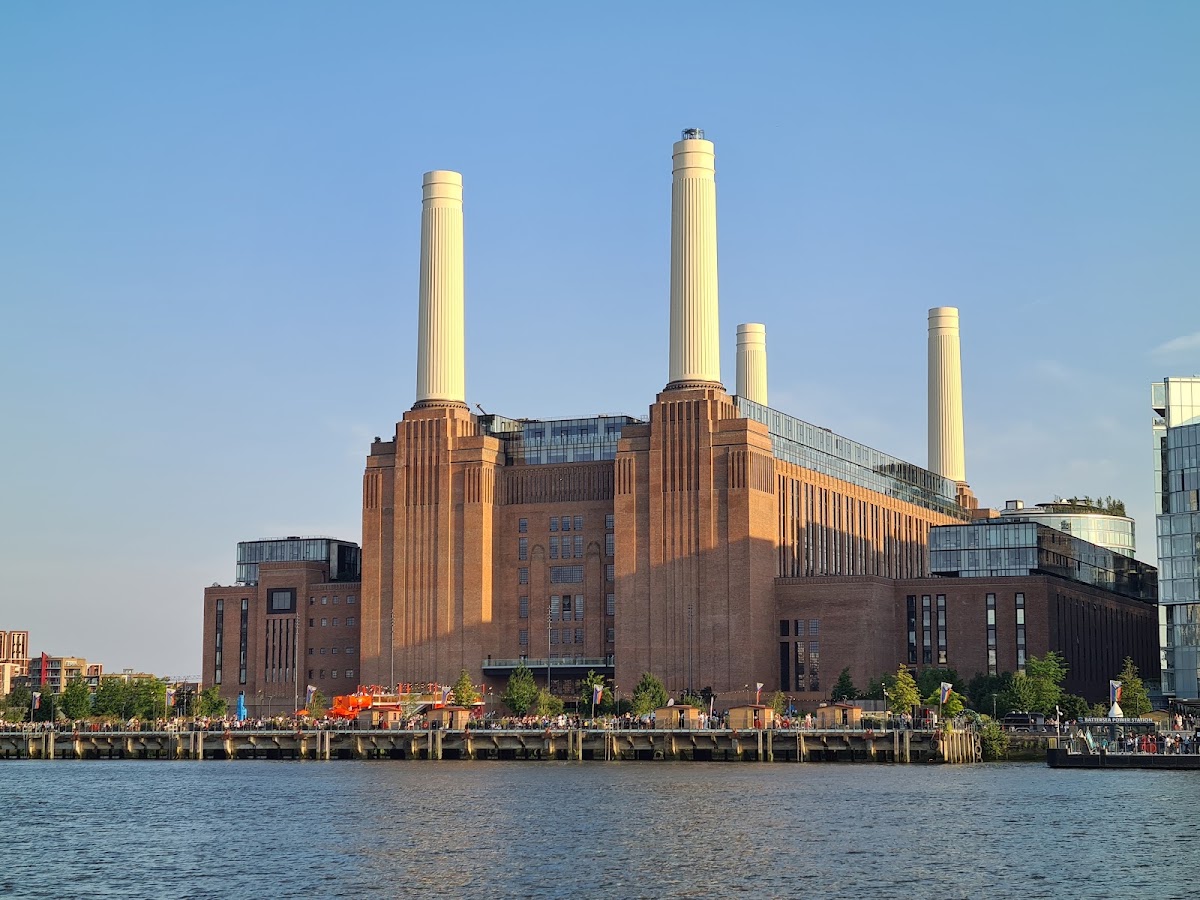
Battersea Power Station's four white chimneys have loomed over the Thames since the 1930s, decades spent disused after the plant closed in 1983 before a major redevelopment reopened it in 2022 as shops, restaurants and homes, with the original Control Room turbine halls preserved as dramatic event and dining spaces. Reviewers with a 4.6 rating repeatedly describe the transformation as impressively done, praising both the industrial character retained inside and the wider Nine Elms riverside area that's grown up around it.

Its free entry and 75-minute suggested visit make it easy to browse casually, and it suits anyone curious about adaptive reuse or looking for a newer, less crowded alternative to the central London circuit.

✨ Reasons to go

  • 1Its four white chimneys have been a Thames landmark since the 1930s, closed as a power plant in 1983 and left disused for decades before reopening in 2022.
  • 2Lift 109 takes visitors up inside one of the original chimneys via a glass elevator to a viewing platform over London.
  • 3The original turbine halls and Control Room have been preserved and repurposed as event and dining spaces, and the site has its own dedicated Northern line tube extension stop.

💡 Good to know

  • 1Take the lift or the glass Lift 109 to a viewing platform inside one of the original chimneys for a different vantage point on the city
  • 2go in the early_evening to catch shops, riverside bars and the building lit up as dusk falls
  • 3the power station has its own Northern line tube extension stop, making it an easy standalone trip.

⏱️ Typical visit

1h15

🕰️ Best time

morning, lunchtime, afternoon, early evening or evening

🚶 Walking intensity

Moderate walking

📍

Address

Circus Rd W, Nine Elms, London SW11 8DD, UK · Nine Elms
🕐

Hours

  • Monday: 10:00 AM – 8:00 PM
  • Tuesday: 10:00 AM – 8:00 PM
  • Wednesday: 10:00 AM – 8:00 PM
  • Thursday: 10:00 AM – 8:00 PM
  • Friday: 10:00 AM – 8:00 PM
  • Saturday: 10:00 AM – 8:00 PM
  • Sunday: 12:00 – 6:00 PM
Marylebone21
🚶
Free

Marylebone keeps a village atmosphere despite sitting minutes from Oxford Street's crowds, its Georgian streets laid out in an orderly grid that's easy to wander without a map. Marylebone High Street is the draw, lined with independent bookshops, delis, and boutiques rather than chains, and Daunt Books' Edwardian, galleried travel shop is one of London's loveliest bookstores.

The fictional Sherlock Holmes supposedly lived at 221B Baker Street on the neighbourhood's western edge, now a small museum, and Regent's Park borders the area to the north. It's a relatively quiet, affluent pocket best suited to unhurried browsing rather than big sights.

✨ Reasons to go

  • 1Daunt Books occupies an original Edwardian shop with a long oak-galleried interior, considered one of London's most distinctive bookstores.
  • 2Sherlock Holmes' fictional address, 221B Baker Street, sits on the neighbourhood's edge and is now a museum.
  • 3The area's Georgian streets follow an orderly grid layout, making it easy to explore without a map.

💡 Good to know

  • 1Browse Marylebone High Street and stop at Daunt Books
  • 2visit the Sherlock Holmes Museum on Baker Street if a fan
  • 3combine with a walk into Regent's Park just to the north.

⏱️ Typical visit

1h15

🕰️ Best time

morning, lunchtime or afternoon

🚶 Walking intensity

Active — lots of walking

📍

Address

Marylebone, London, UK · Marylebone
Seven Dials22
🛍️
Free

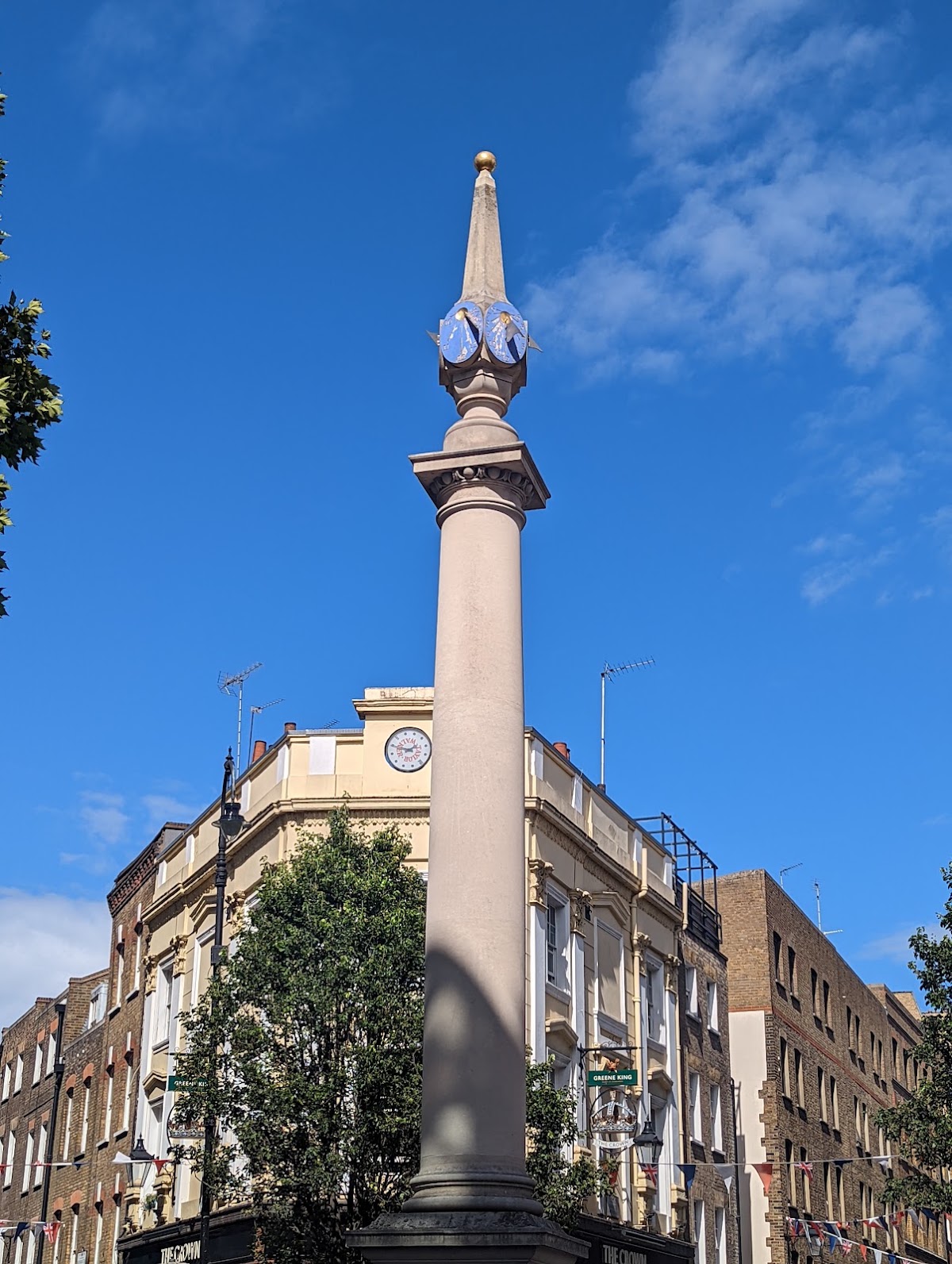
Where seven narrow streets converge around a distinctive sundial column, Seven Dials packs a dense cluster of independent fashion boutiques, restaurants, and cafés into a small, walkable footprint just steps from Covent Garden. Its moderate scores across the board suggest a pleasant, well-liked pocket of the West End rather than a headline attraction, appealing to those who enjoy discovering smaller shops over big-name flagship stores.

The compact layout makes it easy to cover on foot even with limited time, and it connects naturally into a longer walk through Covent Garden and Soho. It suits travelers looking to break up bigger sightseeing with a quieter shopping interlude.

✨ Reasons to go

  • 1The junction is marked by a sundial pillar where seven streets converge, giving the area its name.
  • 2The layout is compact enough to explore fully on foot in a short amount of time.

💡 Good to know

  • 1Combine the visit with Covent Garden, since the two areas connect directly on foot
  • 2look out for the sundial pillar at the junction's center, the area's namesake landmark
  • 3visit on a weekday for a calmer, less crowded stroll.

⏱️ Typical visit

1h15

🕰️ Best time

morning, lunchtime or afternoon

🚶 Walking intensity

Active — lots of walking

📍

Address

Seven Dials, London, UK
Fortnum & Mason23
🛍️
4.6 (25,129)$$ · Mid-range

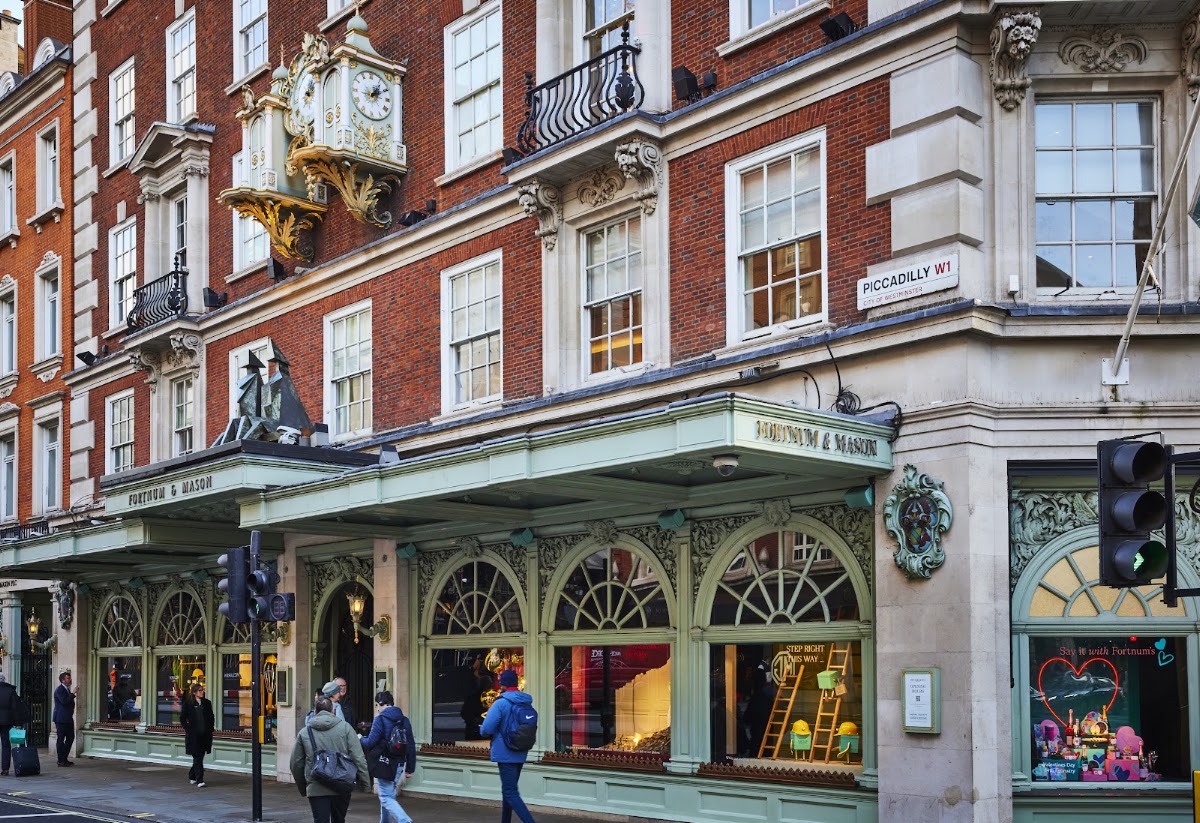
Founded in the early 1700s and holding royal warrants ever since, Fortnum & Mason has turned grocery shopping into ceremony, with liveried staff, a famous clock on the facade, and floors dedicated to teas, preserves, hampers, and fine foods alongside a proper department store upstairs. Near-perfect must-see and culture scores reflect its status as a genuine institution of British retail rather than a recent trend, and reviewers describe it as a celebration of culinary tradition as much as a shop.

Booking ahead is worth considering given its popularity, particularly for afternoon tea in one of its dining rooms. It suits a leisurely, indulgent visit rather than a quick errand.

✨ Reasons to go

  • 1Founded in the early 1700s and has held royal warrants continuously since then.
  • 2Staff wear traditional livery and the store's facade features a well-known clock.
  • 3Home to dedicated floors for teas, preserves and hampers alongside a full department store.

💡 Good to know

  • 1Book ahead, especially if planning afternoon tea, since it gets busy
  • 2the food hampers and tea selection make for distinctive gifts to bring home
  • 3visit in late morning or early afternoon per its recommended time slots for a calmer experience.

⏱️ Typical visit

1h15

🕰️ Best time

morning, lunchtime, afternoon, early evening or evening

🚶 Walking intensity

Easy pace

📍

Address

181 Piccadilly, London W1A 1ER, UK
🕐

Hours

  • Monday: 10:00 AM – 8:00 PM
  • Tuesday: 10:00 AM – 8:00 PM
  • Wednesday: 10:00 AM – 8:00 PM
  • Thursday: 10:00 AM – 8:00 PM
  • Friday: 10:00 AM – 8:00 PM
  • Saturday: 10:00 AM – 8:00 PM
  • Sunday: 12:00 – 6:00 PM
Covent Garden Market24
🛍️
4.6 (393)Free

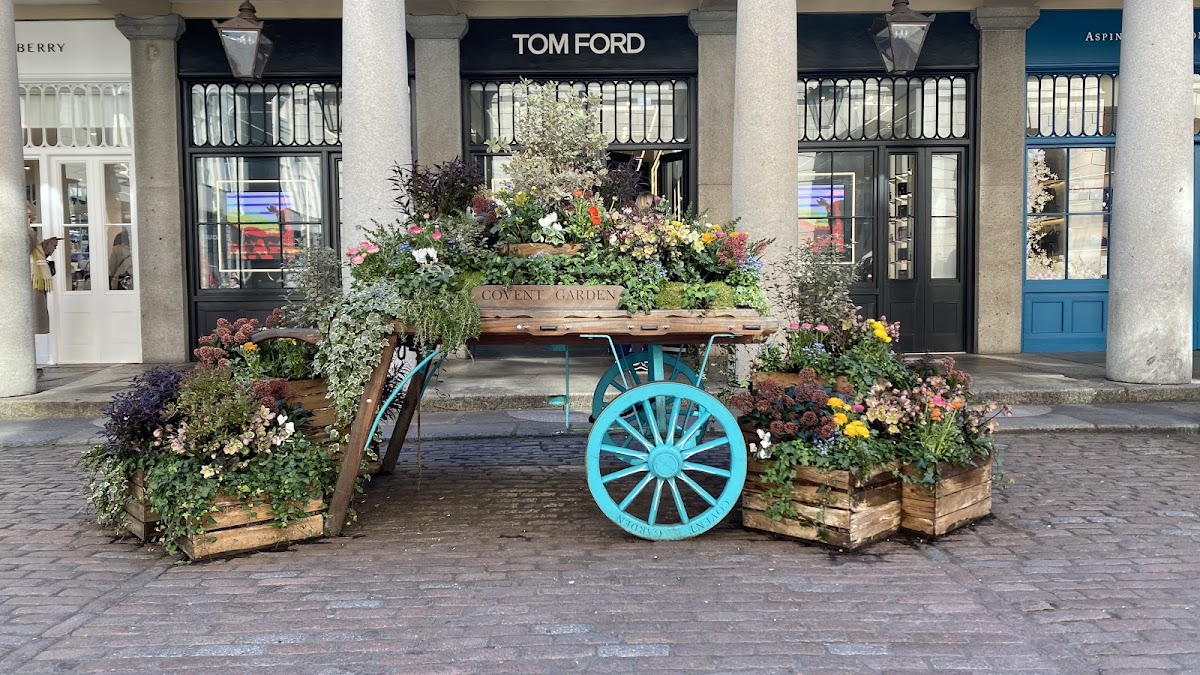
Once London's principal fruit and vegetable market, Covent Garden's elegant covered halls have been repurposed into a lively mix of independent shops, craft stalls, and cafés, with the piazza outside a near-constant stage for street performers. A perfect must-see score reflects its enduring pull for visitors, while the strong aesthetic and culture ratings speak to the market's well-preserved Victorian architecture and historic atmosphere.

Reviewers highlight the decorative details and the buzz of the piazza as much as any specific purchase, and note that side pockets like Neal's Yard reward a bit of extra exploration. It works well as a stop that combines shopping, people-watching, and entertainment in one visit.

✨ Reasons to go

  • 1Once London's principal fruit and vegetable market, now housed in preserved Victorian covered halls.
  • 2The piazza outside serves as an ongoing stage for street performers.
  • 3Neal's Yard is a colorful hidden side pocket easy to overlook without seeking it out.

💡 Good to know

  • 1Allow extra time to explore side areas like Neal's Yard, which are easy to miss
  • 2visit late morning to catch street performers at their busiest
  • 3expect crowds, so keep valuables secure in the piazza.

⏱️ Typical visit

1h

🕰️ Best time

morning, lunchtime or afternoon

🚶 Walking intensity

Moderate walking

📍

Address

Covent Garden Market, London WC2E 7QH, UK
Brick Lane Market25
🛍️
4.5 (950)Free

Running through an area shaped by successive waves of immigration, Brick Lane pairs its famous curry houses and bagel shops with a market of vintage clothing, secondhand goods, and global street food that peaks on Sundays. Its high trendy score alongside a moderate must-see rating reflects a spot favored by a younger, fashion- and food-conscious crowd more than a conventional tourist checklist item, and reviewers flag the eclectic mix of stalls as the highlight, while cautioning that prices for vintage items aren't necessarily bargains.

The surrounding street art adds a visual layer that changes regularly, so no two visits look quite the same. It works well paired with a wander through nearby Spitalfields.

✨ Reasons to go

  • 1Sits in an area shaped by successive waves of immigration, blending curry houses and bagel shops with global street food stalls
  • 2Market activity peaks on Sundays, when the full range of vintage, food, and secondhand stalls operate
  • 3Surrounding street art changes regularly, so the visual backdrop differs from visit to visit

💡 Good to know

  • 1Visit on a Sunday, when the full market and food stalls are running
  • 2come hungry, as the food stalls are considered a highlight in their own right
  • 3don't expect bargain prices on vintage finds despite the market's casual feel.

⏱️ Typical visit

1h

🕰️ Best time

morning, lunchtime, afternoon or early evening

🚶 Walking intensity

Moderate walking

📍

Address

91 Brick Ln, London E1 6QL, UK
🕐

Hours

  • Monday: 11:00 AM – 6:30 PM
  • Tuesday: 11:00 AM – 6:30 PM
  • Wednesday: 11:00 AM – 6:30 PM
  • Thursday: 11:00 AM – 6:30 PM
  • Friday: 11:00 AM – 6:30 PM
  • Saturday: 11:00 AM – 6:00 PM
  • Sunday: 10:00 AM – 6:00 PM
Old Spitalfields Market26
🛍️
4.6 (10,036)Free

Housed under a handsome Victorian iron-and-glass roof in Spitalfields, this market has shifted over the decades from wholesale produce trading to a rotating mix of independent clothing, art, and design stalls alongside permanent shops and food vendors. Its solid but not top-tier must-see score, paired with a moderate hidden-gem rating, places it as a well-liked stop rather than an unmissable landmark, appealing to those who enjoy browsing independent makers over big-name shopping.

Reviewers note that the specific stalls and atmosphere can vary noticeably by day, so it rewards checking what's on before visiting. It sits within easy reach of Brick Lane, making it easy to combine into one East London shopping walk.

✨ Reasons to go

  • 1Housed under a Victorian iron-and-glass roof originally built for wholesale produce trading.
  • 2Stall lineup rotates by day of the week, mixing independent clothing, art, and design traders with permanent shops.
  • 3Located within walking distance of Brick Lane for a combined East London market route.

💡 Good to know

  • 1Check which traders are scheduled before visiting, since the stall mix changes by day of the week
  • 2combine the trip with nearby Brick Lane for a fuller East London market outing
  • 3visit in the morning for a calmer browsing experience.

⏱️ Typical visit

1h

🕰️ Best time

morning, lunchtime, afternoon, early evening or evening

🚶 Walking intensity

Moderate walking

📍

Address

16 Horner Square, London E1 6EW, UK
🕐

Hours

  • Monday: 10:00 AM – 8:00 PM
  • Tuesday: 10:00 AM – 8:00 PM
  • Wednesday: 10:00 AM – 8:00 PM
  • Thursday: 8:00 AM – 6:00 PM
  • Friday: 10:00 AM – 8:00 PM
  • Saturday: 10:00 AM – 6:00 PM
  • Sunday: 10:00 AM – 5:00 PM
the Design Museum27
🎨
4.4 (14,181)Free

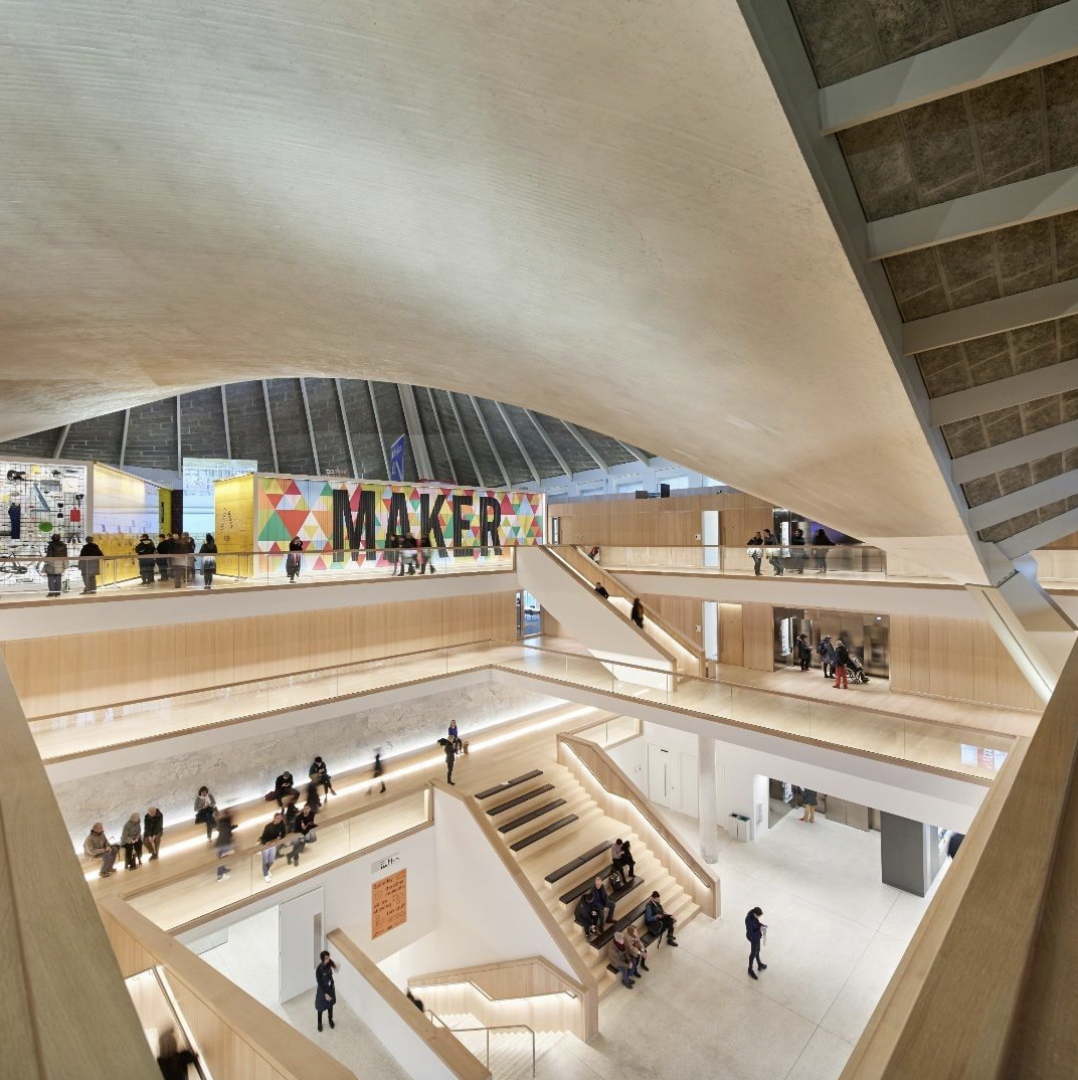
Housed in a striking mid-century building with a distinctive hyperbolic paraboloid roof, the Design Museum showcases everything from industrial design classics to major crossover exhibitions on subjects like Wes Anderson's film work, which reviewers frequently cite as a highlight. Its high trendy and aesthetic scores set it apart from London's more traditional institutions, appealing to a design- and culture-savvy crowd rather than a purely academic audience.

A free permanent collection keeps it accessible, while ticketed temporary shows drive much of its buzz. At around 75 minutes, it's an easy, visually engaging stop rather than a major time commitment.

✨ Reasons to go

  • 1The building features a distinctive hyperbolic paraboloid roof of mid-century design.
  • 2It has hosted a major exhibition on Wes Anderson's film work, frequently cited by visitors as a highlight.
  • 3The permanent collection is free to enter, with only major temporary shows ticketed.

💡 Good to know

  • 1The permanent collection is free, but headline temporary exhibitions are ticketed and can sell out, so book ahead
  • 2check what's currently showing, since the special exhibitions often define the visit
  • 3the gift shop is genuinely well curated if you enjoy design objects.

⏱️ Typical visit

1h15

🕰️ Best time

morning, lunchtime or afternoon

🚶 Walking intensity

Moderate walking

📍

Address

224-238 Kensington High St, London W8 6AG, UK
🕐

Hours

  • Monday: 10:00 AM – 5:00 PM
  • Tuesday: 10:00 AM – 5:00 PM
  • Wednesday: 10:00 AM – 5:00 PM
  • Thursday: 10:00 AM – 5:00 PM
  • Friday: 10:00 AM – 6:00 PM
  • Saturday: 10:00 AM – 6:00 PM
  • Sunday: 10:00 AM – 6:00 PM
Portobello Road Market28
🛍️
4.5 (29,068)Free

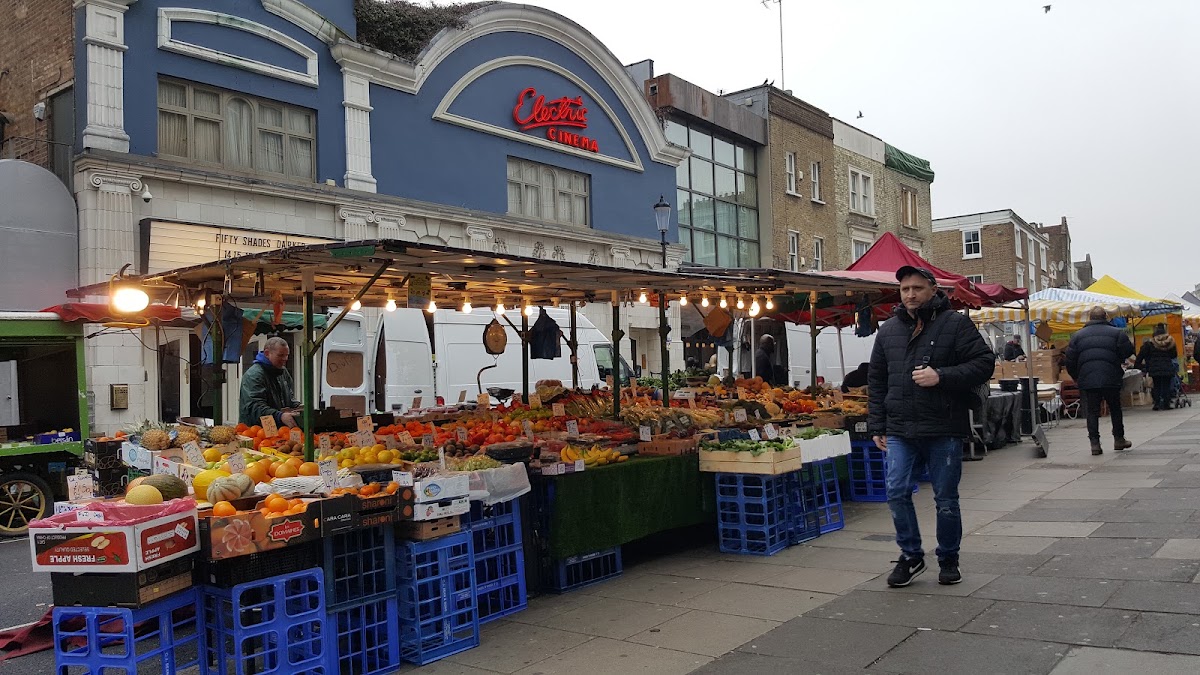
Running through the colorful houses of Notting Hill, Portobello Road is best known for its antiques trade, though the market broadens on Saturdays into vintage fashion, bric-a-brac, and street food stretching over a mile of stalls. A near-perfect must-see score confirms its place as a must-visit for most London itineraries, while the moderate local score suggests it draws a healthy mix of residents and tourists rather than being purely one or the other.

Reviewers describe the energy and variety as the main appeal, with vintage clothing and antiques cited most often as highlights. Morning visits are recommended both to beat crowds and to catch the best selection before popular stalls sell out.

✨ Reasons to go

  • 1Known as one of the world's largest antiques markets, stretching over a mile through Notting Hill.
  • 2Saturday is the only day the full market operates, combining antiques, vintage fashion, and street food stalls.
  • 3Most stallholders are cash-only, reflecting its traditional, independent-trader character.

💡 Good to know

  • 1Visit on a Saturday for the full market experience, as many stalls don't open other days
  • 2go early in the morning for the best selection and thinner crowds
  • 3keep cash on hand, as many small stallholders don't take cards.

⏱️ Typical visit

1h

🕰️ Best time

early morning, morning, lunchtime, afternoon or early evening

🚶 Walking intensity

Moderate walking

📍

Address

London W11 1LJ, UK
🕐

Hours

  • Monday: 8:00 AM – 7:00 PM
  • Tuesday: 8:00 AM – 7:00 PM
  • Wednesday: 8:00 AM – 7:00 PM
  • Thursday: 8:00 AM – 7:00 PM
  • Friday: 8:00 AM – 7:00 PM
  • Saturday: 8:00 AM – 7:00 PM
  • Sunday: 8:00 AM – 7:00 PM
Belgravia29
🚶
Free

Built in the early 19th century by property developer Thomas Cubitt for the aristocracy, Belgravia remains one of the wealthiest addresses in the world, its cream-coloured stucco terraces arranged around Belgrave Square and a network of smaller garden squares. Many of the grand houses are now embassies or the London bases of the very rich, which keeps the streets notably hushed compared to almost anywhere else in central London.

Eaton Square and Chester Square continue the pattern of manicured private gardens behind black iron railings. Mews streets tucked behind the main terraces, once stables, now hold some of the area's most charming cottages.

✨ Reasons to go

  • 1Belgravia was developed in the early 19th century by builder Thomas Cubitt for the aristocracy
  • 2Many of the grand stucco terraces now serve as embassies or private residences for the ultra-wealthy
  • 3Mews streets behind the main terraces were originally stables, now converted into small cottages

💡 Good to know

  • 1Walk Belgrave Square and Eaton Square for the full stucco-terrace effect
  • 2peek into the mews streets behind the main roads for a different scale
  • 3visit in daytime, as the area is very quiet after dark.

⏱️ Typical visit

1h15

🕰️ Best time

morning, lunchtime or afternoon

🚶 Walking intensity

Active — lots of walking

📍

Address

Belgravia, London, UK · Belgravia
Somerset House30
🏛️
4.4 (2,211)$$ · Mid-range

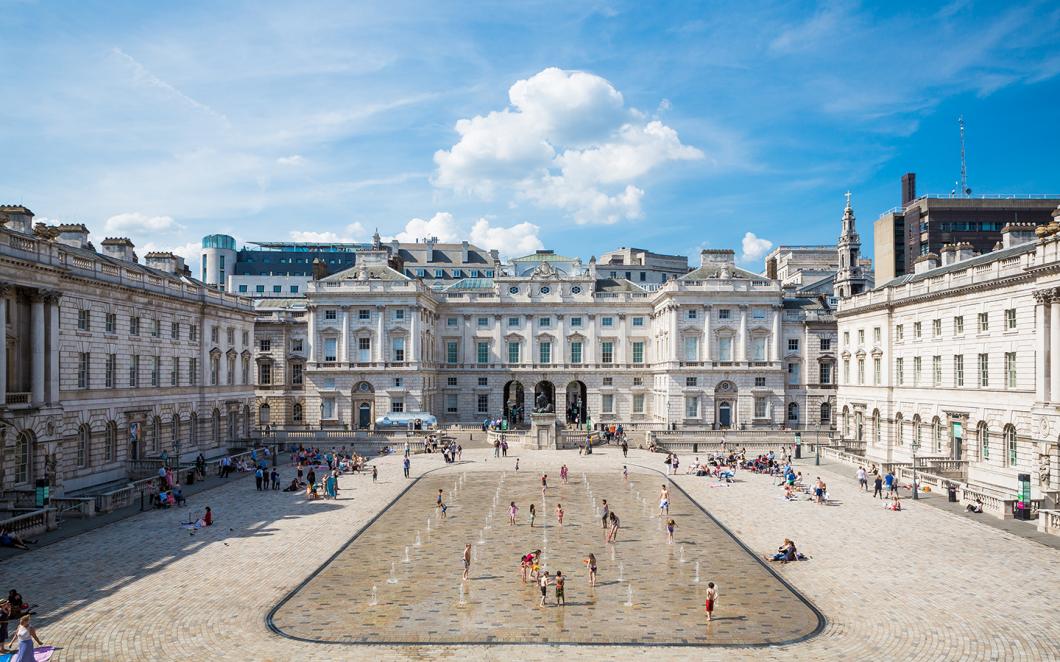
Built in the late 18th century by William Chambers on the site of an earlier Tudor palace, Somerset House now functions as a cultural venue whose courtyard transforms with the seasons — a popular ice rink in winter, a dancing fountain for kids in summer — while galleries inside host exhibitions ranging from photography to design retrospectives, such as the MC Escher show one reviewer specifically praised. With a 4.4 rating and a strong 73 trendy score in the data, it reads as a spot favoured by a slightly more local, culturally engaged crowd than the headline London landmarks nearby.
It suits visitors who want a break from the standard sightseeing circuit, ideally timed around whatever exhibition happens to be on.

✨ Reasons to go

  • 1Designed by William Chambers in the late 18th century, built on the site of a former Tudor palace.
  • 2The central courtyard converts into an ice rink in winter and a fountain display in summer.
  • 3Its galleries have hosted major exhibitions, including a dedicated MC Escher retrospective.

💡 Good to know

  • 1Check what exhibition is currently showing before you go, since the appeal depends heavily on the current program
  • 2visit the courtyard in summer for the fountains or book ahead for the winter ice rink, both popular with families
  • 3the riverside terrace behind the building has cafes worth pairing with a walk along the Thames.

⏱️ Typical visit

1h

🚶 Walking intensity

Moderate walking

📍

Address

Strand, London WC2R 1LA, UK
🕐

Hours

  • Monday: 8:00 AM – 11:00 PM
  • Tuesday: 8:00 AM – 11:00 PM
  • Wednesday: 8:00 AM – 11:00 PM
  • Thursday: 8:00 AM – 11:00 PM
  • Friday: 8:00 AM – 11:00 PM
  • Saturday: 8:00 AM – 11:00 PM
  • Sunday: 8:00 AM – 11:00 PM