4.8 ·
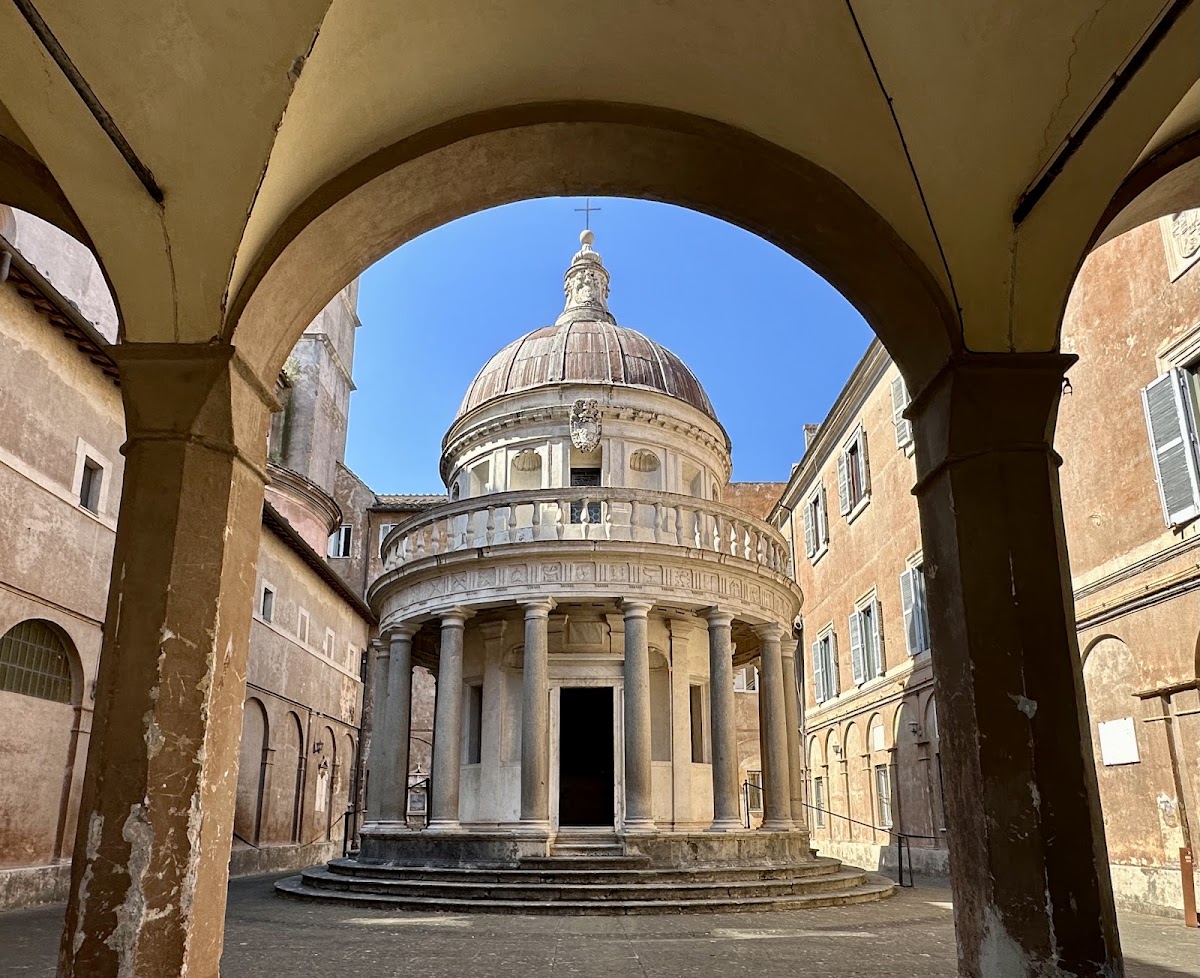
Step into the courtyard of San Pietro in Montorio to find Bramante's Tempietto, a small circular chapel that reshaped Renaissance architecture. Study its Roman-temple proportions and colonnaded form up close, away from the Trastevere crowds below.
Reasons to go
Full description
Built by Donato Bramante around 1502 on the spot traditionally believed to mark Saint Peter's crucifixion, the Tempietto compresses the grammar of ancient Roman temples, a circular colonnaded form modeled on structures like the Temple of Vesta, into a compact, harmonious monument in the courtyard of San Pietro in Montorio. Despite its small size, it's considered one of the most influential buildings of the High Renaissance, its proportions studied by architects for centuries afterward.
Tucked into a quiet courtyard uphill from busy Trastevere, it draws far fewer visitors than its architectural importance would suggest. A rewarding stop for anyone with even a casual interest in architecture.
Built by Donato Bramante around 1502 on the spot traditionally believed to mark Saint Peter's crucifixion, the Tempietto compresses the grammar of ancient Roman temples, a circular colonnaded form modeled on structures like the Temple of Vesta, into a compact, harmonious monument in the courtyard of San Pietro in Montorio. Despite its small size, it's considered one of the most influential buildings of the High Renaissance, its proportions studied by architects for centuries afterward.
Tucked into a quiet courtyard uphill from busy Trastevere, it draws far fewer visitors than its architectural importance would suggest. A rewarding stop for anyone with even a casual interest in architecture.
Address
Hours
Booking
Duration
20 min
Best time
morning, lunchtime, afternoon or early evening
Intensity
Easy pace
Good to know
Reviews
an absolute highlight in rome. A few minutes walking uphill from the overcrowded, touristy Trastevere is this gem of Renaissance architecture. Entry is free and when we visited we were alone. You can enter in the back to the sacristy to see the altar with the mirror reflecting the light! Marvellous!
J S
2/5📍 Nearby spots
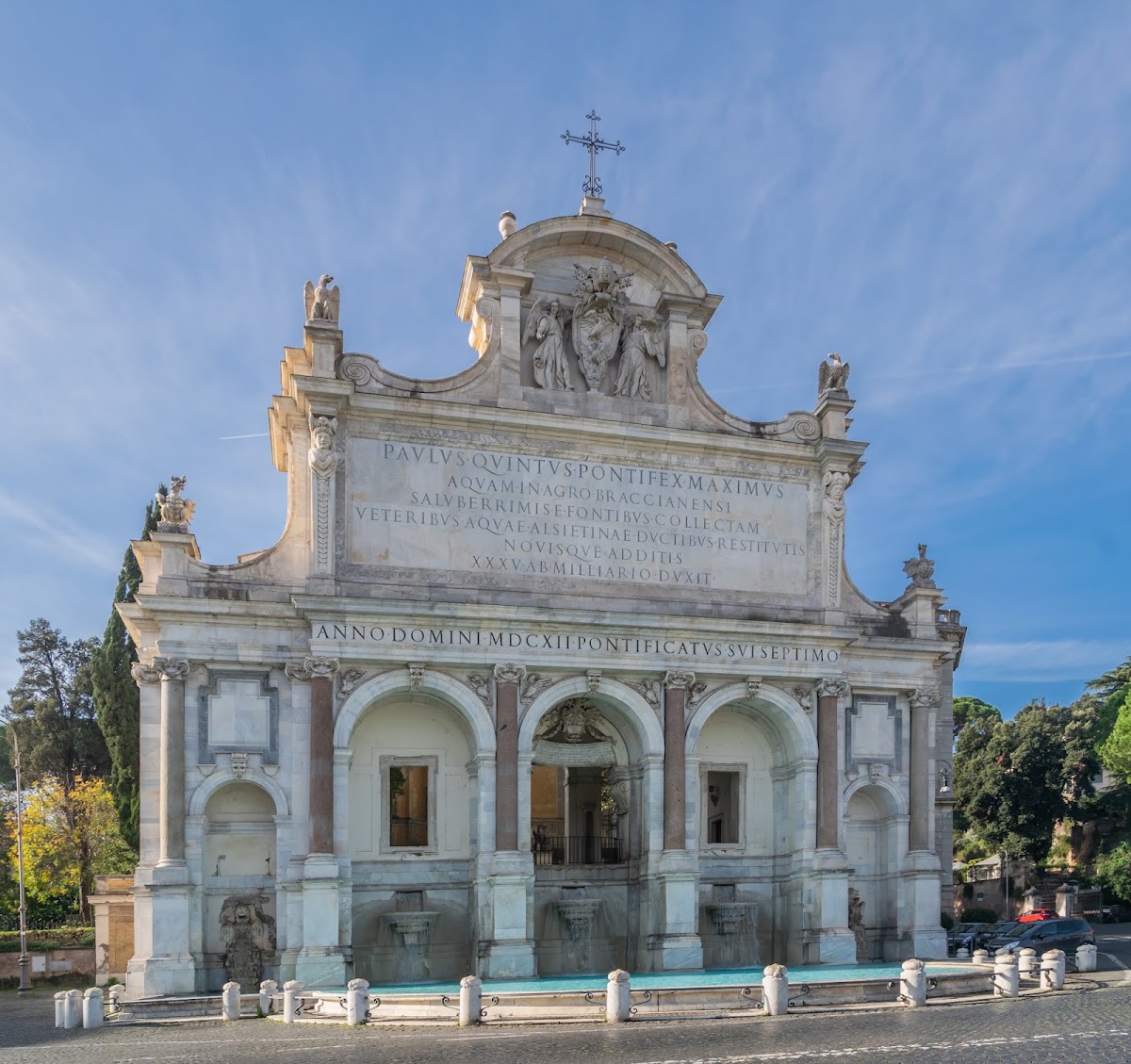
Rome · 🏛️ Landmark · 🚶 3 min walk
Fontana dell'Acqua Paola
20 min
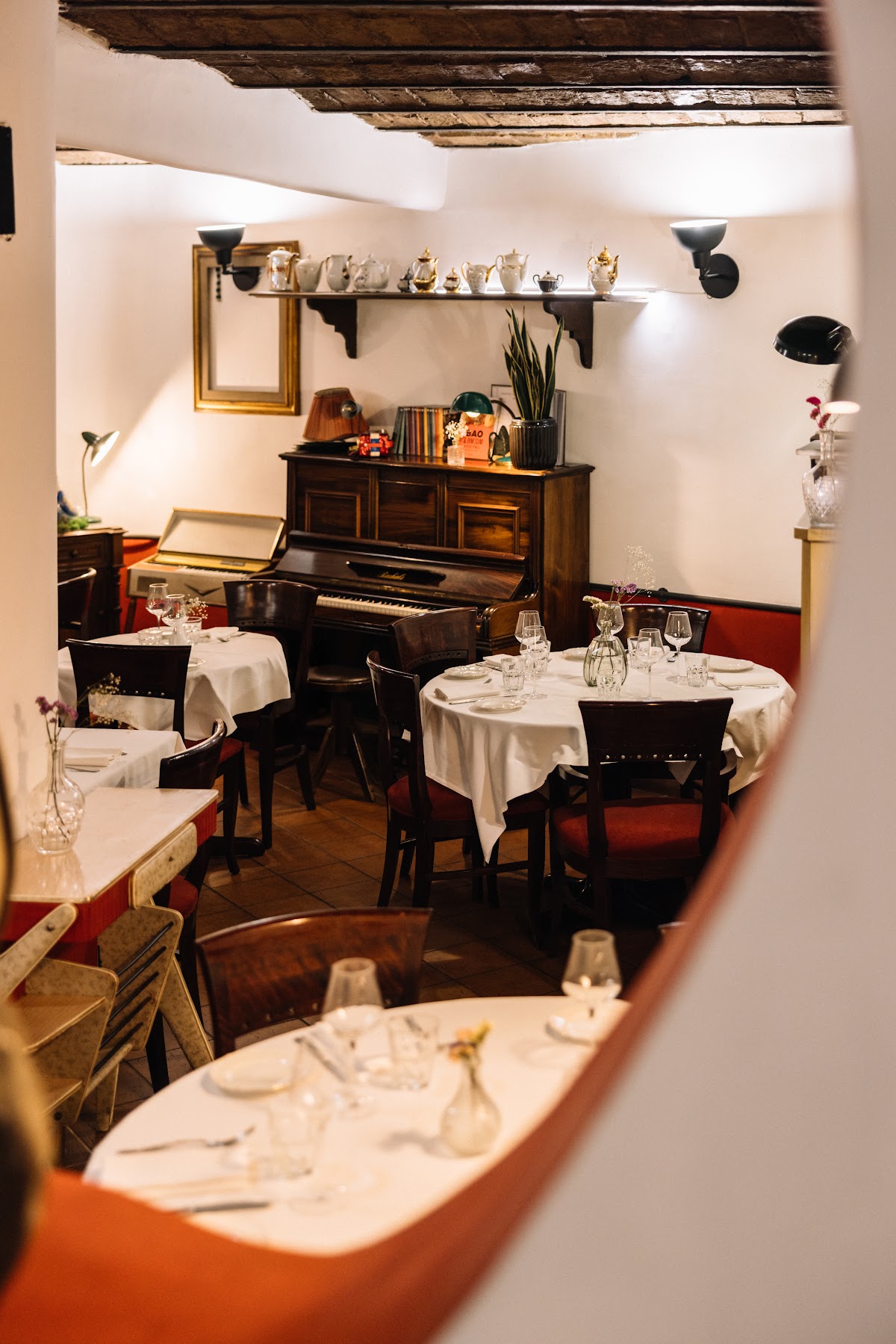
Rome · 🍽️ Food · 🚶 4 min walk
Proloco Trastevere
1h15
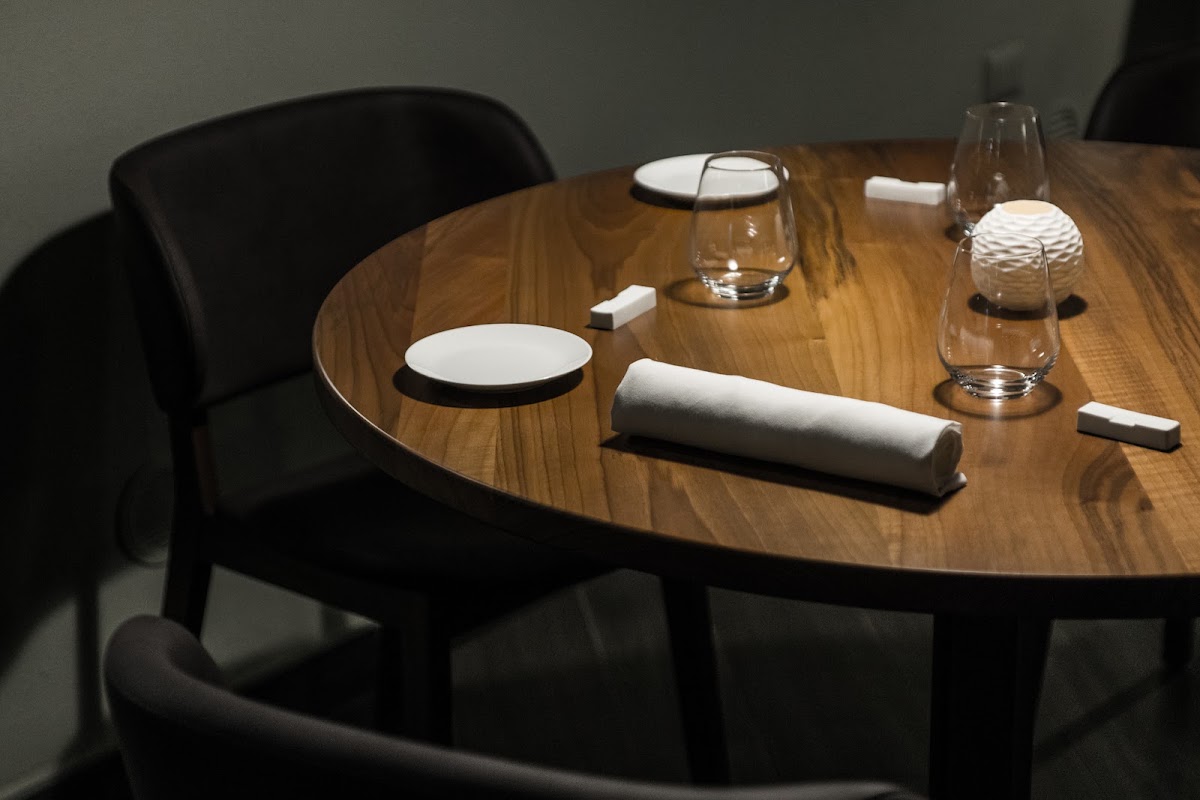
Rome · 🍽️ Food · 🚶 4 min walk
Zia Restaurant
2h30
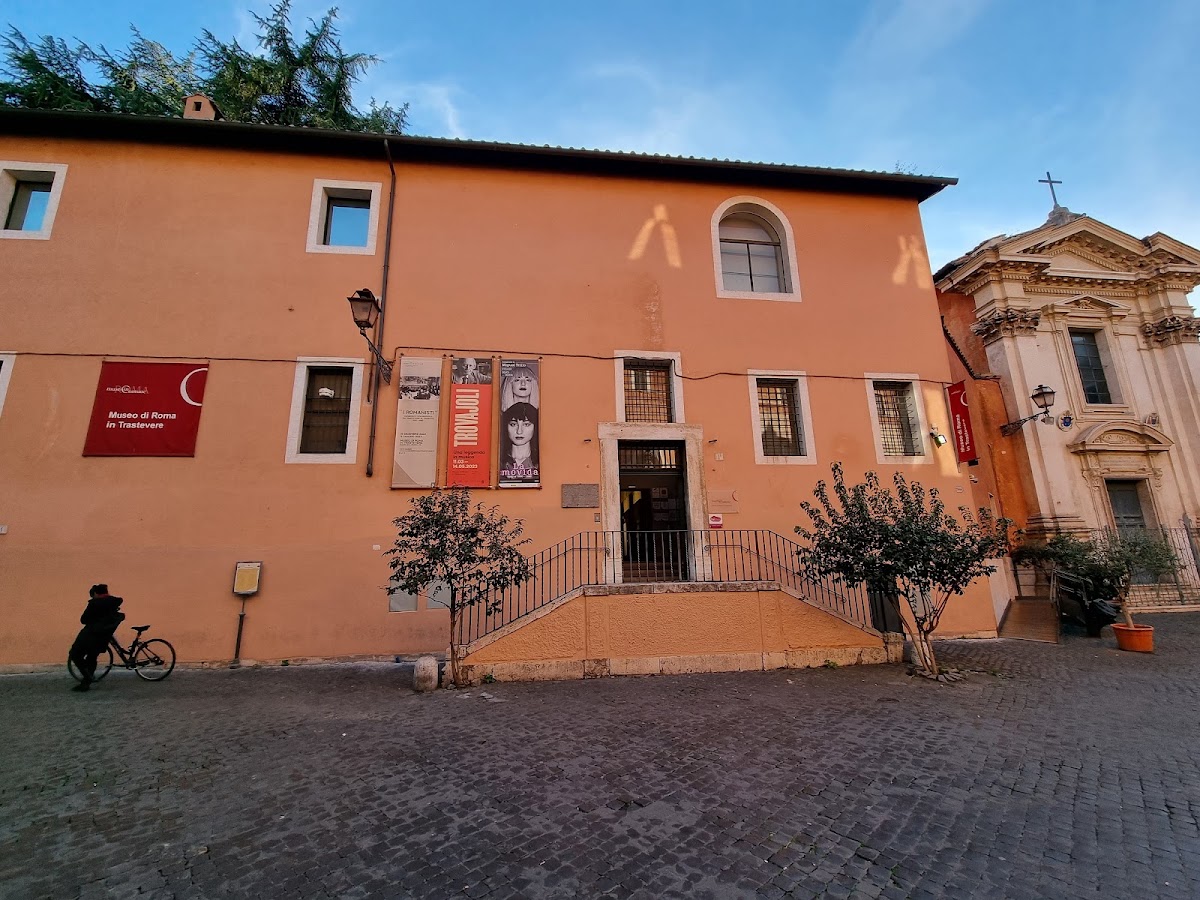
Rome · 🎨 Museum · 🚶 4 min walk
Museo di Roma in Trastevere
45 min
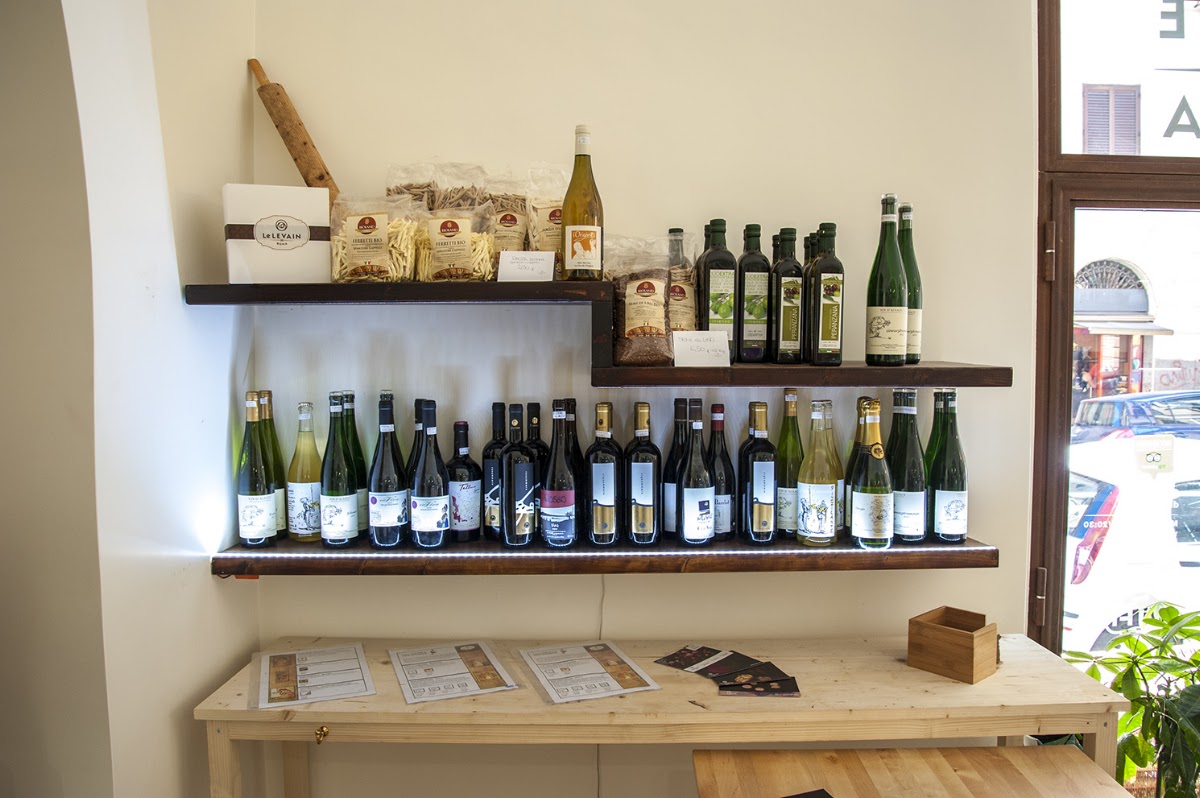
Rome · ☕ Coffeebreak · 🚶 4 min walk
Le Levain Roma
20 min
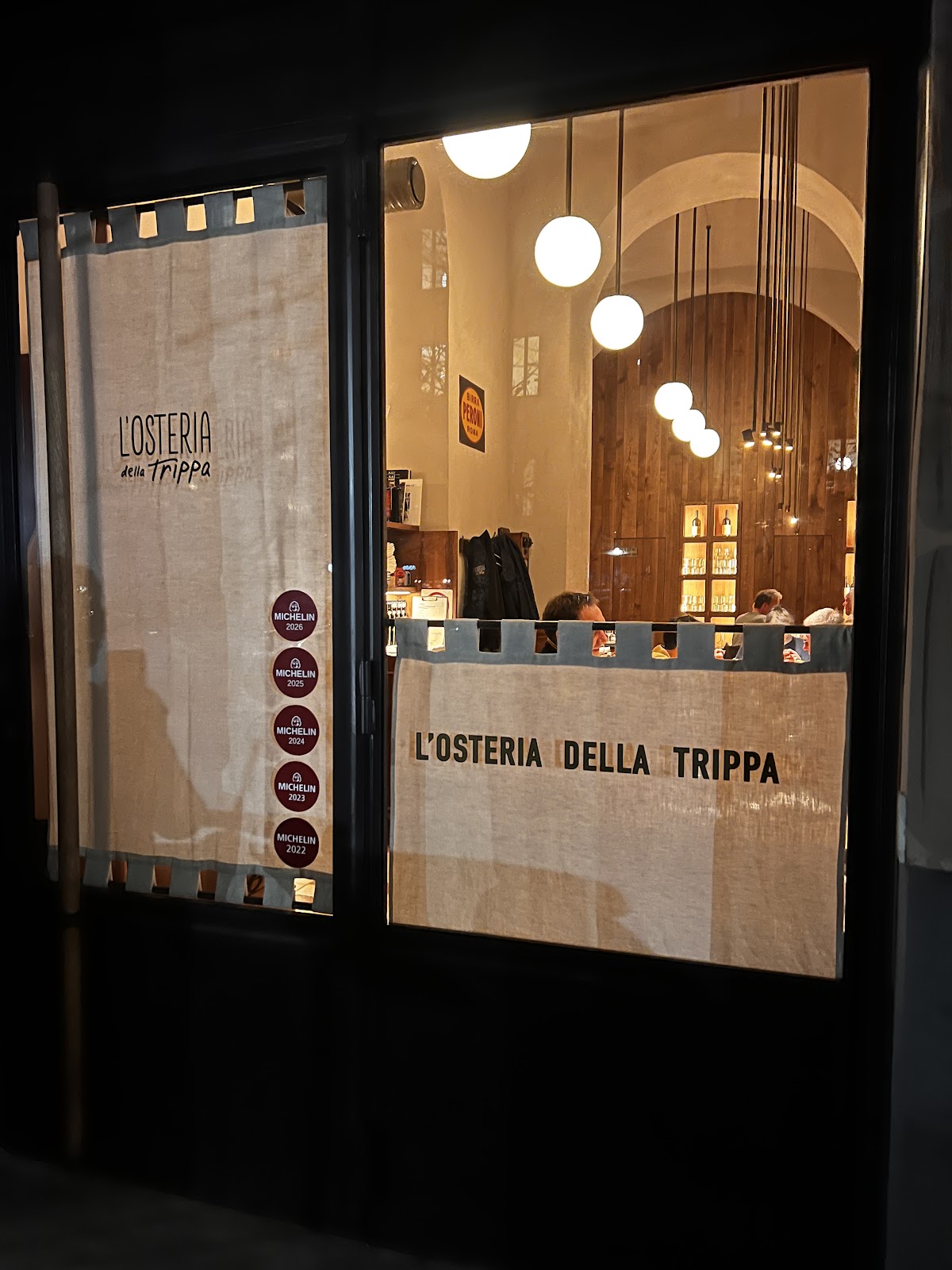
Rome · 🍽️ Food · 🚶 4 min walk
L'Osteria della Trippa
1h45
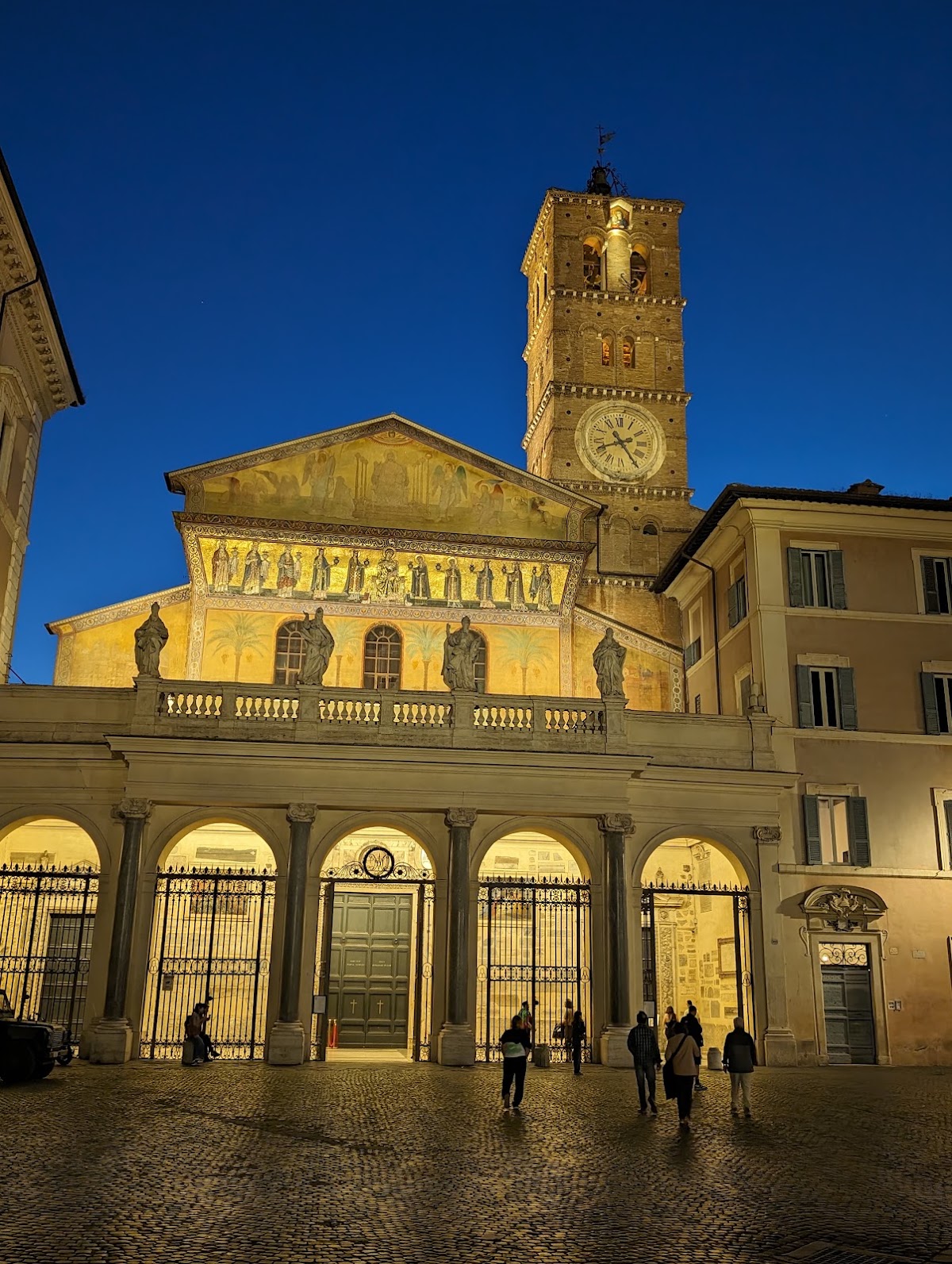
Rome · 🏛️ Landmark · 🚶 5 min walk
Basilica of Santa Maria in Trastevere
30 min
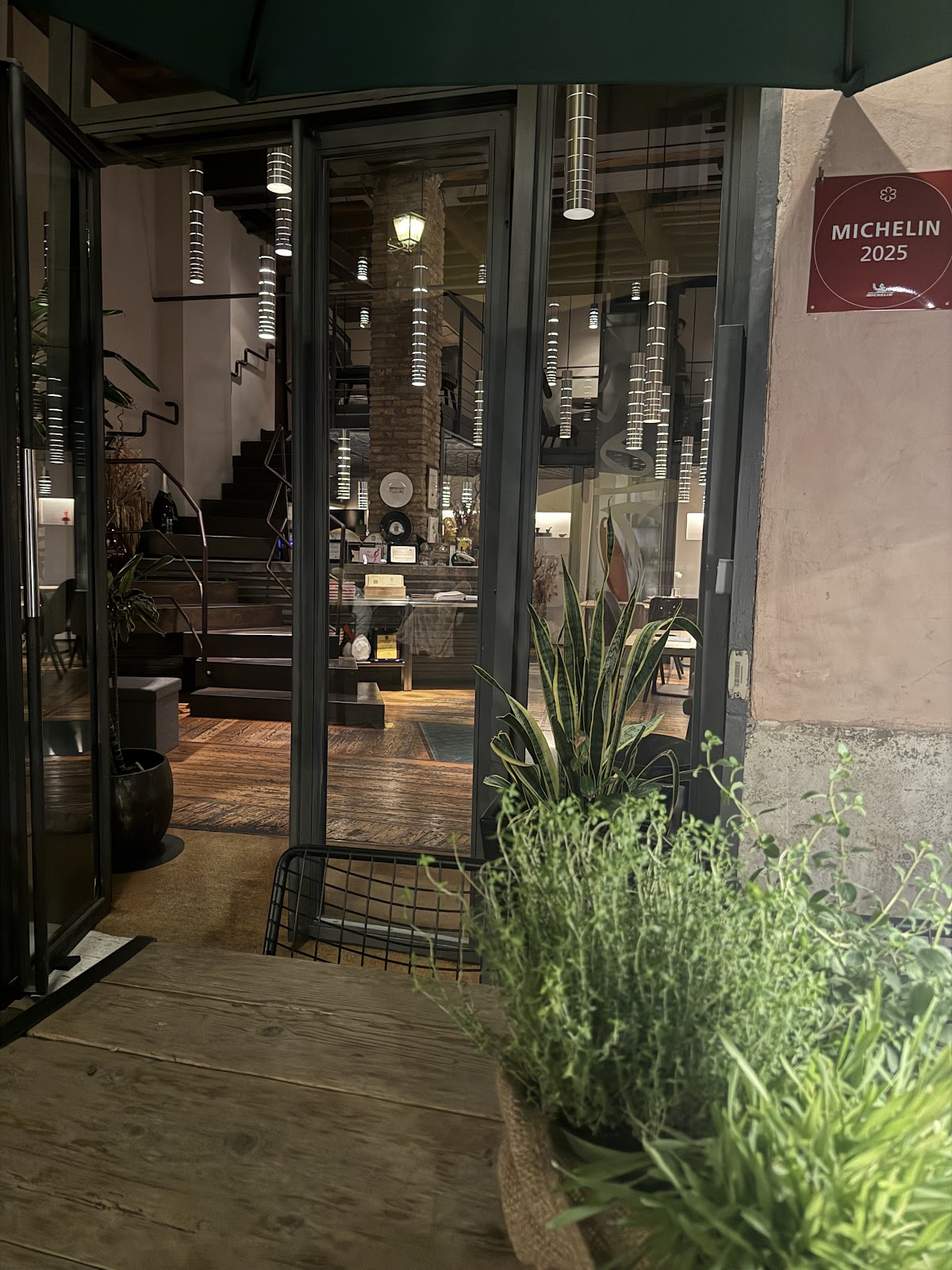
Rome · 🍽️ Food · 🚶 5 min walk
Glass Hostaria
2h30
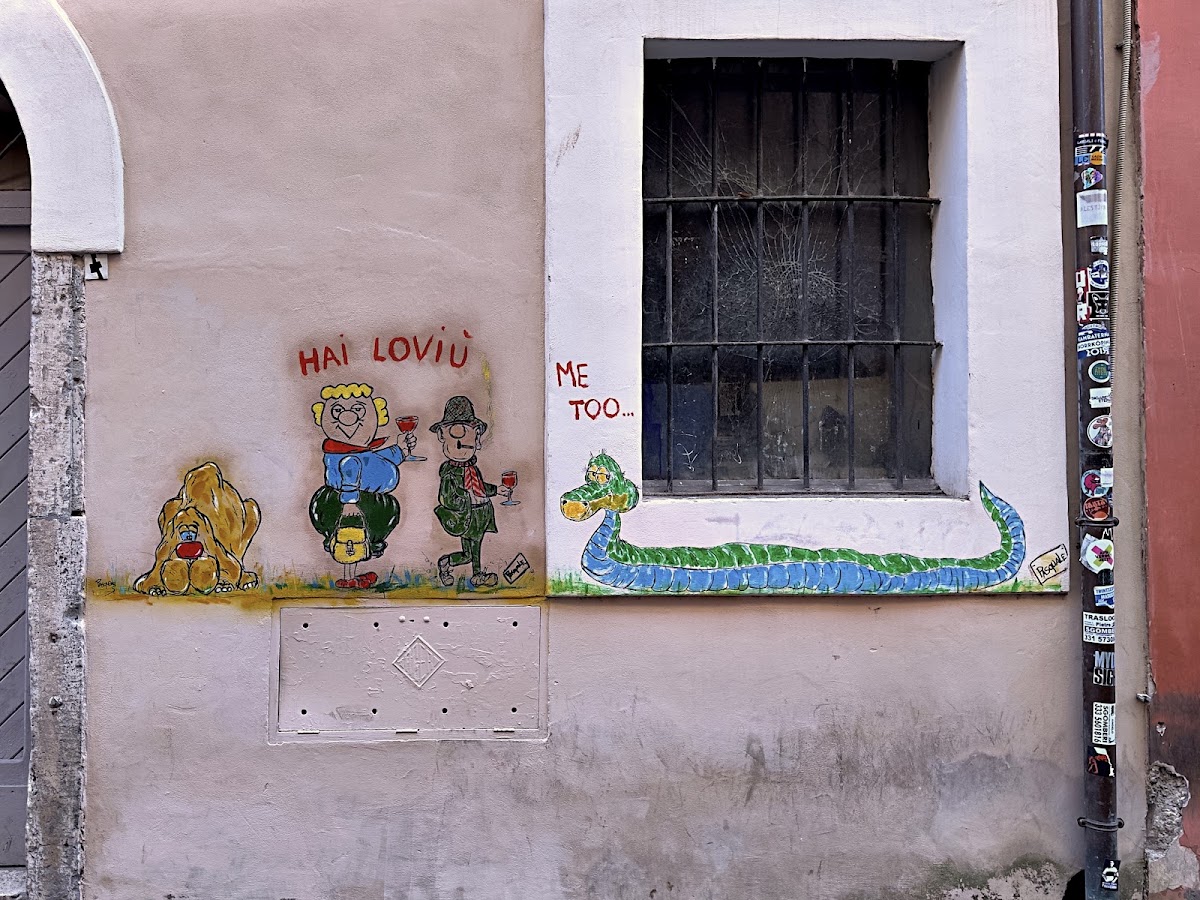
Rome · 🍸 Drinks · 🚶 5 min walk
L’ANTIDOTO
1h15
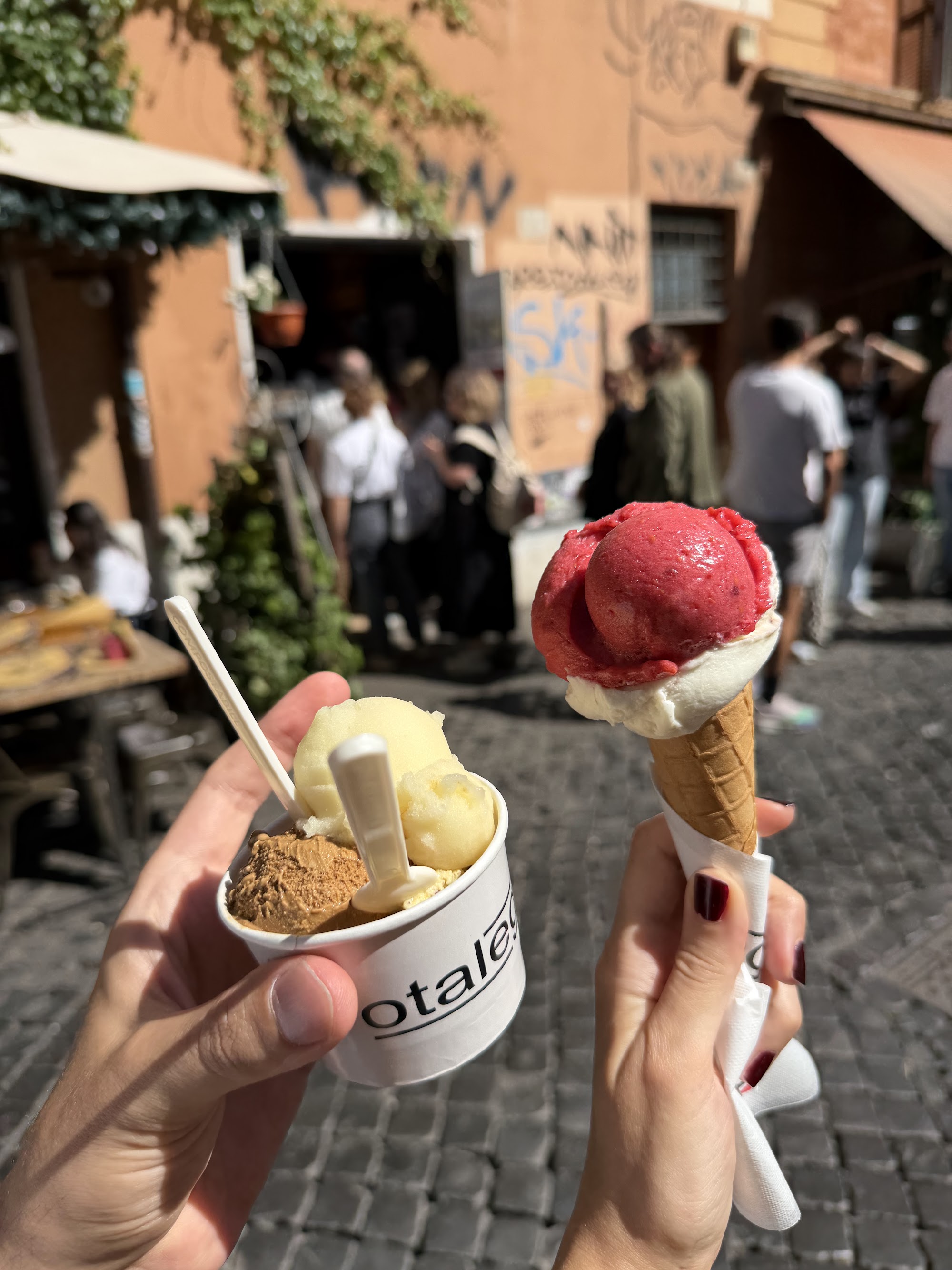
Rome · ☕ Coffeebreak · 🚶 6 min walk
Otaleg - Ice-cream
20 min
Build your itinerary
City
Dates
Choose your Explorer profile