4.6 ·
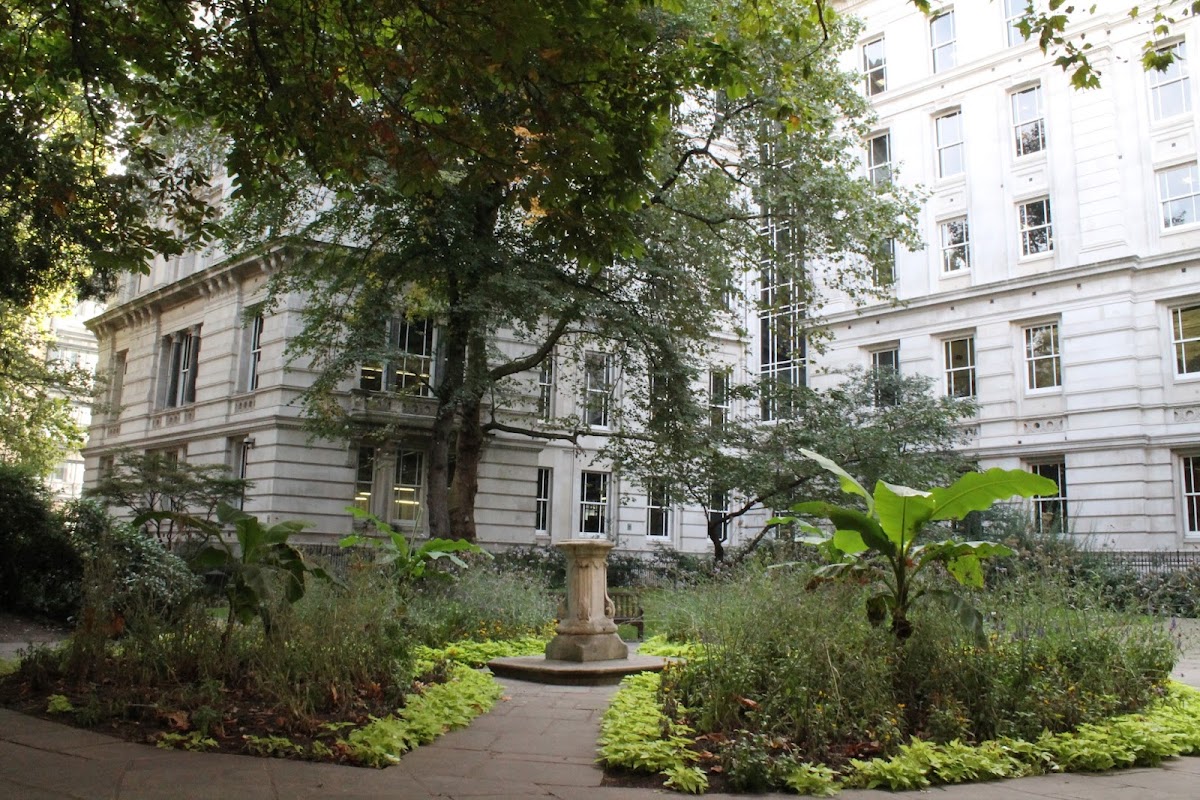
Step into Postman's Park, a quiet garden tucked beside St Paul's Cathedral. Wander past the Watts Memorial's ceramic tiles and read the short, moving inscriptions honoring ordinary Victorians who died saving others.
Reasons to go
Full description
Tucked beside St Paul's Cathedral on the site of a former churchyard, Postman's Park takes its name from its popularity with postal workers on their lunch breaks. Its centrepiece, the Memorial to Heroic Self-Sacrifice, was created by artist George Frederic Watts in 1900 and records dozens of ordinary Victorians and Edwardians who died attempting to save others, each with a short, often moving inscription on hand-painted tiles.
It's a small, contemplative space, easy to miss and all the more striking for it.
Tucked beside St Paul's Cathedral on the site of a former churchyard, Postman's Park takes its name from its popularity with postal workers on their lunch breaks. Its centrepiece, the Memorial to Heroic Self-Sacrifice, was created by artist George Frederic Watts in 1900 and records dozens of ordinary Victorians and Edwardians who died attempting to save others, each with a short, often moving inscription on hand-painted tiles.
It's a small, contemplative space, easy to miss and all the more striking for it.
Duration
15 min
Best time
early morning, morning, lunchtime, afternoon or early evening
Intensity
Easy pace
Good to know
Reviews
Very peaceful park with lots of history and an area listing stories of ordinary people who had given their lives to save others. Another hidden gem wandering through the city and only a few minutes walk from St. Paul’s Cathedral.
Doris Chan
3/5📍 Nearby spots
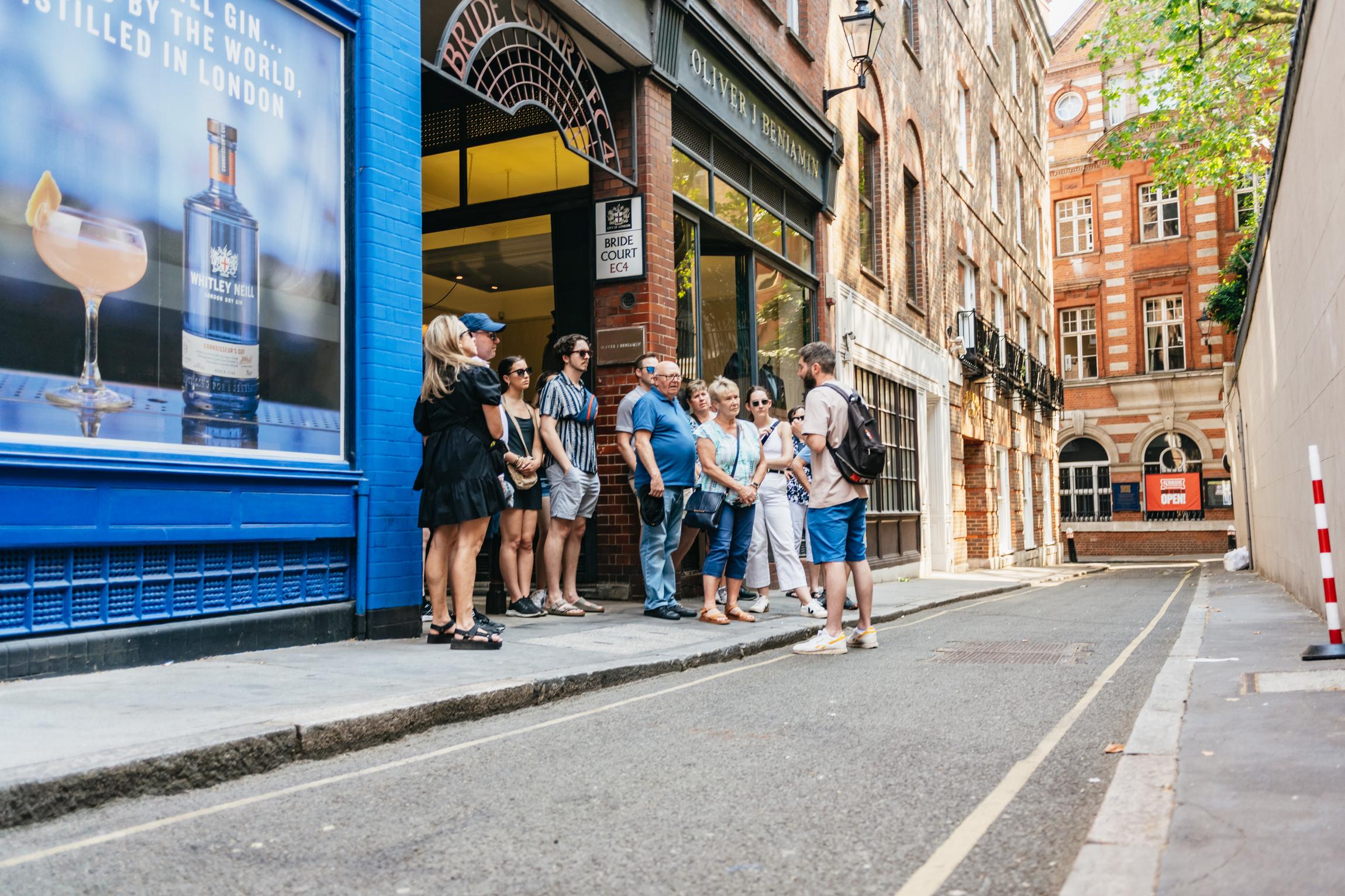
London · 🏛️ Landmark · 🚶 3 min walk
Historic Pubs of Central London Walking Tour
2h
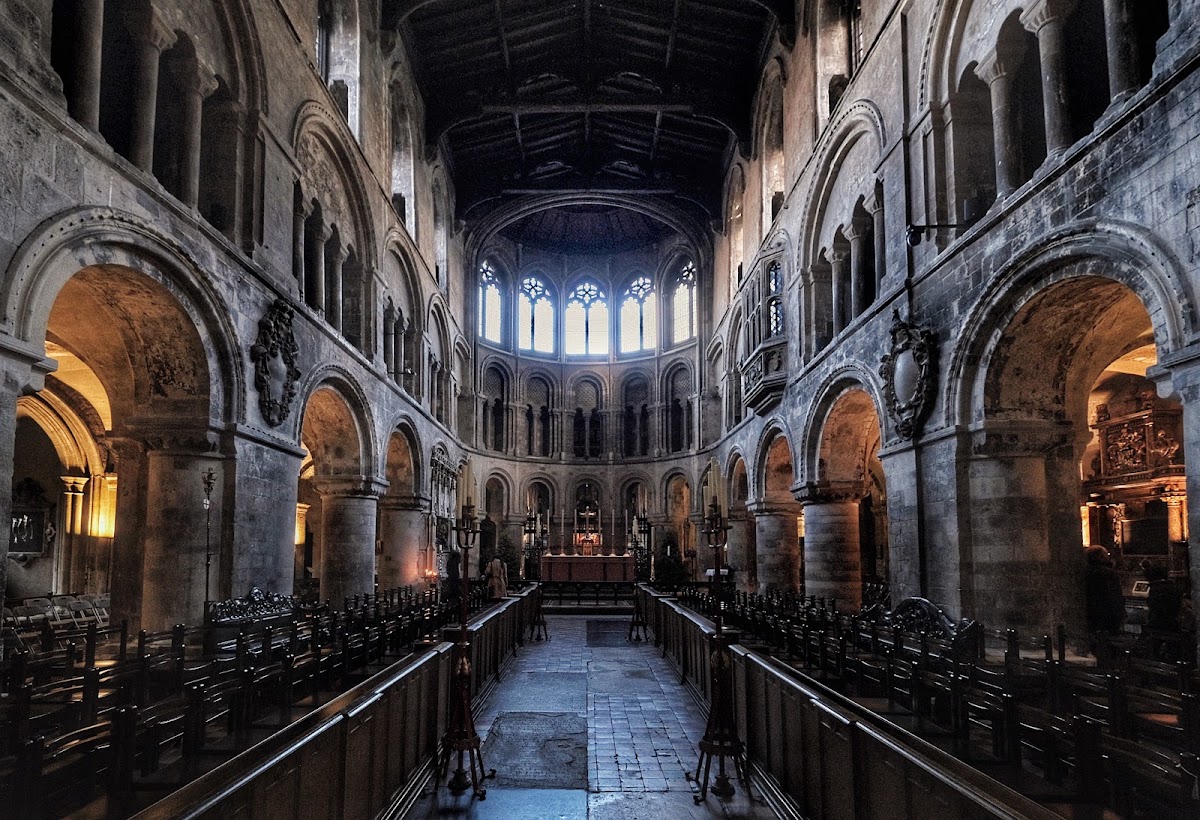
London · 🏛️ Landmark · 🚶 4 min walk
St Bartholomew the Great
30 min
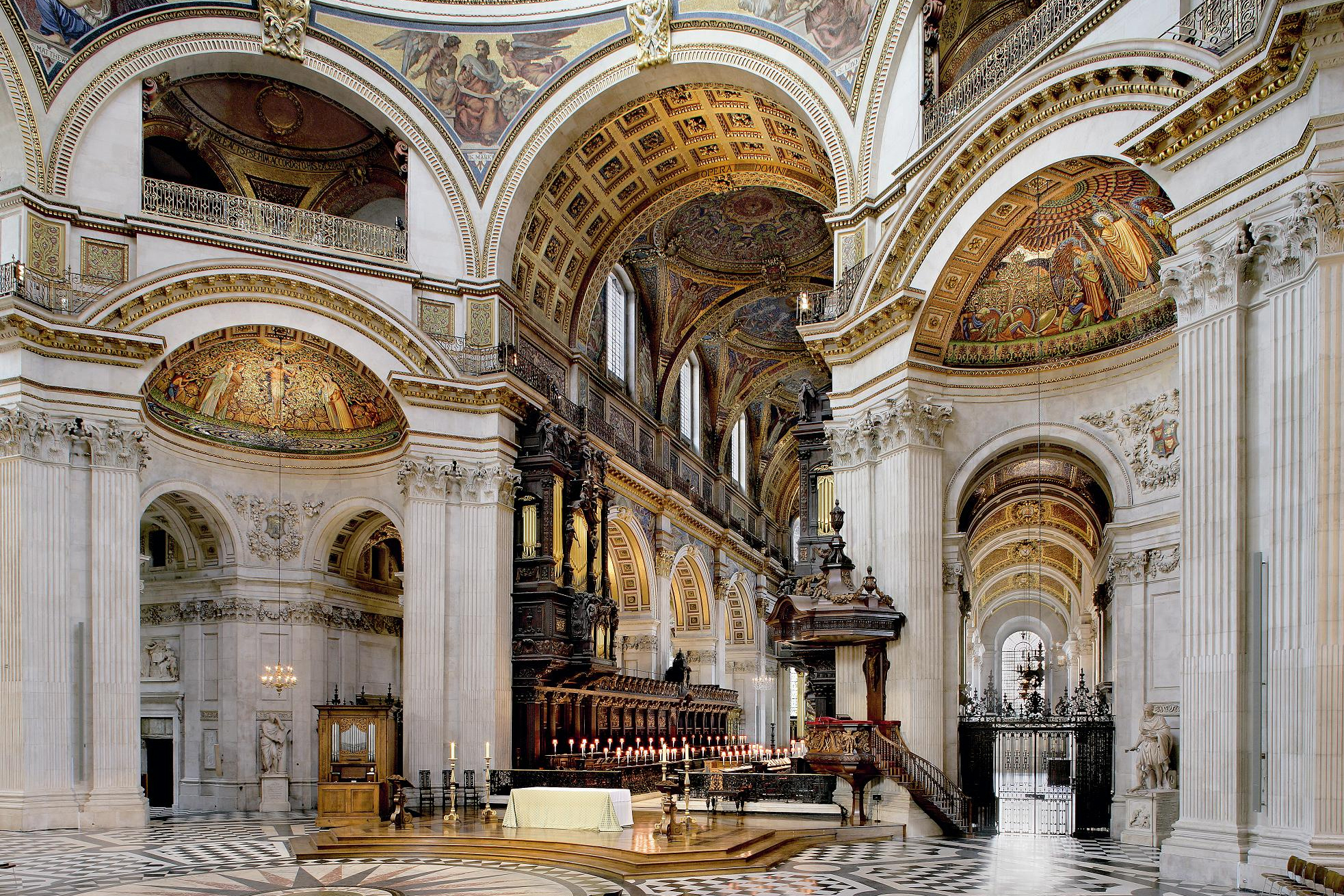
London · 🏛️ Landmark · 🚶 5 min walk
St Paul's Cathedral Entry Ticket
1h30
London · 🏛️ Landmark · 🚶 5 min walk
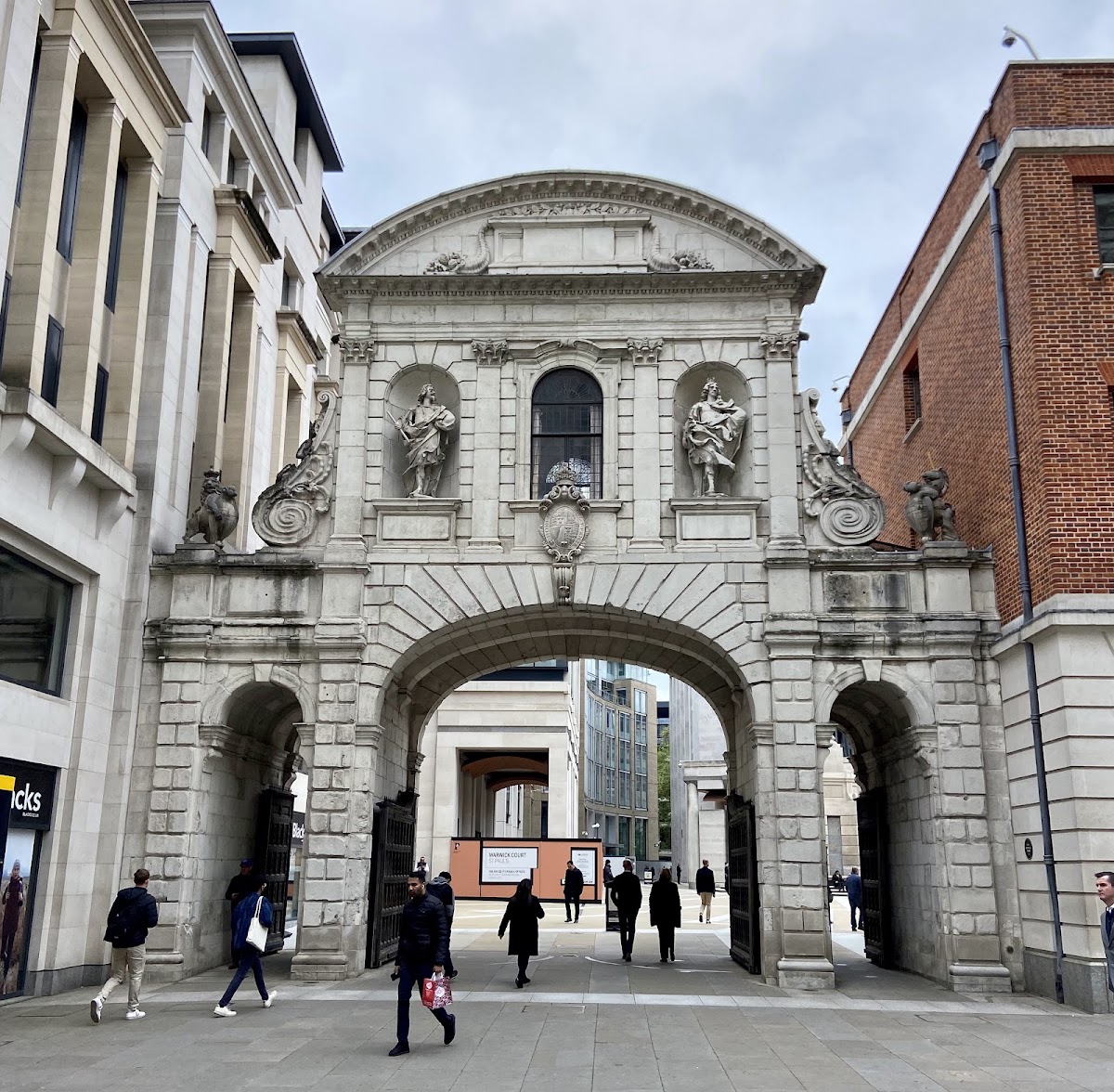
Temple Bar London
10 min
London · 🏛️ Landmark · 🚶 5 min walk
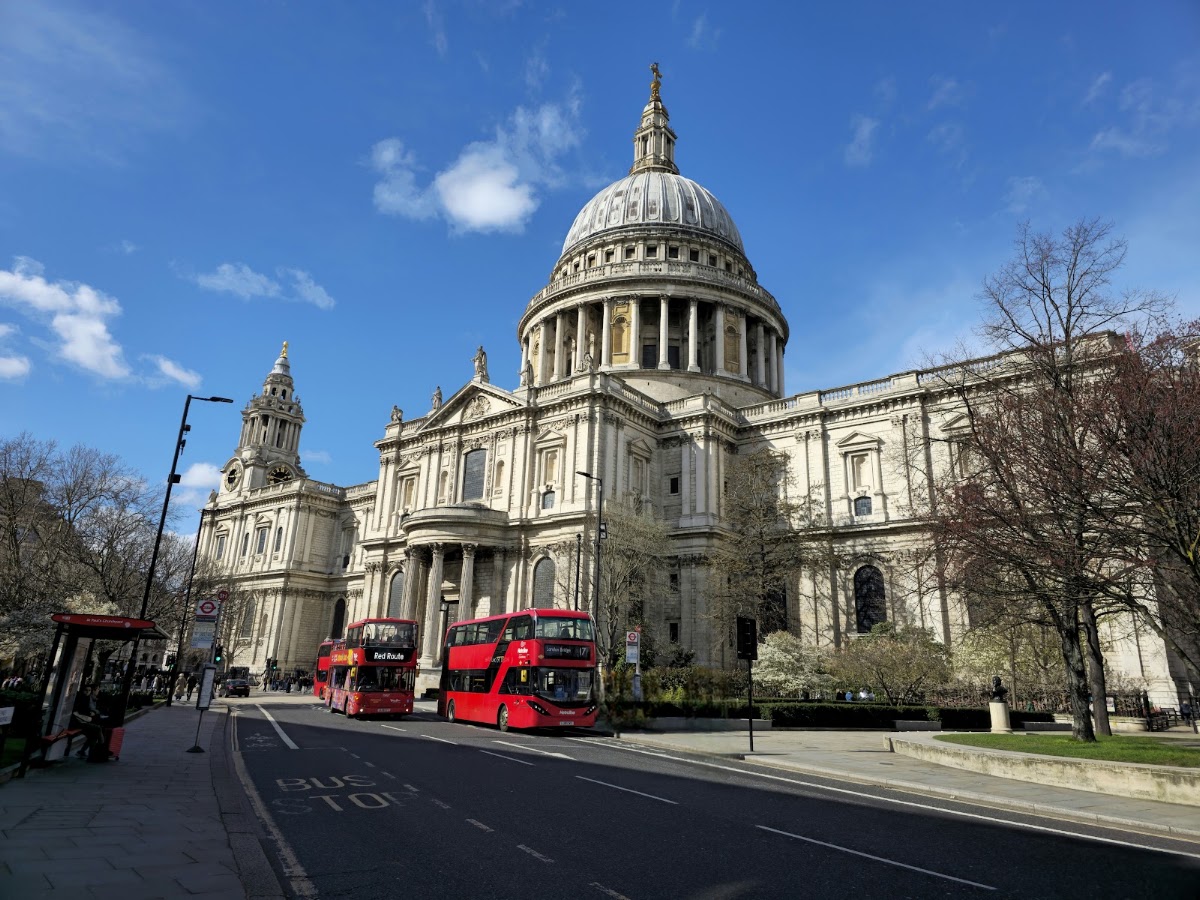
St. Paul's Cathedral
1h30
London · 🏛️ Landmark · 🚶 6 min walk
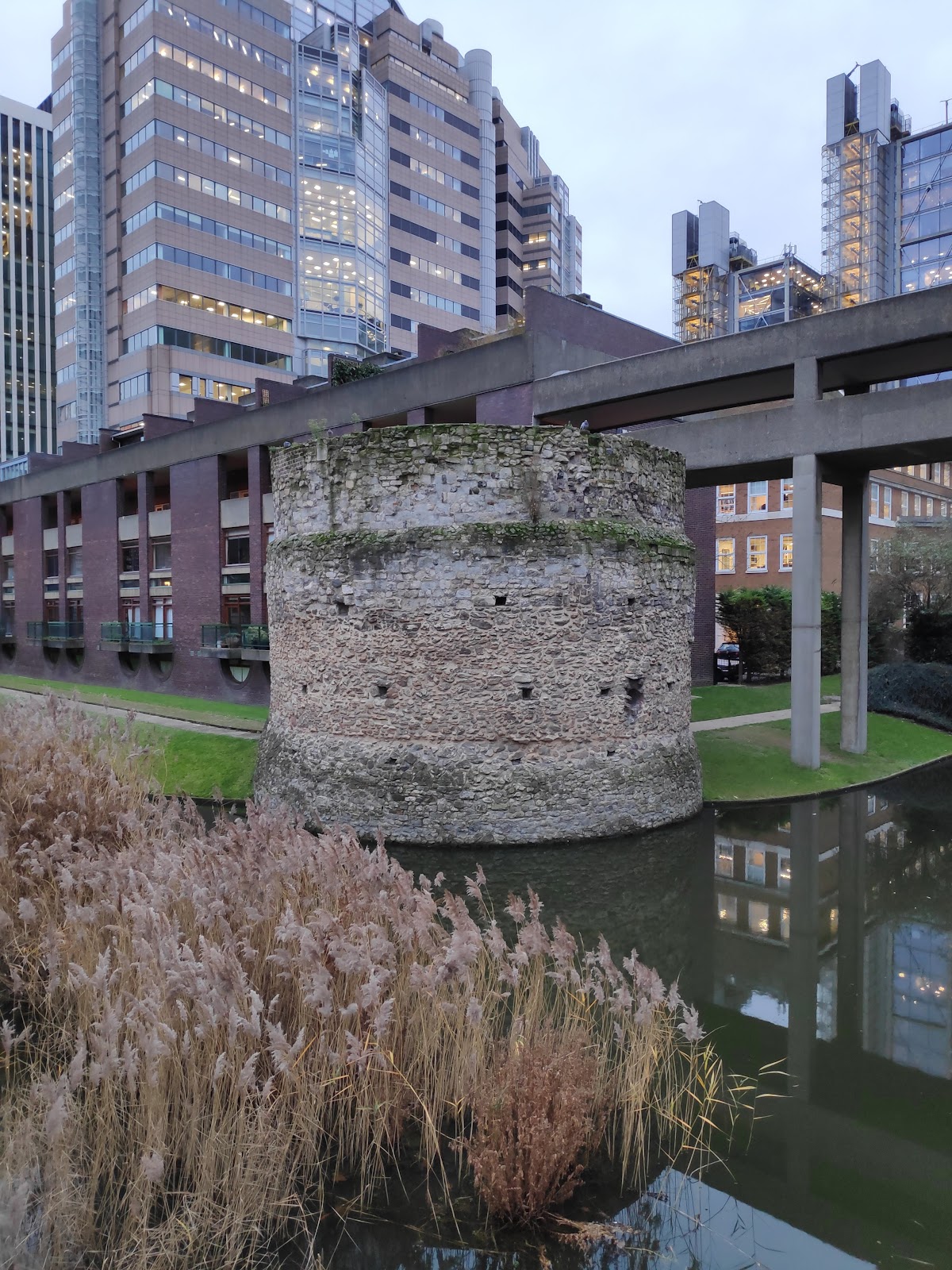
Barbican Estate
45 min
London · 🏛️ Landmark · 🚶 7 min walk
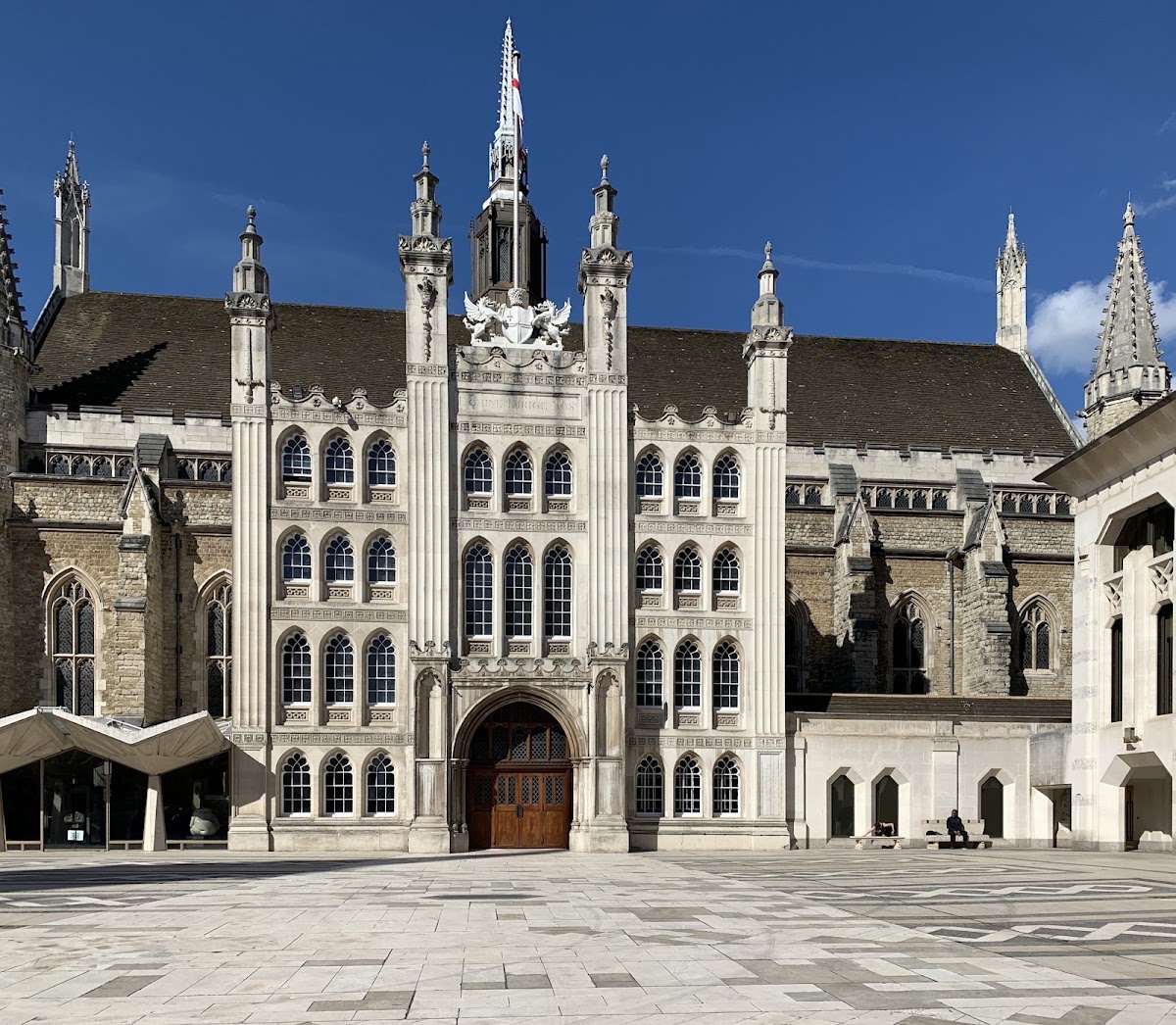
Guildhall
30 min
London · 🎨 Museum · 🚶 7 min walk
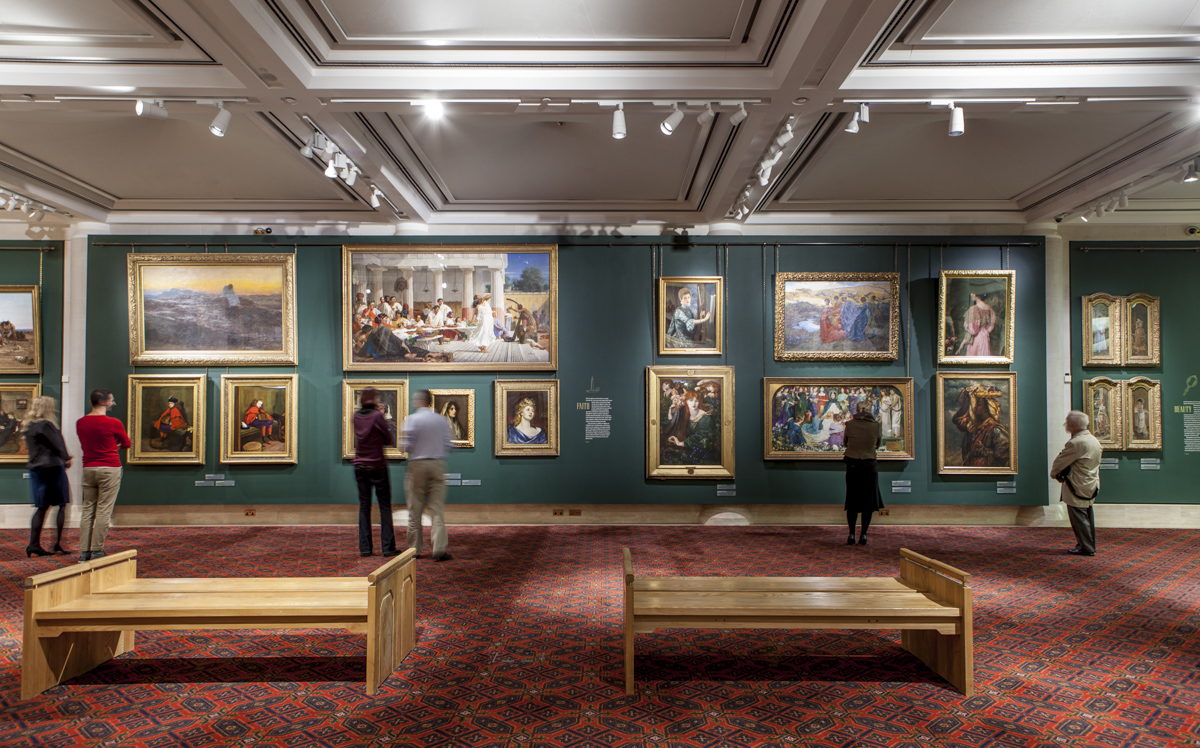
Guildhall Art Gallery
50 min

London · 🌙 Nightlife · 🚶 7 min walk
fabric London
2h30
London · 🌳 Nature · 🚶 8 min walk
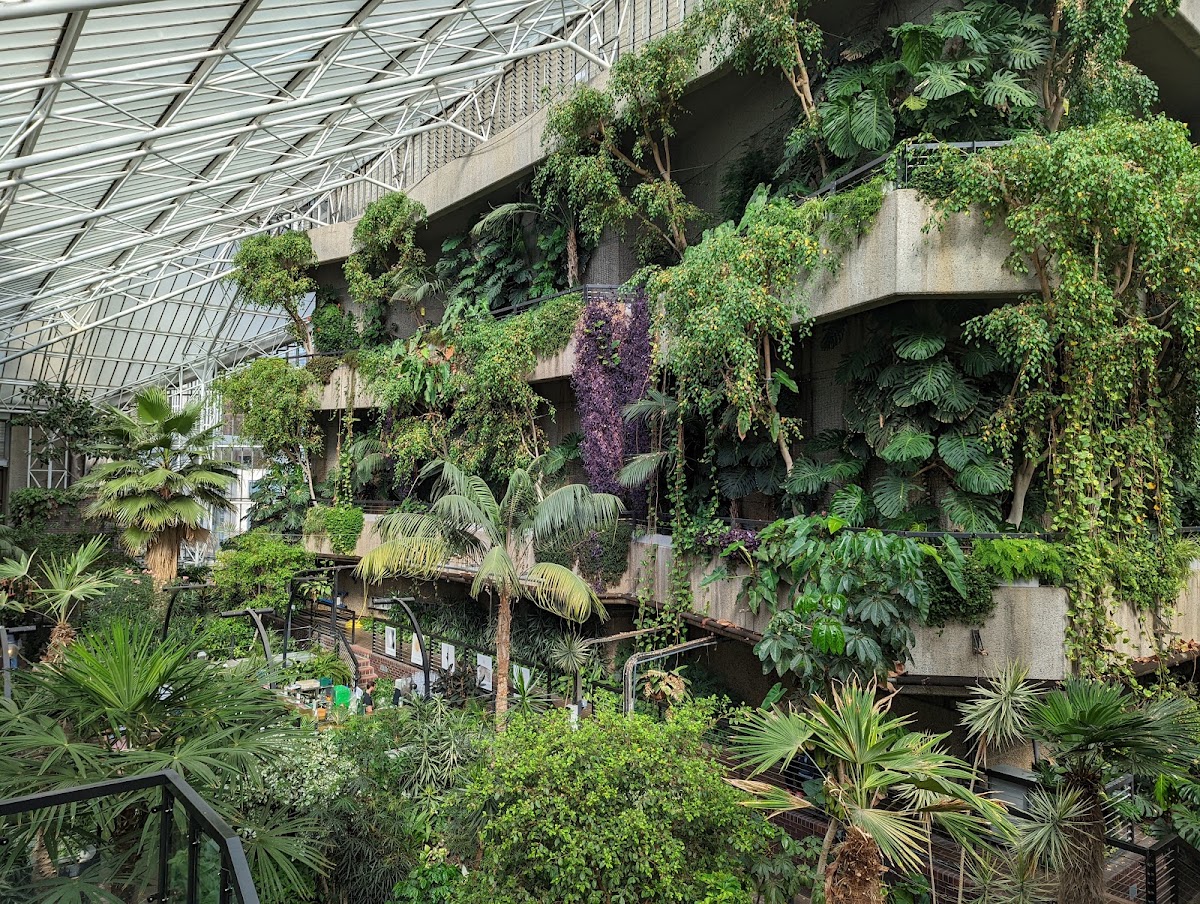
Barbican Conservatory
35 min
Build your itinerary
City
Dates
Choose your Explorer profile