4.5 ·
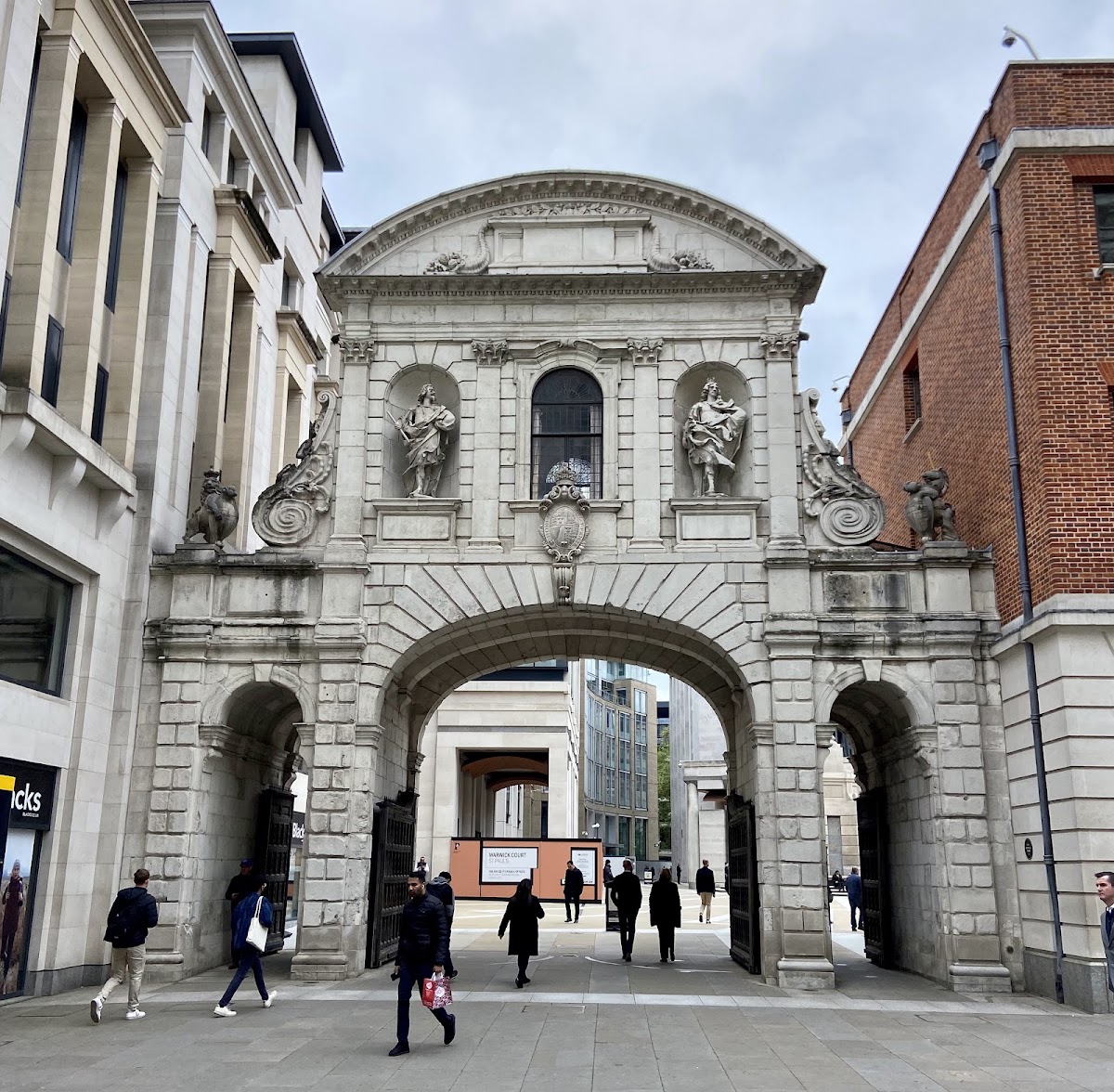
Step through Wren's stone gateway, a 17th-century relic that once guarded the City of London's edge. Look up at the carved dragon crowning the arch and picture monarchs pausing here for the Lord Mayor's permission, just steps from St Paul's.
Reasons to go
Full description
Originally built by Christopher Wren between 1670 and 1672 to mark the ceremonial boundary of the City of London on Fleet Street, Temple Bar was dismantled in 1878 to ease traffic, spent over a century as a private estate feature outside London, and was finally returned and re-erected near St Paul's Cathedral in Paternoster Square in 2004. Its carved dragon, the symbol of the City of London, tops the arch and marks a spot where monarchs traditionally still pause to seek the Lord Mayor's permission before entering the City.
Reviewers with a 4.5 rating appreciate the layered backstory more than the structure's modest size, making it a rewarding stop for those interested in the story behind the stone rather than a visual showstopper alone.
Originally built by Christopher Wren between 1670 and 1672 to mark the ceremonial boundary of the City of London on Fleet Street, Temple Bar was dismantled in 1878 to ease traffic, spent over a century as a private estate feature outside London, and was finally returned and re-erected near St Paul's Cathedral in Paternoster Square in 2004. Its carved dragon, the symbol of the City of London, tops the arch and marks a spot where monarchs traditionally still pause to seek the Lord Mayor's permission before entering the City.
Reviewers with a 4.5 rating appreciate the layered backstory more than the structure's modest size, making it a rewarding stop for those interested in the story behind the stone rather than a visual showstopper alone.
Address
Booking
Duration
10 min
Best time
morning or afternoon
Intensity
Easy pace
Good to know
Reviews
Small historic gate moved to a new location. Statues of King James I and VI (r. 1603-1625) Queen Anne of Denmark King Charles I (r. 1625-1649) King Charles II (r. 1660-1684)
Michael Offord
3/5📍 Nearby spots
London · 🏛️ Landmark · 🚶 1 min walk
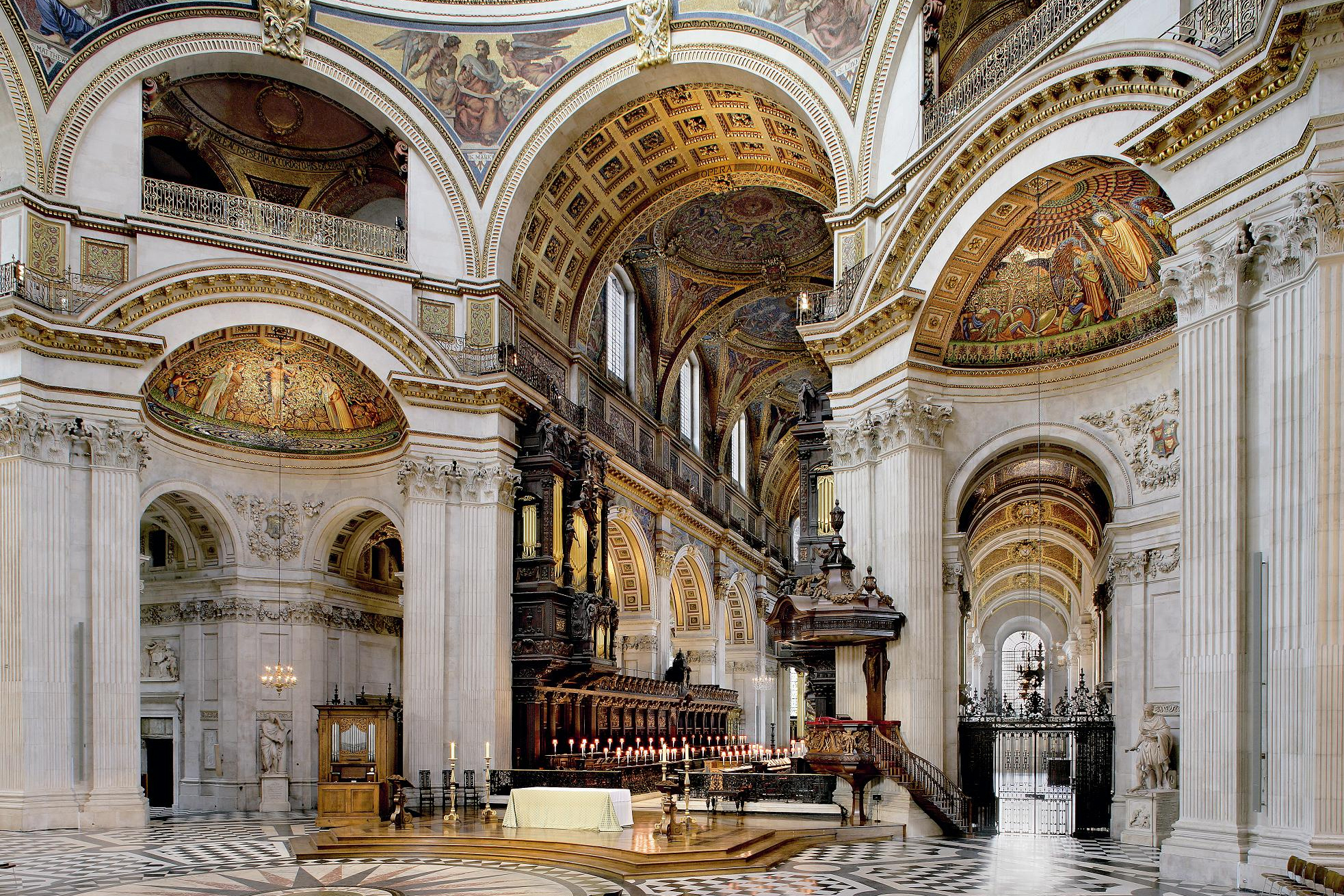
St Paul's Cathedral Entry Ticket
1h30
London · 🏛️ Landmark · 🚶 2 min walk
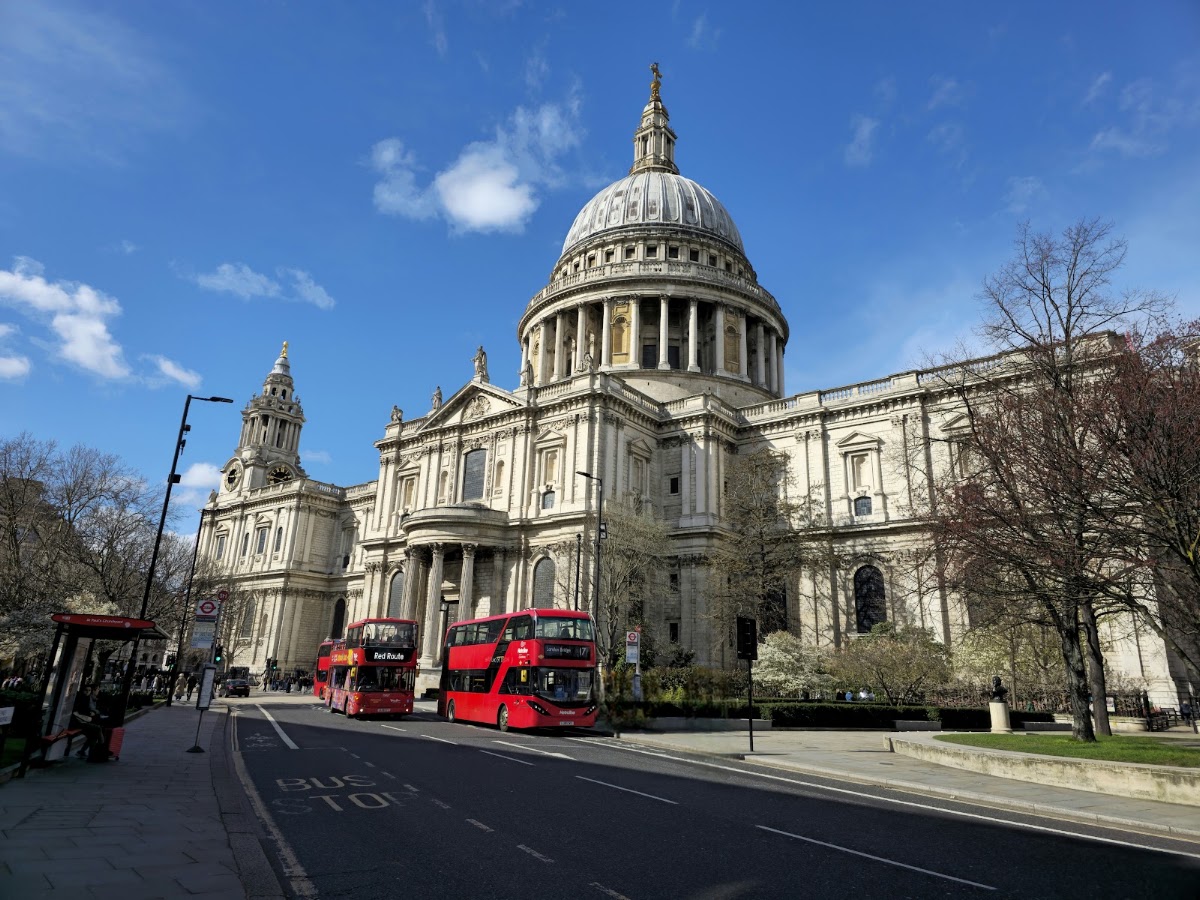
St. Paul's Cathedral
1h30
London · 🏛️ Landmark · 🚶 2 min walk
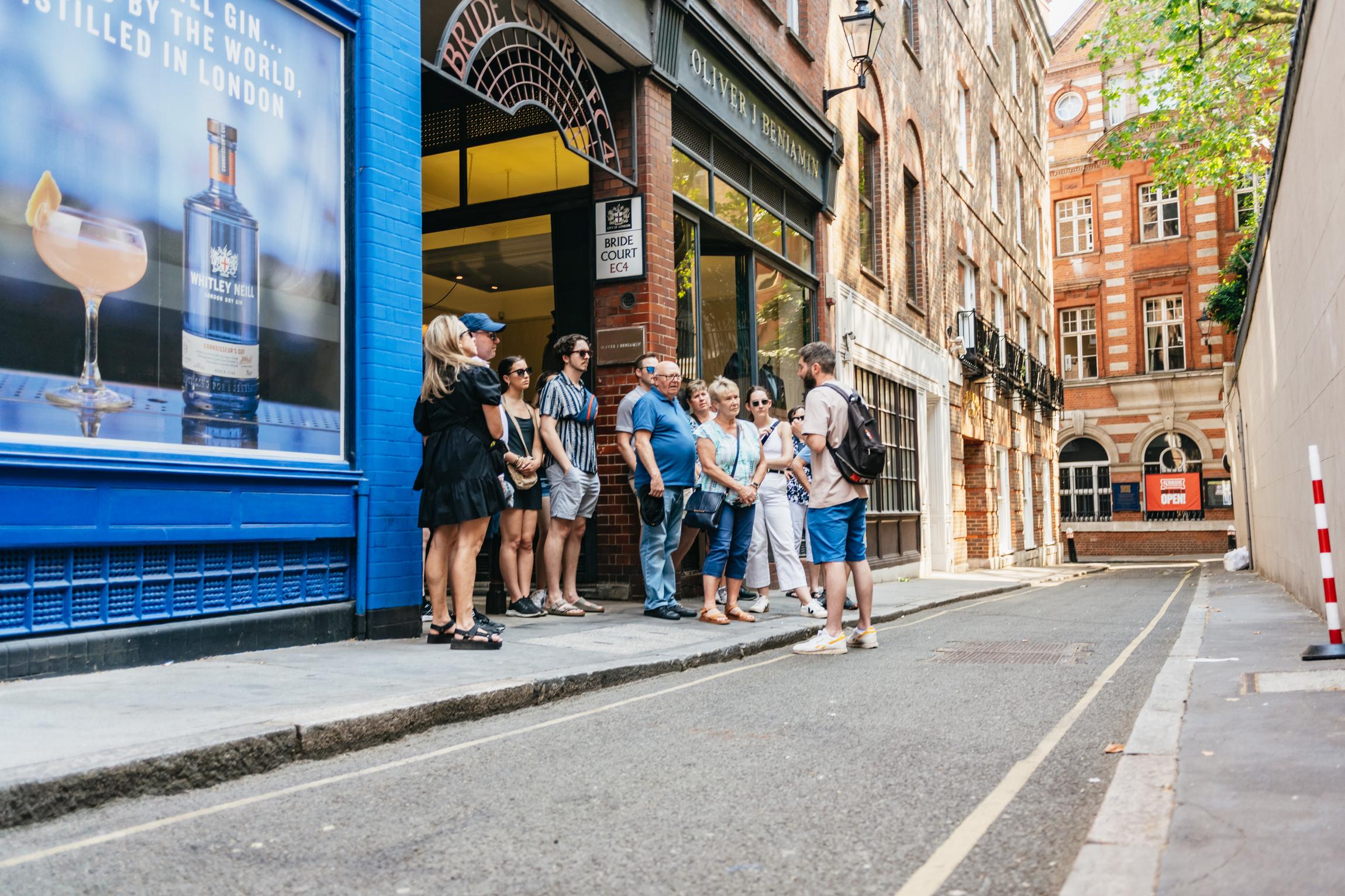
Historic Pubs of Central London Walking Tour
2h
London · 🌳 Nature · 🚶 4 min walk
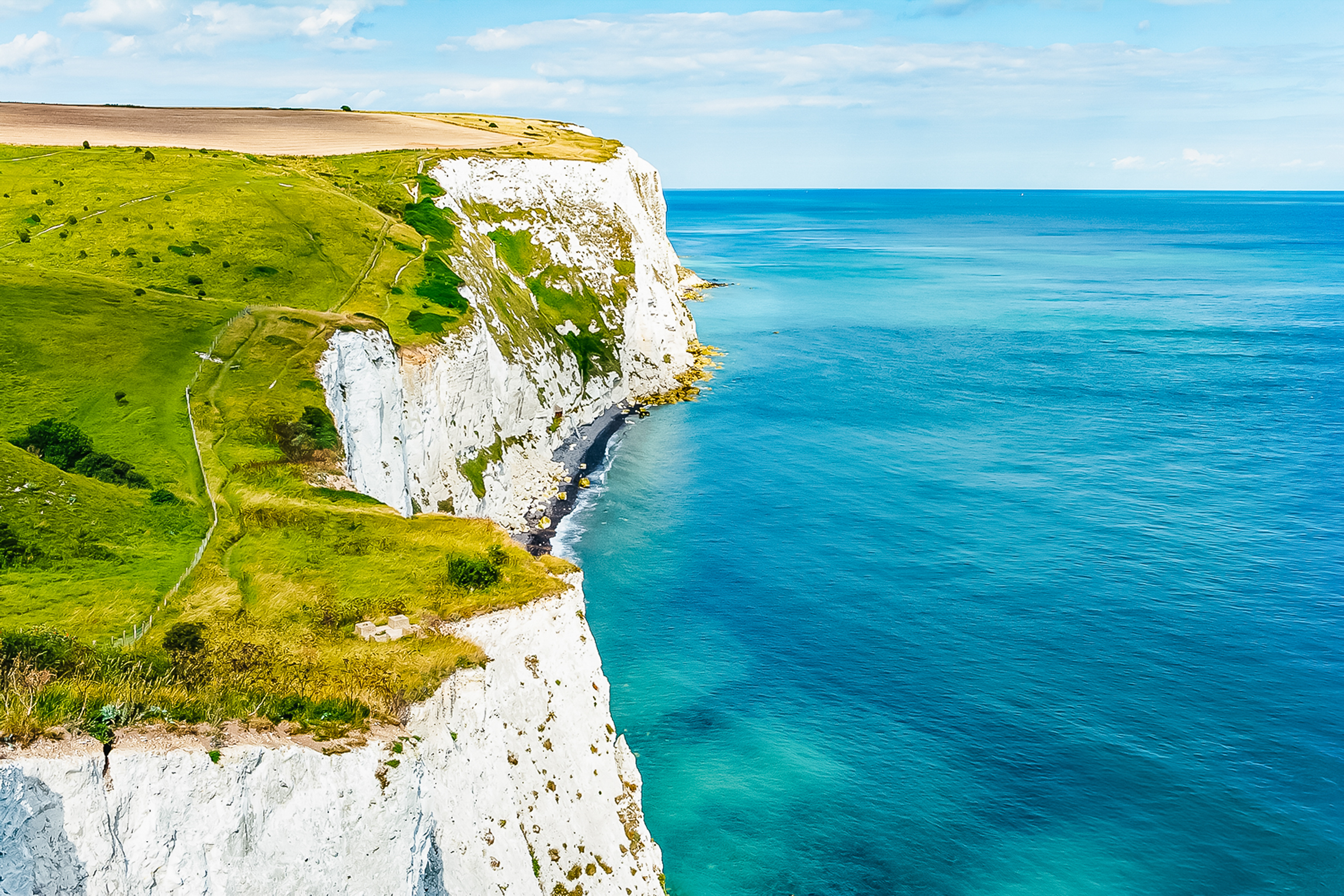
White Cliffs of Dover and Canterbury Day Trip
10h
London · 🌳 Nature · 🚶 5 min walk
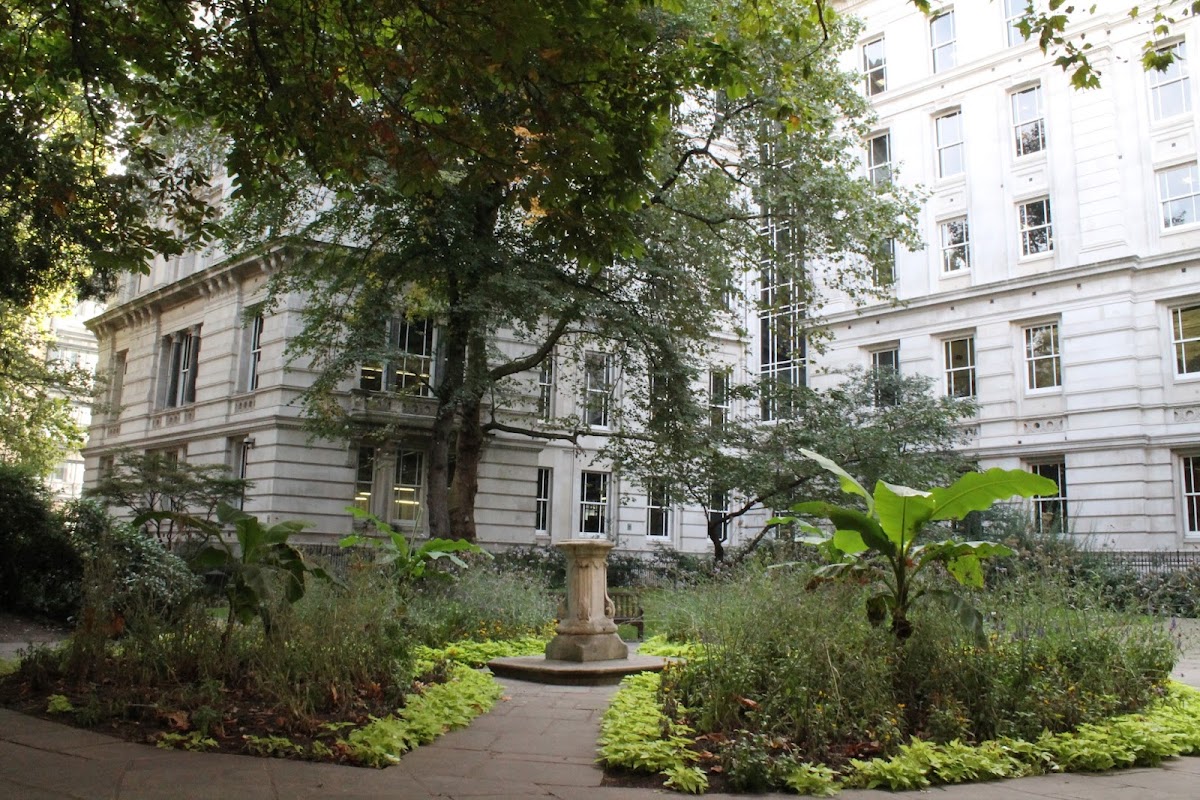
Postman's Park
15 min
London · ☕ Coffeebreak · 🚶 7 min walk
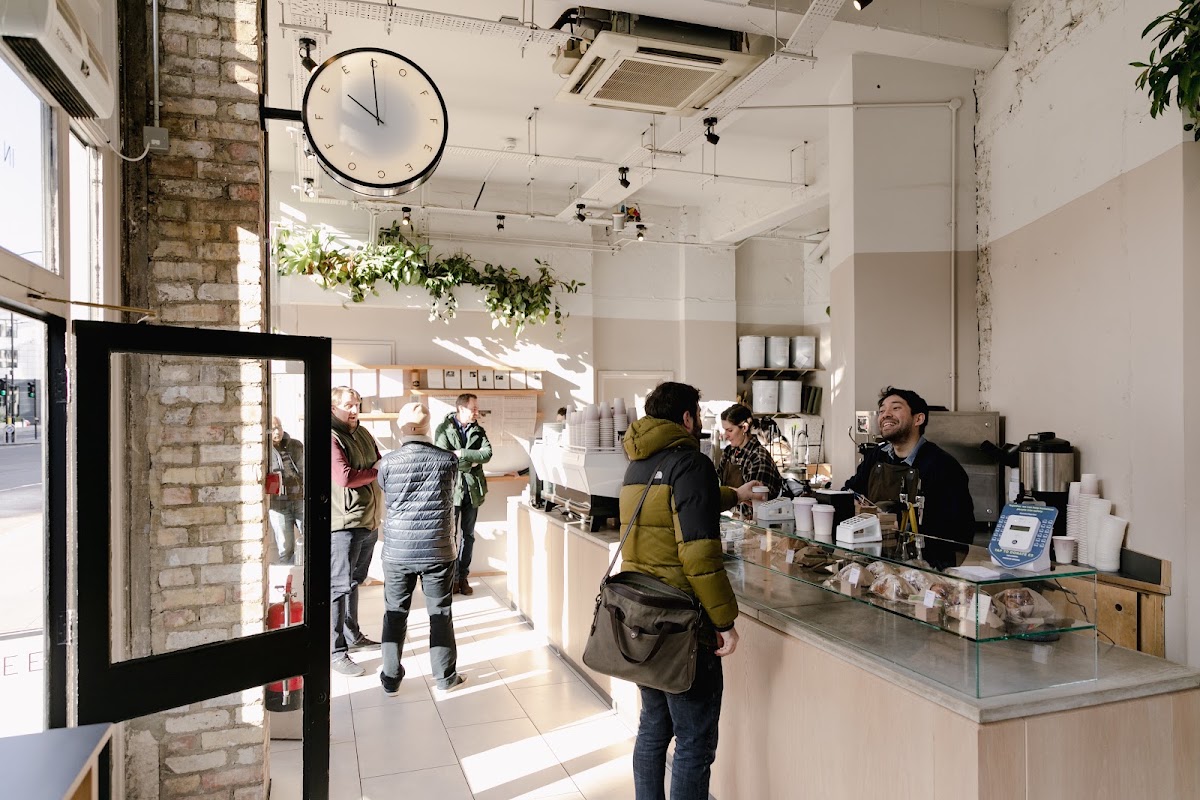
Rosslyn Coffee Queen Victoria Street
20 min
London · 🏛️ Landmark · 🚶 8 min walk
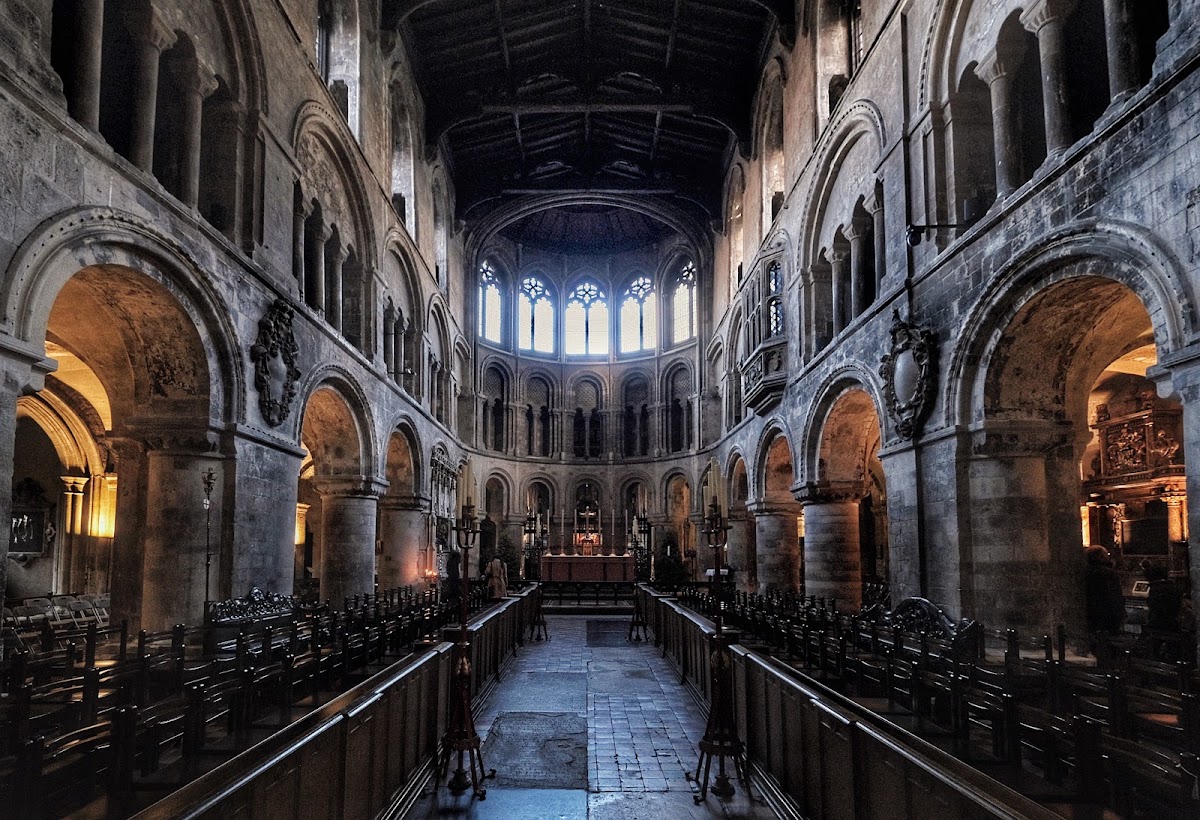
St Bartholomew the Great
30 min
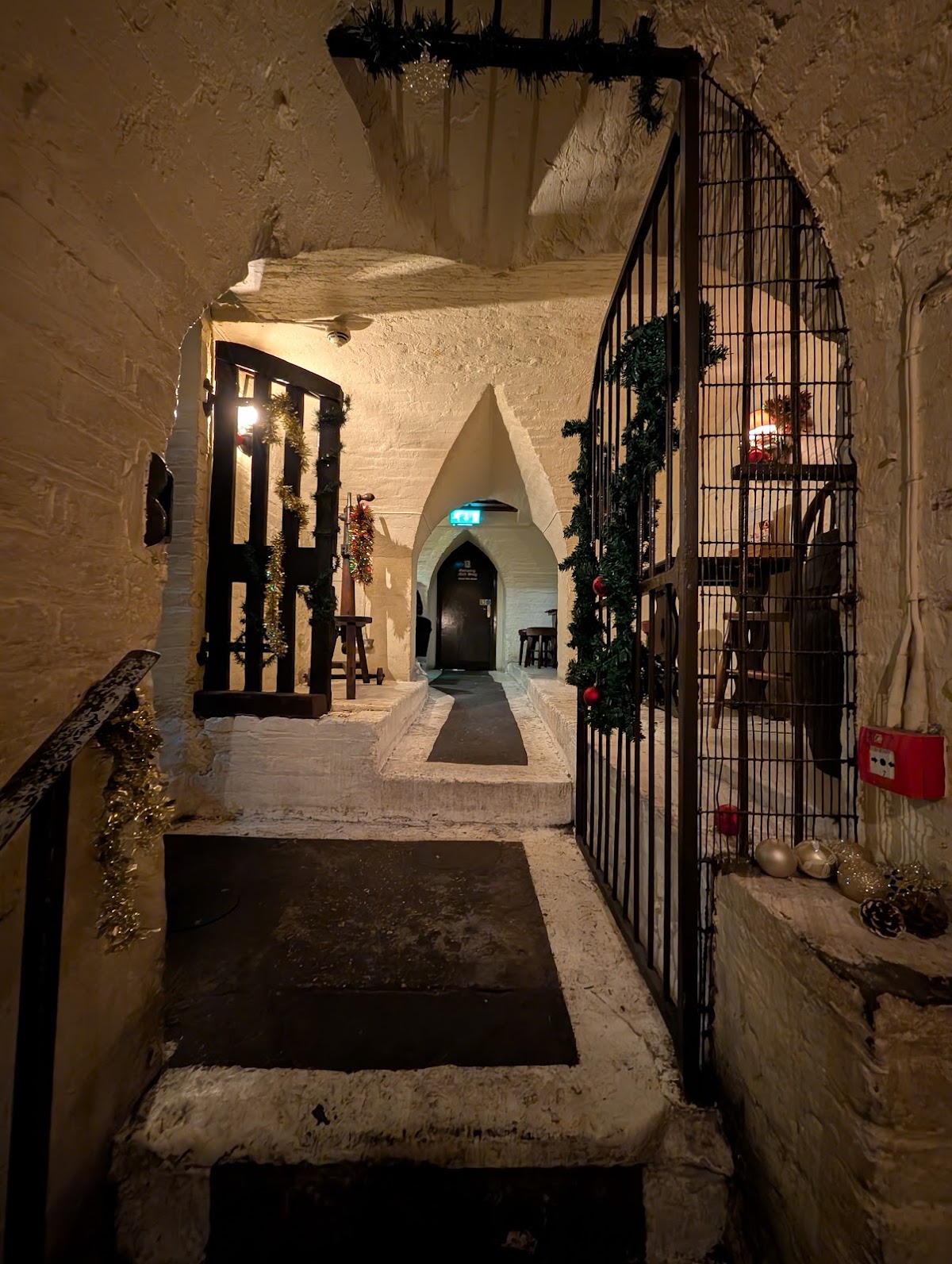
London · 🍸 Drinks · 🚶 9 min walk
Ye Olde Cheshire Cheese
1h30
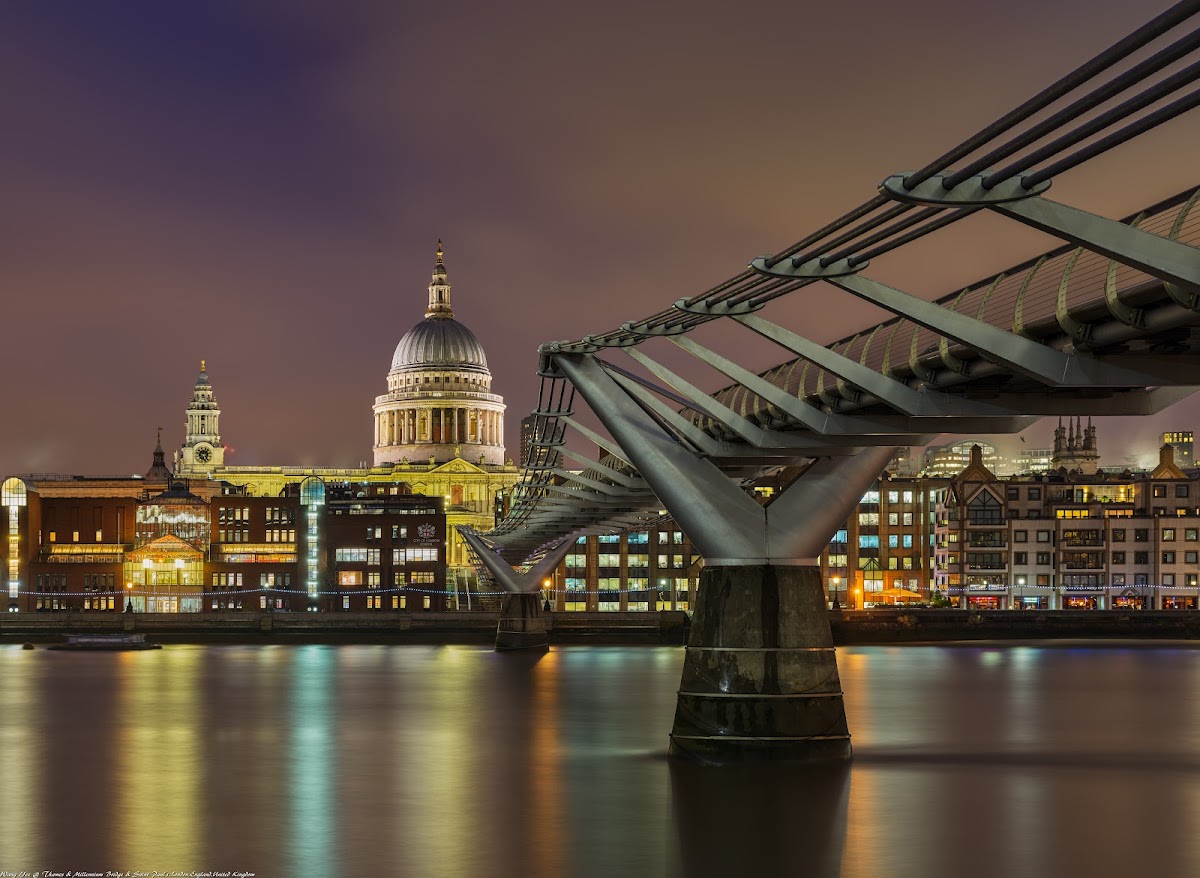
London · 🏛️ Landmark · 🚶 9 min walk
Millennium Bridge
15 min
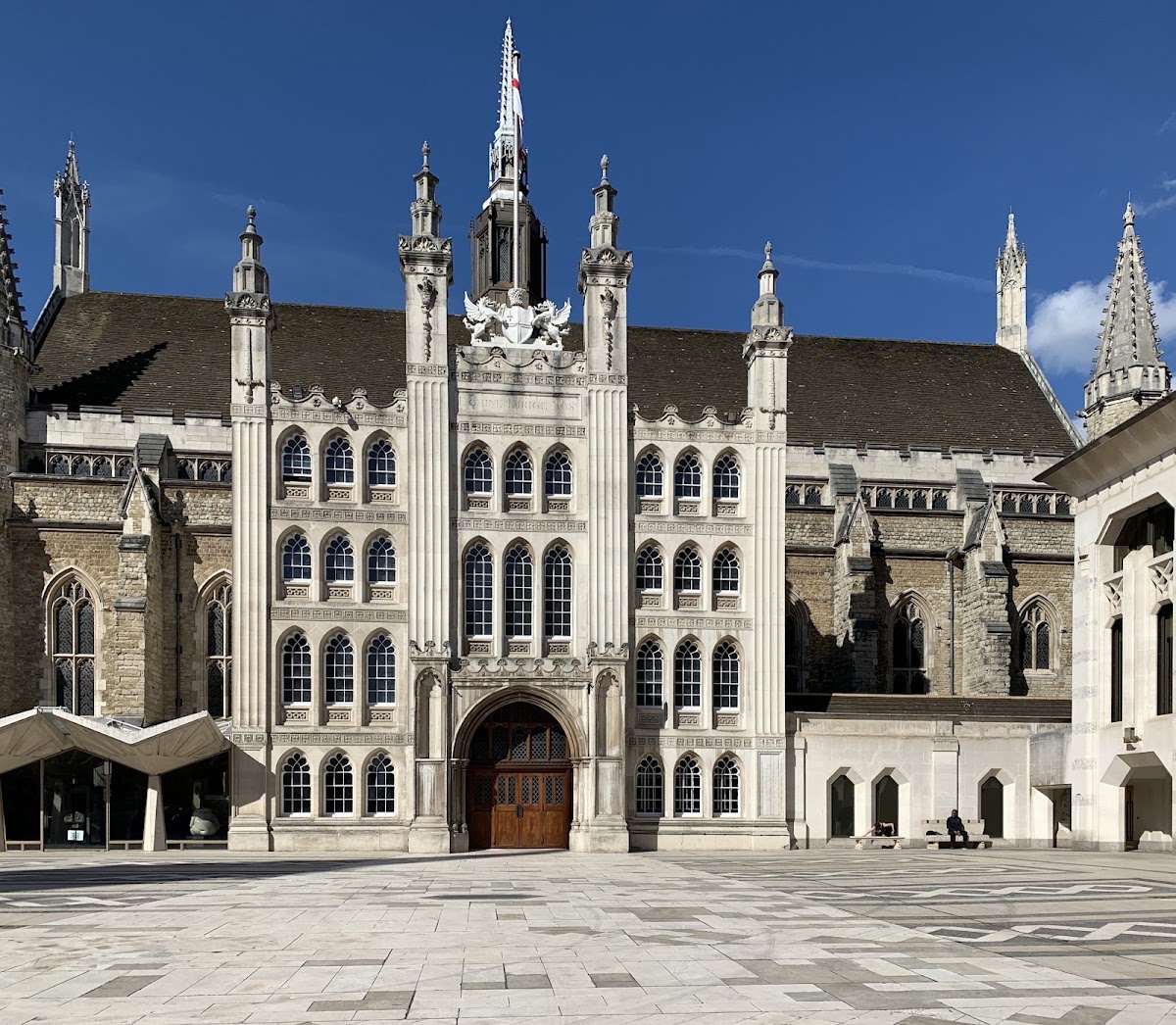
London · 🏛️ Landmark · 🚶 9 min walk
Guildhall
30 min
Build your itinerary
City
Dates
Choose your Explorer profile