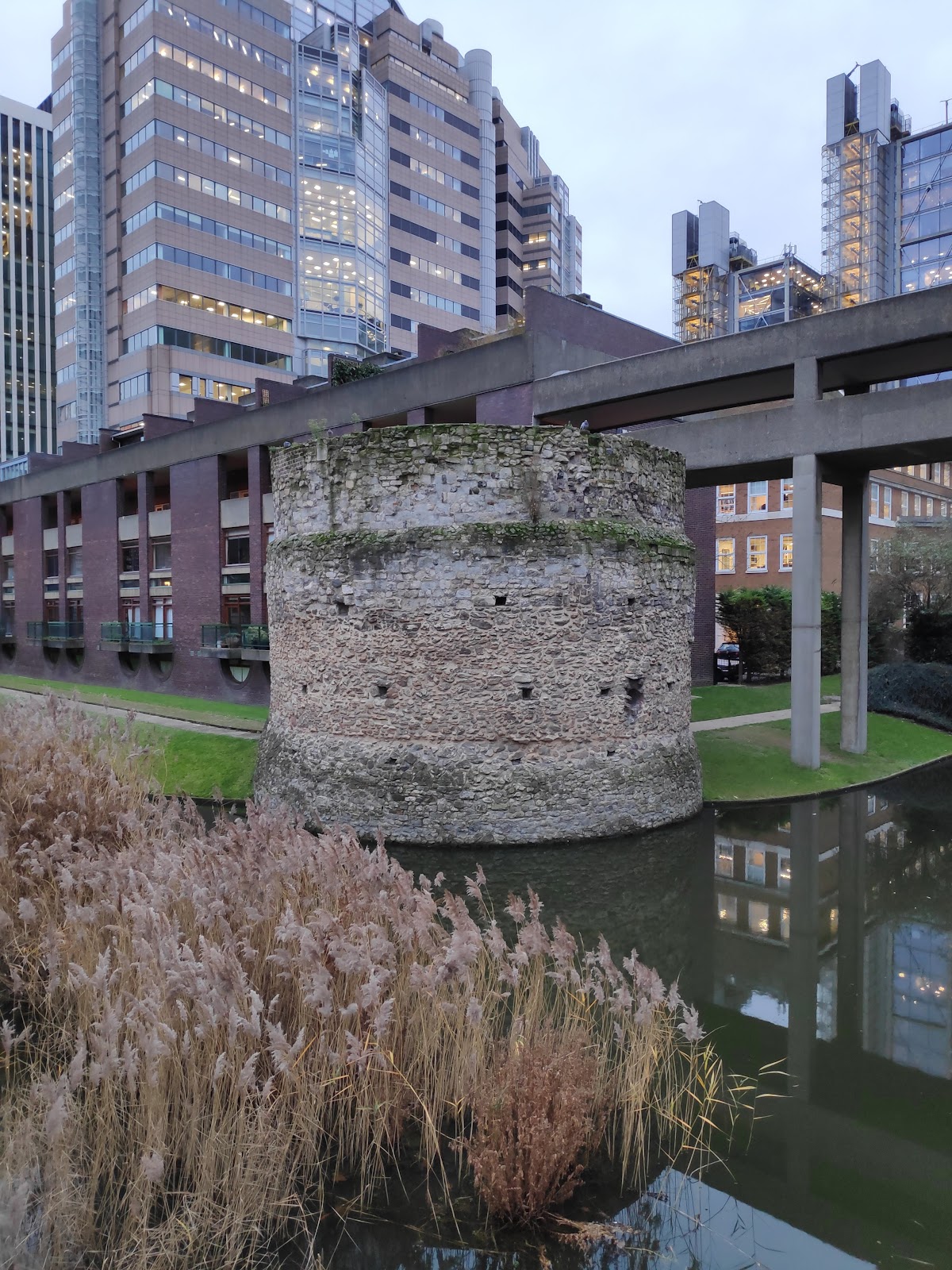
Explore the Barbican Estate, London's sprawling Brutalist enclave rising from the ashes of the Blitz. Wander elevated walkways above the lake and seek out the hidden tropical conservatory tucked among the concrete towers.
Reasons to go
Full description
Built between the 1960s and 1980s on a site levelled by Blitz bombing, the Barbican Estate is one of the most significant examples of Brutalist architecture in the world, its concrete towers, raised walkways and artificial lake creating a self-contained enclave within the City of London that also houses the Barbican Centre arts venue and a surprising tropical conservatory. Its high hidden-gem score and moderate trendy score in the data reflect a spot that rewards those who seek it out, since it can be genuinely disorienting to navigate and isn't an obvious stop on a first-time itinerary.
It suits architecture fans and those craving a quieter, more residential side of the City in contrast to nearby office towers.
Built between the 1960s and 1980s on a site levelled by Blitz bombing, the Barbican Estate is one of the most significant examples of Brutalist architecture in the world, its concrete towers, raised walkways and artificial lake creating a self-contained enclave within the City of London that also houses the Barbican Centre arts venue and a surprising tropical conservatory. Its high hidden-gem score and moderate trendy score in the data reflect a spot that rewards those who seek it out, since it can be genuinely disorienting to navigate and isn't an obvious stop on a first-time itinerary.
It suits architecture fans and those craving a quieter, more residential side of the City in contrast to nearby office towers.
Address
Booking
Duration
45 min
Best time
morning, afternoon or early evening
Intensity
Moderate walking
Good to know
📍 Nearby spots
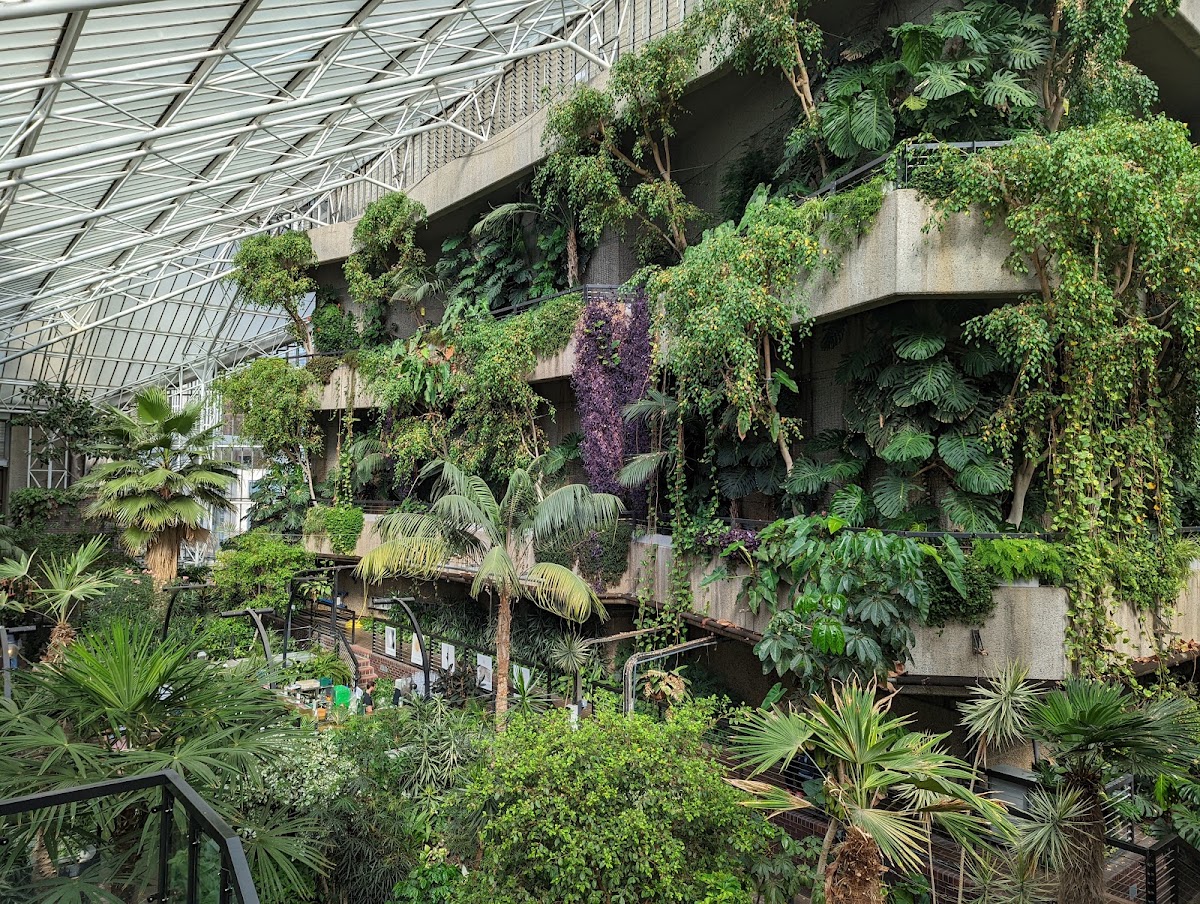
London · 🌳 Nature · 🚶 2 min walk
Barbican Conservatory
35 min
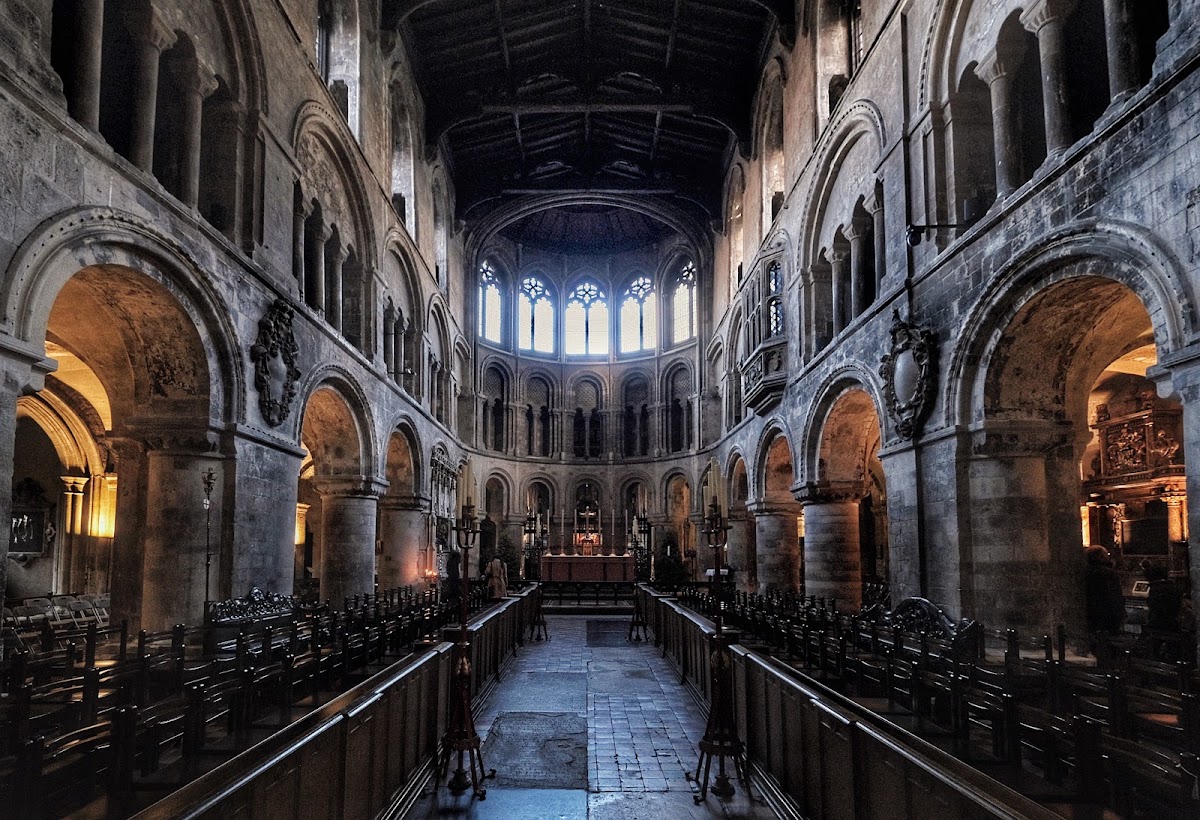
London · 🏛️ Landmark · 🚶 6 min walk
St Bartholomew the Great
30 min
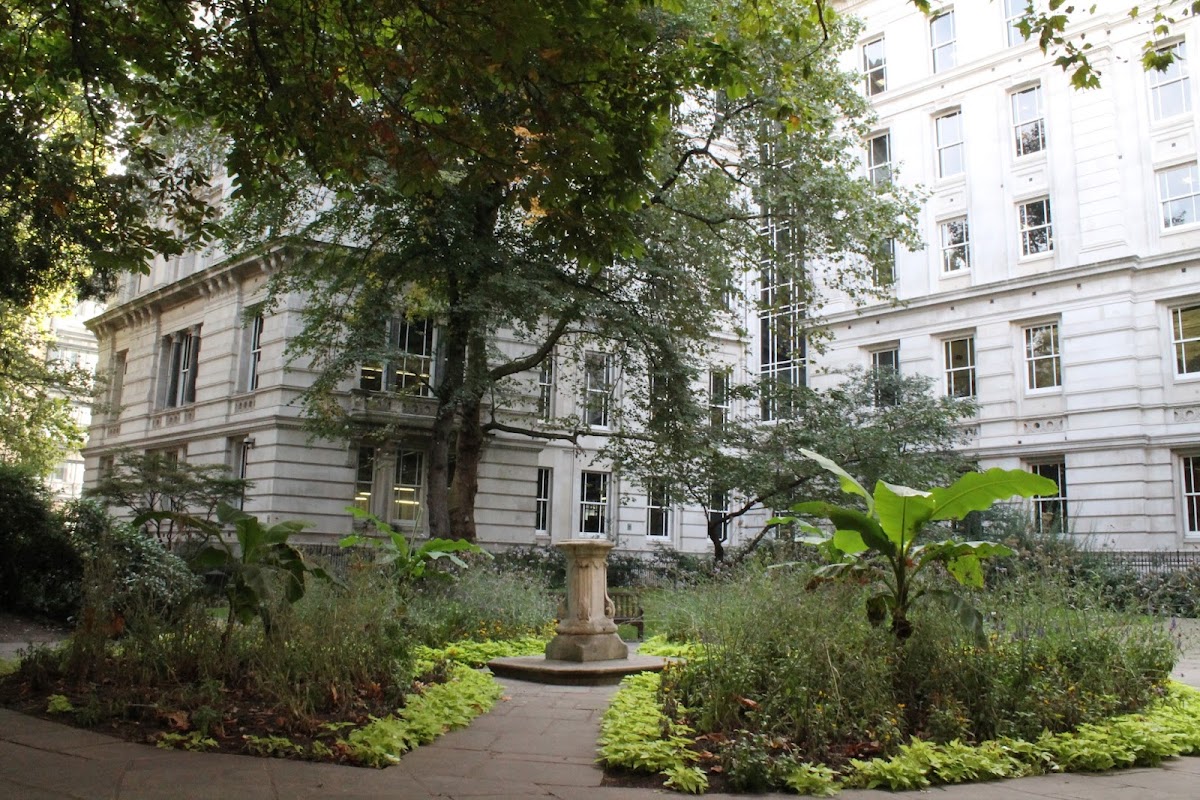
London · 🌳 Nature · 🚶 6 min walk
Postman's Park
15 min
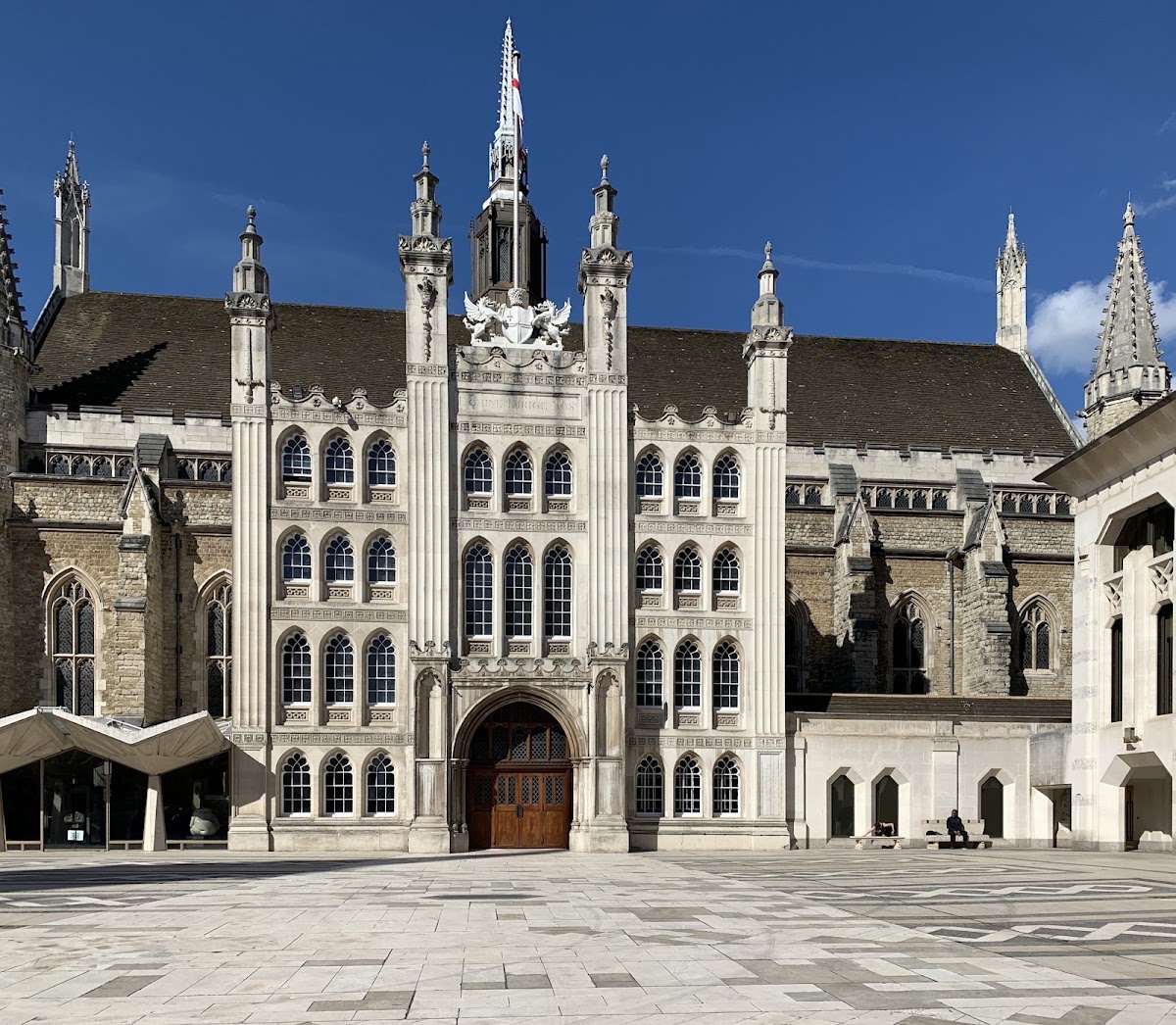
London · 🏛️ Landmark · 🚶 7 min walk
Guildhall
30 min
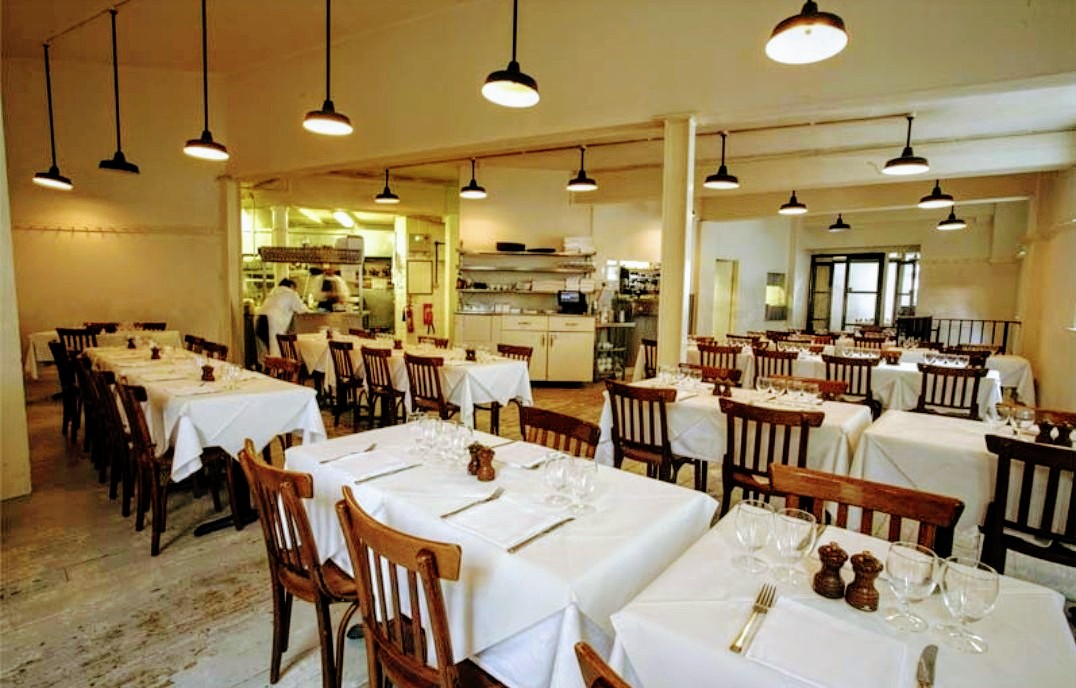
London · 🍽️ Food · 🚶 8 min walk
St. John
1h40
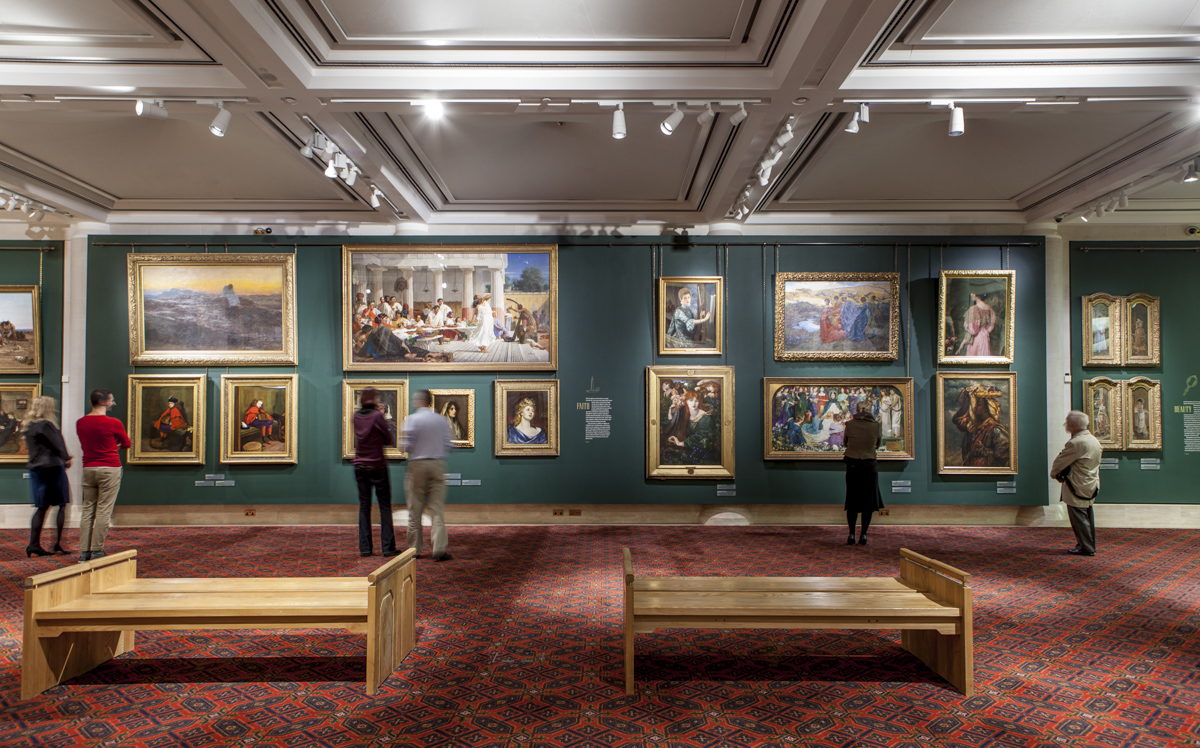
London · 🎨 Museum · 🚶 8 min walk
Guildhall Art Gallery
50 min
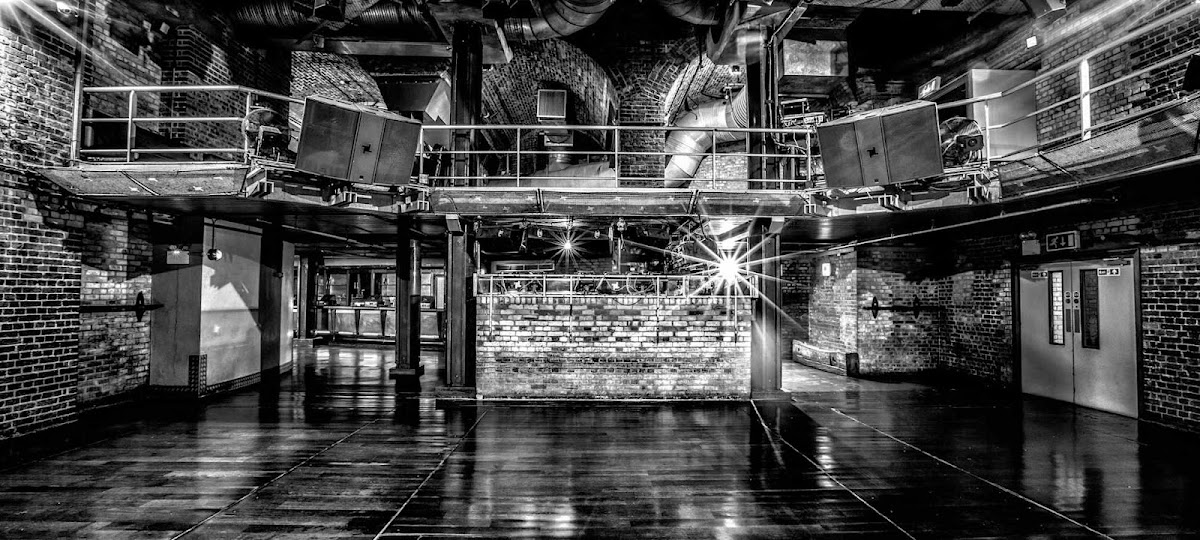
London · 🌙 Nightlife · 🚶 9 min walk
fabric London
2h30
London · 🏛️ Landmark · 🚶 9 min walk
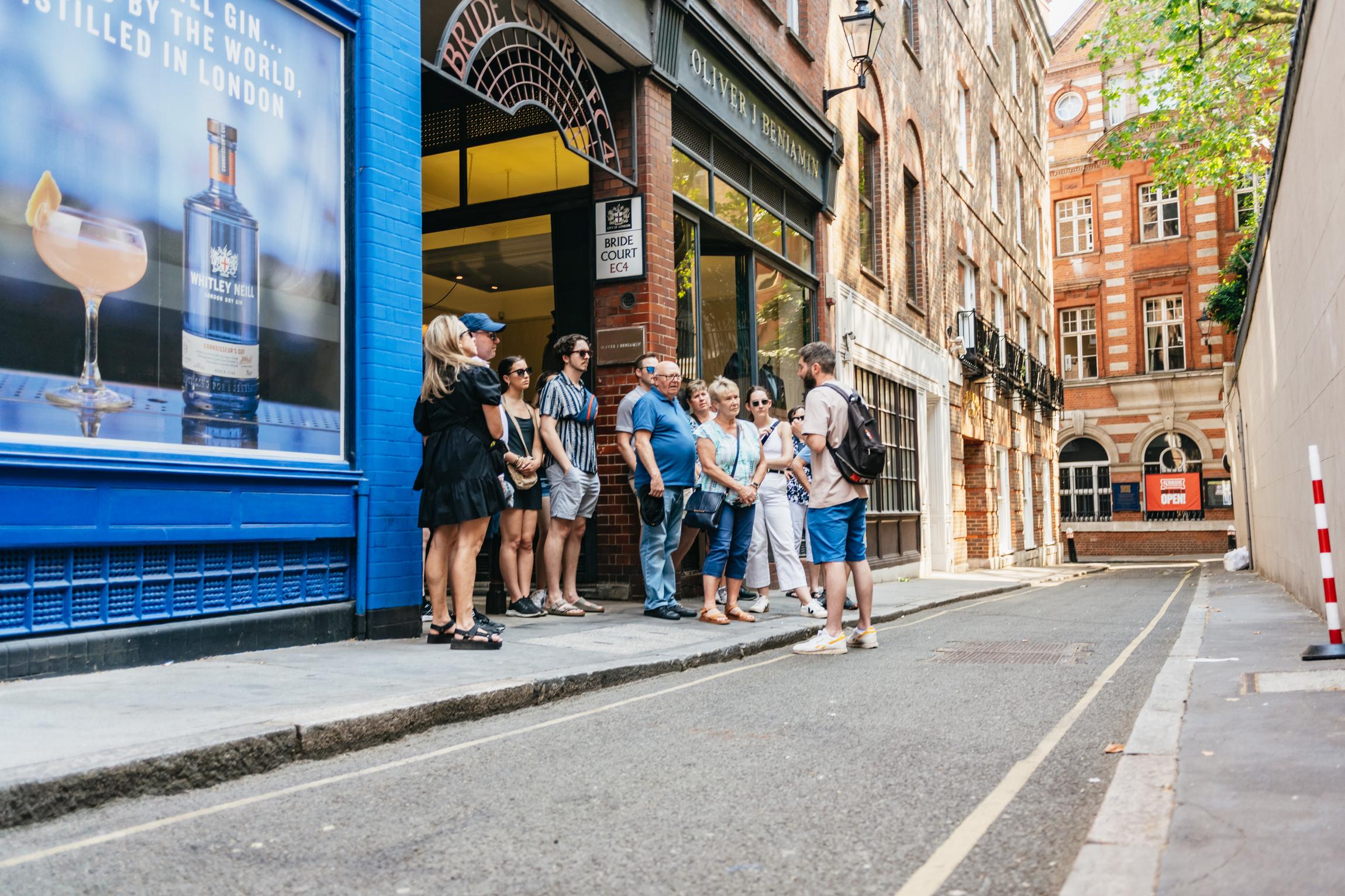
Historic Pubs of Central London Walking Tour
2h
Build your itinerary
City
Dates
Choose your Explorer profile