4.6 ·
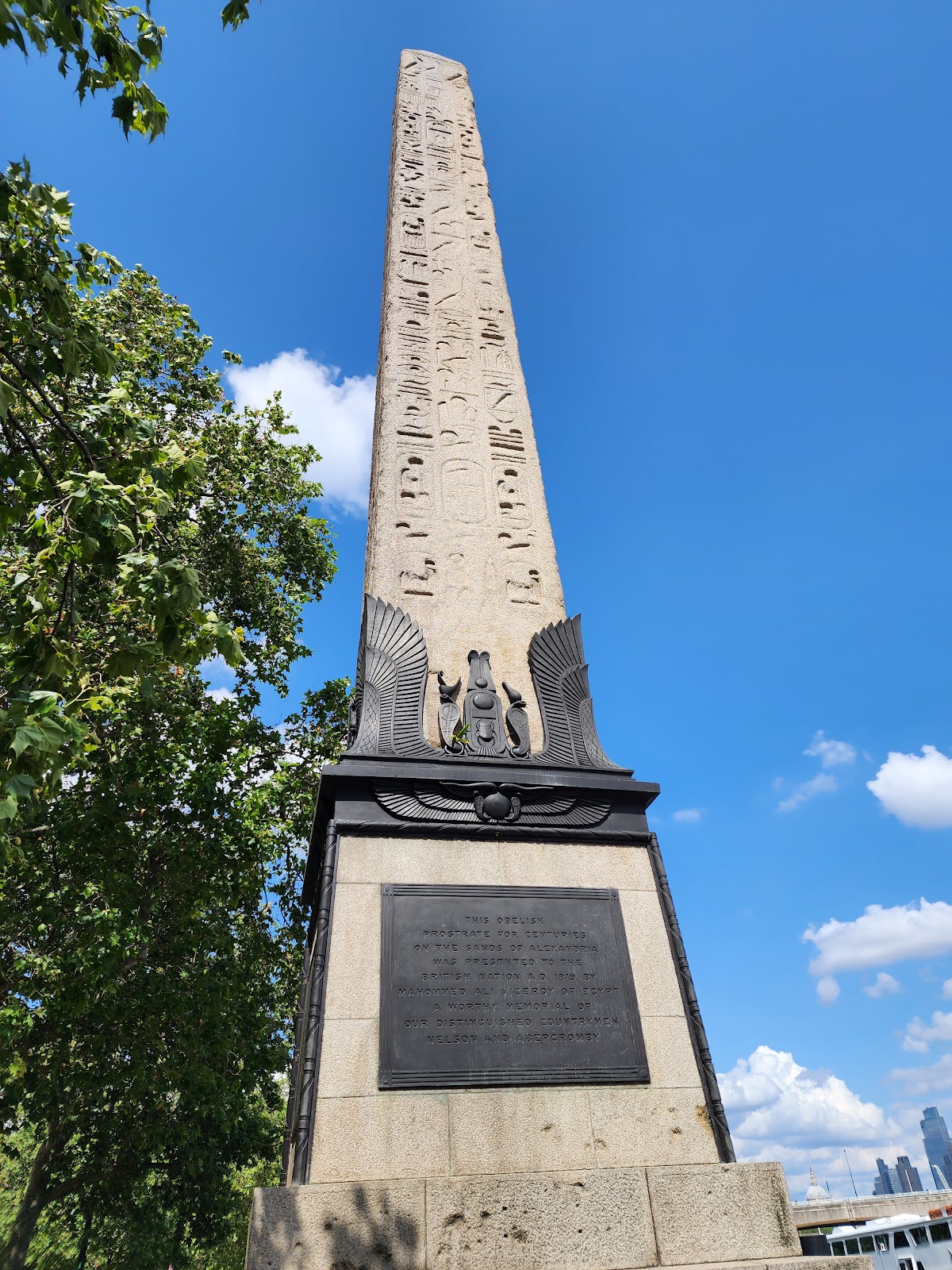
Discover Cleopatra's Needle standing quietly along the Thames on Victoria Embankment. Take ten minutes to examine the ancient Egyptian obelisk, its flanking bronze sphinxes, and the WWI bomb damage still etched into its base.
Reasons to go
Full description
Cleopatra's Needle was carved around 1450 BC in Heliopolis, long before Cleopatra's reign, and made its way to London in 1878 as a gift from Egypt, surviving a dramatic storm at sea during the voyage that nearly sank the vessel towing it. Flanked by two bronze sphinxes and marked with damage from a WWI German bombing raid still visible on its base, it's a quietly odd stop reviewers with a 4.6 rating describe as unexpectedly atmospheric against the Thames, especially compared to its short ten-minute visit time.
It suits curious walkers already tracing the Embankment rather than a dedicated trip, rewarding those who stop to read the plaques rather than just snap a photo and move on.
Cleopatra's Needle was carved around 1450 BC in Heliopolis, long before Cleopatra's reign, and made its way to London in 1878 as a gift from Egypt, surviving a dramatic storm at sea during the voyage that nearly sank the vessel towing it. Flanked by two bronze sphinxes and marked with damage from a WWI German bombing raid still visible on its base, it's a quietly odd stop reviewers with a 4.6 rating describe as unexpectedly atmospheric against the Thames, especially compared to its short ten-minute visit time.
It suits curious walkers already tracing the Embankment rather than a dedicated trip, rewarding those who stop to read the plaques rather than just snap a photo and move on.
Duration
10 min
Intensity
Easy pace
Good to know
Reviews
Very nice and great to look at. A nice piece of history. And there is almost no crowd.
Eli
3/5📍 Nearby spots

London · 🍽️ Food · 🚶 1 min walk
Great British Afternoon Tea Bus Tour
1h30
London · 🏛️ Landmark · 🚶 1 min walk
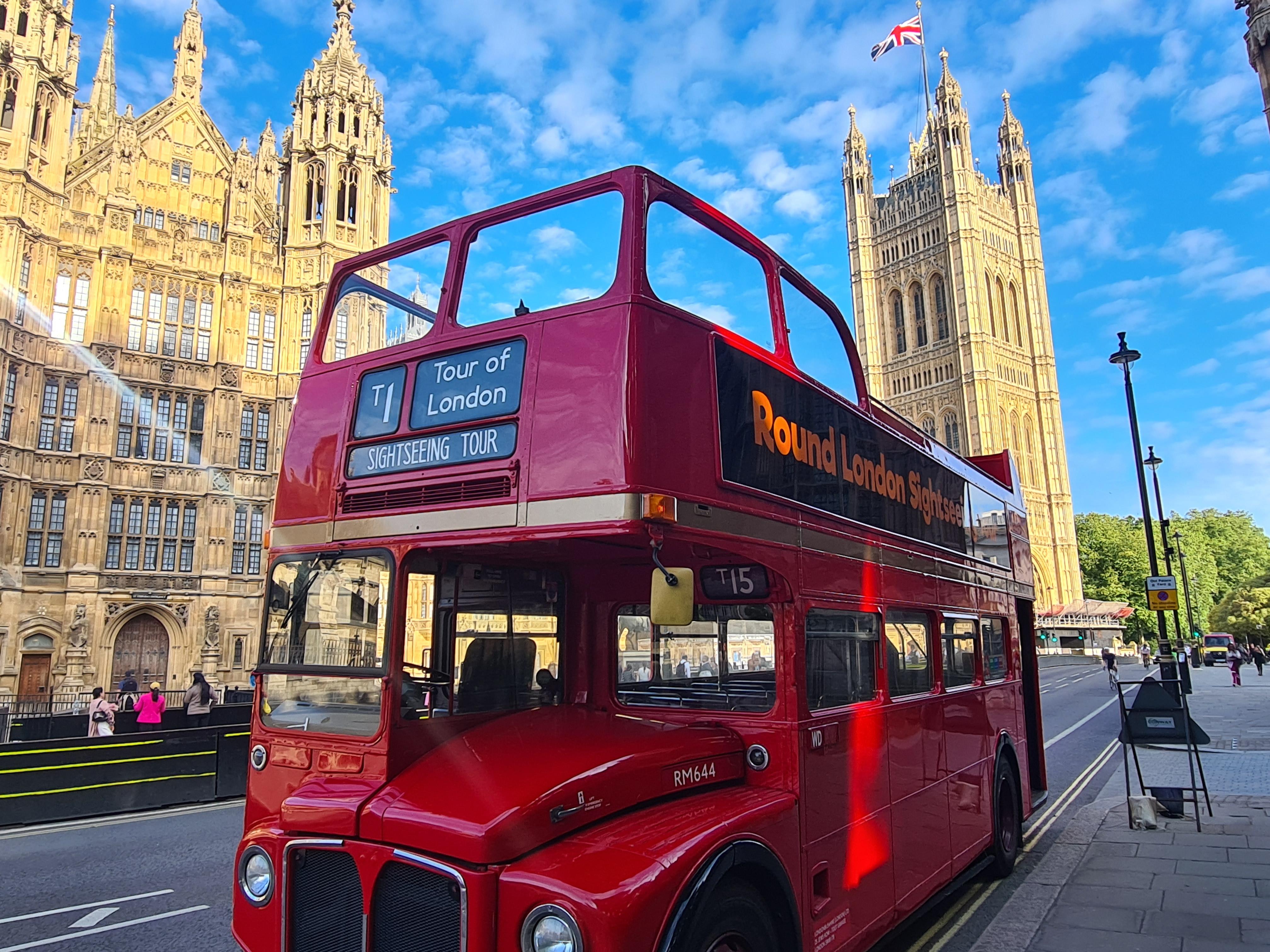
Live Guided Sightseeing Tour on Vintage Open-Top Bus
1h30
London · 🍸 Drinks · 🚶 3 min walk
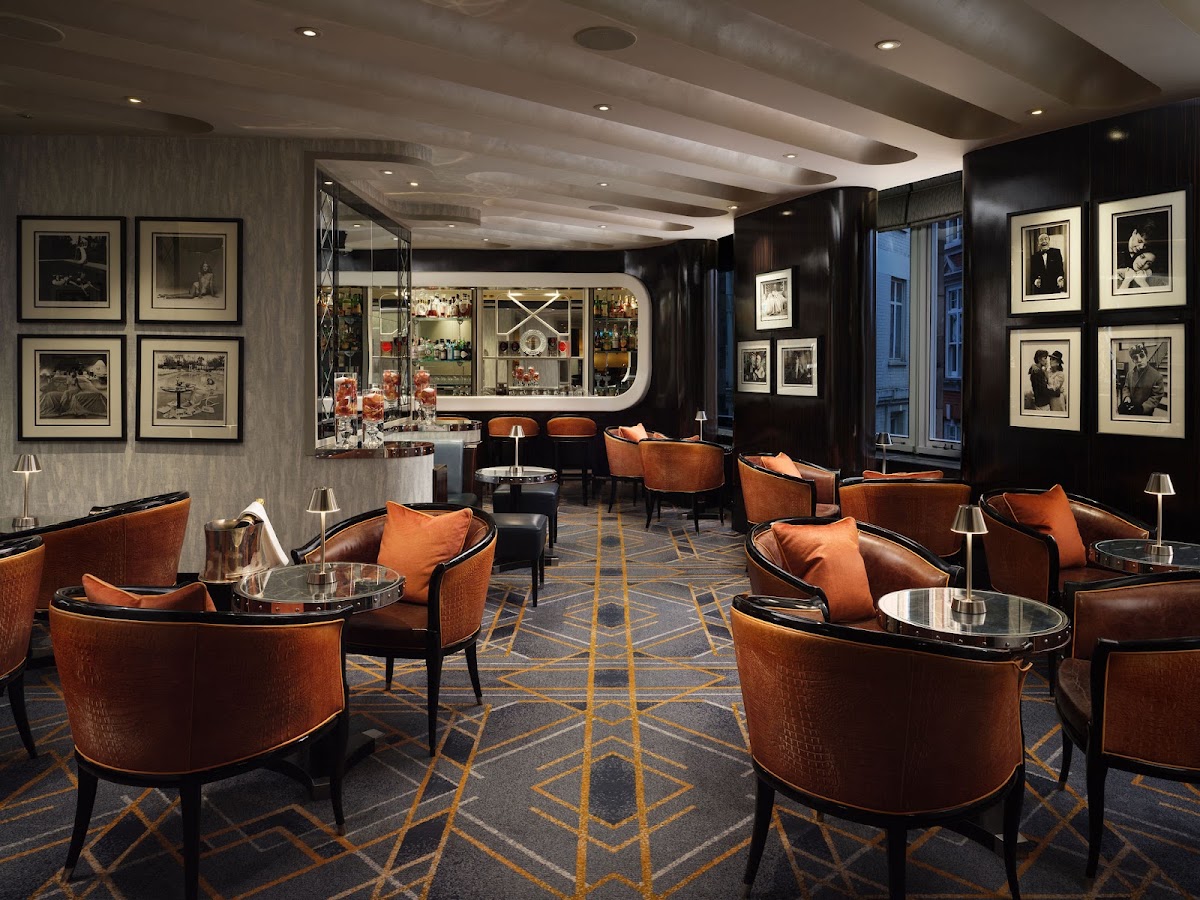
AMERICAN BAR
1h30
London · 🍽️ Food · 🚶 4 min walk
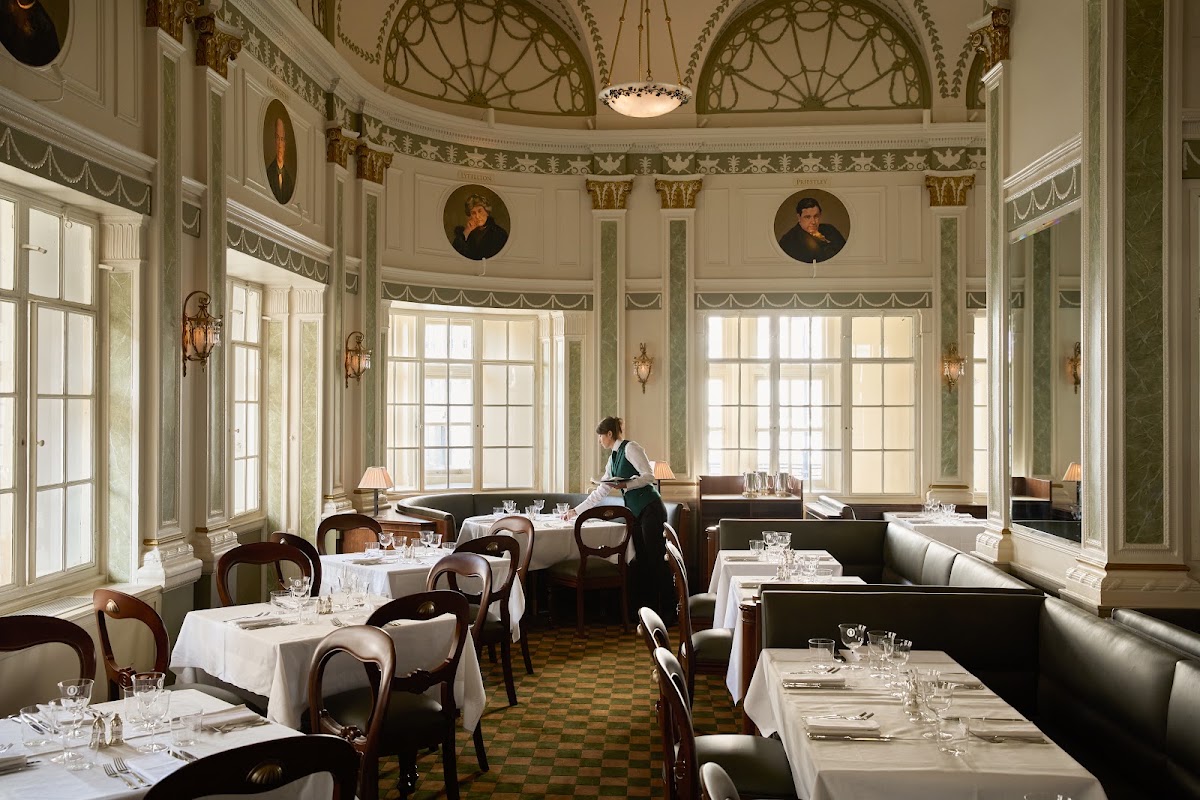
Simpson's in the Strand
1h15
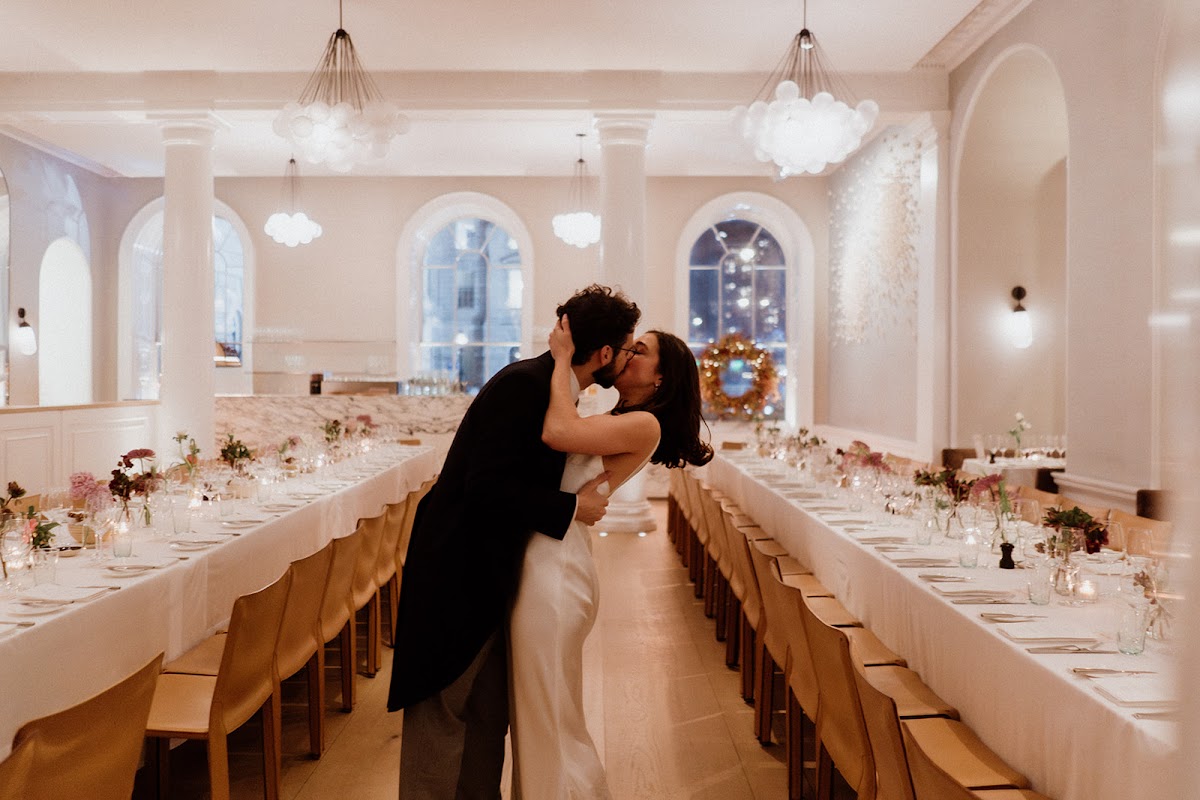
London · 🍽️ Food · 🚶 5 min walk
Spring Restaurant
1h30
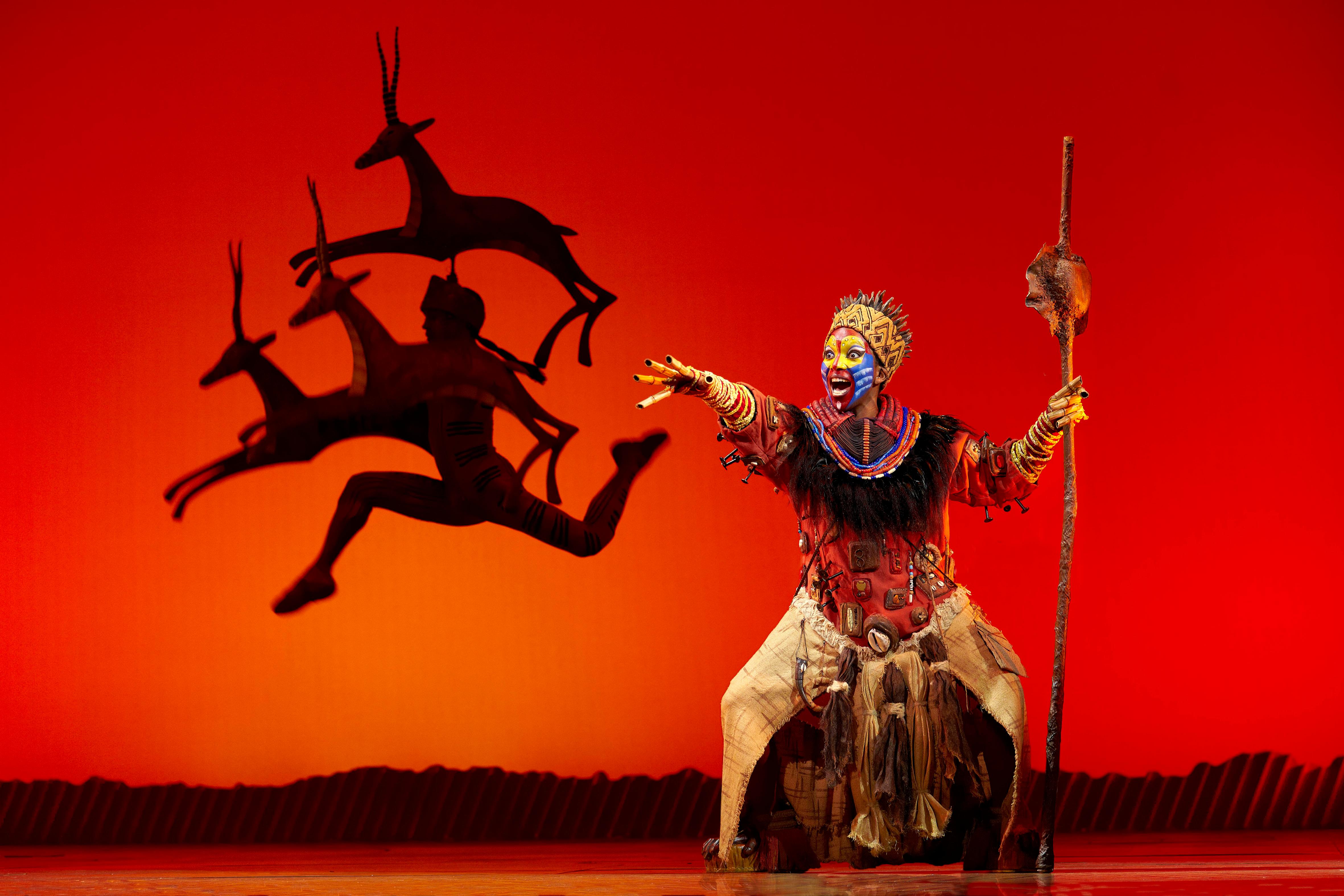
London · 🎭 Entertainment · 🚶 5 min walk
London's West End: Ticket to The Lion King
2h30
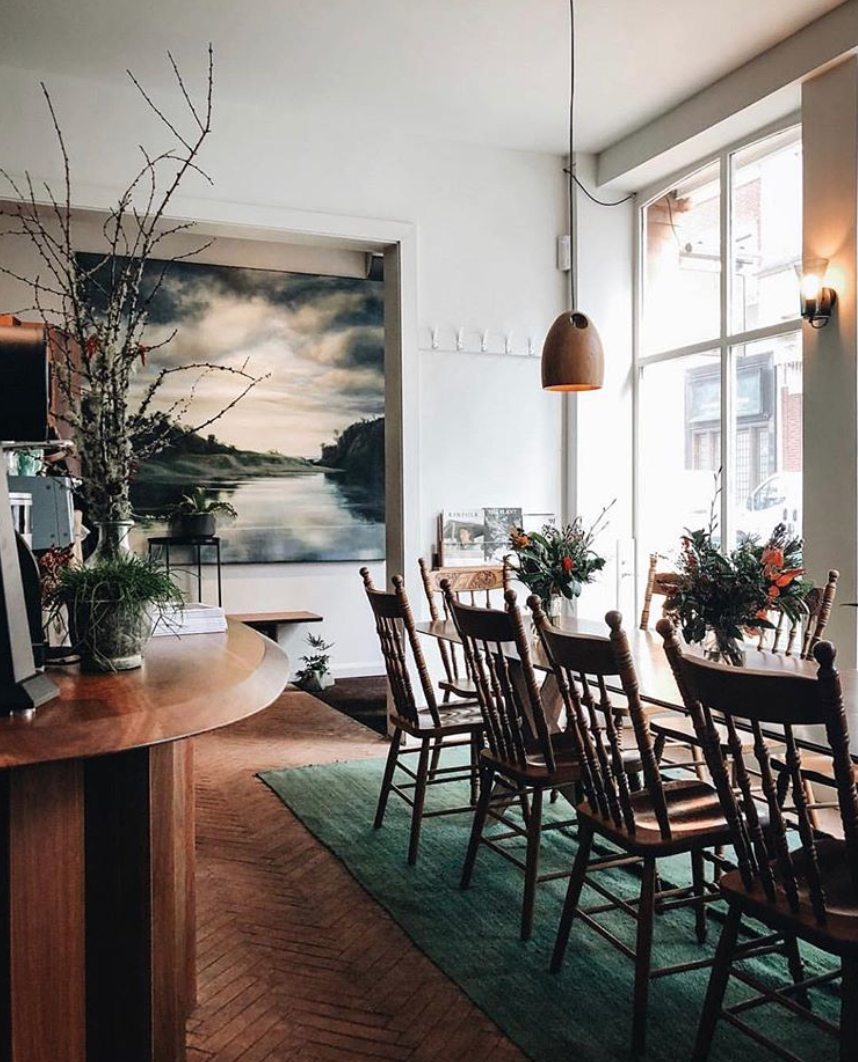
London · 🥐 Breakfast · 🚶 6 min walk
Abuelo
1h
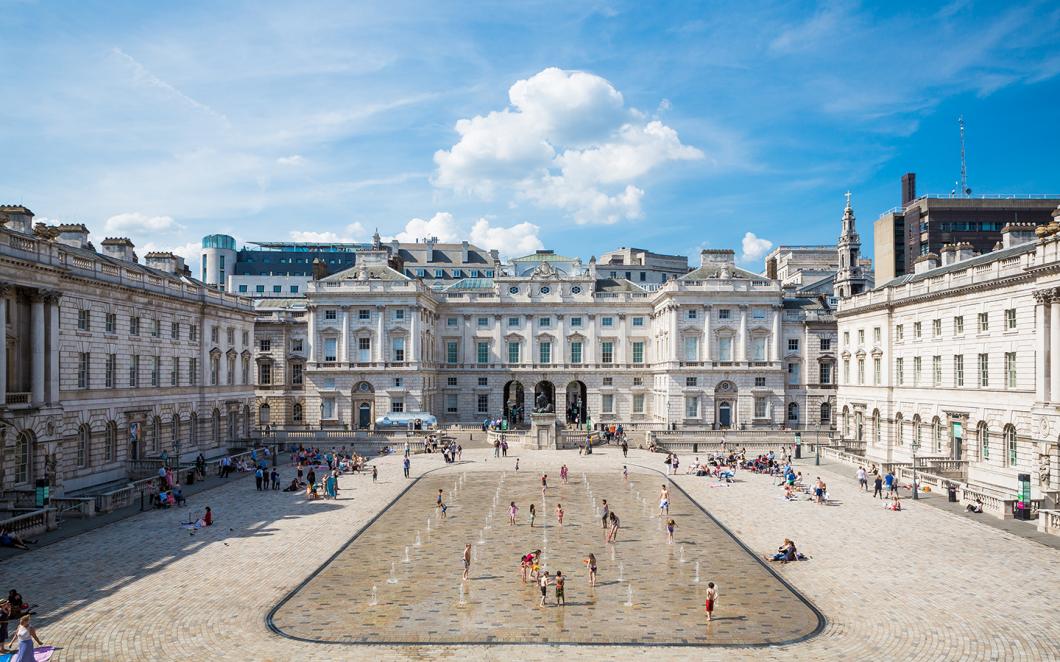
London · 🏛️ Landmark · 🚶 6 min walk
Somerset House
1h
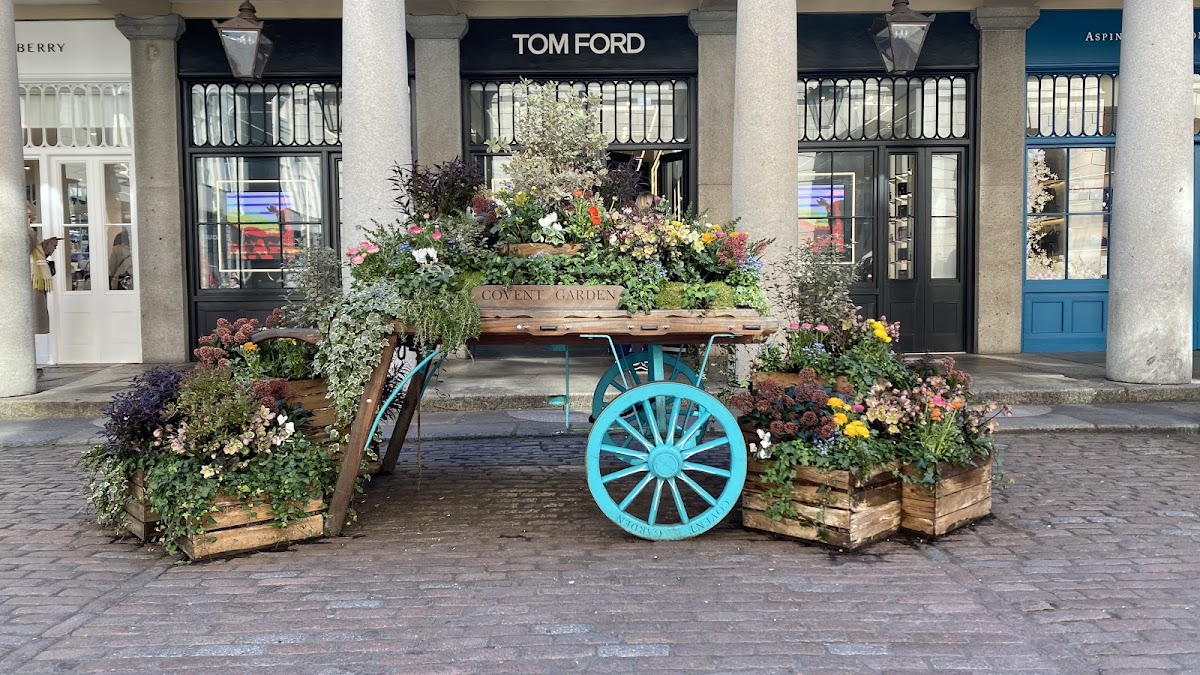
London · 🛍️ Shopping · 🚶 6 min walk
Covent Garden Market
1h
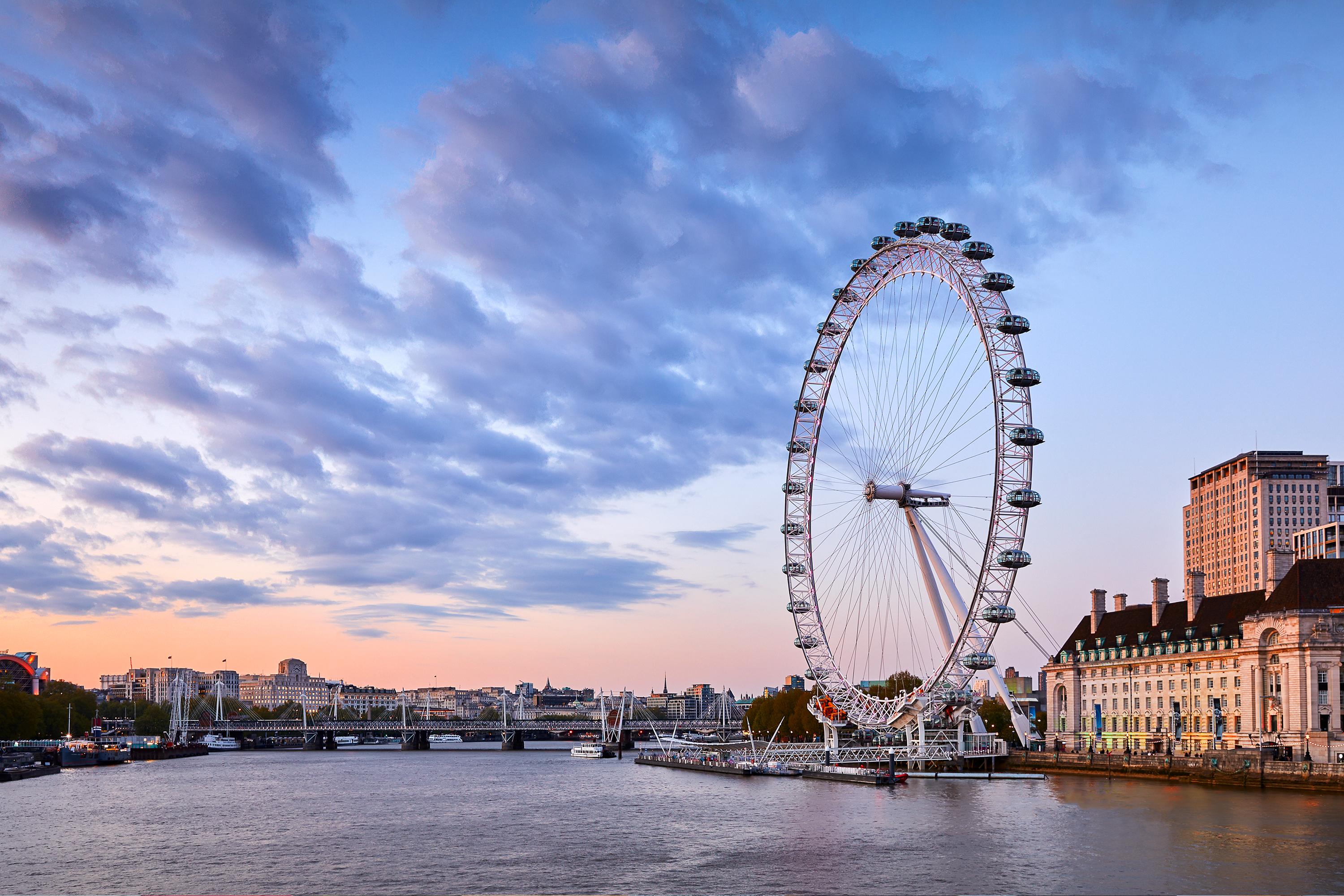
London · 🏛️ Landmark · 🚶 6 min walk
The London Eye Entry Ticket
1h
Build your itinerary
City
Dates
Choose your Explorer profile