4.6 ·
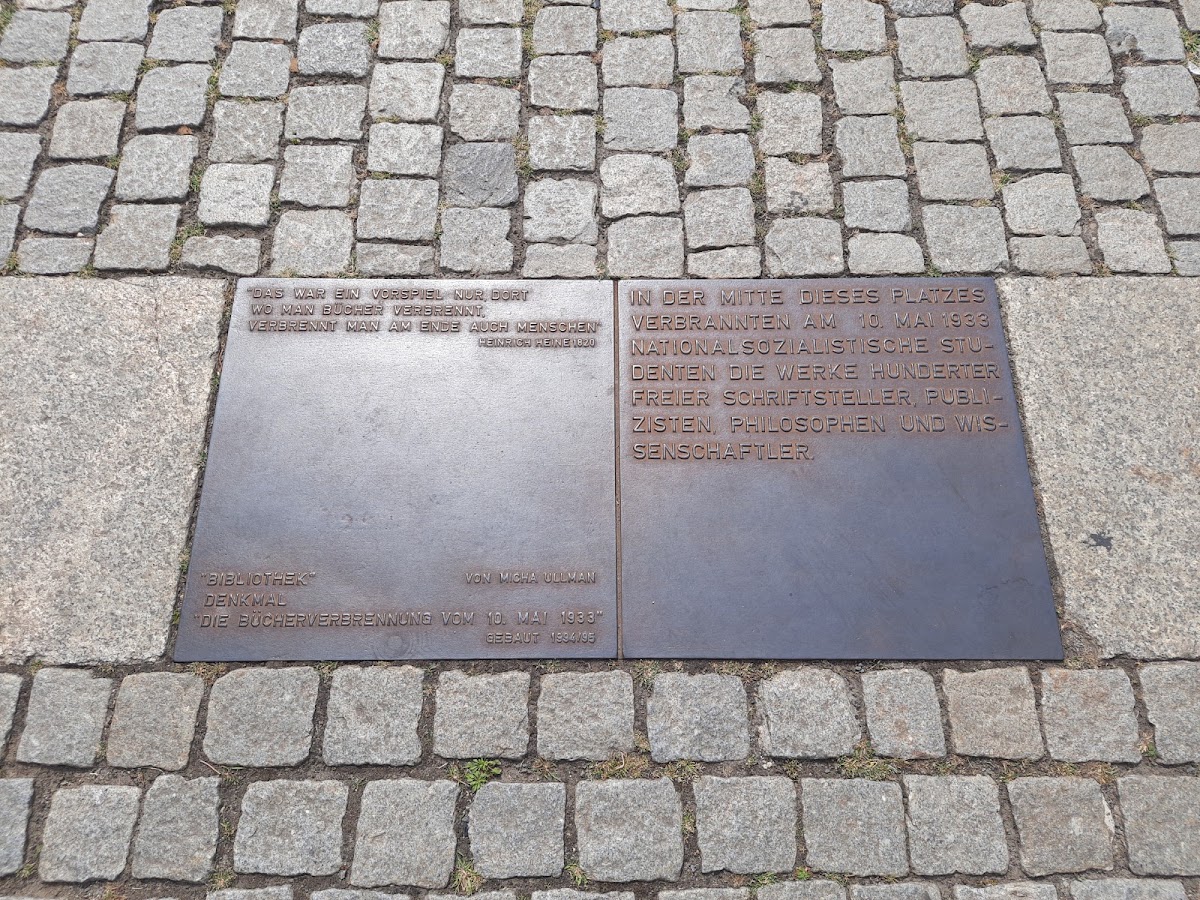
Stand over a quiet pane of glass set into Bebelplatz and look down into a room of empty white shelves. Read the nearby Heine plaque and pause a moment on the spot where thousands of books were burned in 1933.
Reasons to go
Full description
On the night of May 10, 1933, Nazi students burned tens of thousands of books by Jewish, socialist, and dissident authors in Bebelplatz, and Israeli artist Micha Ullman's 1995 memorial marks the spot with startling restraint: a small glass pane in the cobblestones opens onto an underground room lined with empty shelves, sized to hold exactly the number of books destroyed that night. There's no statue, no plaque demanding attention — reviewers repeatedly mention how easy it is to walk right past without noticing — which is precisely what makes the moment of discovery so effective once you do stop.
A nearby plaque carries Heinrich Heine's prophetic line about book burning being a prelude to burning people. It's a five-minute stop, but one that rewards actually pausing rather than rushing past.
On the night of May 10, 1933, Nazi students burned tens of thousands of books by Jewish, socialist, and dissident authors in Bebelplatz, and Israeli artist Micha Ullman's 1995 memorial marks the spot with startling restraint: a small glass pane in the cobblestones opens onto an underground room lined with empty shelves, sized to hold exactly the number of books destroyed that night. There's no statue, no plaque demanding attention — reviewers repeatedly mention how easy it is to walk right past without noticing — which is precisely what makes the moment of discovery so effective once you do stop.
A nearby plaque carries Heinrich Heine's prophetic line about book burning being a prelude to burning people. It's a five-minute stop, but one that rewards actually pausing rather than rushing past.
Duration
15 min
Intensity
Easy pace
Good to know
Reviews
Very easy to miss or just walk by without seeing this. It is a memorial to the book burning. It is well done and make you stop and think for a minute. It is interesting to learn about the history at the location and what happened. Definitely a well done memorial.
Chris Cordes
2/5📍 Nearby spots
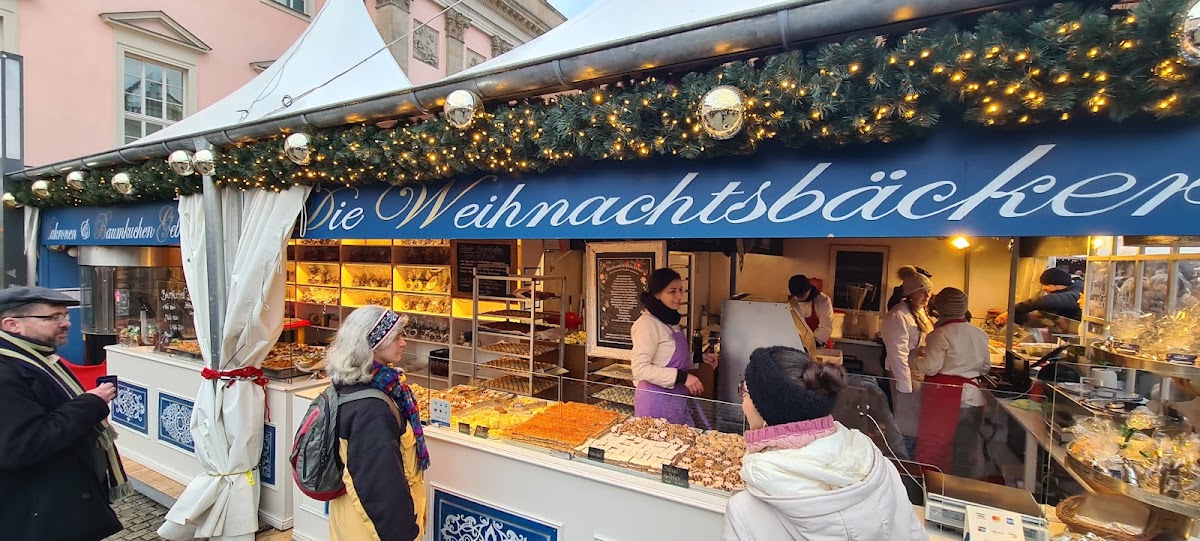
Berlin · 🏛️ Landmark · 🚶 1 min walk
Bebelplatz
15 min
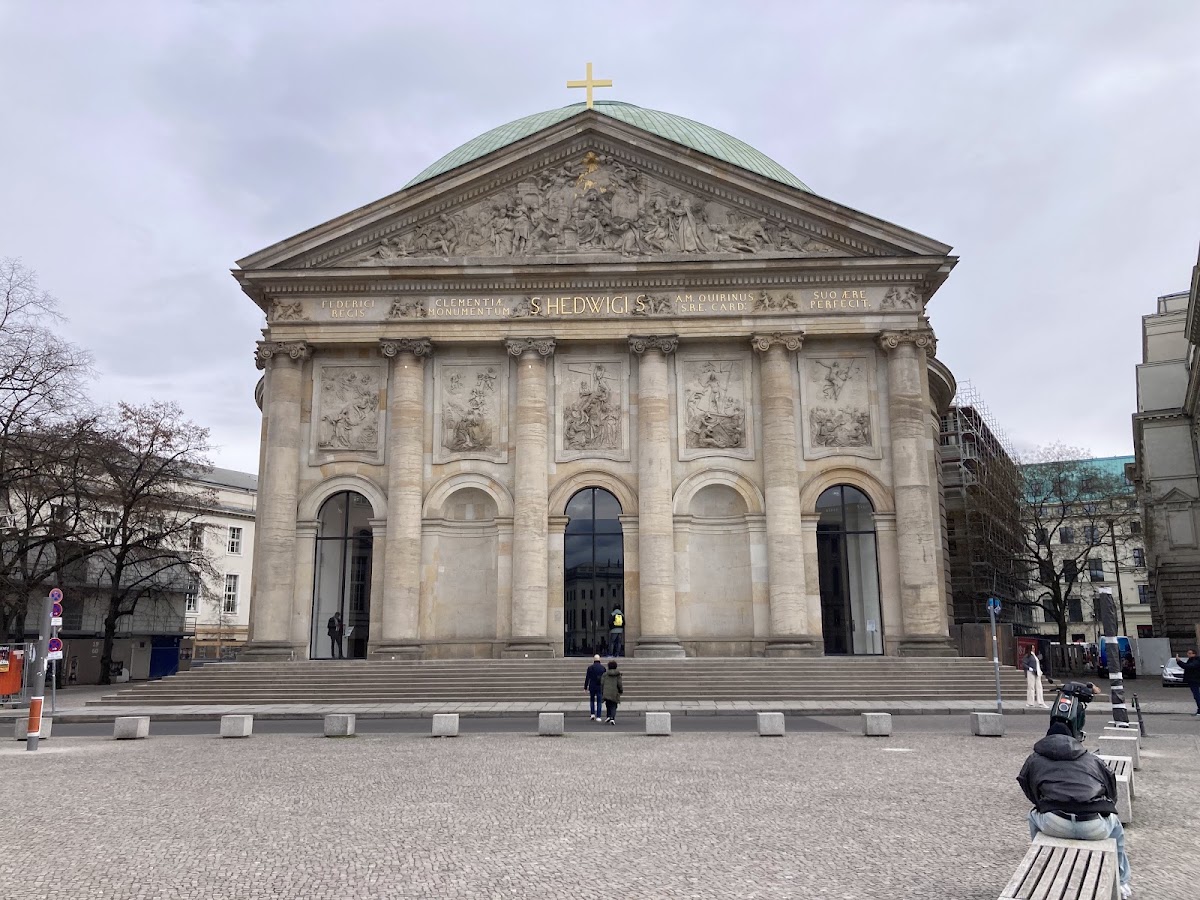
Berlin · 🏛️ Landmark · 🚶 1 min walk
Sankt Hedwigs-Kathedrale
25 min
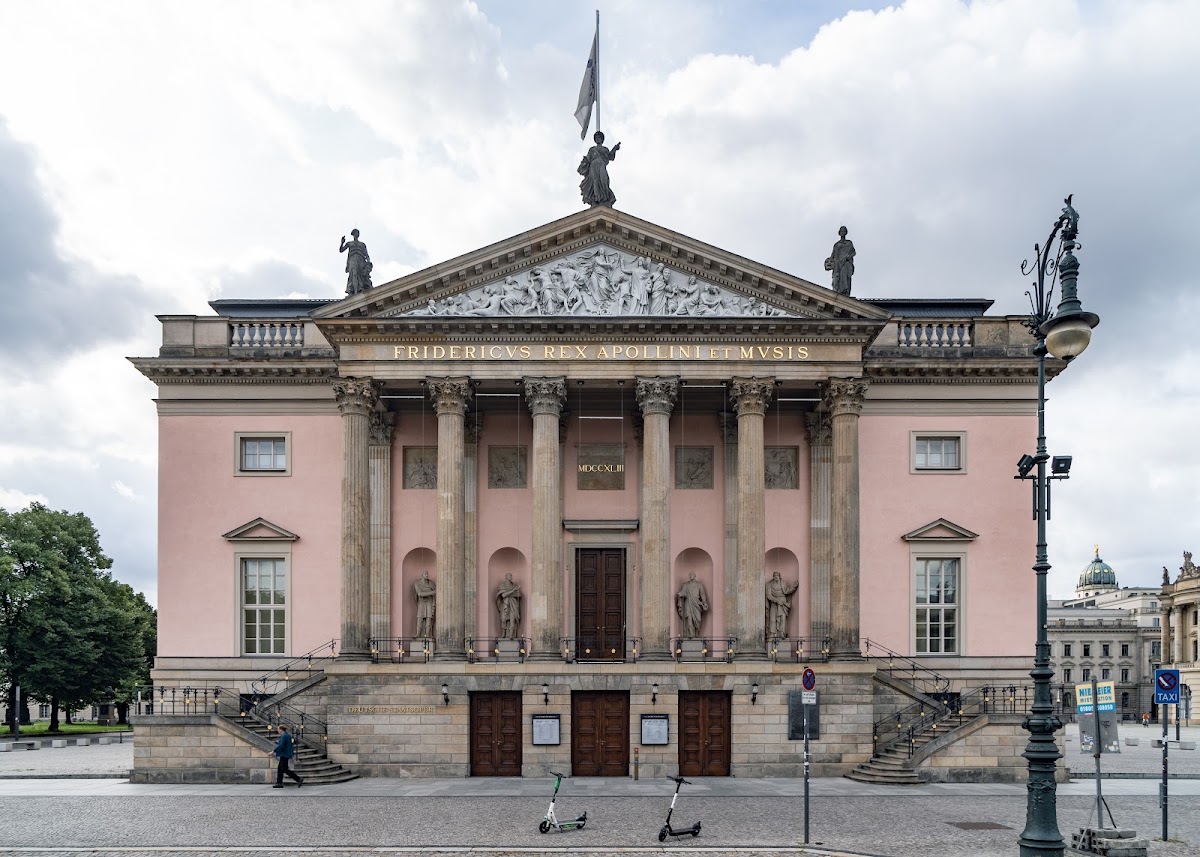
Berlin · 🎭 Entertainment · 🚶 1 min walk
Berlin State Opera
2h30
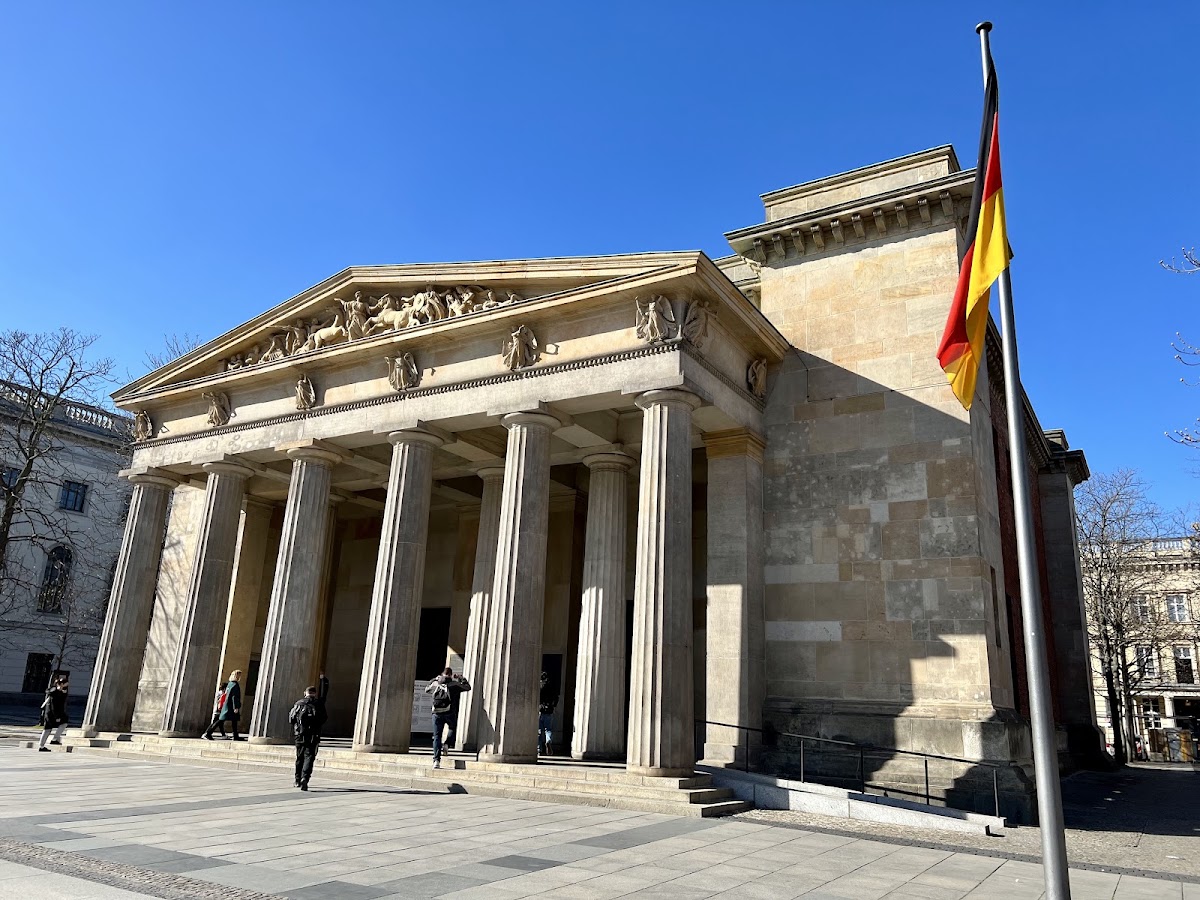
Berlin · 🏛️ Landmark · 🚶 3 min walk
Neue Wache
20 min
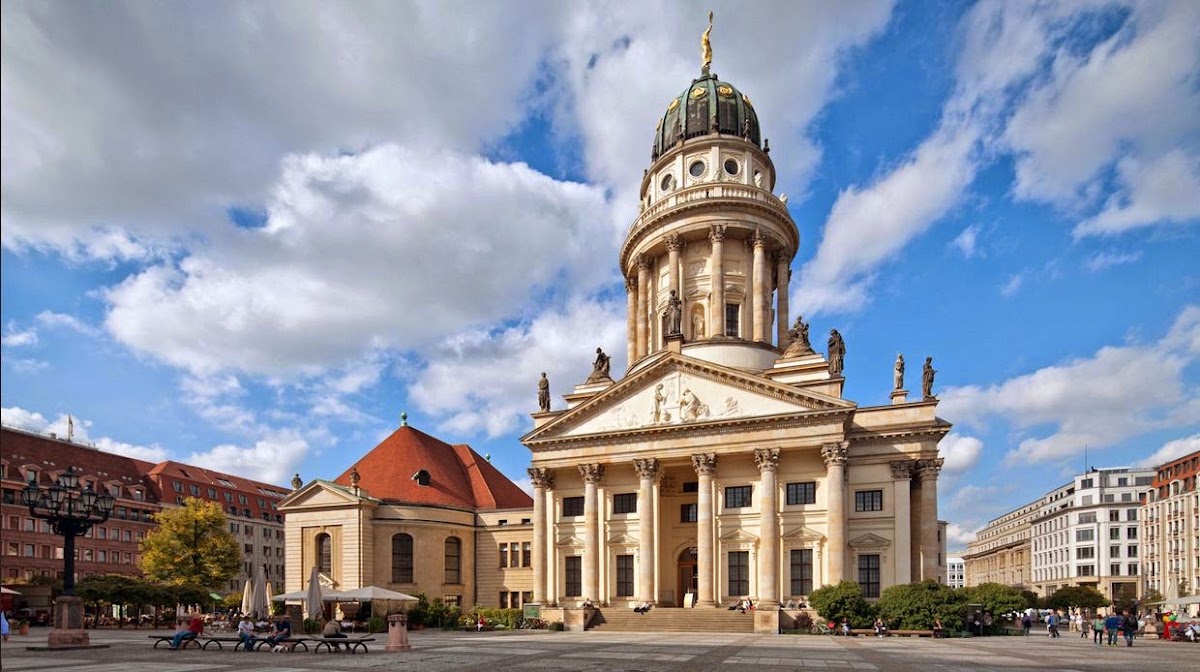
Berlin · 🏛️ Landmark · 🚶 4 min walk
French Cathedral
45 min
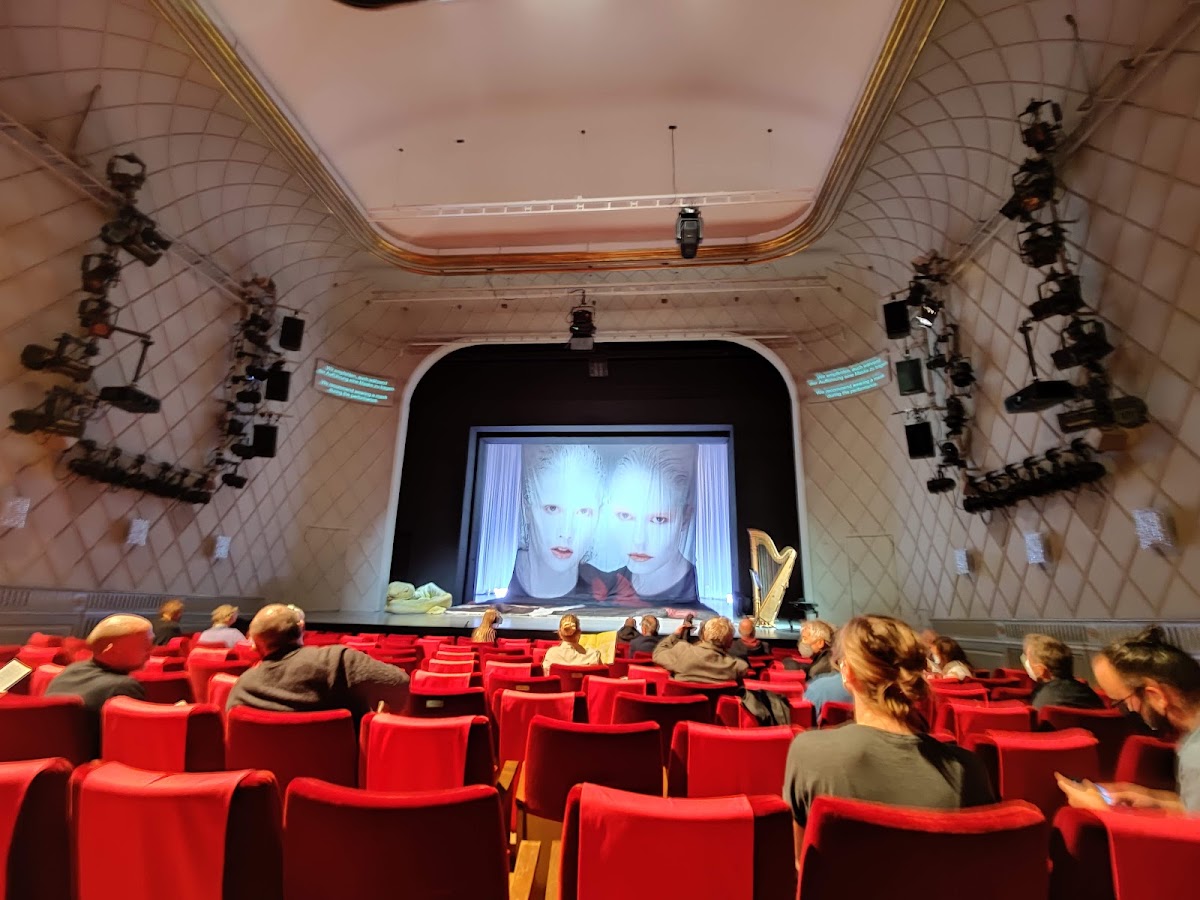
Berlin · 🎭 Entertainment · 🚶 4 min walk
Maxim Gorki Theater
2h30
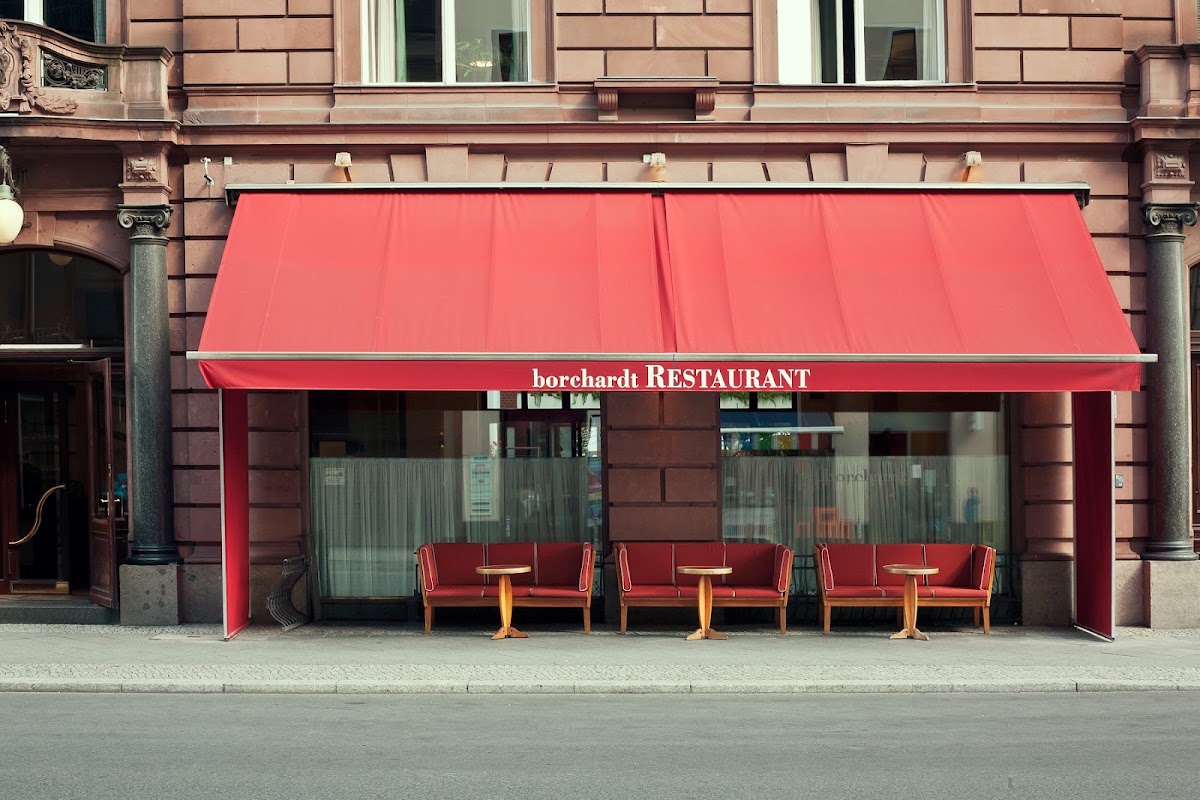
Berlin · 🍽️ Food · 🚶 5 min walk
Borchardt
1h30
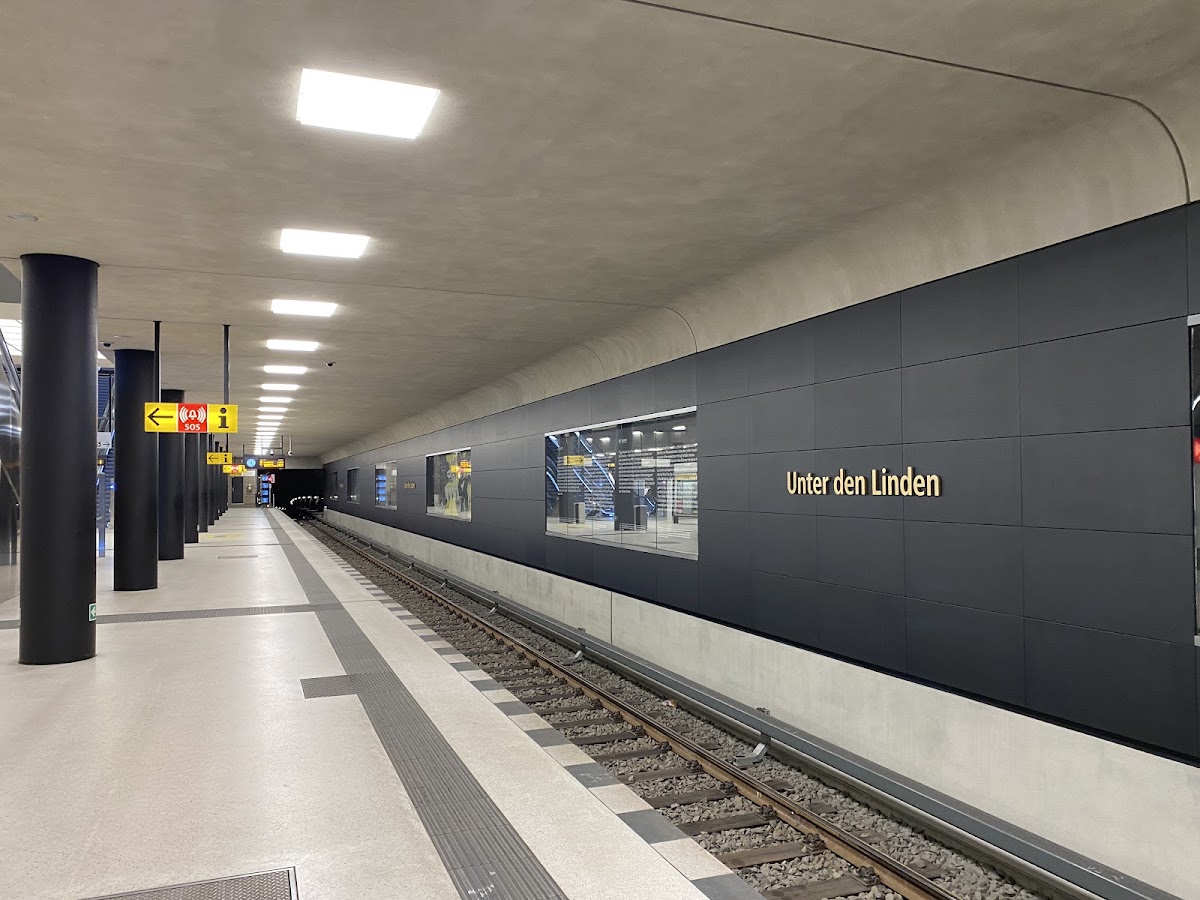
Berlin · 🏛️ Landmark · 🚶 5 min walk
Unter den Linden
45 min
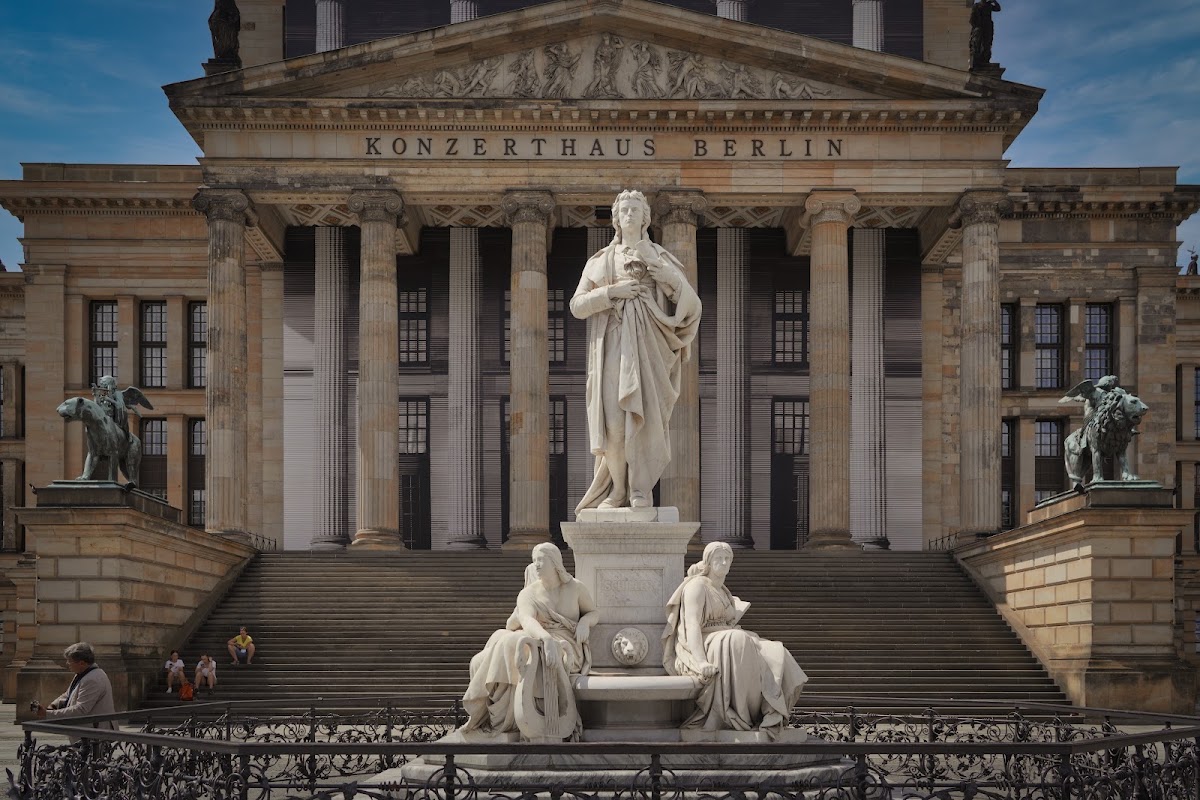
Berlin · 🏛️ Landmark · 🚶 5 min walk
Schillerdenkmal
10 min
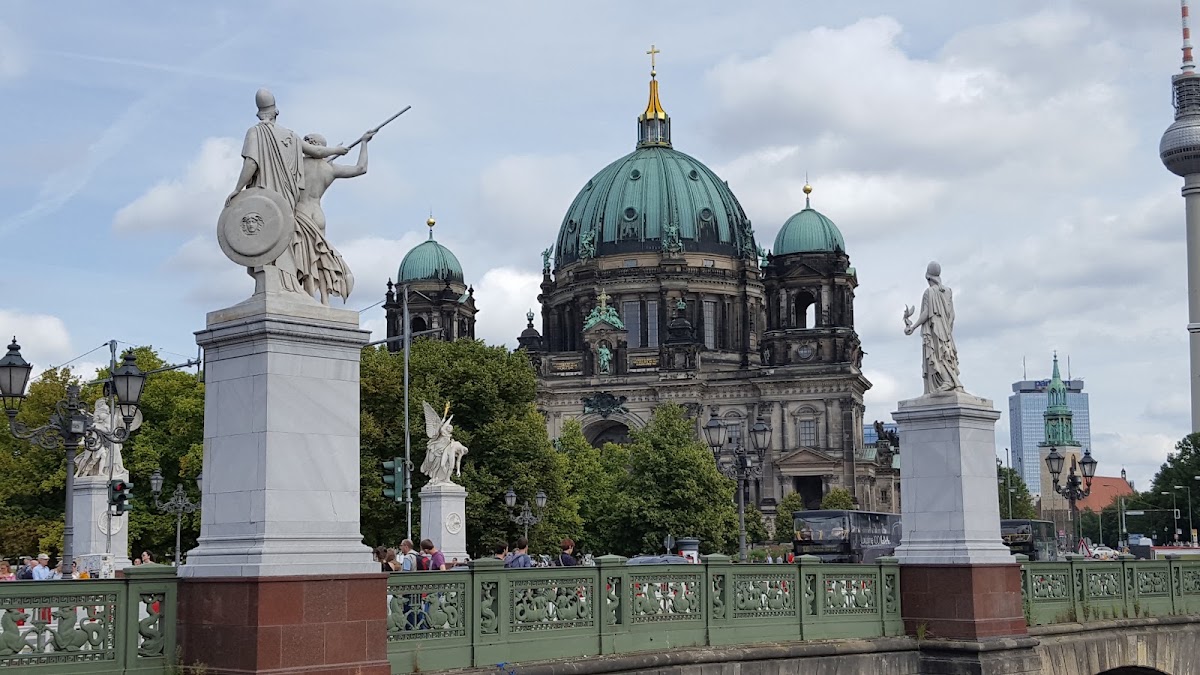
Berlin · 🏛️ Landmark · 🚶 5 min walk
Schlossbrücke
15 min
Build your itinerary
City
Dates
Choose your Explorer profile