4.6 ·
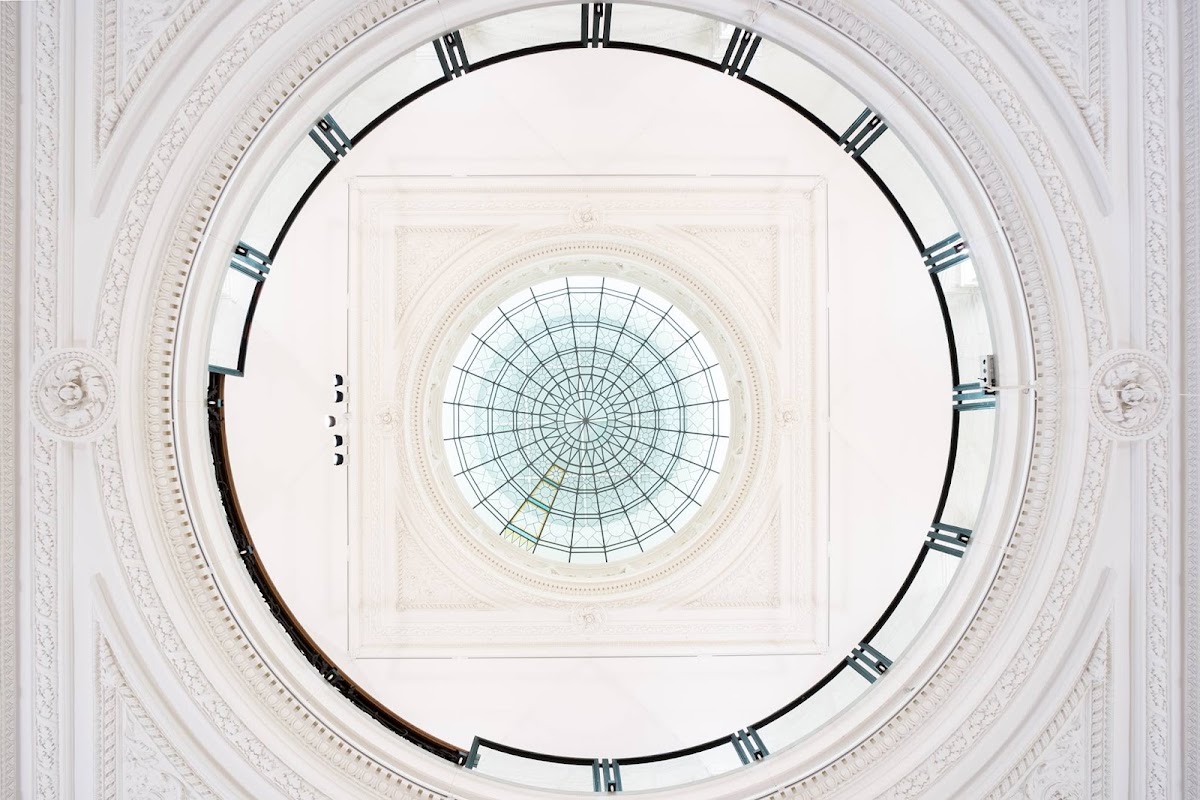
Step into Gropius Bau's ornate, glass-crowned exhibition hall near Checkpoint Charlie. Wander through rotating blockbuster shows of contemporary art and photography, pausing as much to admire the grand 19th-century architecture as the art on its walls.
Reasons to go
Full description
Martin-Gropius-Bau's ornate, glass-crowned exterior — striking against the historic government quarter it sits in — is matched by an exhibition program that regularly brings major international artists to Berlin, from large-scale retrospectives to boundary-pushing performance art. Visitors consistently comment on the building itself as much as whatever show is on, and the venue's perfect aesthetic score in this dataset reflects that reputation for architectural spectacle.
With a 4.6 rating and one of the highest must-see scores in the city, it functions as Berlin's go-to venue for blockbuster temporary exhibitions rather than a fixed permanent collection. Its location near the Topography of Terror and former Berlin Wall line makes it easy to combine with other historical sites.
Martin-Gropius-Bau's ornate, glass-crowned exterior — striking against the historic government quarter it sits in — is matched by an exhibition program that regularly brings major international artists to Berlin, from large-scale retrospectives to boundary-pushing performance art. Visitors consistently comment on the building itself as much as whatever show is on, and the venue's perfect aesthetic score in this dataset reflects that reputation for architectural spectacle.
With a 4.6 rating and one of the highest must-see scores in the city, it functions as Berlin's go-to venue for blockbuster temporary exhibitions rather than a fixed permanent collection. Its location near the Topography of Terror and former Berlin Wall line makes it easy to combine with other historical sites.
Address
Hours
Booking
Duration
1h30
Best time
lunchtime, afternoon, early evening or evening
Intensity
Moderate walking
Good to know
Reviews
We had been wanting to visit for a while and finally had the chance during the Marina Abramović exhibition. It was a very strong show. We also visited the other exhibition running at the same time, as well as the shop and the café. Overall, it was a good experience, and we took a short walk in the garden as well.
Ozge Ustundag
2/5📍 Nearby spots
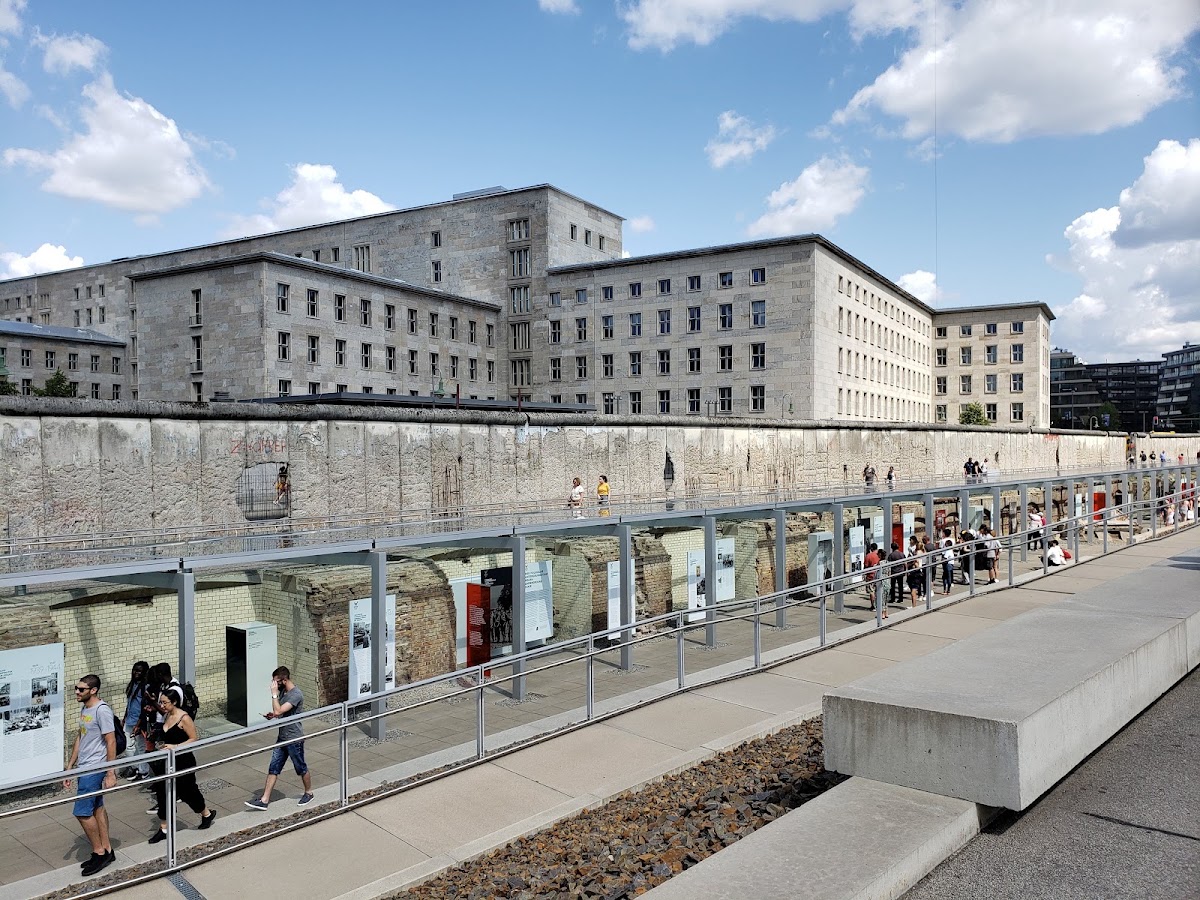
Berlin · 🎨 Museum · 🚶 2 min walk
Topography of Terror
1h15
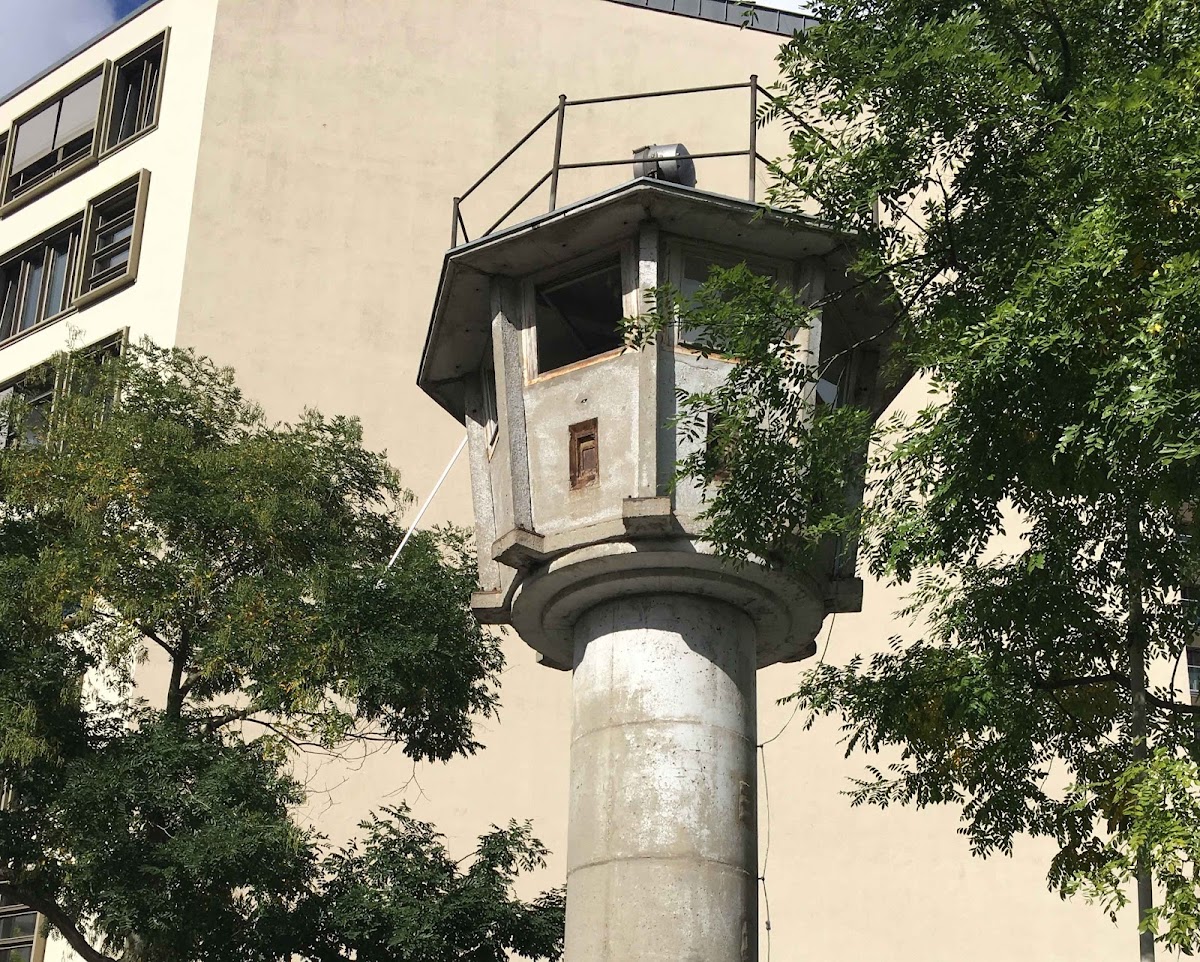
Berlin · 🏛️ Landmark · 🚶 4 min walk
DDR Watch Tower
20 min
Berlin · 🎨 Museum · 🚶 4 min walk
German Spy Museum
1h30

Berlin · 🎭 Entertainment · 🚶 5 min walk
Ticket for World Balloon with Perfect View
45 min

Berlin · 🎨 Museum · 🚶 5 min walk
Deutschlandmuseum
1h30

Berlin · 🏛️ Landmark · 🚶 6 min walk
75-minute Trabi Safari
1h15
Berlin · 🏛️ Landmark · 🚶 6 min walk
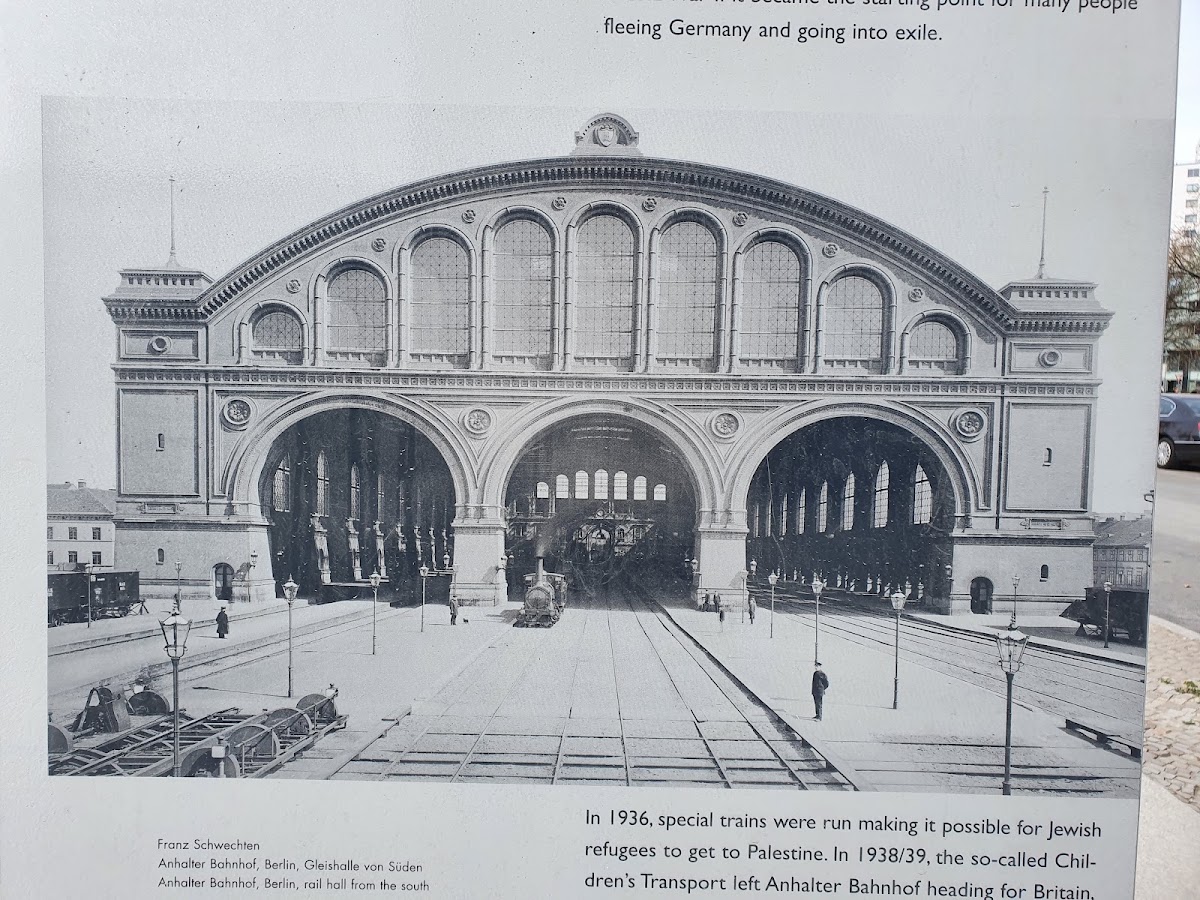
Train station to Anhalt
20 min
Berlin · 🛍️ Shopping · 🚶 6 min walk
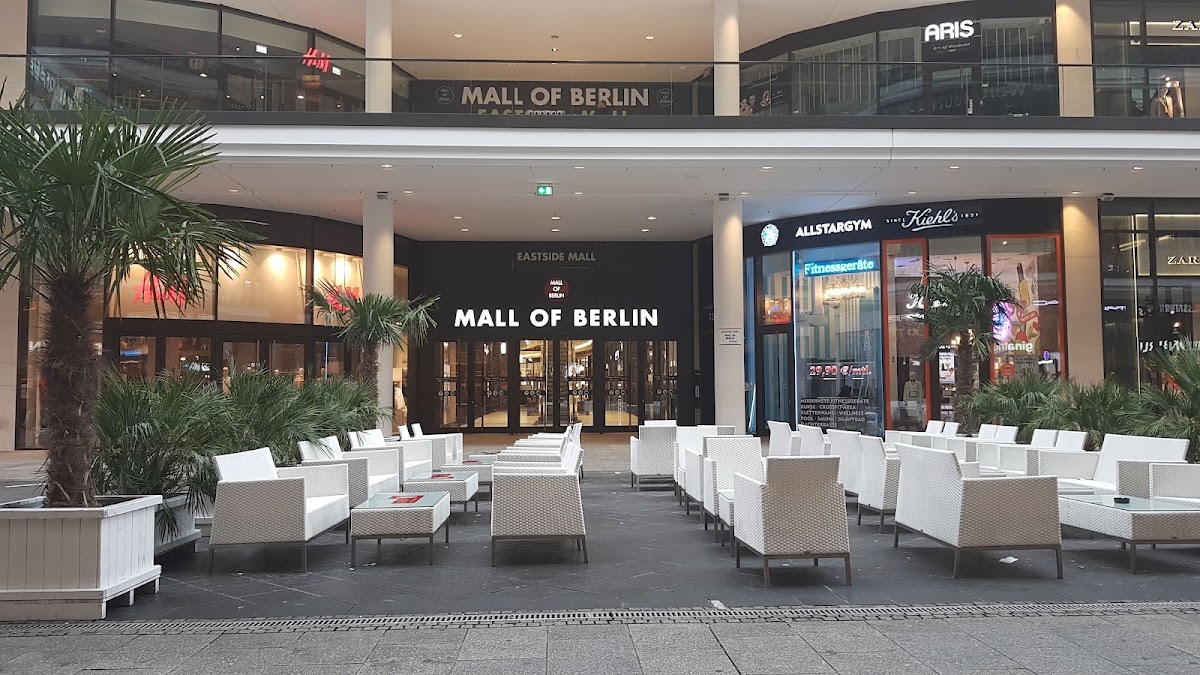
Mall of Berlin
1h30
Berlin · 🏛️ Landmark · 🚶 7 min walk
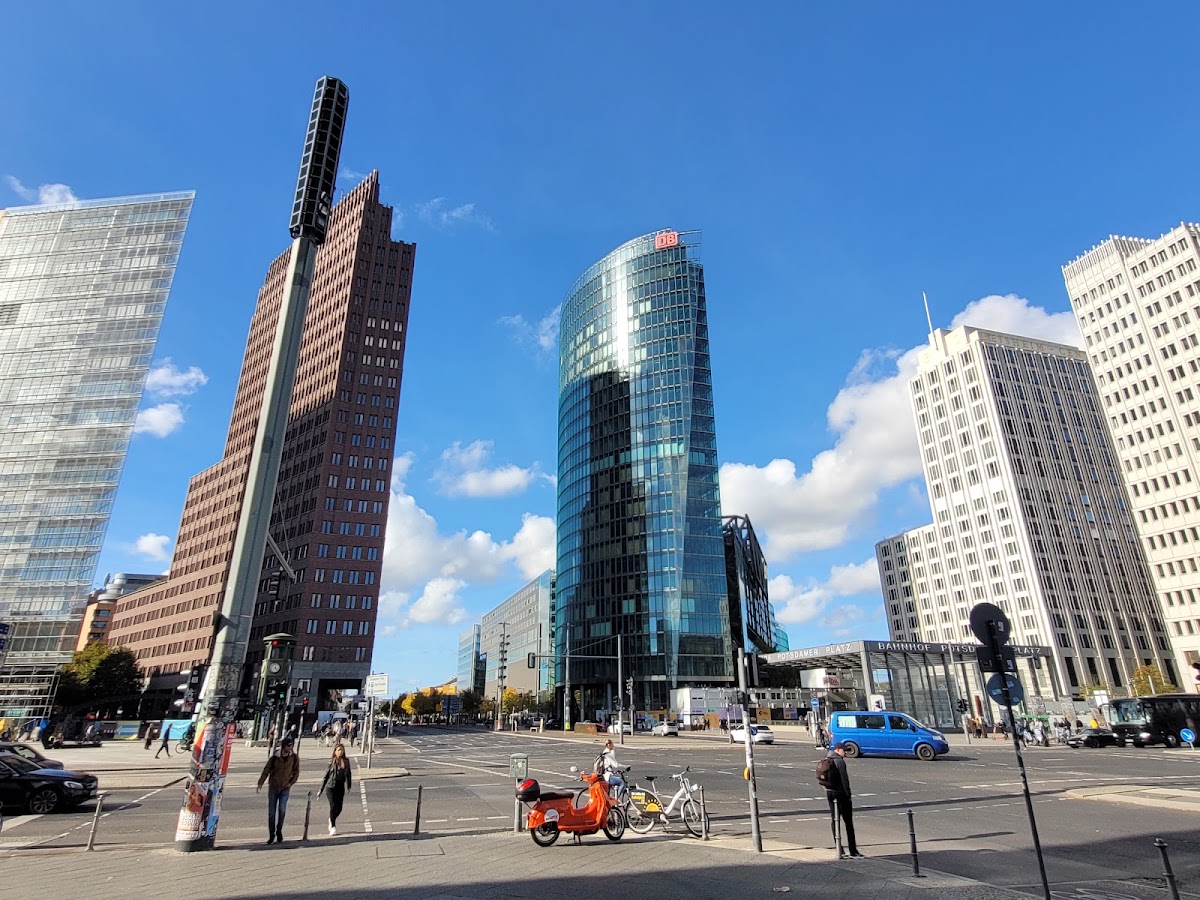
Potsdamer Platz
45 min
Berlin · 🎨 Museum · 🚶 8 min walk
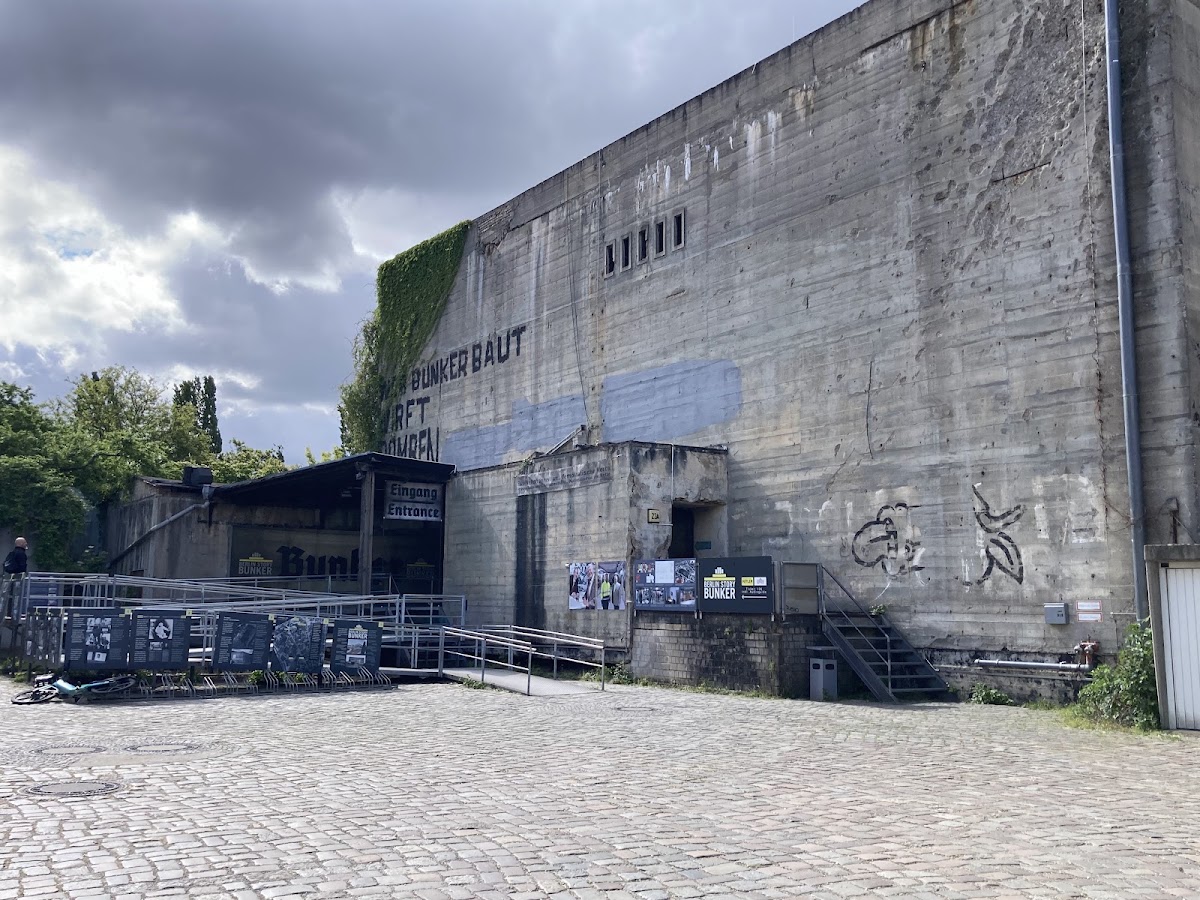
Berlin Story Bunker
1h30
Build your itinerary
City
Dates
Choose your Explorer profile