4.6 ·
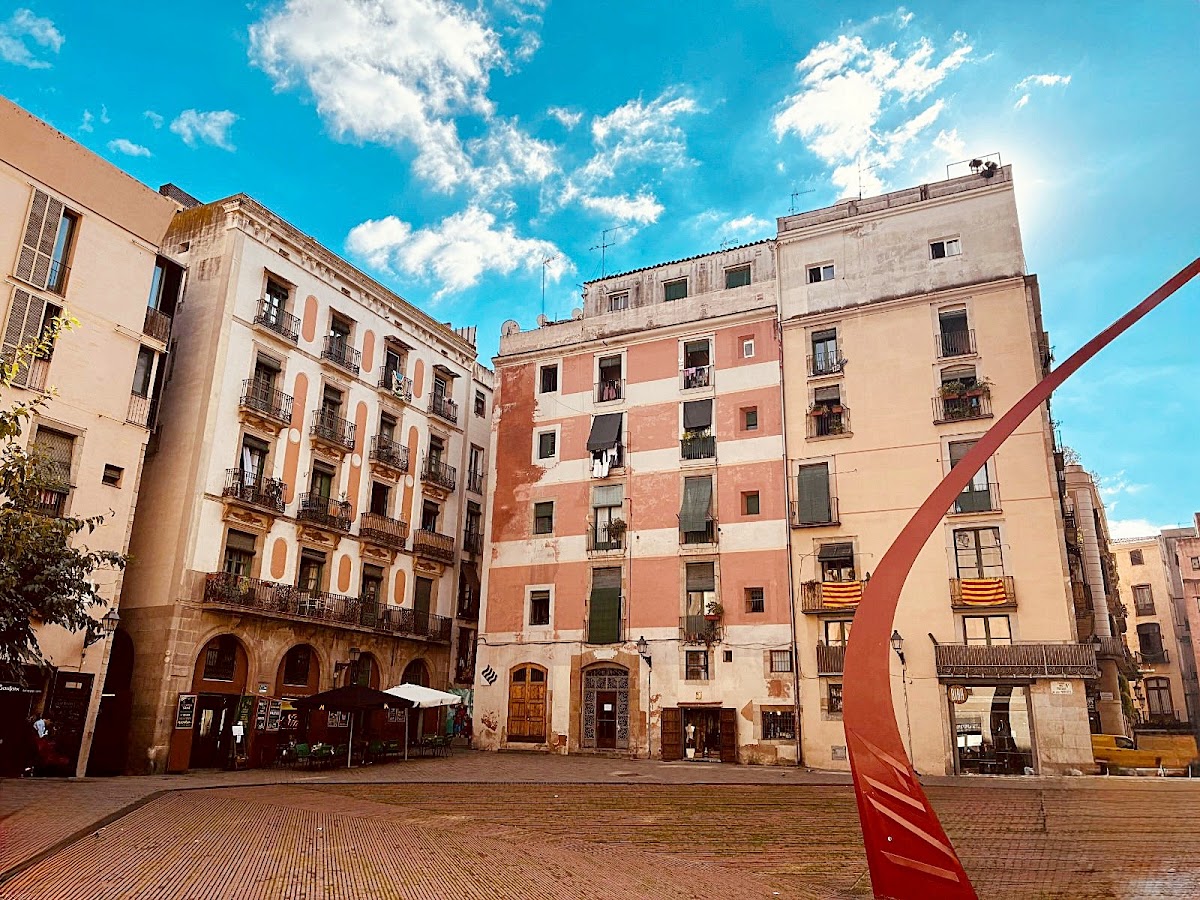
Step into Fossar de les Moreres, a quiet memorial plaza tucked beside Santa Maria del Mar. Read the Catalan verse etched into the sloped granite, watch the eternal red torch burn, and notice flowers or ribbons left by visitors marking 1714's fallen defenders.
Reasons to go
Full description
Once the burial ground attached to Santa Maria del Mar, Fossar de les Moreres became a symbolic site after the War of Spanish Succession, when defenders of Barcelona who fell during the city's final siege in September 1714 were laid to rest here, an event still marked every September 11th, Catalonia's National Day. A red torch burns continuously above the sloped granite memorial, inscribed with a line of Catalan verse, and it's common to find flowers, ribbons, or small gatherings referencing Catalan independence sentiment.
Reviewers note it's easy to walk past without realizing its significance, tucked as it is against the side of the basilica. A short, quiet stop that adds a layer of political and historical meaning to a visit to Santa Maria del Mar next door.
Once the burial ground attached to Santa Maria del Mar, Fossar de les Moreres became a symbolic site after the War of Spanish Succession, when defenders of Barcelona who fell during the city's final siege in September 1714 were laid to rest here, an event still marked every September 11th, Catalonia's National Day. A red torch burns continuously above the sloped granite memorial, inscribed with a line of Catalan verse, and it's common to find flowers, ribbons, or small gatherings referencing Catalan independence sentiment.
Reviewers note it's easy to walk past without realizing its significance, tucked as it is against the side of the basilica. A short, quiet stop that adds a layer of political and historical meaning to a visit to Santa Maria del Mar next door.
Address
Hours
Booking
Duration
15 min
Intensity
Easy pace
Good to know
Reviews
A must visit ..I was lucky to go on Catalonia Day. Raining but important to stay and watch
Sheree Secrett
3/5📍 Nearby spots
Barcelona · 🏛️ Landmark · 🚶 1 min walk
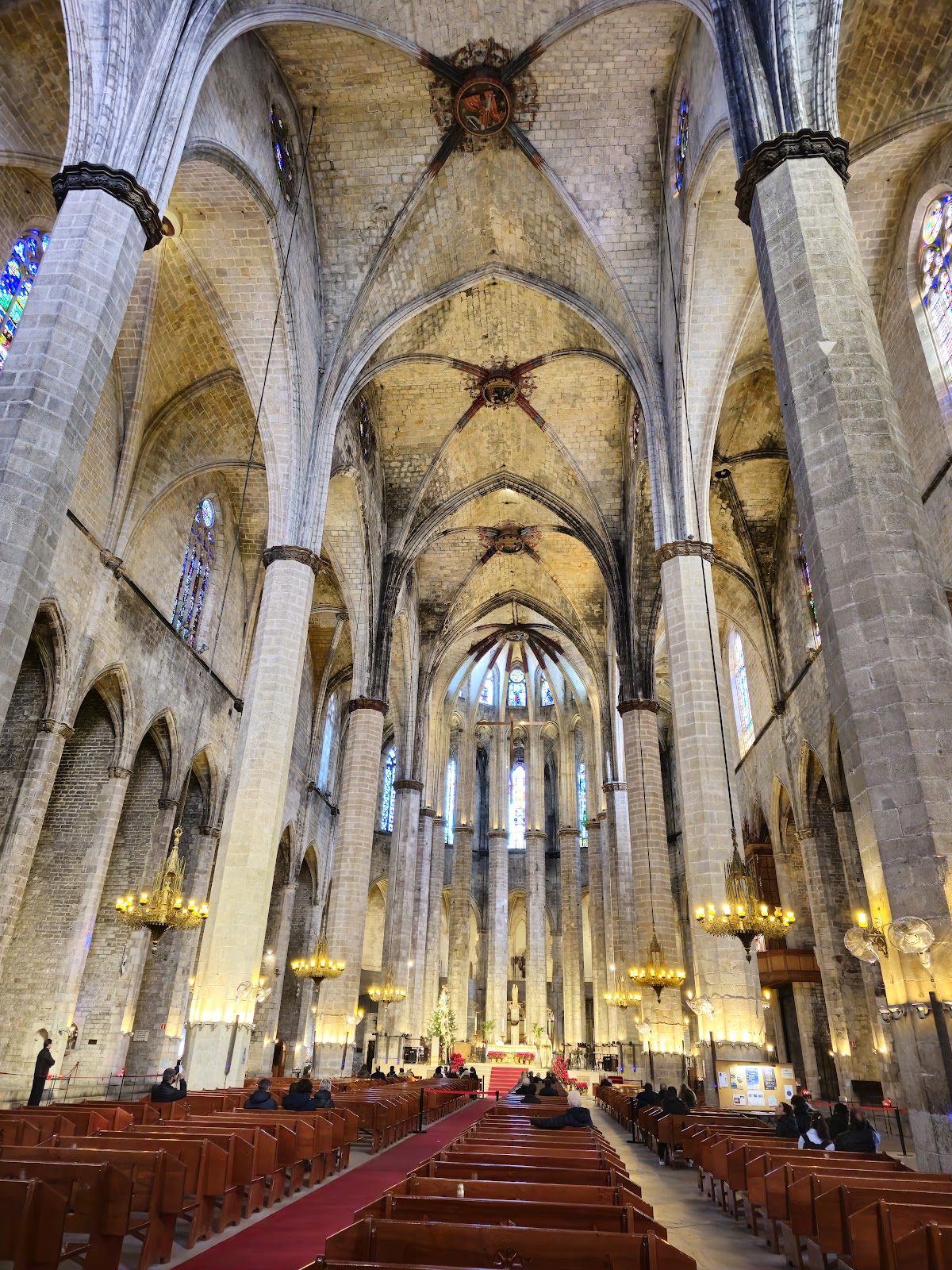
Basílica de Santa Maria del Mar
45 min
Barcelona · 🍸 Drinks · 🚶 1 min walk
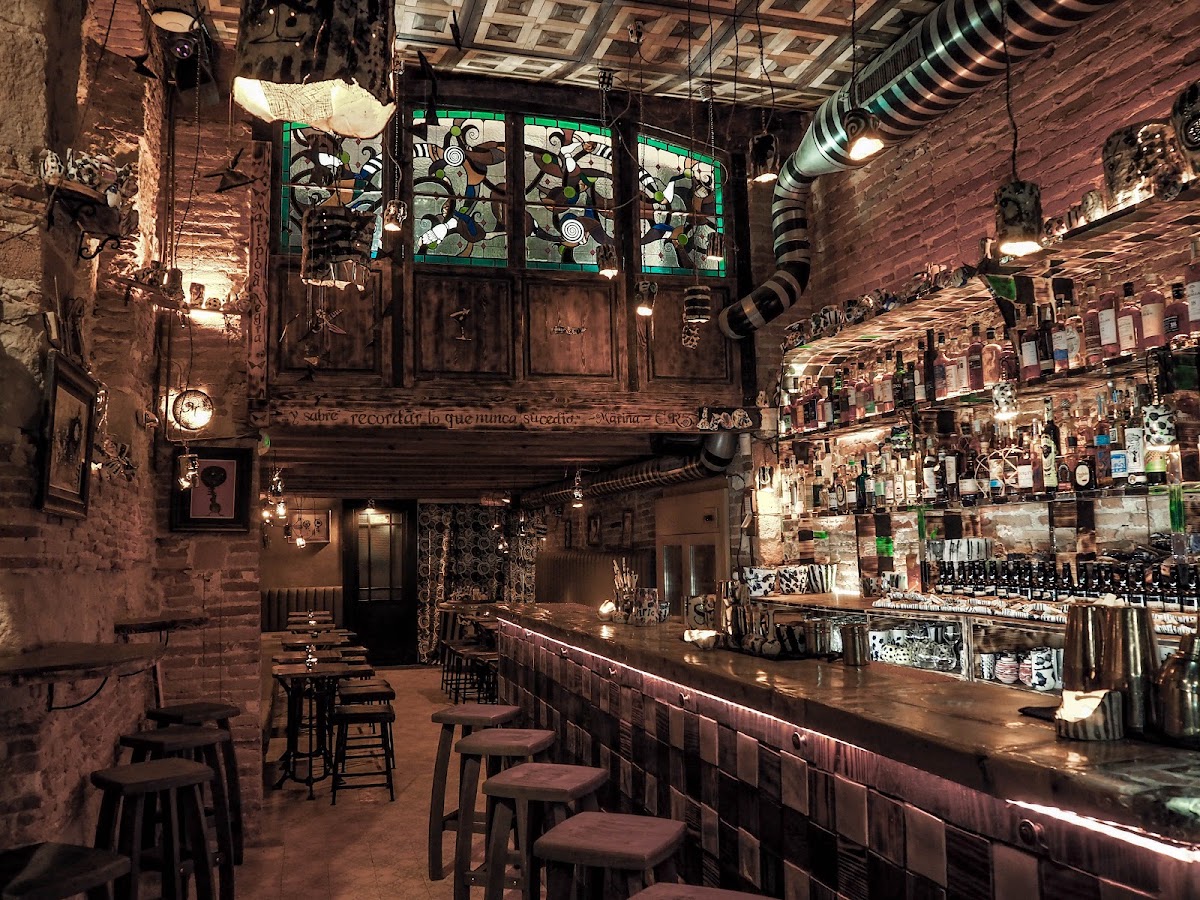
Mariposa Negra Cocktail Bar - Cocteleria artesana
1h15
Barcelona · 🍸 Drinks · 🚶 1 min walk
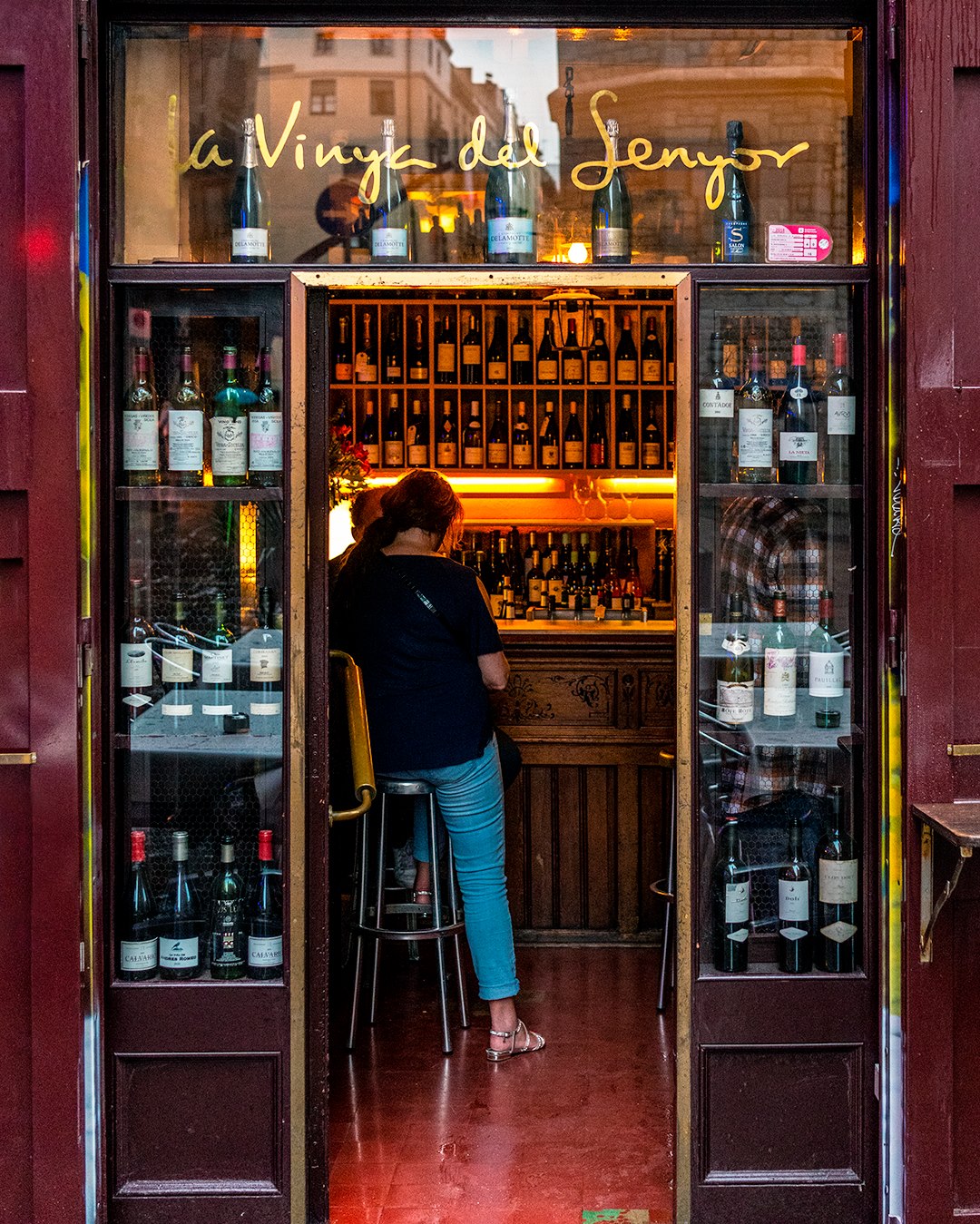
La Vinya del Senyor
1h15
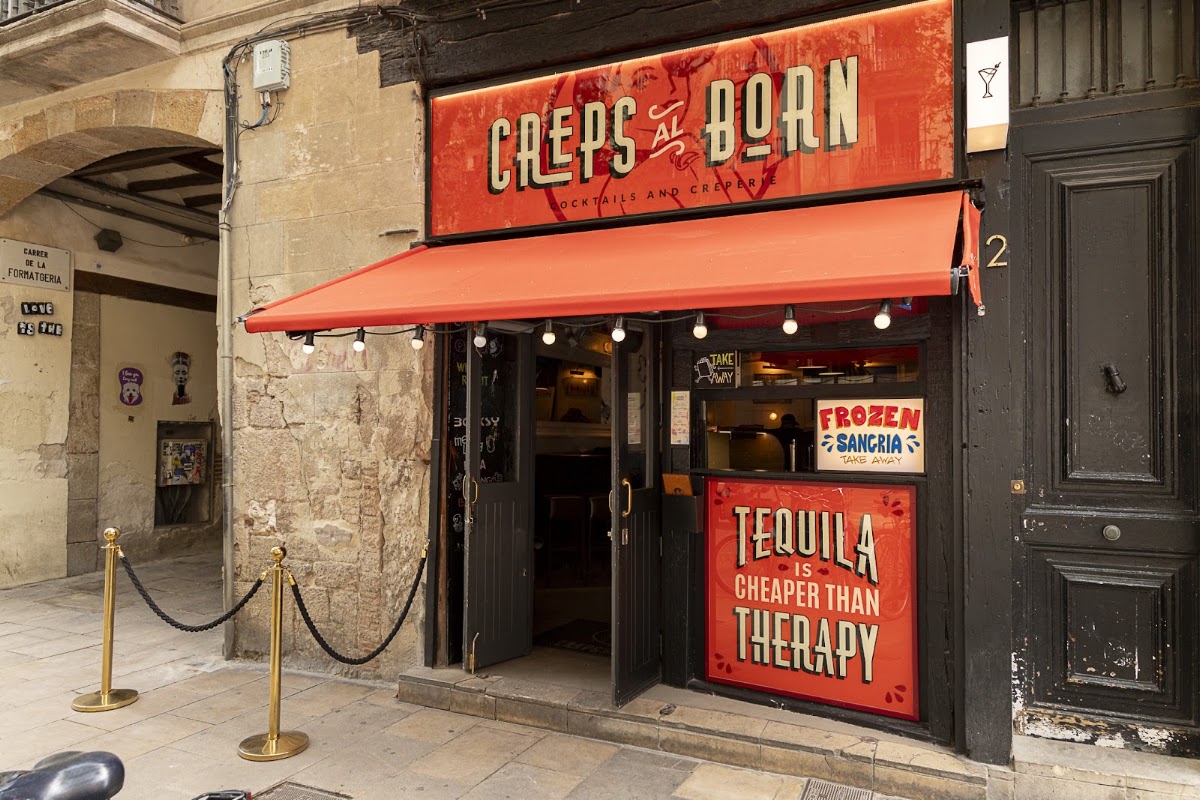
Barcelona · 🍸 Drinks · 🚶 1 min walk
Creps al Born - Cocktails and Creperie
1h15
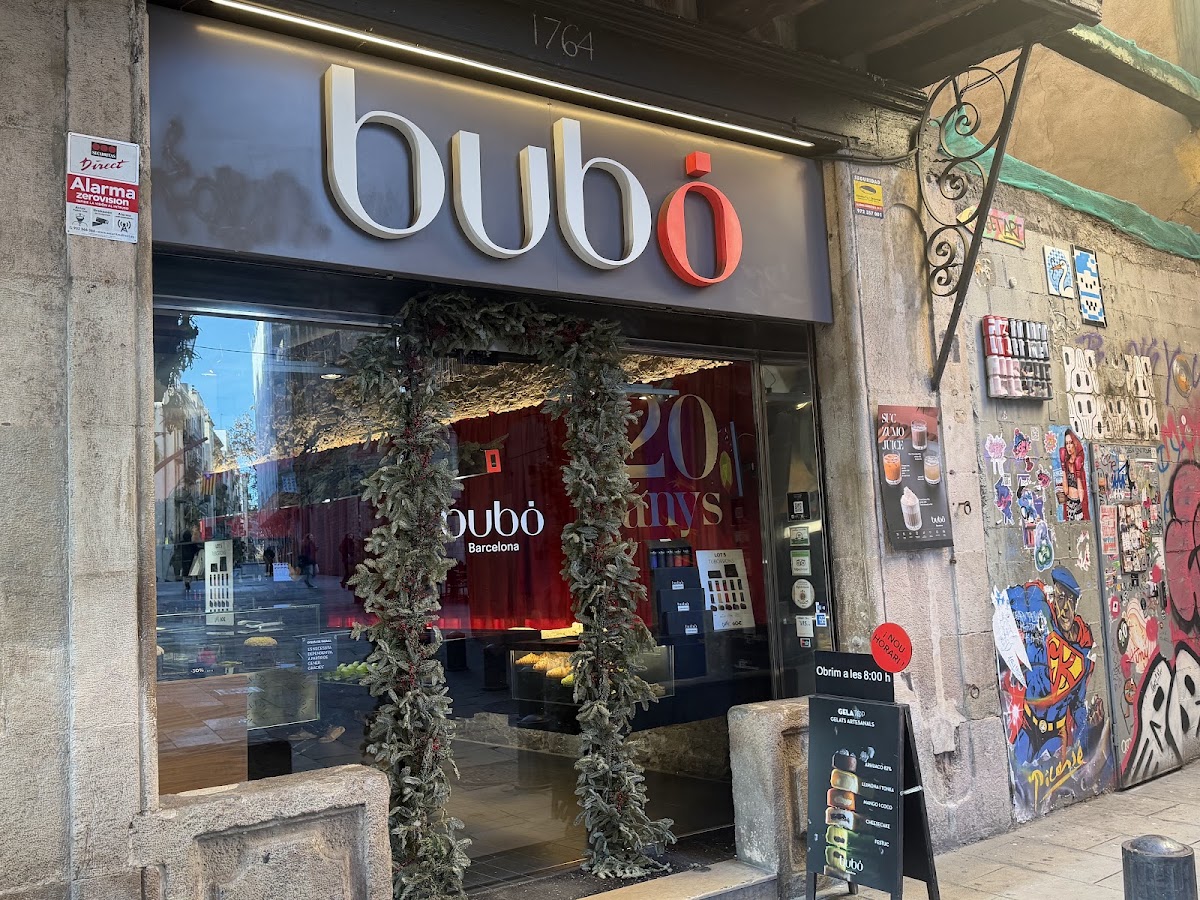
Barcelona · ☕ Coffeebreak · 🚶 1 min walk
Bubó Barcelona
20 min
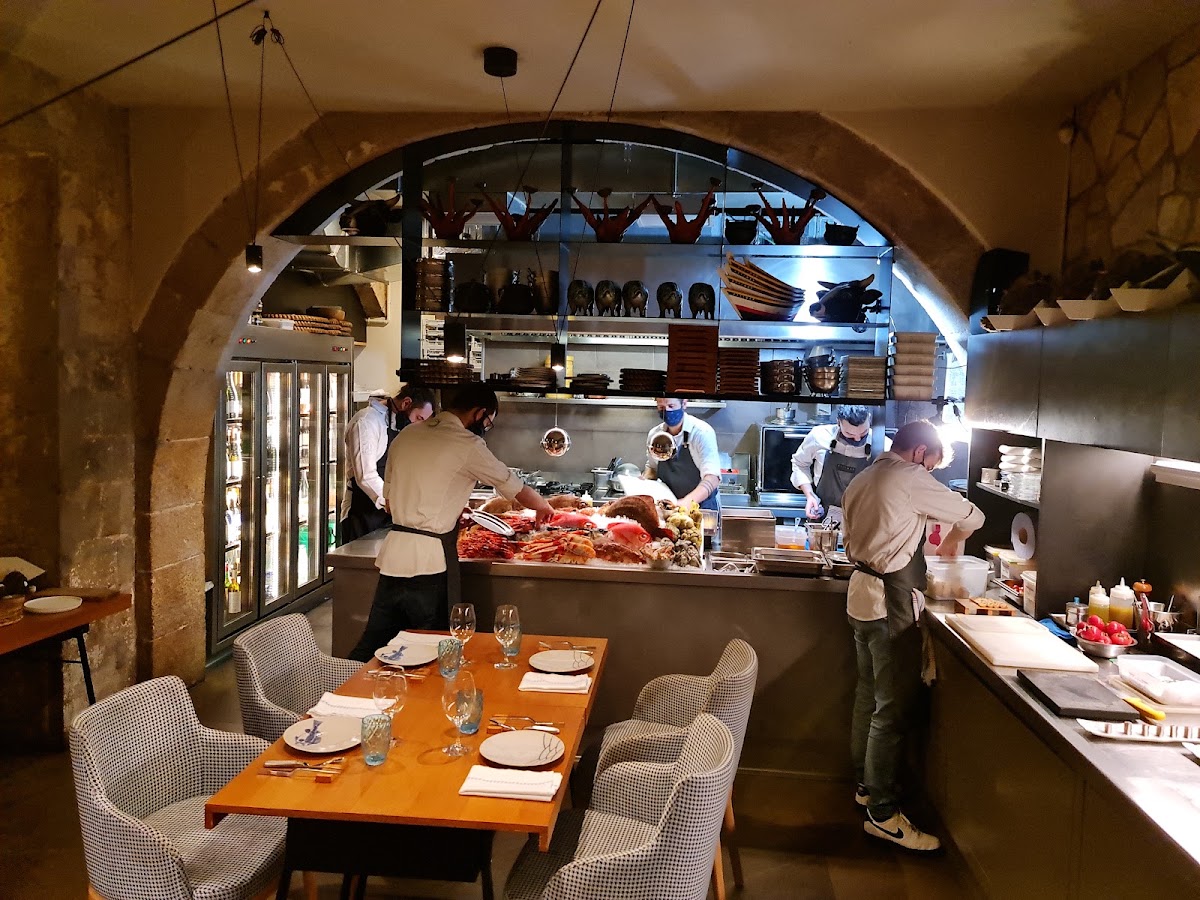
Barcelona · 🍽️ Food · 🚶 1 min walk
Estimar
2h
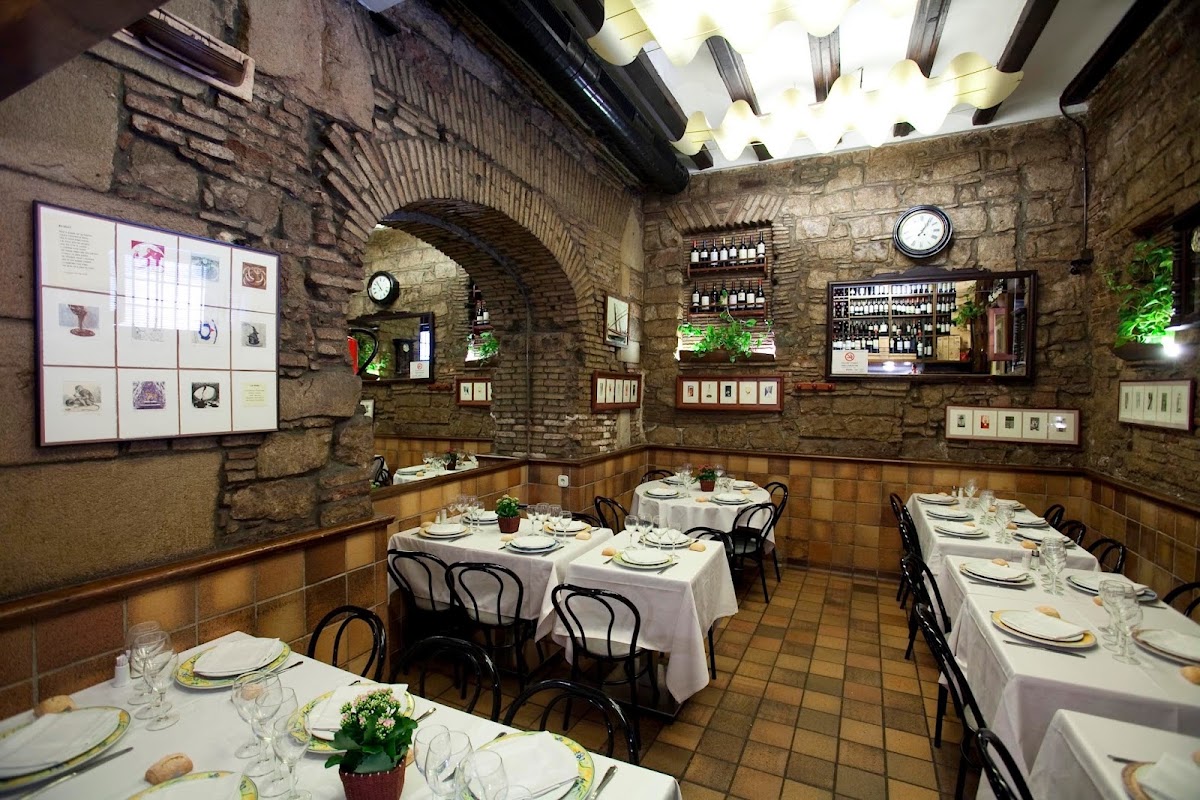
Barcelona · 🍽️ Food · 🚶 1 min walk
Cal Pep
1h45
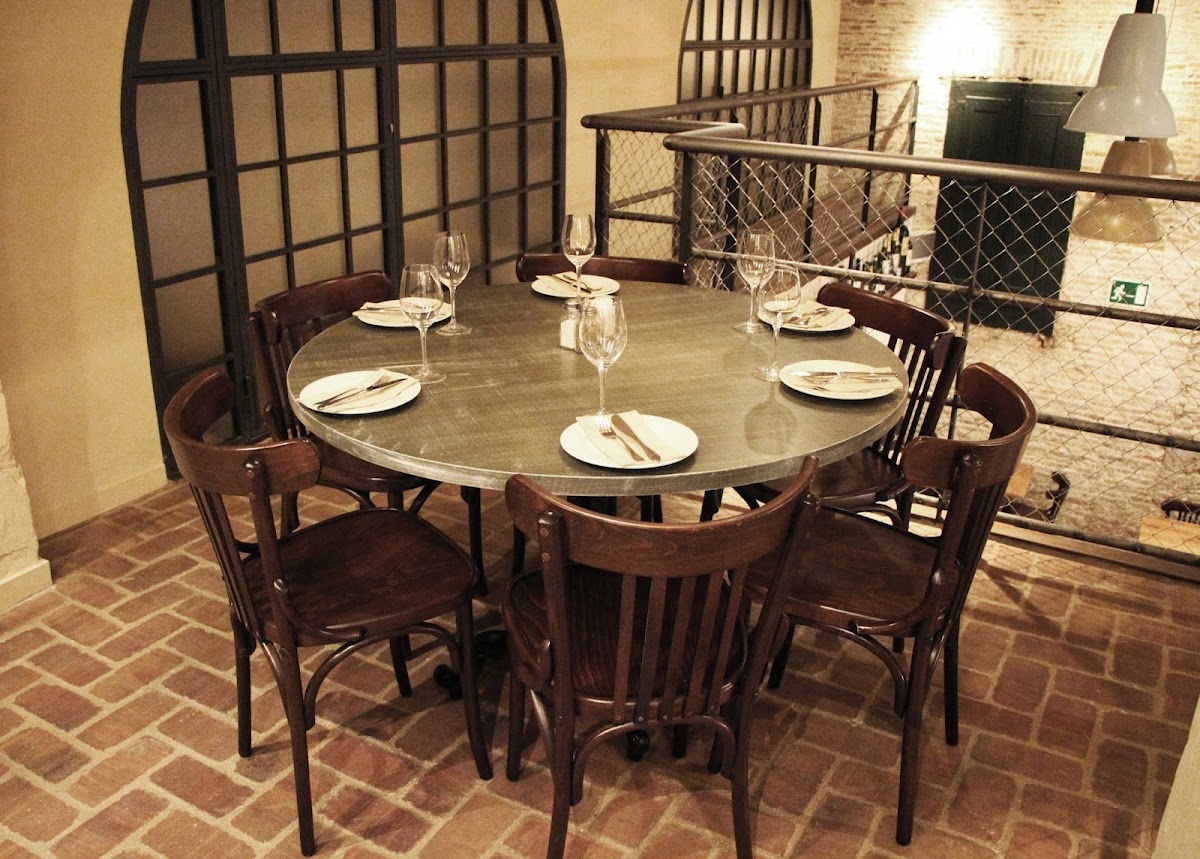
Barcelona · 🍽️ Food · 🚶 2 min walk
Bodega La Puntual
1h15
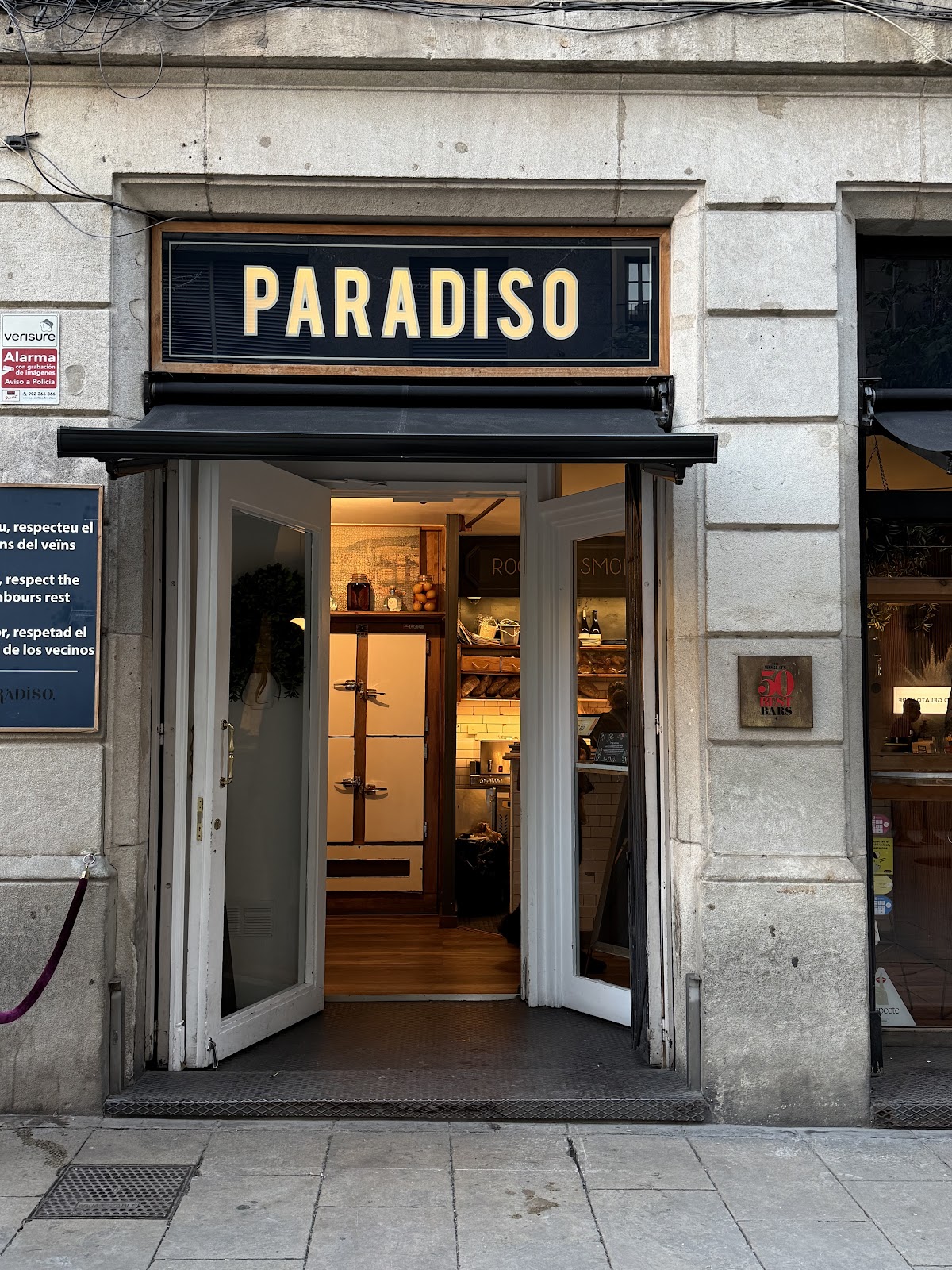
Barcelona · 🍸 Drinks · 🚶 2 min walk
Paradiso
1h15
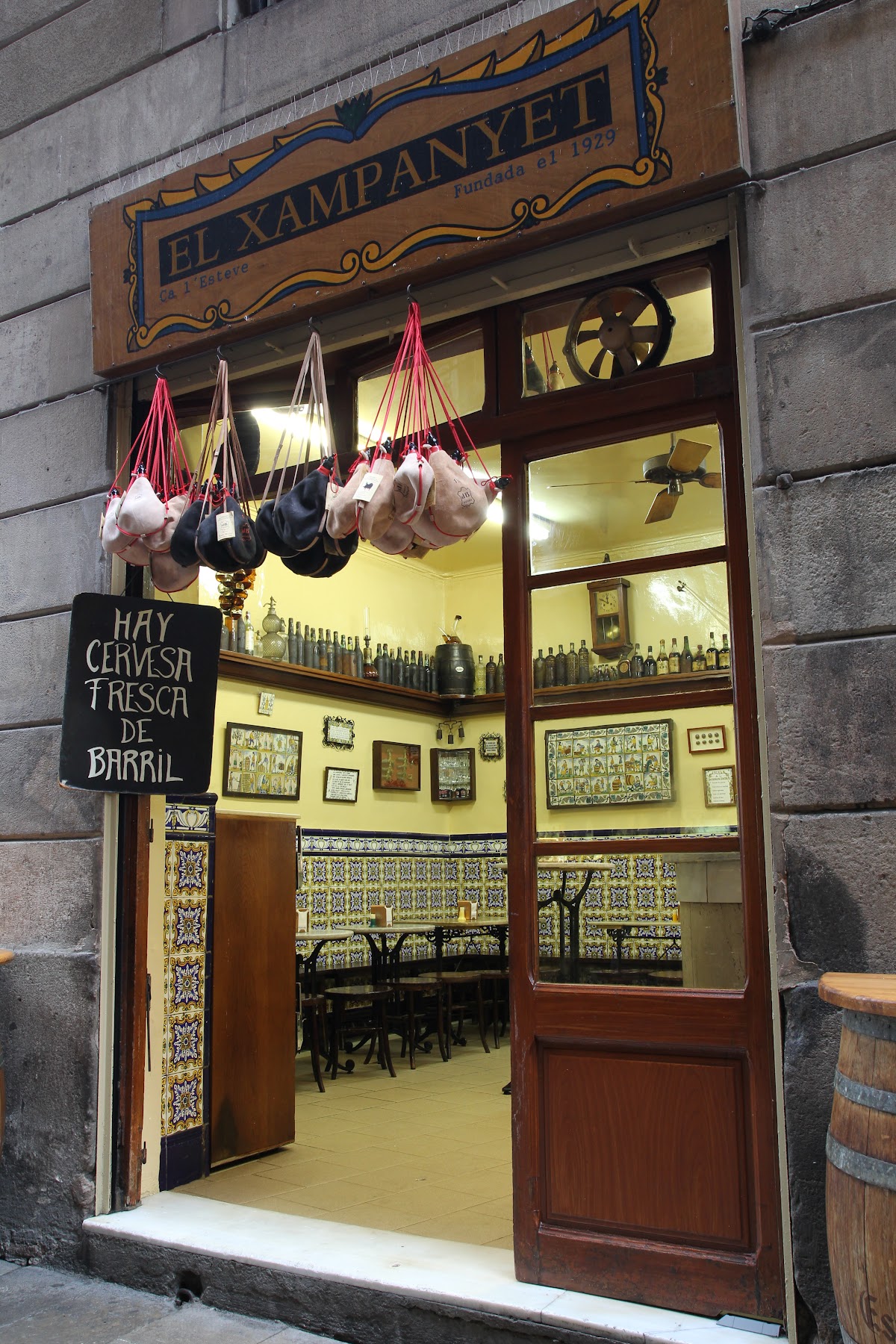
Barcelona · 🍽️ Food · 🚶 2 min walk
El Xampanyet
1h
Build your itinerary
City
Dates
Choose your Explorer profile