4.6 ·
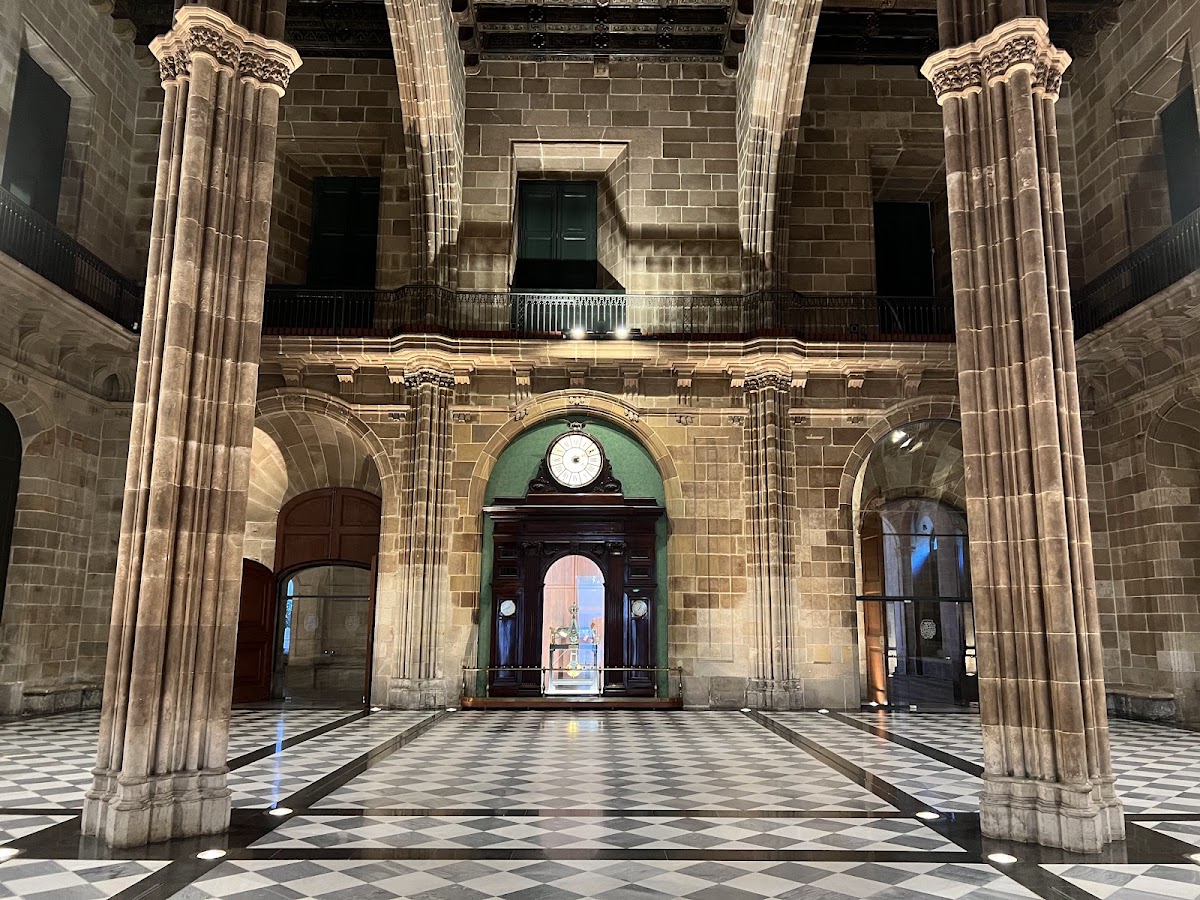
Step into Casa Llotja de Mar, one of Europe's best-preserved medieval trading halls. Wander beneath the soaring Gothic arches of the old merchants' exchange, admiring the grand staircases and Poseidon statuary where sea traders once struck deals.
Reasons to go
Full description
Casa Llotja de Mar dates to the 1380s, when it served as Barcelona's Consolat de Mar, a hall where merchants and sea traders conducted business under a soaring Gothic arcade of pointed arches, one of the best-preserved medieval exchange buildings in Europe. Later additions gave the building a neoclassical facade and academy spaces, and until relatively recently it functioned as Barcelona's stock exchange.
Today the interior mixes the historic Gothic hall, noted by visitors for its striking staircases and statuary, including sculptures of Poseidon, with modern use as a venue for conferences and private events, which occasionally limits public access. It appeals particularly to those interested in Barcelona's history as a Mediterranean trading power rather than art or religious architecture.
Casa Llotja de Mar dates to the 1380s, when it served as Barcelona's Consolat de Mar, a hall where merchants and sea traders conducted business under a soaring Gothic arcade of pointed arches, one of the best-preserved medieval exchange buildings in Europe. Later additions gave the building a neoclassical facade and academy spaces, and until relatively recently it functioned as Barcelona's stock exchange.
Today the interior mixes the historic Gothic hall, noted by visitors for its striking staircases and statuary, including sculptures of Poseidon, with modern use as a venue for conferences and private events, which occasionally limits public access. It appeals particularly to those interested in Barcelona's history as a Mediterranean trading power rather than art or religious architecture.
Address
Hours
Booking
Duration
45 min
Best time
early morning, morning, lunchtime, afternoon or early evening
Intensity
Moderate walking
Good to know
Reviews
Attended a Web3 event at Casa Lonja de Mar, and the venue is stunning! The building features impressive staircases adorned with sculptures of Poseidon and other figures that are simply breathtaking. The event hall is equally remarkable, making it a perfect spot for gatherings. Highly recommend visiting this historic…
Sergie Code
2/5📍 Nearby spots
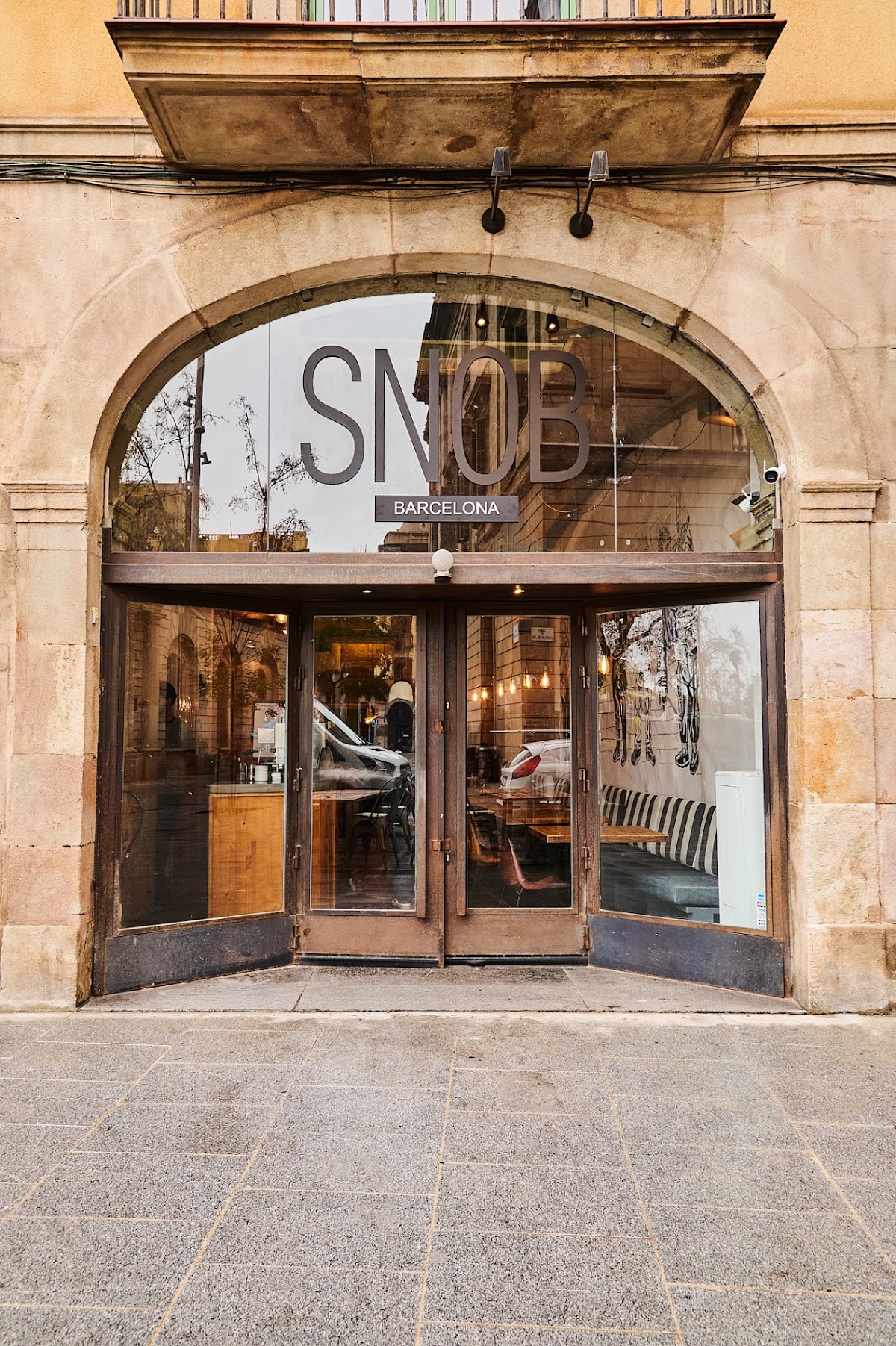
Barcelona · 🥐 Breakfast · 🚶 1 min walk
Snob Barcelona
1h
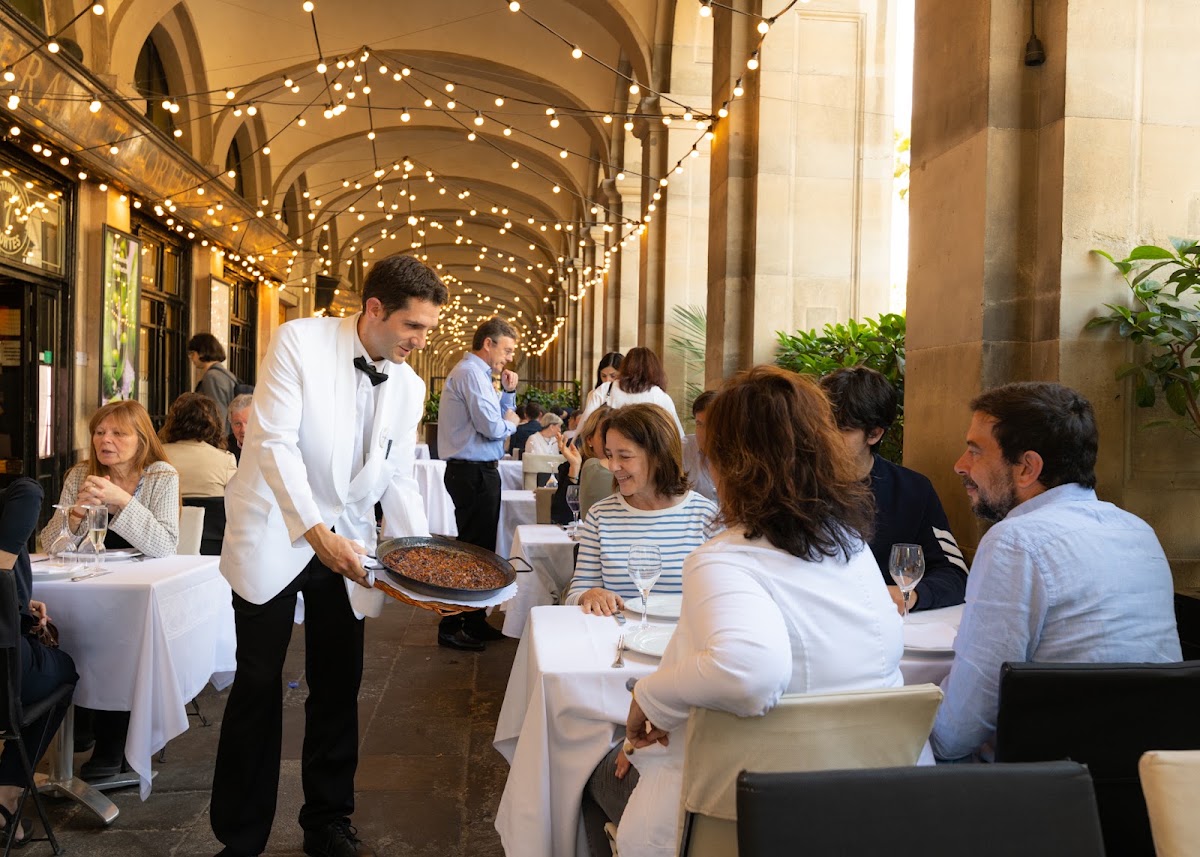
Barcelona · 🍽️ Food · 🚶 1 min walk
7 Portes
1h45
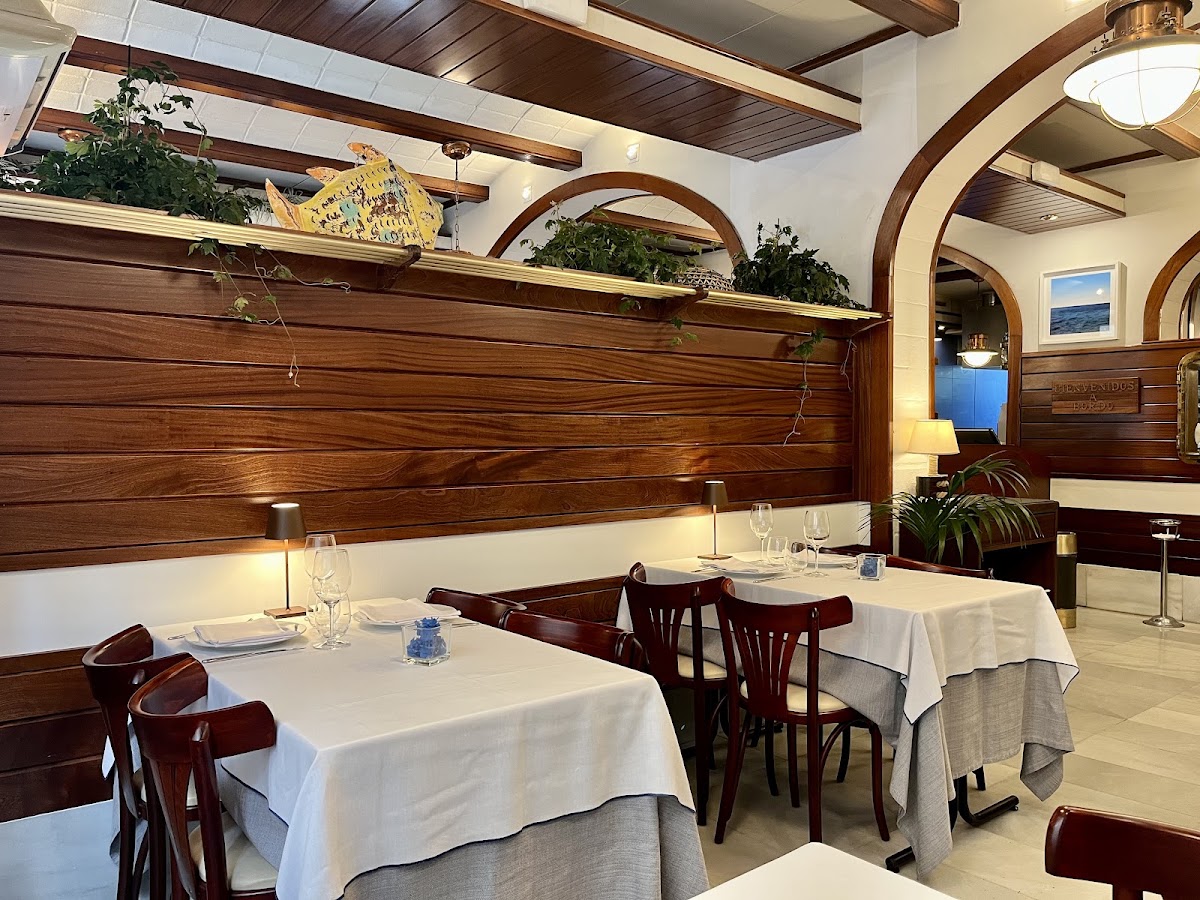
Barcelona · 🍽️ Food · 🚶 2 min walk
Carballeira Restaurant Barcelona
1h30
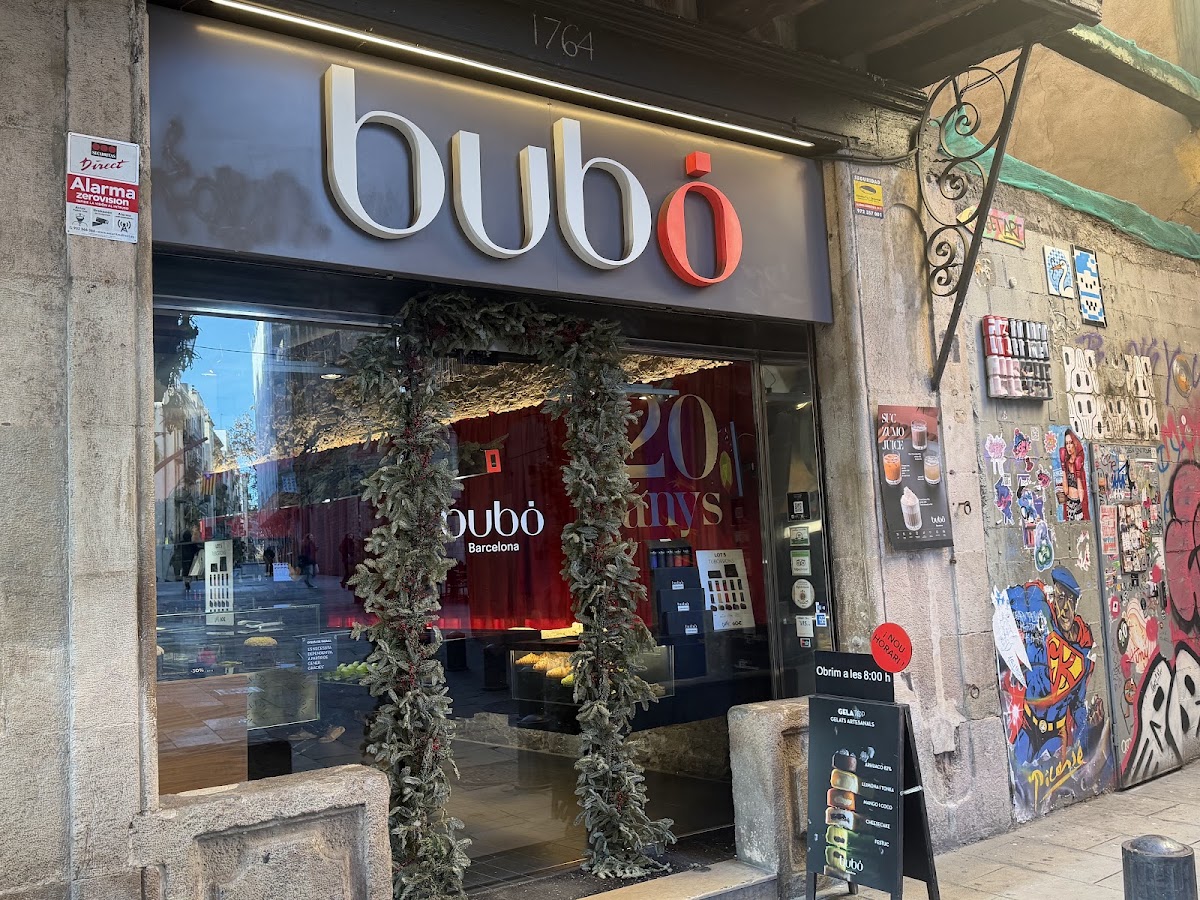
Barcelona · ☕ Coffeebreak · 🚶 2 min walk
Bubó Barcelona
20 min
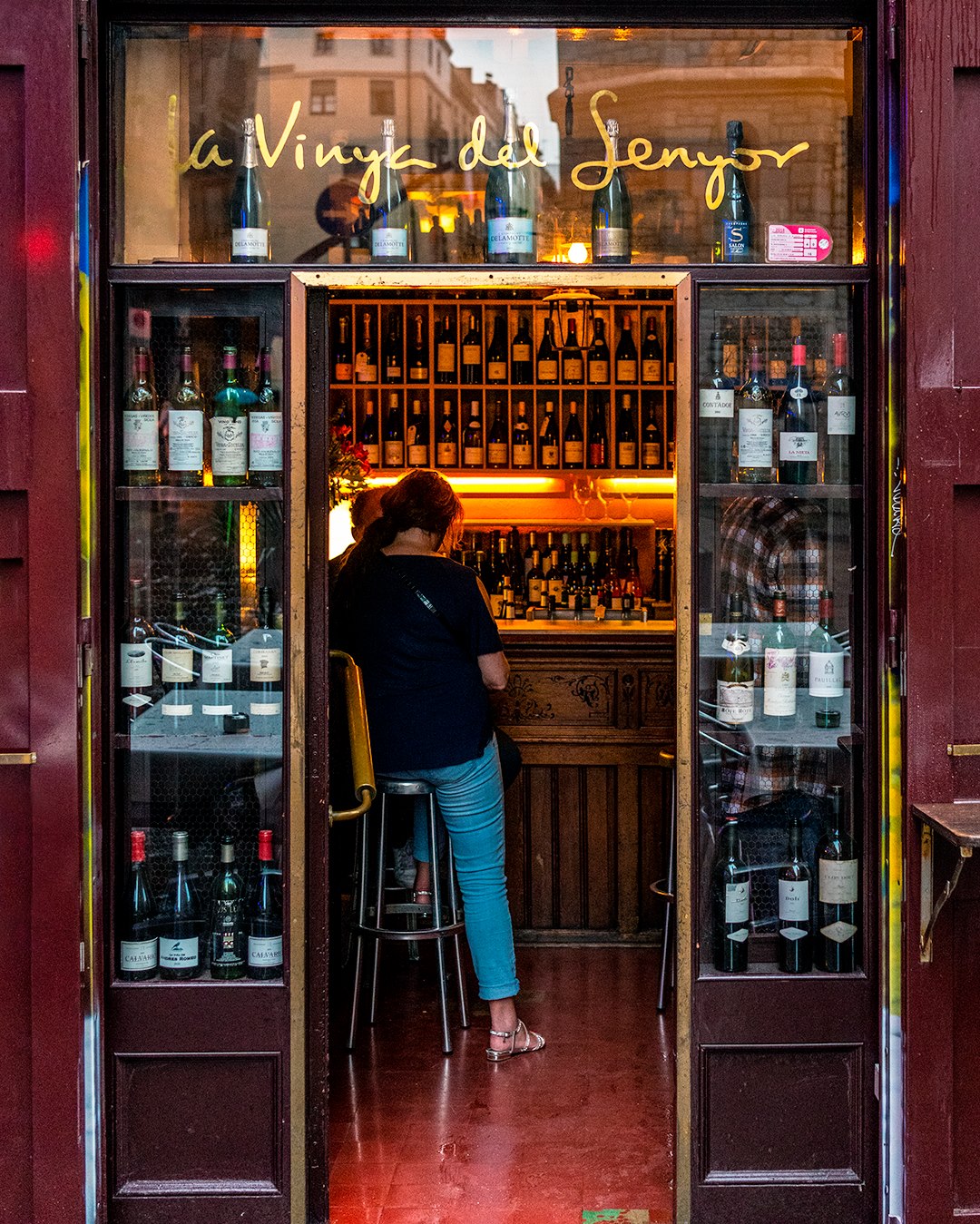
Barcelona · 🍸 Drinks · 🚶 2 min walk
La Vinya del Senyor
1h15
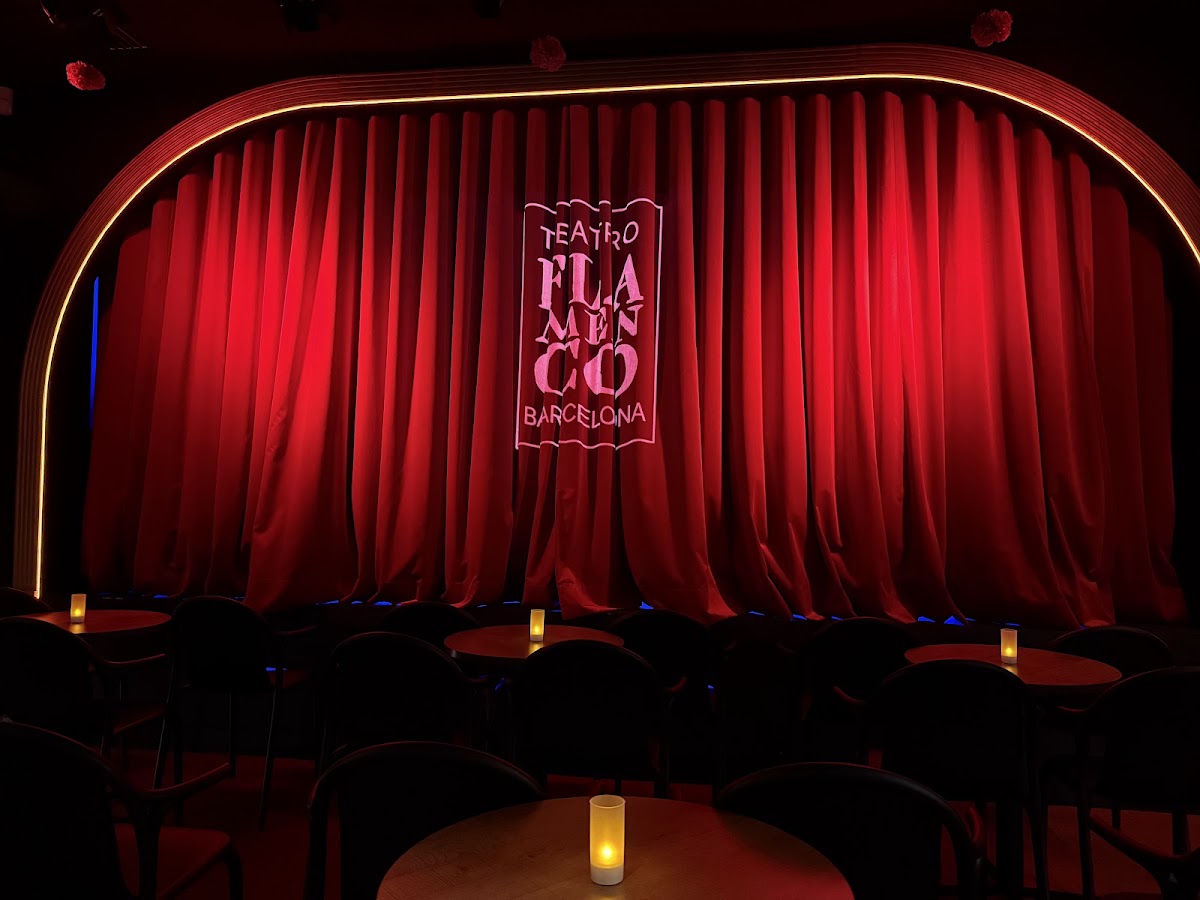
Barcelona · 🎭 Entertainment · 🚶 2 min walk
Teatro Flamenco Barcelona
1h45
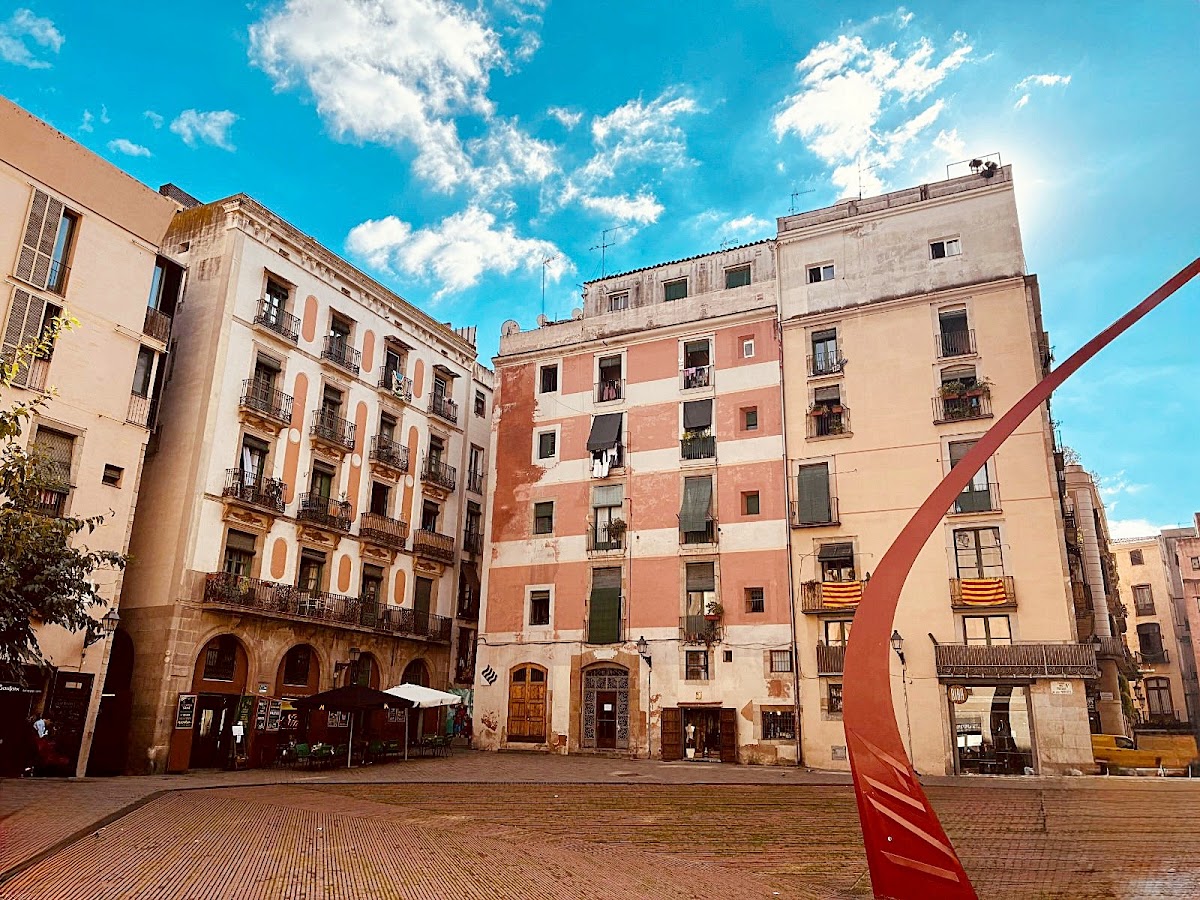
Barcelona · 🏛️ Landmark · 🚶 3 min walk
Fossar de les Moreres
15 min
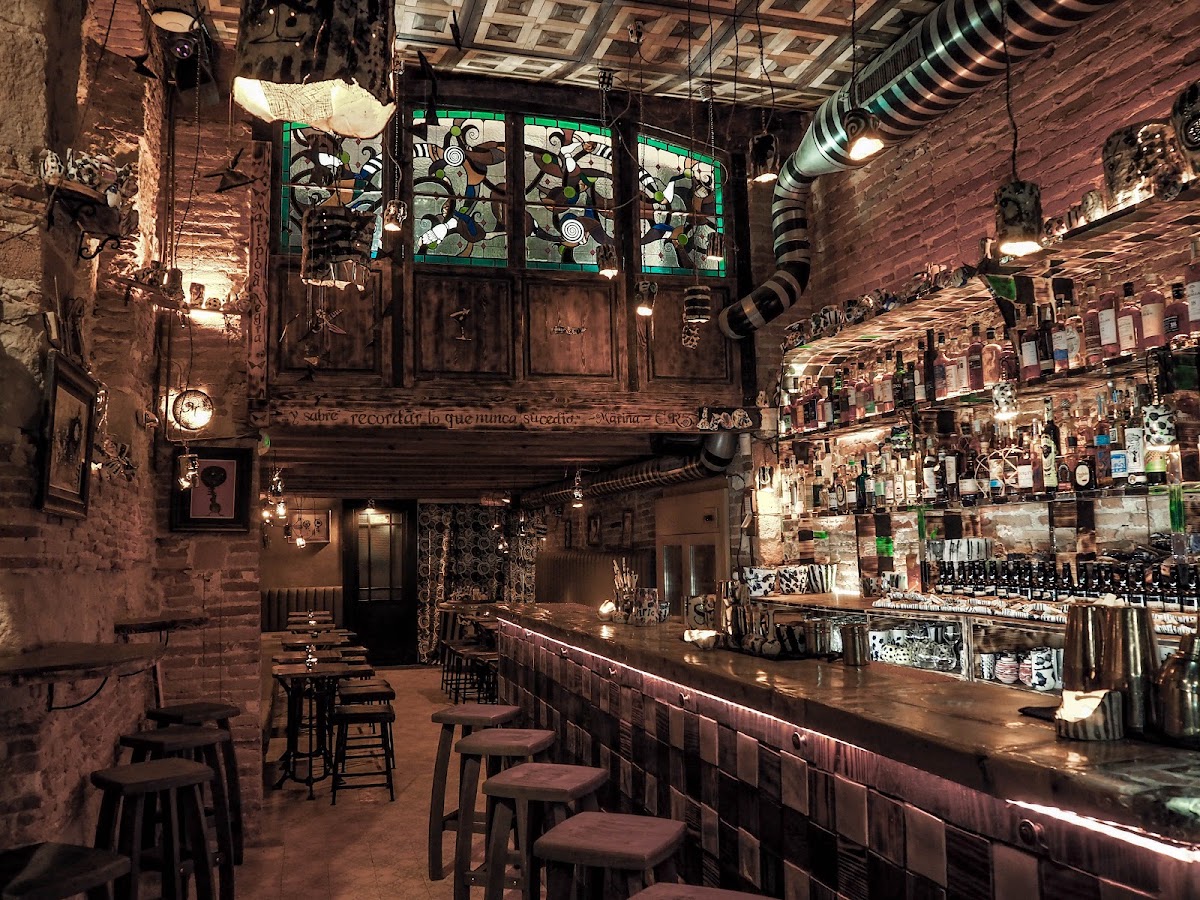
Barcelona · 🍸 Drinks · 🚶 3 min walk
Mariposa Negra Cocktail Bar - Cocteleria artesana
1h15
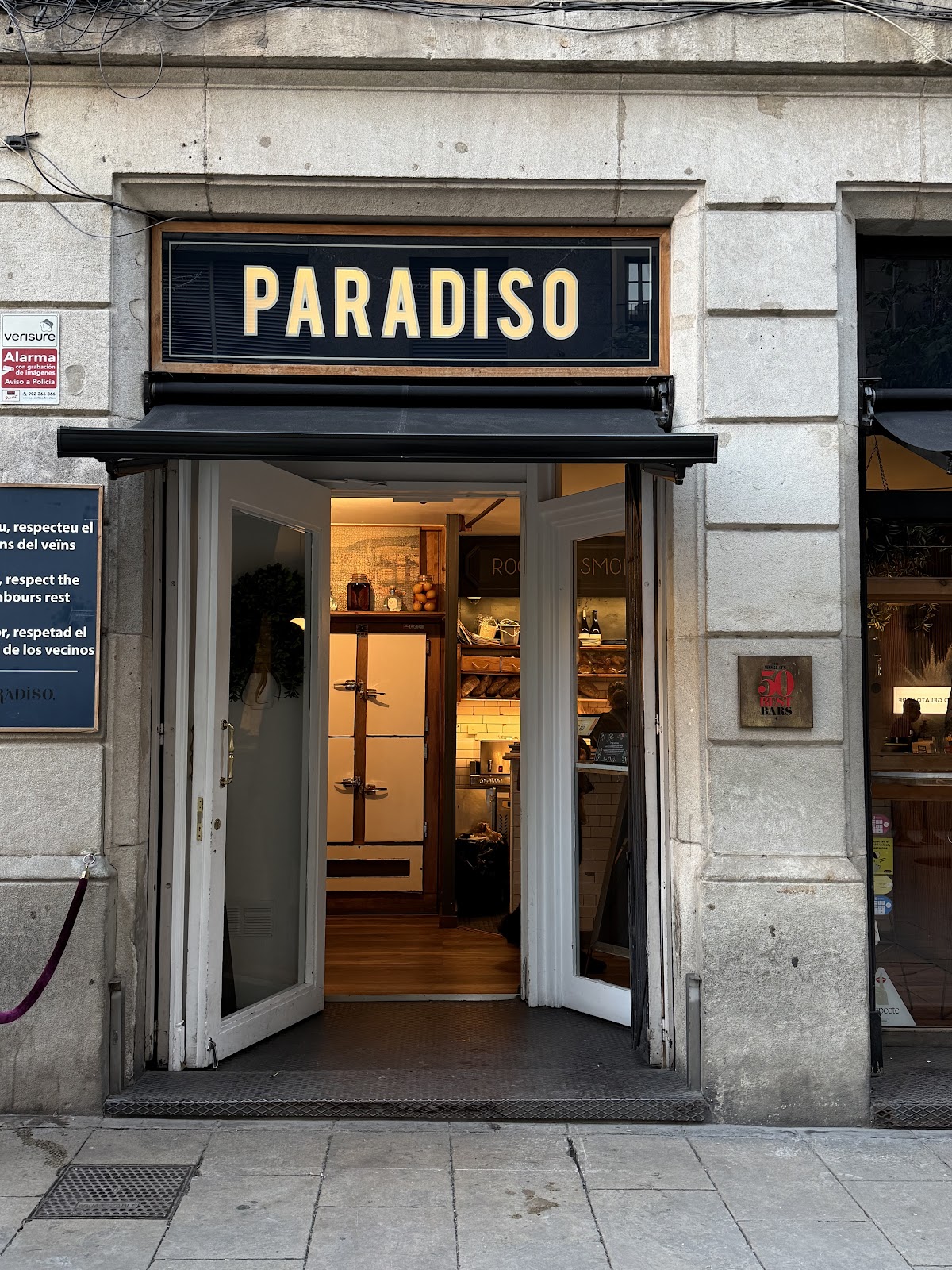
Barcelona · 🍸 Drinks · 🚶 3 min walk
Paradiso
1h15
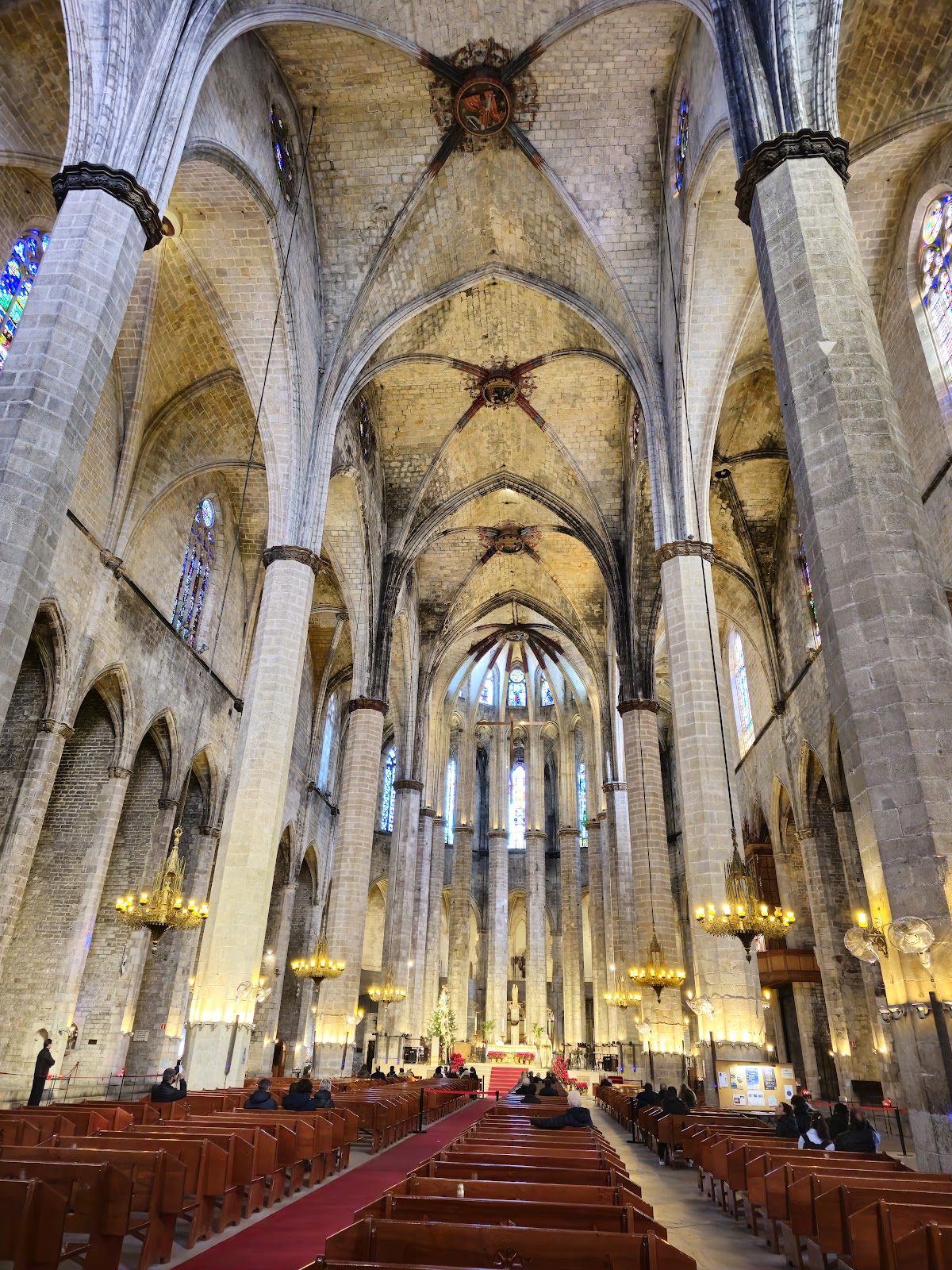
Barcelona · 🏛️ Landmark · 🚶 3 min walk
Basílica de Santa Maria del Mar
45 min
Build your itinerary
City
Dates
Choose your Explorer profile