4.7 ·
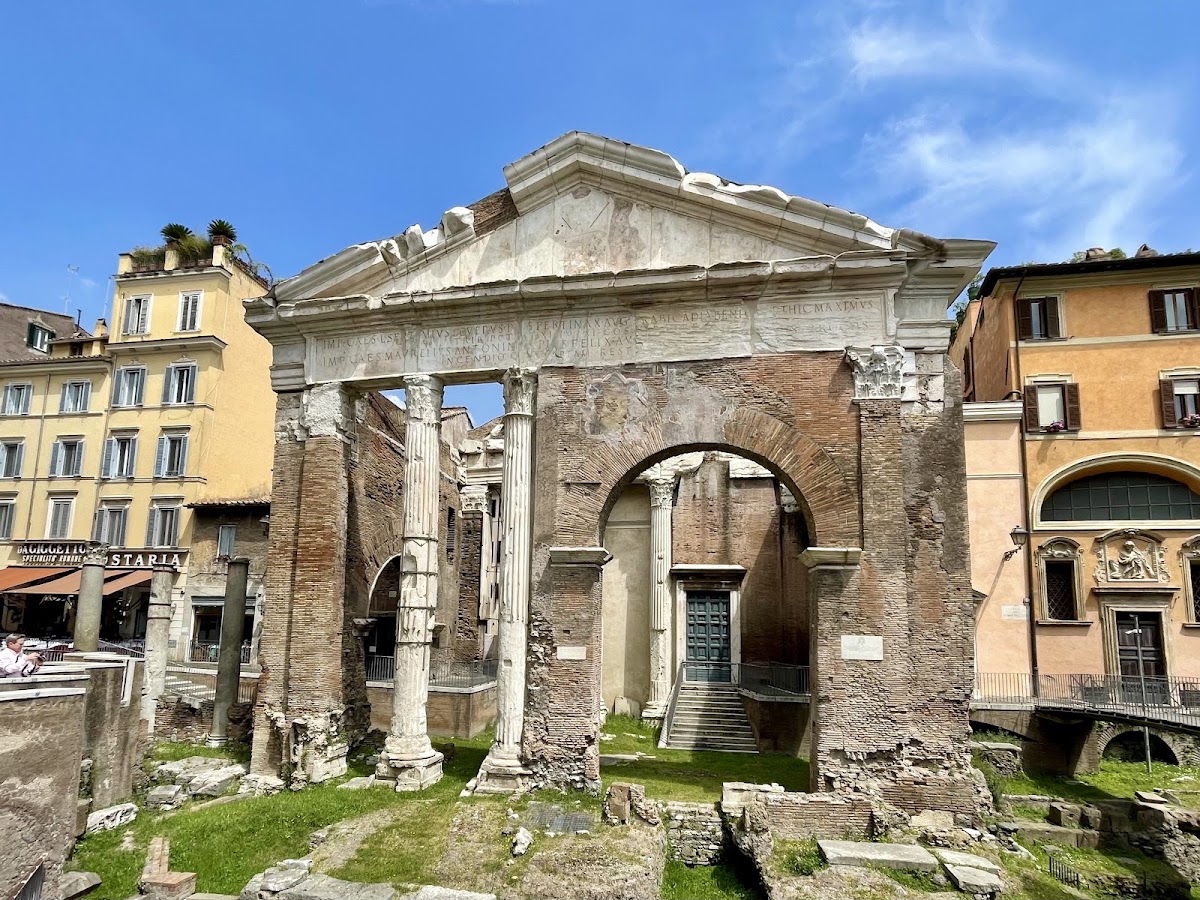
Step through layers of Roman history at the Portico of Octavia. Wander the ancient colonnade marking the edge of the Jewish Ghetto, then continue on foot to the Theatre of Marcellus or the neighborhood's restaurants.
Reasons to go
Full description
Originally built by Augustus in the 1st century BC and named for his sister Octavia, this grand colonnaded entrance once led to a complex housing temples and libraries; its surviving arch was later incorporated into a medieval fish market and church. Its position at the edge of the Jewish Ghetto, one of the oldest continuously inhabited Jewish communities in Europe, adds a layer of more recent history to the ancient ruins.
Lit up at night, the columns take on a striking, almost theatrical presence against the surrounding neighborhood. Free to view and rarely crowded, it's an easy stop for anyone walking between the Theatre of Marcellus and the Ghetto's restaurants.
Originally built by Augustus in the 1st century BC and named for his sister Octavia, this grand colonnaded entrance once led to a complex housing temples and libraries; its surviving arch was later incorporated into a medieval fish market and church. Its position at the edge of the Jewish Ghetto, one of the oldest continuously inhabited Jewish communities in Europe, adds a layer of more recent history to the ancient ruins.
Lit up at night, the columns take on a striking, almost theatrical presence against the surrounding neighborhood. Free to view and rarely crowded, it's an easy stop for anyone walking between the Theatre of Marcellus and the Ghetto's restaurants.
Address
Hours
Booking
Duration
20 min
Intensity
Easy pace
Good to know
Reviews
A really beautiful piece of history that you can simply walk up to without a ticket and without large crowds. This is quite a fascinating part of Rome where you can see such old ruins as you walk near the Tiber. I really enjoyed being here and taking photos as it was so quite and beautiful.
Mitchell Smith
2/5📍 Nearby spots
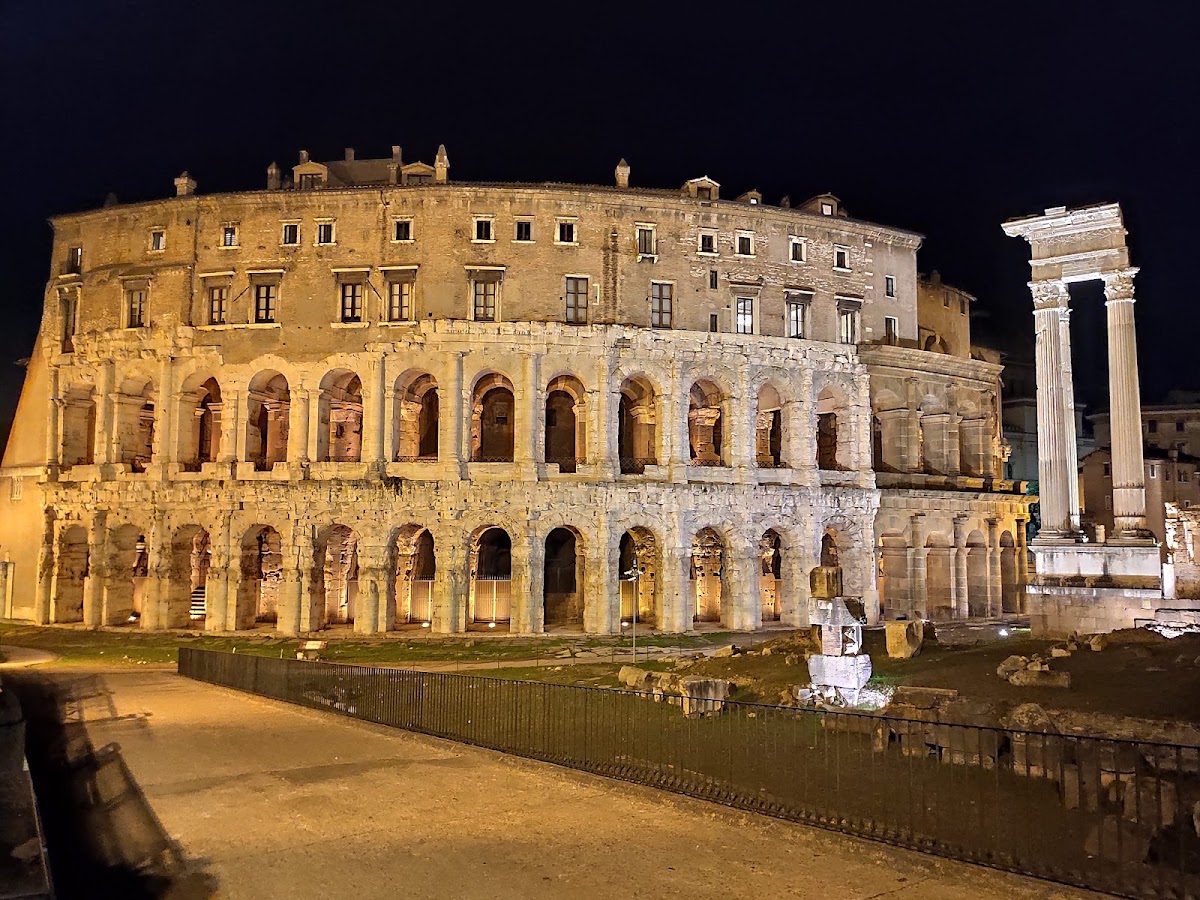
Rome · 🏛️ Landmark · 🚶 2 min walk
Theatre of Marcellus
20 min
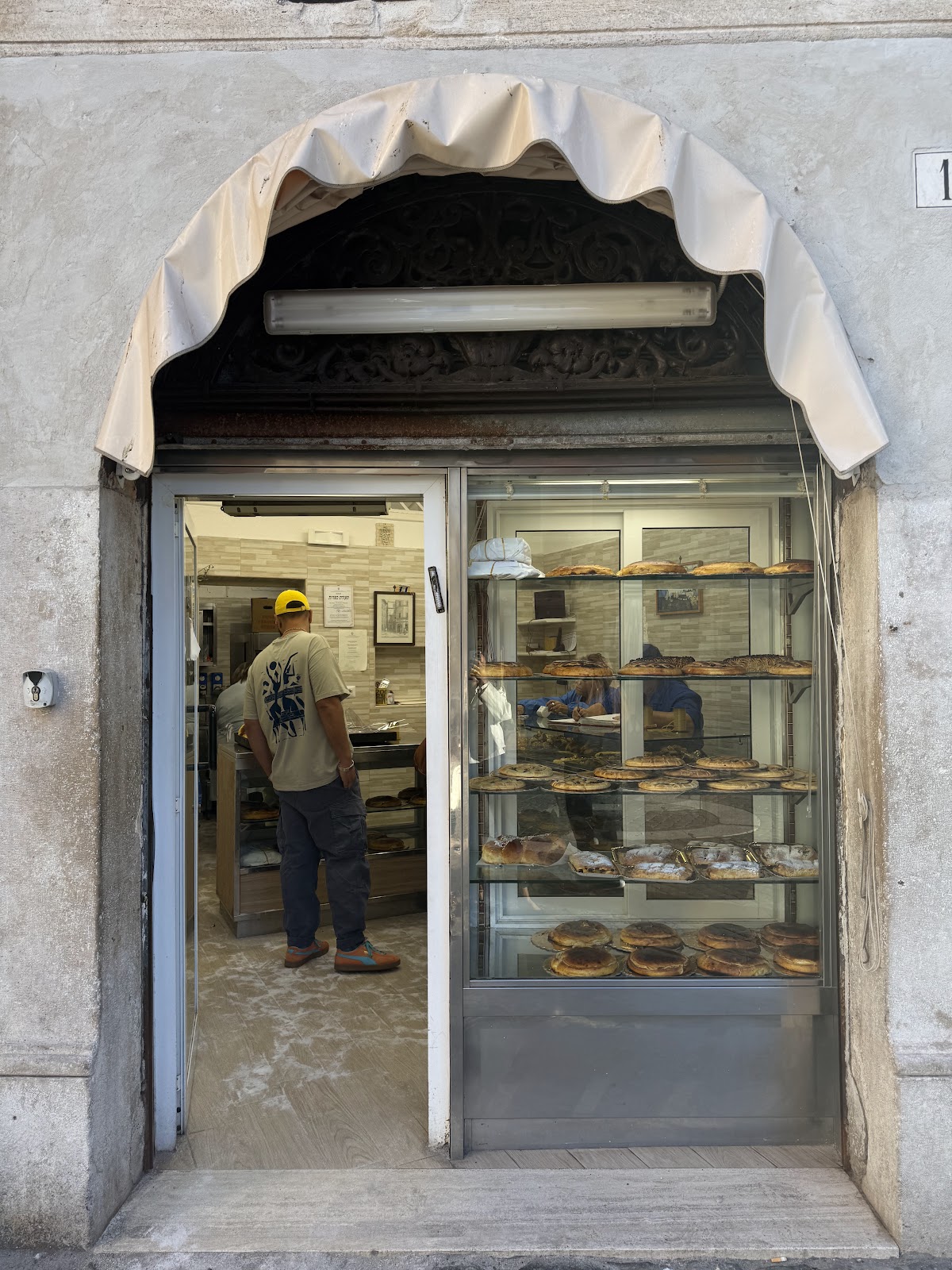
Rome · ☕ Coffeebreak · 🚶 2 min walk
Boccione
20 min
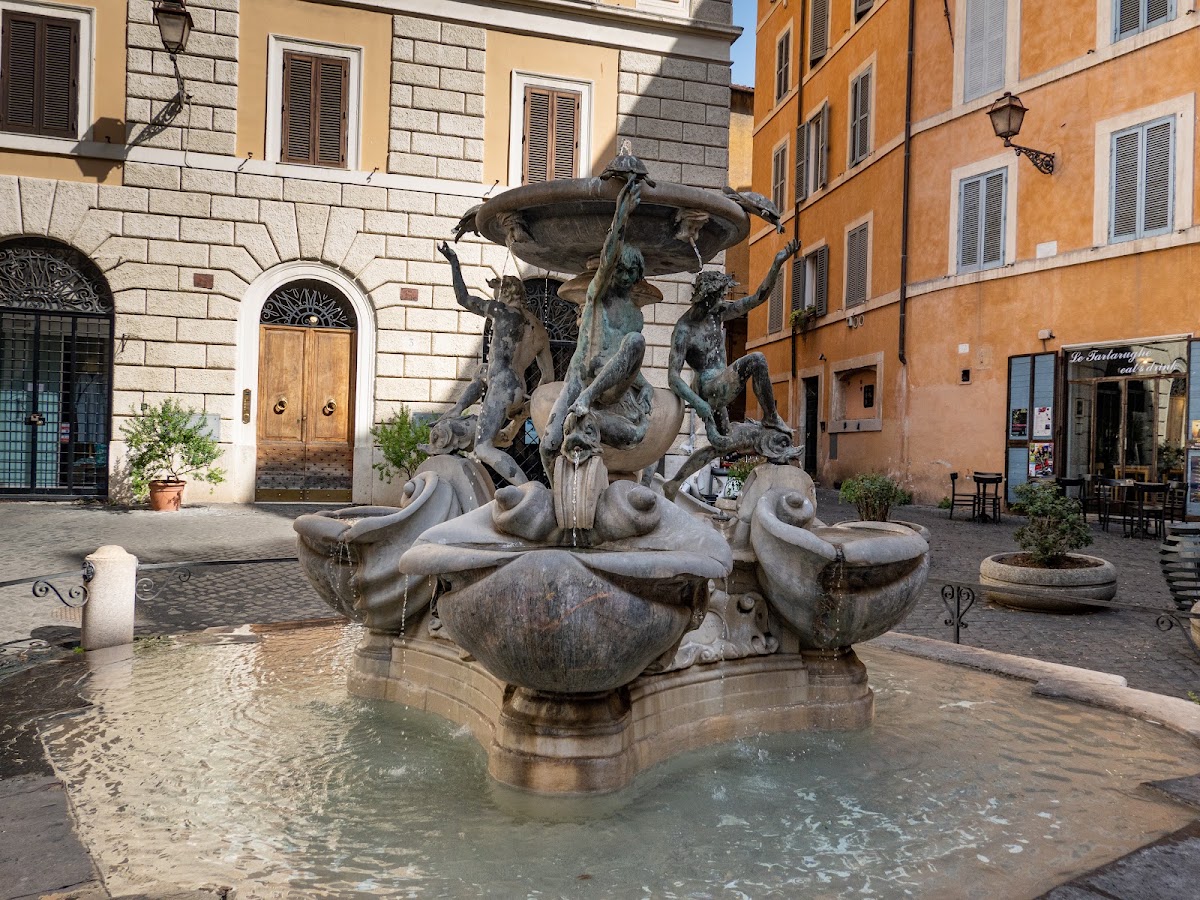
Rome · 🏛️ Landmark · 🚶 3 min walk
Fontana delle Tartarughe
20 min
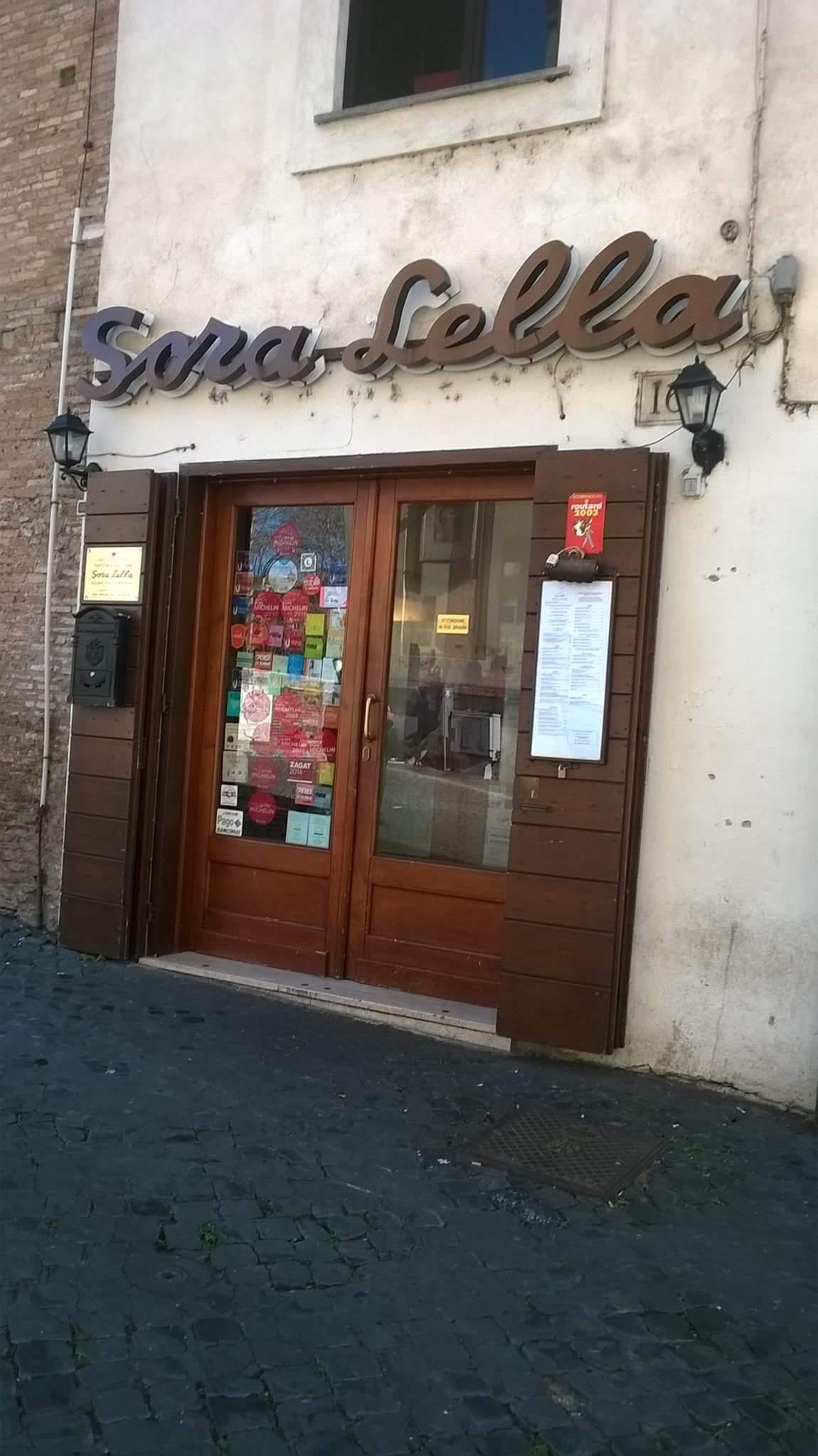
Rome · 🍽️ Food · 🚶 3 min walk
Trattoria Sora Lella
1h30
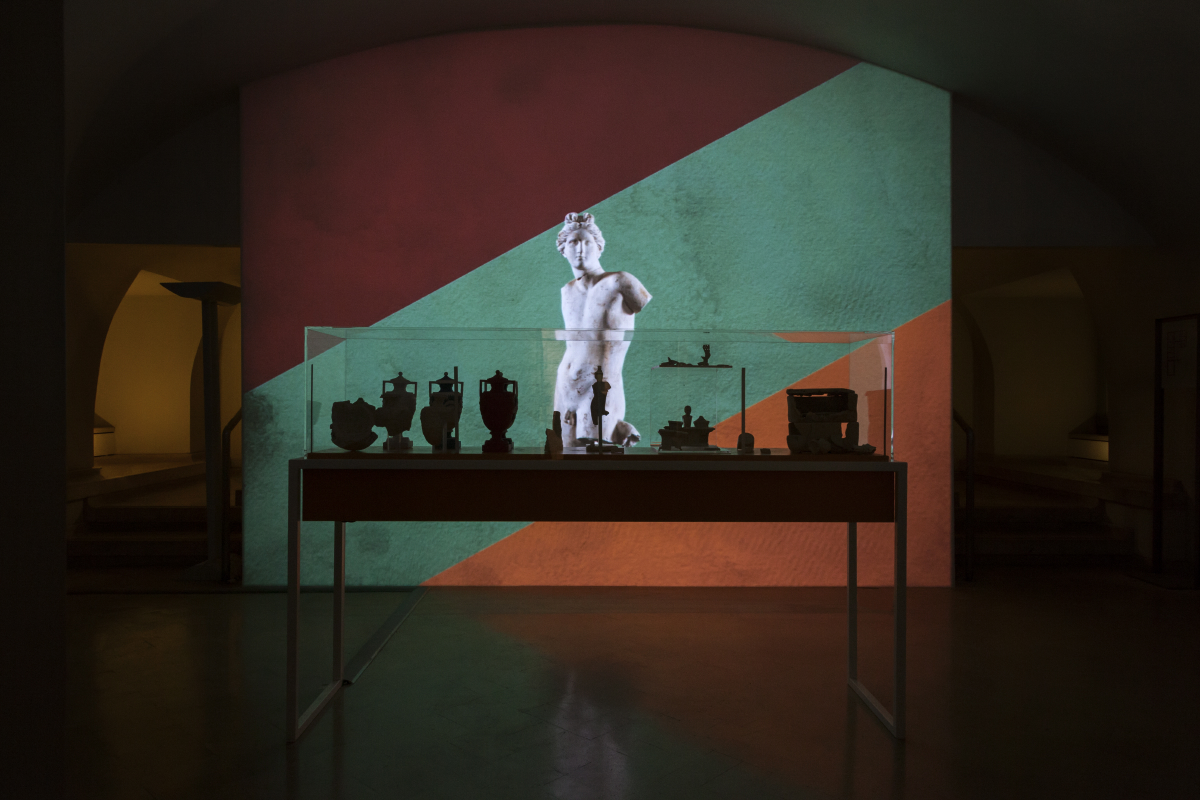
Rome · 🎨 Museum · 🚶 4 min walk
Crypta Balbi - Museo Nazionale Romano
45 min
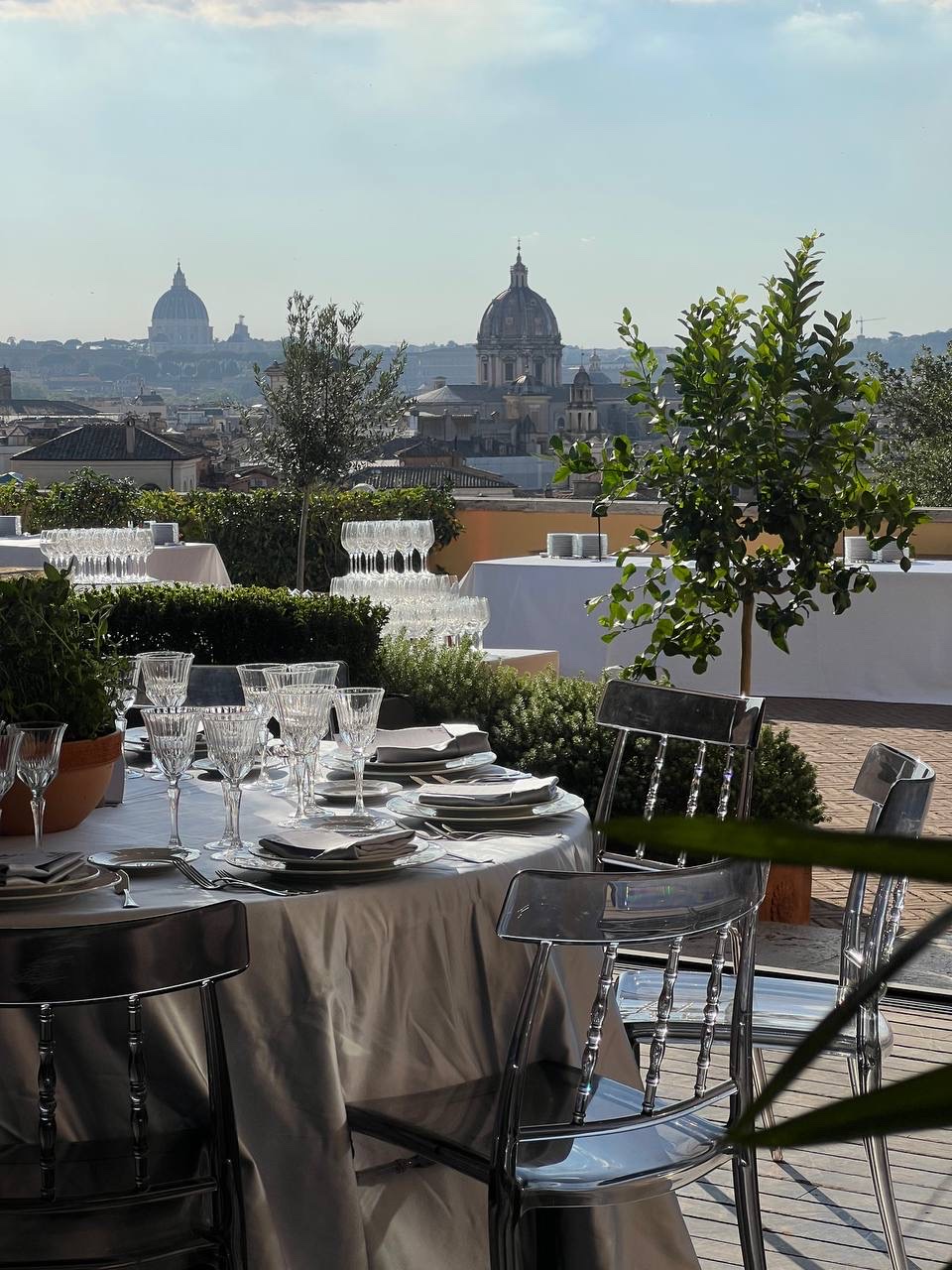
Rome · ☕ Coffeebreak · 🚶 5 min walk
Terrazza Caffarelli
20 min
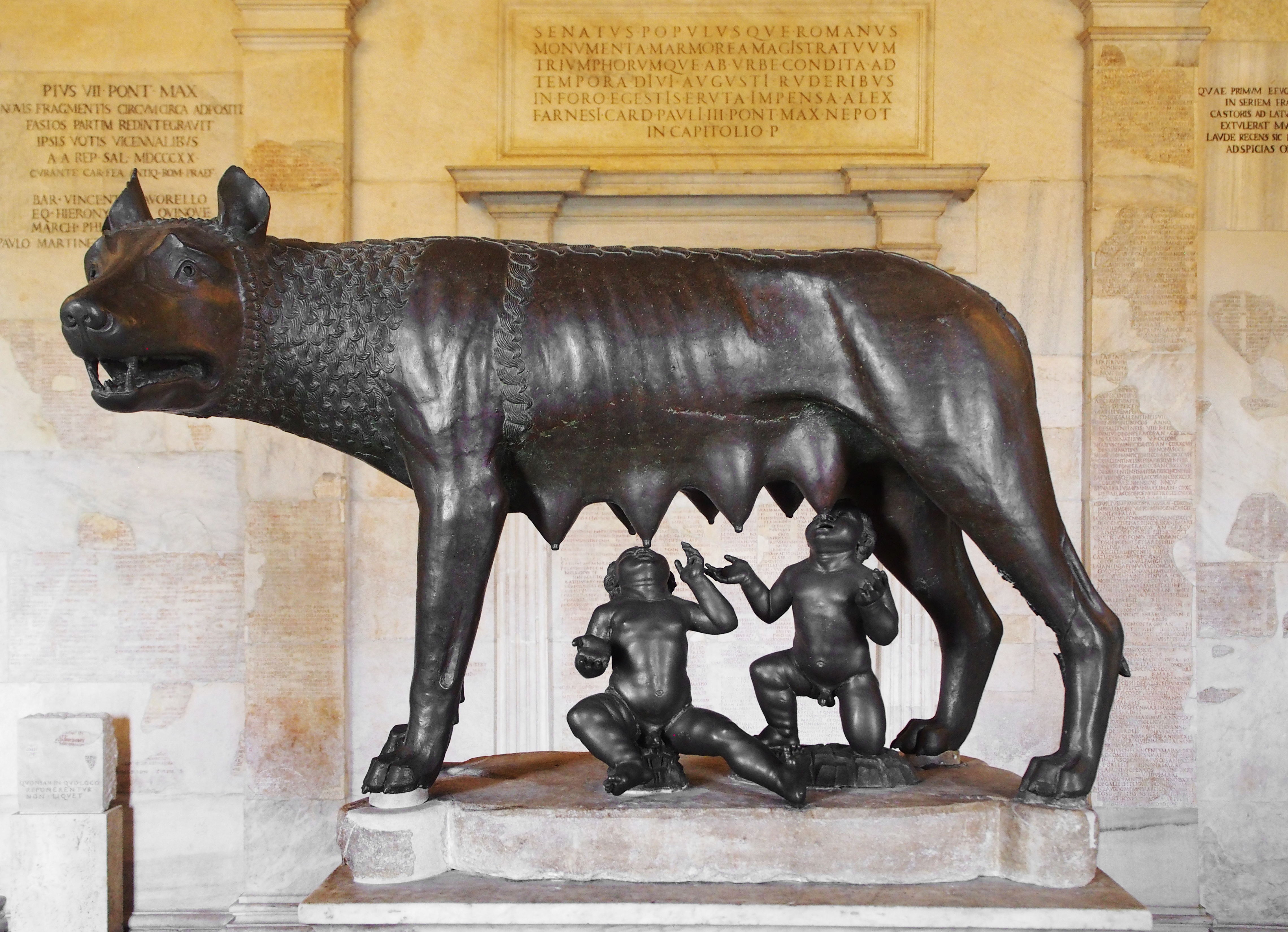
Rome · 🎨 Museum · 🚶 5 min walk
Capitoline Museums Experience with Multimedia Video
2h
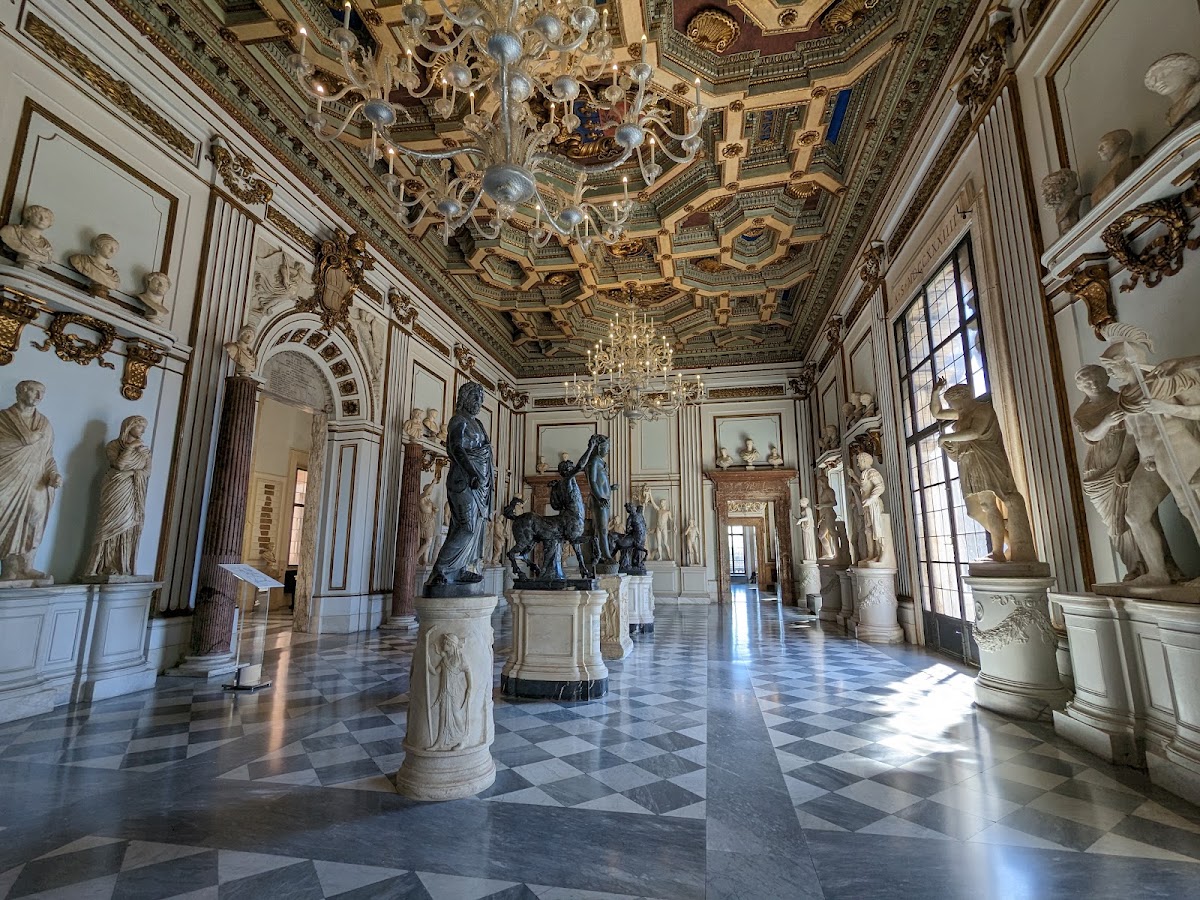
Rome · 🎨 Museum · 🚶 5 min walk
Capitoline Museums
2h
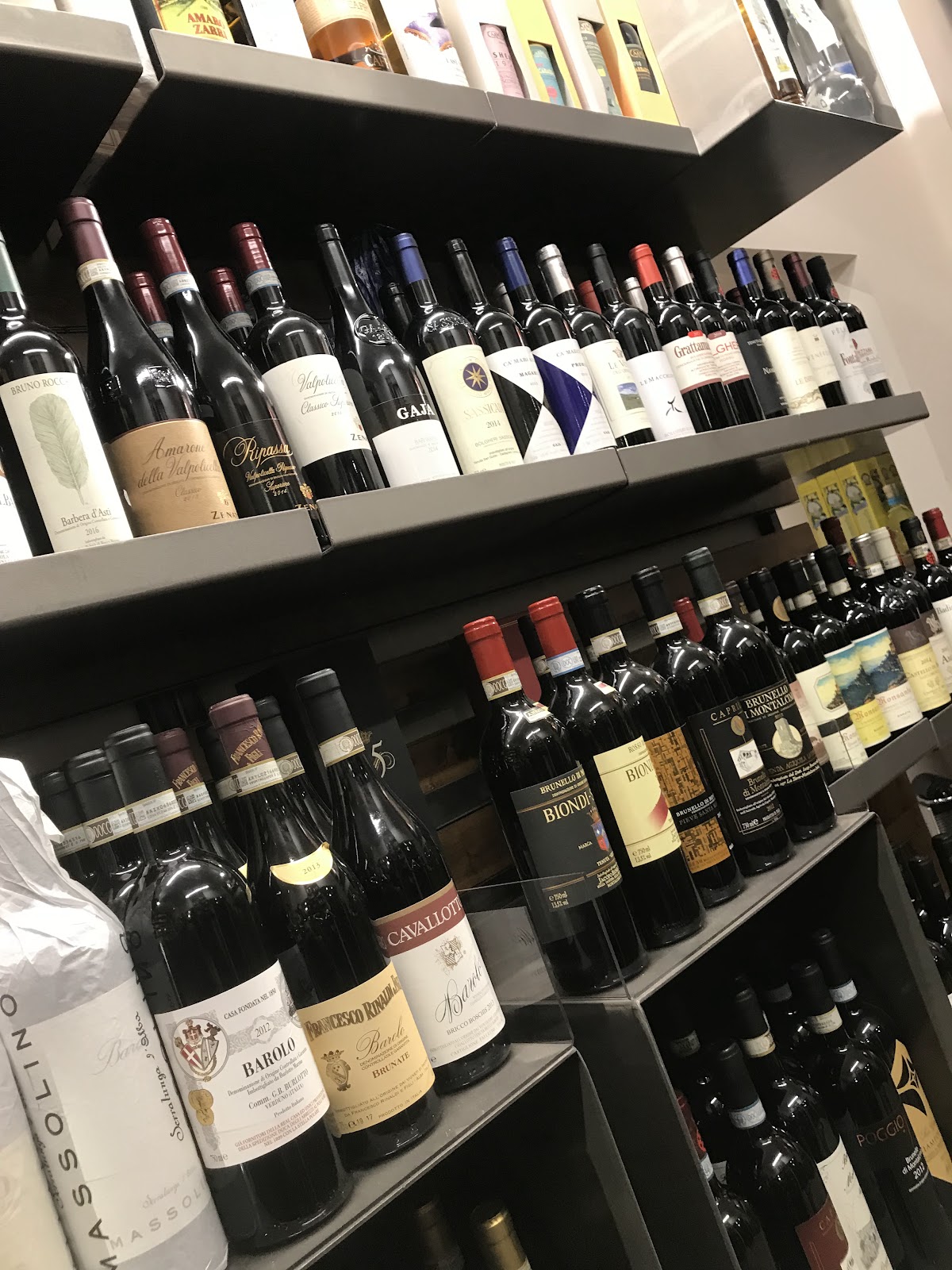
Rome · 🍽️ Food · 🚶 6 min walk
Emma Pizzeria Restaurant
1h15
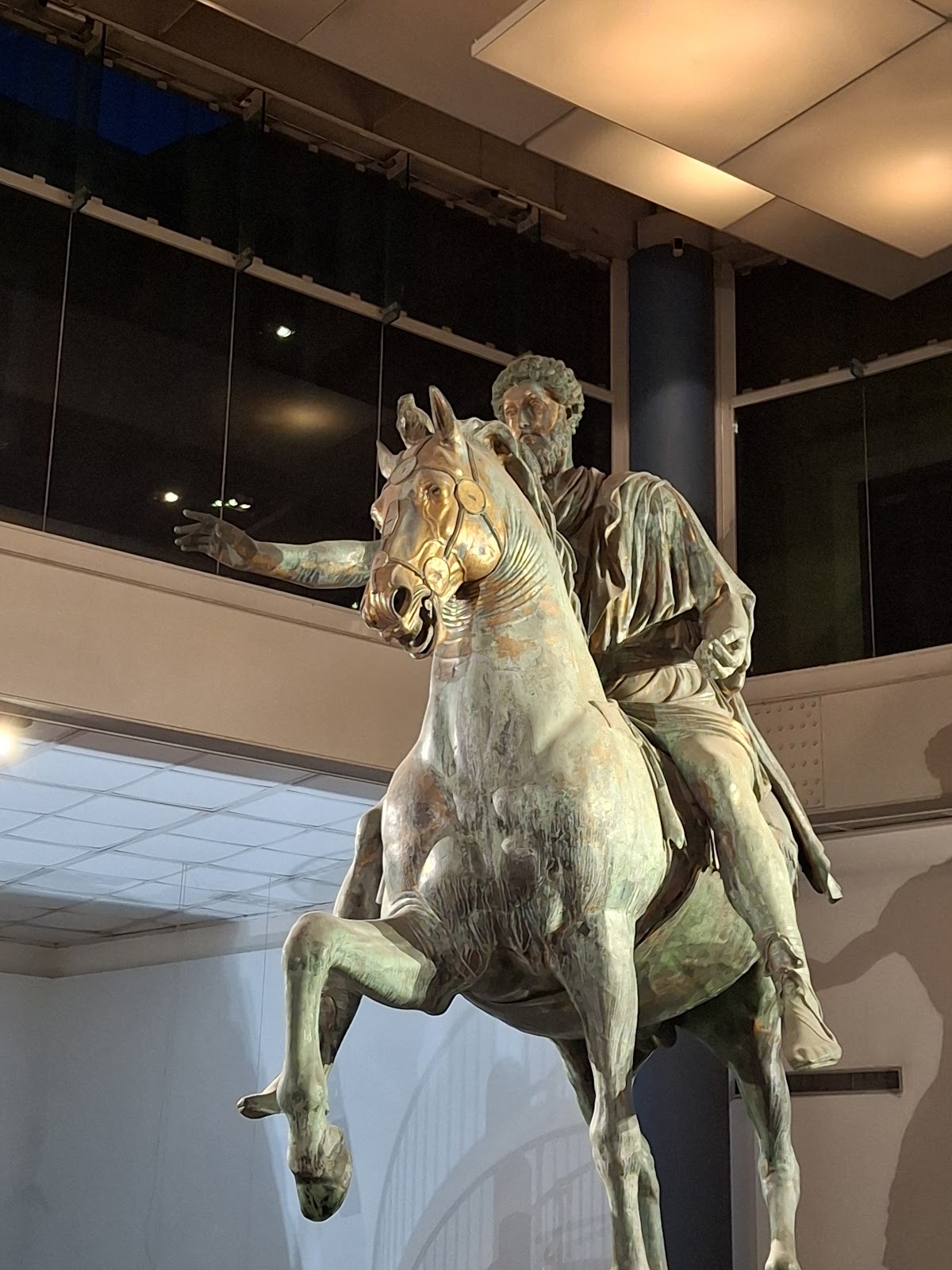
Rome · 🏛️ Landmark · 🚶 6 min walk
Equestrian Statue of Marcus Aurelius
20 min
Build your itinerary
City
Dates
Choose your Explorer profile