4.8 ·
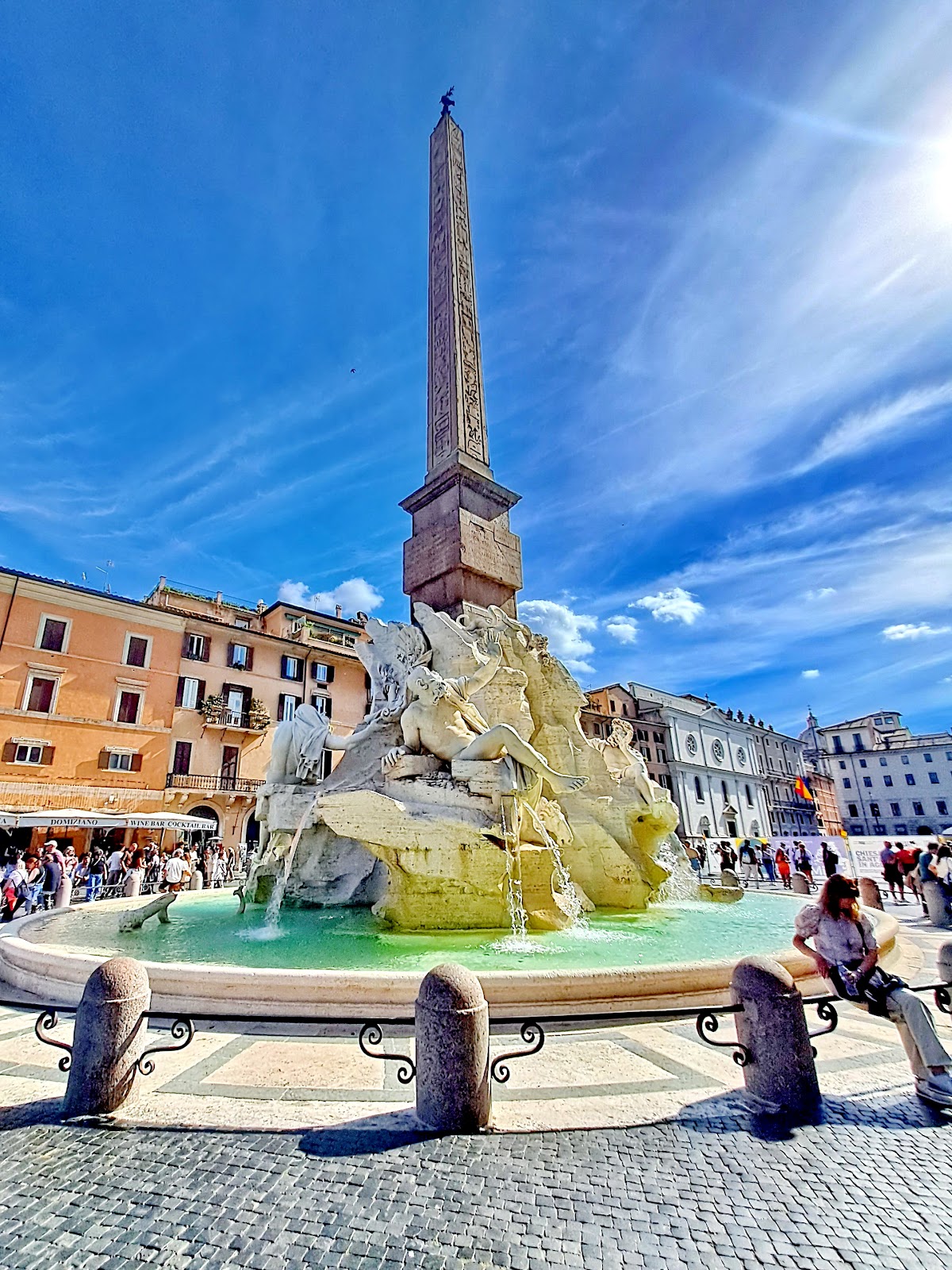
Step into Piazza Navona and stand before Bernini's Fontana dei Quattro Fiumi. Circle the rock base to spot the four muscular river gods, the towering obelisk, and the Nile figure famously shielding its face from Borromini's church across the square.
Reasons to go
Full description
Completed in 1651 for Pope Innocent X, the fountain centers on an Egyptian obelisk rising from a rocky base, around which Bernini arranged muscular figures representing the Nile, Ganges, Danube, and Río de la Plata, a symbolic claim to the Church's reach across the known world. A long-running, though likely apocryphal, legend holds that the Nile figure covers its face to avoid looking at the rival façade of Sant'Agnese in Agone, designed by Bernini's professional rival Borromini.
As the centerpiece of Piazza Navona, it's rarely seen without a crowd around it, especially in the evening. It remains one of the clearest examples of Bernini's dramatic, theatrical style.
Completed in 1651 for Pope Innocent X, the fountain centers on an Egyptian obelisk rising from a rocky base, around which Bernini arranged muscular figures representing the Nile, Ganges, Danube, and Río de la Plata, a symbolic claim to the Church's reach across the known world. A long-running, though likely apocryphal, legend holds that the Nile figure covers its face to avoid looking at the rival façade of Sant'Agnese in Agone, designed by Bernini's professional rival Borromini.
As the centerpiece of Piazza Navona, it's rarely seen without a crowd around it, especially in the evening. It remains one of the clearest examples of Bernini's dramatic, theatrical style.
Address
Hours
Booking
Duration
20 min
Intensity
Easy pace
Good to know
Reviews
This Majestic fountain by Bernini is one of the most iconic places in Rome.... this magnificent fountain and its four statues was designed by Bernini and the amazing story is that he added his statues keeping in place and supporting a 10 ton Egyptian granite obelisk that seems to be suspended in the air. Try to…
Gonzalo Gonzalez
4/5📍 Nearby spots
Rome · 🏛️ Landmark · 🚶 1 min walk
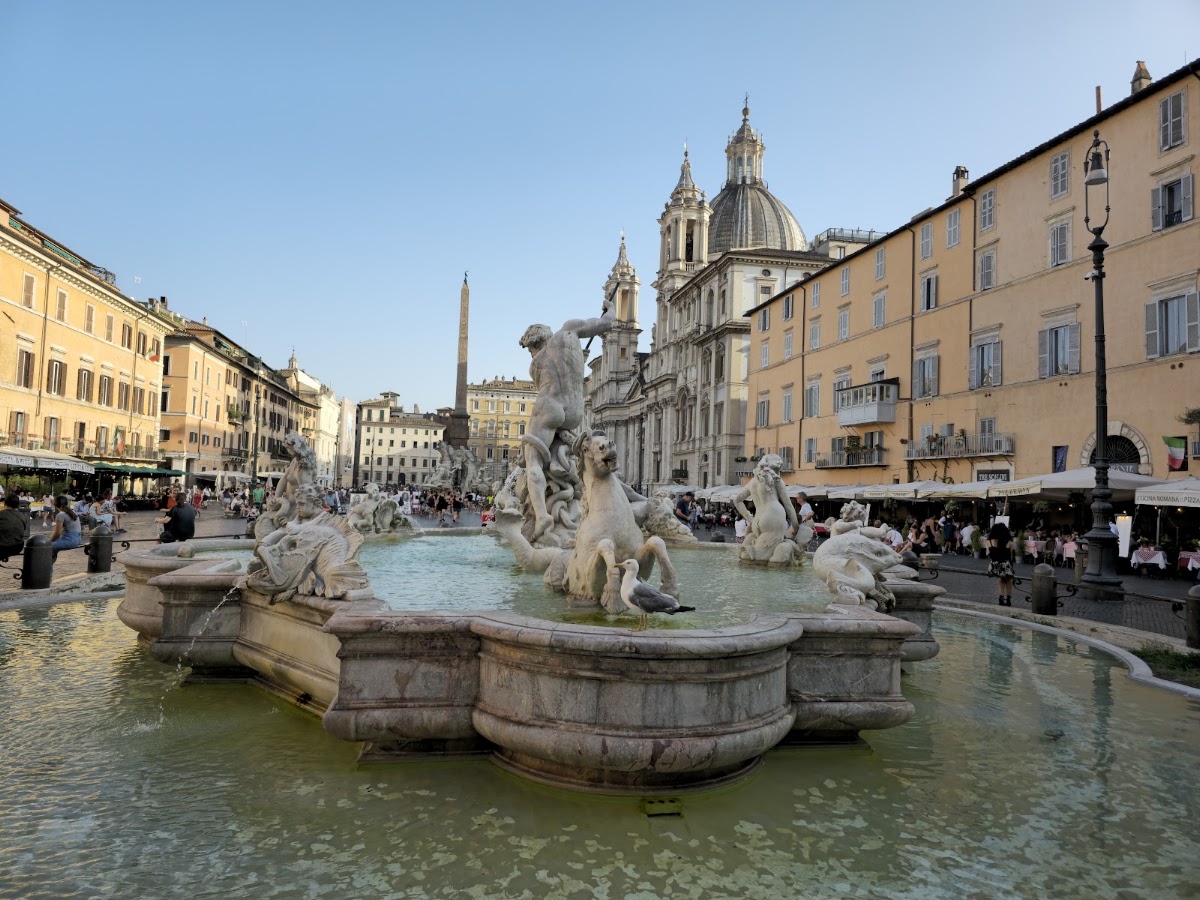
Piazza Navona
25 min
Rome · 🍽️ Food · 🚶 1 min walk
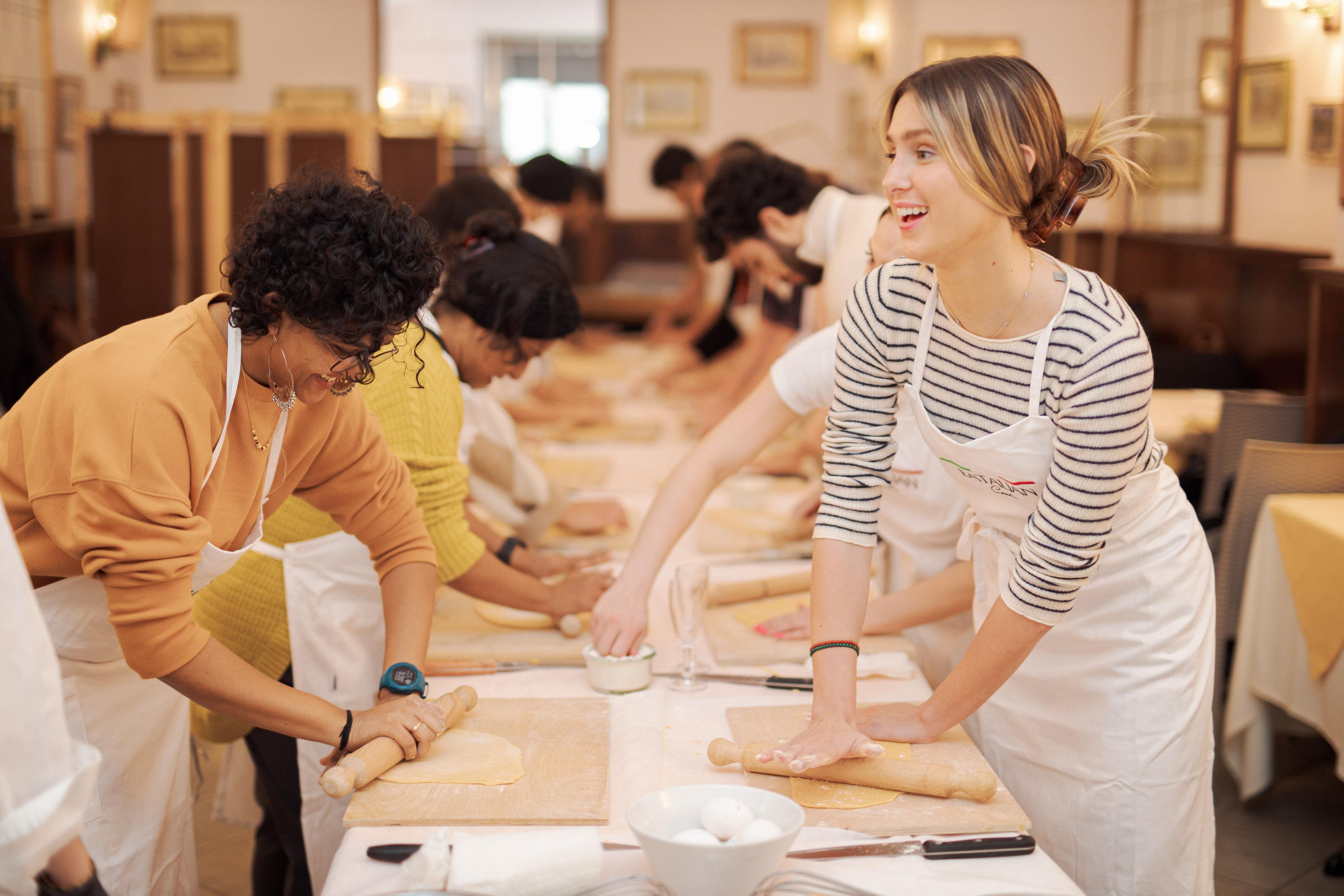
Fettuccine Pasta Cooking Class in Rome's City Center
2h30
Rome · 🍸 Drinks · 🚶 1 min walk
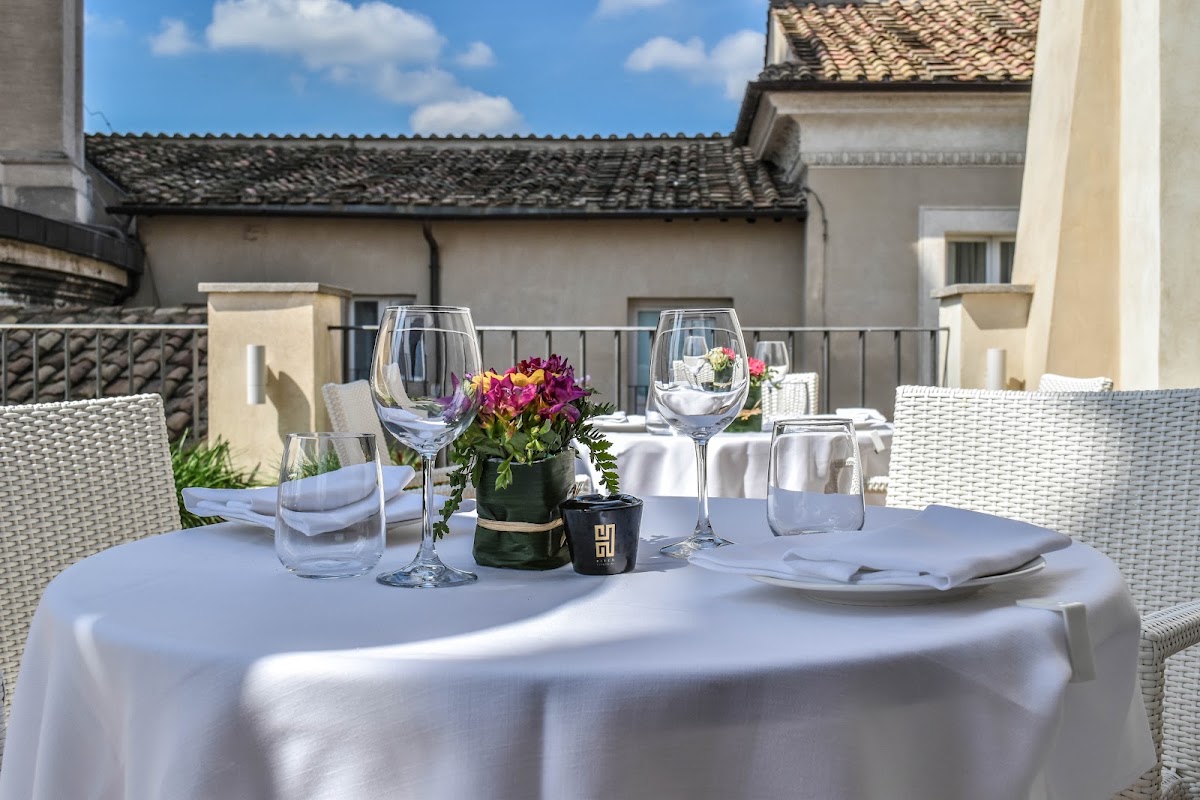
Terrazza Borromini
1h15
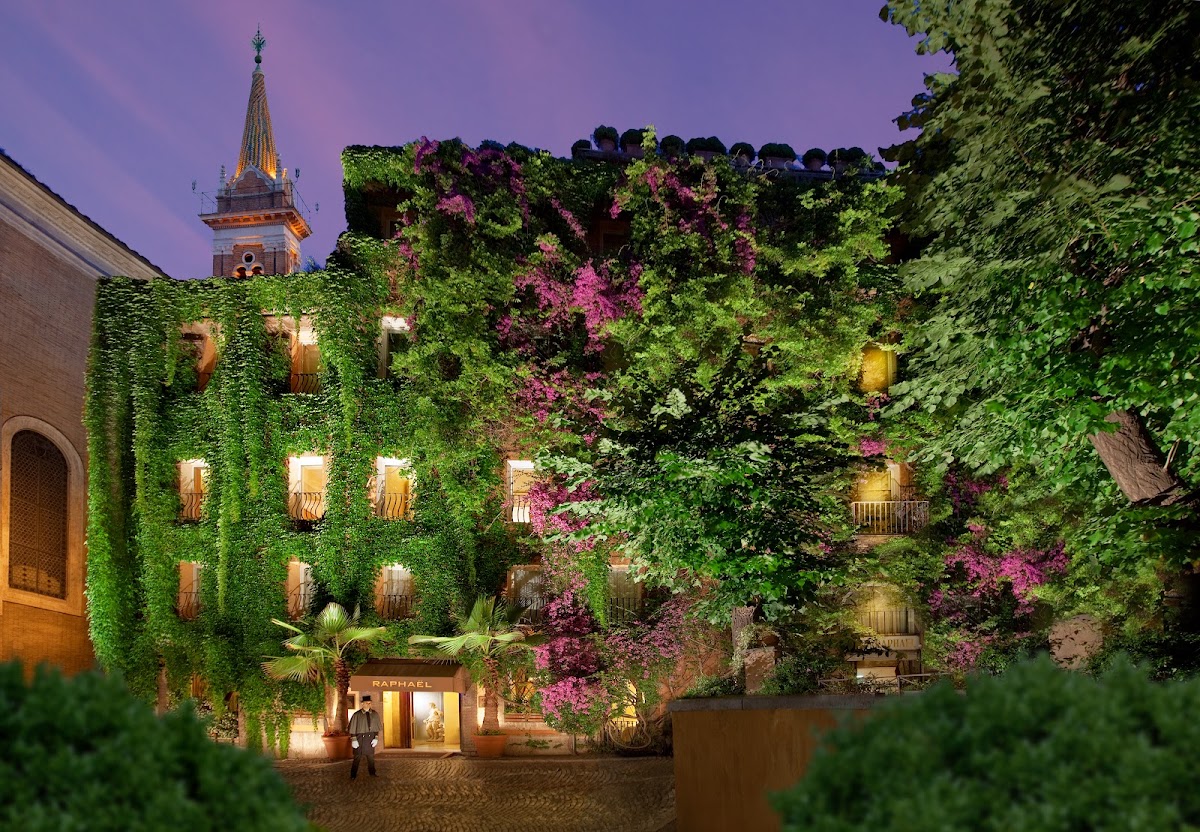
Rome · 🍸 Drinks · 🚶 2 min walk
Bio Hotel Raphaël – Relais & Châteaux
1h40
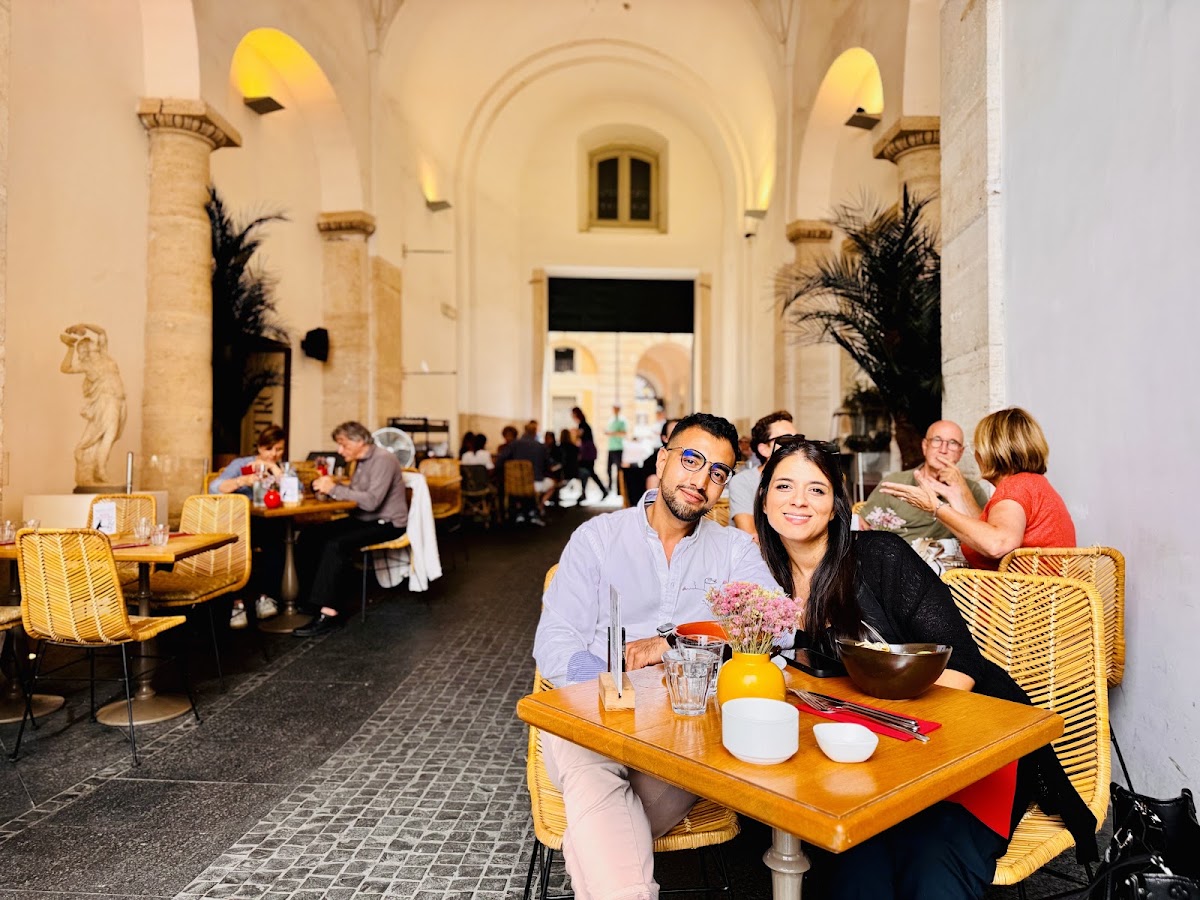
Rome · 🥐 Breakfast · 🚶 2 min walk
Vivi Bistrot
45 min
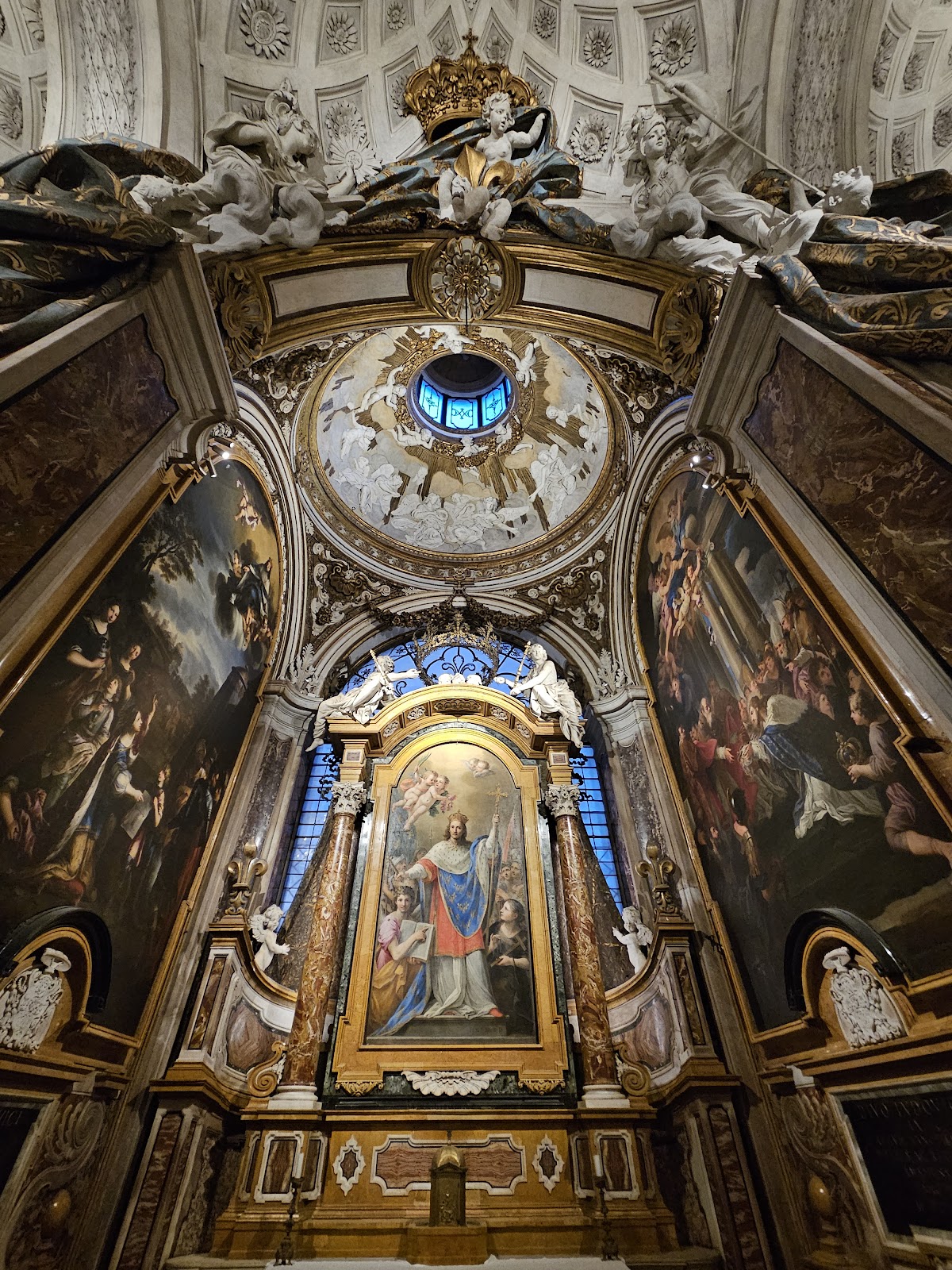
Rome · 🏛️ Landmark · 🚶 3 min walk
Church of Saint Louis of the French
30 min
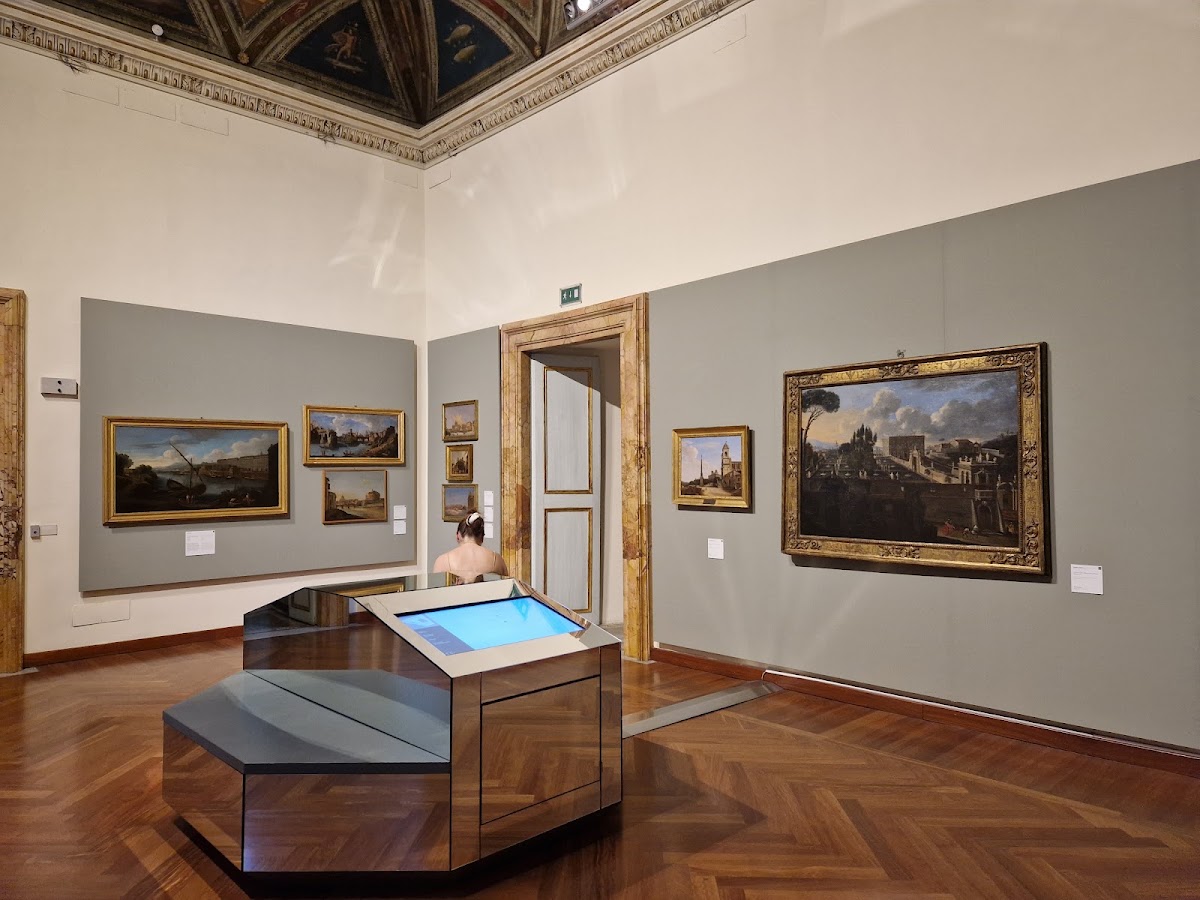
Rome · 🎨 Museum · 🚶 3 min walk
Museo di Roma - Palazzo Braschi
1h
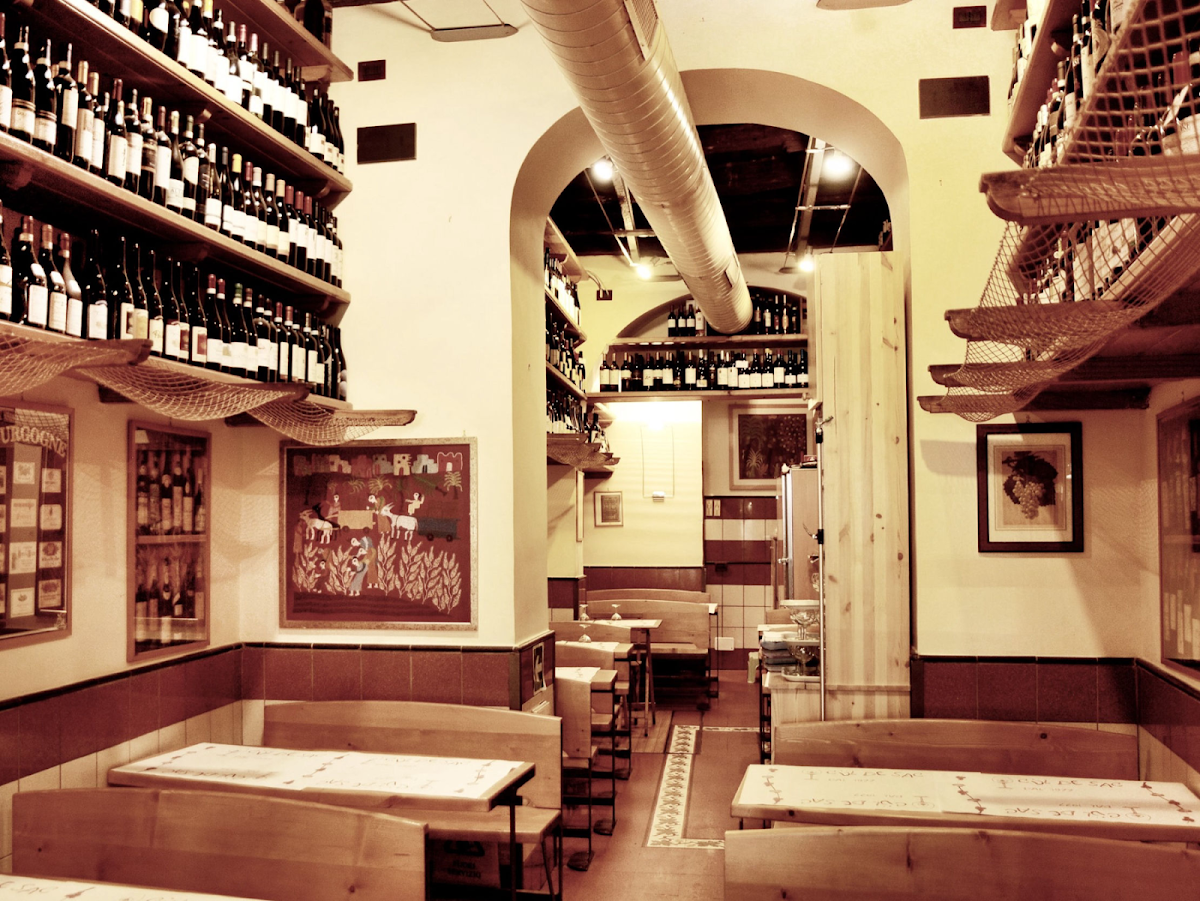
Rome · 🍽️ Food · 🚶 3 min walk
Cul De Sac
1h30
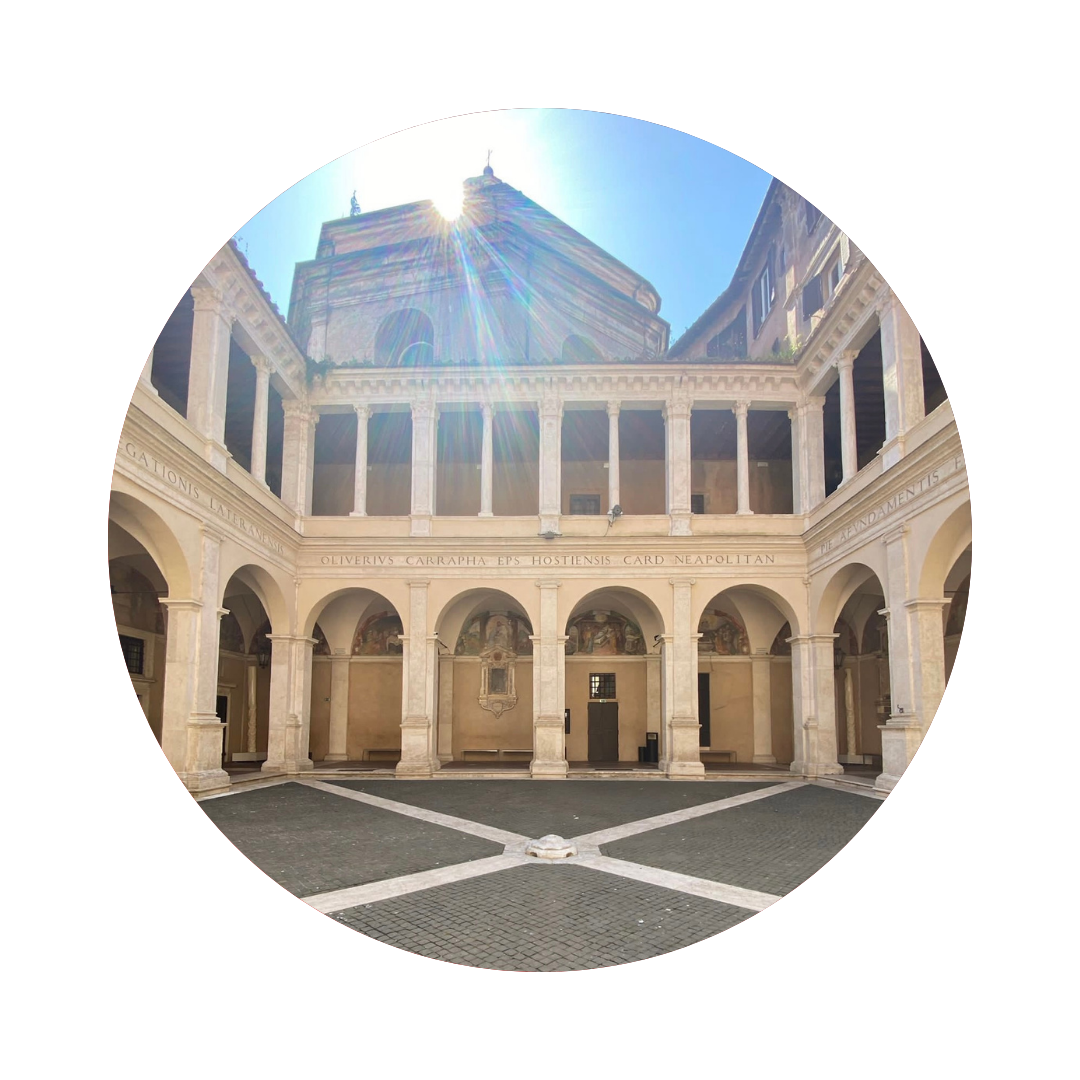
Rome · 🎨 Museum · 🚶 3 min walk
Cloister of Bramante
30 min
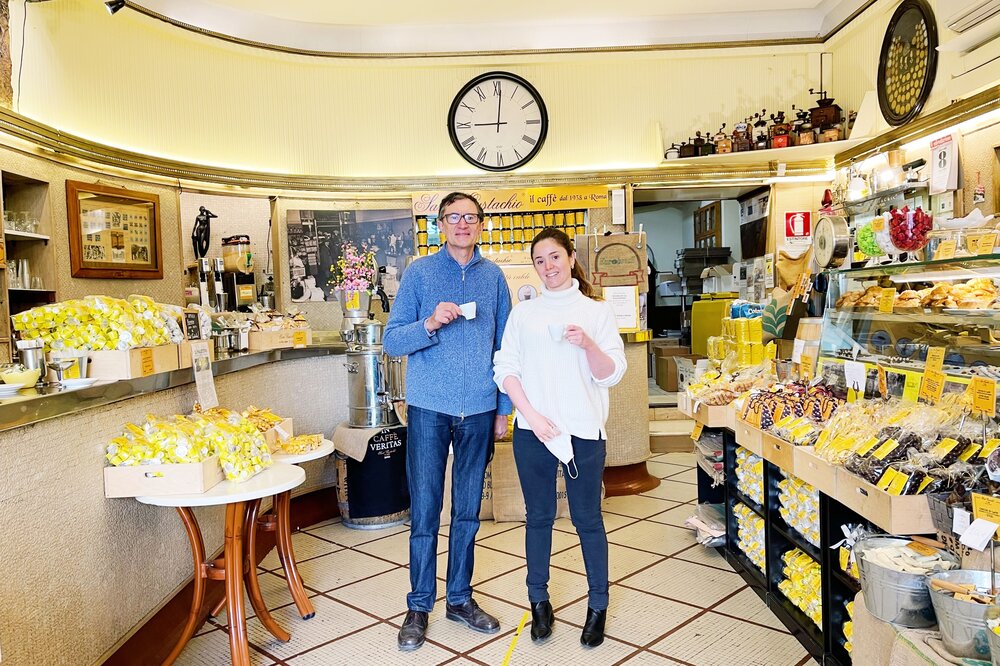
Rome · ☕ Coffeebreak · 🚶 3 min walk
Sant' Eustachio Caffè
25 min
Build your itinerary
City
Dates
Choose your Explorer profile