4.4 ·
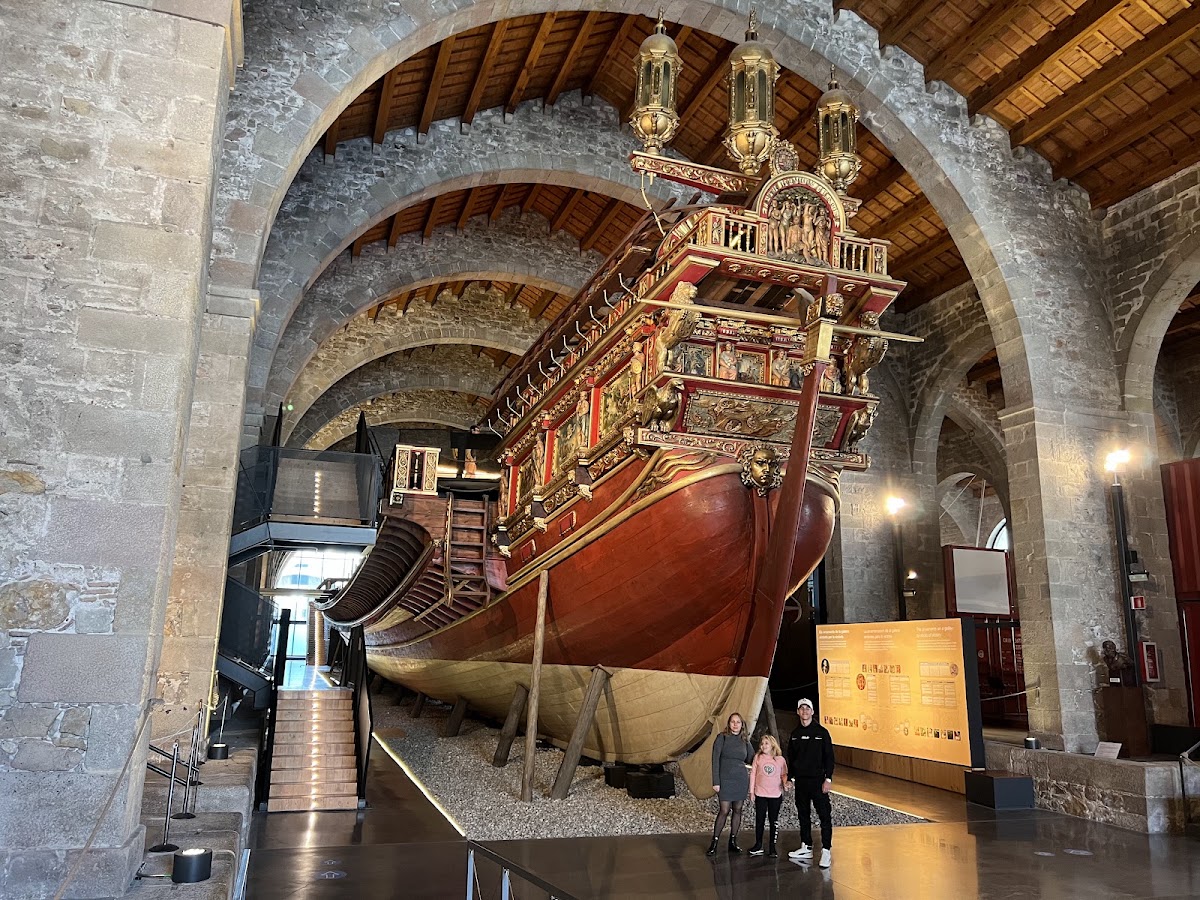
Step into the Reials Drassanes, Barcelona's medieval royal shipyards turned into a cathedral-scale maritime museum. Wander the vast Gothic stone halls and stand beneath full-size galley replicas that trace centuries of naval history.
Reasons to go
Full description
The Barcelona Maritime Museum occupies the Reials Drassanes, the city's medieval royal shipyards — vast Gothic stone halls originally built for constructing galleys, and reason enough on their own for the visit. Inside, full-size ship replicas and centuries of naval history fill the cavernous space, earning it a perfect culture score and a 100 on aesthetics, backed by a 4.4-star rating across more than 13,000 reviews.
It suits anyone drawn to maritime history or striking medieval architecture rather than casual browsers looking for a quick stop. The building alone, described by visitors as feeling like a cathedral built for ships, makes it worth the visit even before the exhibits come into focus.
The Barcelona Maritime Museum occupies the Reials Drassanes, the city's medieval royal shipyards — vast Gothic stone halls originally built for constructing galleys, and reason enough on their own for the visit. Inside, full-size ship replicas and centuries of naval history fill the cavernous space, earning it a perfect culture score and a 100 on aesthetics, backed by a 4.4-star rating across more than 13,000 reviews.
It suits anyone drawn to maritime history or striking medieval architecture rather than casual browsers looking for a quick stop. The building alone, described by visitors as feeling like a cathedral built for ships, makes it worth the visit even before the exhibits come into focus.
Address
Hours
Booking
Duration
1h30
Best time
morning, lunchtime, afternoon, early evening or evening
Intensity
Moderate walking
Good to know
Reviews
Quite an interesting museum especially if you are interested in the maritime history of Spain. Well presented with good writeups you can easily spend, at minimum, 2 hours here. The full size reproduction of the ship Royal Gallery.
Dale Urban
4/5📍 Nearby spots
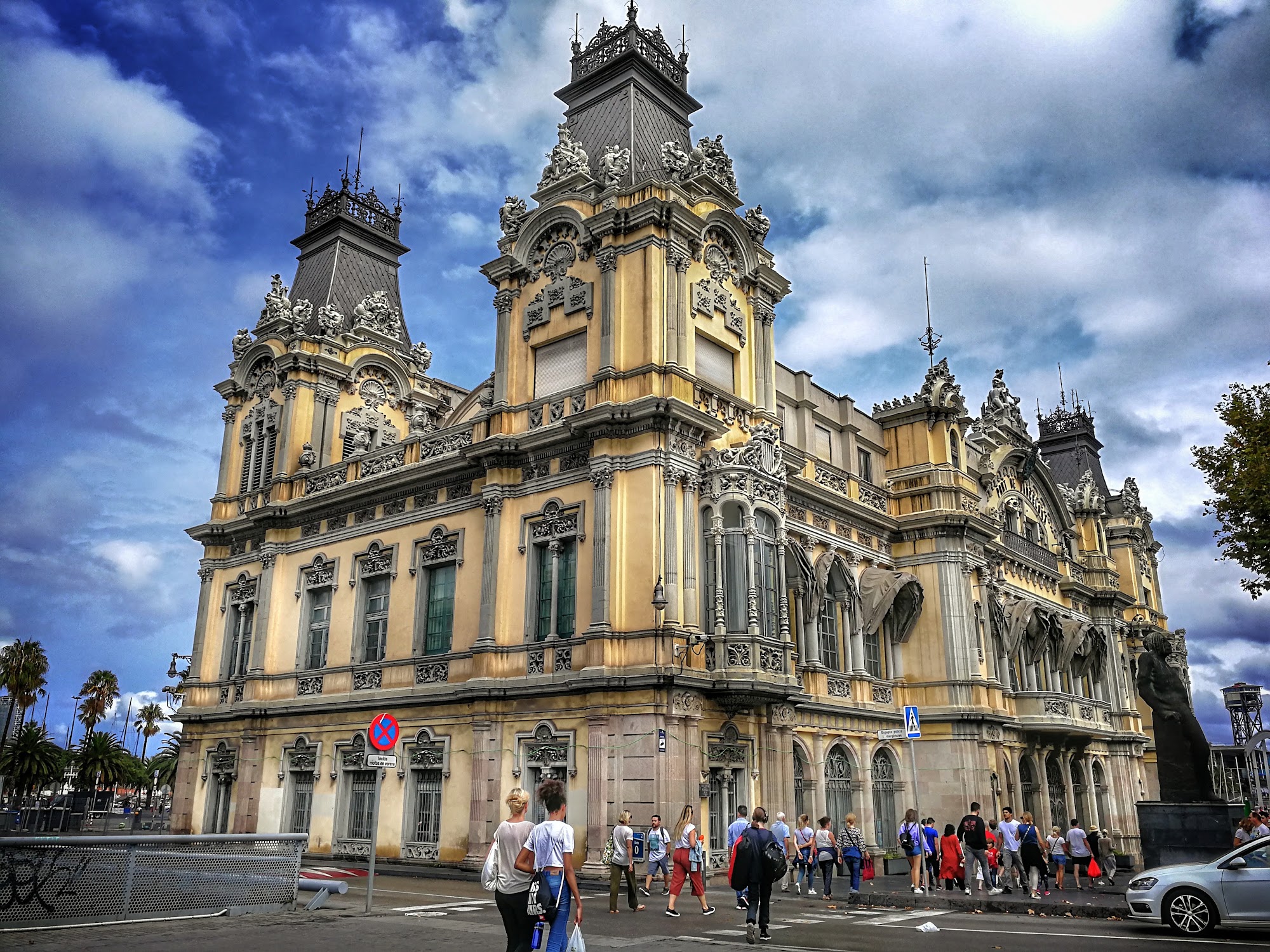
Barcelona · 🏛️ Landmark · 🚶 1 min walk
Christopher Columbus monument
25 min
Barcelona · 🌳 Nature · 🚶 3 min walk
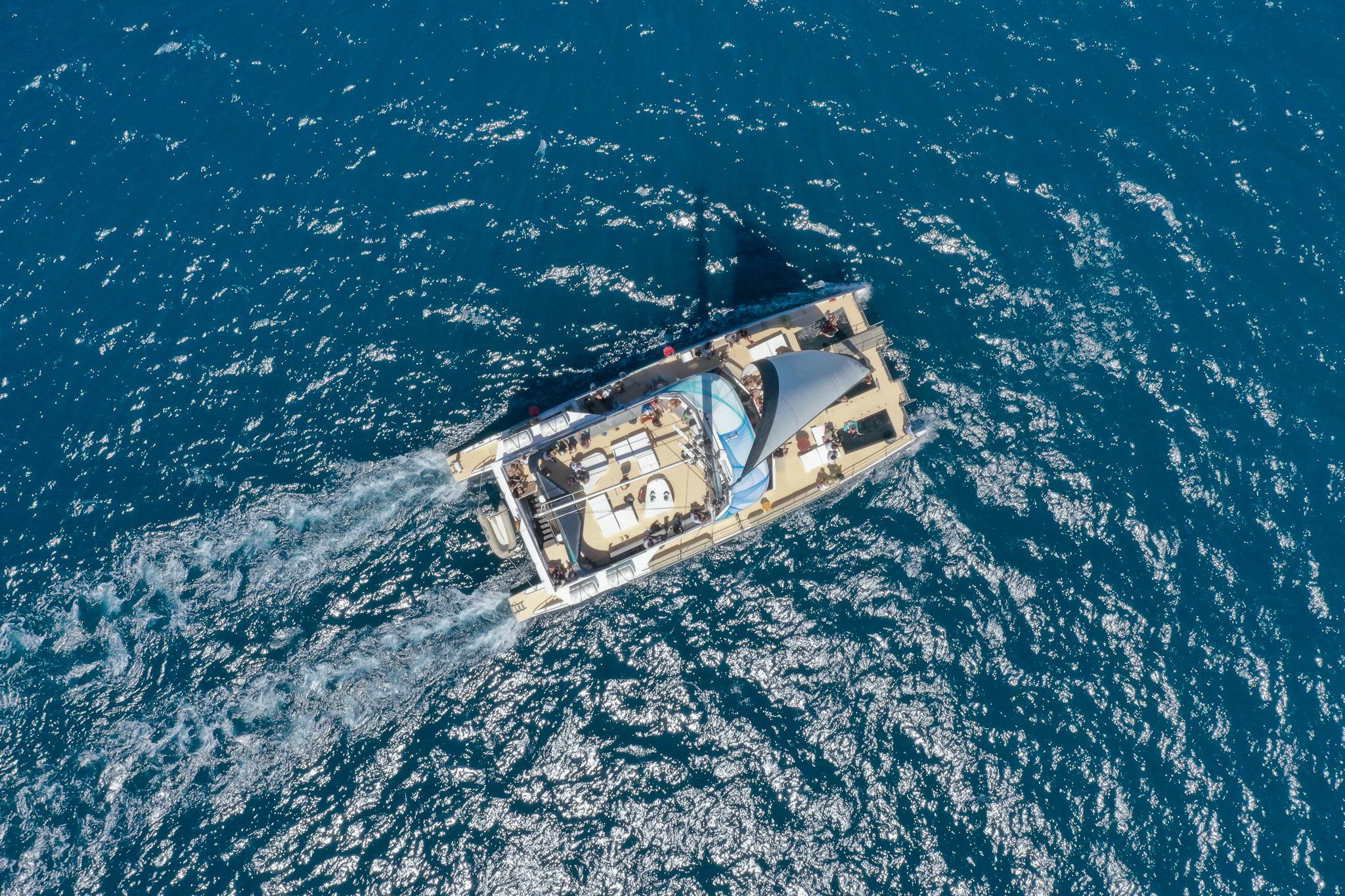
Daytime or Sunset Catamaran Cruise with Music
1h30

Barcelona · 🌳 Nature · 🚶 3 min walk
Sailing Cruise with Drinks
1h30
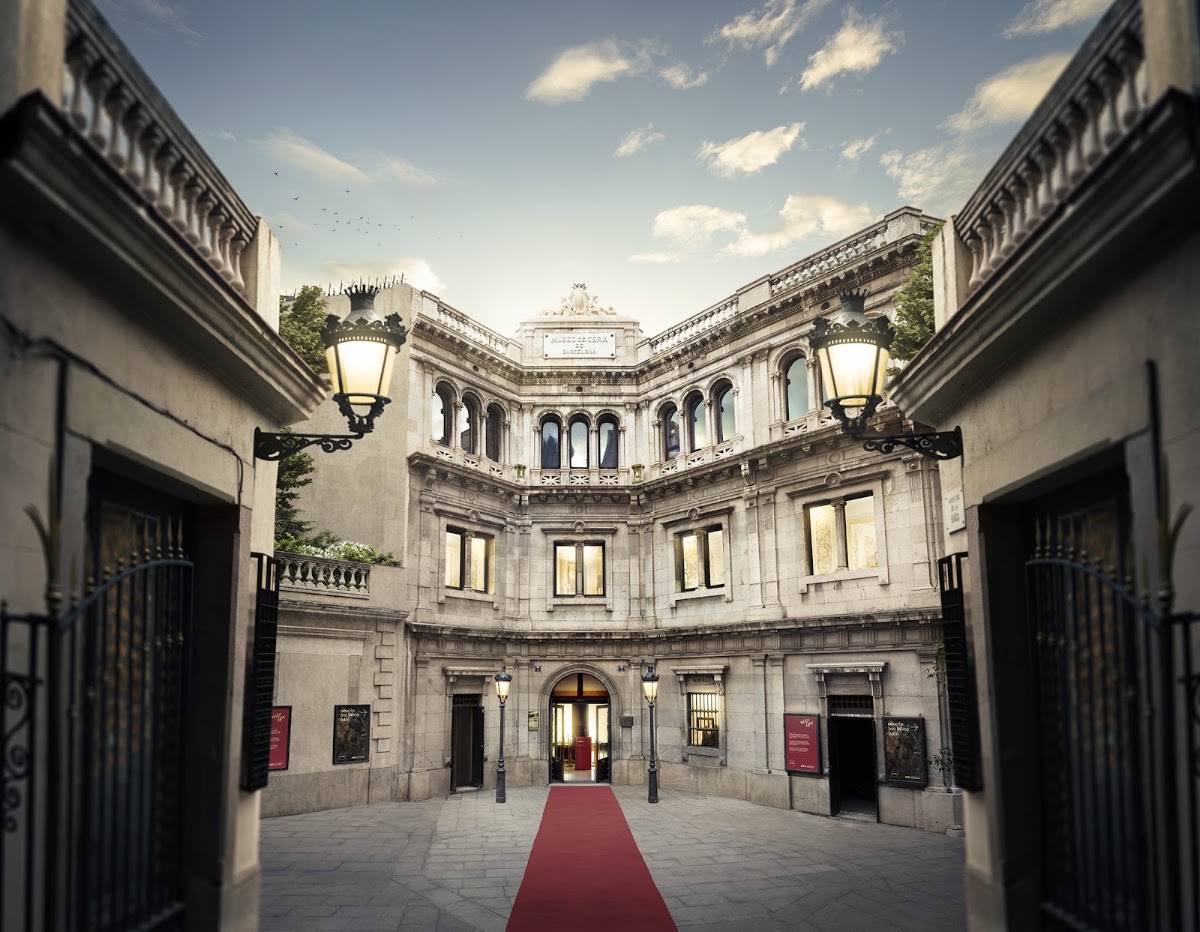
Barcelona · 🎨 Museum · 🚶 3 min walk
Museu de Cera de Barcelona
1h
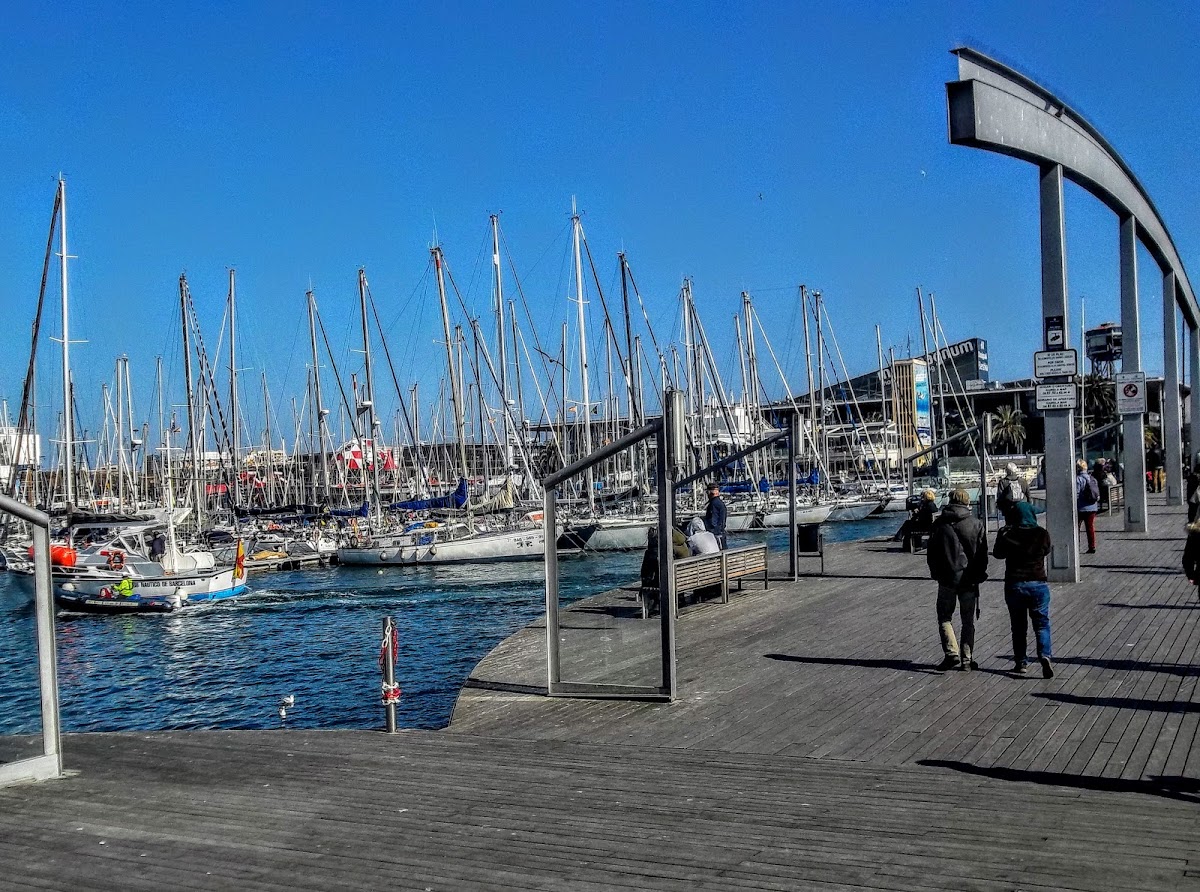
Barcelona · 🏛️ Landmark · 🚶 4 min walk
Rambla de Mar
15 min

Barcelona · 🥐 Breakfast · 🚶 5 min walk
Federal Cafè Gòtic
1h

Barcelona · 🌙 Nightlife · 🚶 5 min walk
Moog
2h30
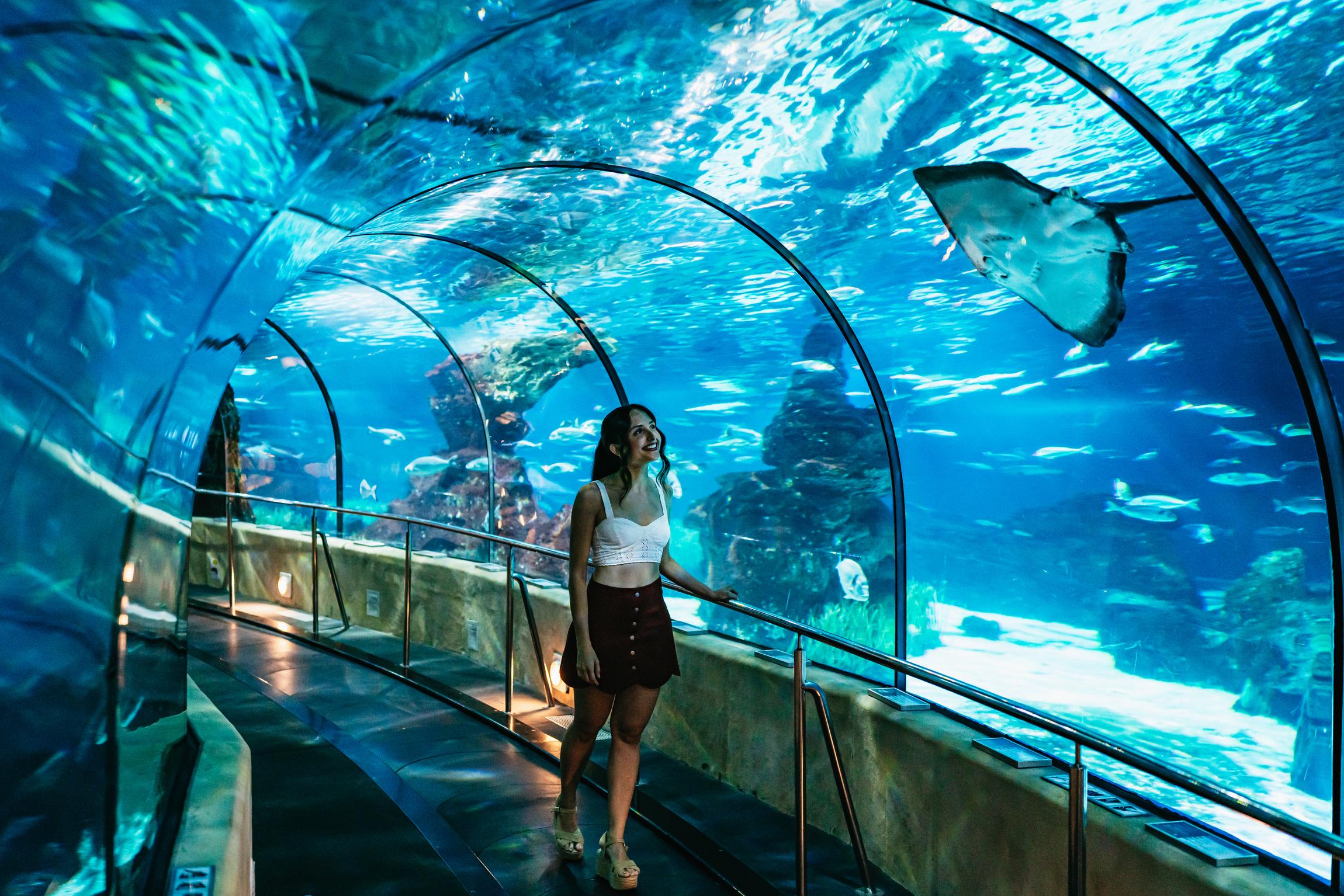
Barcelona · 🌳 Nature · 🚶 5 min walk
Barcelona Aquarium: Entry Ticket
2h

Barcelona · 🌙 Nightlife · 🚶 6 min walk
Les Enfants Brillants Barcelona
2h30
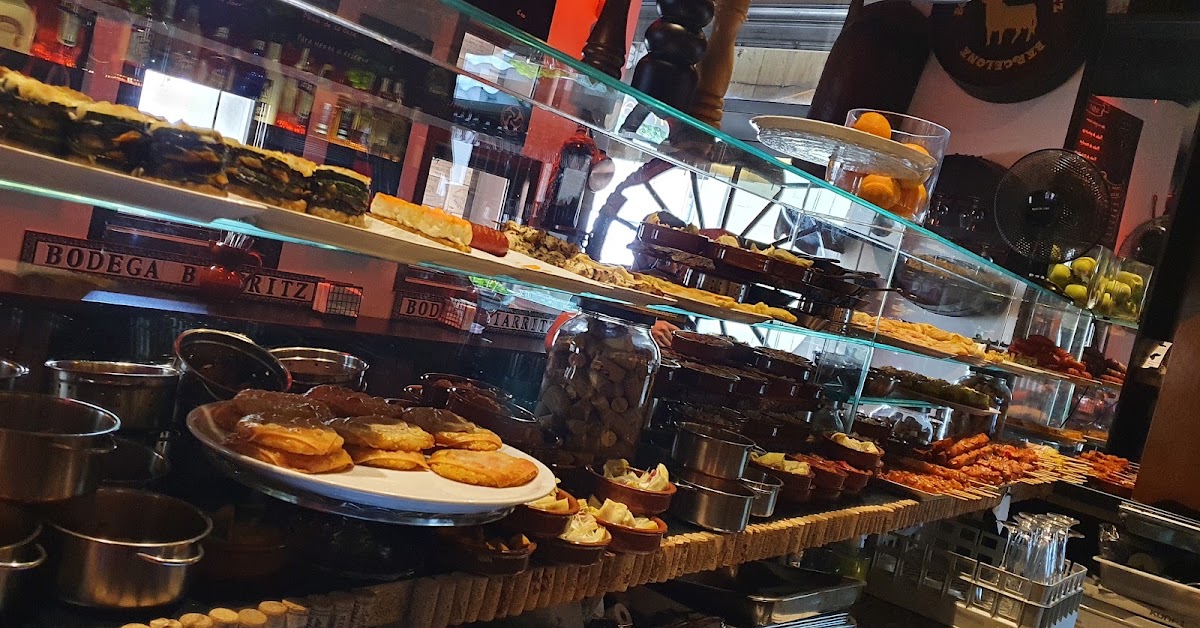
Barcelona · 🍽️ Food · 🚶 7 min walk
Bodega Biarritz 1881
1h15
Build your itinerary
City
Dates
Choose your Explorer profile