4.6 ·
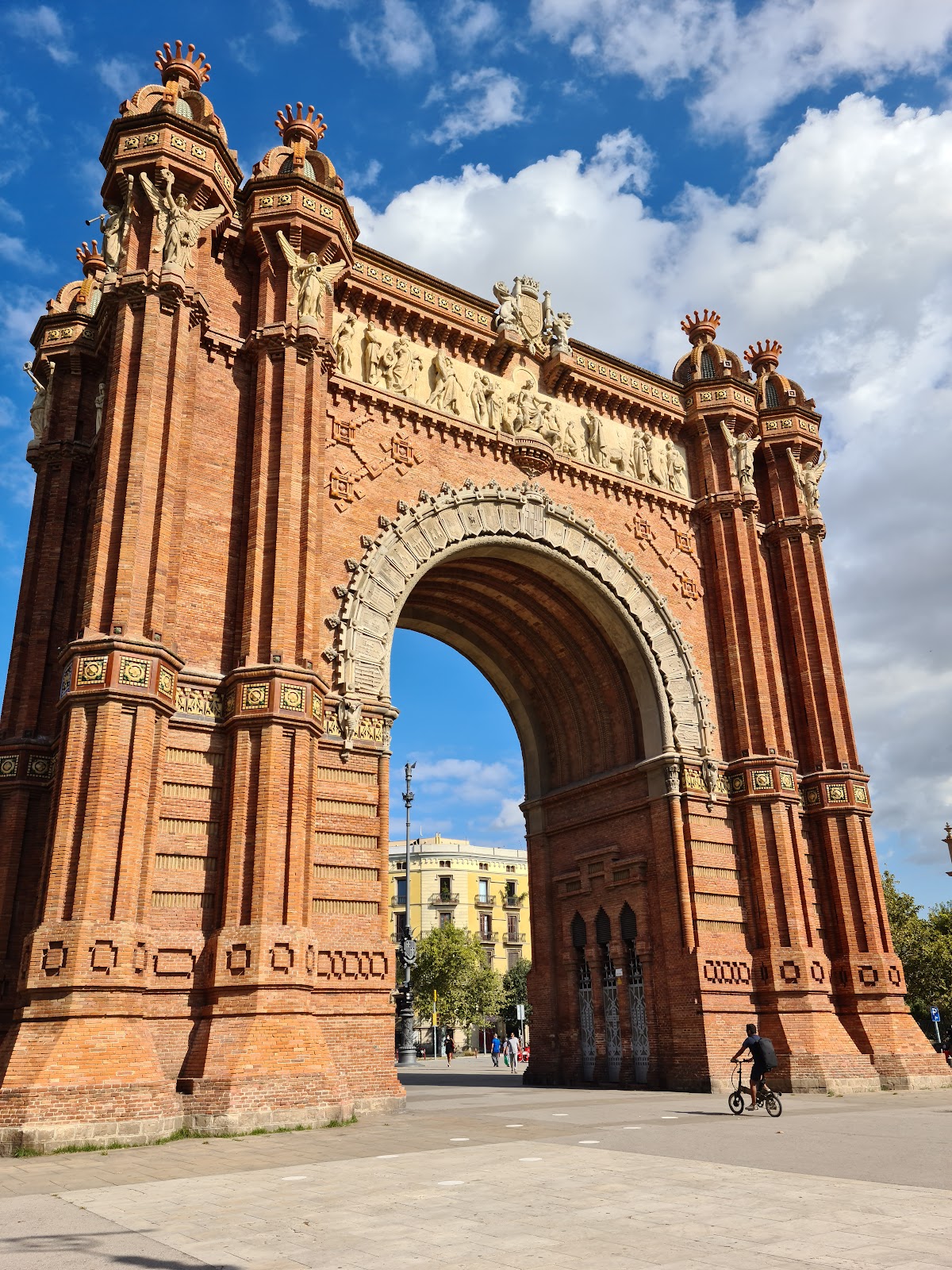
Discover the Arc de Triomf, Barcelona's striking red-brick gateway to the 1888 World's Fair. Stroll beneath its Moorish-influenced frieze, then wander the lively Passeig de Lluís Companys toward Parc de la Ciutadella.
Reasons to go
Full description
Designed by Josep Vilaseca, the Arc de Triomf marked the entrance to the Universal Exposition of 1888 that first put Barcelona on the international map, and its warm terracotta brickwork and Moorish-influenced details set it apart from the classical triumphal arches of Paris or Rome. The frieze above the main facade, depicting Barcelona welcoming the nations, still tells that origin story to anyone who looks up.
Today it anchors the leafy Passeig de Lluís Companys, a popular gathering spot for street performers, skaters, and locals rather than a fenced-off monument, which explains its high foot traffic and near-universal appeal in reviews. A quick, free stop that works well combined with a walk toward the nearby Parc de la Ciutadella.
Designed by Josep Vilaseca, the Arc de Triomf marked the entrance to the Universal Exposition of 1888 that first put Barcelona on the international map, and its warm terracotta brickwork and Moorish-influenced details set it apart from the classical triumphal arches of Paris or Rome. The frieze above the main facade, depicting Barcelona welcoming the nations, still tells that origin story to anyone who looks up.
Today it anchors the leafy Passeig de Lluís Companys, a popular gathering spot for street performers, skaters, and locals rather than a fenced-off monument, which explains its high foot traffic and near-universal appeal in reviews. A quick, free stop that works well combined with a walk toward the nearby Parc de la Ciutadella.
Address
Hours
Booking
Duration
25 min
Intensity
Moderate walking
Good to know
Reviews
It’s a great place to visit and explore. For tourists, be aware of people feeding birds in the area and costumed performers. They may ask for money if you take photos or videos of them, even if you didn’t intend to interact. Just stay alert and enjoy your visit.
May Tanaka
3/5📍 Nearby spots
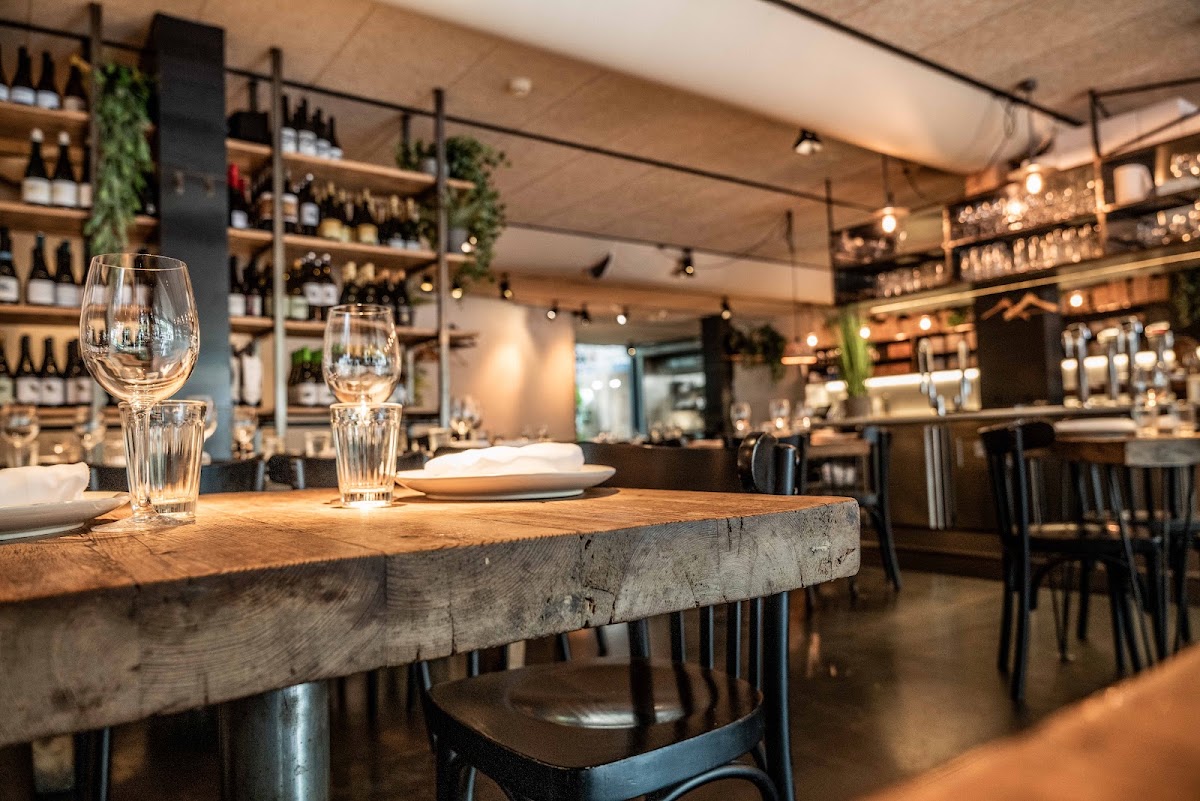
Barcelona · 🍽️ Food · 🚶 2 min walk
fismuler barcelona
1h30
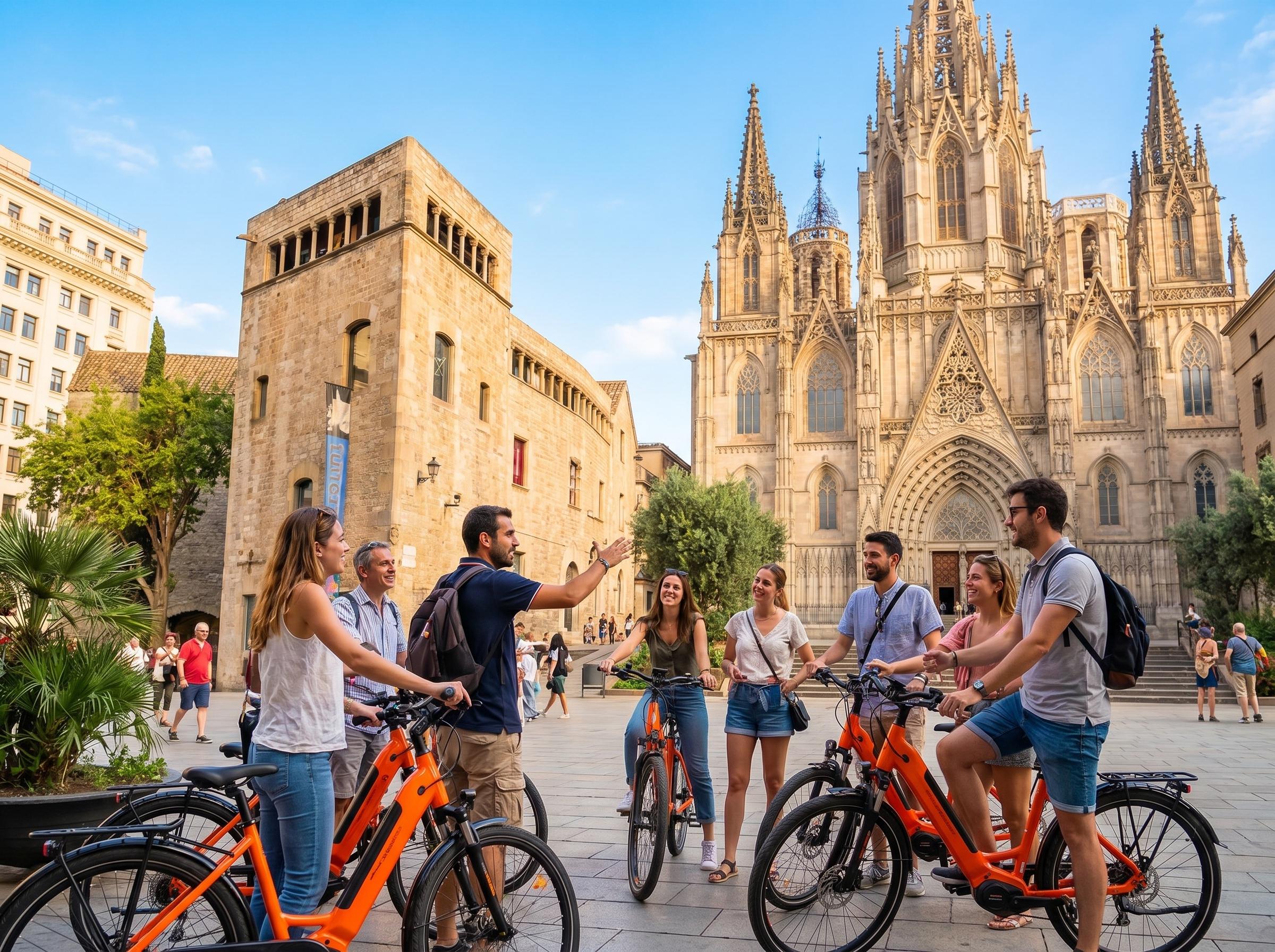
Barcelona · 🏛️ Landmark · 🚶 4 min walk
2.5-Hour Bike or E-Bike Historical Tour
2h30
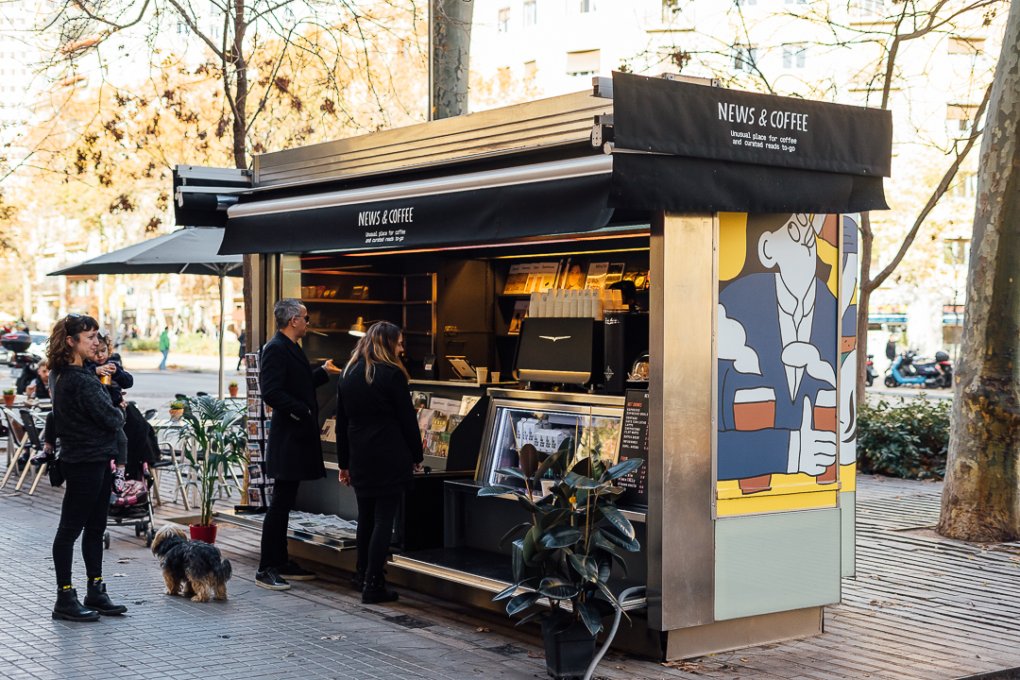
Barcelona · ☕ Coffeebreak · 🚶 5 min walk
News & Coffee
20 min
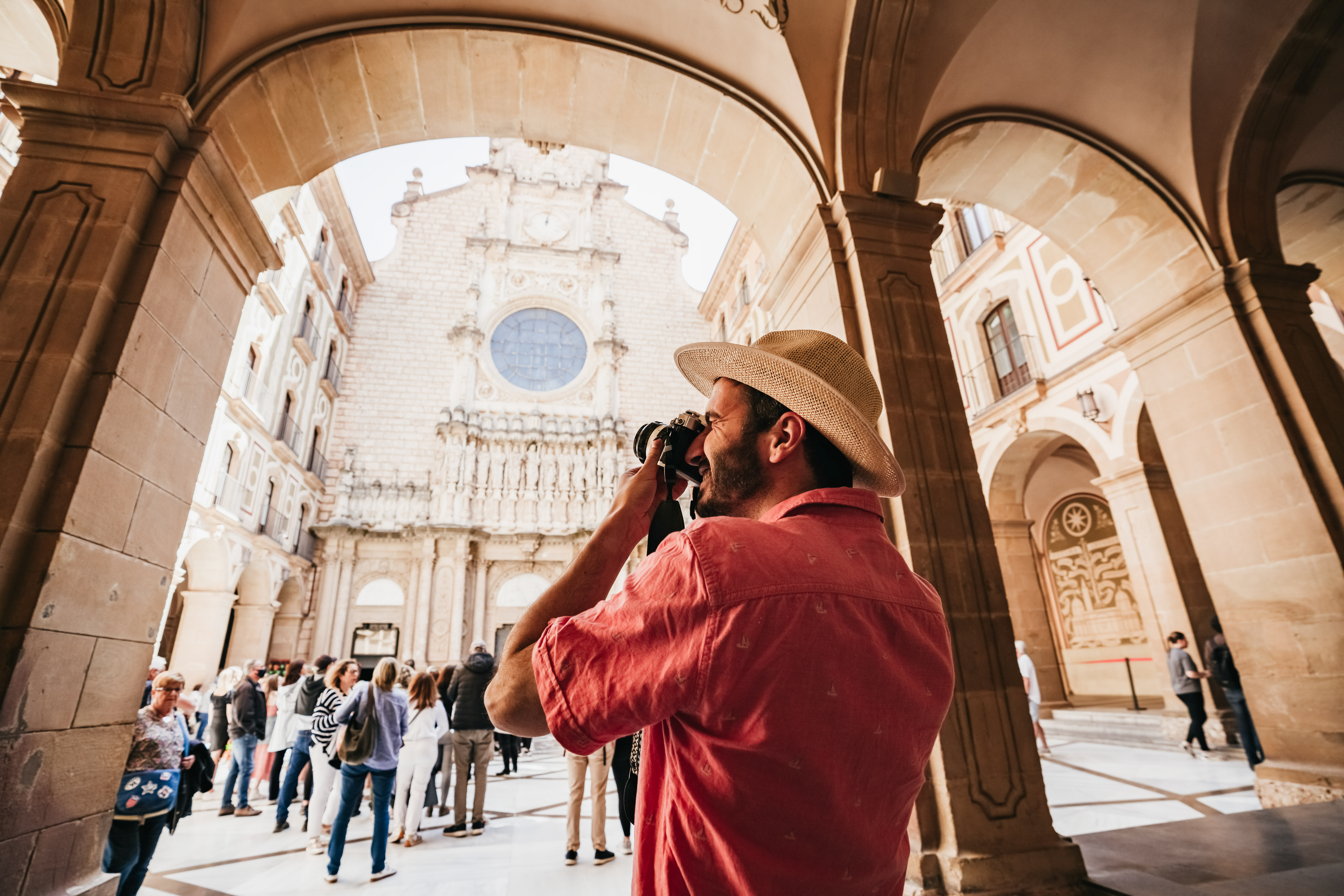
Barcelona · 🏛️ Landmark · 🚶 5 min walk
Montserrat, Cogwheel, Black Madonna & Winery Tour
6h
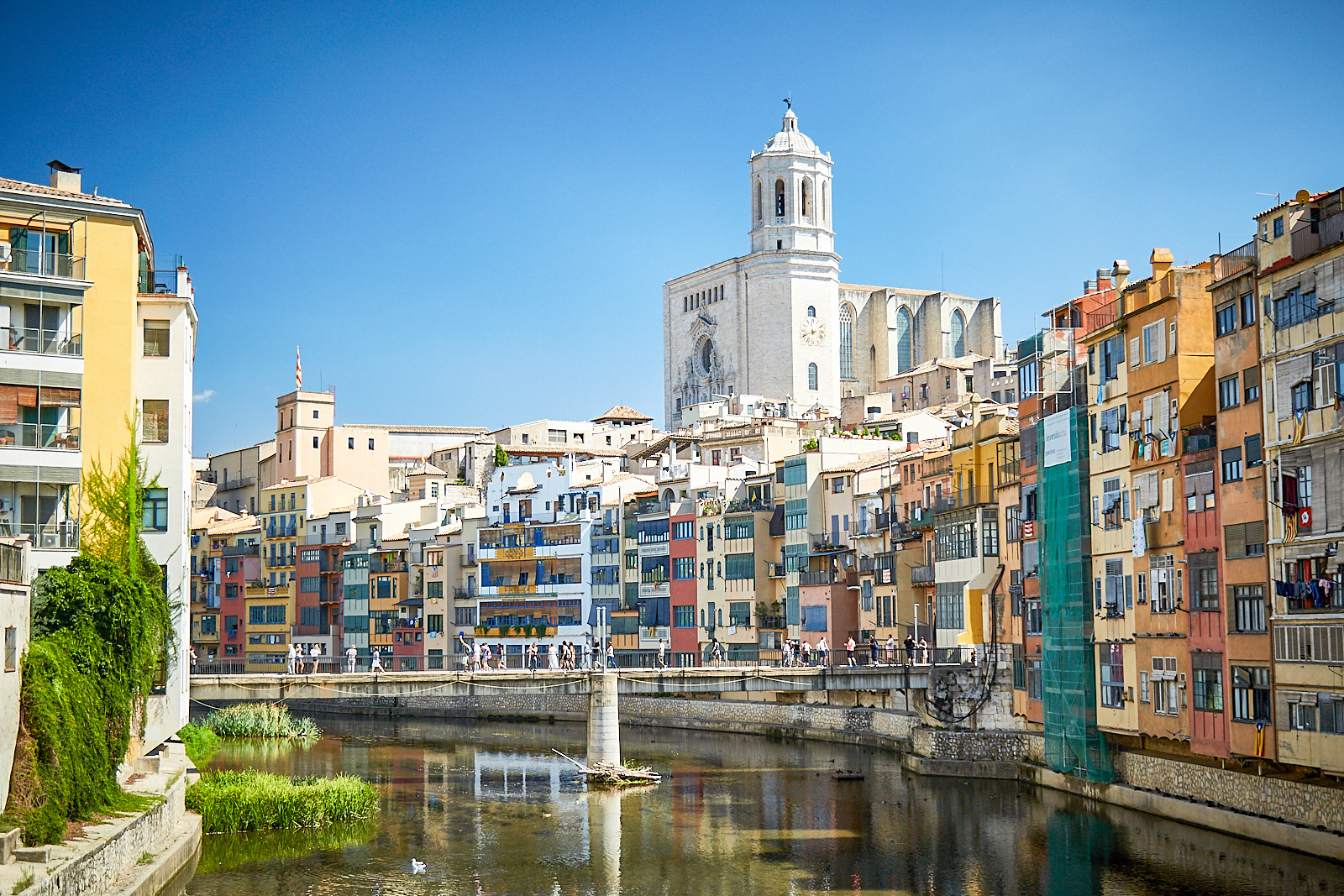
Barcelona · 🎨 Museum · 🚶 5 min walk
Girona & Dalí Museum Day Trip with Small Group
9h
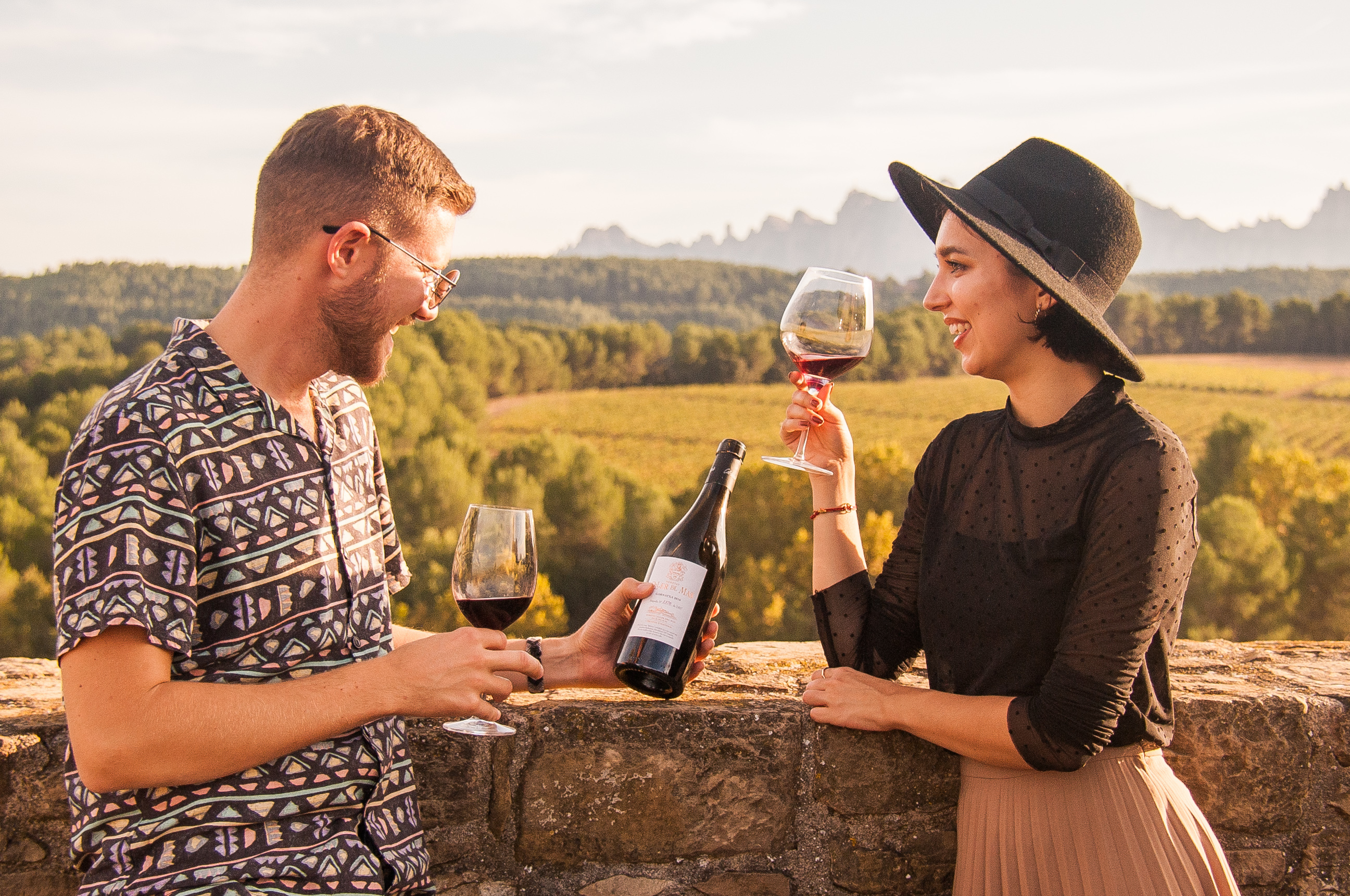
Barcelona · 🏛️ Landmark · 🚶 5 min walk
Montserrat Half-Day Wine and Tapas Trip
4h
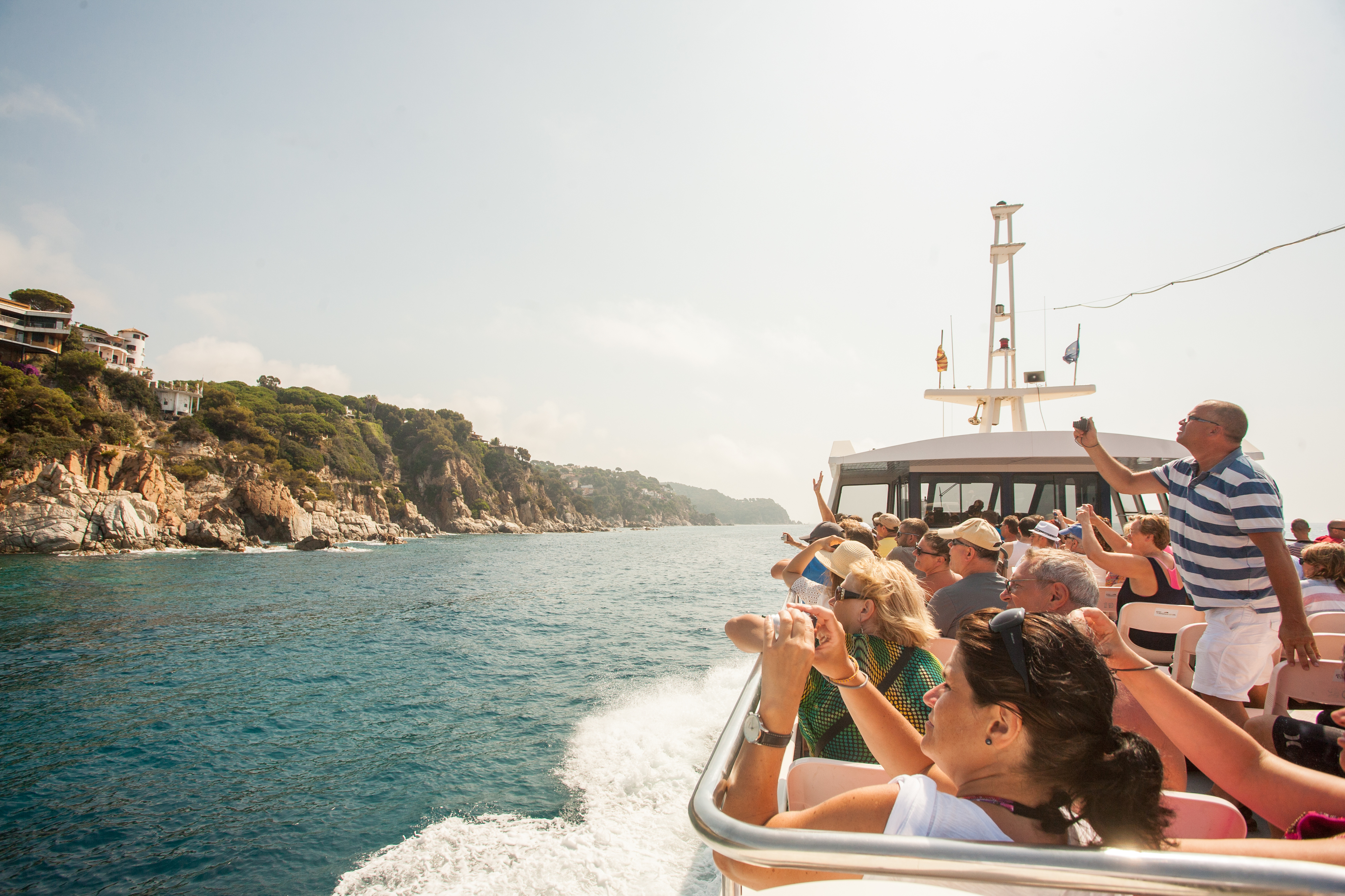
Barcelona · 🏛️ Landmark · 🚶 5 min walk
Costa Brava Day Tour with Boat Trip
8h
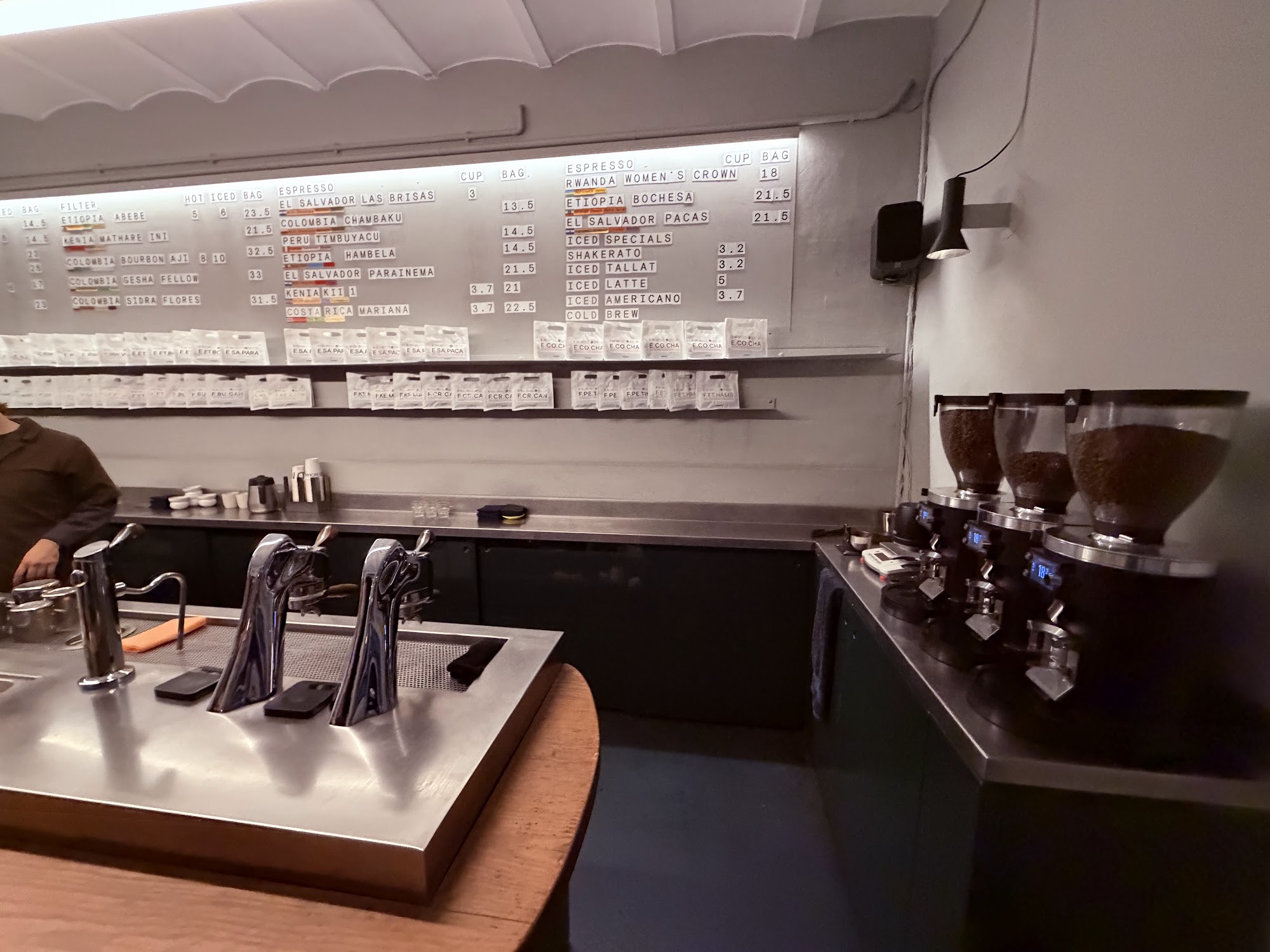
Barcelona · ☕ Coffeebreak · 🚶 6 min walk
Nomad Coffee Bar (ex Coffee Lab)
25 min
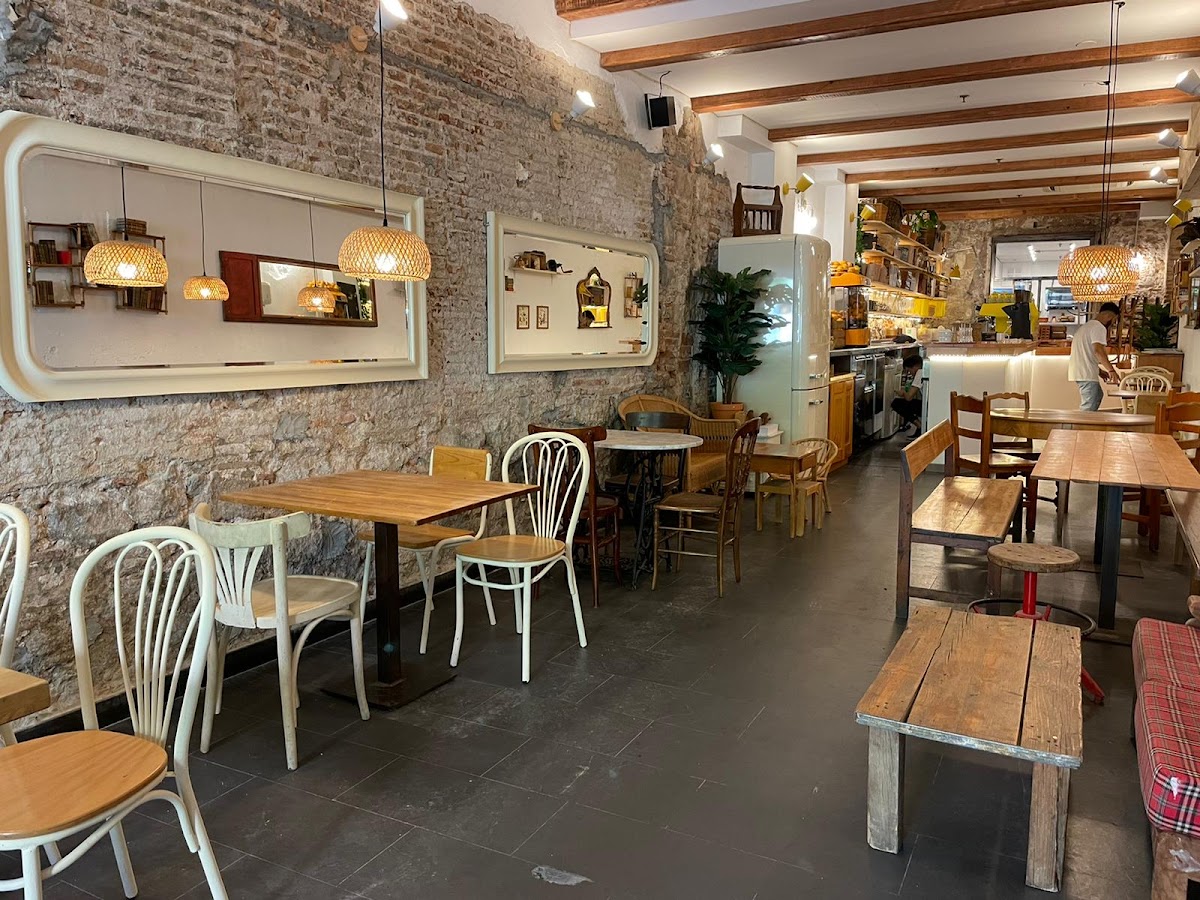
Barcelona · 🥐 Breakfast · 🚶 6 min walk
Billy Brunch Park Güell
1h
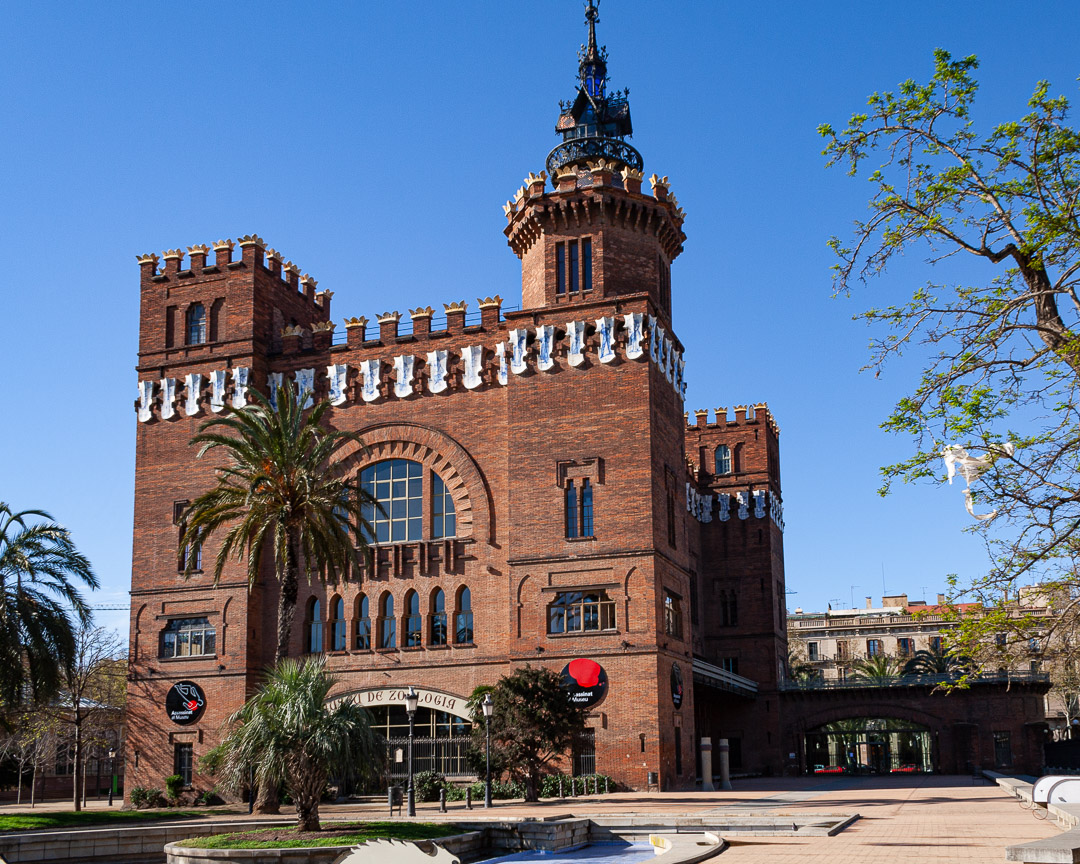
Barcelona · 🏛️ Landmark · 🚶 6 min walk
Castle of the Three Dragons
20 min
Build your itinerary
City
Dates
Choose your Explorer profile