4.7 ·
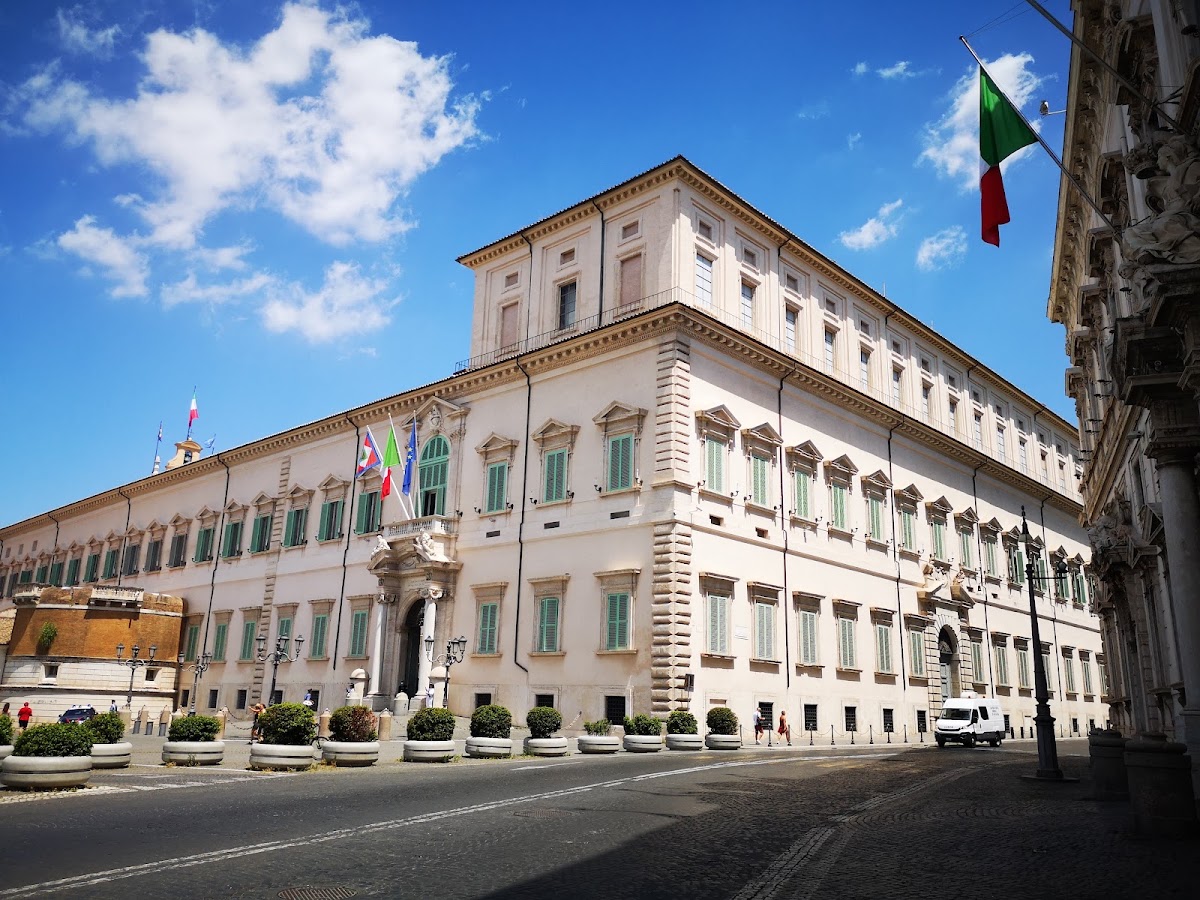
Step onto the Quirinal Hill and stand before the residence that's housed popes, kings, and now Italy's president. Catch the changing of the guard outside, or join a limited interior visit to peek inside this still-active seat of government.
Reasons to go
Full description
Built originally as a summer residence for popes in the late 16th century, the Quirinale later served as the palace of the Kingdom of Italy before becoming the official seat of the Italian President after World War II. Its location atop the Quirinal Hill, the highest of Rome's traditional seven, made it a cooler retreat from the historic center's heat in earlier centuries.
A changing of the guard ceremony takes place periodically outside, and limited interior visits are possible on select days, offering a rare look inside a still-active seat of government. It's a good stop for visitors interested in Italy's political history alongside its more ancient past.
Built originally as a summer residence for popes in the late 16th century, the Quirinale later served as the palace of the Kingdom of Italy before becoming the official seat of the Italian President after World War II. Its location atop the Quirinal Hill, the highest of Rome's traditional seven, made it a cooler retreat from the historic center's heat in earlier centuries.
A changing of the guard ceremony takes place periodically outside, and limited interior visits are possible on select days, offering a rare look inside a still-active seat of government. It's a good stop for visitors interested in Italy's political history alongside its more ancient past.
Address
Booking
Duration
30 min
Best time
morning or afternoon
Intensity
Easy pace
Good to know
Reviews
We are not entering the palace, just took pictures outside. We visited this place before walking downstairs to Trevi fountain.
Sutinee
5/5📍 Nearby spots
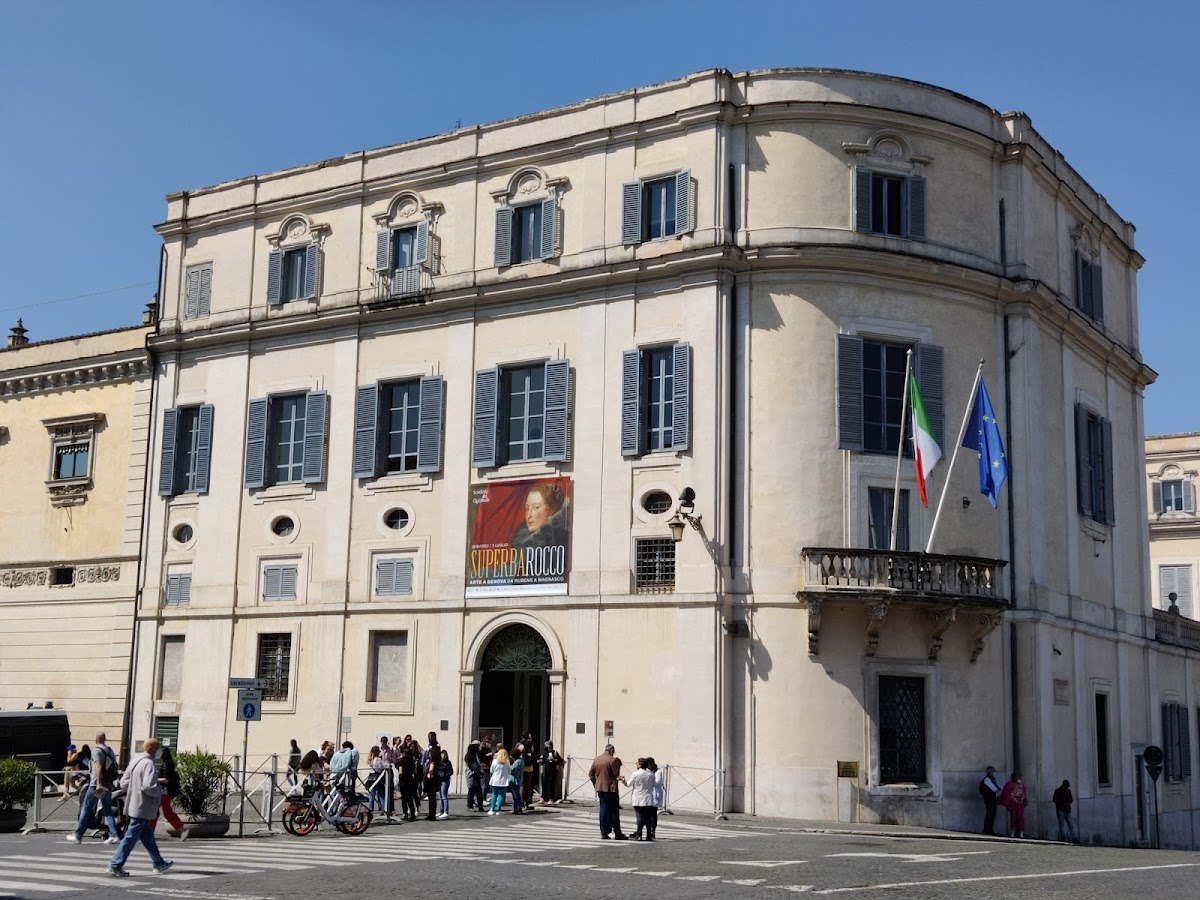
Rome · 🎨 Museum · 🚶 3 min walk
Scuderie del Quirinale
2h
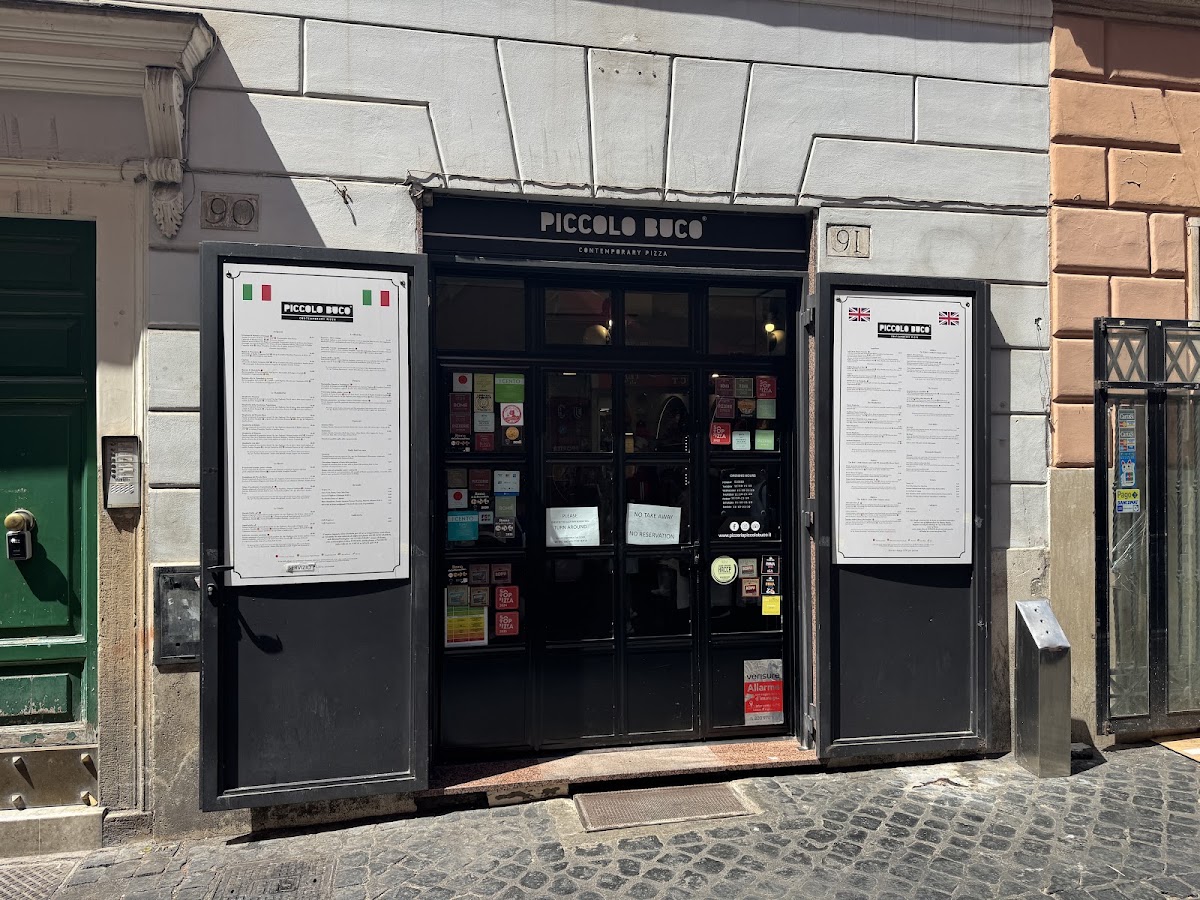
Rome · 🍽️ Food · 🚶 3 min walk
Piccolo Buco (NO PRENOTAZIONI-NO RESERVATIONS)
1h15
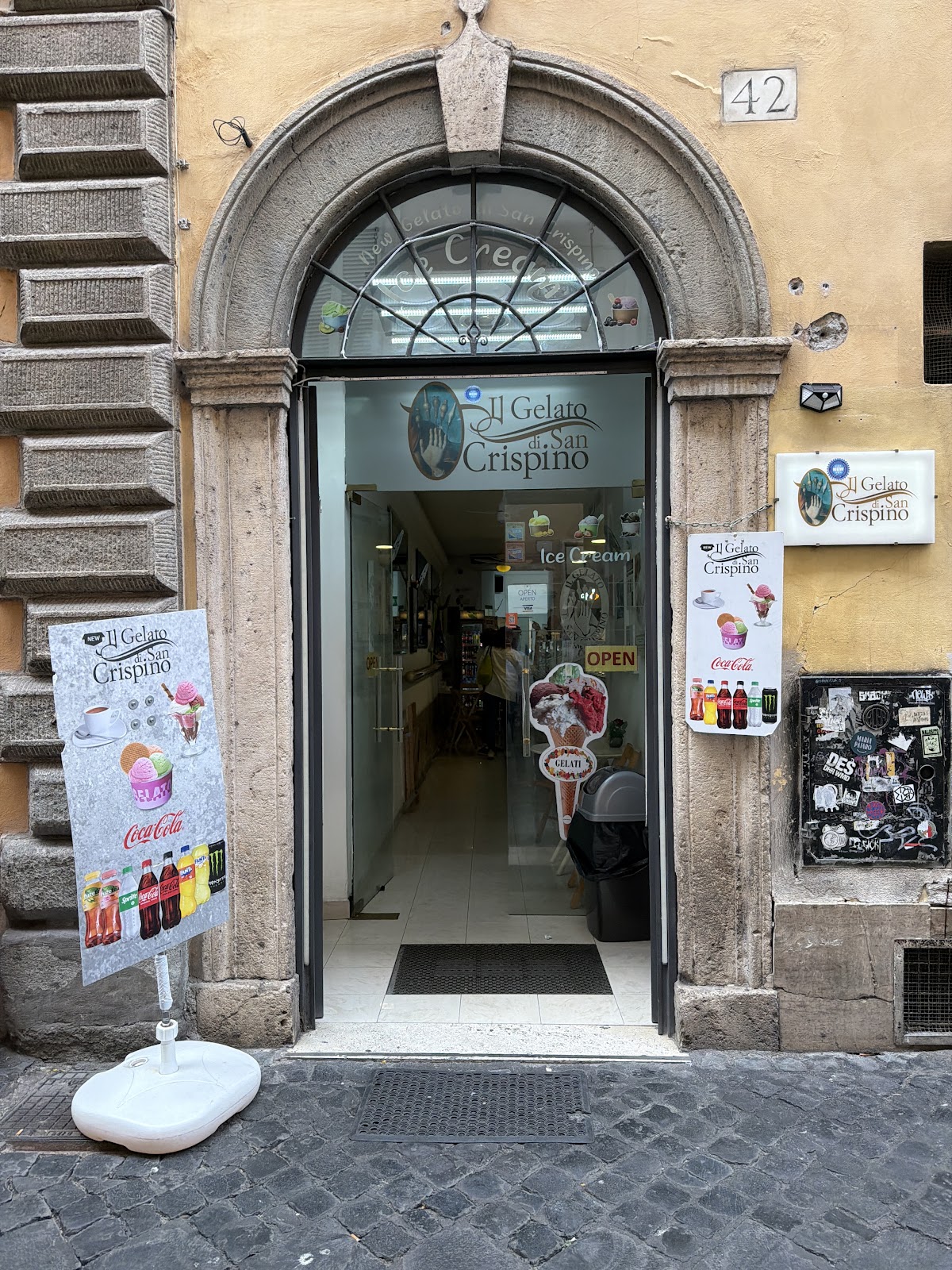
Rome · ☕ Coffeebreak · 🚶 3 min walk
Il new Gelato di San Crispino
20 min
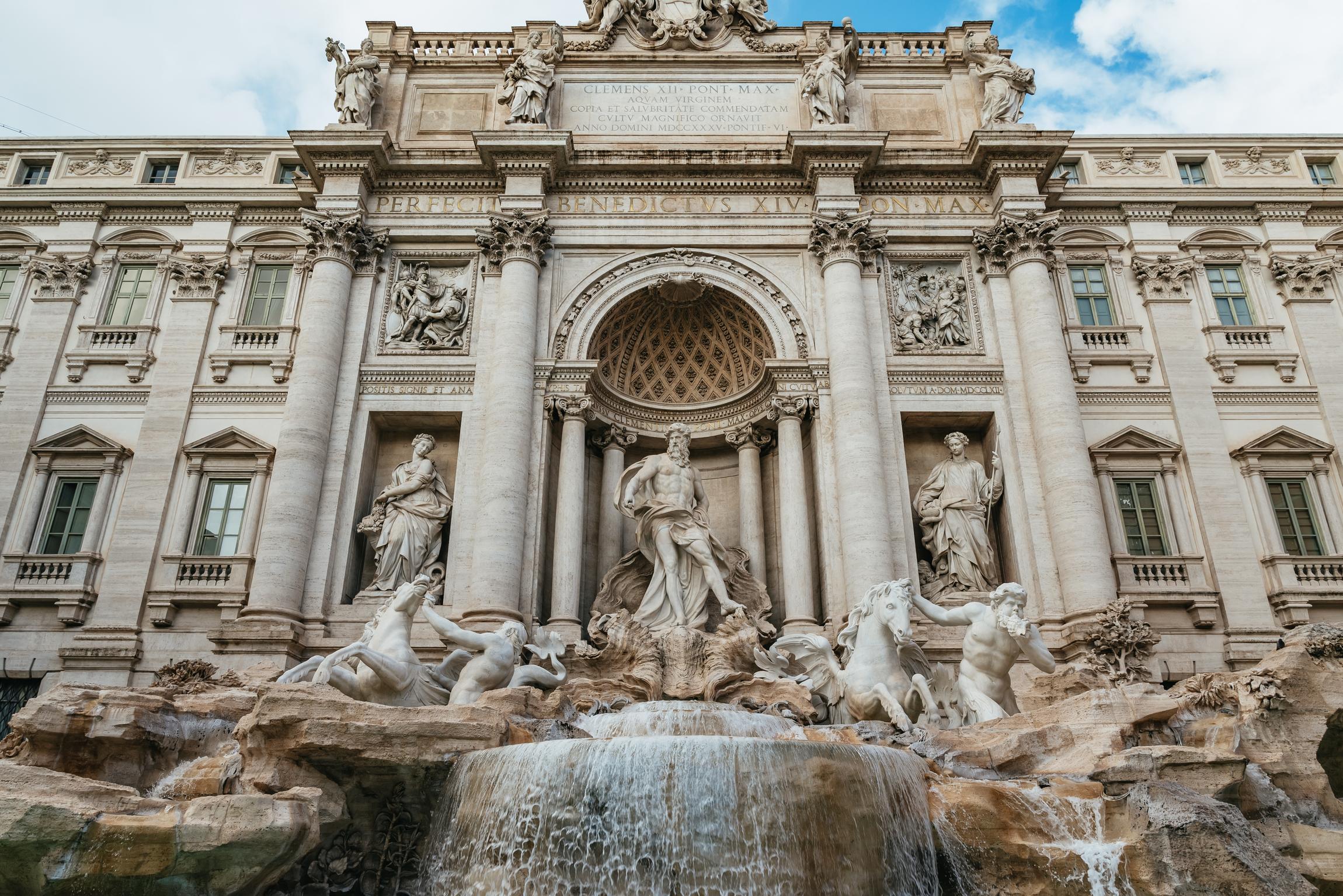
Rome · 🏛️ Landmark · 🚶 4 min walk
Trevi Fountain and Underground Guided Tour
1h30
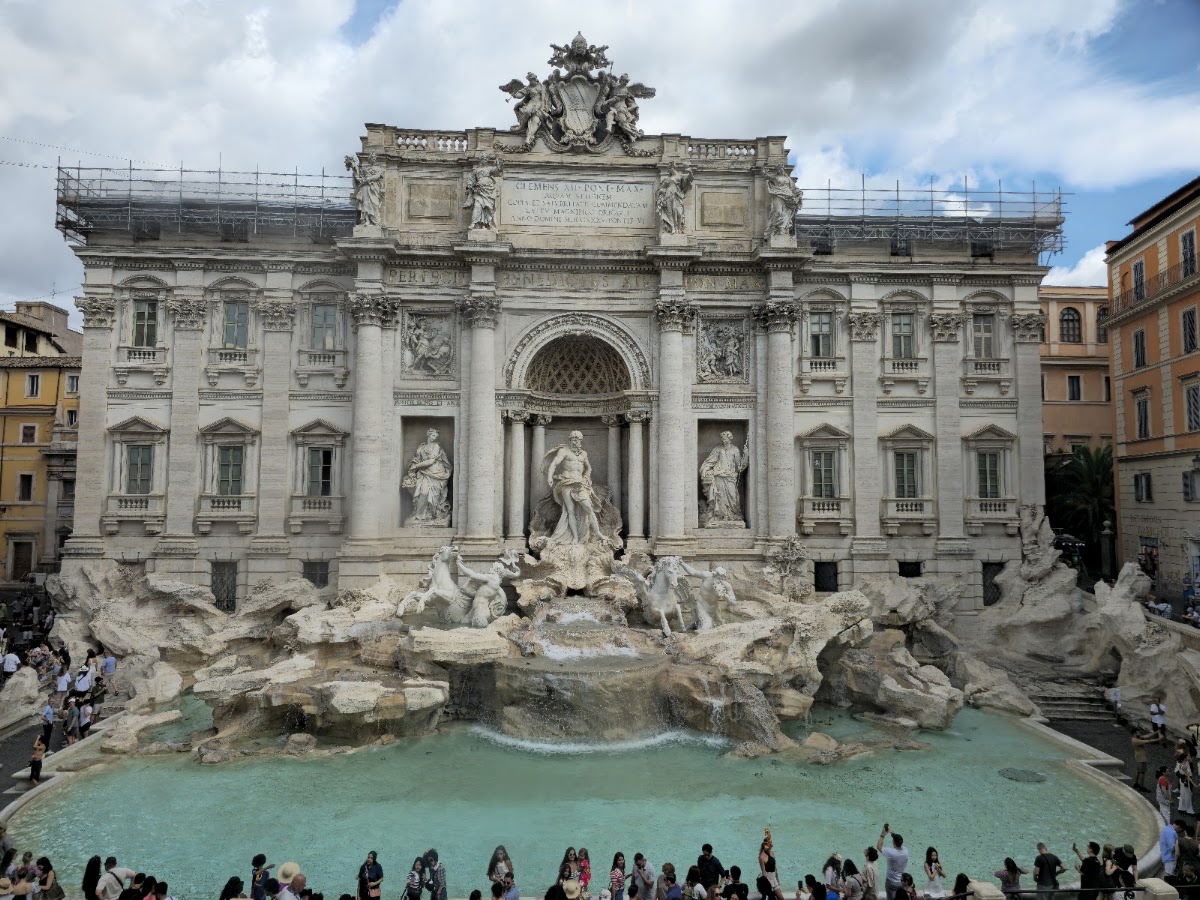
Rome · 🏛️ Landmark · 🚶 4 min walk
Trevi Fountain
20 min
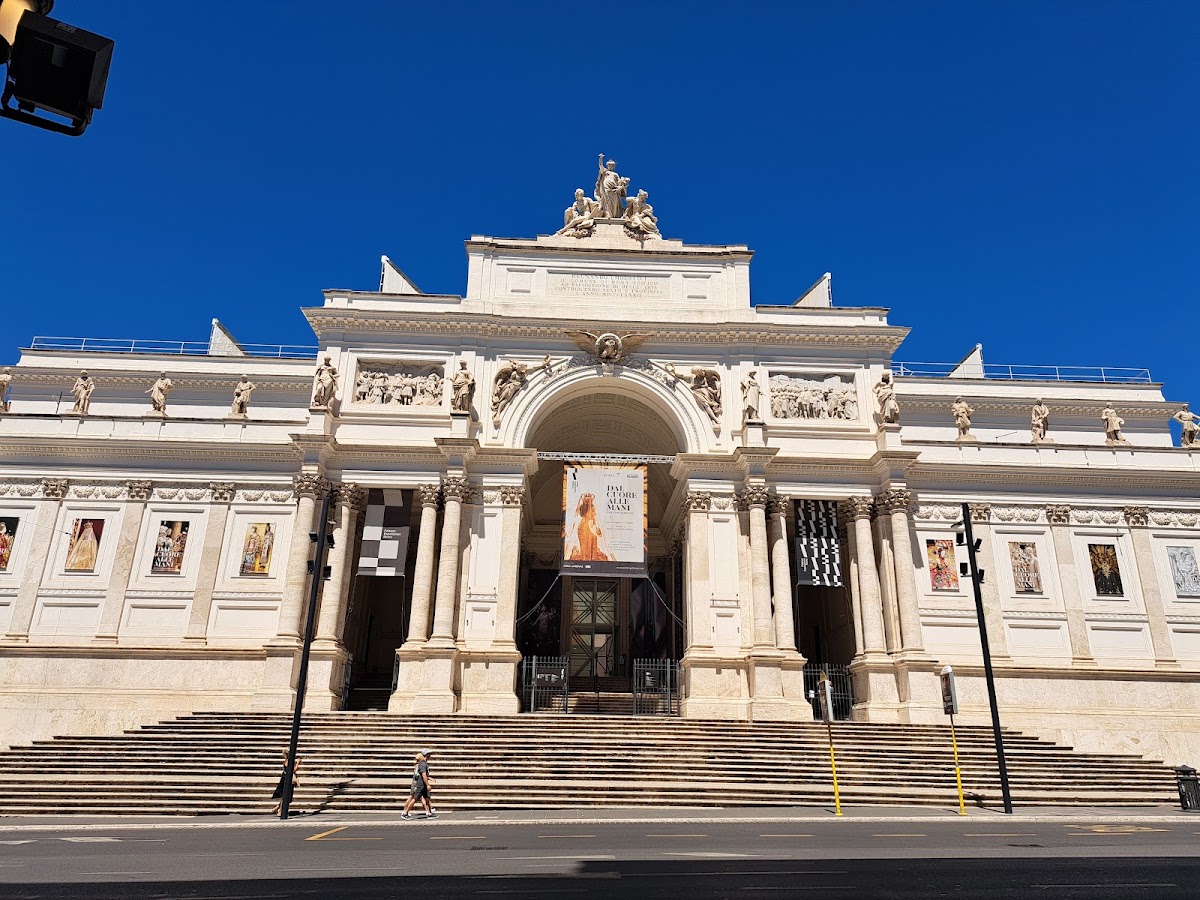
Rome · 🎨 Museum · 🚶 5 min walk
Palazzo delle Esposizioni
1h

Rome · 🛍️ Shopping · 🚶 5 min walk
RINASCENTE Rome
1h
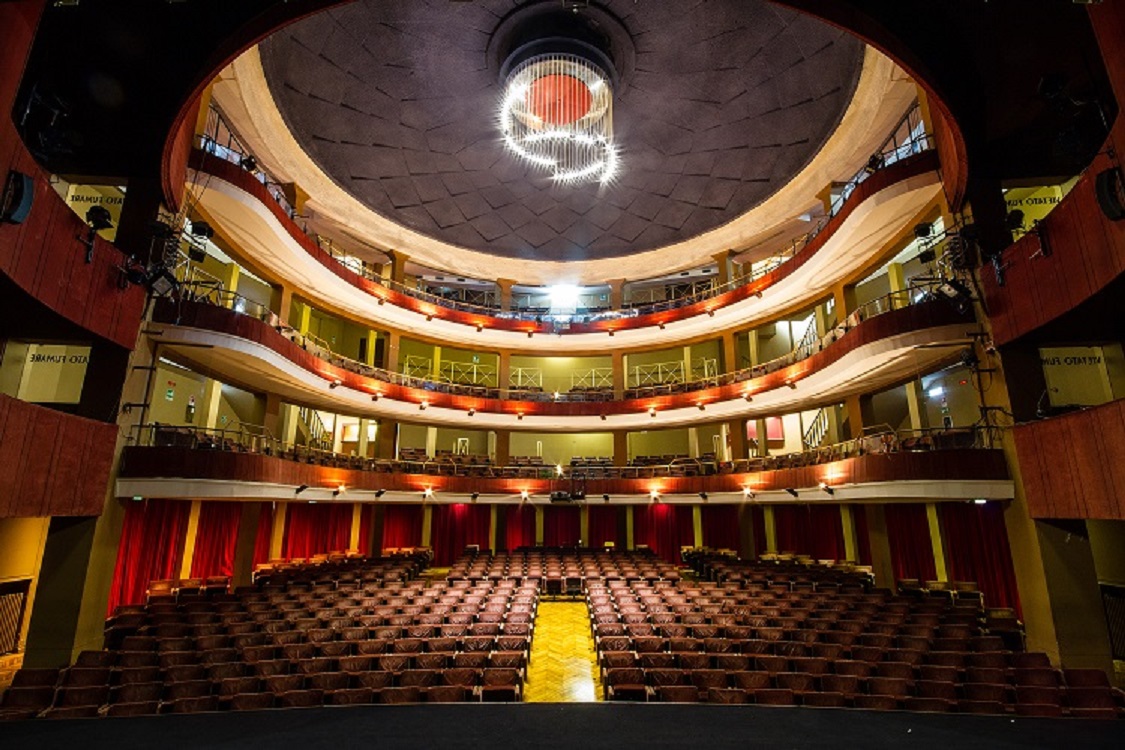
Rome · 🎭 Entertainment · 🚶 5 min walk
Theater Quirino Vittorio Gassman
2h
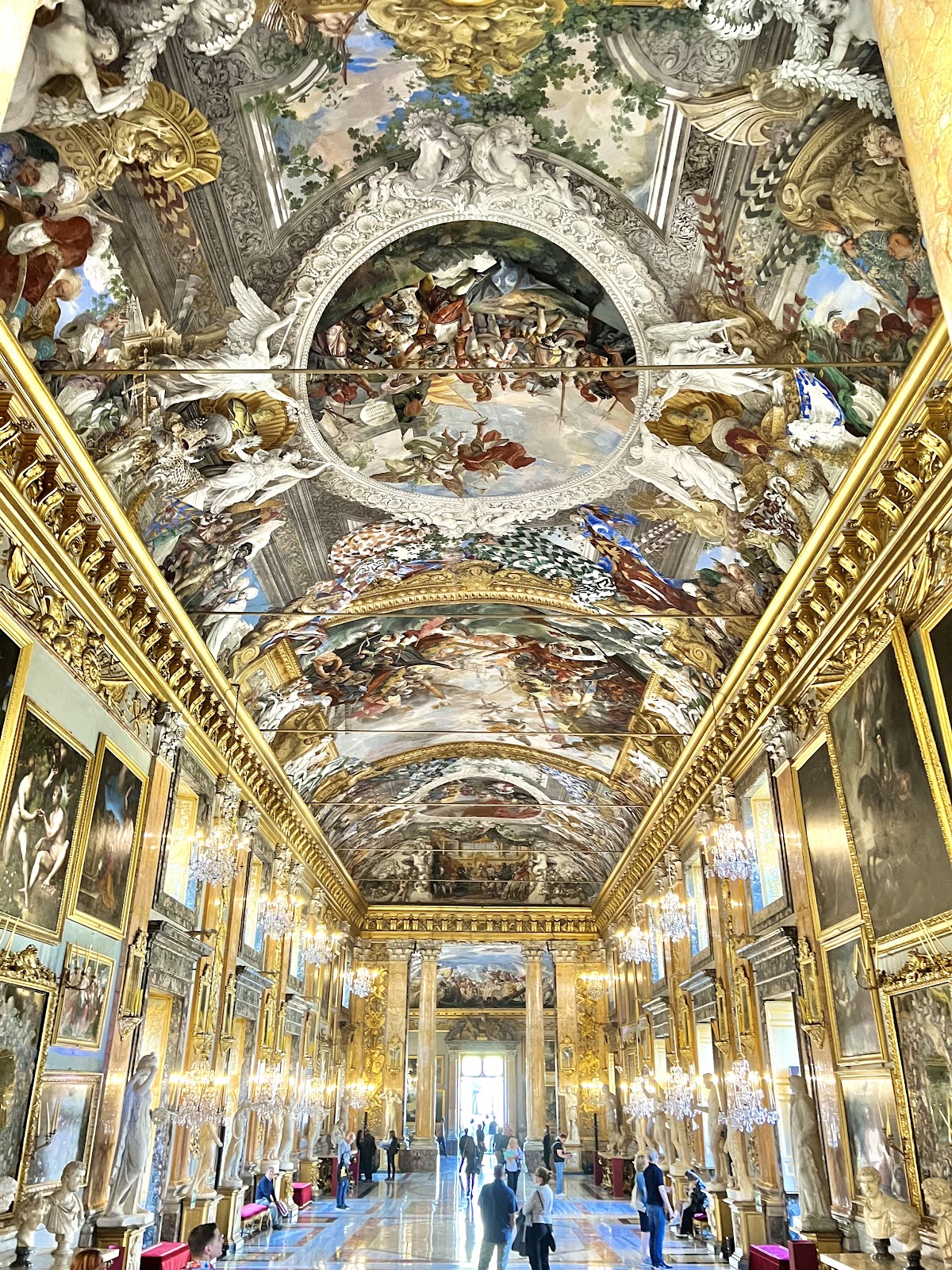
Rome · 🎨 Museum · 🚶 5 min walk
Galleria Colonna
1h
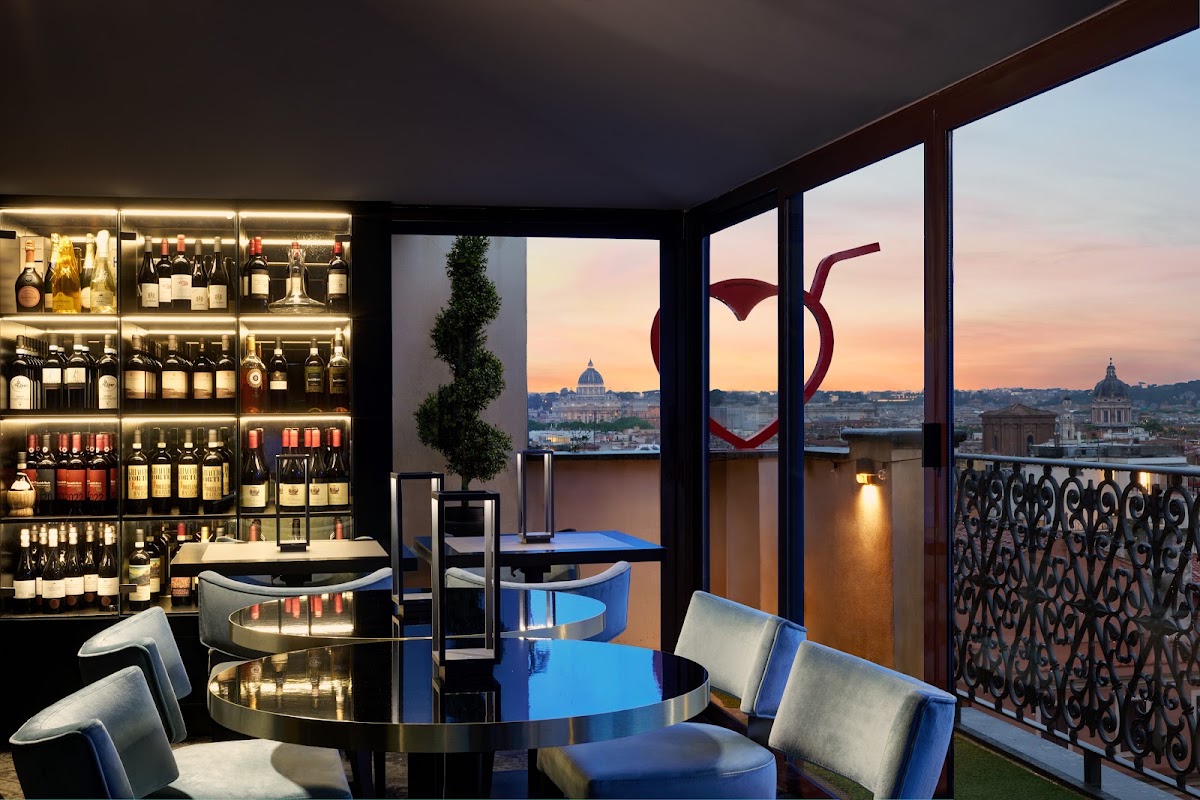
Rome · 🍸 Drinks · 🚶 6 min walk
Rooftop Spritzeria Barberini
1h
Build your itinerary
City
Dates
Choose your Explorer profile