4.3 ·
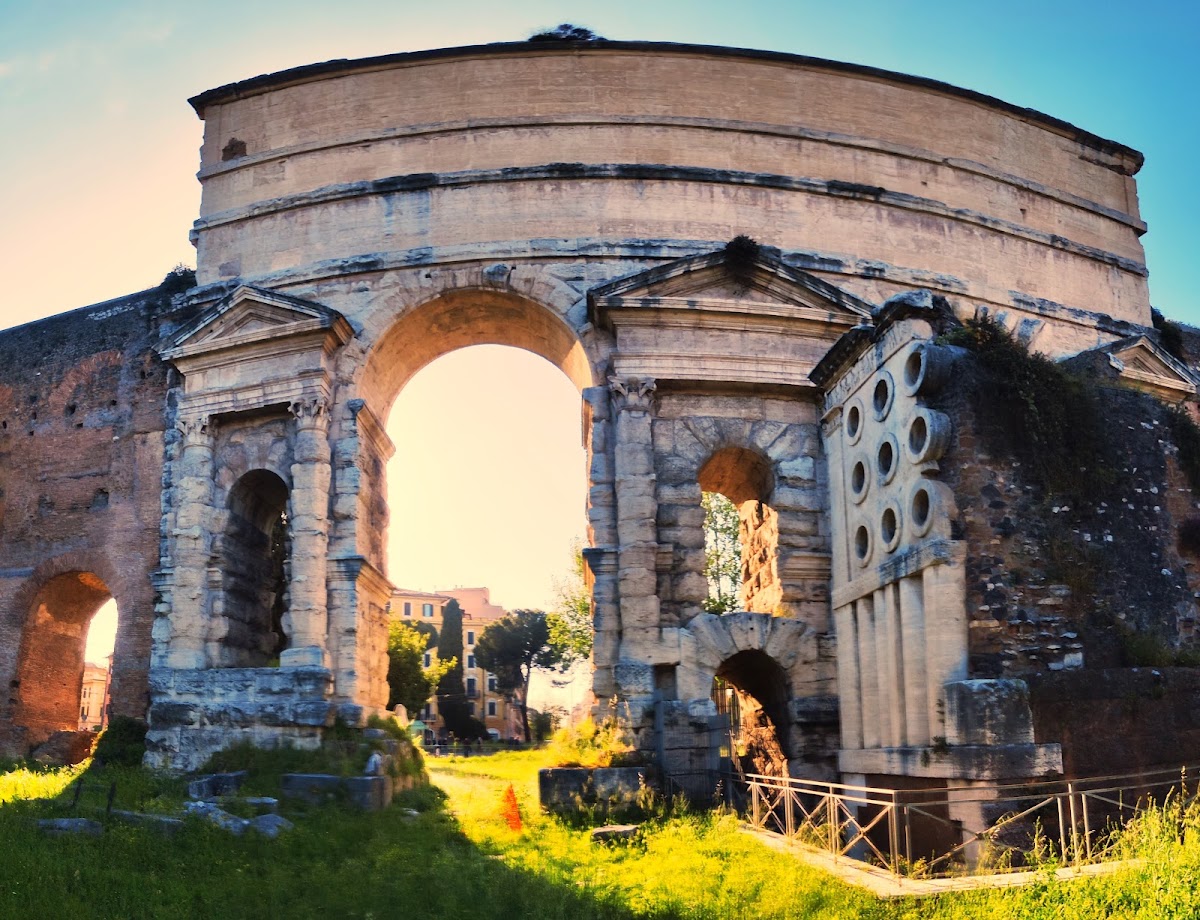
Discover Porta Maggiore, the massive Roman gate where two ancient aqueducts once crossed a busy road. See its twin arches of rugged, functional stonework and the nearby oven-shaped Tomb of Eurysaces, a quick free stop for engineering enthusiasts.
Reasons to go
Full description
Built by Emperor Claudius in 52 AD, Porta Maggiore was originally an aqueduct bridge carrying water supplies across a major road intersection outside the ancient city, before later being incorporated into the Aurelian Walls as an actual gate. Its twin arches and rough, monumental stonework reflect a functional engineering purpose more than an ornamental one, distinguishing it from purely triumphal arches elsewhere in Rome.
Nearby stands the unusual Tomb of Eurysaces, a baker whose elaborate monument is shaped to resemble bread ovens. It's a quick, free stop suited to visitors interested in Roman infrastructure and engineering rather than art or religion.
Built by Emperor Claudius in 52 AD, Porta Maggiore was originally an aqueduct bridge carrying water supplies across a major road intersection outside the ancient city, before later being incorporated into the Aurelian Walls as an actual gate. Its twin arches and rough, monumental stonework reflect a functional engineering purpose more than an ornamental one, distinguishing it from purely triumphal arches elsewhere in Rome.
Nearby stands the unusual Tomb of Eurysaces, a baker whose elaborate monument is shaped to resemble bread ovens. It's a quick, free stop suited to visitors interested in Roman infrastructure and engineering rather than art or religion.
Address
Booking
Duration
20 min
Best time
early morning or early evening
Intensity
Easy pace
Good to know
Reviews
The Porta Maggiore was built in 52AD by Emperor Claidius. Later, during 270's it became a gate in the Aurelian Walls, turn8ng it into an Entrance to the city itself. It is one of the most significant urban sites, for understanding ancient aqueducts. I am glad it became a part of my visual treat of Rome during August…
Neeru Das
2/5📍 Nearby spots
Build your itinerary
City
Dates
Choose your Explorer profile