4.5 ·
Step inside the actual Stasi ministry complex where East Germany's secret police once ran their surveillance empire. Walk through Erich Mielke's preserved office and exhibits on informant networks, interrogation methods, and spy equipment before decompressing at the on-site cafeteria.
Reasons to go
Full description
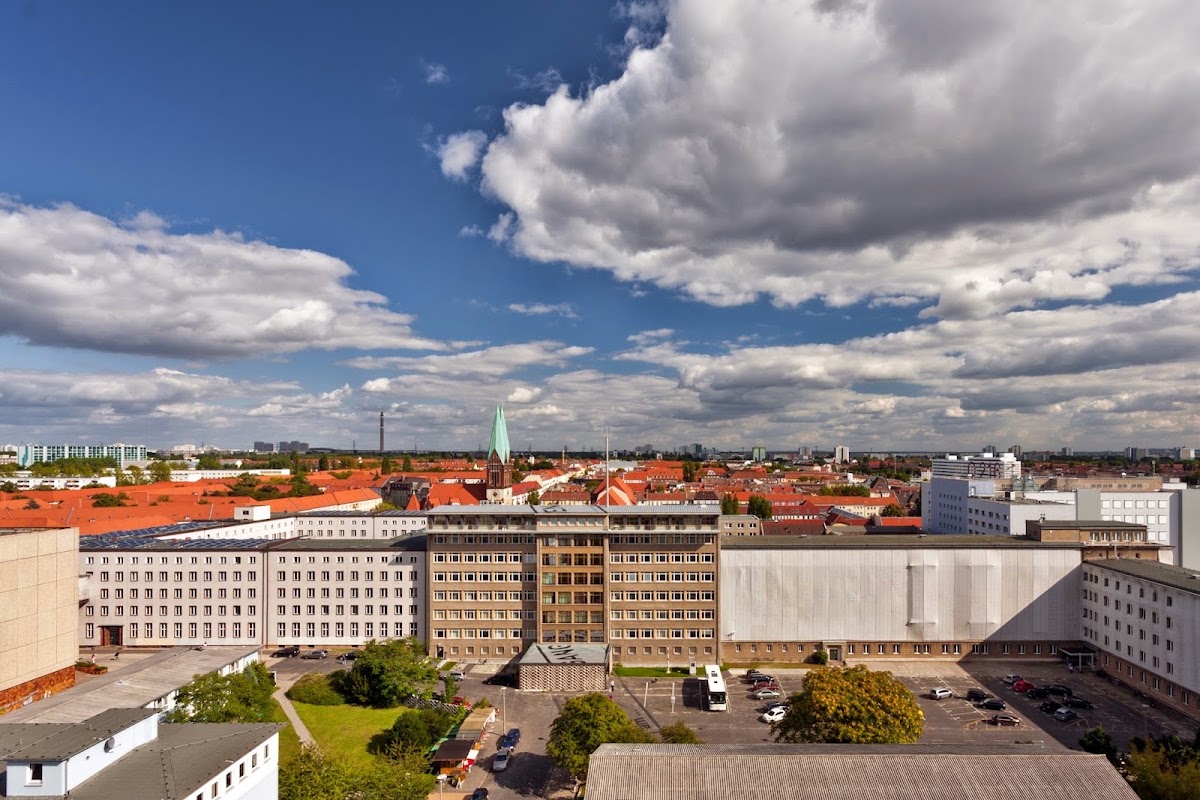
Set inside the actual Stasi ministry complex in Lichtenberg, this museum preserves the office of longtime Stasi chief Erich Mielke largely as it was, surrounded by exhibits on surveillance equipment, interrogation methods, and the sheer scale of the organization's informant network. It's not a museum built for comfort — as one reviewer put it, this isn't a place to simply 'enjoy' — but its top must-see score and 4.5 rating across nearly 9,500 reviews reflect how essential it's become for understanding divided Berlin.
The building's plain, bureaucratic architecture is itself part of the story, a deliberate contrast to the human cost documented inside. A small on-site cafeteria offers an unexpectedly casual place to decompress afterward.
Set inside the actual Stasi ministry complex in Lichtenberg, this museum preserves the office of longtime Stasi chief Erich Mielke largely as it was, surrounded by exhibits on surveillance equipment, interrogation methods, and the sheer scale of the organization's informant network. It's not a museum built for comfort — as one reviewer put it, this isn't a place to simply 'enjoy' — but its top must-see score and 4.5 rating across nearly 9,500 reviews reflect how essential it's become for understanding divided Berlin.
The building's plain, bureaucratic architecture is itself part of the story, a deliberate contrast to the human cost documented inside. A small on-site cafeteria offers an unexpectedly casual place to decompress afterward.
Address
Hours
Booking
Duration
1h15
Best time
morning, lunchtime, afternoon or early evening
Intensity
Moderate walking
Good to know
Reviews
I really enjoyed the Stasi Museum. The middle floor that is more frozen in time was an amazing experience for a fan of period design. I also really enjoyed the insights into surveillance tactics. One of my favorite visits during my time in Berlin. It’s not included with the Museumspass Berlin, but it was worth the…
Marisa Gomez
5/5Build your itinerary
City
Dates
Choose your Explorer profile