4.5 ·
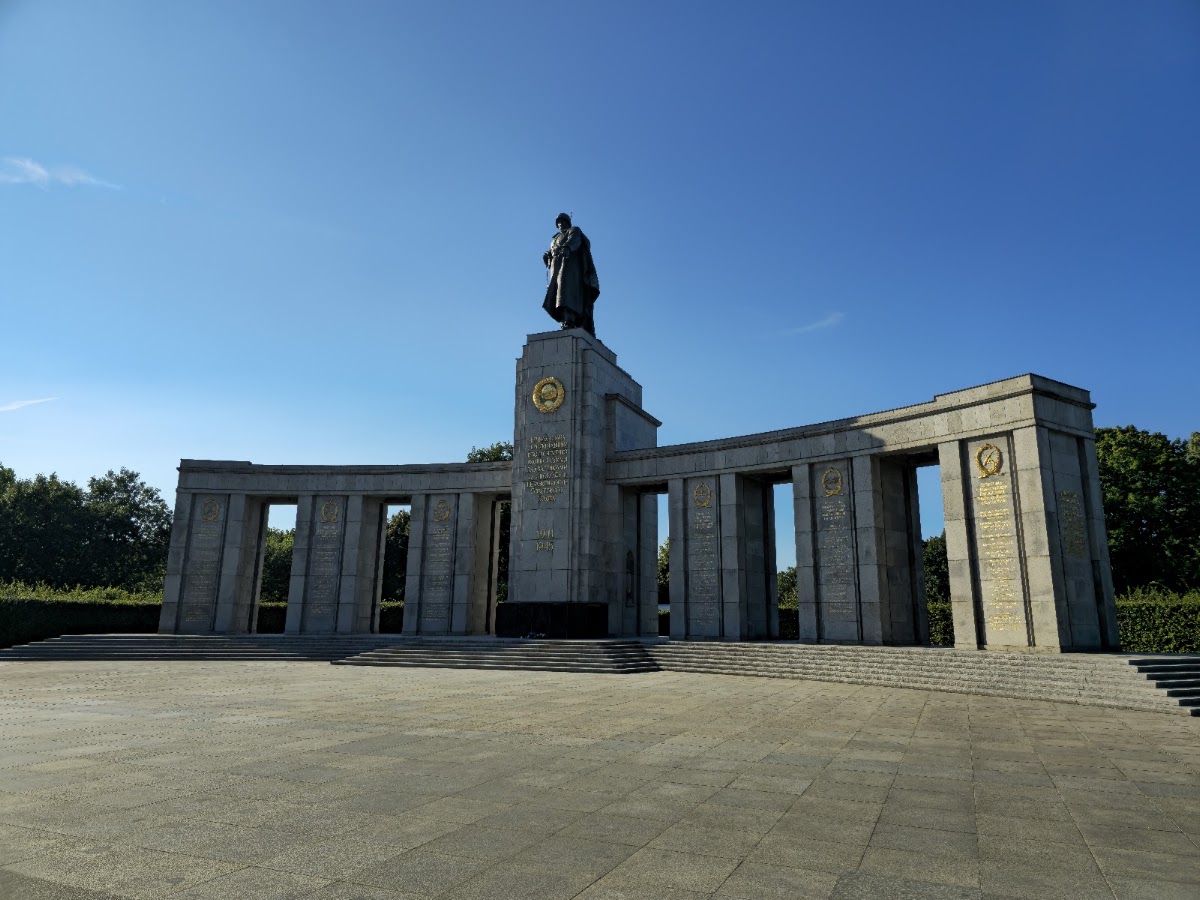
Discover Berlin's first Soviet war memorial, tucked into the Tiergarten just steps from the Bundestag and Brandenburg Gate. See the colonnaded structure with its bronze soldier statue, flanked by two T-34 tanks and artillery pieces, on a free stop along your walk.
Reasons to go
Full description
Erected within months of the war's end using marble salvaged from Hitler's demolished Reich Chancellery, the Soviet War Memorial in the Tiergarten was the first monument the Soviets built in Berlin, commemorating the roughly 80,000 Red Army soldiers who died taking the city in 1945. A colonnaded structure with a bronze soldier statue is flanked by two T-34 tanks and artillery pieces, positioned incongruously close to the Bundestag and the Brandenburg Gate.
Reviewers describe it as well-maintained and quietly powerful rather than triumphalist, a rare Cold War-era Soviet monument that survived unaltered in what became West Berlin. It's free and quick, easily folded into a walk through the Tiergarten toward the Reichstag.
Erected within months of the war's end using marble salvaged from Hitler's demolished Reich Chancellery, the Soviet War Memorial in the Tiergarten was the first monument the Soviets built in Berlin, commemorating the roughly 80,000 Red Army soldiers who died taking the city in 1945. A colonnaded structure with a bronze soldier statue is flanked by two T-34 tanks and artillery pieces, positioned incongruously close to the Bundestag and the Brandenburg Gate.
Reviewers describe it as well-maintained and quietly powerful rather than triumphalist, a rare Cold War-era Soviet monument that survived unaltered in what became West Berlin. It's free and quick, easily folded into a walk through the Tiergarten toward the Reichstag.
Duration
30 min
Intensity
Easy pace
Good to know
Reviews
The Soviet War Memorial is a huge memorial that is beautifully maintained. It takes some time to fully appreciate this historic monument and the names of the fallen are carved into the marble and embellished in gold leaf. They are incredibly site can be accessed from the main road or a gate to the rear of the monument.
Christopher Lewis
1/5📍 Nearby spots
Berlin · 🏛️ Landmark · 🚶 5 min walk
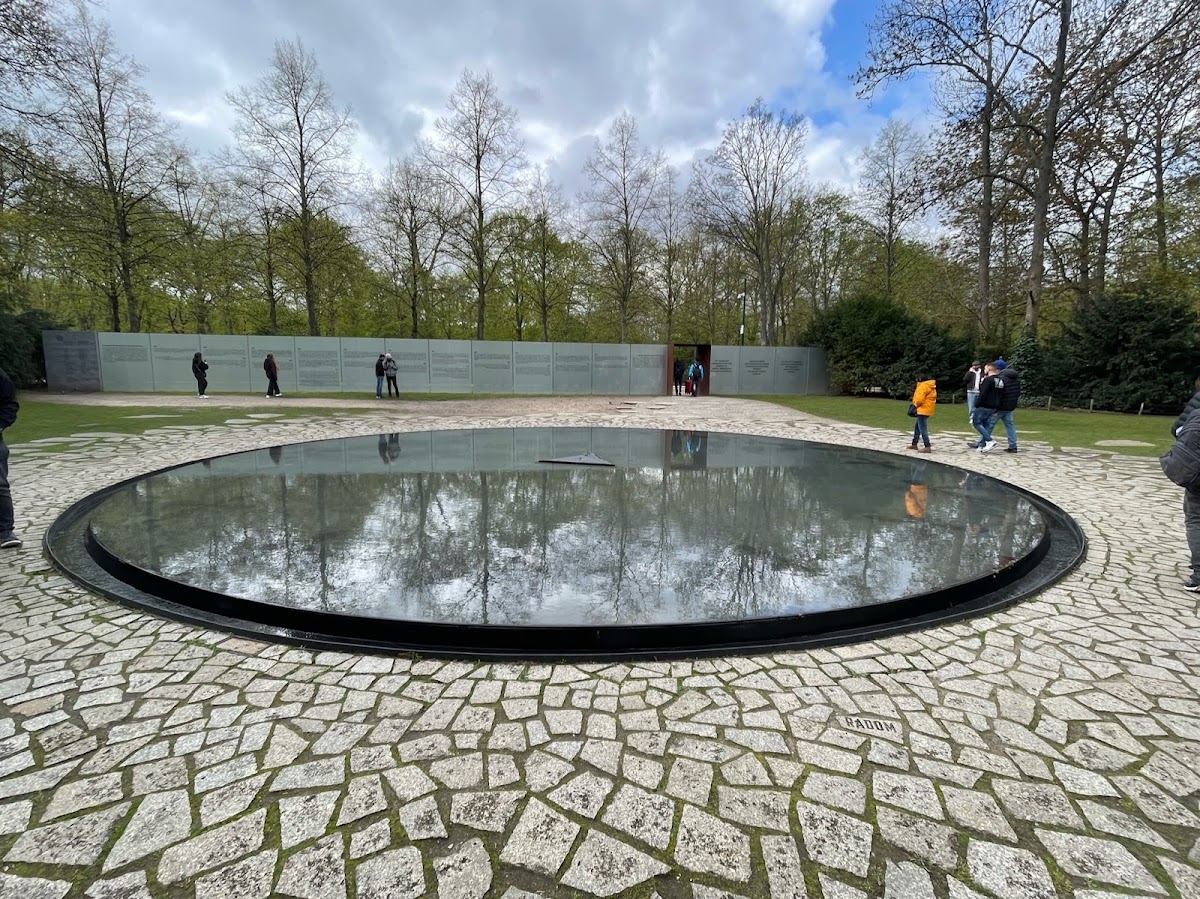
Memorial to Europe's Sinti and Roma Murdered Under Nazism
20 min

Berlin · 🏛️ Landmark · 🚶 6 min walk
Bundestag: Rooftop Breakfast Reichstag Käfer Restaurant
1h30

Berlin · 🏛️ Landmark · 🚶 6 min walk
Bundestag: Rooftop Lunch Reichstag Käfer Restaurant
2h

Berlin · 🏛️ Landmark · 🚶 6 min walk
Bundestag: Rooftop Appero Reichstag Käfer Restaurant
1h15
Berlin · 🏛️ Landmark · 🚶 6 min walk
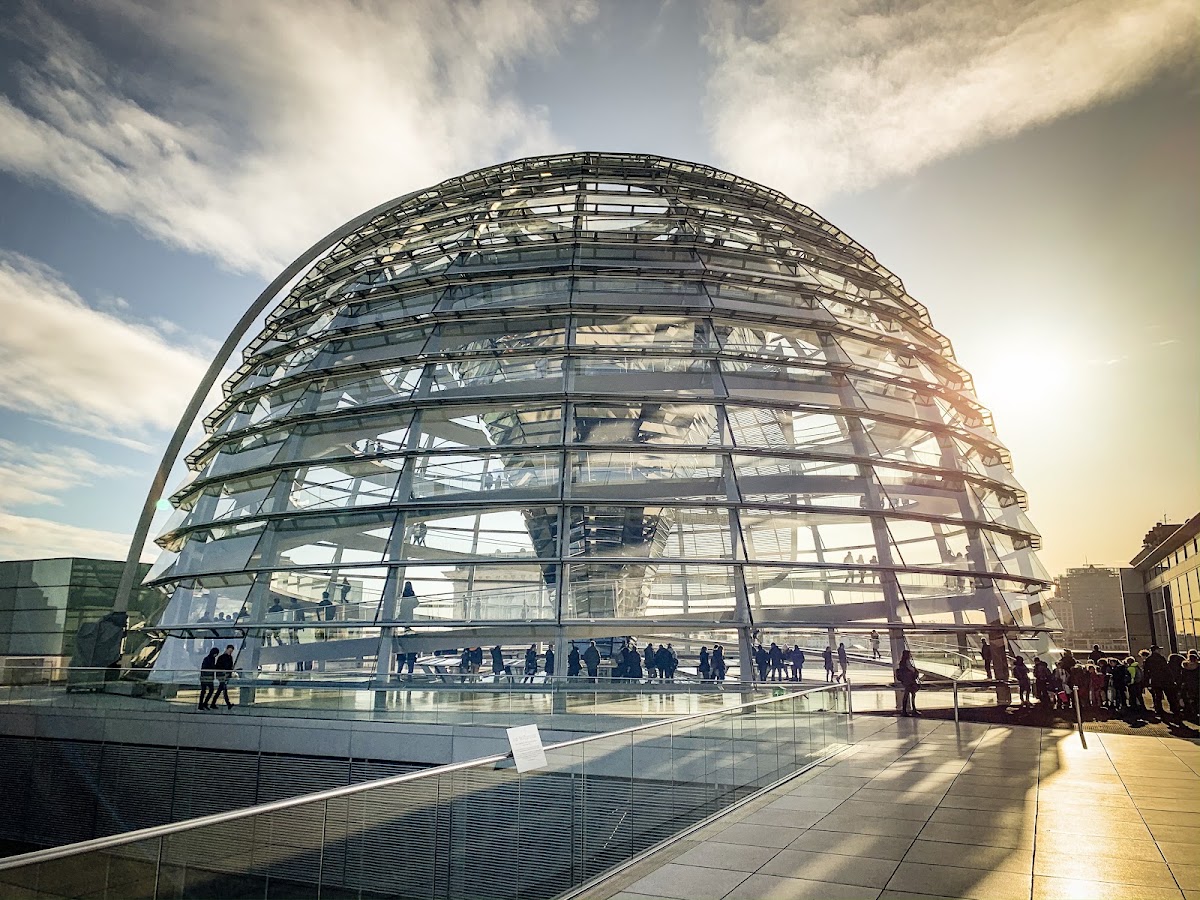
Reichstag Building
1h
Berlin · 🎭 Entertainment · 🚶 6 min walk
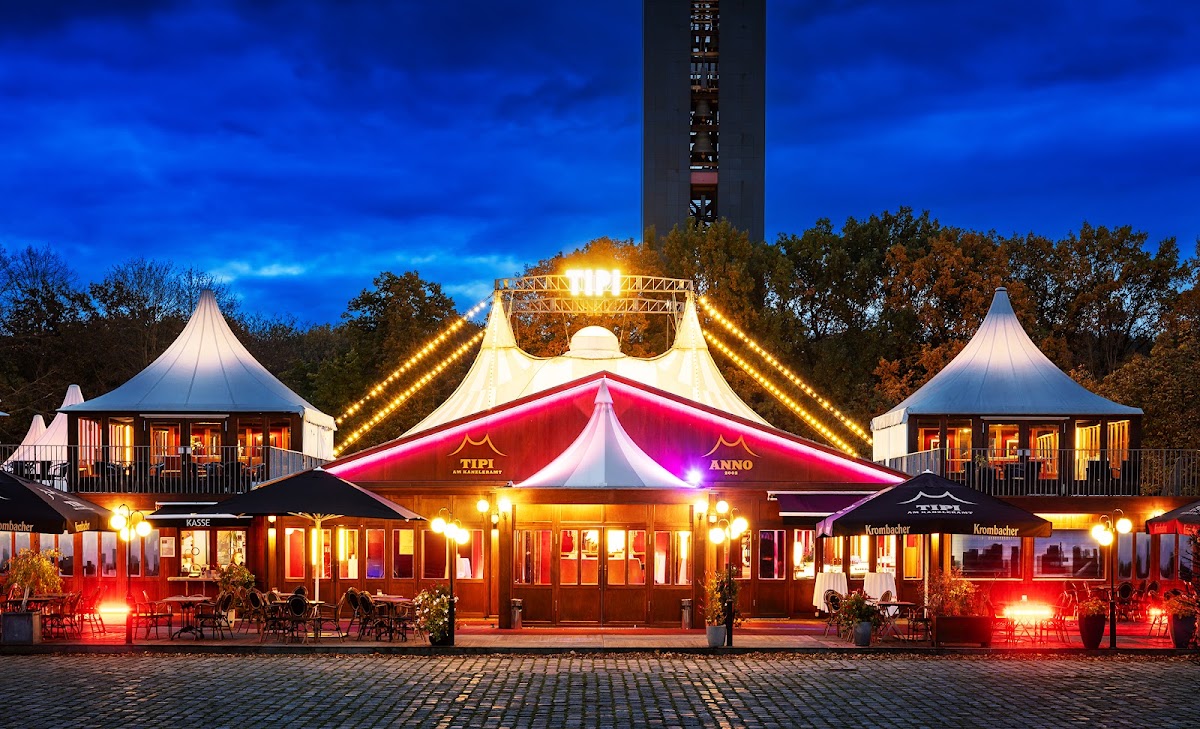
TIPI AM KANZLERAMT Berlin
2h30
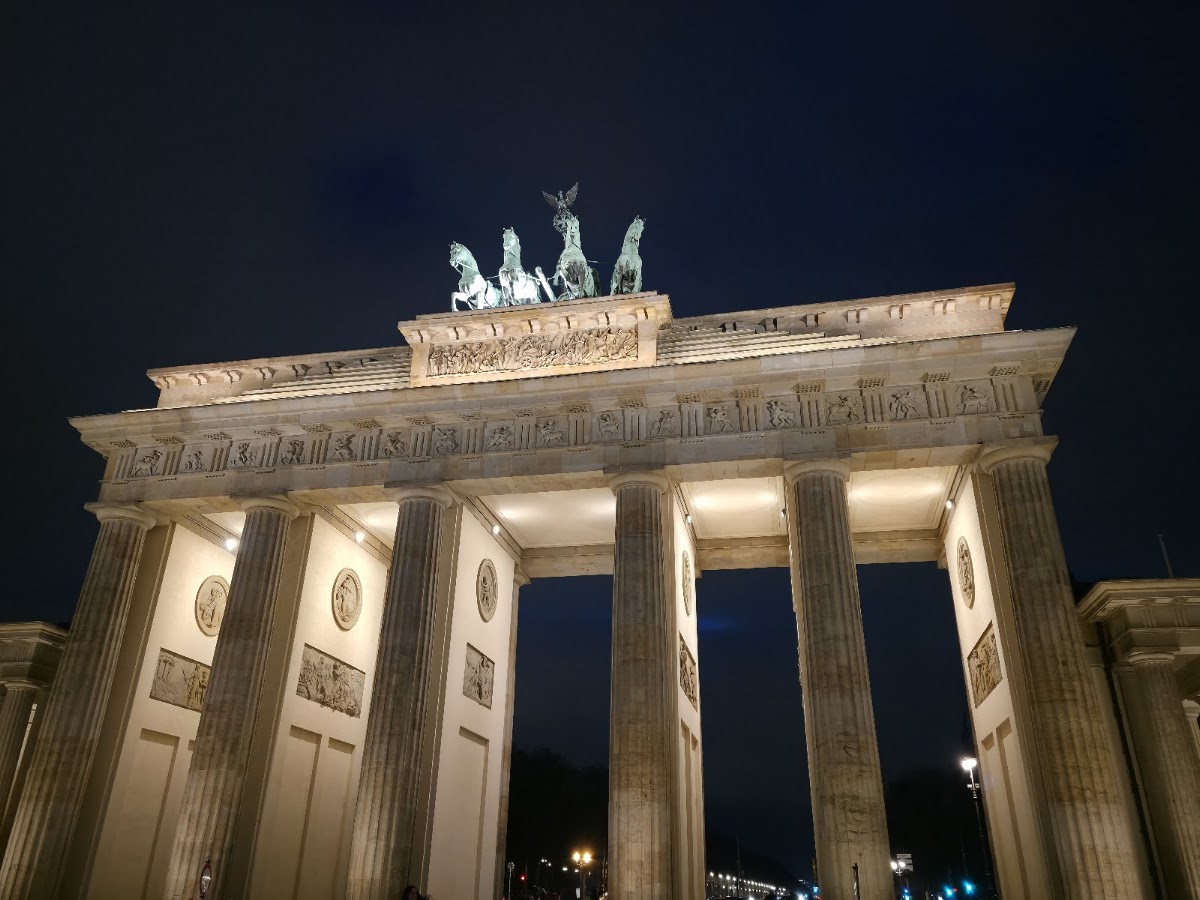
Berlin · 🏛️ Landmark · 🚶 6 min walk
Brandenburg Gate
30 min
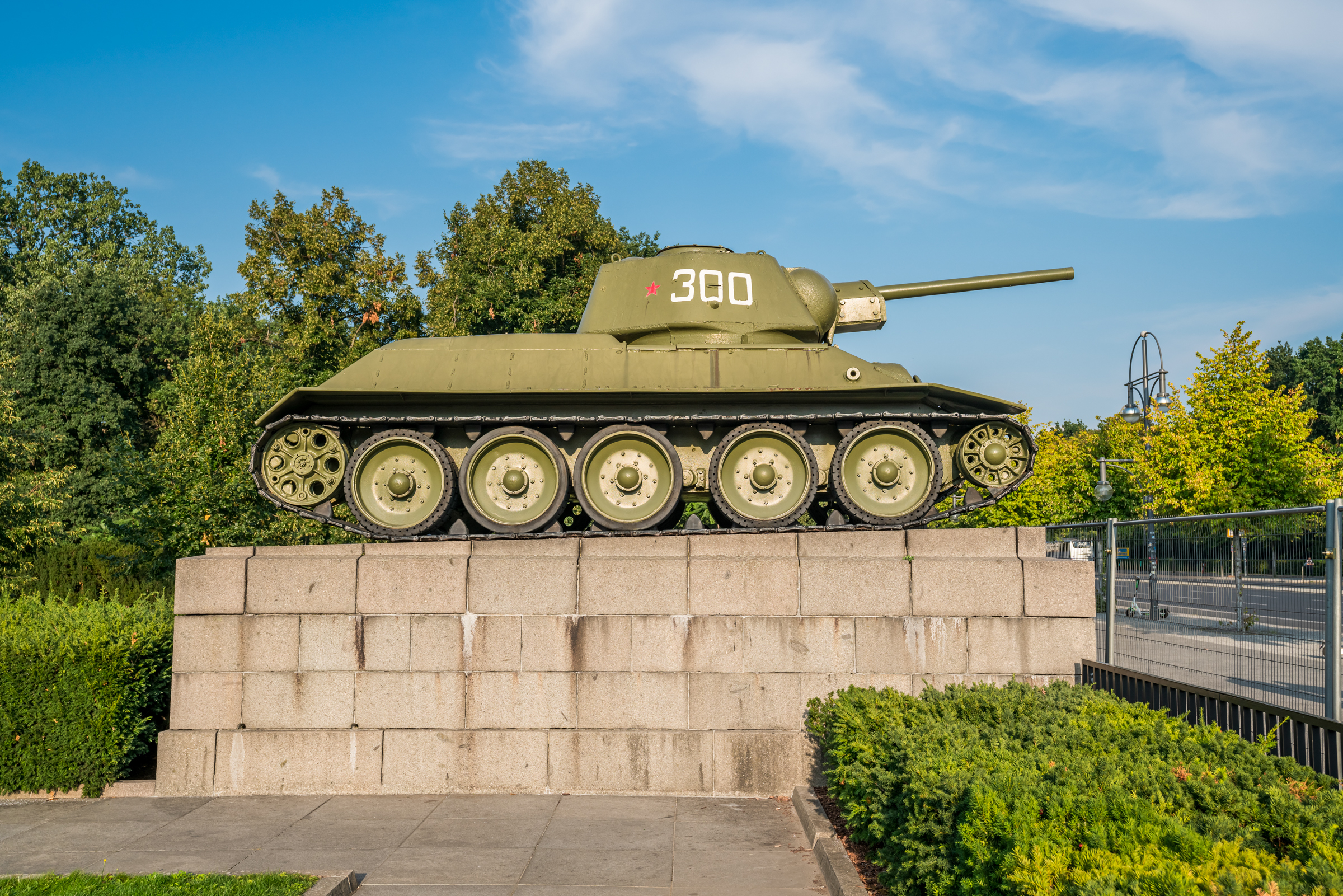
Berlin · 🏛️ Landmark · 🚶 7 min walk
Third Reich & Cold War 2 Hour Guided Walking Tour
2h
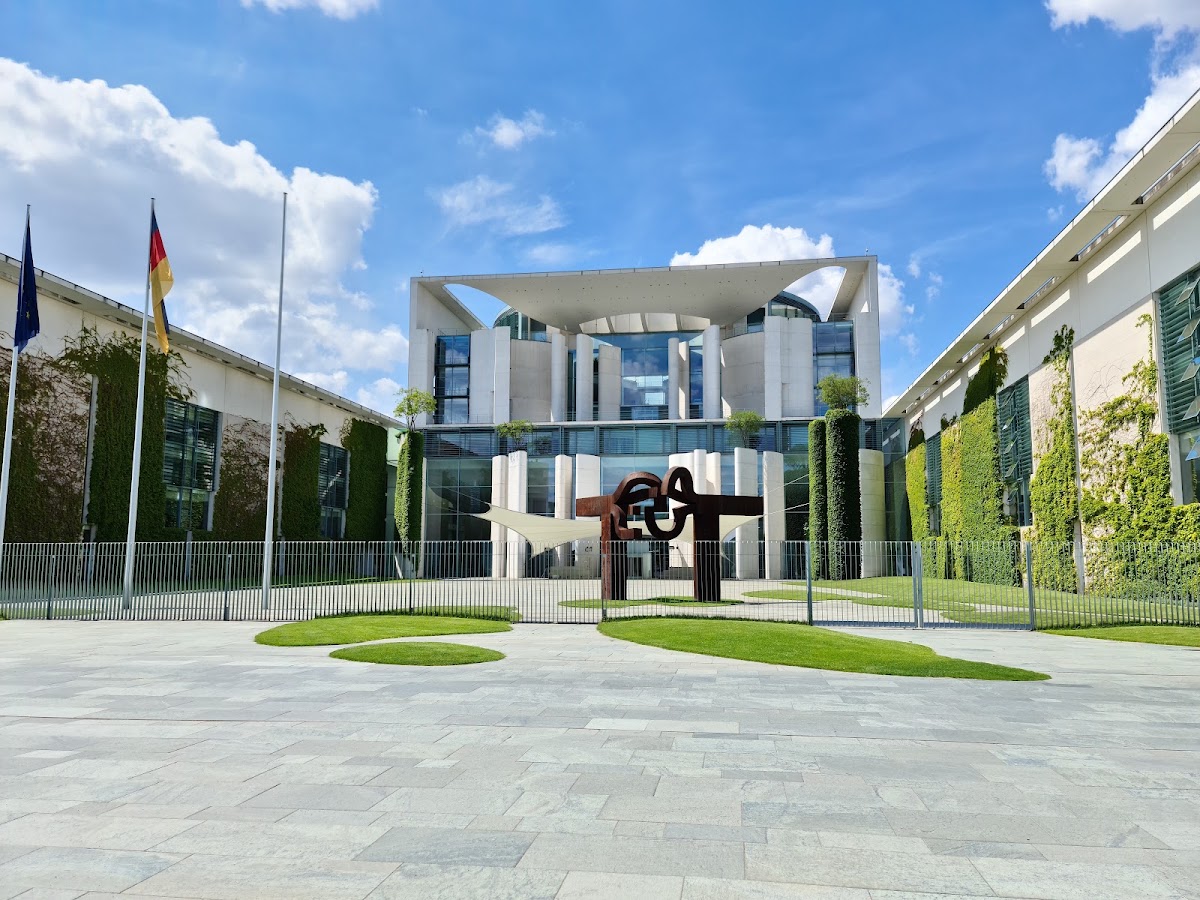
Berlin · 🏛️ Landmark · 🚶 7 min walk
German Chancellery
15 min
Berlin · 🏛️ Landmark · 🚶 9 min walk
House of World Cultures
1h
Build your itinerary
City
Dates
Choose your Explorer profile