4.5 ·
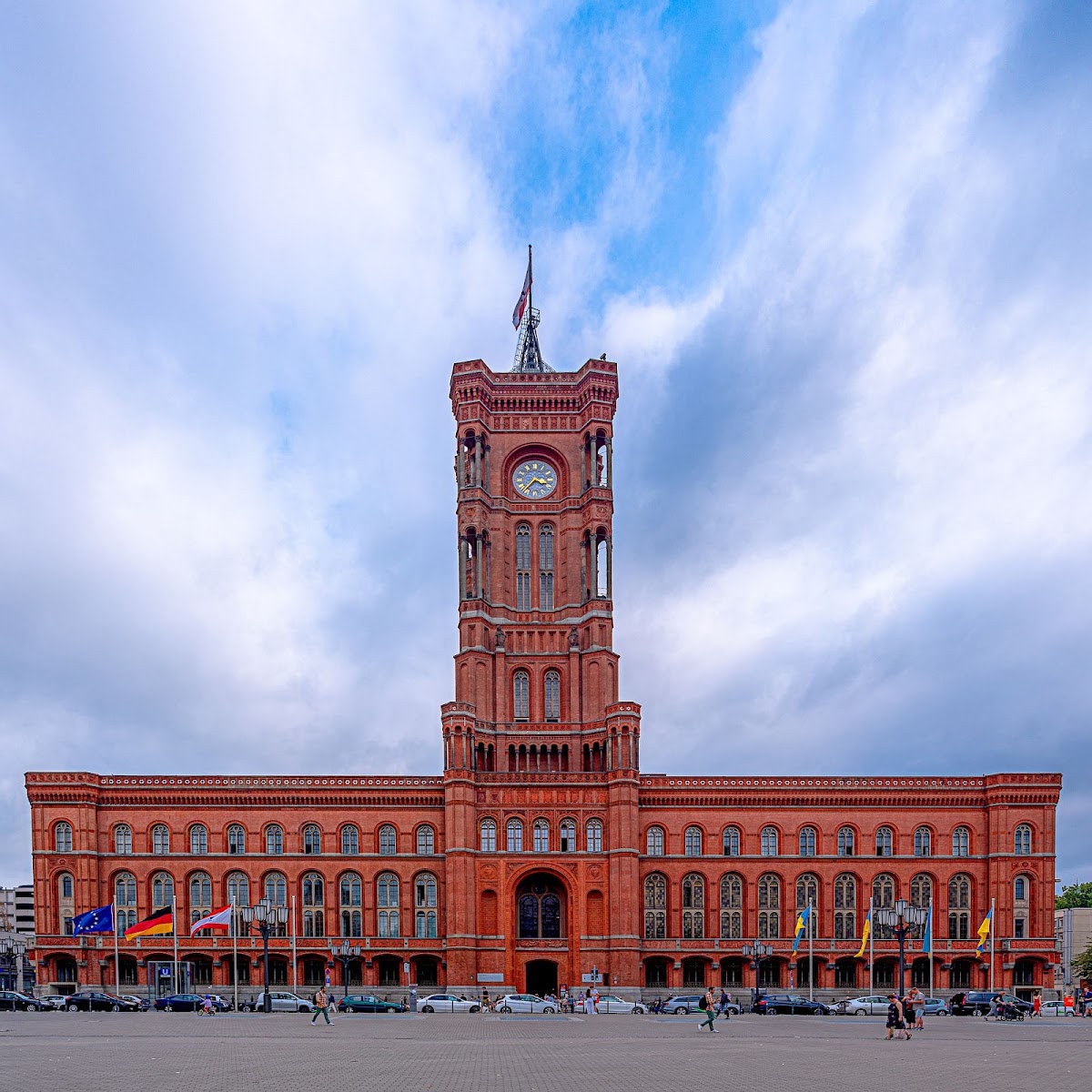
Discover the Rotes Rathaus on your walk between Alexanderplatz and Nikolaiviertel. Admire the deep-red brick façade and terracotta frieze depicting Berlin's history, a free stop worth pausing for even if just from outside.
Reasons to go
Full description
The Rotes Rathaus takes its name — and nickname — from its deep-red brick façade rather than any political leaning, and has served as the seat of Berlin's mayor since it was completed in 1869, surviving two world wars and the city's Cold War division intact enough to remain functional today. A terracotta frieze wrapping the building depicts scenes from Berlin's history, and its tower still anchors the skyline near Alexanderplatz even amid the taller TV Tower nearby.
One reviewer notes it's easy to walk past without really seeing it, which is fair, since it's more often admired from outside than toured — but its survival through the city's most turbulent century gives it real weight. It's a quick, free stop best folded into a walk between Alexanderplatz and Nikolaiviertel.
The Rotes Rathaus takes its name — and nickname — from its deep-red brick façade rather than any political leaning, and has served as the seat of Berlin's mayor since it was completed in 1869, surviving two world wars and the city's Cold War division intact enough to remain functional today. A terracotta frieze wrapping the building depicts scenes from Berlin's history, and its tower still anchors the skyline near Alexanderplatz even amid the taller TV Tower nearby.
One reviewer notes it's easy to walk past without really seeing it, which is fair, since it's more often admired from outside than toured — but its survival through the city's most turbulent century gives it real weight. It's a quick, free stop best folded into a walk between Alexanderplatz and Nikolaiviertel.
Duration
20 min
Best time
morning, lunchtime, afternoon or early evening
Intensity
Easy pace
Good to know
Reviews
We got a chance to visit Red City Hall just before closing hours. Entry is free of cost. It has display galleries showing gifts received from various countries. I really liked the red carpet entry.
Mahesh Saini
3/5📍 Nearby spots
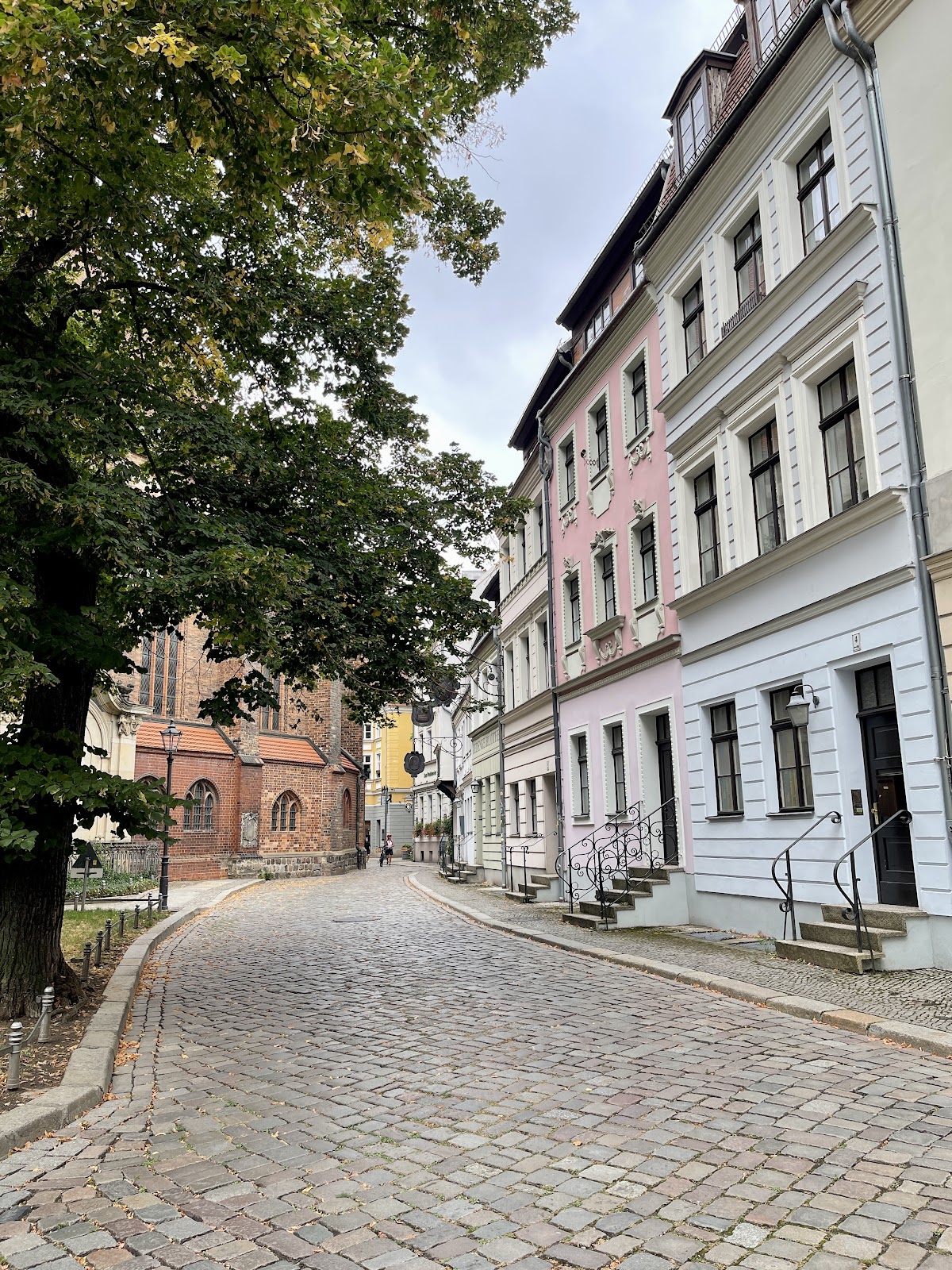
Berlin · 🚶 Neighborhoods · 🚶 2 min walk
Nikolaiviertel
1h15
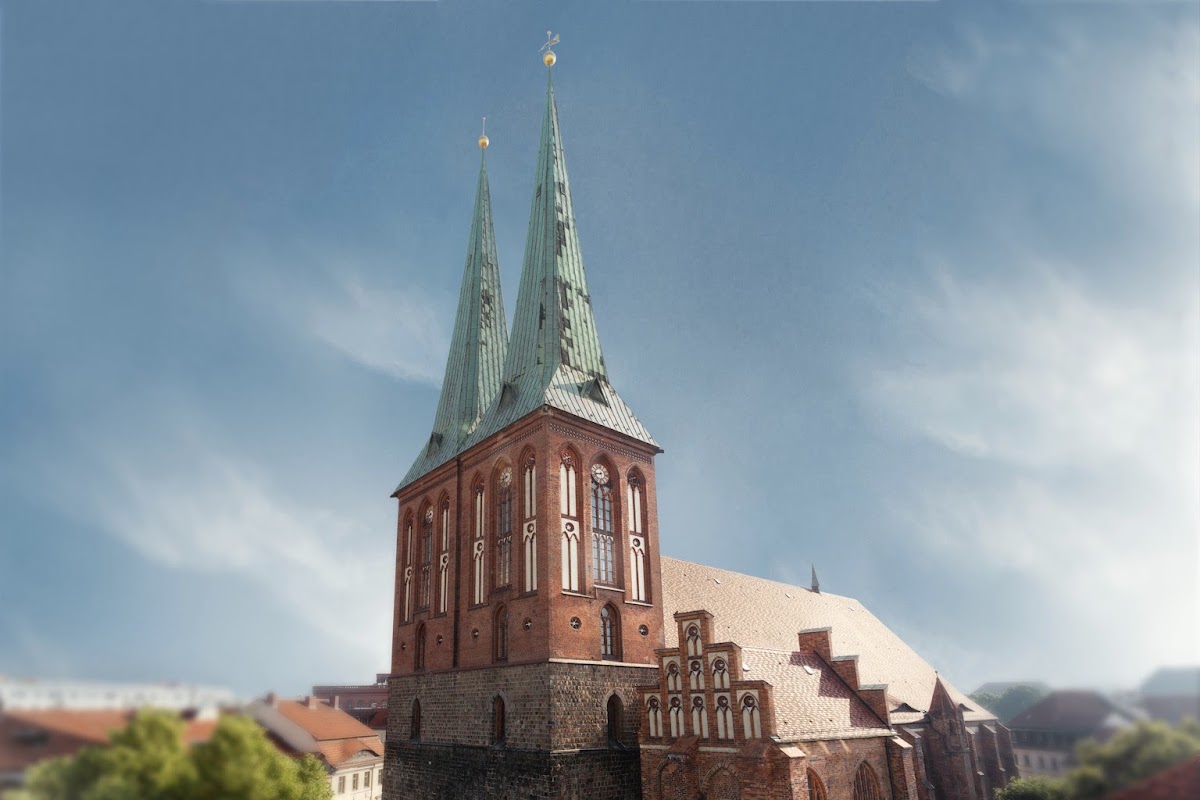
Berlin · 🎨 Museum · 🚶 3 min walk
St. Nicholas' Church Museum
45 min
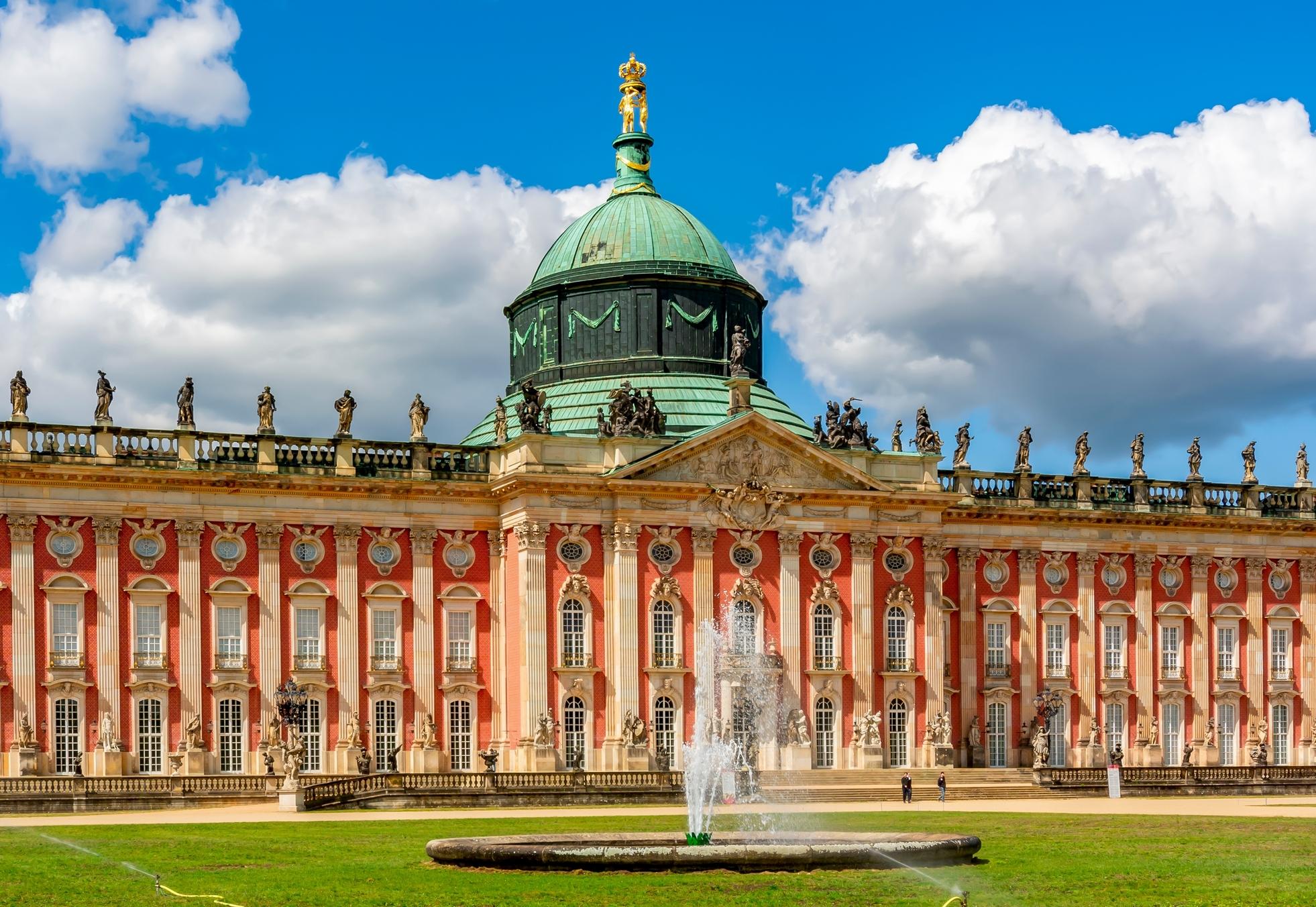
Berlin · 🏛️ Landmark · 🚶 3 min walk
Sachsenhausen Concentration Camp and Potsdam Tour
8h30
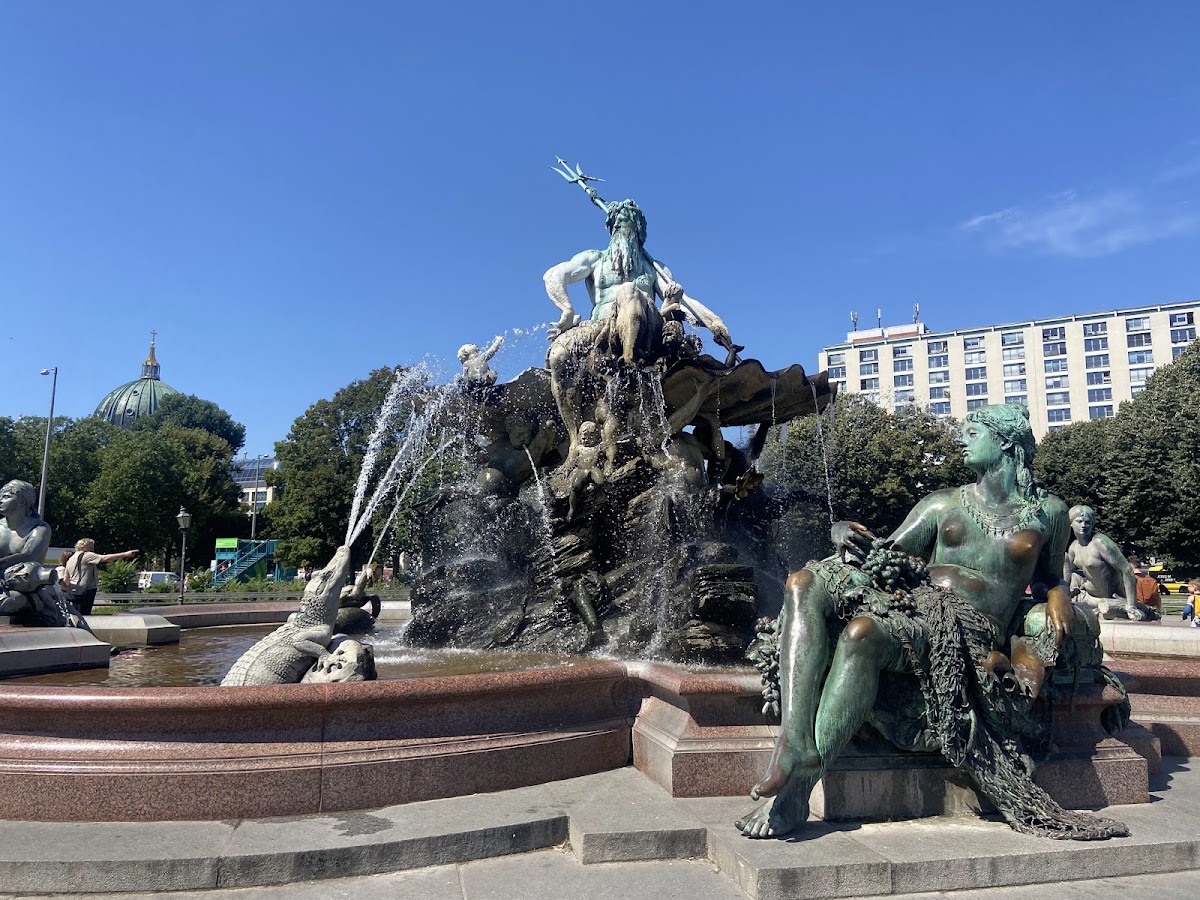
Berlin · 🏛️ Landmark · 🚶 3 min walk
Neptune Fountain
15 min
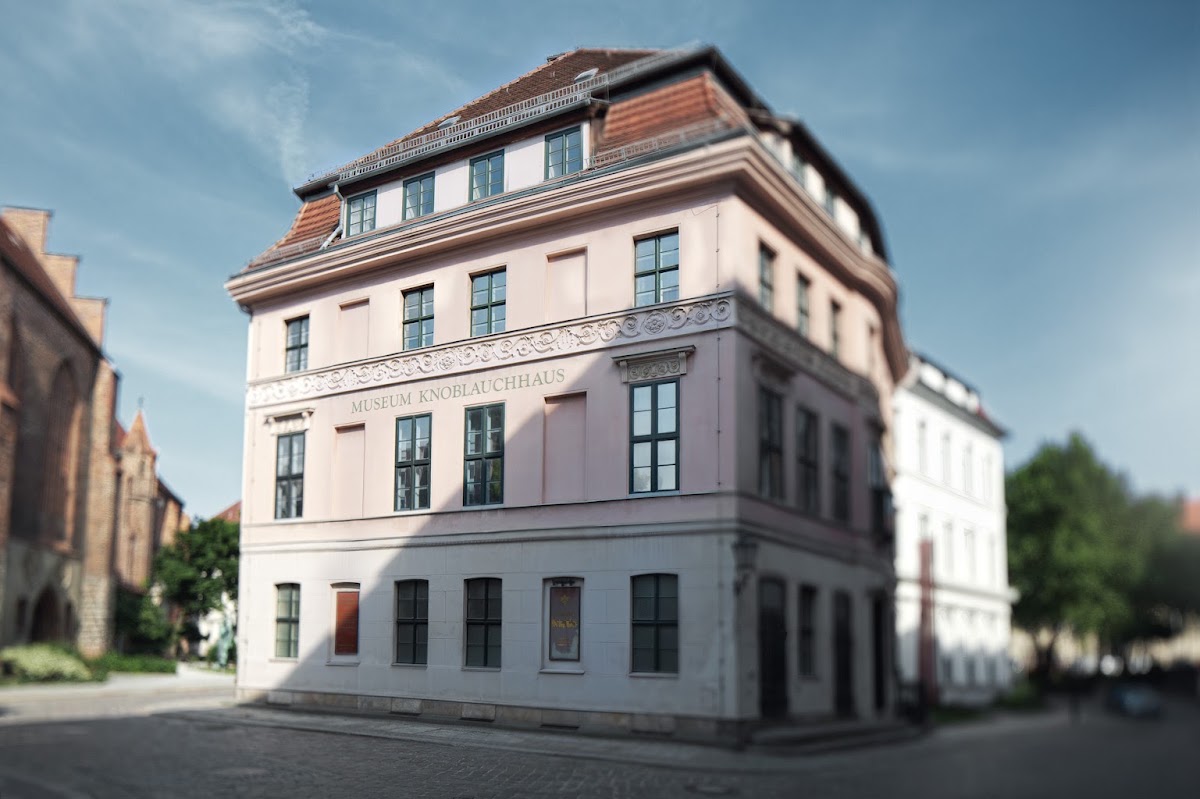
Berlin · 🎨 Museum · 🚶 4 min walk
Knoblauchhaus
45 min
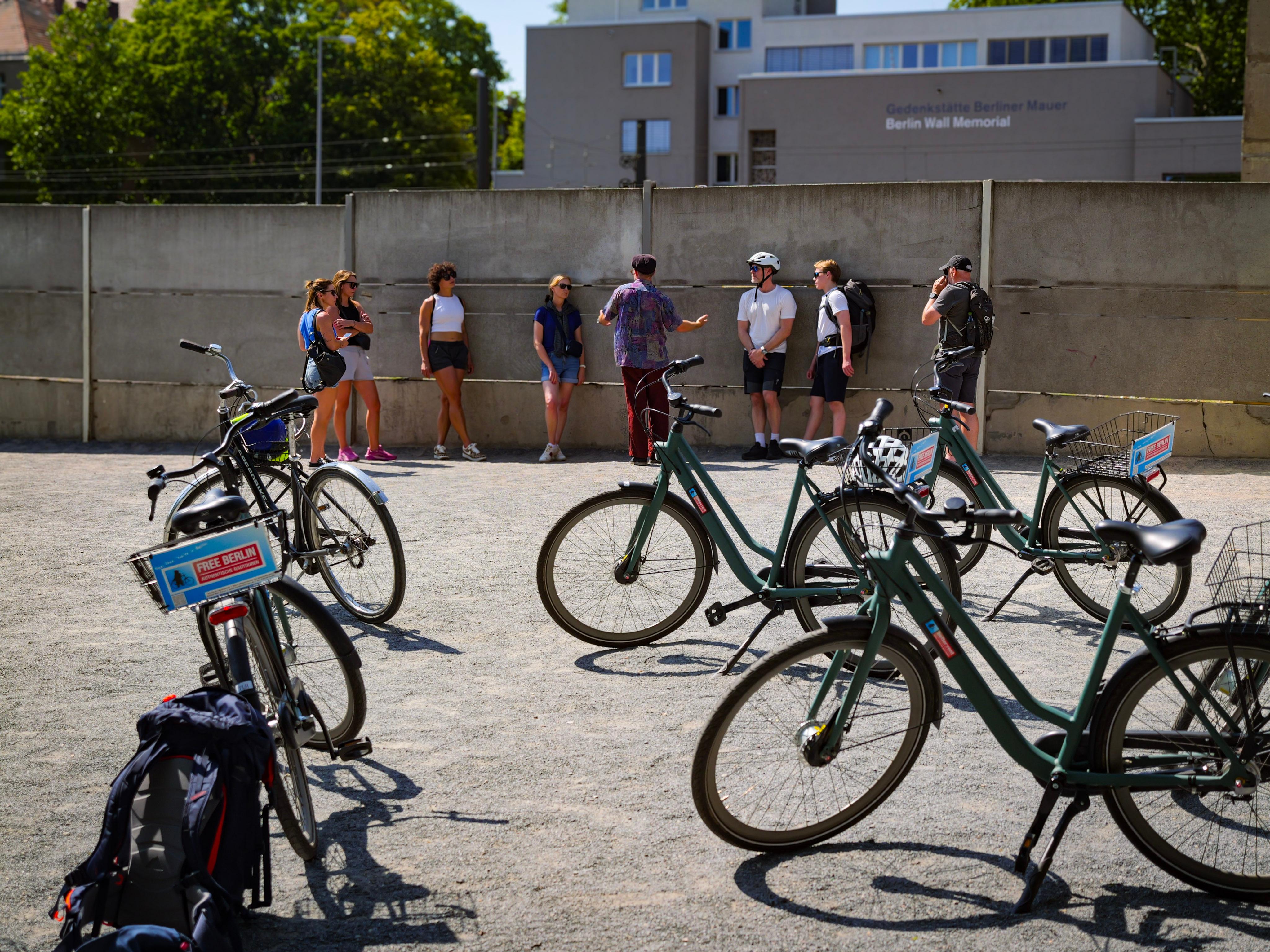
Berlin · 🏛️ Landmark · 🚶 4 min walk
The Wall and Third Reich Guided Bike Tour
3h
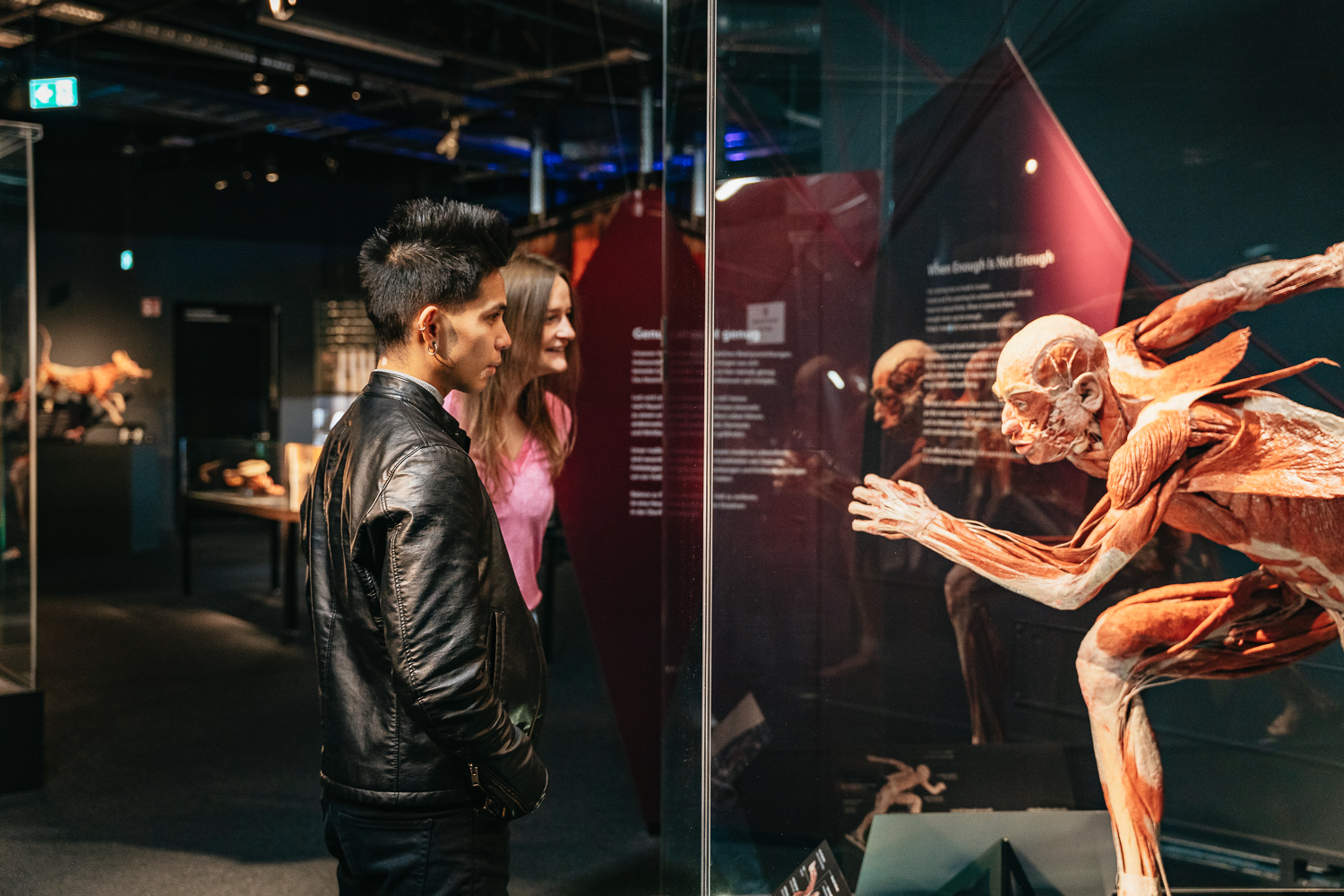
Berlin · 🎨 Museum · 🚶 4 min walk
Tickets for the BODY WORLDS Museum in Berlin
2h
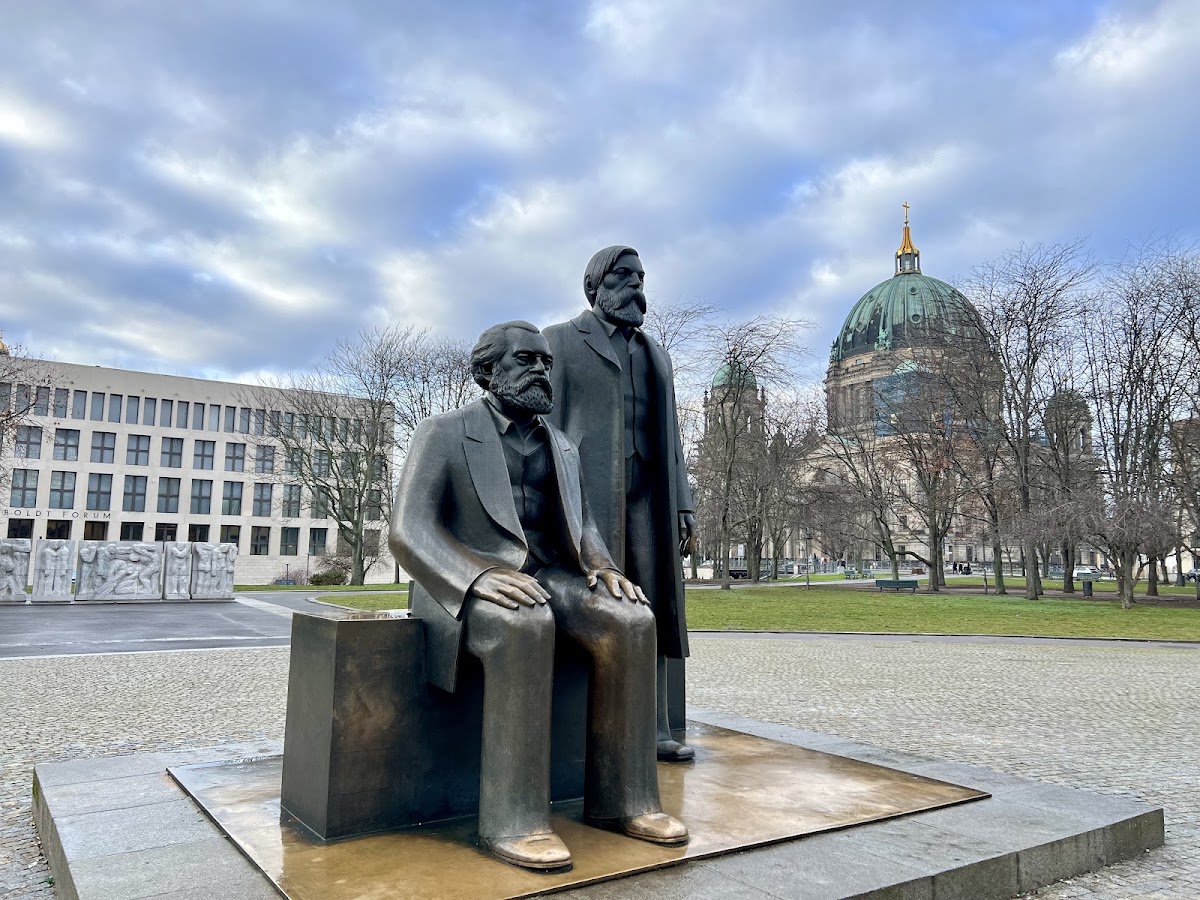
Berlin · 🏛️ Landmark · 🚶 4 min walk
Marx-Engels-Forum
20 min
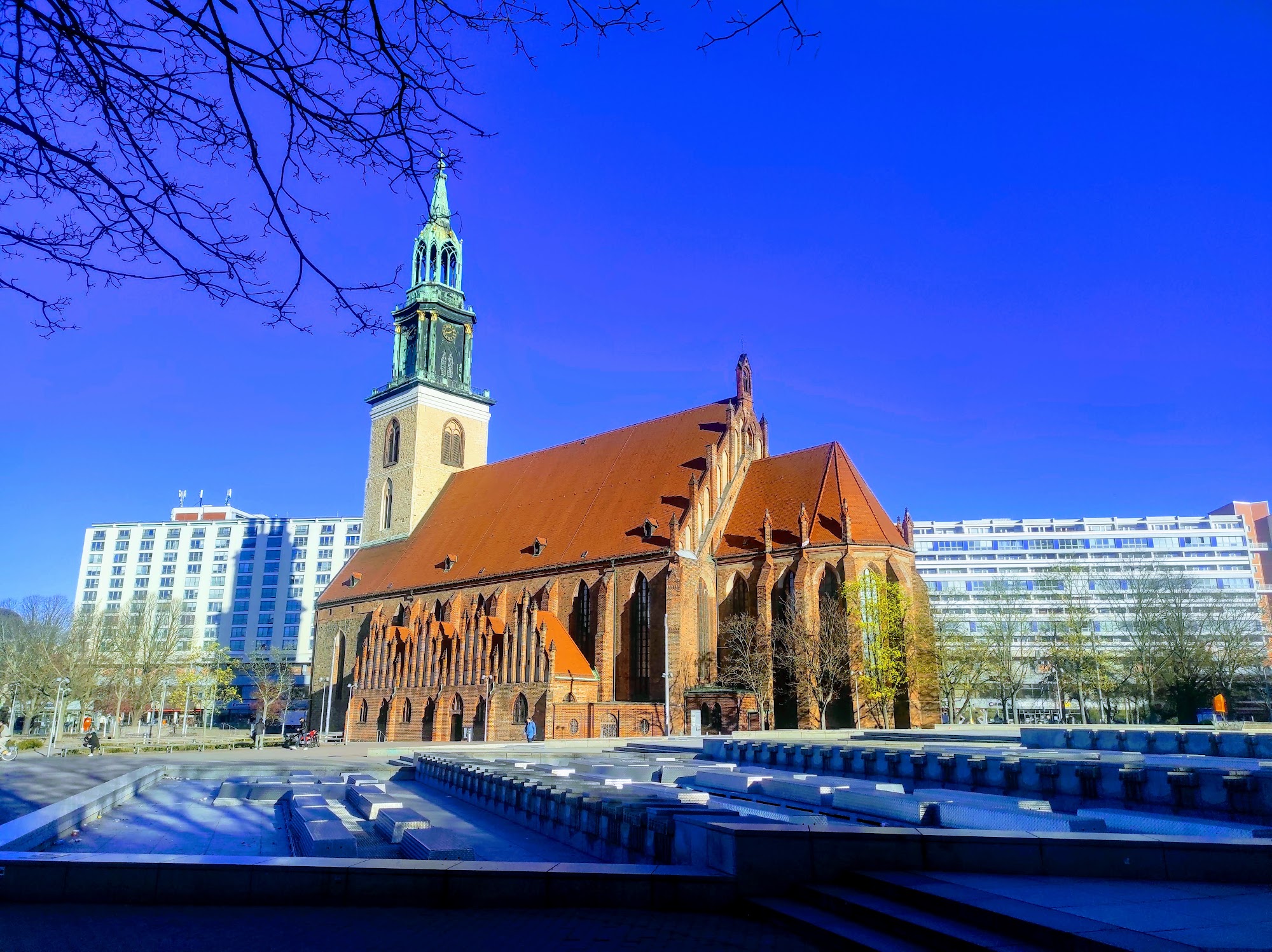
Berlin · 🏛️ Landmark · 🚶 5 min walk
Saint Mary's Church
20 min
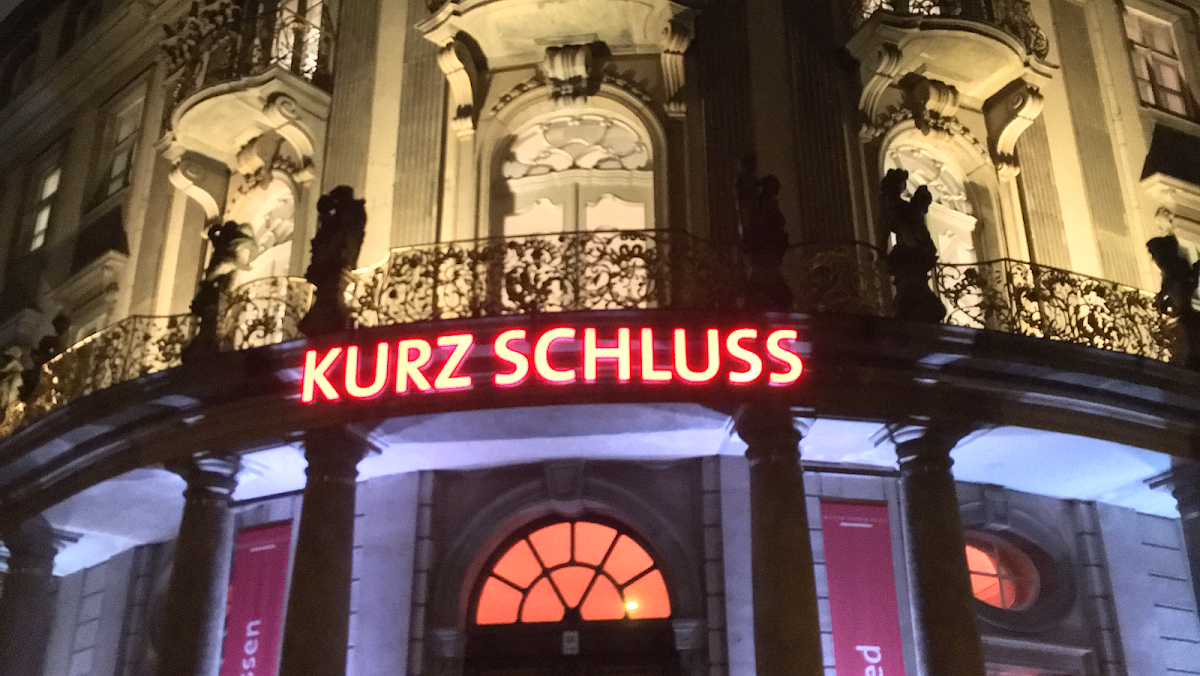
Berlin · 🎨 Museum · 🚶 5 min walk
Museum Ephraim-Palais
1h15
Build your itinerary
City
Dates
Choose your Explorer profile