4.6 ·
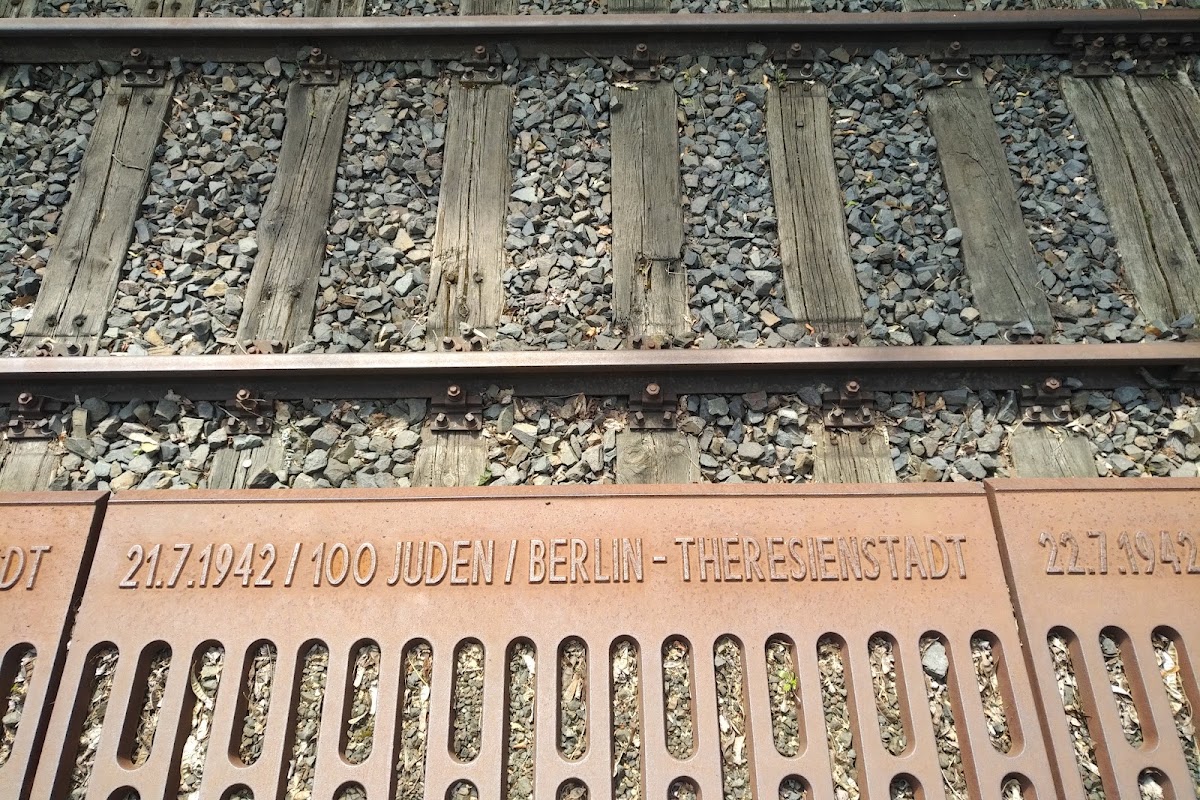
Visit Platform 17 at Grunewald station, a disused platform turned Holocaust memorial. Walk along the overgrown tracks reading steel edges cast with the date, deportee count, and destination of each transport, laid out in chronological order.
Reasons to go
Full description
Between 1941 and 1945, more than 50,000 Berlin Jews were deported from Grunewald station to ghettos and death camps in the east, and the Gleis 17 memorial marks the disused platform with steel edges cast with the date, number of deportees, and destination of every recorded transport, laid out in chronological order along the overgrown tracks. Reviewers consistently describe it as understated but devastating, the sheer accumulation of dates making the scale of the deportations feel painfully concrete rather than abstract.
It's free, quiet, and situated in a residential area away from central tourist routes, which only adds to its solemn atmosphere. With the highest culture score in this batch, it's an essential stop for anyone seriously engaging with Berlin's Holocaust history, though its remote setting means most casual sightseers never make it there.
Between 1941 and 1945, more than 50,000 Berlin Jews were deported from Grunewald station to ghettos and death camps in the east, and the Gleis 17 memorial marks the disused platform with steel edges cast with the date, number of deportees, and destination of every recorded transport, laid out in chronological order along the overgrown tracks. Reviewers consistently describe it as understated but devastating, the sheer accumulation of dates making the scale of the deportations feel painfully concrete rather than abstract.
It's free, quiet, and situated in a residential area away from central tourist routes, which only adds to its solemn atmosphere. With the highest culture score in this batch, it's an essential stop for anyone seriously engaging with Berlin's Holocaust history, though its remote setting means most casual sightseers never make it there.
Address
Hours
Booking
Duration
20 min
Intensity
Easy pace
Good to know
Reviews
Platform 17 is a deeply moving and important memorial dedicated to the Jewish people. It stands as a chilling and powerful testimony to the horrors that took place here over 80 years ago. Visiting this site is not just recommended — it is essential for anyone who wants to understand and reflect on this dark chapter in…
Diana K
2/5Build your itinerary
City
Dates
Choose your Explorer profile