4.6 ·
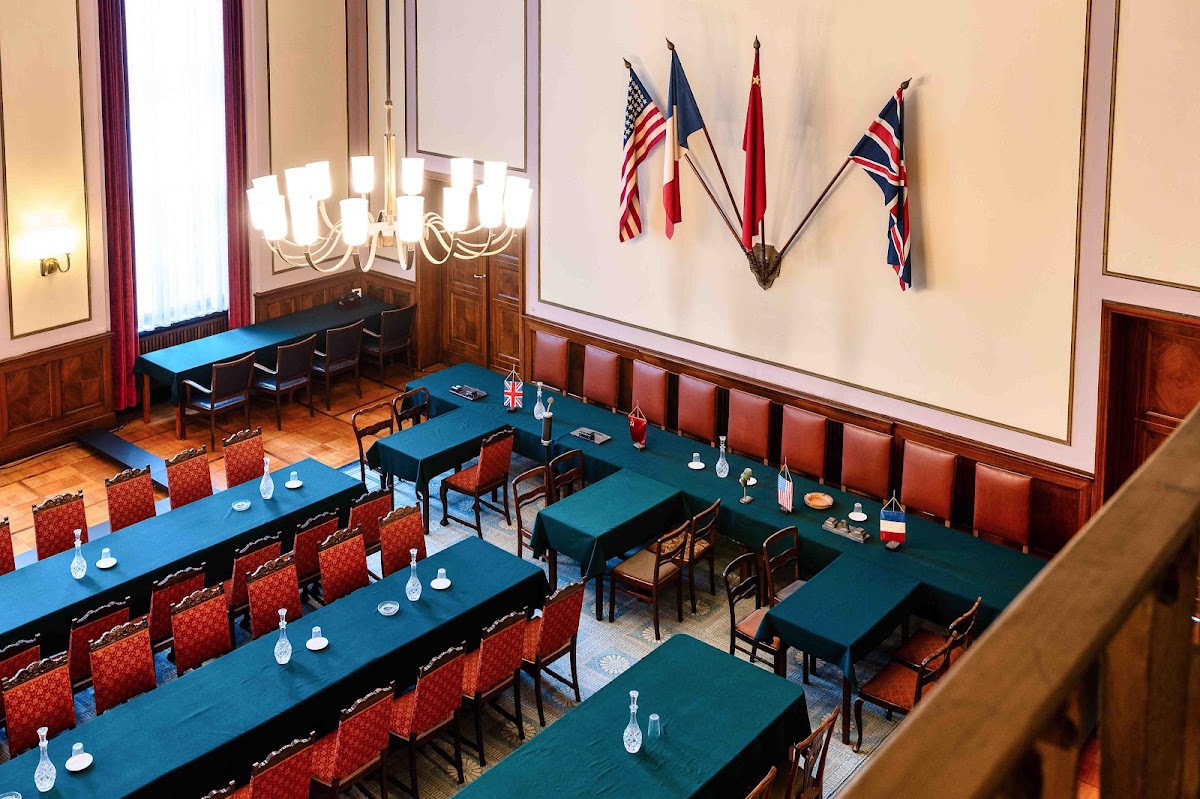
Step into the room where Germany's unconditional surrender was signed in May 1945, preserved almost exactly as it was that night. Explore free exhibits of original artifacts and documents tracing the German-Soviet war and its aftermath in vivid, unembellished detail.
Reasons to go
Full description
Museum Berlin-Karlshorst occupies the building where German military leaders signed the instrument of unconditional surrender on the night of May 8-9, 1945, ending the war in Europe, and much of the original signing room and surrounding spaces remain intact. The exhibition traces the broader German-Soviet conflict in detail, drawing heavily on original artifacts and documents that reviewers describe as strikingly authentic rather than reconstructed for effect.
Free admission and a 4.6 rating across nearly 2,000 reviews point to a museum that punches above its profile relative to its distance from central Berlin. It's essential viewing for anyone with a serious interest in the Second World War's endgame.
Museum Berlin-Karlshorst occupies the building where German military leaders signed the instrument of unconditional surrender on the night of May 8-9, 1945, ending the war in Europe, and much of the original signing room and surrounding spaces remain intact. The exhibition traces the broader German-Soviet conflict in detail, drawing heavily on original artifacts and documents that reviewers describe as strikingly authentic rather than reconstructed for effect.
Free admission and a 4.6 rating across nearly 2,000 reviews point to a museum that punches above its profile relative to its distance from central Berlin. It's essential viewing for anyone with a serious interest in the Second World War's endgame.
Duration
1h15
Best time
morning, lunchtime, afternoon or early evening
Intensity
Moderate walking
Good to know
Reviews
If you love WW2 history this place is a must! Many things are still original and the stories that are being told really give you a idea of how WW2 ended. As this museum is also focused on Russia/USSR you also get a glimpse of how this war progressed trough their view which Is really interesting. The outside of the…
Marijn Pals
2/5Build your itinerary
City
Dates
Choose your Explorer profile