4.7 ·
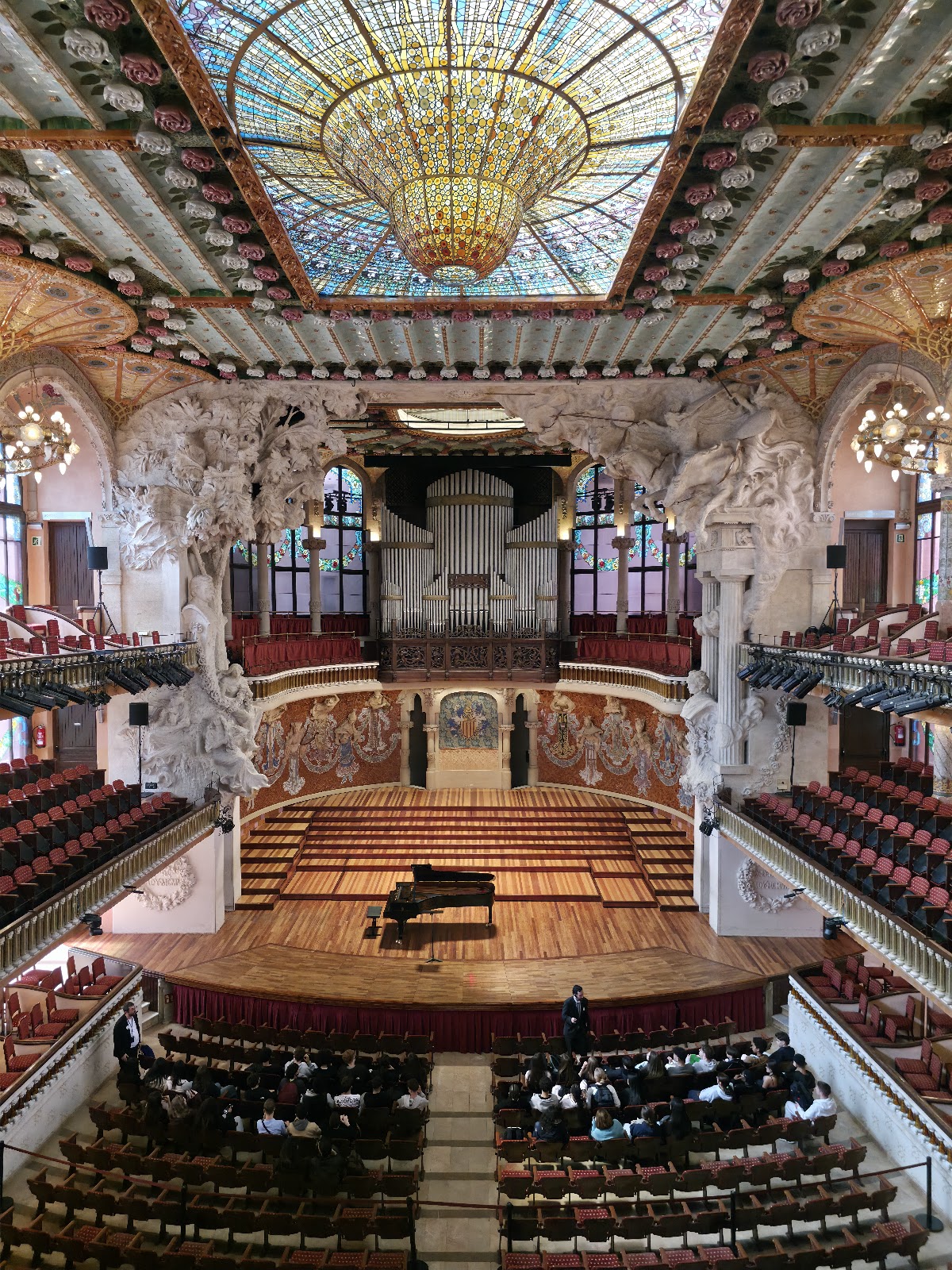
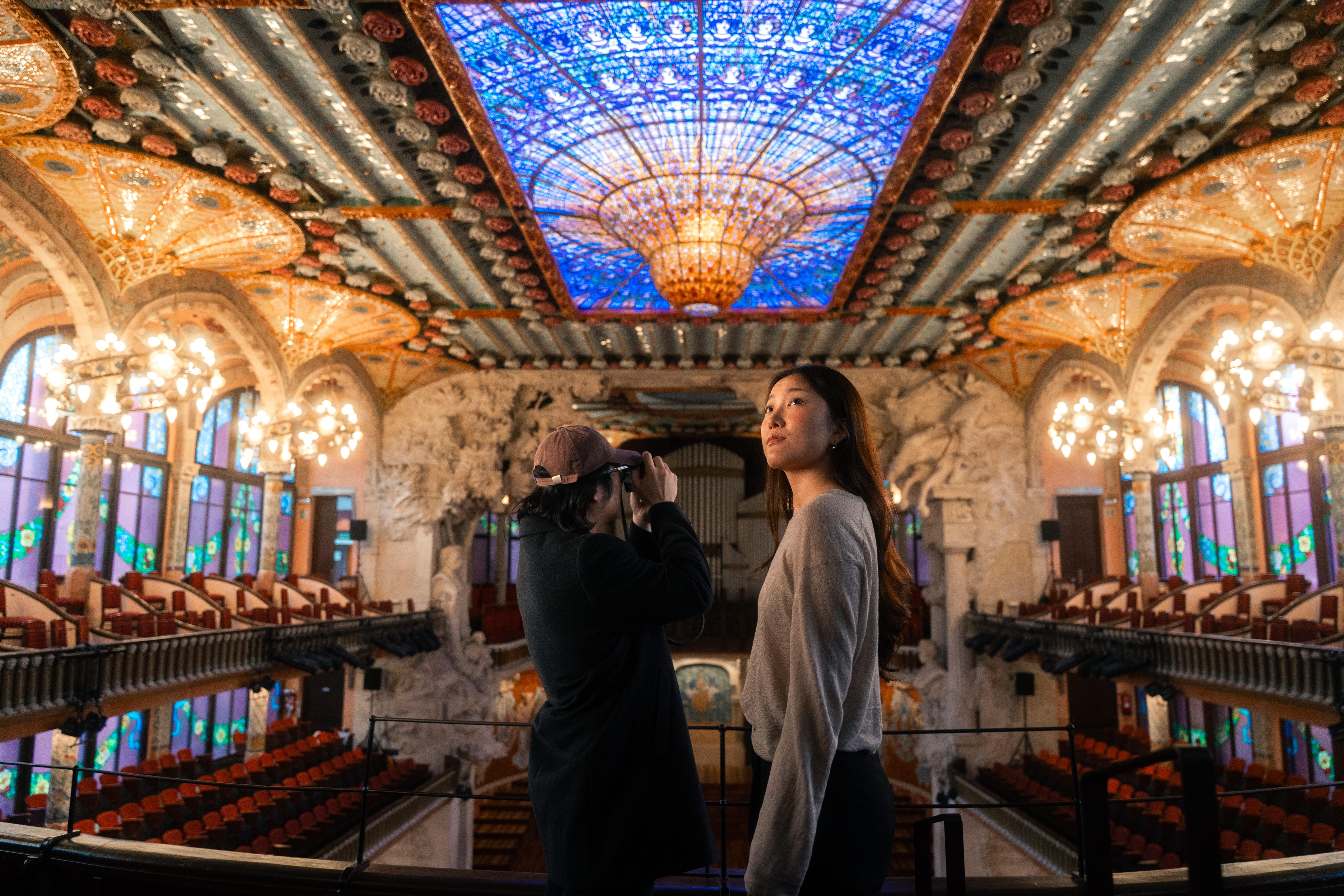
Discover the Palau de la Música Catalana, a Modernisme masterpiece of sculpture, mosaic, and stained glass. Take a guided daytime tour or attend an evening concert to see the inverted glass dome flood the hall with color while the acoustics work their magic.
Reasons to go
Full description
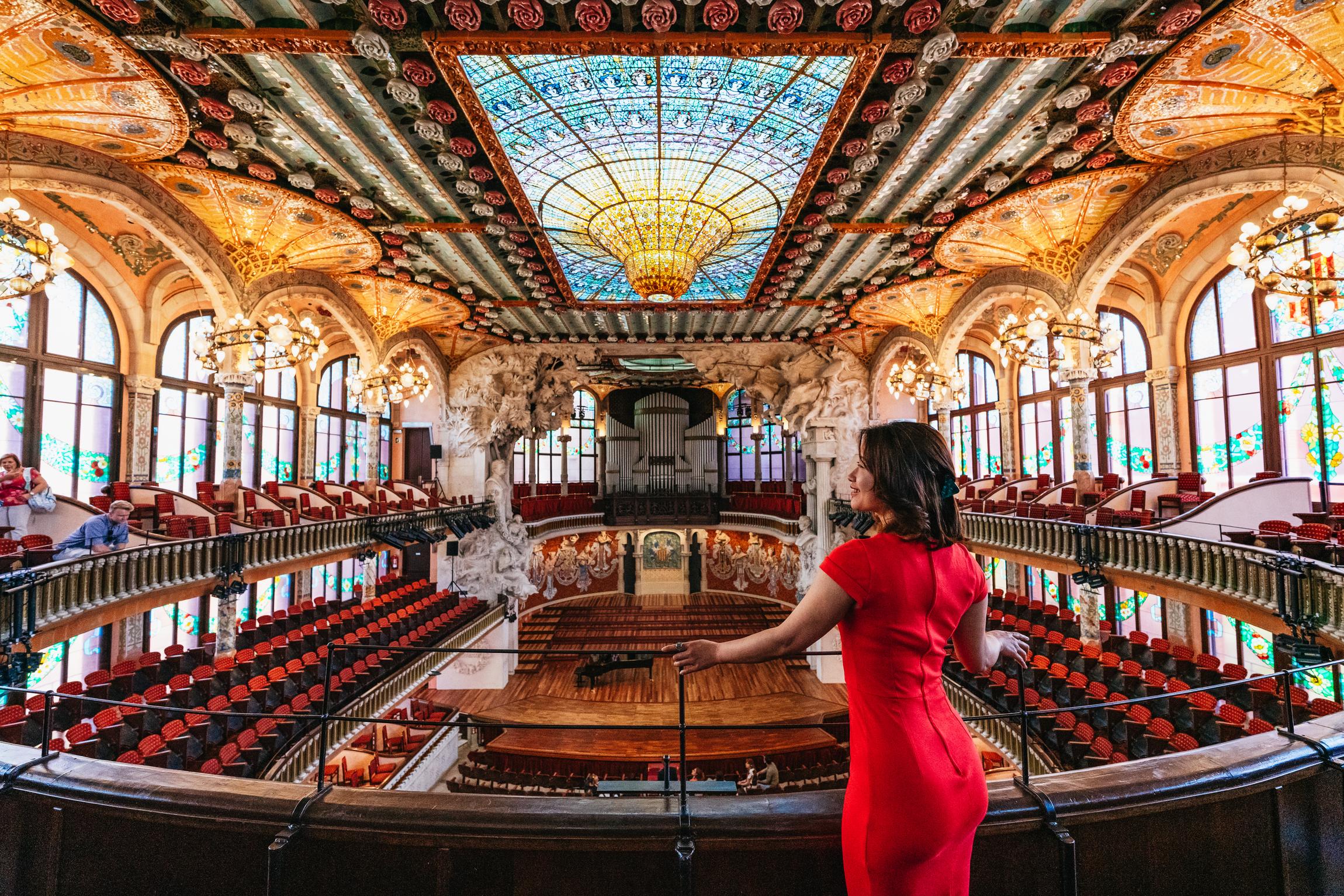
Built between 1905 and 1908 by architect Lluís Domènech i Montaner for the Orfeó Català choral society, the concert hall is considered one of the finest expressions of Catalan Modernisme, packed with sculpture, mosaic, and stained glass rather than restrained in the way most concert halls are. Its centerpiece is an enormous inverted stained-glass dome that floods the main hall with natural light, a striking departure from conventional theater design of the period.
A guided daytime tour covers the architecture and history, but attending an evening concert here is widely considered the fuller experience, letting the building's acoustics and lighting work together as intended. It suits music lovers and architecture fans in roughly equal measure.
Built between 1905 and 1908 by architect Lluís Domènech i Montaner for the Orfeó Català choral society, the concert hall is considered one of the finest expressions of Catalan Modernisme, packed with sculpture, mosaic, and stained glass rather than restrained in the way most concert halls are. Its centerpiece is an enormous inverted stained-glass dome that floods the main hall with natural light, a striking departure from conventional theater design of the period.
A guided daytime tour covers the architecture and history, but attending an evening concert here is widely considered the fuller experience, letting the building's acoustics and lighting work together as intended. It suits music lovers and architecture fans in roughly equal measure.
Address
Booking
Duration
1h
Best time
afternoon or evening
Intensity
Easy pace
Good to know
Reviews
It's a very powerful experience. You absolutely have to go. I managed to listen to several organ pieces for about 12 hours. The ticket was for 11:00 on Saturday. The Palace of Music is magnificent! It is located in the city center.
Yevhen – Slovakia
1/5📍 Nearby spots
Barcelona · 🏛️ Landmark · 🚶 1 min walk
Palau de la Música Guided Tour
1h
Barcelona · 🏛️ Landmark · 🚶 1 min walk
Palau de la Música Entry Ticket
1h30
Barcelona · 🥐 Breakfast · 🚶 1 min walk
Cafè Palau
45 min
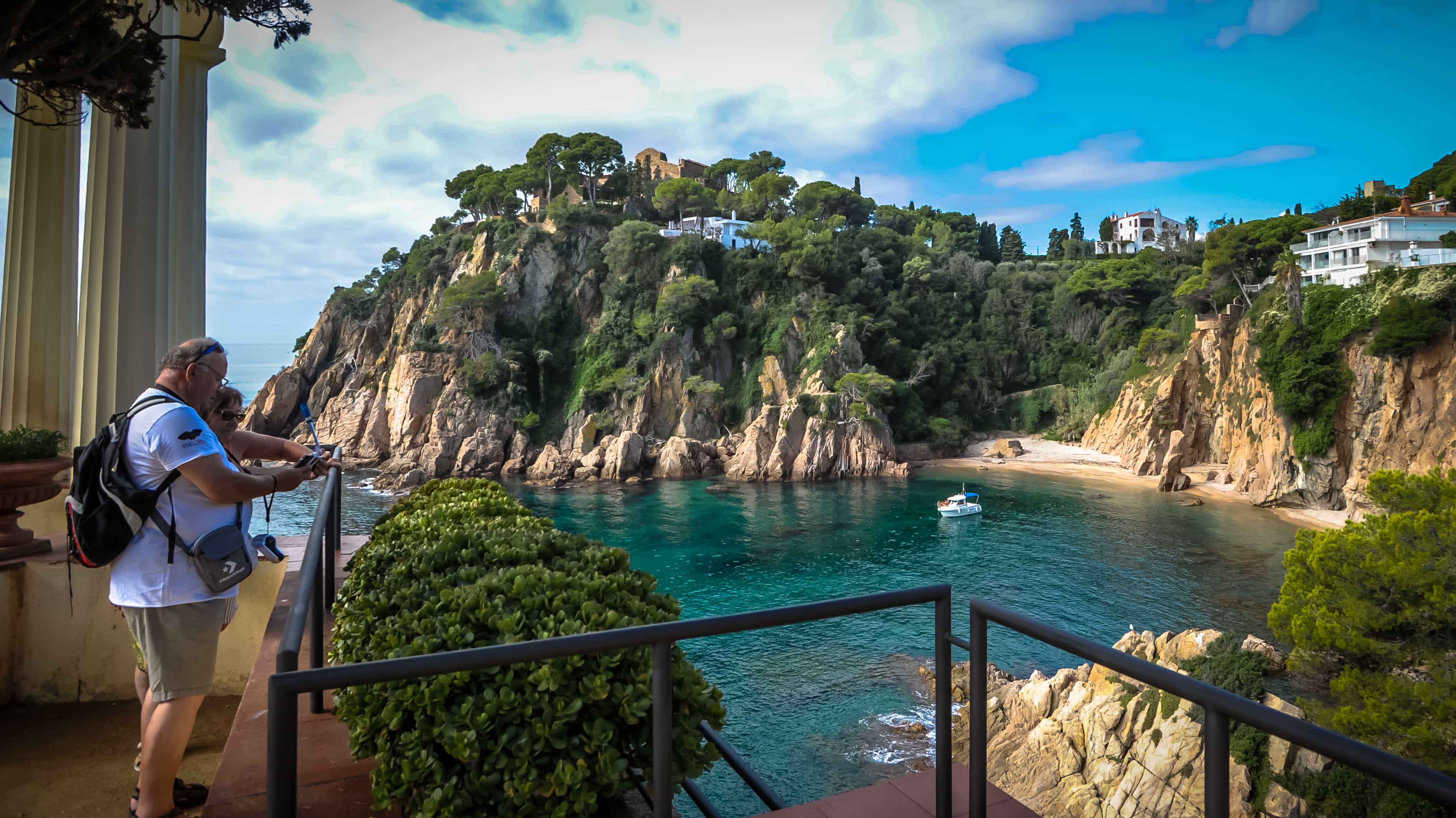
Barcelona · 🏛️ Landmark · 🚶 1 min walk
Costa Brava Day Tour with Lunch
9h
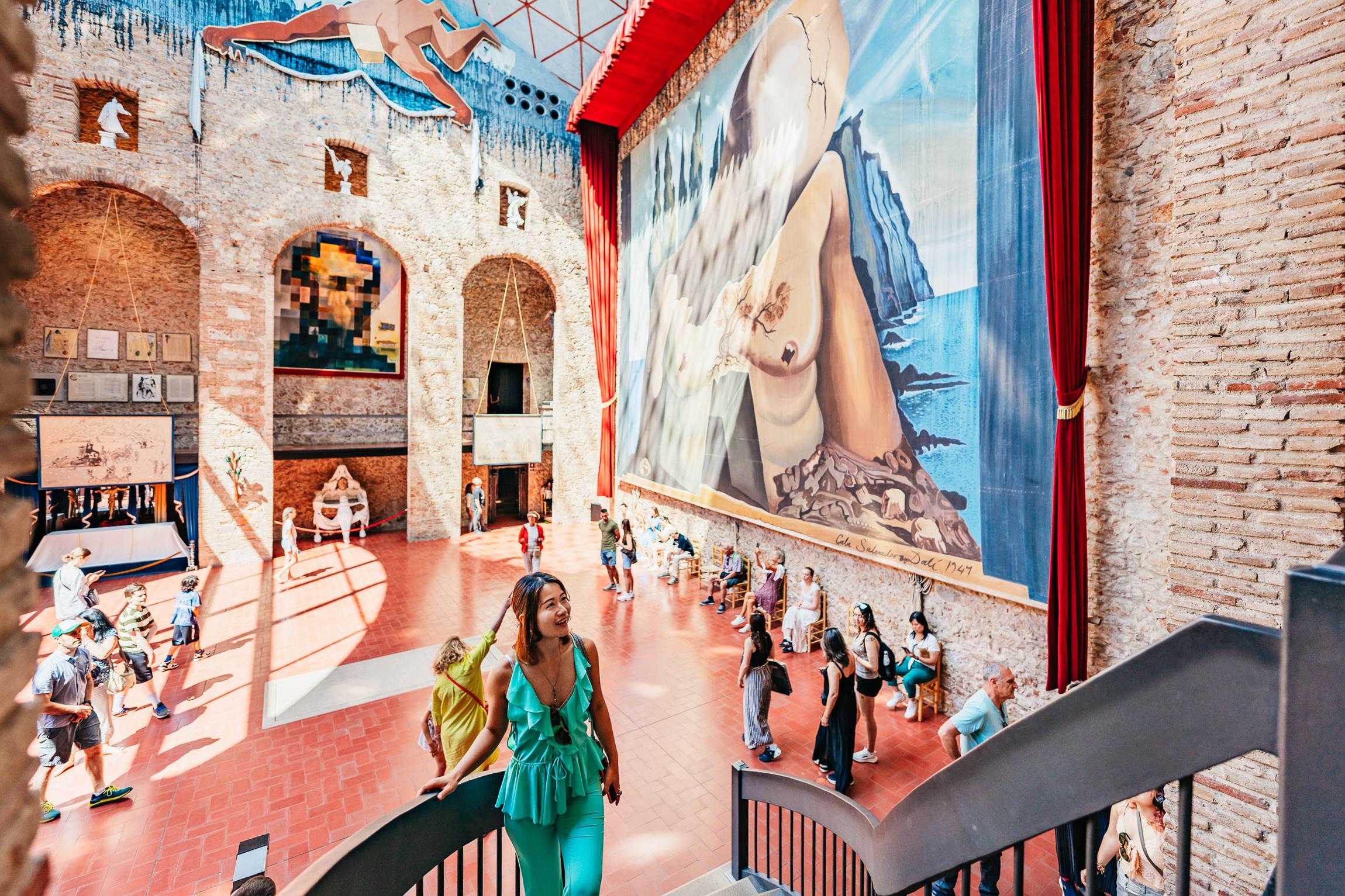
Barcelona · 🎨 Museum · 🚶 1 min walk
Dali Museum, House and Cadaques Guided Tour
9h
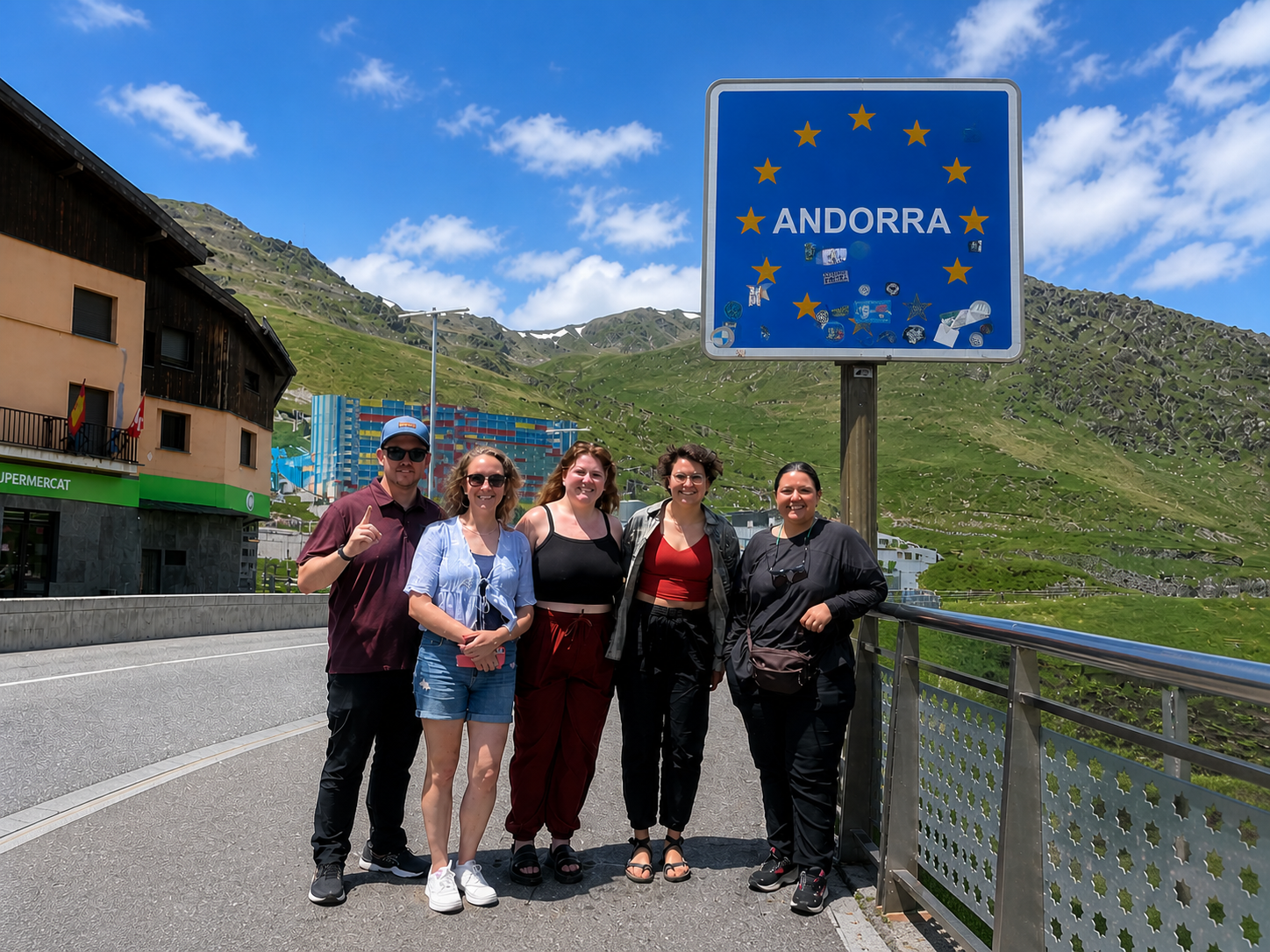
Barcelona · 🏛️ Landmark · 🚶 1 min walk
3 Countries in One Day — Spain, France & Andorra
10h
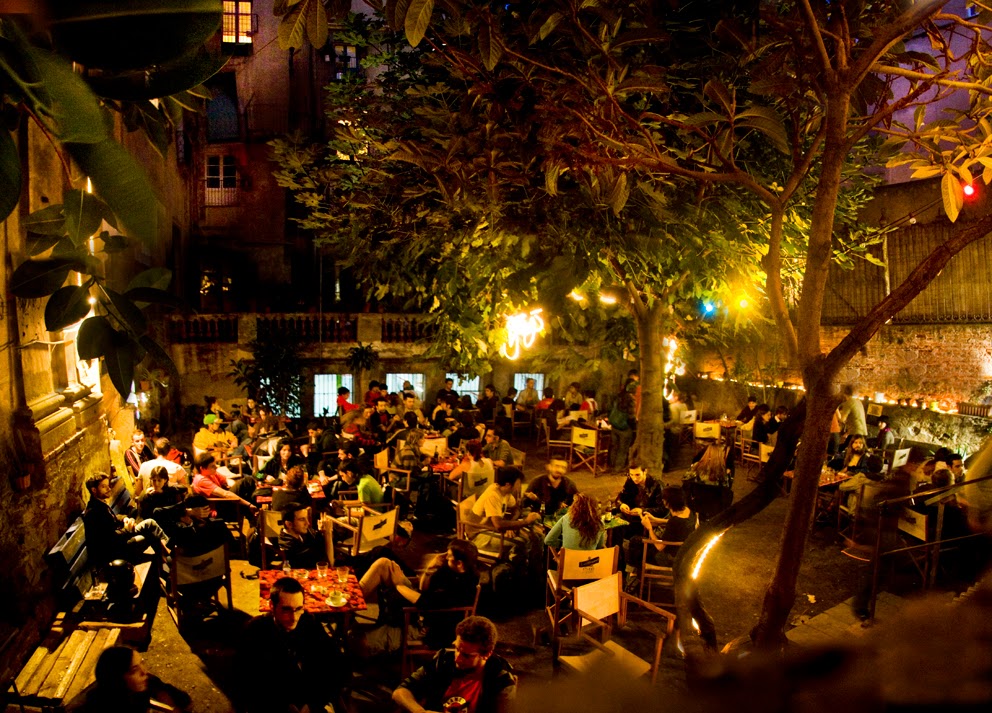
Barcelona · 🎭 Entertainment · 🚶 1 min walk
Antic Teatre
1h30
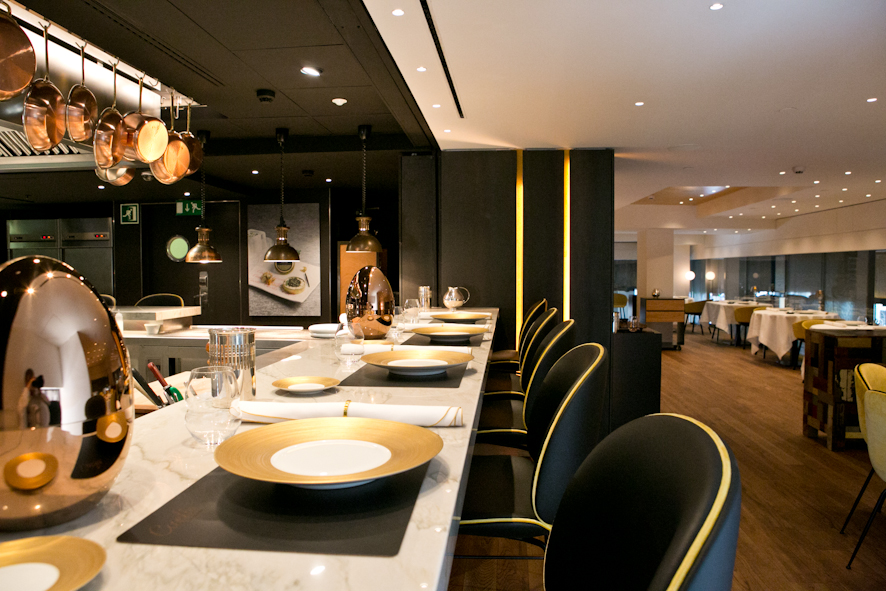
Barcelona · 🍽️ Food · 🚶 2 min walk
Caelis
2h
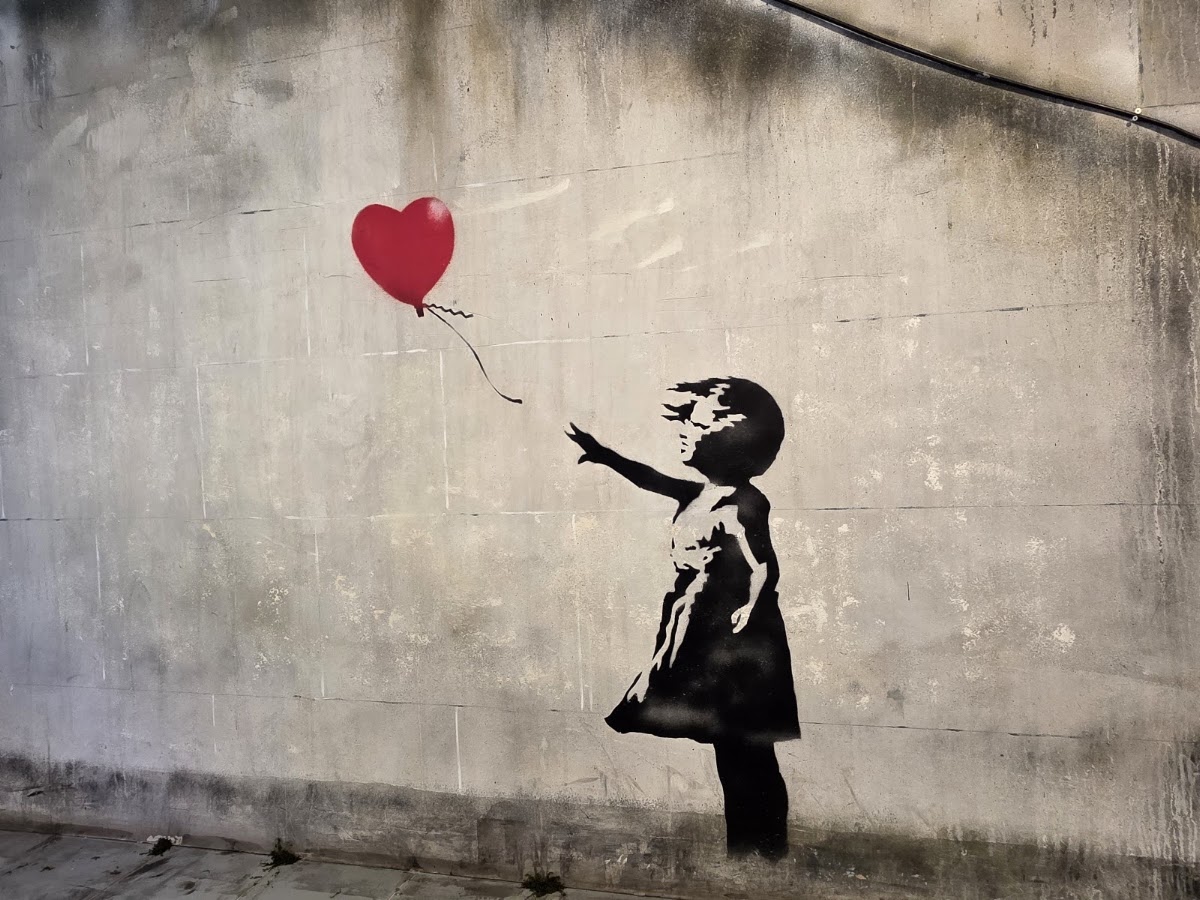
Barcelona · 🎨 Museum · 🚶 3 min walk
Banksy Museum
1h
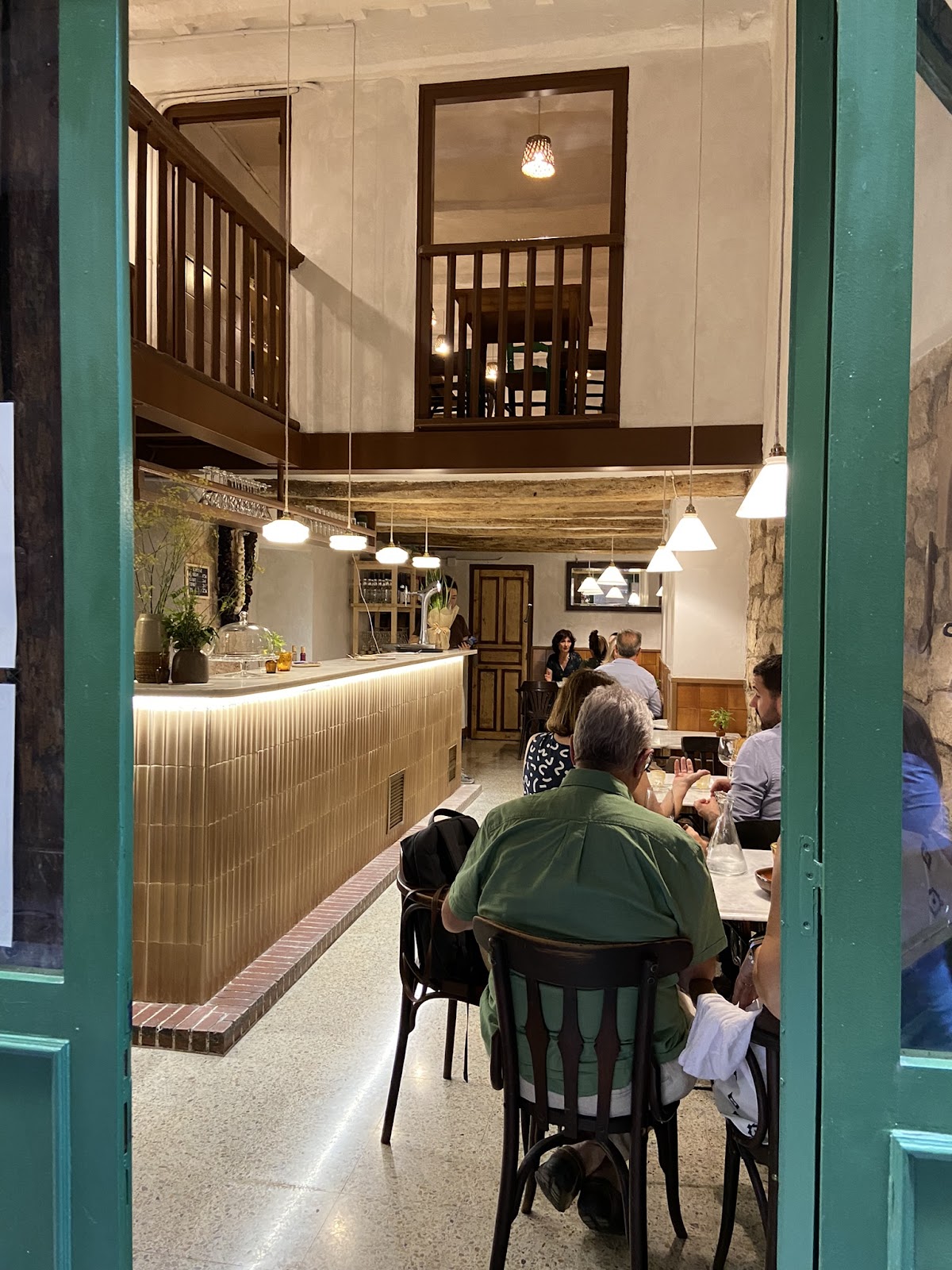
Barcelona · 🍽️ Food · 🚶 3 min walk
La Sosenga
1h45
Build your itinerary
City
Dates
Choose your Explorer profile