Landmark
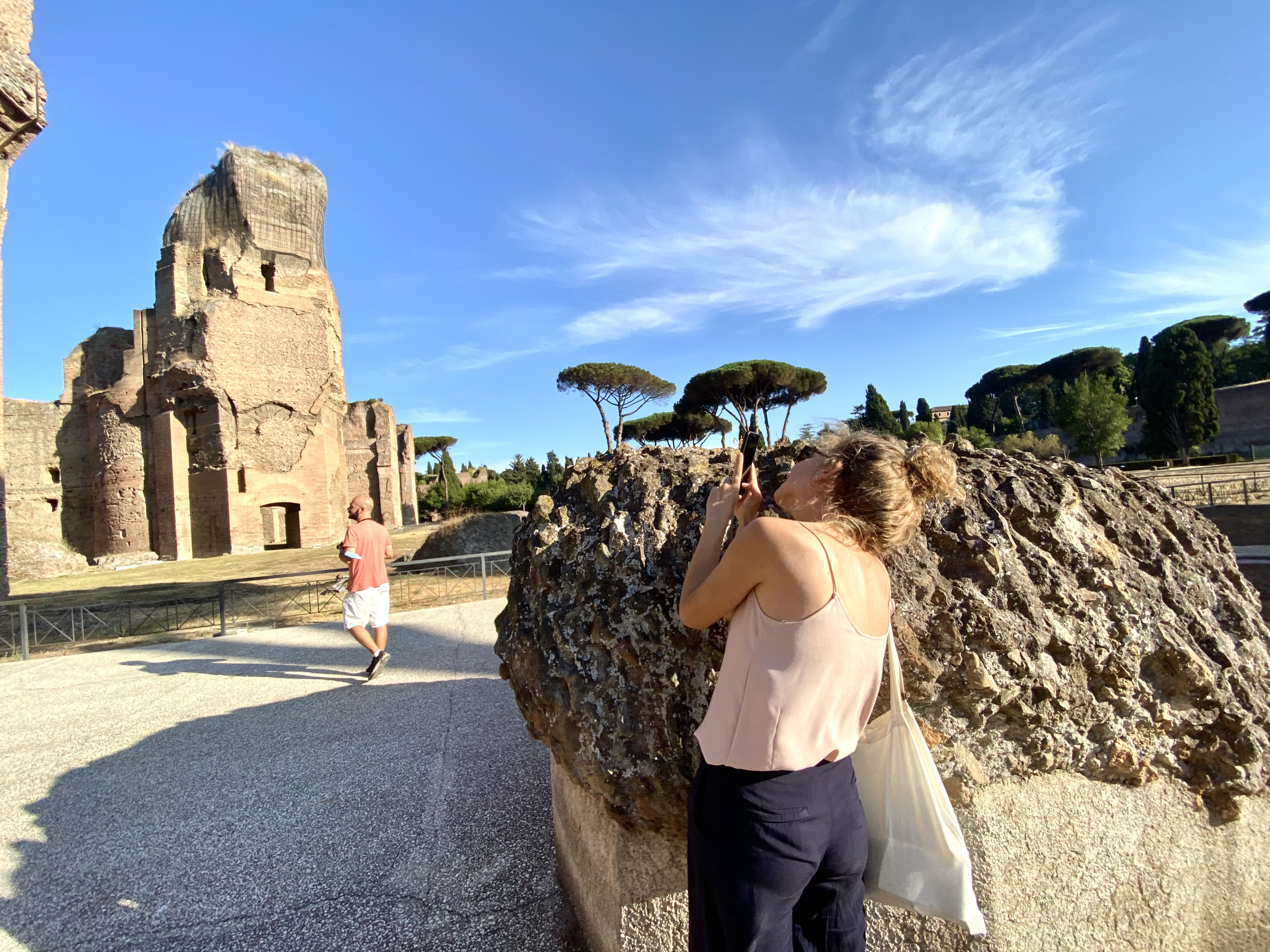
Completed under Emperor Caracalla around 216 AD, the complex combined hot and cold bathing halls, gyms, libraries, and gardens across a footprint that still overwhelms visitors today despite the loss of its marble cladding and mosaics. The scale of the surviving brick vaulting hints at engineering — including an underground network of service tunnels — that was remarkably advanced for its time. In summer, the ruins host open-air opera performances, giving the site a very different character after dark than its usual daytime quiet. It's a rewarding stop for anyone interested in Roman engineering, and notably less crowded than the Forum or Colosseum.
✨ Reasons to go
💡 Good to know
⏱️ Typical visit
1h15
🕰️ Best time
morning, lunchtime, afternoon or early evening
🚶 Walking intensity
Moderate walking
Booking
What people say
"A beautifully peaceful and majestic experience! My visit here was absolutely wonderful and far exceeded my expectations. The sheer scale of the site is breathtaking; the towering walls and vast spaces are incredibly enormous and truly awe-inspiring. I was deeply impressed by how remarkably well-preserved everything is, from the massive brick structures to the beautiful, intricate floor mosaics. Because it wasn't overcrowded, the entire venue had a wonderfully calm, relaxing ambiance. I was able to stroll through these majestic, ancient ruins at a leisurely pace and soak in the history in complete peace. It is a stunning, unhurried sanctuary that I highly recommend."
— s a