Museum/arts/culture
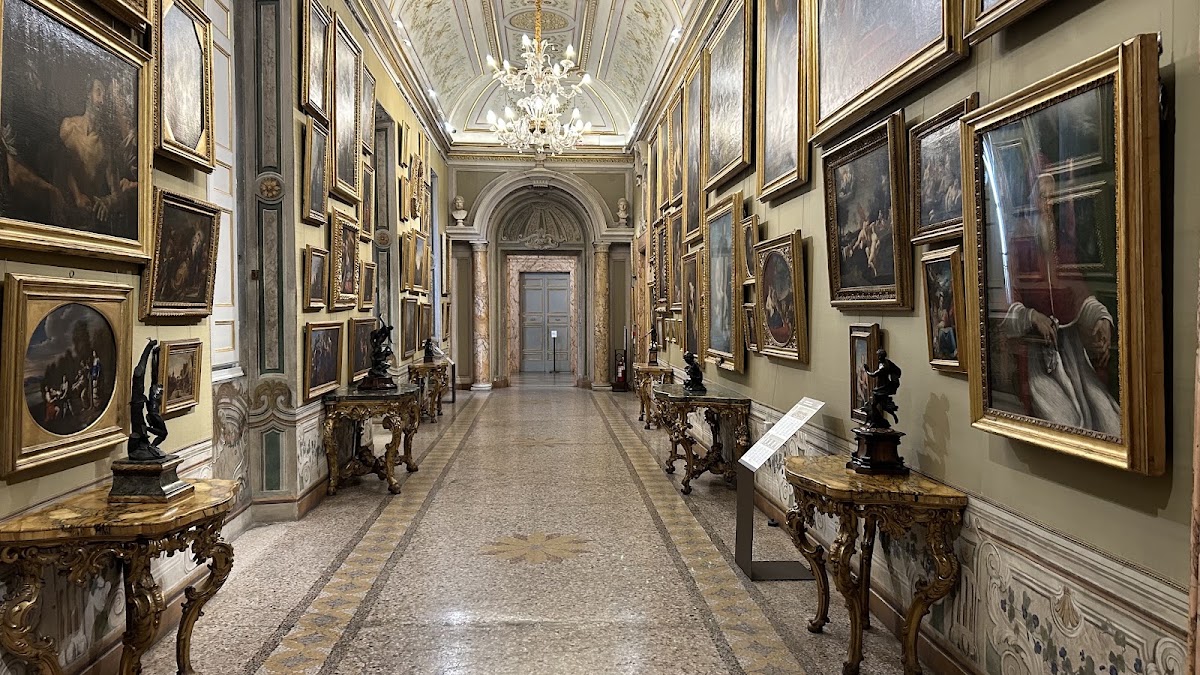
Begun for the powerful Barberini family and completed with contributions from Bernini and Borromini, this palace is as much an architectural showpiece as a museum, crowned by Pietro da Cortona's enormous illusionistic ceiling fresco in the Gran Salone. Its collection for the National Gallery of Ancient Art spans the Renaissance through Baroque, including Caravaggio's Judith Beheading Holofernes and Raphael's La Fornarina. At 4.6 stars with maximum culture, must-see, and aesthetic scores, reviewers frequently note it offers a comparable caliber of art to the Vatican Museums with far shorter lines and lower ticket demand. A single ticket also covers Galleria Corsini across the river, extending the visit for art-focused travelers.
✨ Reasons to go
💡 Good to know
⏱️ Typical visit
2h
🕰️ Best time
morning, lunchtime, afternoon or early evening
🚶 Walking intensity
Active — lots of walking
Booking
What people say
"The Gallerie Nazionali di Arte Antica (Palazzo Barberini) is one of the most grandiose and majestic art museums in Rome. The palace was built in the 17th century for the powerful Barberini family as a symbol of their line's triumph when one of the brothers became Pope Urban VIII. This museum is an absolute classic for connoisseurs of the late Baroque and Renaissance. The palace itself is as remarkable an exhibit as the priceless paintings displayed in its halls. Palazzo Barberini is a unique architectural monument, created by three of the era's greatest geniuses. Construction was begun by Carlo Maderno, and after his death, Gian Lorenzo Bernini took over the project. He was assisted by his main rival, Francesco Borromini. Their unspoken architectural duel can still be seen inside the palace. Compare the two grand staircases: Bernini created a monumental, austere square staircase in the left wing, while Borromini created a graceful, soaring spiral staircase on an oval base with paired columns in the right. It's a pure delight for the eyes. The museum's art collection boasts a stunning number of iconic paintings. It houses Raphael's famous "Fornarina"—a portrait of Margherita Luti, the master's lover and muse. Fans of Caravaggio's dark genius will find his iconic and terrifying work "Judith and Holofernes" and "Narcissus" here. The halls also feature paintings by Titian, El Greco, Guido Reni, and Hans Holbein the Younger (his famous portrait of Henry VIII). If you enjoy architectural photography, Borromini's spiral staircase is a goldmine. Try shooting vertically from the bottom up to capture the perfect spiral, or capture the perspective of the flights of stairs from the top down, using soft natural light from the windows. Viewing Pietro da Cortona's colossal ceiling while standing is a serious challenge for the neck. Soft leather sofas have been thoughtfully placed in the center of the room. Lie down on them to leisurely study the hundreds of characters and appreciate the 3D effect of Baroque illusionism."
— Witold Drutel