Landmark
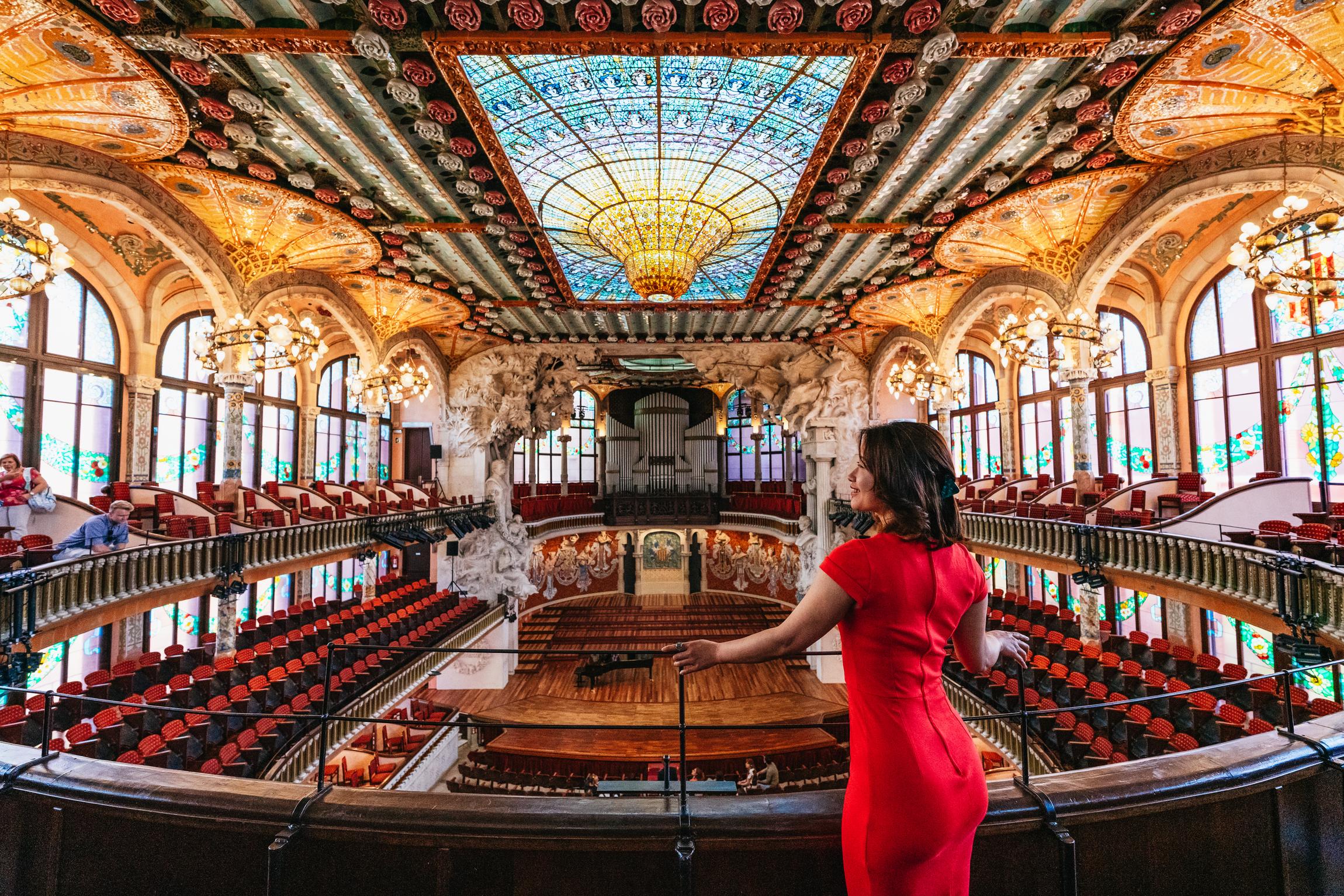
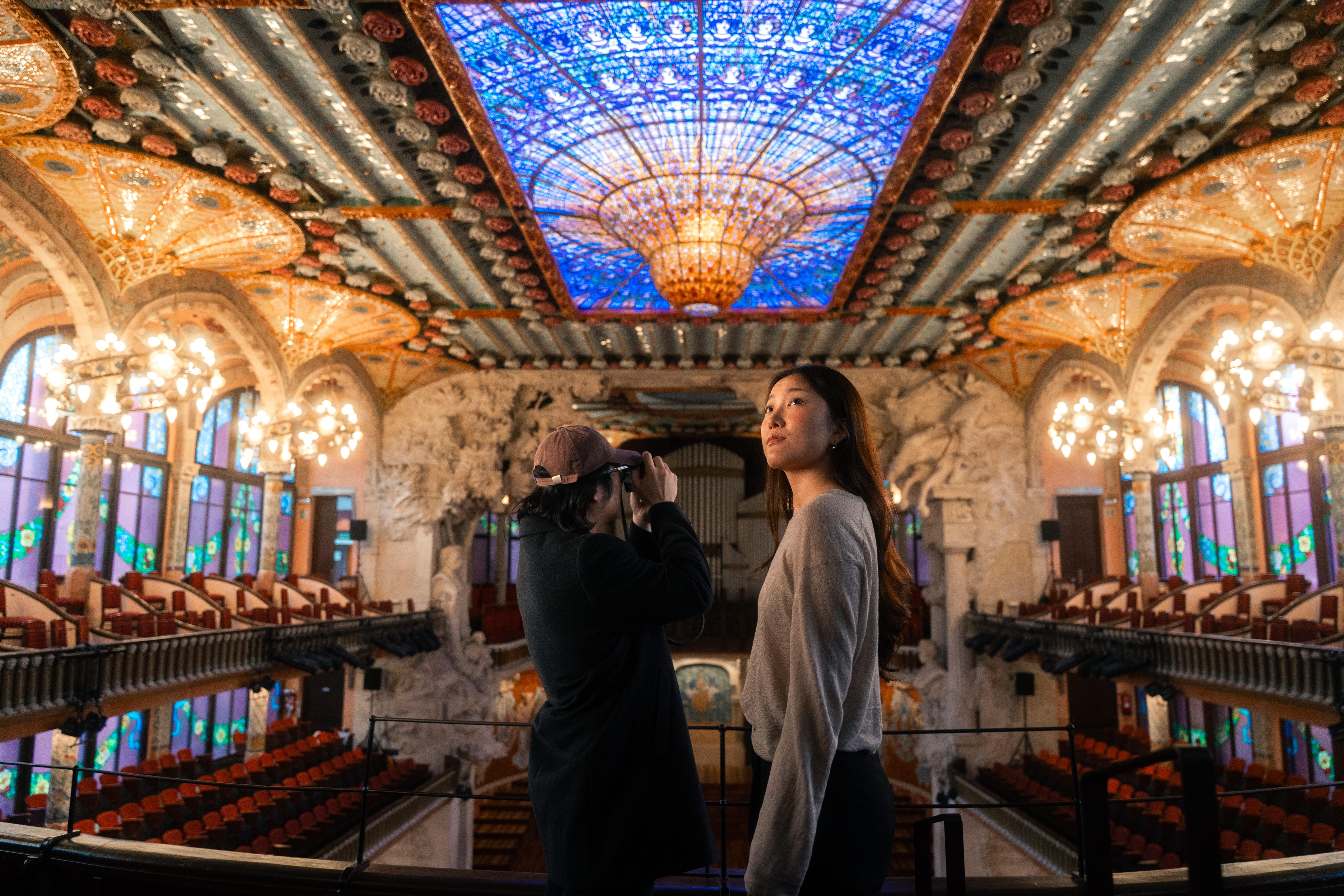
Built between 1905 and 1908 by architect Lluís Domènech i Montaner for the Orfeó Català choral society, the concert hall is considered one of the finest expressions of Catalan Modernisme, packed with sculpture, mosaic, and stained glass rather than restrained in the way most concert halls are. Its centerpiece is an enormous inverted stained-glass dome that floods the main hall with natural light, a striking departure from conventional theater design of the period. A guided daytime tour covers the architecture and history, but attending an evening concert here is widely considered the fuller experience, letting the building's acoustics and lighting work together as intended. It suits music lovers and architecture fans in roughly equal measure.
✨ Reasons to go
💡 Good to know
⏱️ Typical visit
1h
🕰️ Best time
afternoon or evening
🚶 Walking intensity
Easy pace
Booking
What people say
"The Palau de la Música Catalana is nothing short of breathtaking. A masterpiece of Catalan Modernisme that feels as vibrant today as when it first opened in 1908. The building is superbly maintained, and every corner reflects the care and pride invested in preserving this UNESCO World Heritage Site. Stepping inside, you’re immediately struck by the richness of its architecture. Lluís Domènech i Montaner’s vision comes alive through the stained‑glass skylight, mosaic‑covered columns, sculptural details, and the extraordinary interplay of colour and natural light. It’s a rare example of a concert hall where architecture, craftsmanship, and artistry merge into a single immersive experience. The main auditorium is a highlight, a luminous, uplifting space that feels almost otherworldly. More than a century after its construction, it remains one of the world’s most distinctive concert venues, a true cultural landmark for Barcelona and a symbol of Catalan identity. Whether you visit for a performance or a guided tour, the Palau offers an unforgettable encounter with architectural brilliance, history, and impeccable preservation. A must‑see for anyone who appreciates design, culture, or simply a beautifully kept historic treasure."
— Matthew Eastwood